Wave Forcing: Open Streaming Video Model on Wan 2.1
SJTU's Wave Forcing streams AI video on an open 1.3B Wan 2.1 model. See what the paper measured on eight H200 GPUs and the limits it lists.
SJTU's Wave Forcing streams AI video on an open 1.3B Wan 2.1 model. See what the paper measured on eight H200 GPUs and the limits it lists.
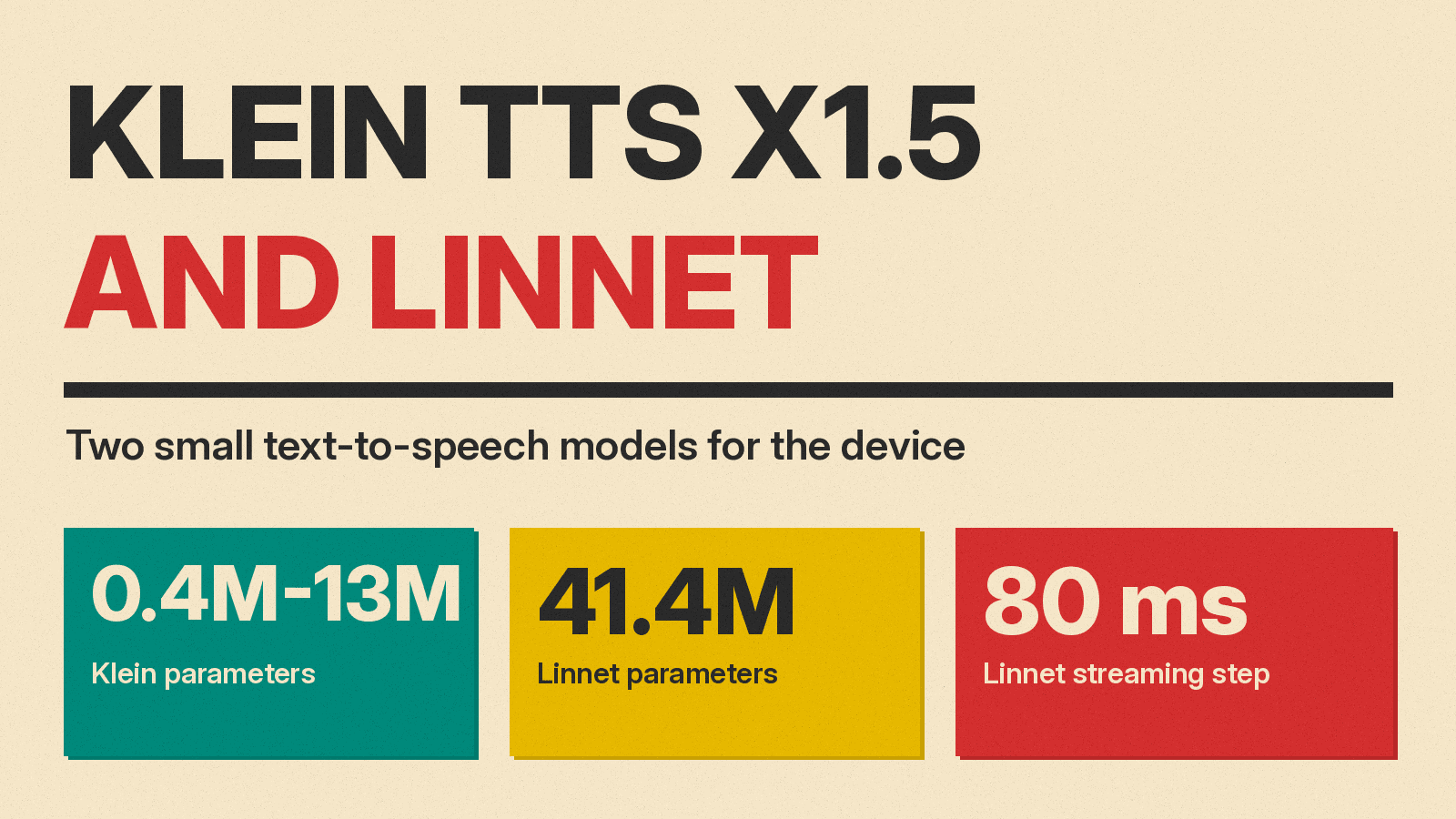
Klein-TTS X1.5 and VoxRT's LinnetTTS are small text-to-speech models for devices. Sizes, languages, speeds and licenses from the vendors' own pages.
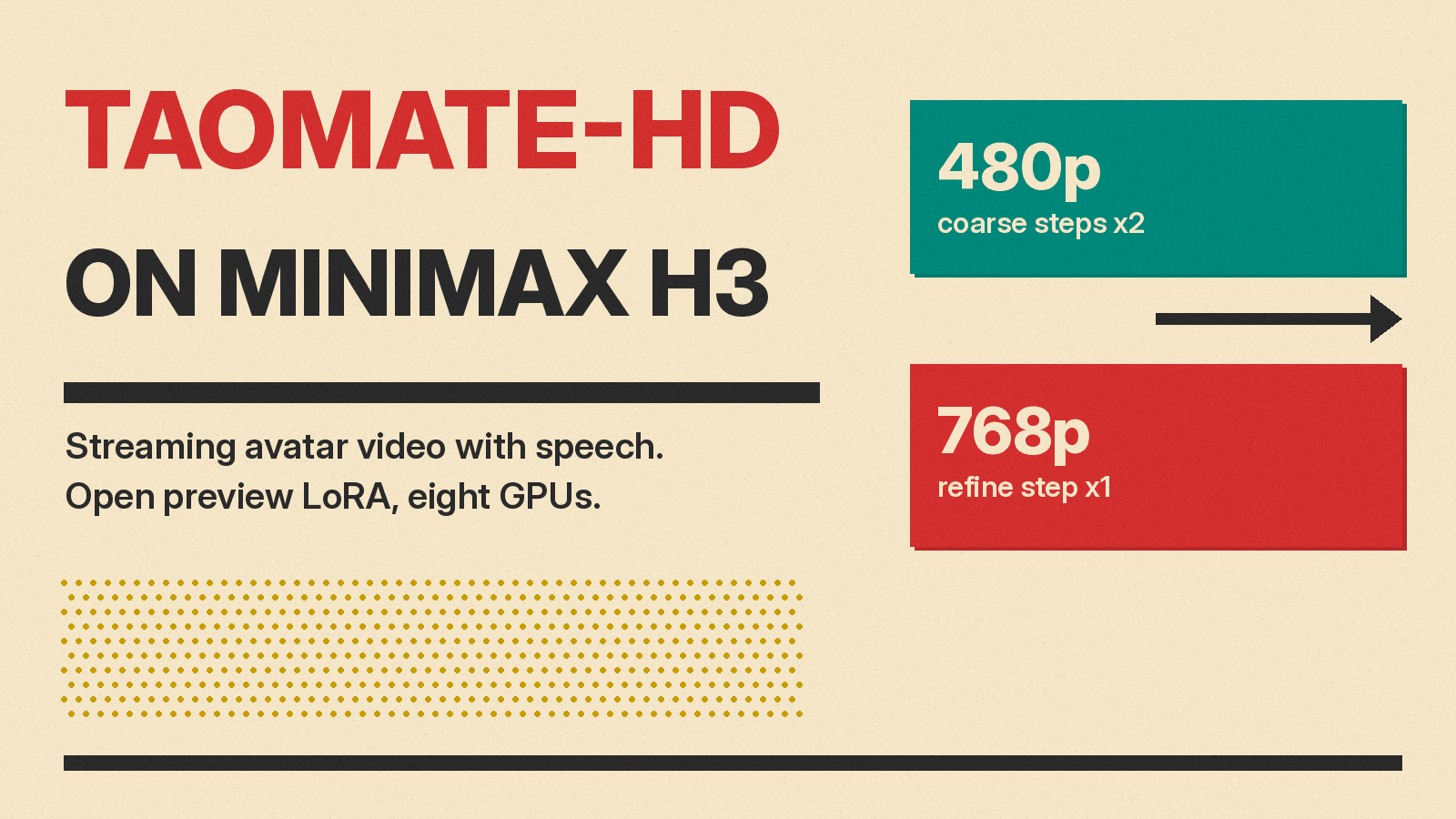
Alibaba's TaoLive team released TaoMate-HD, a preview LoRA for MiniMax H3 that streams speech and high-resolution avatar video. Here is how it works, what the authors measured, and the limits.
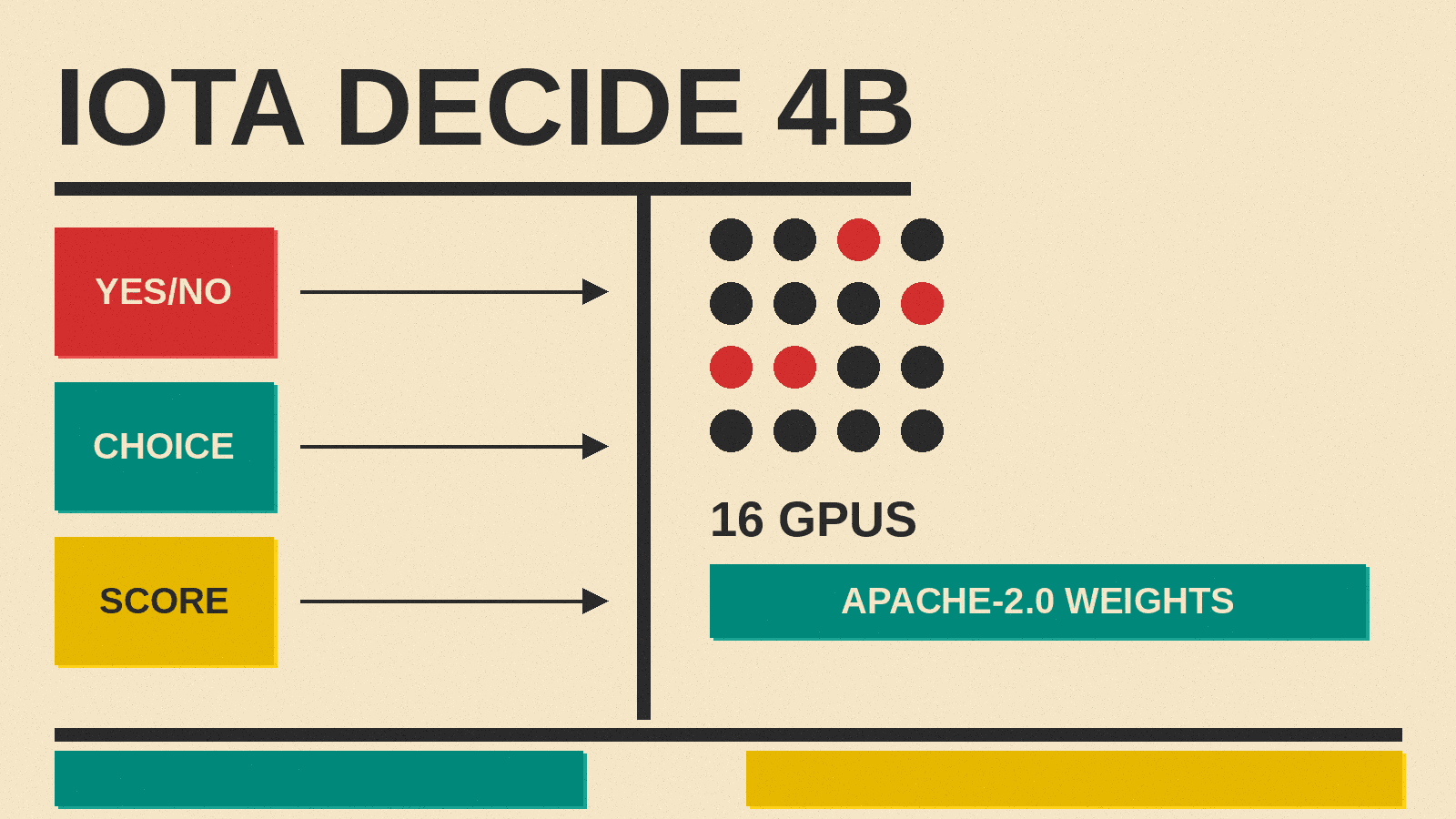
Macrocosmos published IOTA Decide 4B v0.4, an Apache-2.0 model that returns probabilities, not text. It reports 78.6 on JevBench and needs a bundled loader.
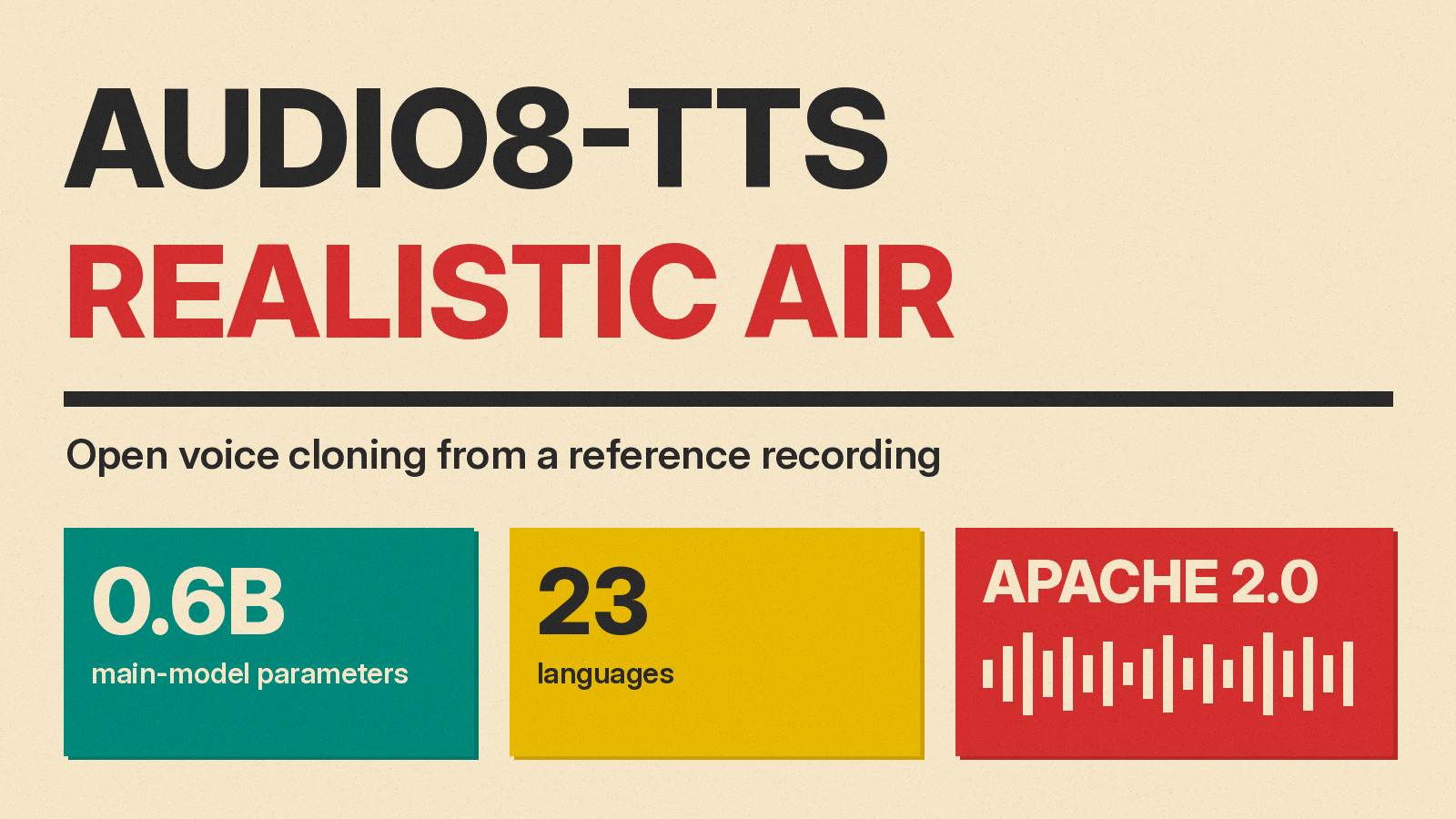
Edge0's Audio8-TTS-Realistic-Air is a 0.6B Apache 2.0 text-to-speech model with zero-shot voice cloning in 23 languages. What the card and paper report.
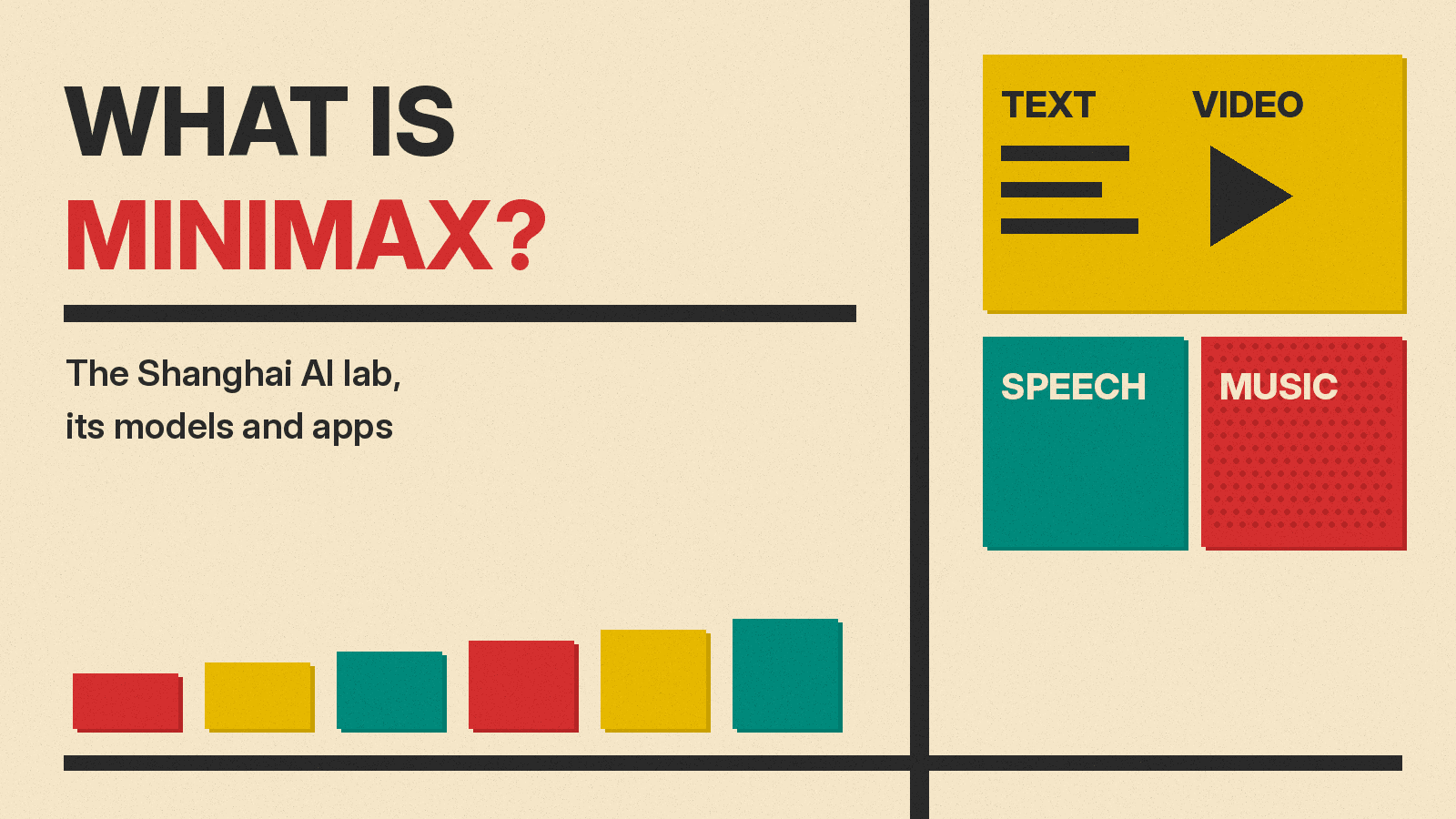
Who makes MiniMax, what its text, video, speech and music models do, where Hailuo AI, Talkie and MiniMax Code fit, how to try them, and privacy basics.
Kimi is the AI assistant and model family from Beijing's Moonshot AI: who makes it, the apps and API, the K2 and K3 models, and the disputes around it.
Kandinsky Lab released Kandinsky S2V 1.0, open speech-to-video models that animate a whole person from one image and a voice track. Here are the sizes, GPU needs, license and limits.
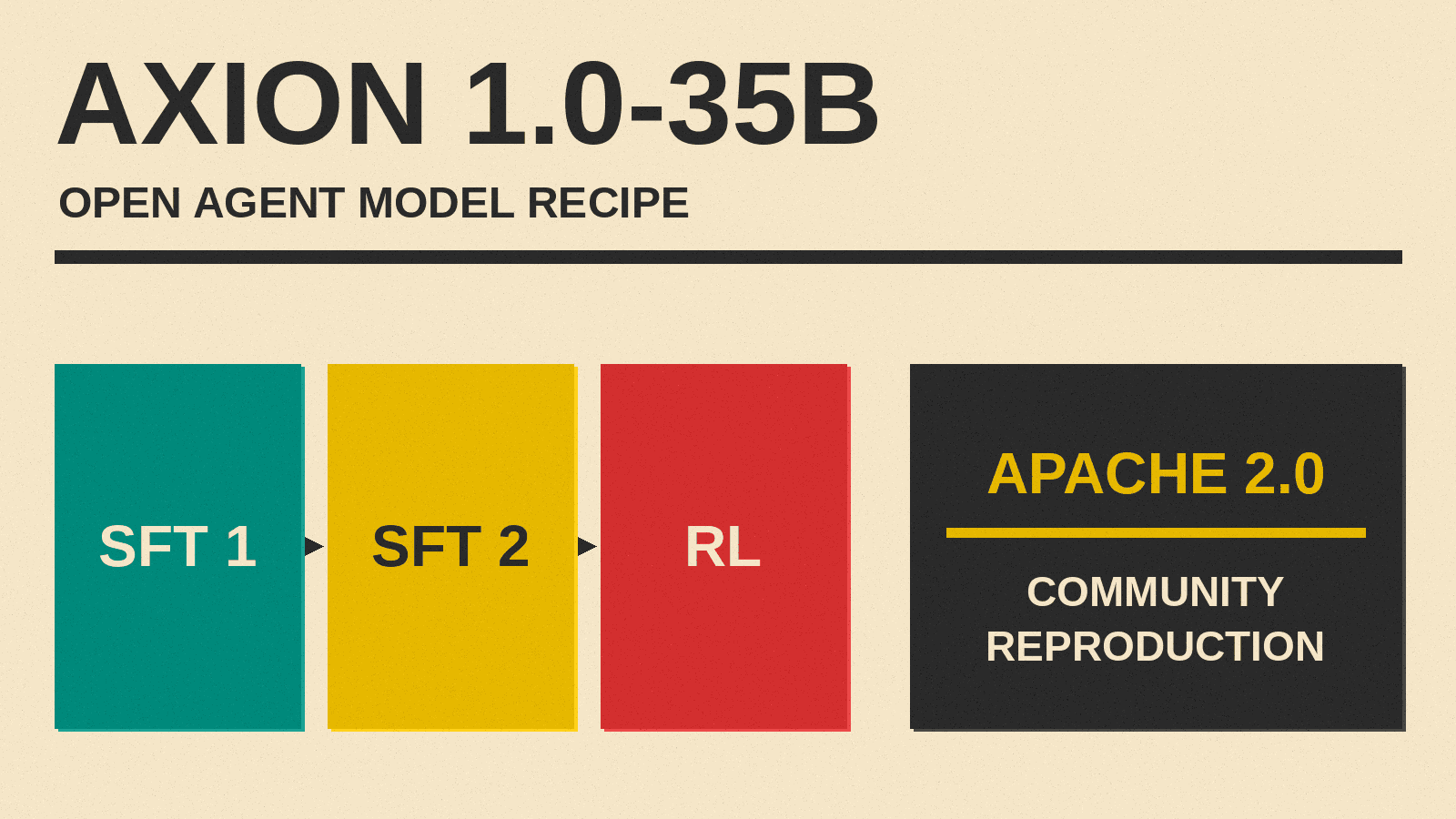
Axion 1.0 is an open recipe for an AI agent model. The 35B Apache 2.0 checkpoint is a community reproduction, and its scores sit within 1.8 points of the paper.
Pruna's P-H3-Image makes and edits images, built from MiniMax-H3. What Pruna says changed, the speed and memory claims, and the license limits.
Moonshot released Kimi K3.1 Pro weights on Nov 4. X and HN praised day-one hosts, joked about hardware, disputed the license, and split on benchmarks.
Kimi K3.1 Pro, DeepSeek V4.1 Flash and MiniMax M3.1 Flash compared on one Artificial Analysis index, price per token, cost per task, speed and license terms.
LAION's Humaneness Voice Large turns a two-person script and two short voice clips into one podcast-style conversation. CC BY 4.0 weights; needs a GPU.
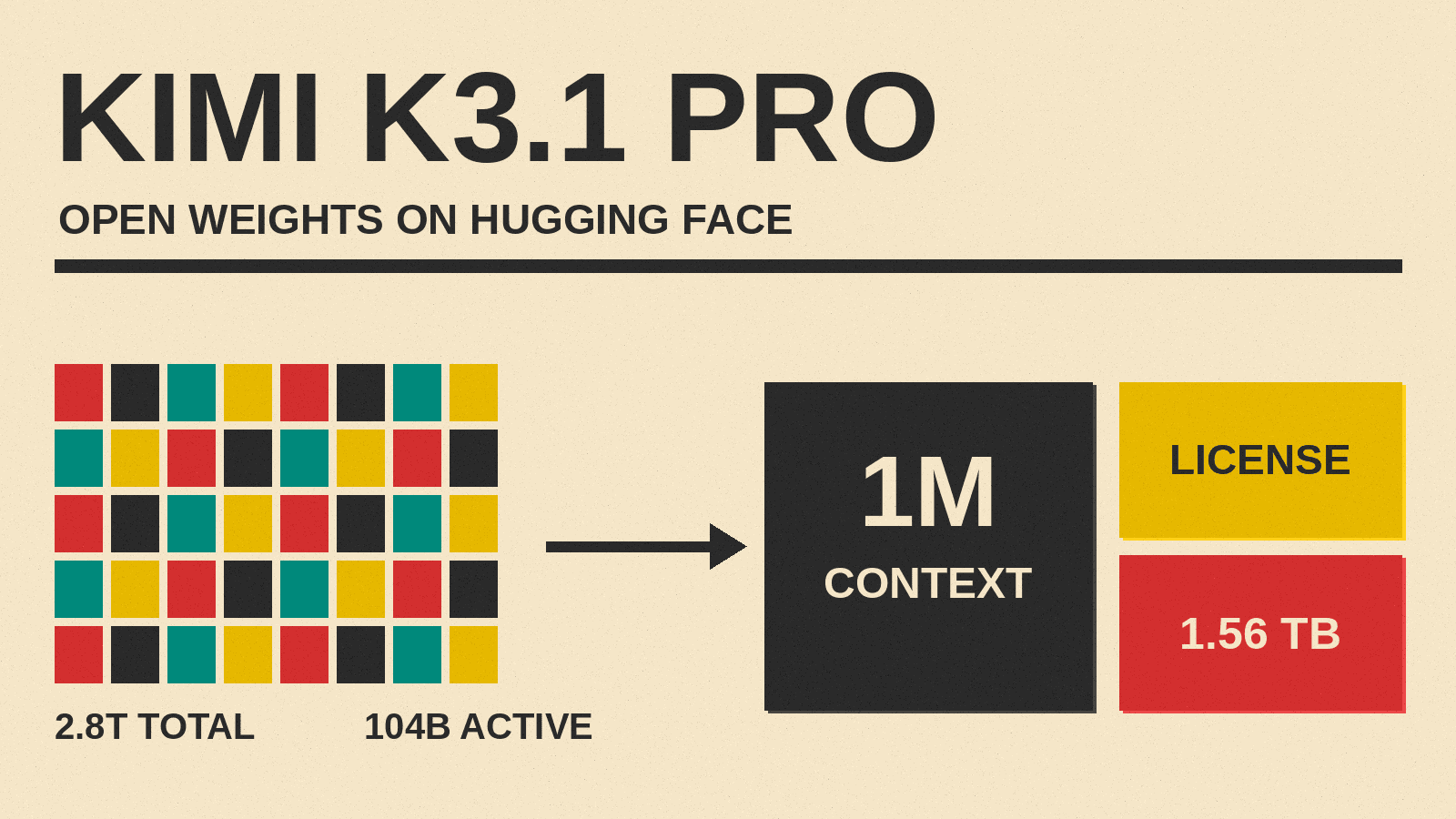
Moonshot posted Kimi K3.1 Pro weights on Hugging Face: 2.8T parameters, 104B active, 1M context, about 1.56 TB of files and a $20M revenue term for API hosts.
Ricursive's Ripple-65B Preview is a 65B dense open-weight coding model. X and Hacker News praised its local run on a DGX Spark, then argued over the benchmark chart, the Qwen comparison, the US-only label and the $32M cost claim.
Parameters times bytes per parameter, plus about 20 percent. How to estimate the RAM or VRAM an open model needs, with worked examples from 3B to 70B.
Gemma is Google's family of open AI models you can download and run. How it differs from Gemini, its variants, how to try it and what the license allows.
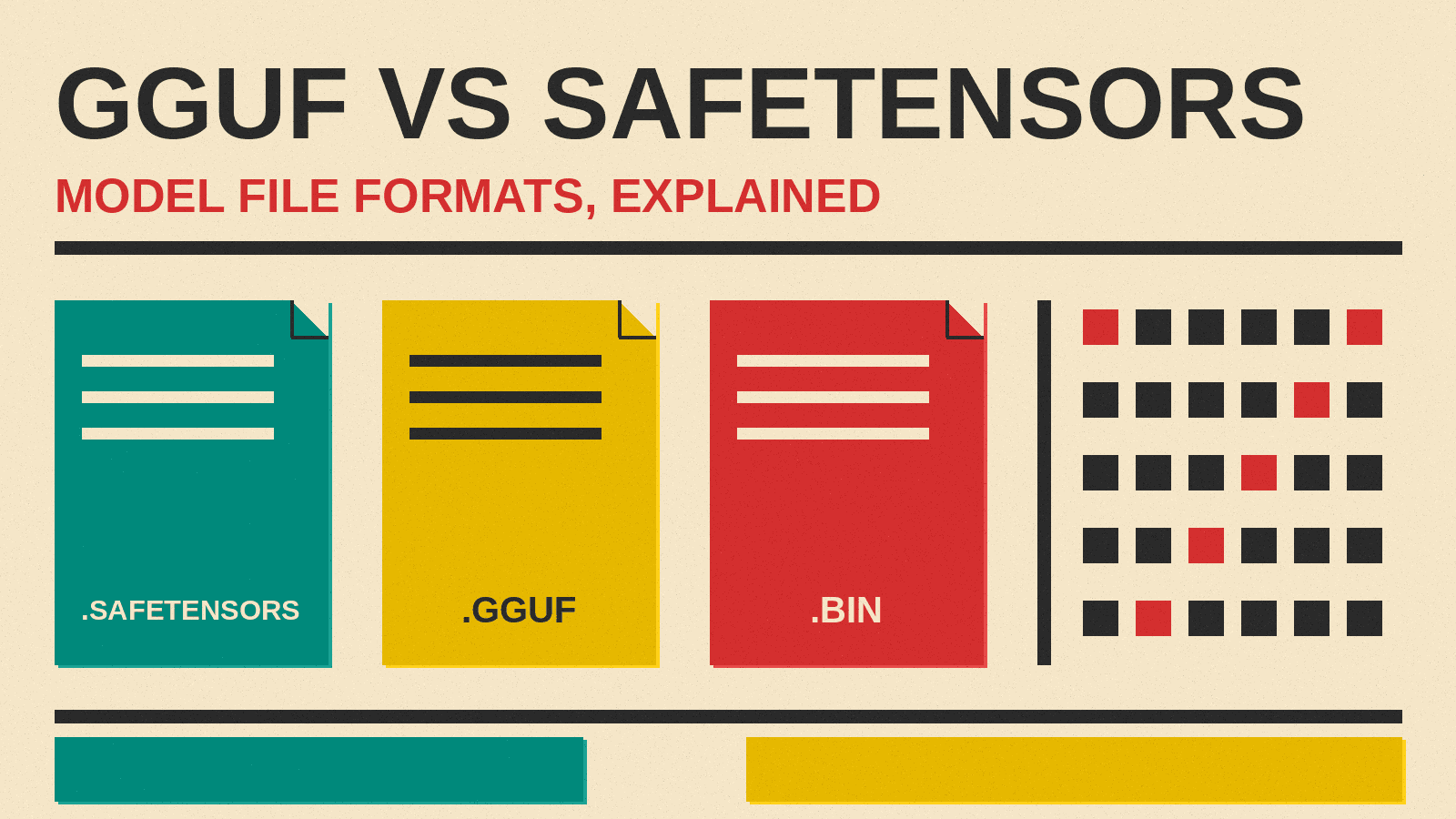
What .safetensors, .gguf, .bin and .pt model files store, why pickle files can run code, what Q4_K and Q6_K mean, and which file to download.
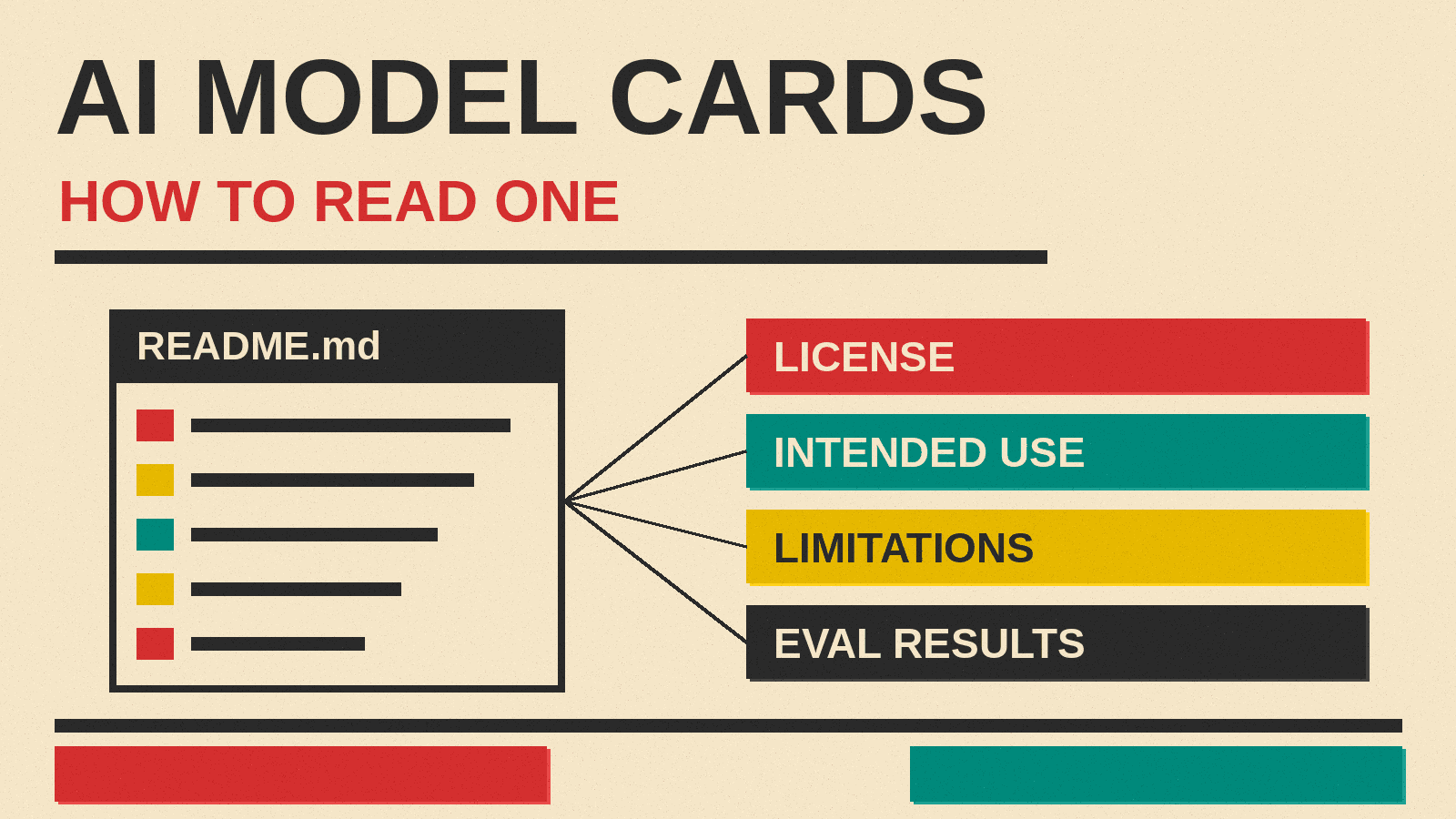
Every open model on Hugging Face comes with a model card. Here is what a model card is, its two parts, and a five-step checklist: license, base model, intended use, evaluation results and gated access.
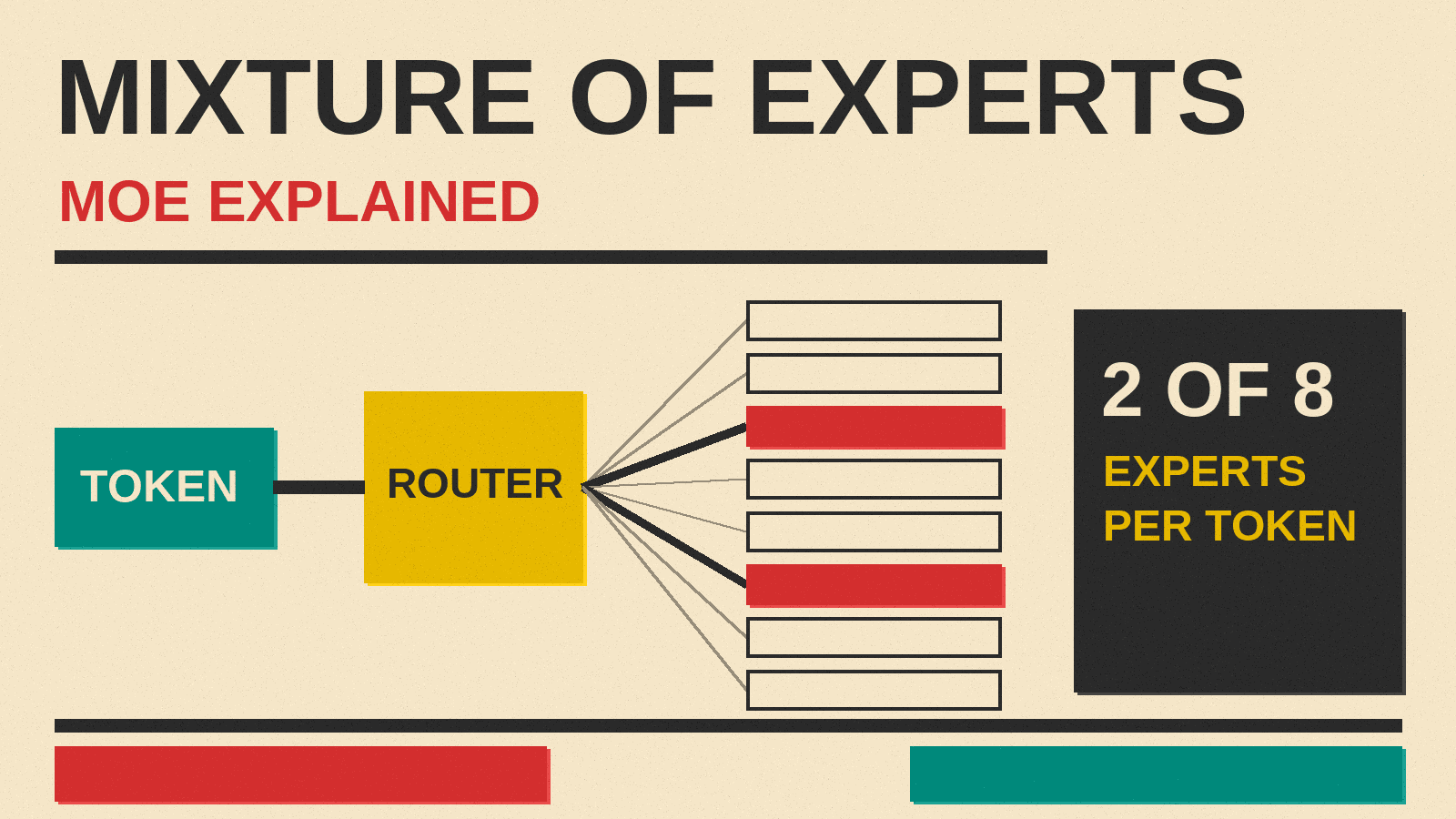
Many open AI models now list two sizes, total and active parameters. That is a sign of a mixture of experts design. Here is how MoE models work, why they are fast but memory hungry, and what the two numbers mean for you.