Resources / Prompts

Prompts

Prompt engineering techniques and copy-paste prompts that work.

10 articles

Articles

1-10 of 10
  1. How to Write Better AI Prompts: A Beginner's Guide (October 2026)

    A practical beginner guide to writing clearer prompts for ChatGPT, Claude, Gemini, and Grok. Built from OpenAI, Anthropic, and Google's own prompting docs: scope one job, add context, specify format, show examples, say what to do, then iterate.

    AI
    7 min read
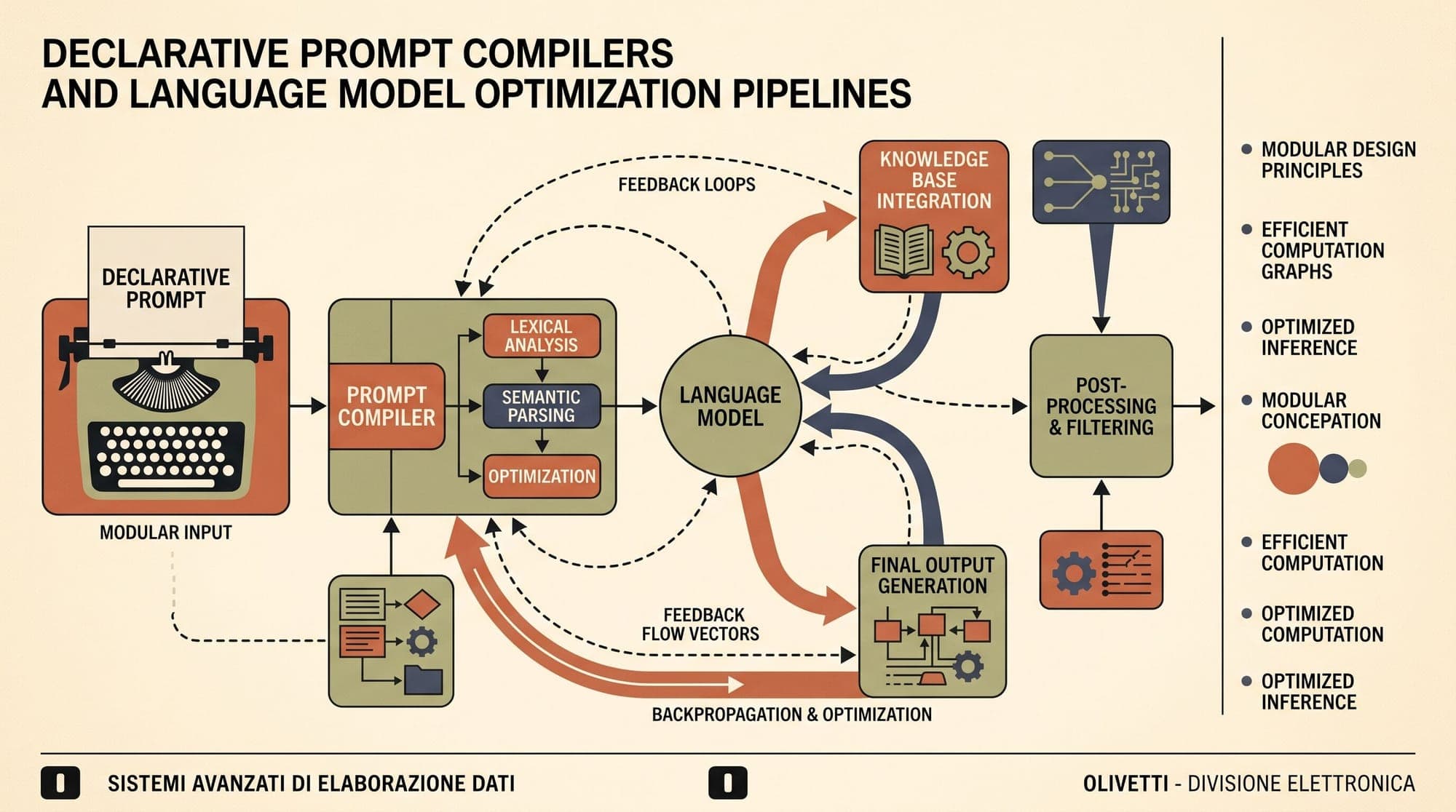
  2. Declarative Prompt Optimization and LLM Compilers in Production: Comparing DSPy, TextGrad, SAMMO, and AdalFlow

    Production AI applications are rapidly moving away from hardcoded prompt strings and manual trial-and-error tweaking. As language model systems expand into multi-stage pipelines, retrieval-augmented generation (RAG) graphs, and multi-agent loops, manual prompt adjustments fail to scale. Changing a system prompt or upstream retrieval format frequently degrades downstream extraction, reasoning, or tool-calling performance. To resolve this fragility, the industry is adopting declarative prompt opt

    AI
    7 min read
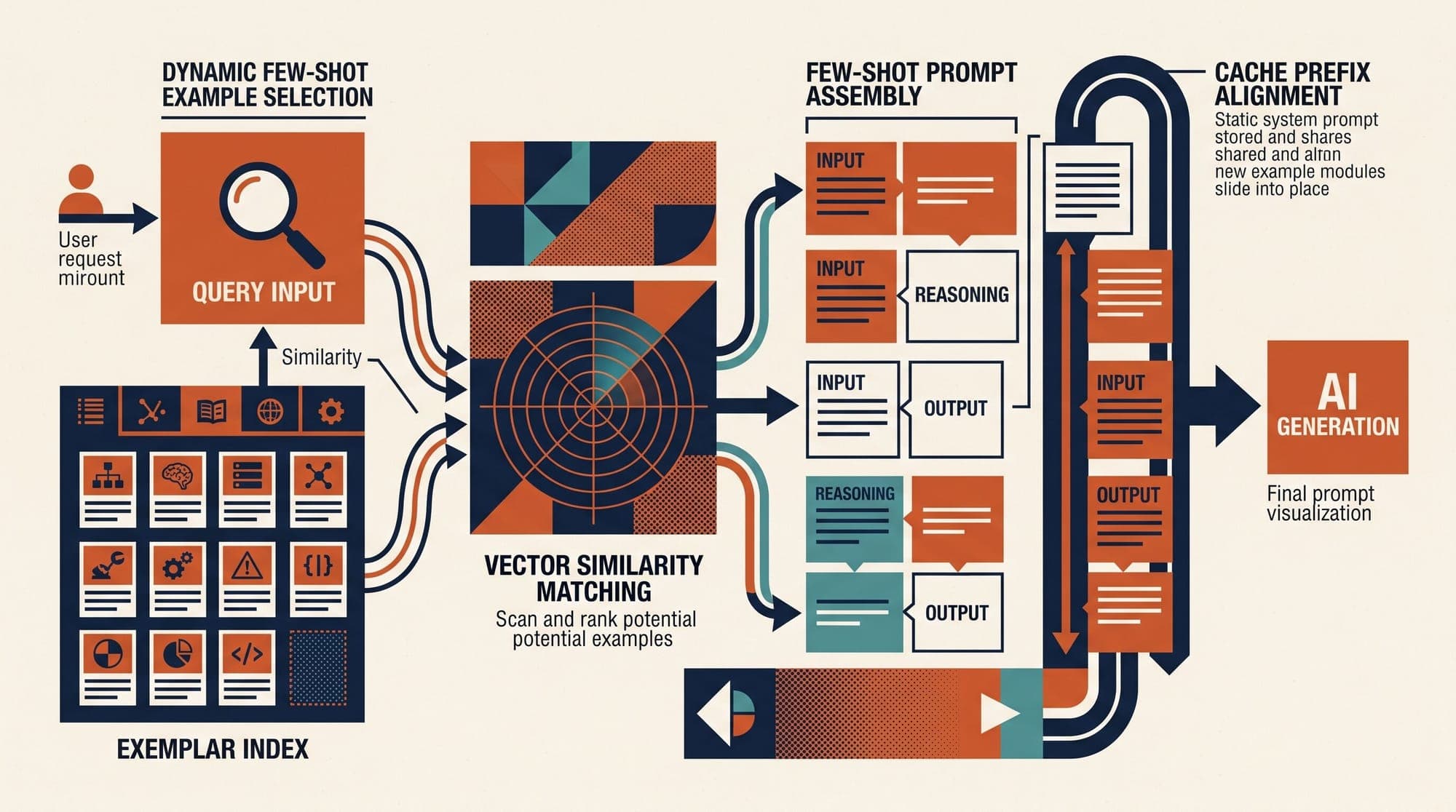
  3. Dynamic Few-Shot Example Selection in Production: Semantic Retrieval, Diversity Reranking, and Cache-Aligned Prompt Architectures

    In-context learning (ICL) remains one of the most practical mechanisms for steering large language models on specialized tasks, structured output parsing, domain-specific classification, and API tool calling. While zero-shot prompts rely entirely on the model's parametric memory, few-shot prompting provides concrete input-output demonstrations that anchor the model's generation trajectory. In enterprise production environments, however, static few-shot prompting quickly hits operational limits.

    AI
    9 min read
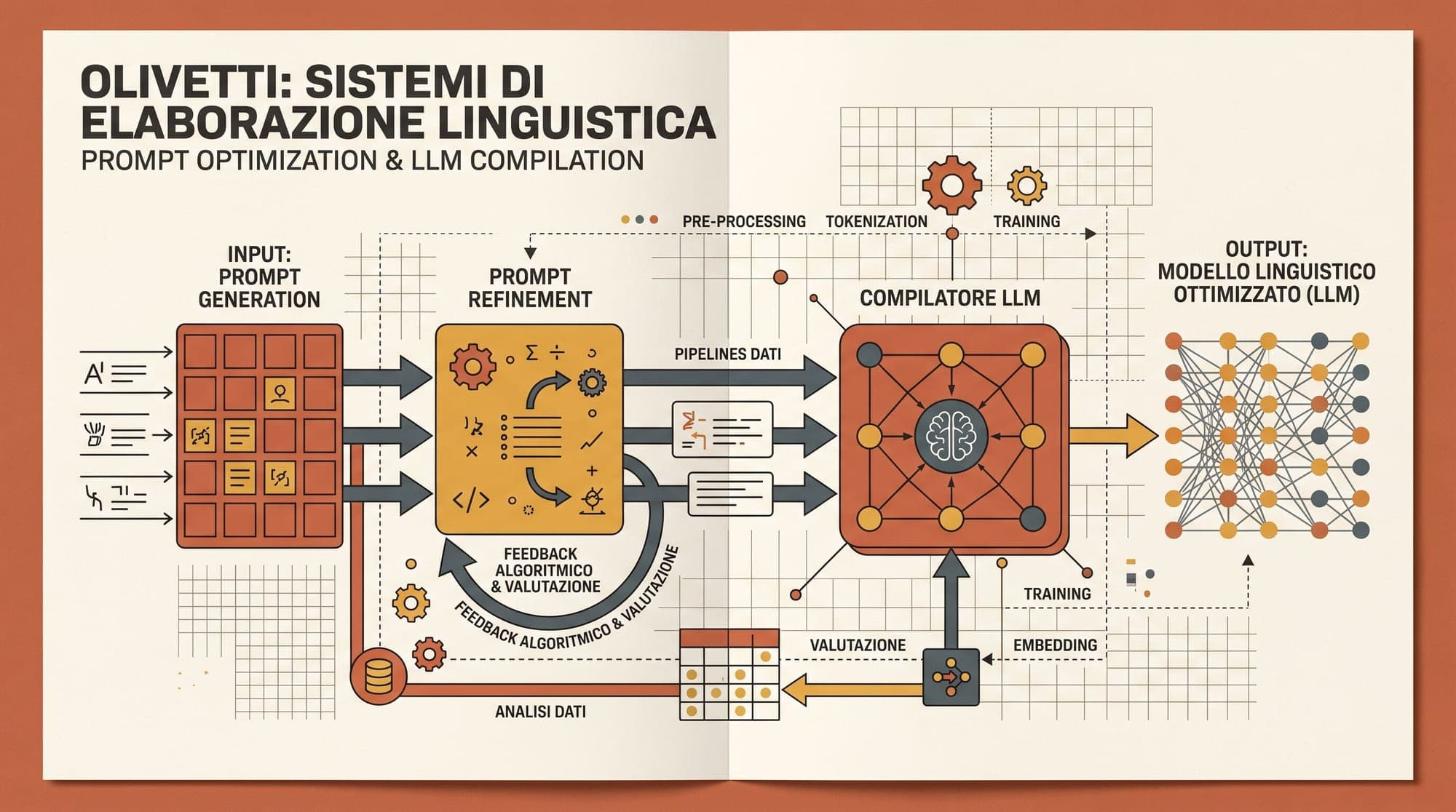
  4. Automated Prompt Optimization in Production: Signatures, Teleprompters, and Metric-Driven Compilation with DSPy

    Manual prompt engineering remains one of the largest sources of technical debt in modern LLM applications. Teams routinely spend weeks hand-crafting multi-paragraph system prompts, hardcoding few-shot examples, and tweaking phrasing to extract reliable outputs from specific model checkpoints. When the underlying model is upgraded, migrated to an open-weight alternative, or integrated into a multi-step pipeline, these hand-crafted strings break, requiring another cycle of trial-and-error adjustme

    AI
    5 min read
  5. Anthropic's Claude Code lead says prompt engineering is largely irrelevant

    Boris Cherny, the creator and head of Claude Code at Anthropic, said in a recent interview that prompt engineering matters far less than most users think, and that the real skill is giving Claude hard tasks with a way to verify its own work. Speaking with Y Combinator's Diana Hu, Cherny described an internal experiment where an engineer gave Claude Code access to OpenCV, an open-source computer vision library, and asked it to draw images. Claude did, despite having no obvious prior capability f

    Anthropic
    2 min read