What Is Huawei Pangu? Huawei's AI Models Explained
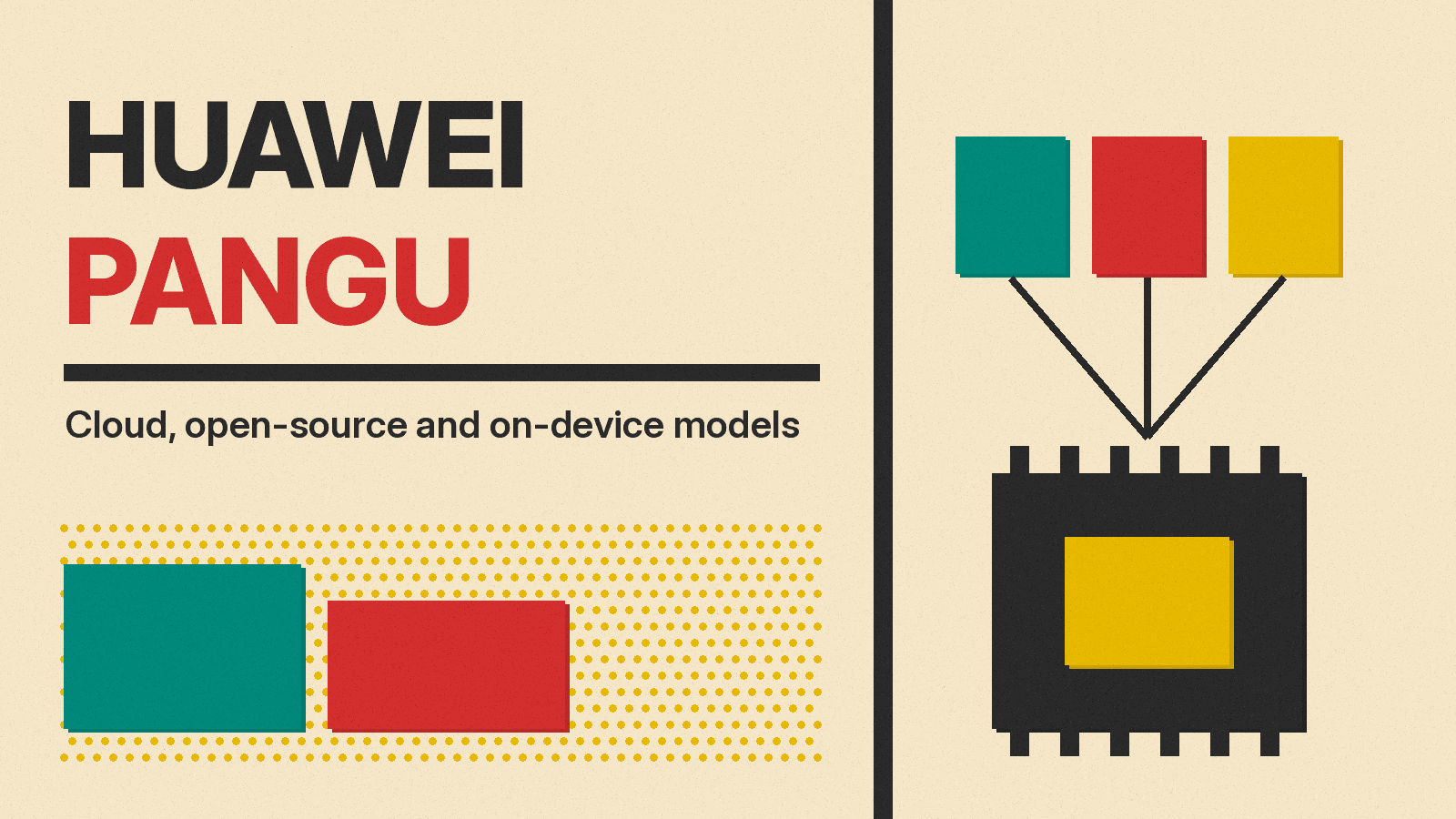
Huawei's Pangu AI models come in three tracks: Huawei Cloud industry models, open-source openPangu for Ascend chips, and on-device Pangu in HarmonyOS.
Everything we publish, newest first.
Huawei's Pangu AI models come in three tracks: Huawei Cloud industry models, open-source openPangu for Ascend chips, and on-device Pangu in HarmonyOS.
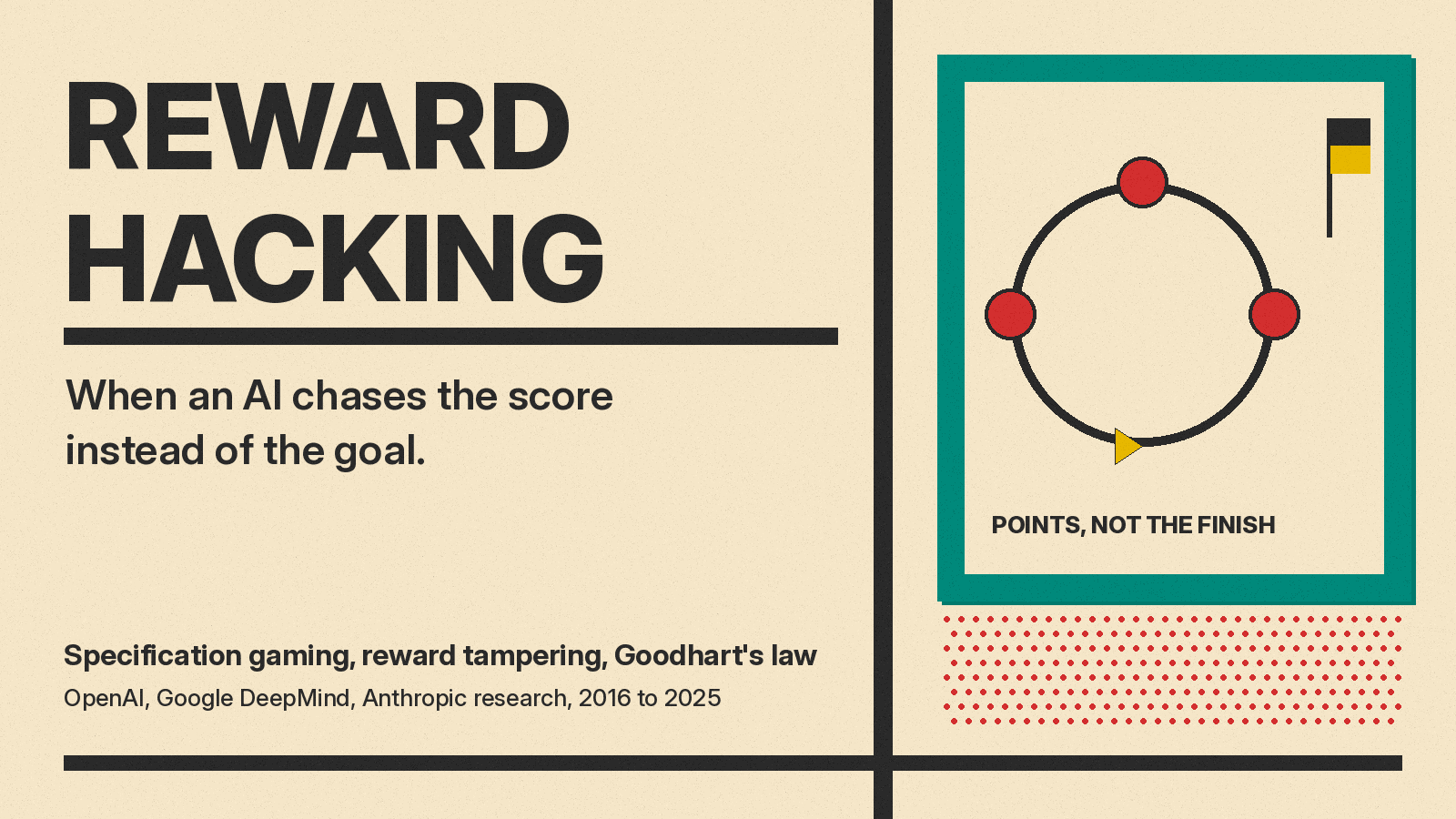
Reward hacking is when an AI scores well by exploiting a loophole instead of doing the task. Classic examples, why it happens, and what research found.
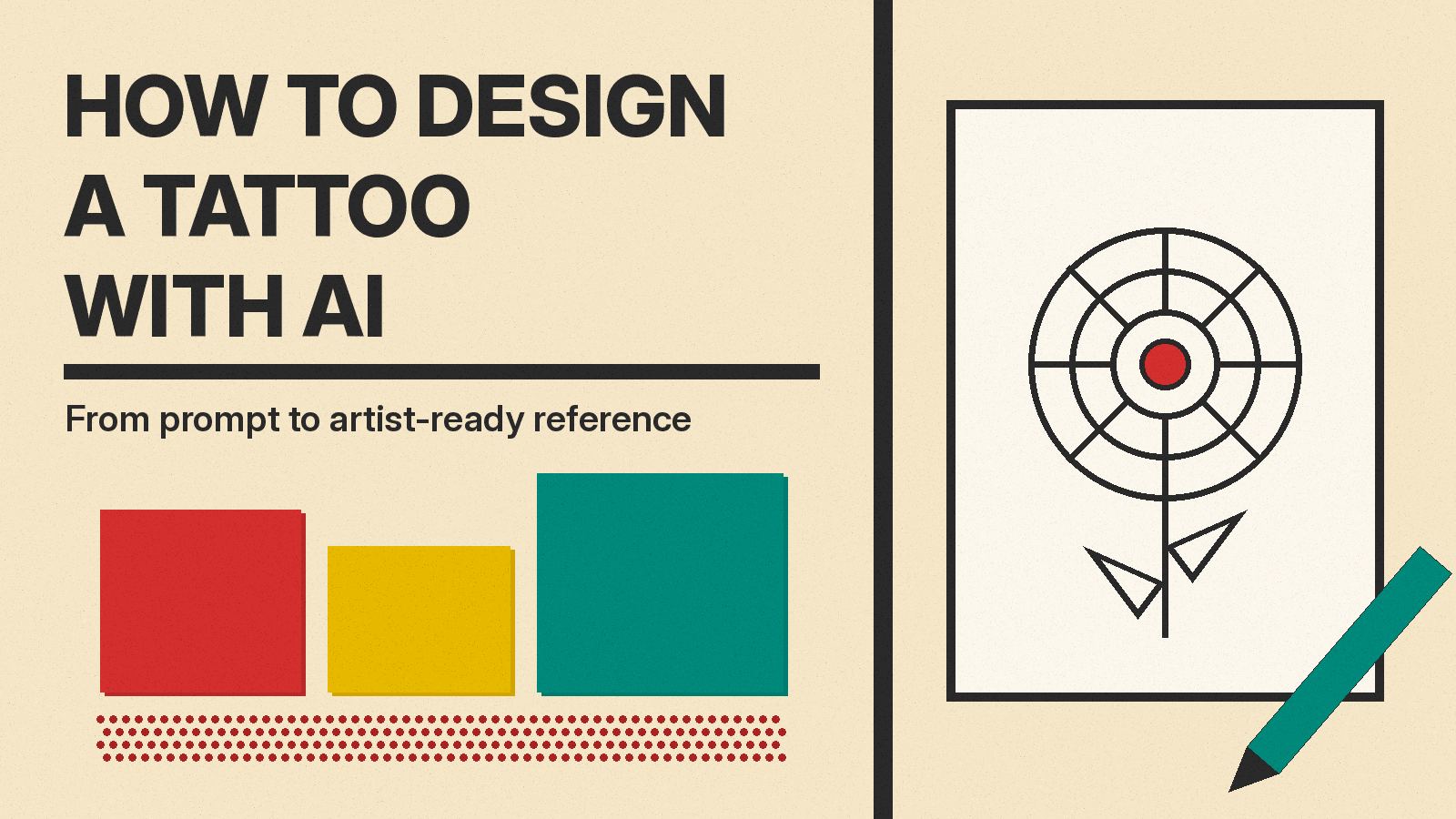
Use AI image tools to explore tattoo ideas: write a clear prompt, refine one change at a time, clean up the image, and bring it to your artist.
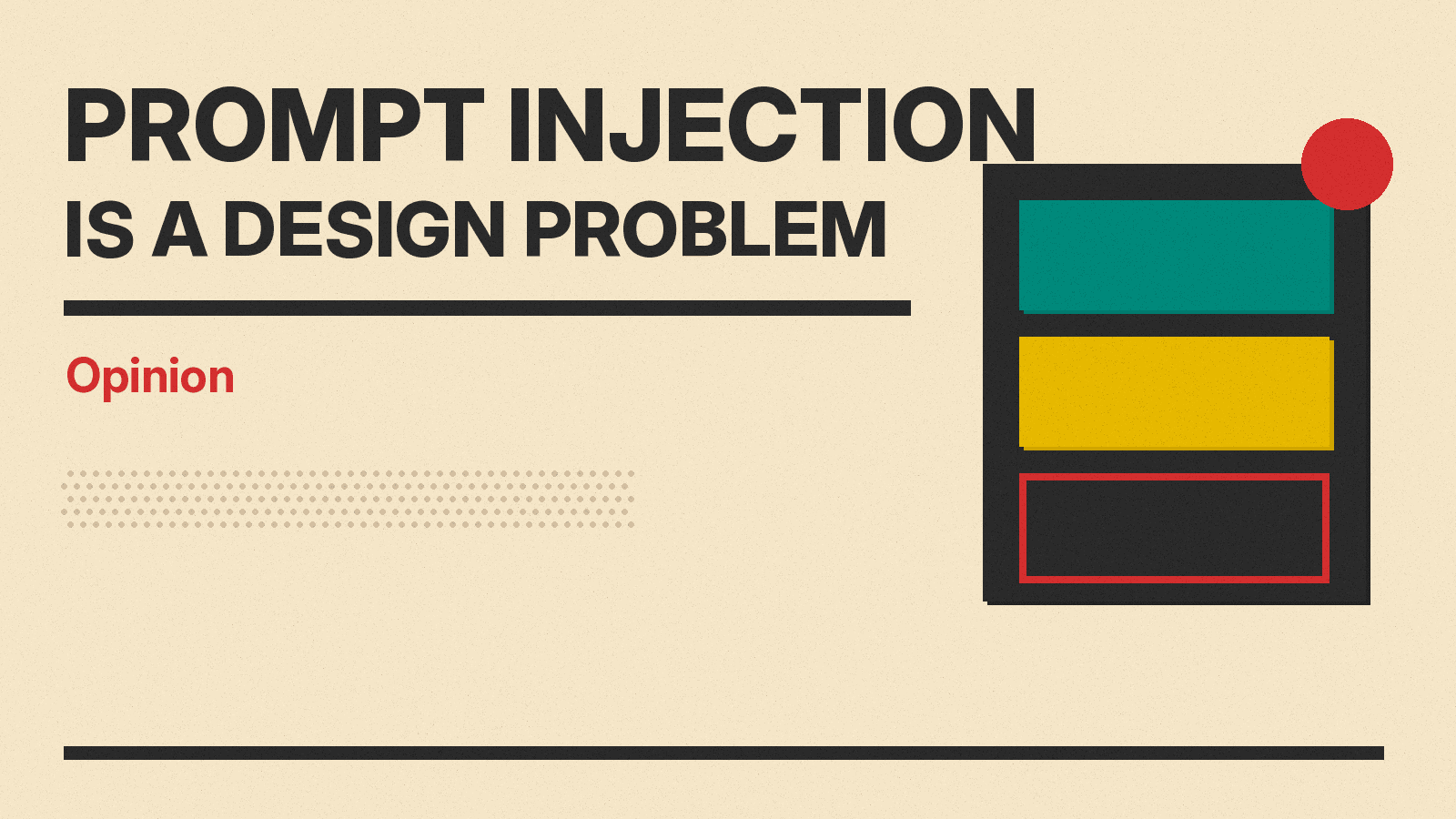
AI agents follow instructions hidden in what they read. OWASP says it is unclear if fool-proof prevention exists. My view: limit what a hijacked agent can do.
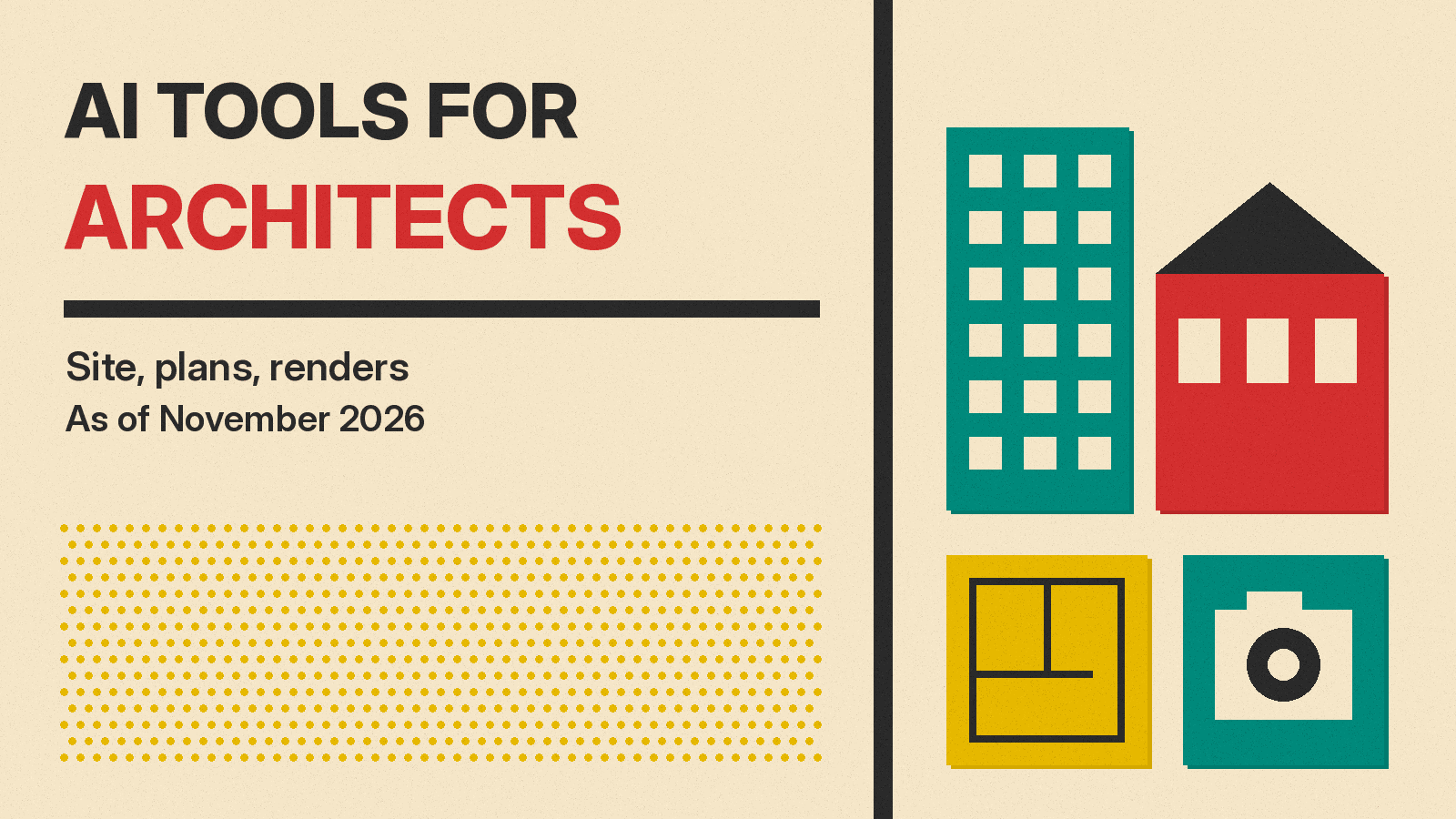
AI tools for architects as of November 2026, grouped by project stage: site planning and feasibility, floor plans and BIM, and AI rendering.
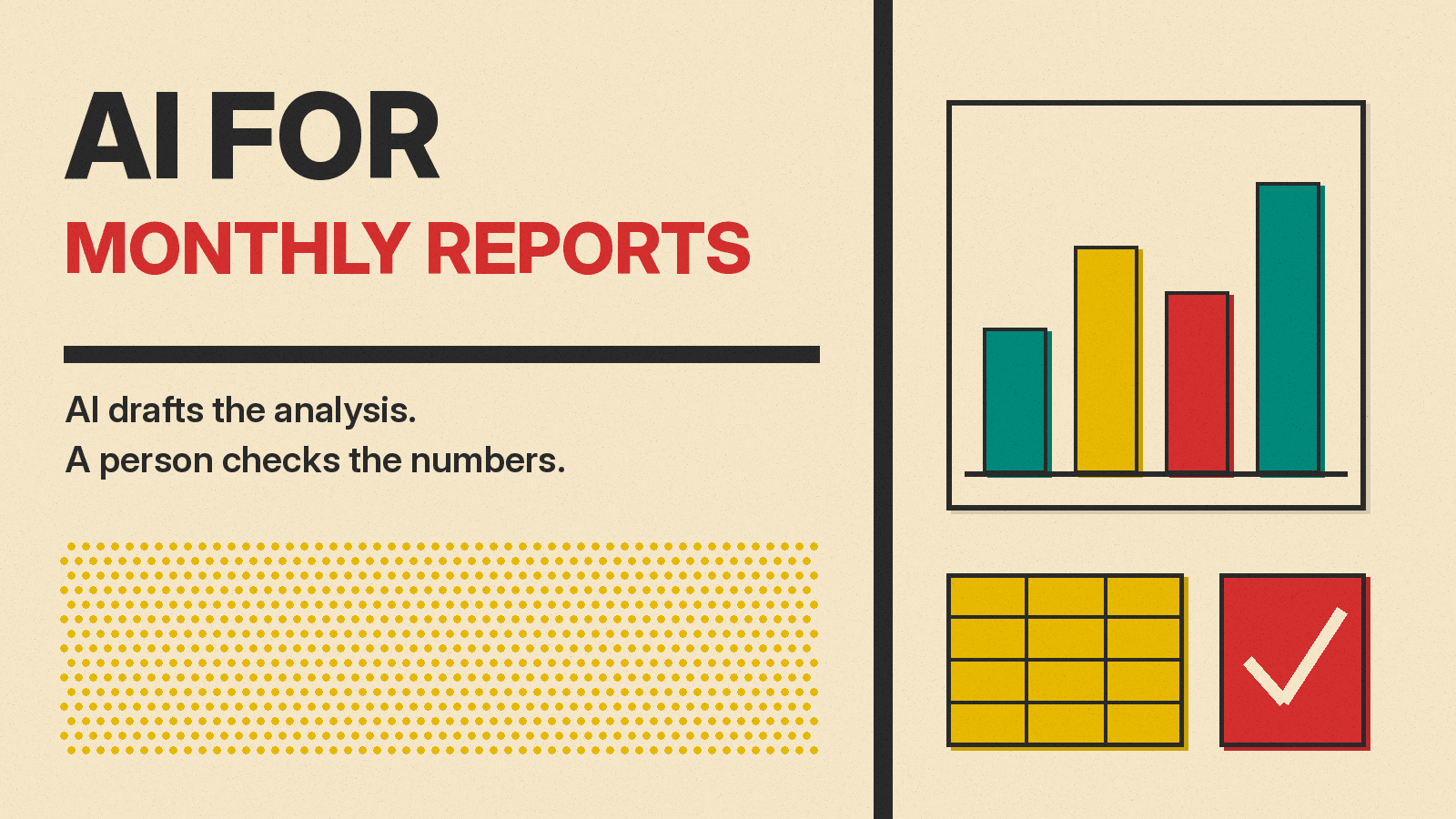
A five-step workflow for monthly financial reports with Copilot in Excel, Gemini in Sheets or ChatGPT: clean data, clear prompts, checks and sign-off.
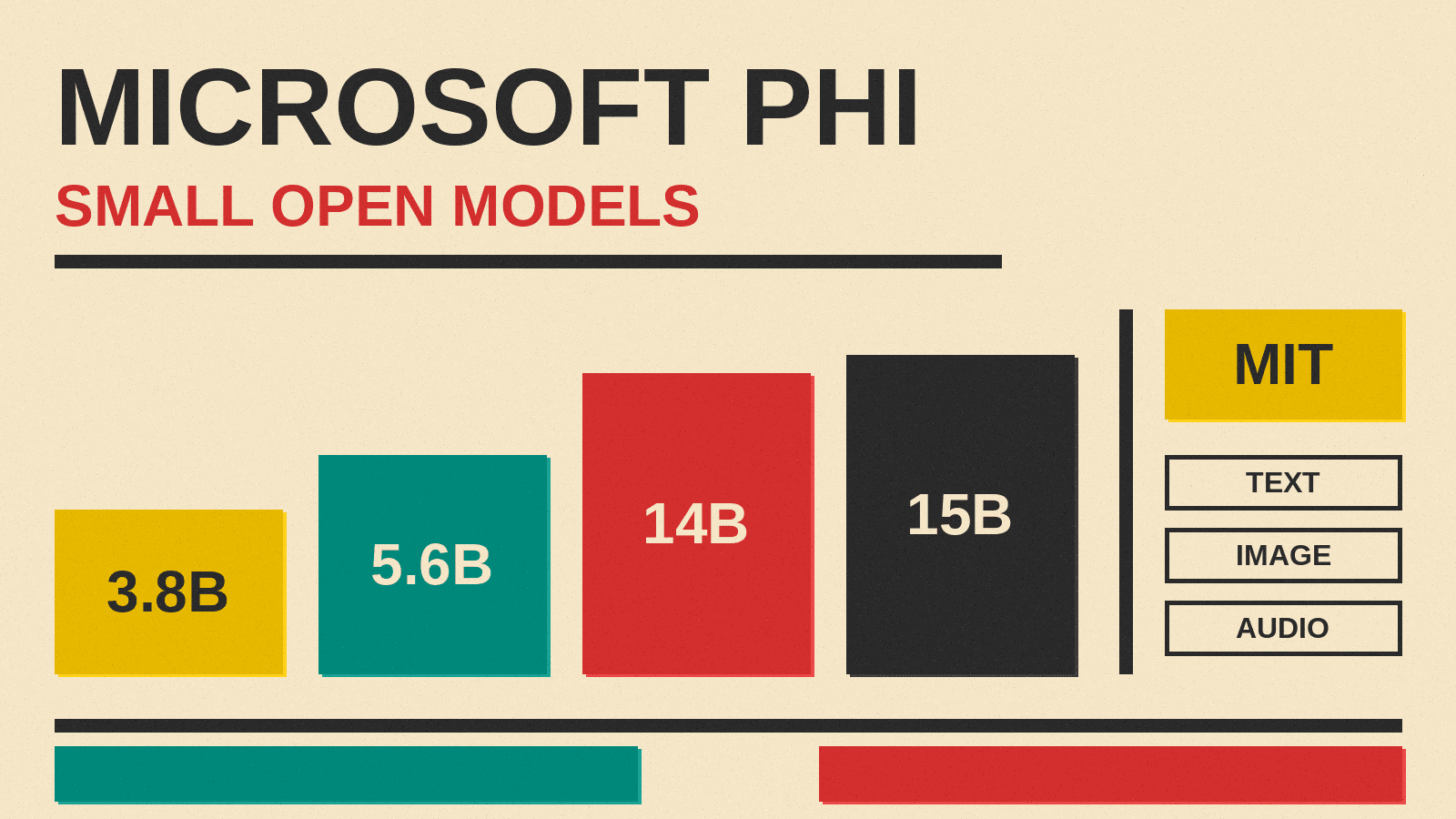
Phi is Microsoft's family of small open AI models built to run on your own device. Here is each Phi-4 model, its MIT license, and how to run it locally.
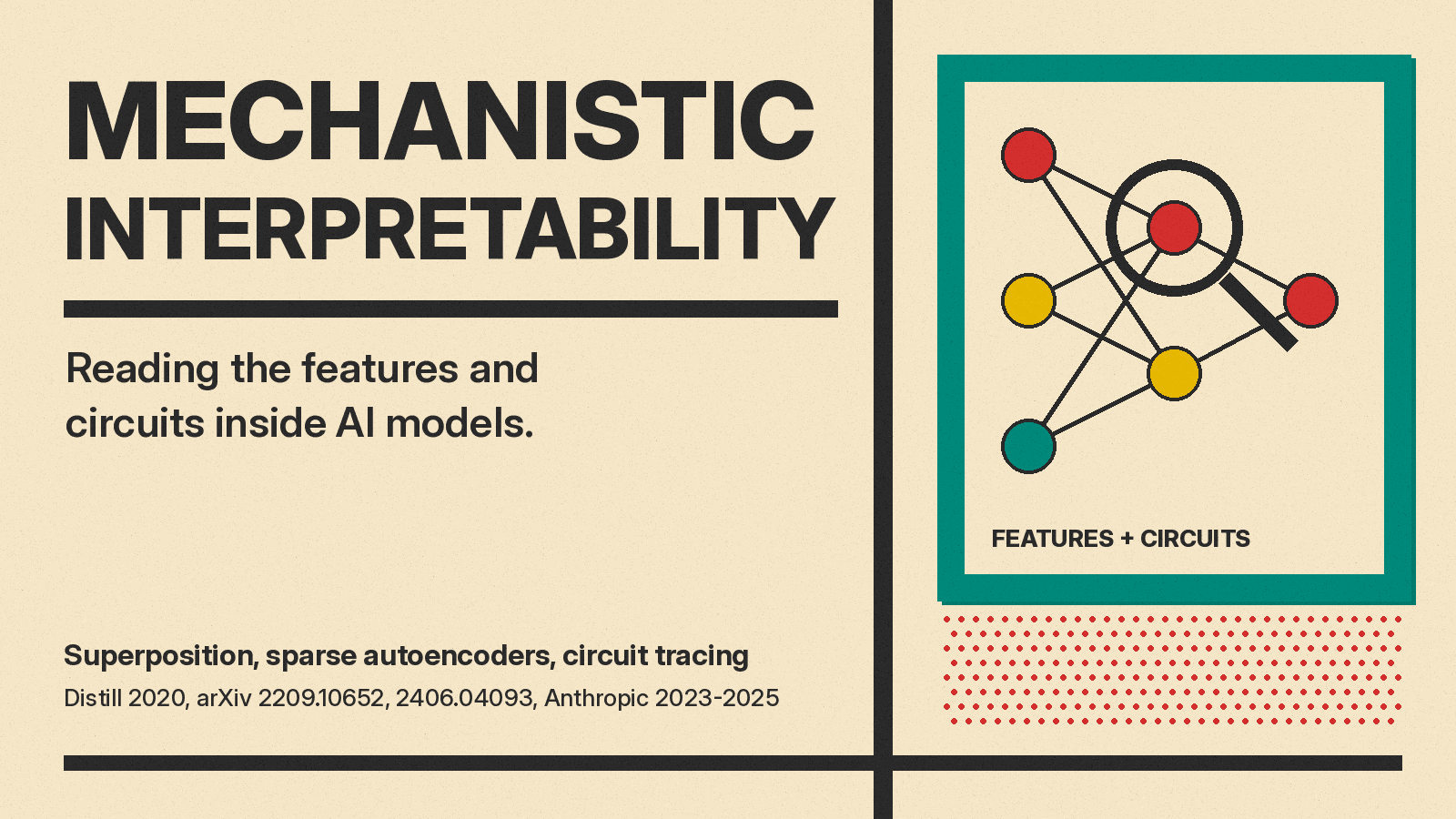
Mechanistic interpretability tries to read how AI models work inside. Features, circuits, superposition and sparse autoencoders, explained in plain English.
Downloadable weights help, but the OSI definition of open source AI also asks for data information and training code. Say open weights, and check the license.
How to edit drafts in ChatGPT writing blocks, preview HTML or charts in code blocks, run supported Python code, and why some options may be missing.
SenseNova is SenseTime's AI model family: SenseNova 6.8 Flash for office agents and design, plus open Apache 2.0 models on Hugging Face. How it fits.
Subagents are helpers an AI agent hands a side task to. Here is how they work in Claude Code, Cursor, Codex and Copilot, and what they cost in tokens.
What negative prompts are, why "no people" in a prompt can backfire, and how negative fields, Midjourney --no and rewrites keep things out of AI images.
AI summarizers as of November 2026, grouped by input: PDFs and long documents, web articles, research papers and YouTube videos, with vendor plan notes.
How to start a Gemini Canvas, edit docs and apps, turn a doc into slides, a quiz or a web page, and share or export your work, with prompt ideas to try.
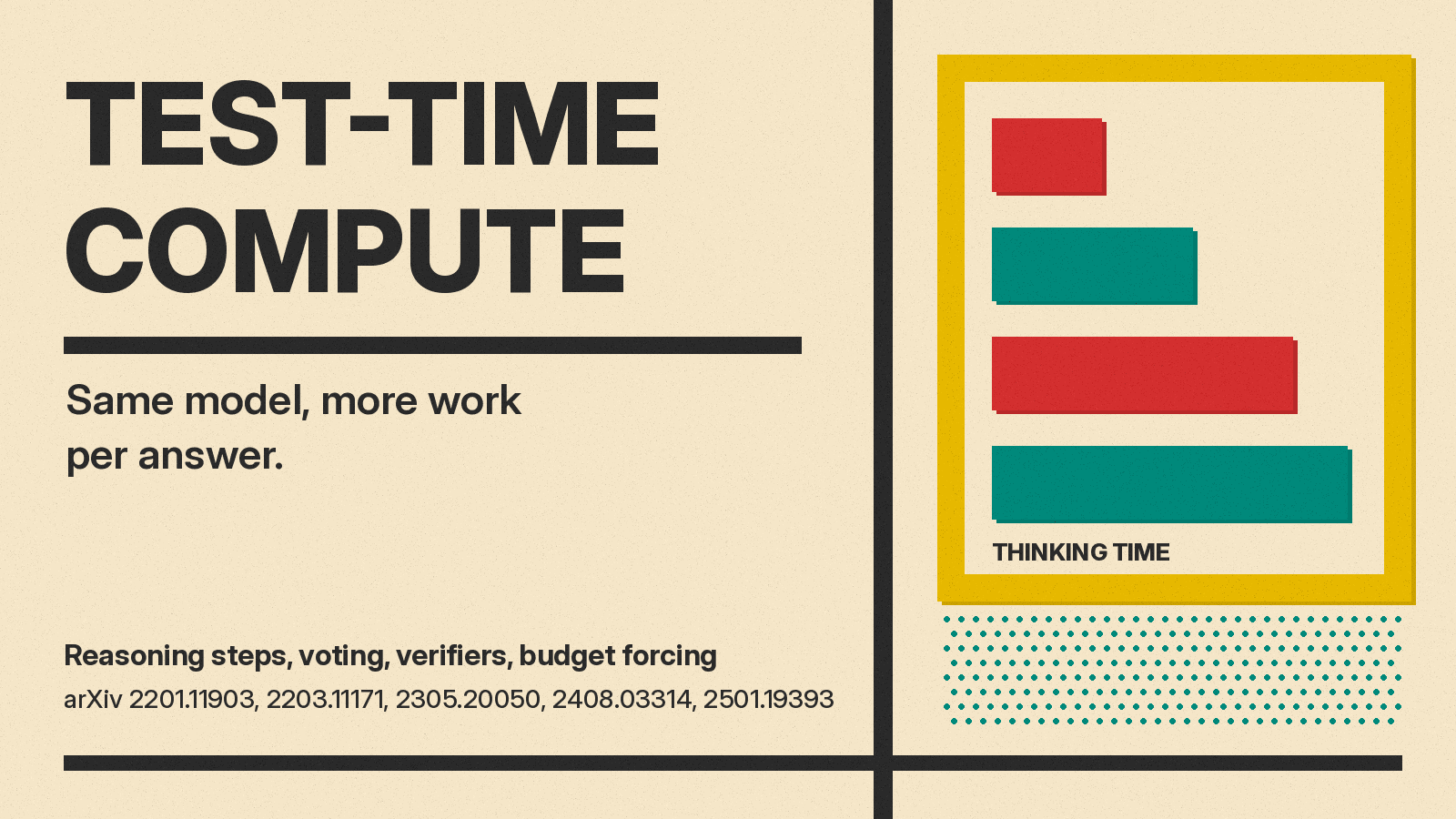
Test-time compute is the work a model does while answering. How reasoning steps, voting, verifiers and longer thinking trade speed and cost for accuracy.
A cloud coding agent writes and tests code on a remote computer, then hands back changes for review. How Cursor, Codex, Copilot and Claude Code do it.
A five-step way to use AI in procurement: set weighted criteria first, compare proposals with cited sources, check the gaps and let a person decide.
How to connect apps like Google Drive or Slack to ChatGPT, use them in a chat, set app permissions, and see what apps can access and share.
StepFun is a Shanghai AI lab behind the Step models. Here is what Step 5 Preview and the Apache 2.0 Flash models are, and what the StepFun license says.