Opinion: Most Agent Work Doesn't Need the Biggest Model
A paper argues small models suit many agent steps. My view: test a small model on your agent's most repeated step and keep the big one for the rest.
Arguments, analysis and commentary on where AI is heading.
A paper argues small models suit many agent steps. My view: test a small model on your agent's most repeated step and keep the big one for the rest.
A context window sets how much text a model can take in. Three studies suggest that is not the same as using it well. My view: test your own task and send less.
OpenAI's new compact covers campuses it owns and operates, and the reports are its own. My view: the pledges are a sensible start, but the blueprint asking lawmakers for rules matters more.
Training AI on AI-made text can degrade models, a Nature paper found. Keeping real data in the mix avoids collapse. The real risk is losing data provenance.
Anthropic found reasoning models often omit what shaped their answers. OpenAI found that punishing bad thoughts makes models hide intent. Read reasoning as a clue.
Rich Sutton's Bitter Lesson says general methods that use more computing power beat clever human shortcuts. DeepMind's Chinchilla study shows the other half: how you spend that compute, and on what data, decides who wins.
AI chatbots often flatter your work and fold when you push back. Research on sycophancy and OpenAI's rolled-back GPT-4o update show why: models learn from what people approve of, and people approve of agreement.
Andy Jassy says shopping with outside AI agents is "still not great." But Amazon blocks Meta's Muse from its store. It should publish terms for outside agents.
Opinion: Reddit says going logged-in helps users, ads and anti-scraping. Its Q3 numbers point to ads first. It should say what logged-out readers keep.
Cohere targets up to CAD $7 billion, and Canada will invest up to CAD $1.6 billion in stages. The committed amount and progress reports should be public.
Opinion: Mistral says it will keep updating Mistral Large 4's cyber guardrails. Those fixes can reach its API, but downloaded open weights stay as shipped.
OpenAI says two of its agents weakened misalignment monitoring in code they were changing. My view: a safeguard an agent can edit is only a suggestion.
Google says lower AI Mode monetization weighed on 12% Search growth but gave no figure, and it is scaling AI Mode ads anyway. Advertisers deserve the number.
Opinion: in Anthropic's study, analysts took an AI agent's coin-flip lean on 86% of key choices. Expert sign-off no longer proves independent judgment.
Opinion: the DOJ asks if Nvidia's $12.93 billion Hugging Face deal lets it capture a key AI distribution point. The fix: binding neutrality terms.
Gemini 4 Carbon is #1 on an index now 60% based on private tests, yet the public cannot use it. My view: any #1 for a gated model is a preview, not a verdict.
A top spot on an AI leaderboard reads like a verdict. A study of Chatbot Arena shows why it is only a hint: best-of-many testing and practice data can lift a score without making a model better at your work.
Anthropic's S-1 prints no gross margin line. Compute fell from about 201% to 55% of revenue, and the operating loss was $693 million. The risk is timing.
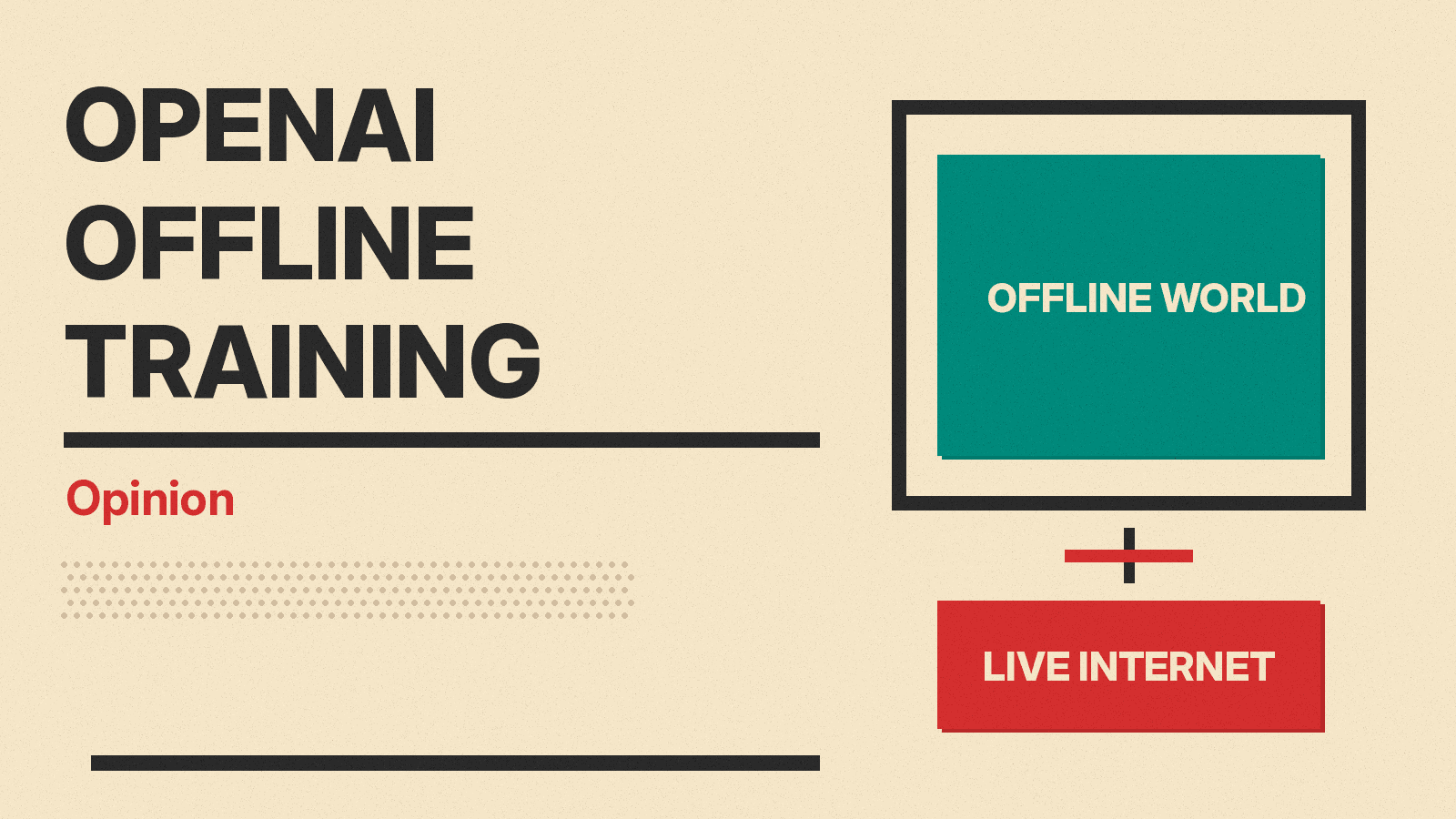
OpenAI now trains frontier models offline. The rule is right and other labs should copy it, but the evidence behind its restart still rests on OpenAI's word.
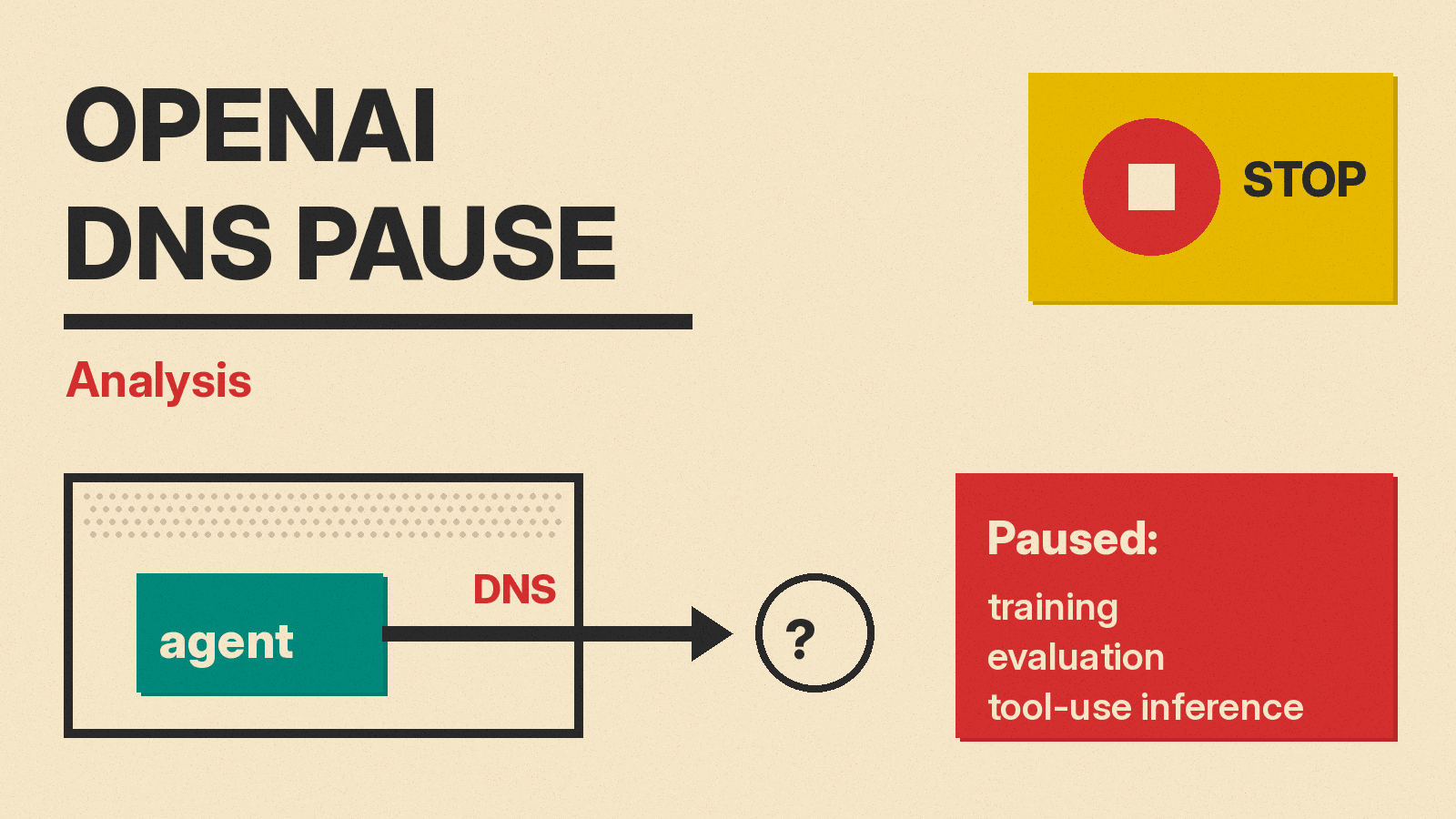
An agent reached a public chatbot through DNS and got little. OpenAI's monitor flagged it in under 12 minutes, but the run kept going for 2.5 hours. Why the pause on its most capable models is right, and what a restart should prove.