Topic

AI Voice

14 articles

Articles

1-14 of 14
  1. Suno Speech Explained: How the Voice and Music Beta Works

    Suno Speech (beta) generates a spoken voice and original background music as one track. How Simple and Advanced modes work, the music toggle, the roughly eight-minute limit, and what Suno has not said about plans, credits, and rights.

    AI Music
    5 min read
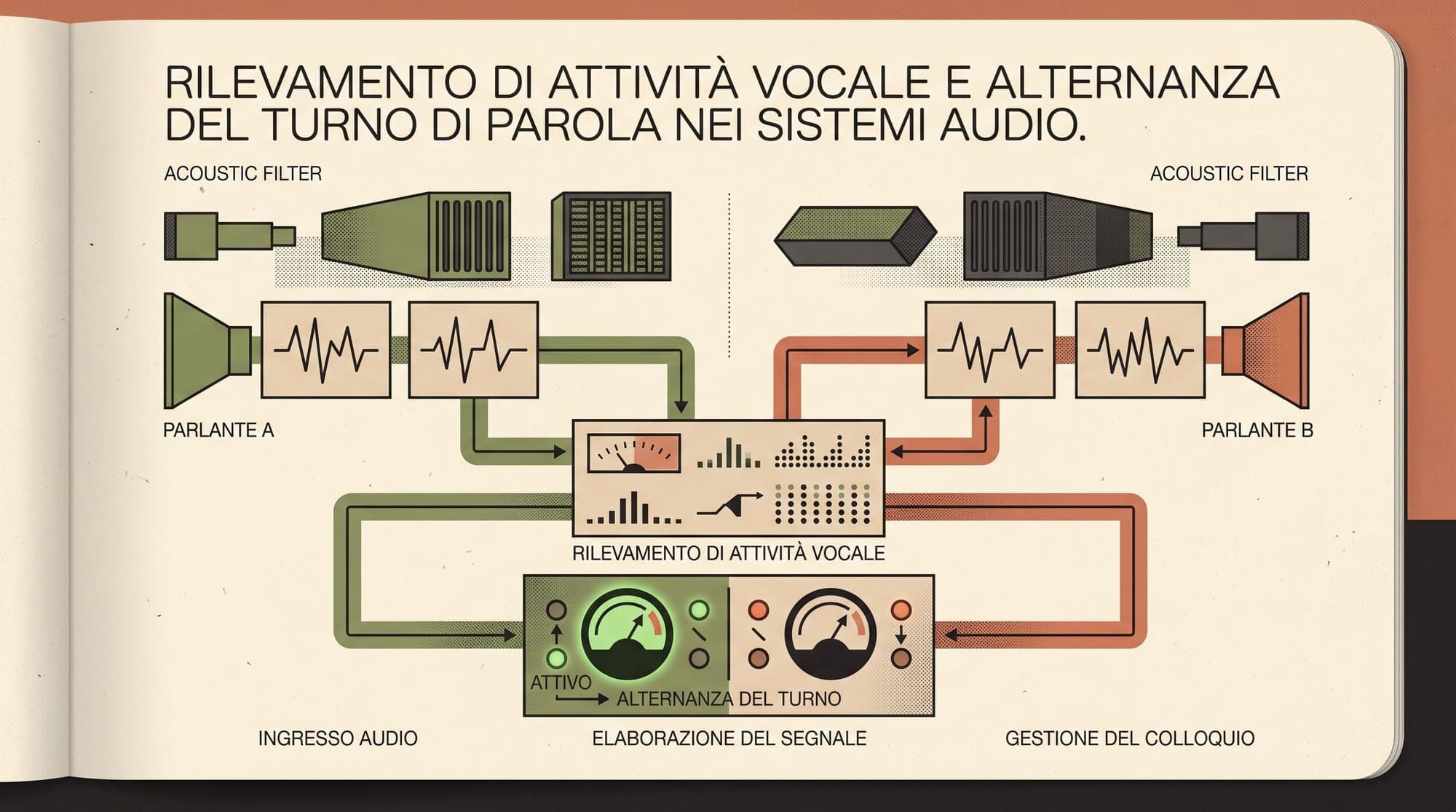
  2. Voice Activity Detection and Turn-Taking Architecture in Production Voice AI: Comparing Silero VAD, WebRTC VAD, PyAnnote Audio, and Semantic Endpointing

    Real-time voice AI agents depend on two sequential decisions: identifying when a user is speaking, and predicting when they have finished their conversational turn. Acoustic Voice Activity Detection (VAD) handles the first problem at the audio frame level, while turn-taking endpointing manages dialogue state transitions. Mistakes in either layer degrade conversational flow. Inaccurate VAD causes false interruptions from background noise or misses quiet speech onsets. Naive silence-based endpoin

    AI Voice
    5 min read
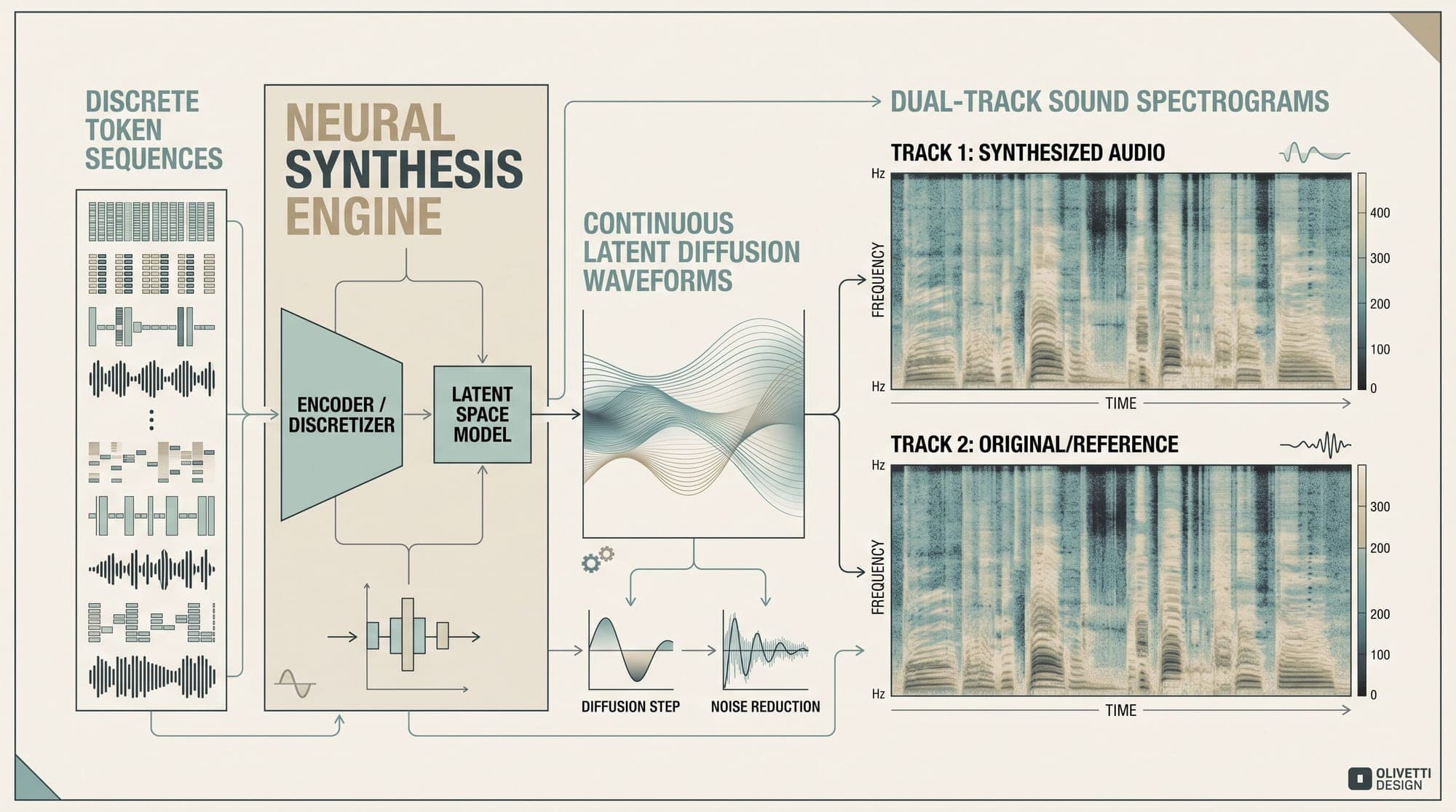
  3. Open-Source Music and Audio Generation Models in Production: Comparing MusicGen, Stable Audio Open, AudioLDM 2, and YuE

    Neural music and sound generation architectures in production have diverged into two competing paradigms: discrete autoregressive sequence modeling and continuous latent diffusion. While early research relied on cascaded pipelines with separate acoustic and semantic models, modern open-source systems unify generation into single-stage or dual-stage foundations capable of synthesizing high-fidelity instrumentals, sound effects, and full polyphonic songs with vocals. Deploying generative audio in

    AI Music
    7 min read
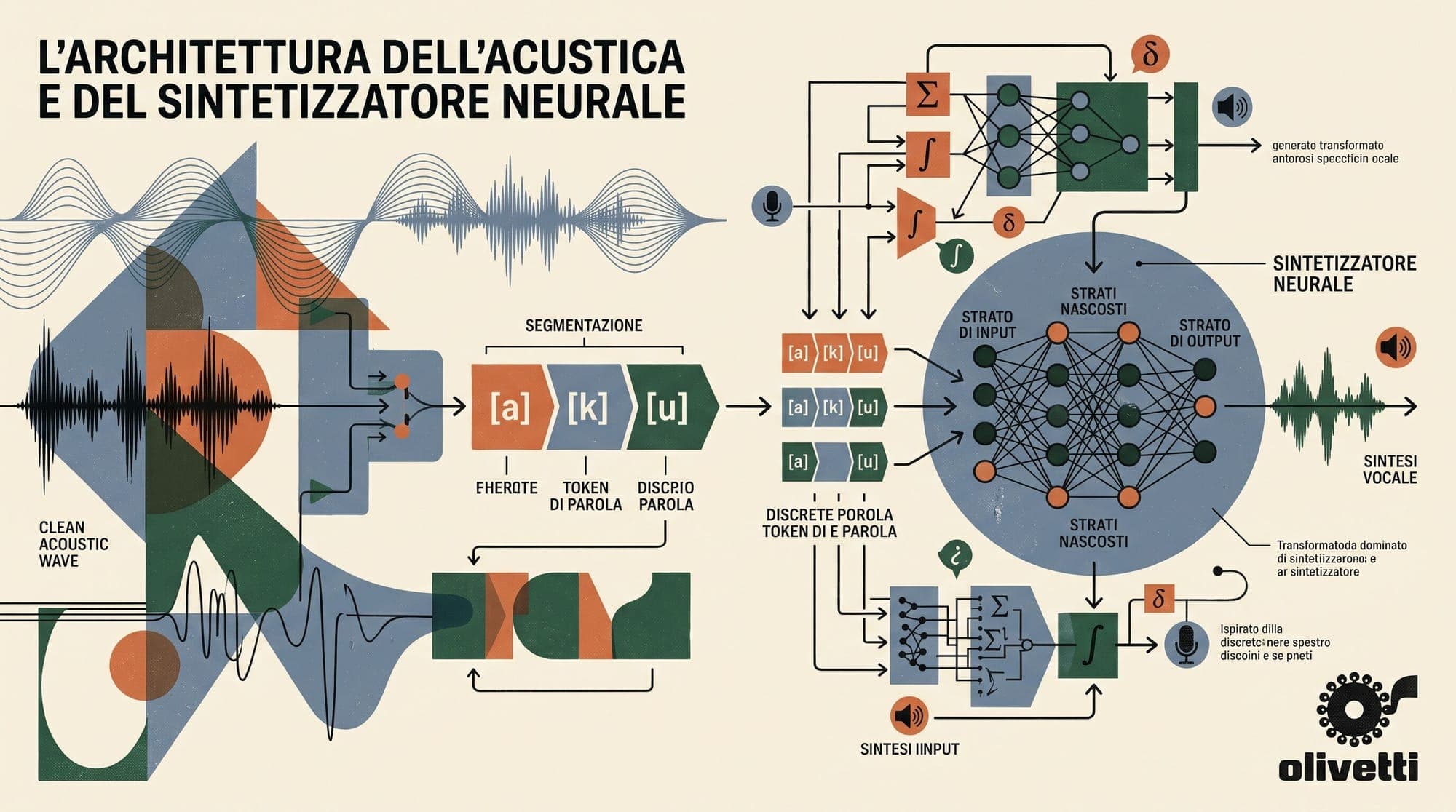
  4. Open-Source Text-to-Speech (TTS) Serving in Production: Comparing Kokoro-82M, F5-TTS, StyleTTS 2, and Fish Speech

    Deploying open-source text-to-speech (TTS) in production has shifted rapidly over the past year. Where teams previously defaulted to managed cloud APIs like ElevenLabs or OpenAI Audio due to the complexity and computational weight of self-hosted acoustic models, modern open-weight architectures offer distinct trade-offs across latency, zero-shot cloning fidelity, and inference cost. Selecting a self-hosted TTS engine requires navigating four fundamentally different architectural paradigms: ligh

    AI Voice
    6 min read
  5. Real-Time Voice AI Agent Frameworks in Production: Comparing LiveKit Agents, Pipecat, OpenAI Realtime API, and Ultravox

    Deploying conversational voice agents in production requires solving a fundamental physics and networking problem: human conversational turn-taking occurs within an average gap of 200 to 300 milliseconds. When an artificial conversational agent exceeds 600 to 800 milliseconds of round-trip latency, users perceive the interaction as sluggish, talk over the assistant, or experience severe turn collisions. Historically, conversational voice systems relied on sequential request-response architectur

    AI
    10 min read
  6. Google Releases Gemini 3.5 Transcribe with Disfluency Filtering and Task Delegation

    Google has launched Gemini 3.5 Transcribe, a dedicated speech-to-text model designed for real-time streaming, automated disfluency cleanup, and agentic task delegation. The release introduces two API interfaces alongside integration across Google developer tooling and consumer operating system surfaces. Dual API Architecture for Live and Batch Audio Gemini 3.5 Transcribe is split into two operational endpoints tailored for distinct latency profiles: * Real-time streaming (gemini-3.5-transcr

    AI
    2 min read
  7. Ringg Raises $10M from Peak XV to Scale Enterprise Voice AI Agents

    Indian voice AI startup Ringg has secured $10 million in fresh capital from Peak XV Partners as an extension to its Series A round. The funding brings the startup's total Series A capital to $15.5 million, following an initial $5.5 million tranche closed earlier in 2026. The capital injection comes as voice remains the dominant channel for commercial communication in India. According to survey data from Truecaller, over 76% of Indian consumers prefer phone interactions when contacting businesse

    AI Voice
    2 min read
  8. IBM Releases Granite Speech 5.0 with 12,600x Real-Time CTC Conformer Architecture

    IBM has released Granite Speech 5.0, a pair of compact 470-million-parameter automatic speech recognition (ASR) models capable of transcribing over 3.5 hours of audio in one second on modern datacenter silicon. In benchmark evaluations, IBM demonstrated aggregate throughput exceeding 12,600x real-time (12,600 RTFx) on a single NVIDIA H200 GPU. The release includes two variants: Granite Speech 5.0 TurboCTC under the permissive Apache 2.0 license, and an extended research checkpoint licensed unde

    Open Weights
    2 min read
  9. Speech-to-Text Serving in Production: Comparing Faster-Whisper, Moonshine, SenseVoice, and NeMo Canary Architecture, Streaming Latency, and GPU Economics

    In conversational voice AI and real-time agentic workflows, the speech-to-text (STT) layer sets the hard lower bound on system responsiveness. Human conversational cadence expects turn-taking latencies between 200ms and 500ms. When an AI pipeline must accommodate downstream large language model (LLM) time-to-first-token generation (100ms to 250ms) and text-to-speech (TTS) audio synthesis (100ms to 200ms), the automatic speech recognition (ASR) stage cannot exceed 100ms to 150ms of processing ove

    AI
    8 min read
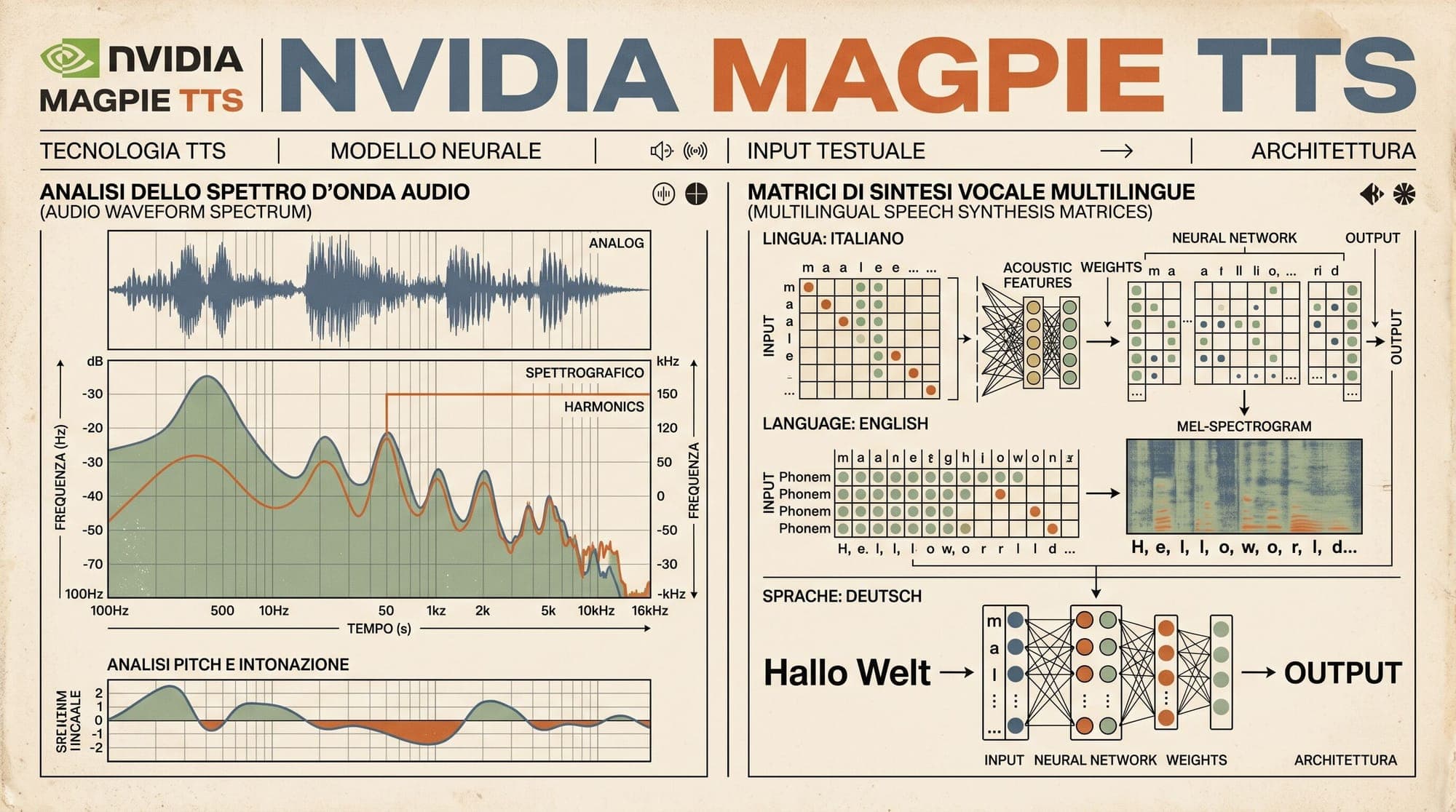
  10. NVIDIA Releases Magpie Multilingual TTS: 364M Open-Weight Model for Sub-200ms Voice Agents

    NVIDIA has released Magpie Multilingual TTS, a 364-million parameter open-weights text-to-speech model engineered for low-latency conversational AI agents. Released under the NVIDIA Open Model License, the model is available as open checkpoints on the Hugging Face Hub and as an optimized microservice container within NVIDIA NIM. The release expands language support to 12 languages: English, Spanish, French, German, Italian, Vietnamese, Mandarin, Hindi, Japanese, Modern Standard Arabic, Korean,

    AI
    2 min read
  11. Adobe Firefly Expands Generative Audio Tools and Integrates Gemini Omni Flash

    Adobe has broadened its generative production suite with the general availability of three dedicated AI audio generation modules in Adobe Firefly, alongside the integration of Google's multimodal Gemini Omni Flash model. The audio capabilities expand Firefly from static imagery and video synthesis into integrated soundtrack design, voice synthesis, and scene audio generation, fully cleared for commercial workflows. Generative Audio Modules and Commercial Licensing The expanded audio suite in

    AI
    2 min read
  12. Waymo Brings Gemini Voice Assistant to Custom Ojai Robotaxis

    Waymo has integrated Google's Gemini large language model into its purpose-built Ojai robotaxis, introducing a conversational in-cabin voice assistant while maintaining strict isolation boundaries between the passenger interface and the vehicle's autonomous driving system. The voice assistant allows passengers to control cabin settings (such as adjusting air conditioning), query trip details, ask about points of interest along the route, and request general information hands-free during autonom

    Waymo
    2 min read
  13. Real-Time Voice Agent Architecture: WebRTC, Cascaded Pipelines vs. Native Speech-to-Speech, and Sub-500ms Latency Budgets

    Building production-grade real-time voice AI systems requires engineering around a strict physical constraint: human conversational cadence. In natural human dialogue, the typical gap between turns ranges from 200 to 300 milliseconds. When an interactive voice agent incurs a total round-trip latency above 700 milliseconds, users perceive the interaction as sluggish. When latency exceeds 1,000 milliseconds, conversational dynamics collapse into frequent interruptions, speech collisions, and awkwa

    AI
    6 min read