What Is Chain-of-Thought Prompting? Explained Simply
Chain-of-thought prompting asks an AI model to write out its steps before it answers. What the 2022 papers found, the one-line version and the limits.
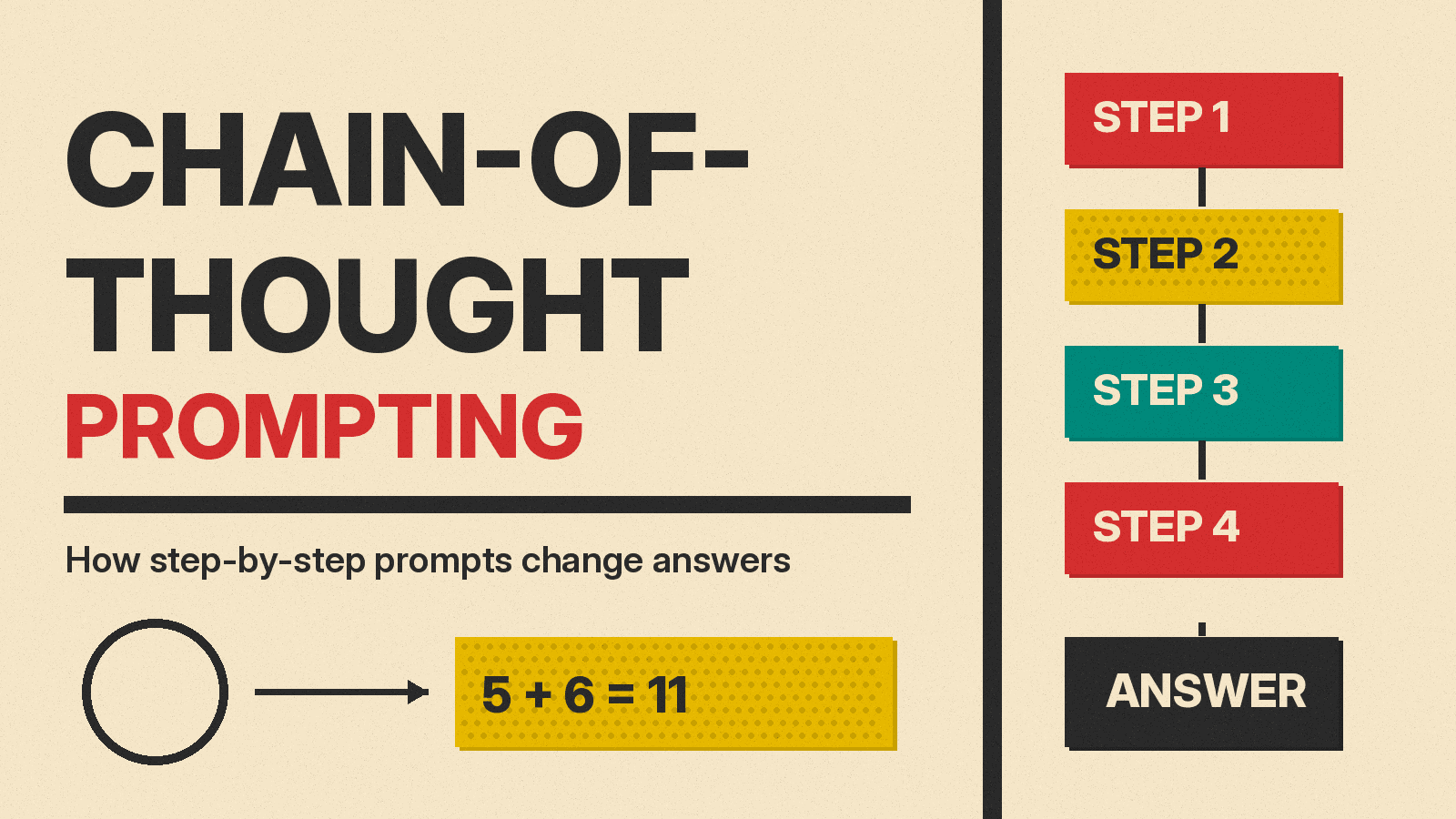
Chain-of-thought prompting asks an AI model to write out its steps before it answers. What the 2022 papers found, the one-line version and the limits.
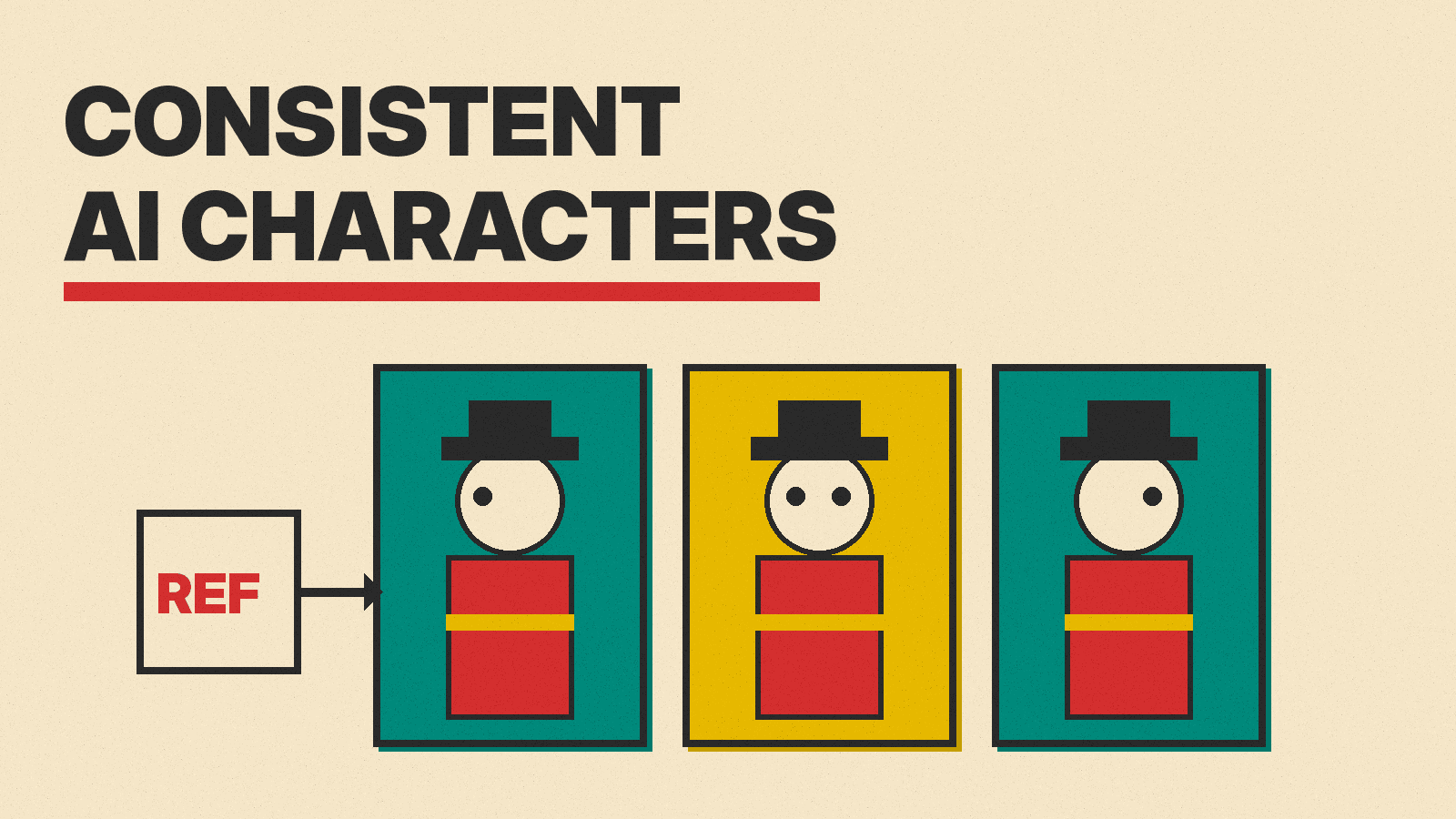
AI image tools tend to draw a new person every time. A five-step workflow, built from Google's Gemini guide, Midjourney's Edit model docs and OpenAI's image guide, keeps the same character across scenes: a character bible, an anchor image, a reference sheet, references and targeted edits.
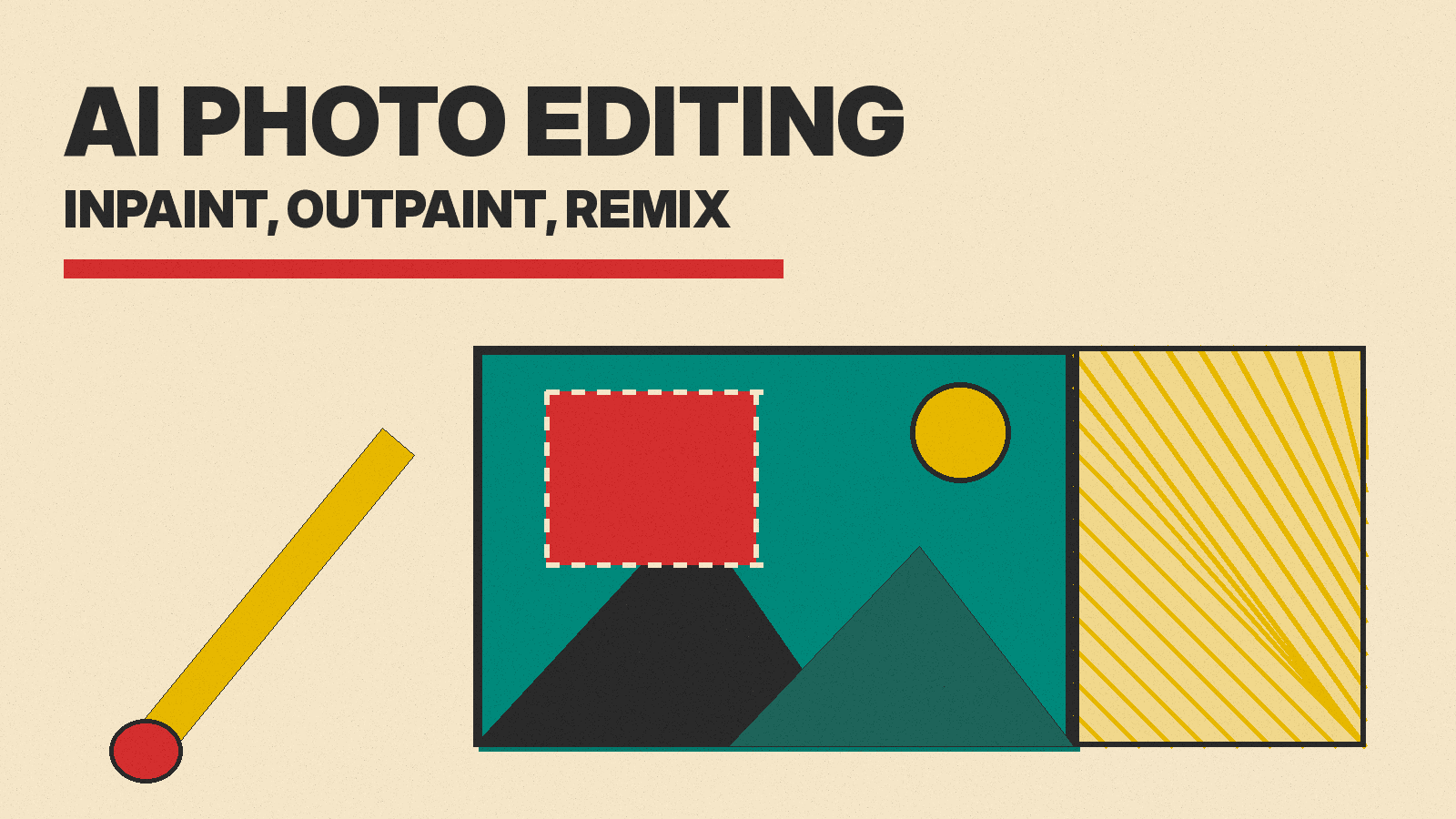
A plain-English guide to three kinds of AI photo edit: inpainting (change one part), outpainting (extend past the edges) and image-to-image (build from references). Step-by-step flows from Photoshop's help pages, mask rules from OpenAI's guide, and tips for cleaner results.
Google says a good Gemini prompt has four parts: persona, task, context and format. Here is the formula in plain English, 25 copy-paste prompts built on it, and what happened when we tested Google's own examples on a small local model.
30 copy-paste ChatGPT prompts for launch emails, social captions, search ads, SEO and campaign planning, plus a 5-step loop that keeps made-up facts out of your copy. We tested four on a small local model: it invented ingredients and got every character count wrong.
A plain-English, five-step way to design a logo with AI: write a brief, turn it into a prompt, test options at small sizes and in one color, refine in conversation, and finish with a vector version. Plus what copyright and trademark rules mean for AI logos, and prompts to copy.
Midjourney, FLUX and Ideogram all render quoted words, but they differ on layout control, brand colors and typo fixes. A guide built from each company's docs.
How to get clean JSON from ChatGPT, Claude and Gemini: prompt steps for chat apps, the structured output setting in each API, and 6 copy-paste templates.
A 6-step workflow for planning a trip with ChatGPT, Gemini or Claude, with copy-paste prompts for each step and how to check AI travel details.

What few-shot prompting is, what OpenAI, Anthropic and Google advise, 7 steps to write good examples, 6 templates, and a small-model test.
What a system prompt is, where ChatGPT, Claude and Gemini keep it, 8 rules from the vendor guides, 7 templates, and what a small local model got wrong.
Step-by-step setup for scheduled tasks in ChatGPT, Claude and Gemini, plan limits, 10 copy-paste task prompts, and what a small local model got wrong.
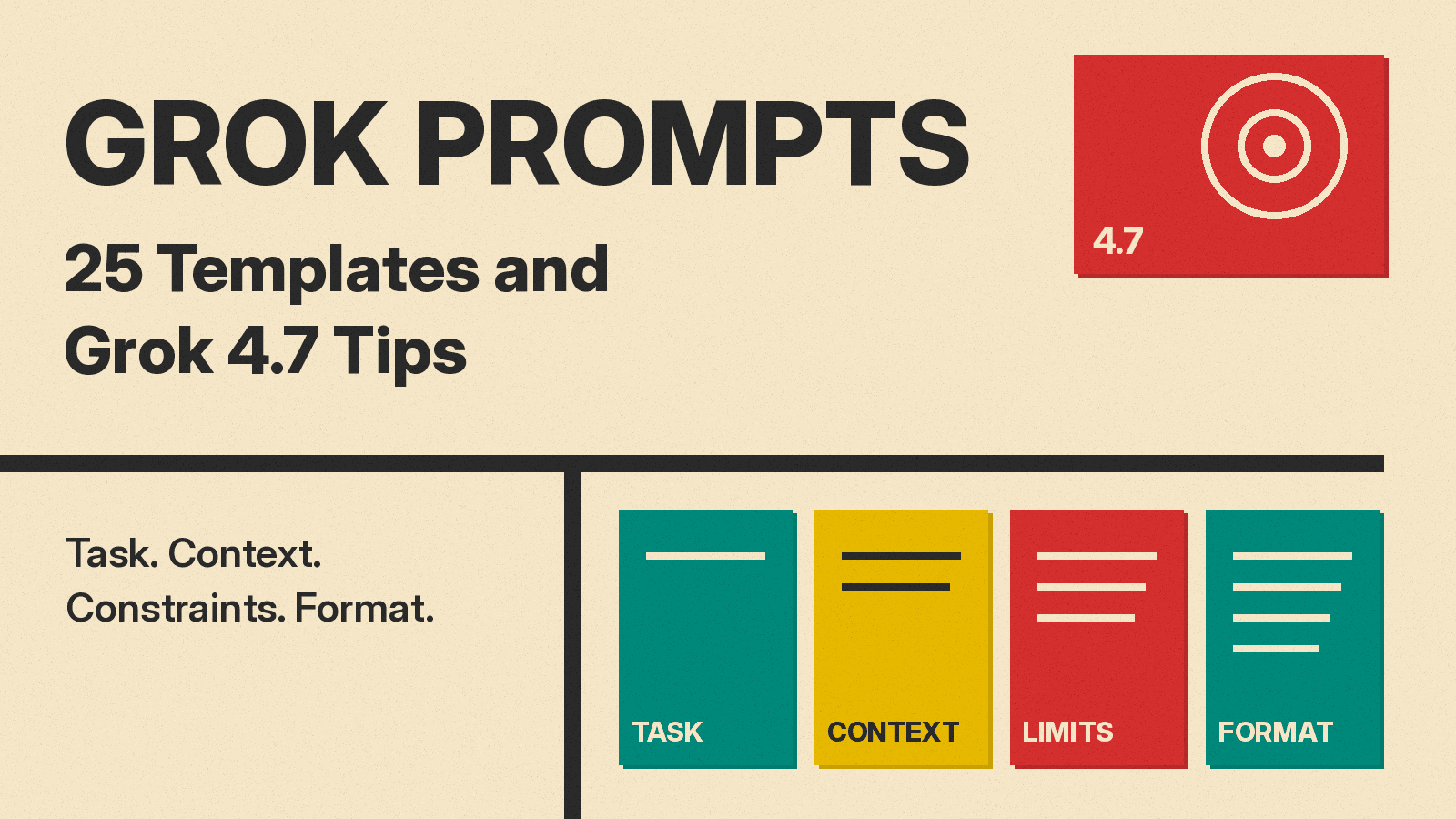
A four-part prompt built on xAI's advice, 25 copy-paste Grok templates, the Grok 4.7 API settings xAI recommends, and one costly prompt caching mistake.
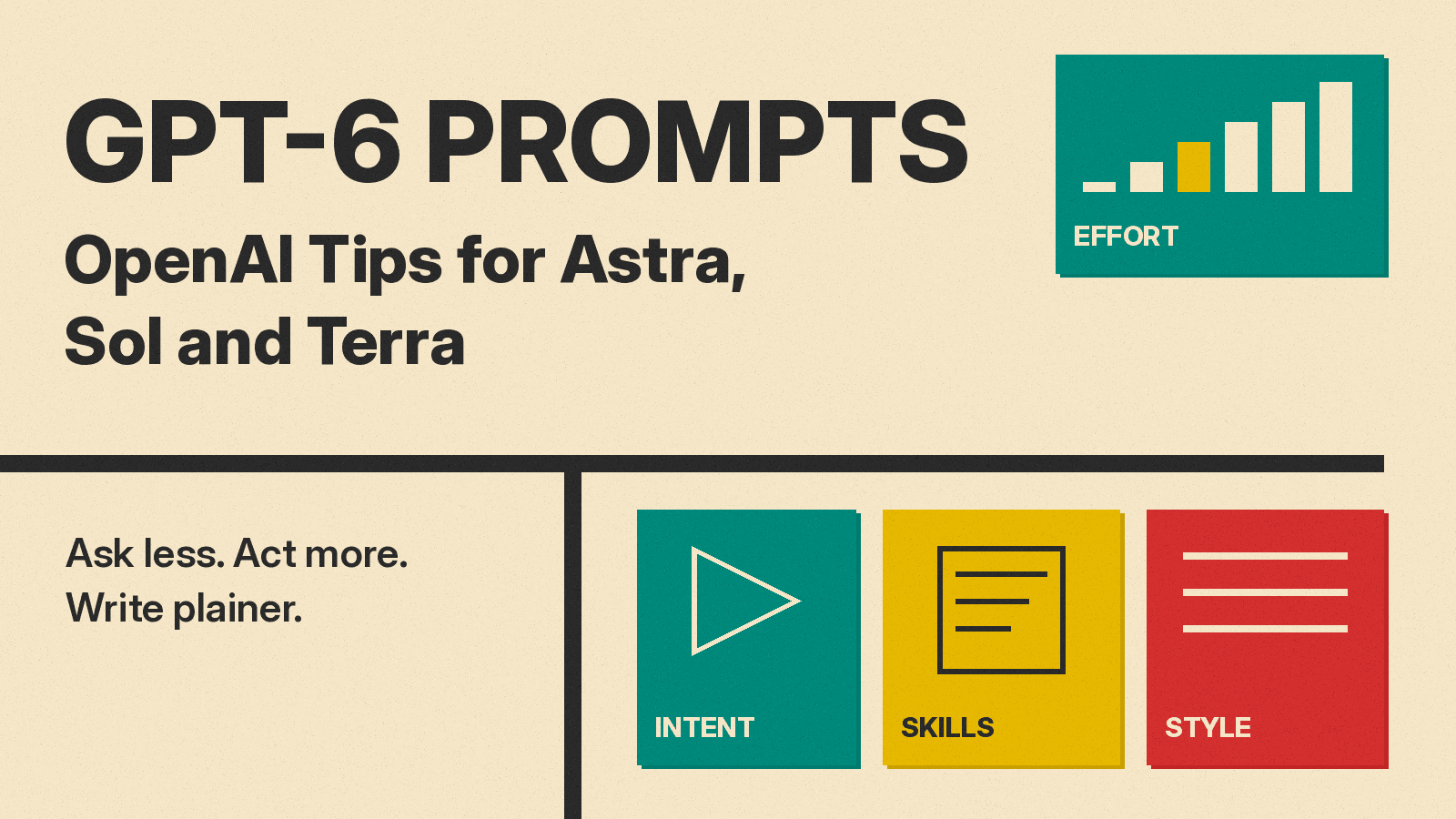
OpenAI's copy-paste prompts for GPT-6 Astra, Sol and Terra: fewer clarifying questions, user instructions over skill files, plainer prose and effort tips.
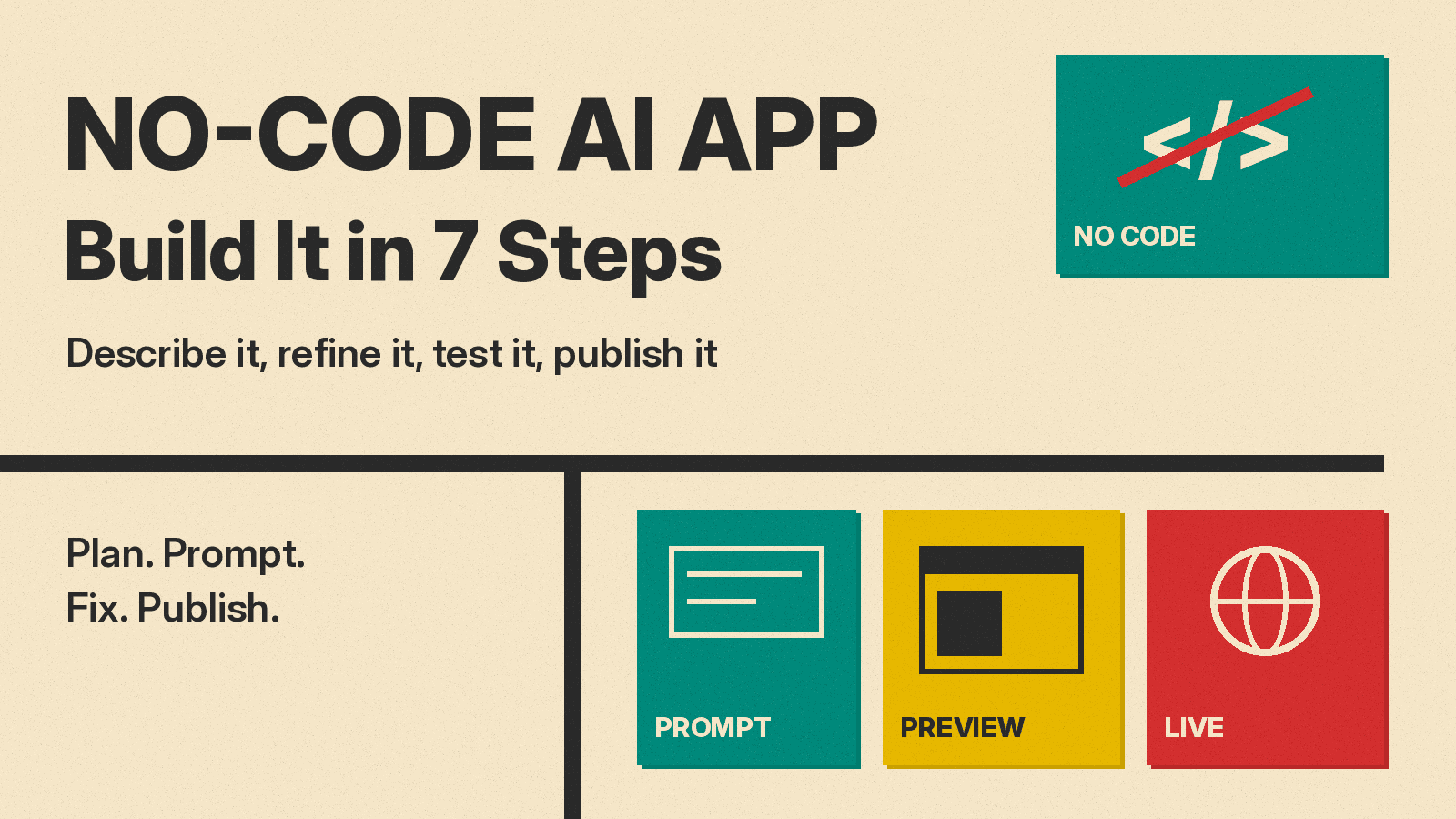
A seven-step no-code workflow for building an app with Lovable, Bolt, Replit Agent or Google AI Studio, with four copy-paste prompts and mistakes to avoid.
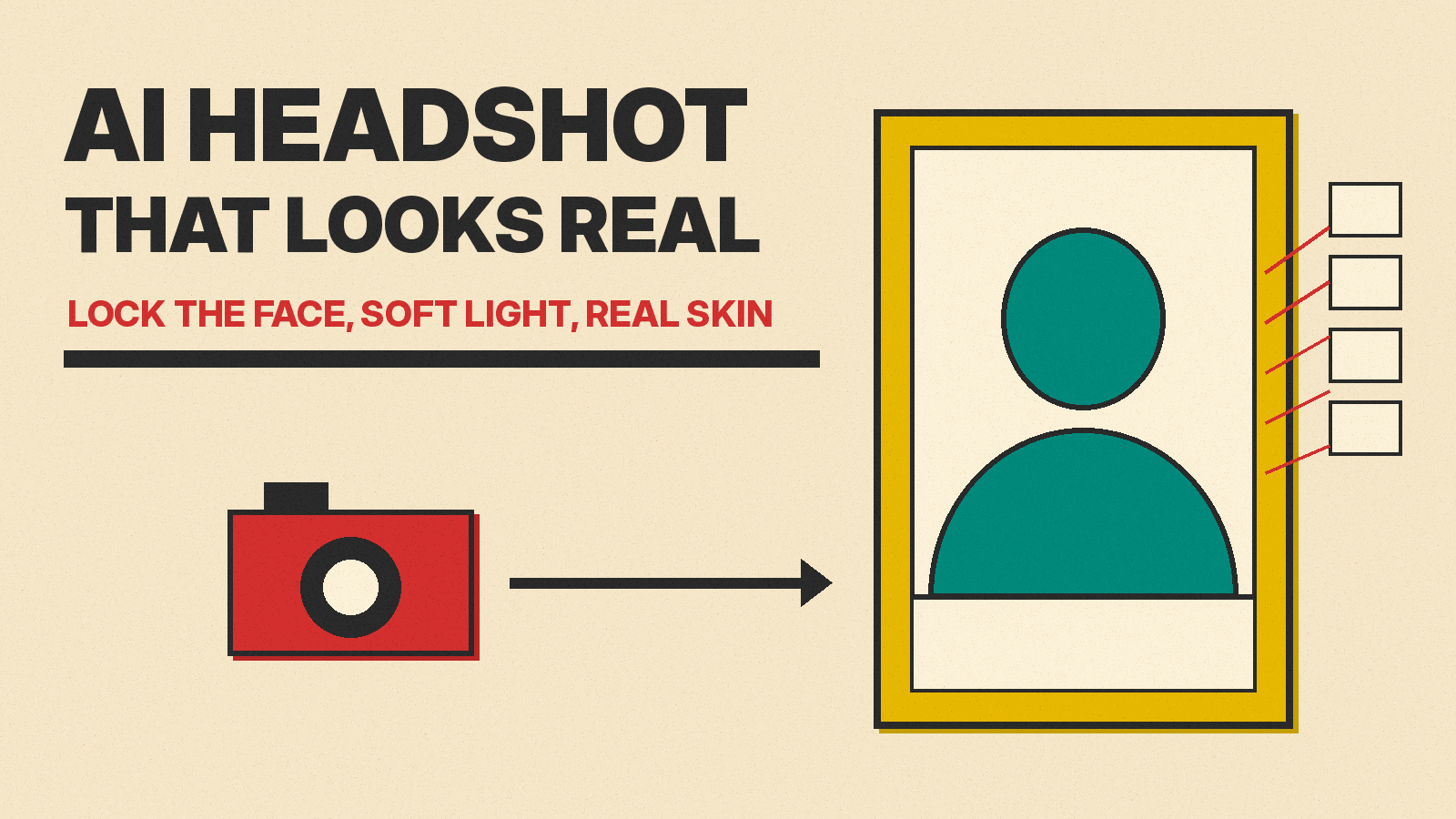
Many AI headshots look fake: smooth skin, dramatic light, a face that drifts. This guide uses OpenAI's and Google's prompting guides for a natural result.
Few jobs carry the Prompt Engineer title, but many AI jobs ask for the skill. October 2026 job data, what one posting pays, and free courses to start.
Set up an AI second brain with Obsidian and Claude: a plain-text vault, daily notes, links, three ways to connect Claude, a CLAUDE.md file and five prompts.
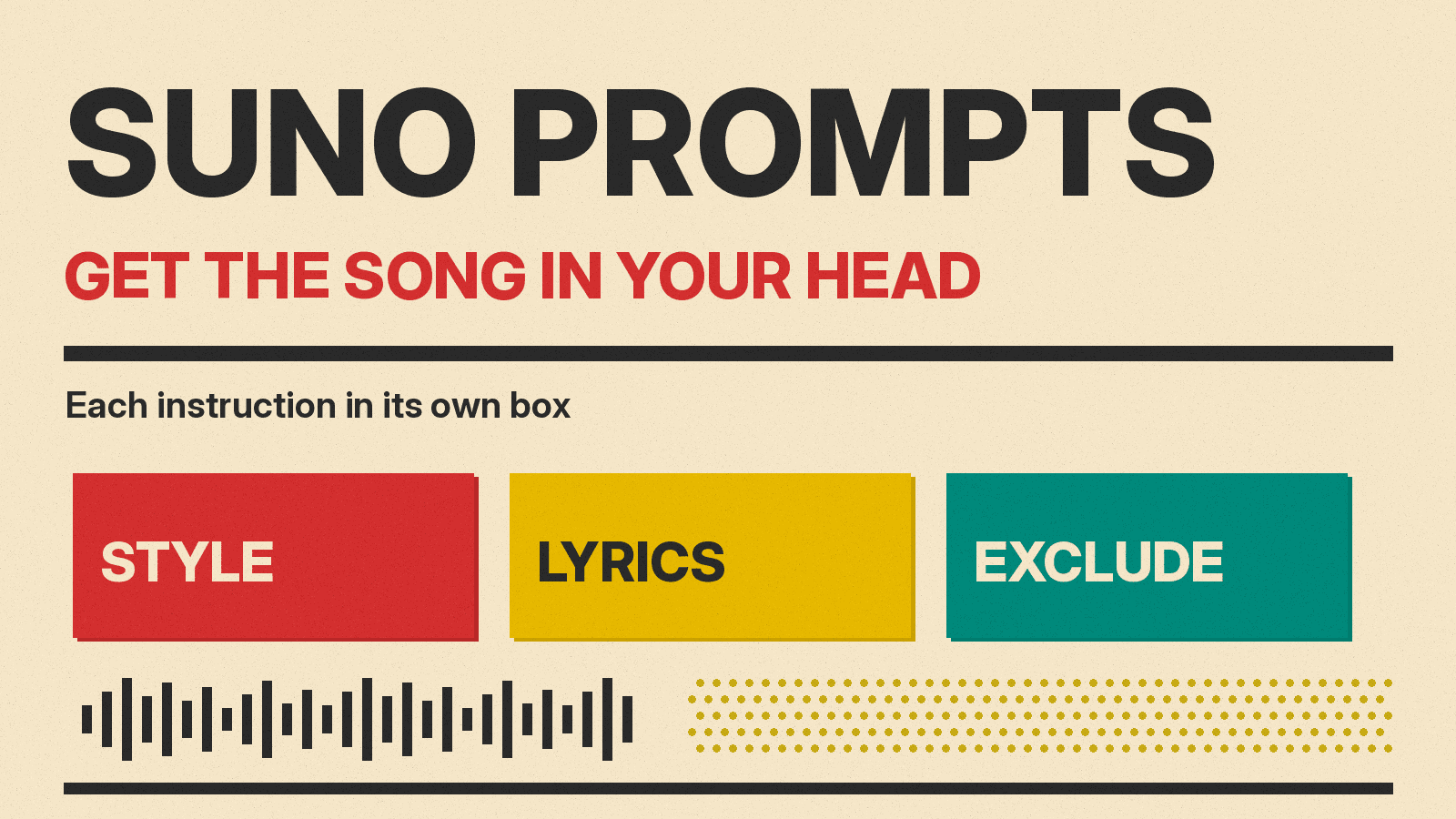
Where each instruction goes in Suno (Style, Lyrics, Exclude), how the Weirdness, Style Influence and Variety sliders work, and 8 copy-paste prompt templates.
How to write an agent skill (SKILL.md): name and description rules, where Claude Code, Codex, ChatGPT and Copilot look for it, and how to test that it fires.