Particle-1: DeepSeek V4.1 Flash Tuned to Use Fewer Tokens
Particle post-trained DeepSeek V4.1 Flash with RL and LoRA. It says Particle-1 uses about 45% fewer tokens with comparable accuracy, at the same price.
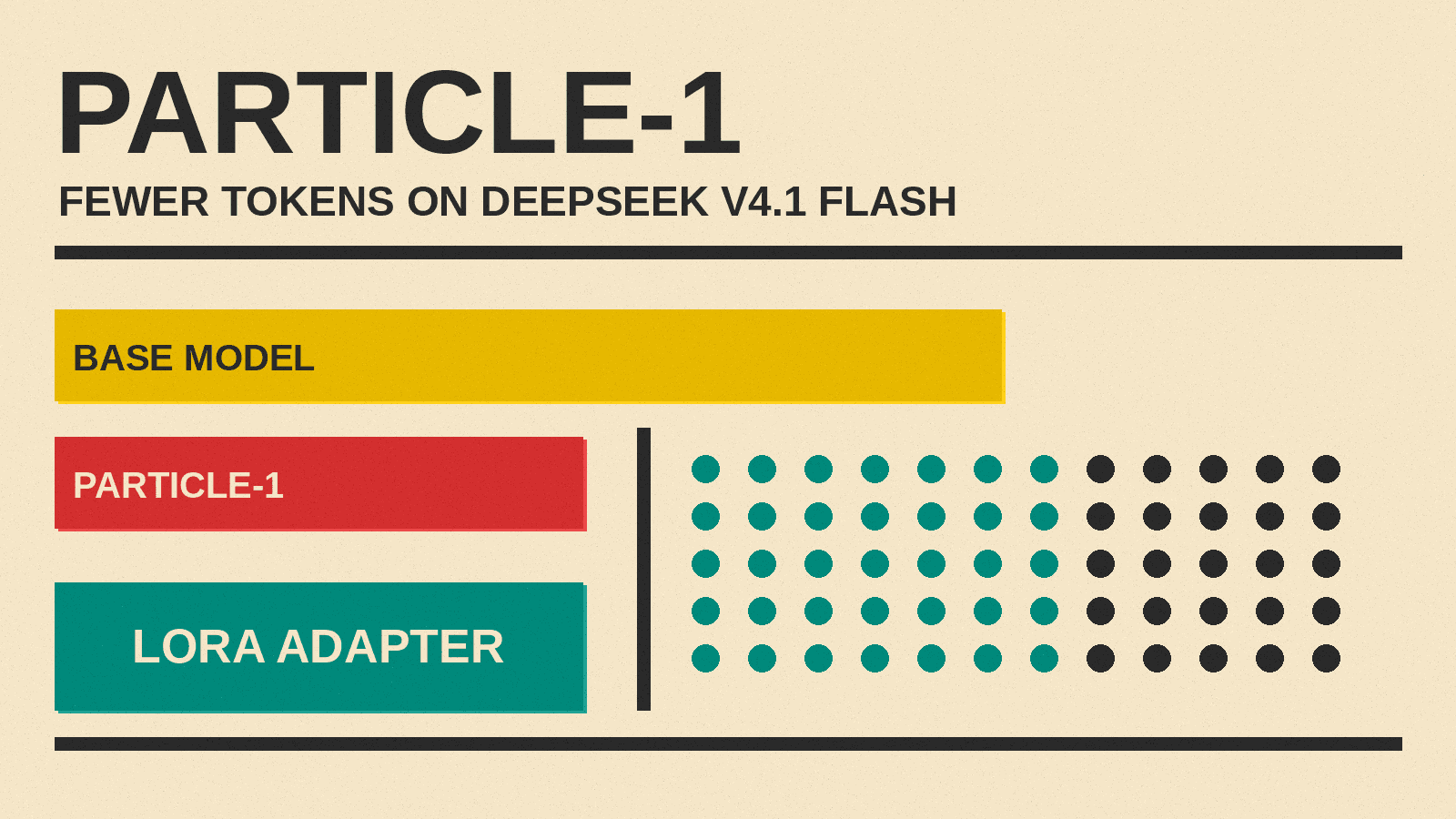
Particle post-trained DeepSeek V4.1 Flash with RL and LoRA. It says Particle-1 uses about 45% fewer tokens with comparable accuracy, at the same price.
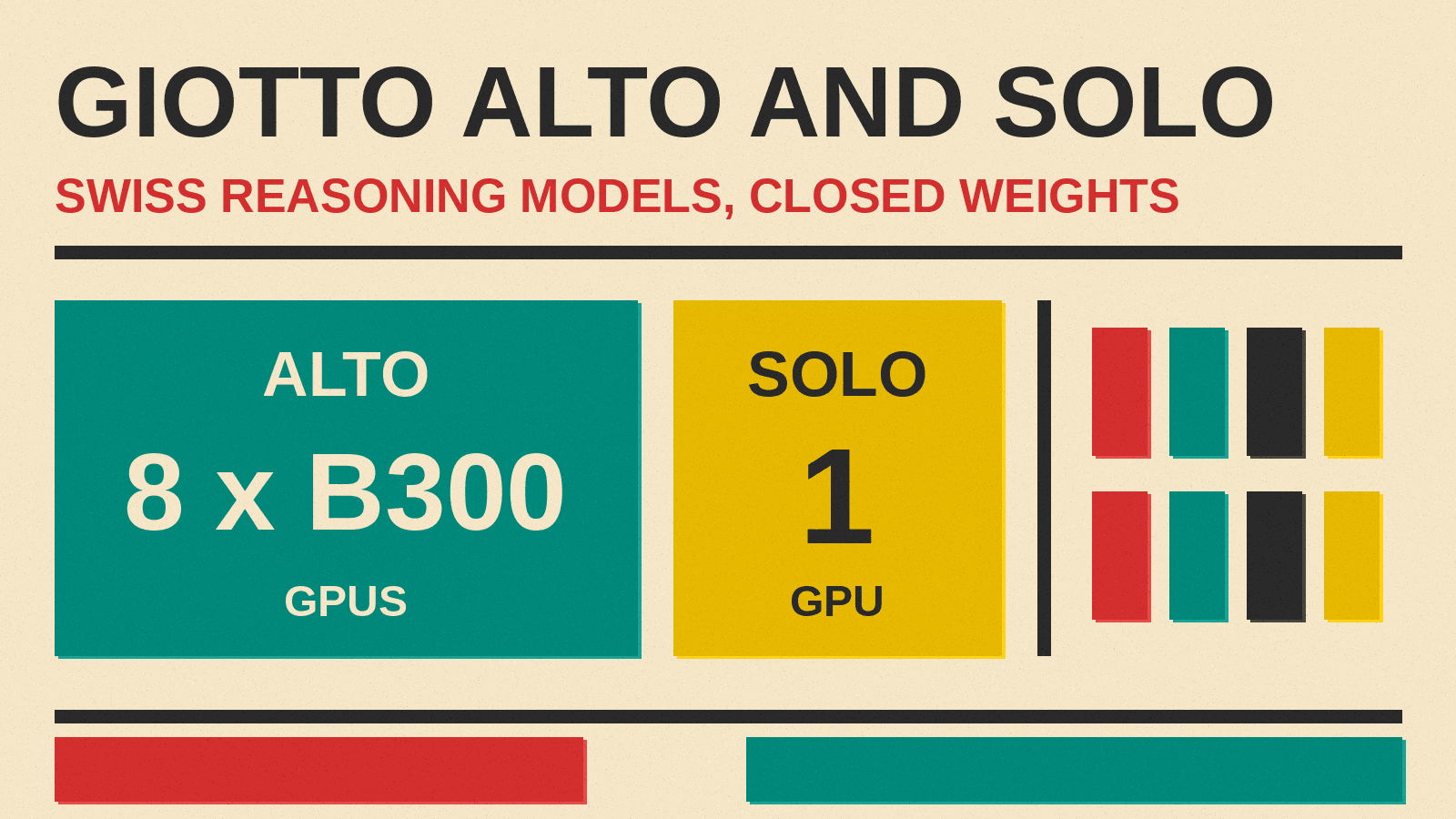
Lausanne lab Giotto launched Alto and Solo, reasoning models for European cloud and on-premises use. Alto runs on eight B300 GPUs. The weights are not open.
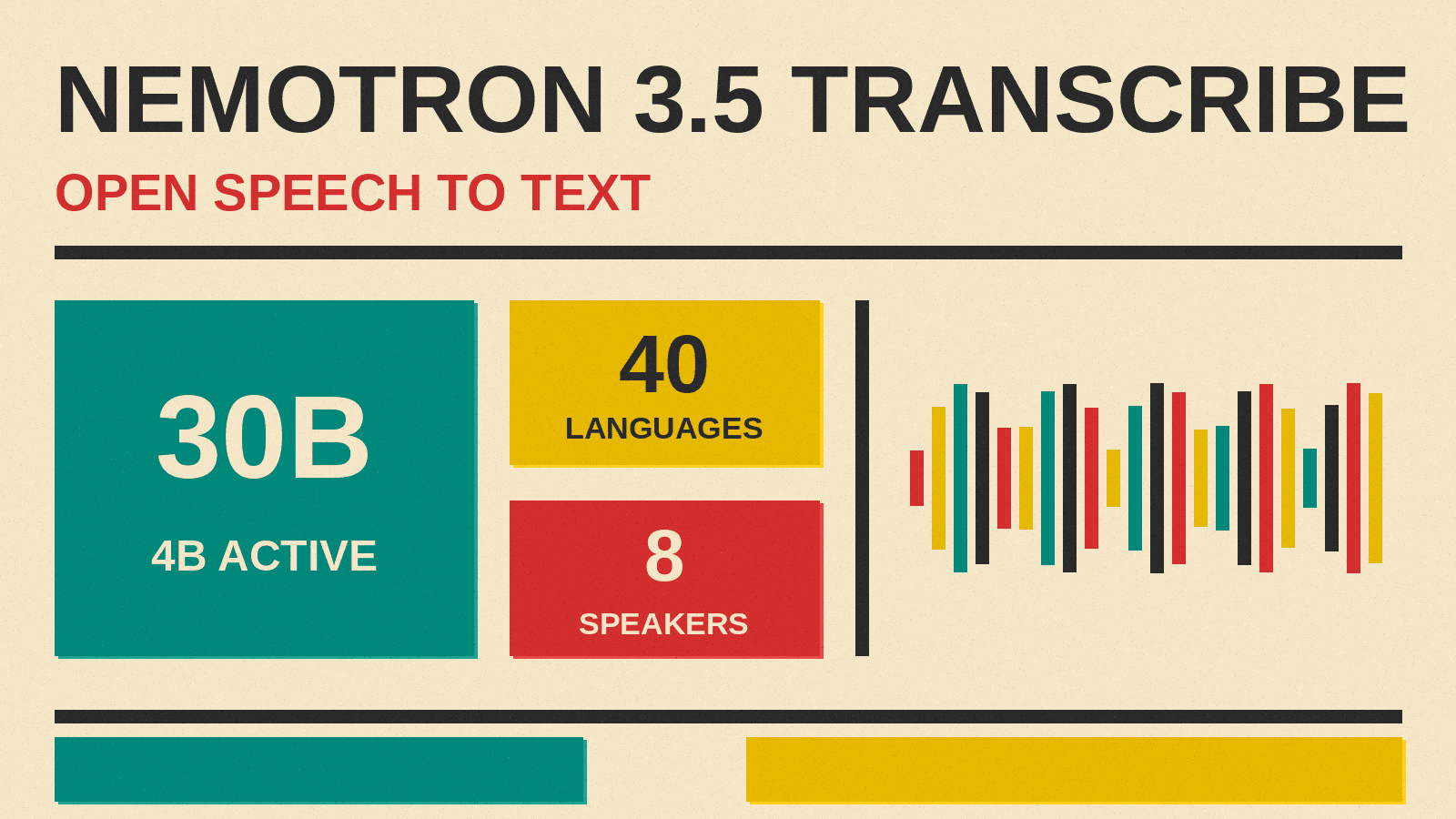
NVIDIA's open-weight Nemotron 3.5 Transcribe transcribes 40 languages, labels speakers and translates. NVIDIA also opened Granary v2, the data behind it.
Gemini 4 Carbon took first on the Artificial Analysis index and Text Arena. Hacker News praised its price and lower test cheating but not the limited access.
Google DeepMind's Gemini 4 Carbon goes first to a subset of cyber defenders, then Fairwind partners. Google's benchmark and safety claims, and the $2/$10 price.
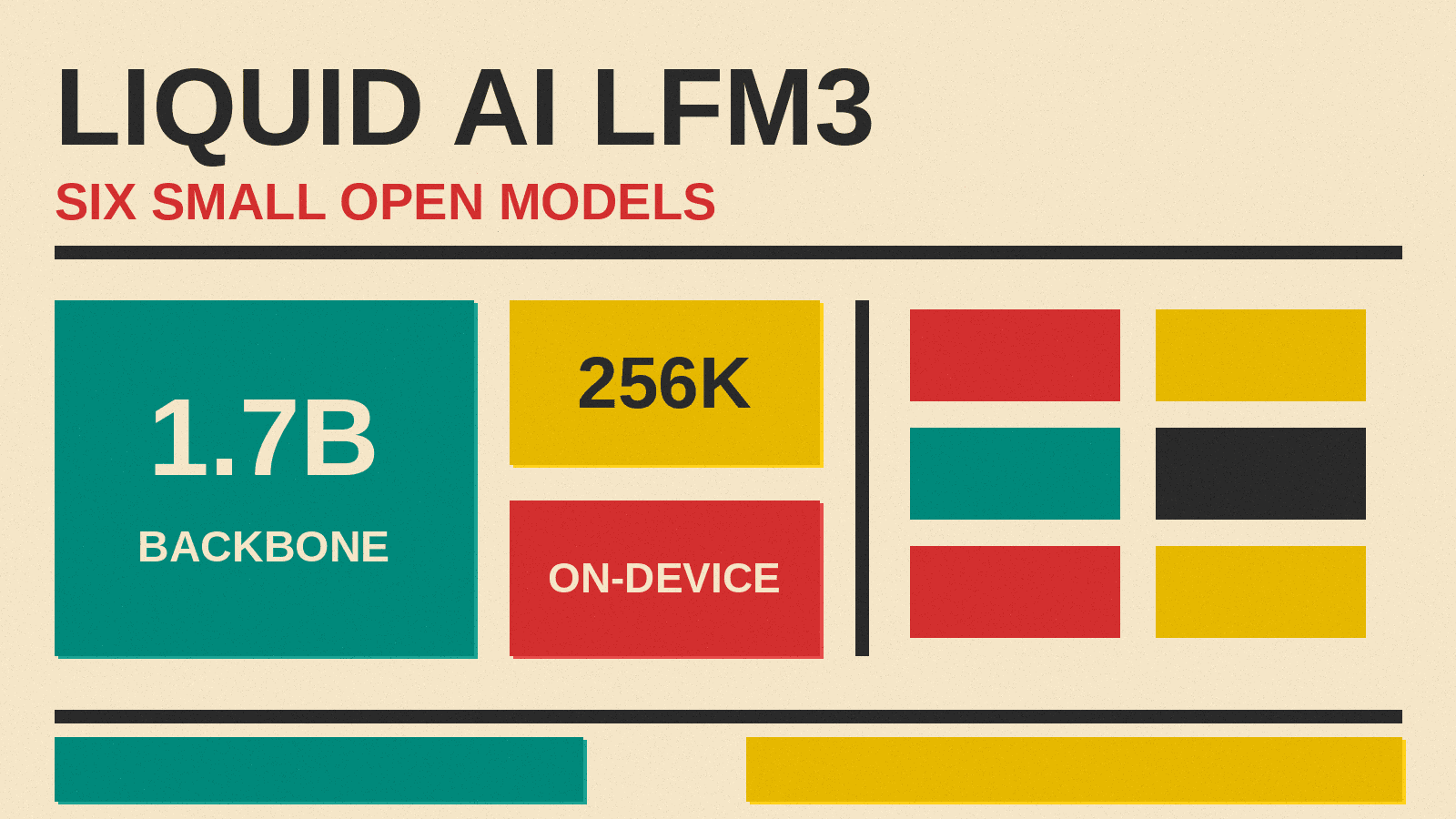
Liquid AI's LFM3 is six open-weight 2B-class models for text, vision, audio, omni input and decisions, built on one 1.7B base. Specs, scores and license terms.
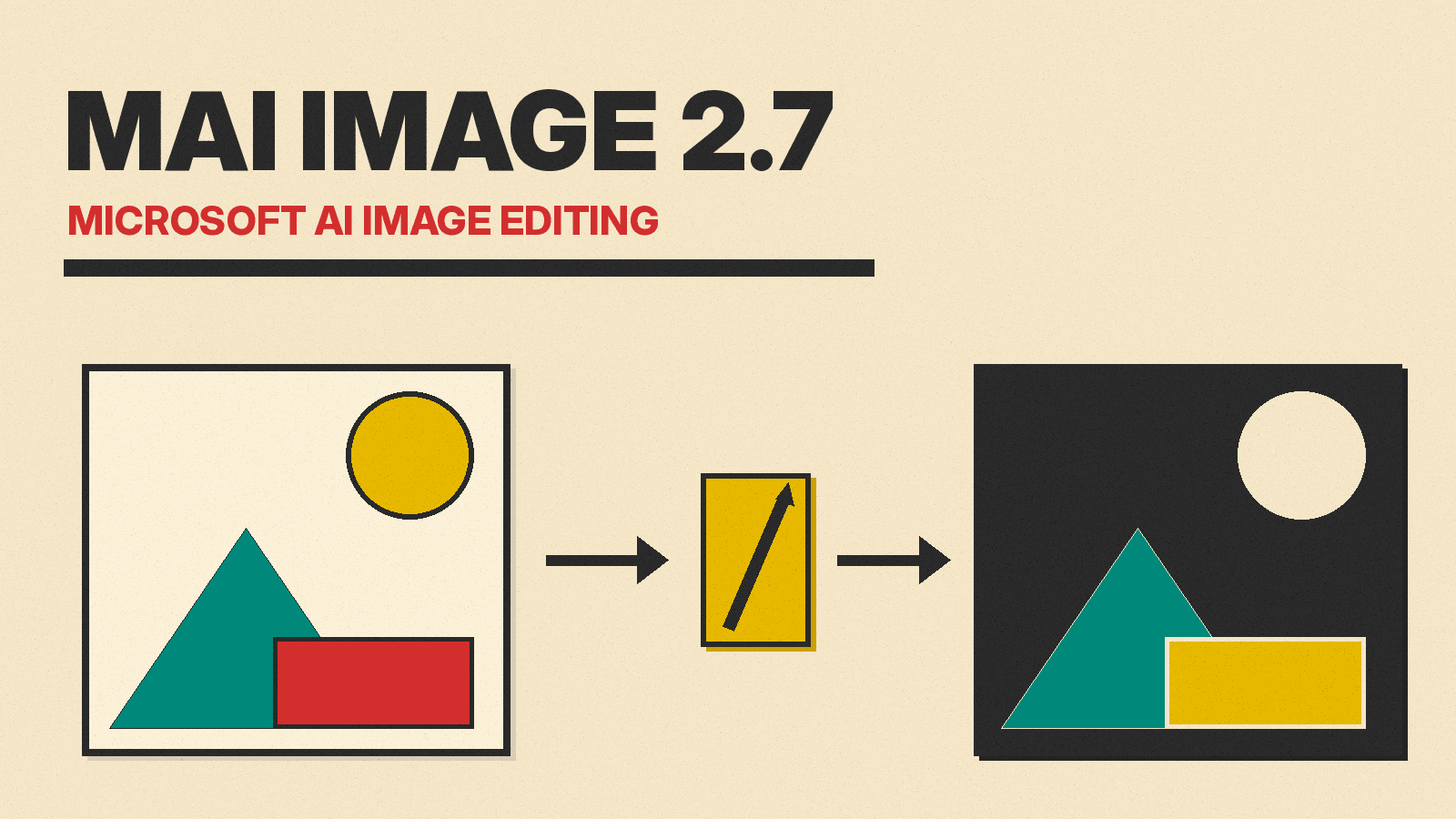
Microsoft AI's MAI Image 2.7 edits existing images, from relighting to text changes. It ranks No. 2 on Artificial Analysis's editing board, with no API yet.
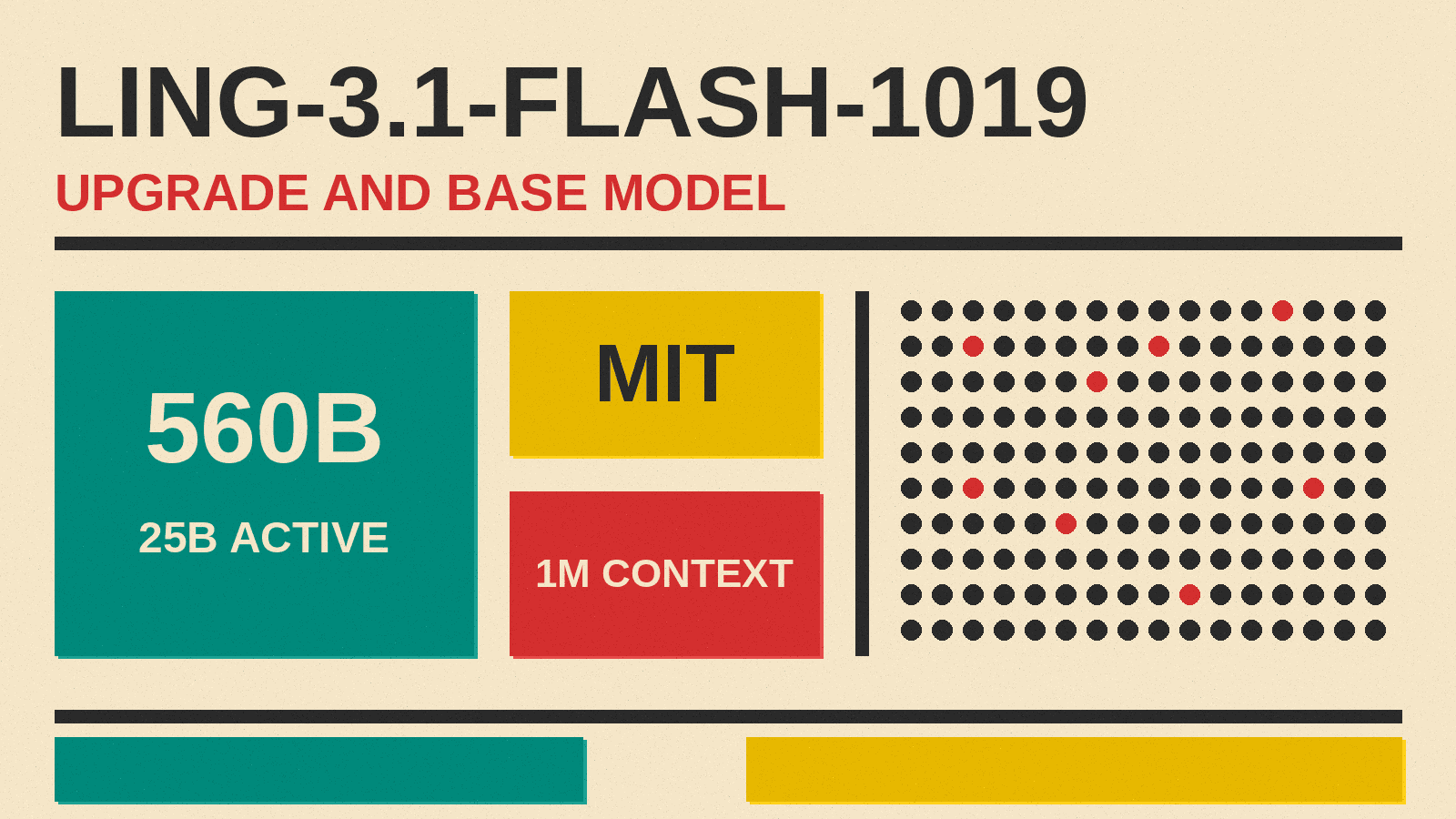
Ant Group's inclusionAI released Ling-3.1-flash-1019, a post-training update to its 560B MIT open model, plus the base model: scores, uses and hardware.
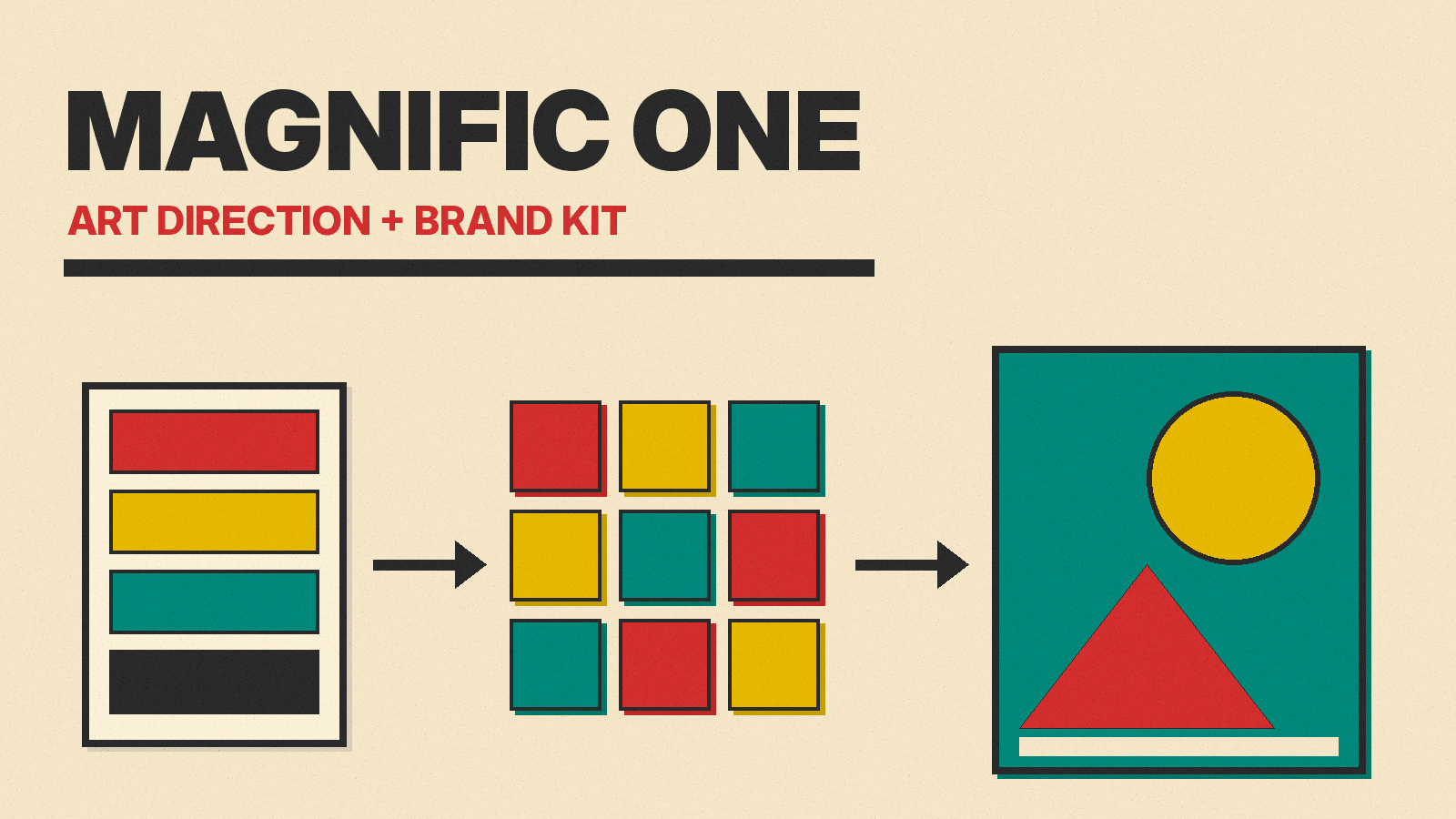
Magnific One is Magnific's image model with art direction built in. How Draft, Final and Brand Kit work, how to prompt it, and what it costs in credits.
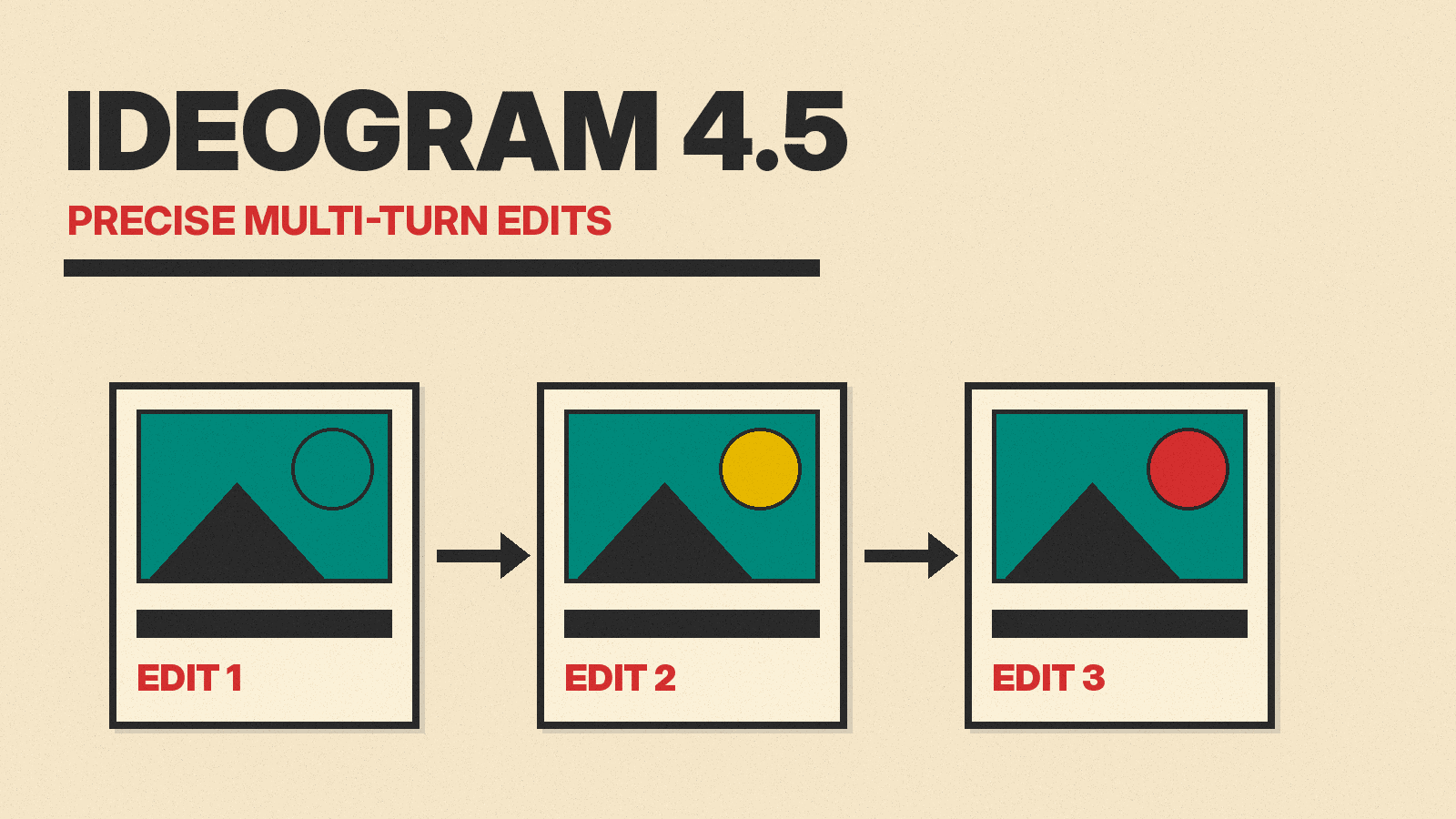
Ideogram 4.5 is an image edit model built for chains of small edits without artifact buildup. What it does, its two API endpoints, pricing from $0.008, and limits.
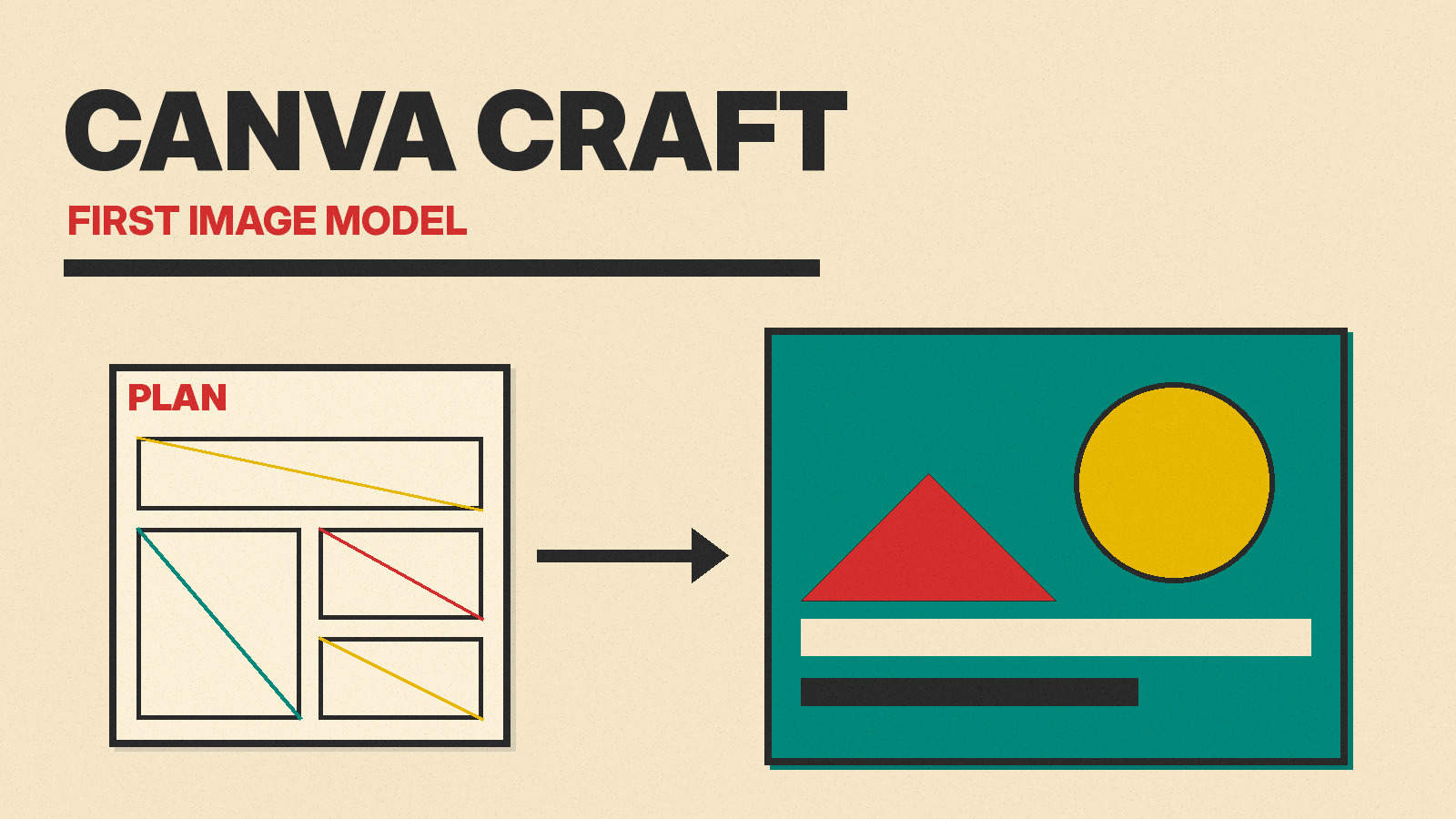
Canva Craft is Canva's first in-house image model. How it plans a layout before it draws, how it ranks on DesignArena, and how to use it in Dream Lab and the API.
Recursive's Flint is a 40B MoE coding model with 2.5B active parameters, released under Apache 2.0. Here is what it scores in Recursive's own tests, how fast it runs on a Mac or RTX Spark, the hardware you need, and what the Eureka Machine built.
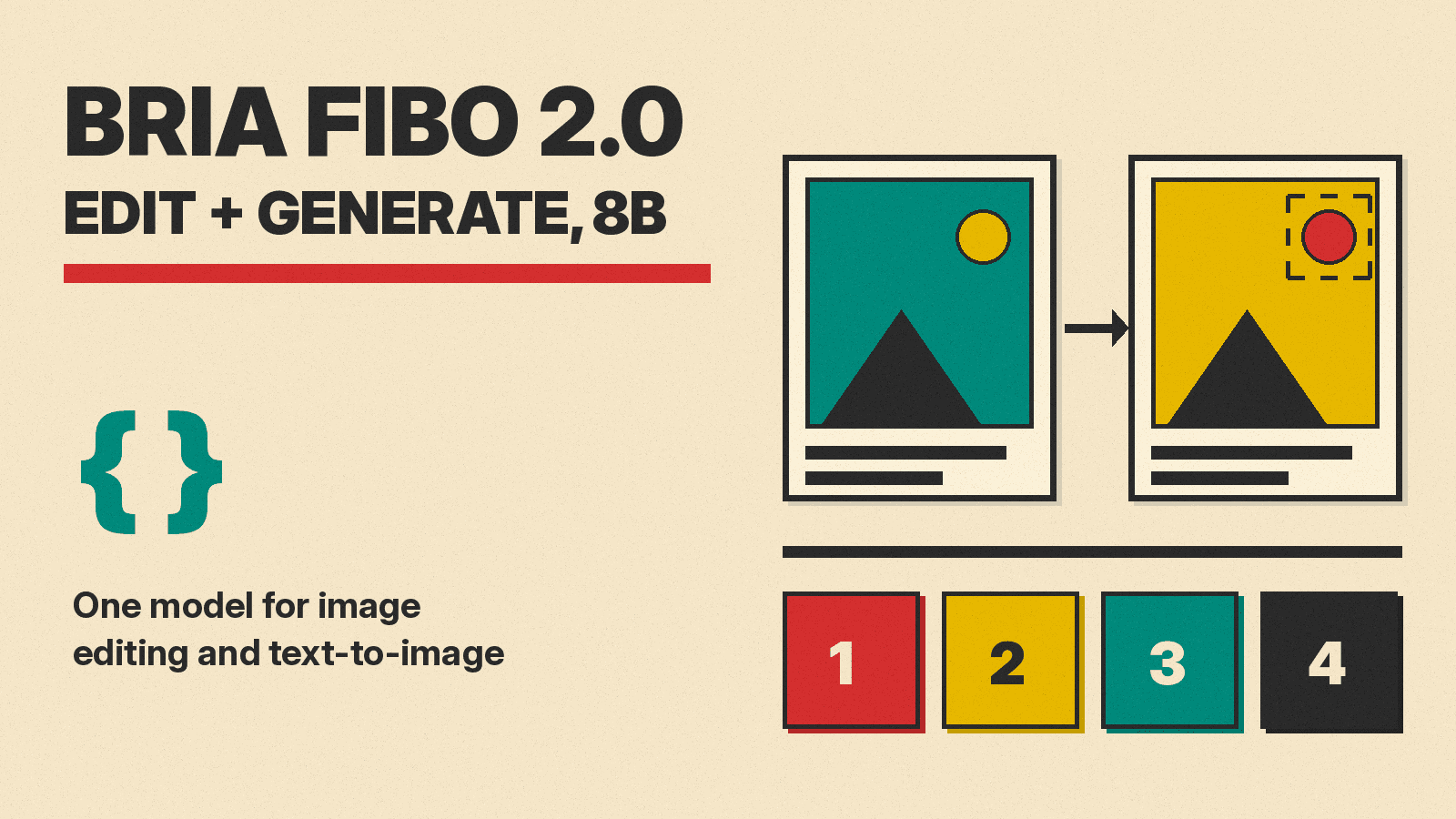
Bria's Fibo 2.0 is an 8B model that edits and generates images from structured JSON prompts, trained on licensed data. Here is how its five modes work, Dev vs Edit Turbo, what Bria claims on benchmarks, and why the weights are non-commercial while hosted use costs $0.04 per image.
Inception's Mercury 3 is a diffusion LLM the company says beats GPT-6 Luna and Claude Haiku 5.5 on a range of benchmarks while running 4 to 8 times faster. It has a 1M-token context and costs $0.10 input and $0.35 output per million tokens at launch.
Claude Haiku 5.5 costs $0.10 per million input tokens and $0.50 per million output tokens for prompts up to 100k, a tenth of Haiku 4.5. Here is how it scores, what the new effort setting does, and where Anthropic says Sonnet 5.5 or Opus 5.5 is the better pick.
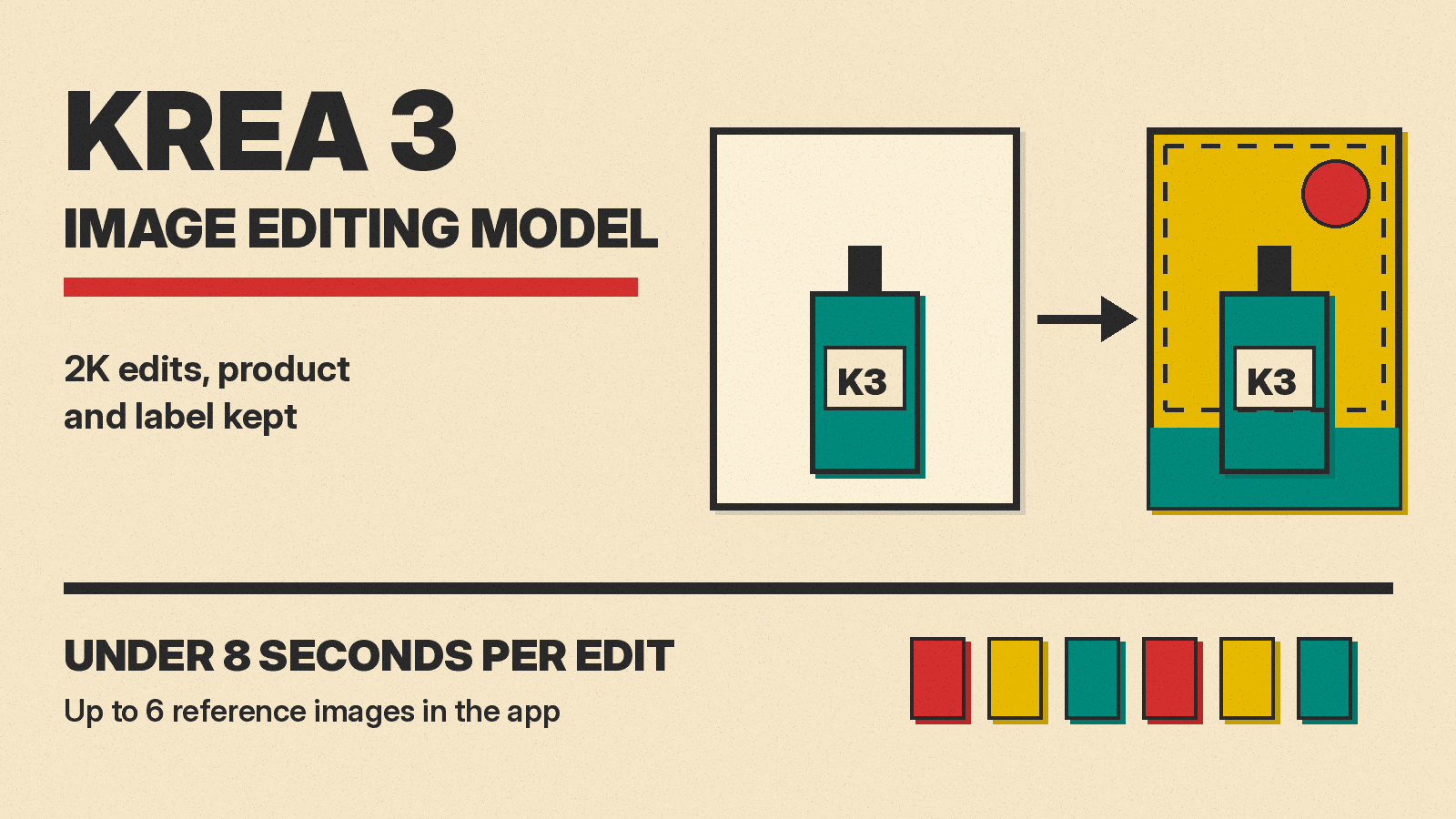
Krea 3 is Krea's new image editing model: native 2K edits in under 8 seconds, up to 6 references in the app, and $0.06 per image. Here is how Krea's speed and price numbers compare, what the API supports, how to prompt it, and what is still missing.
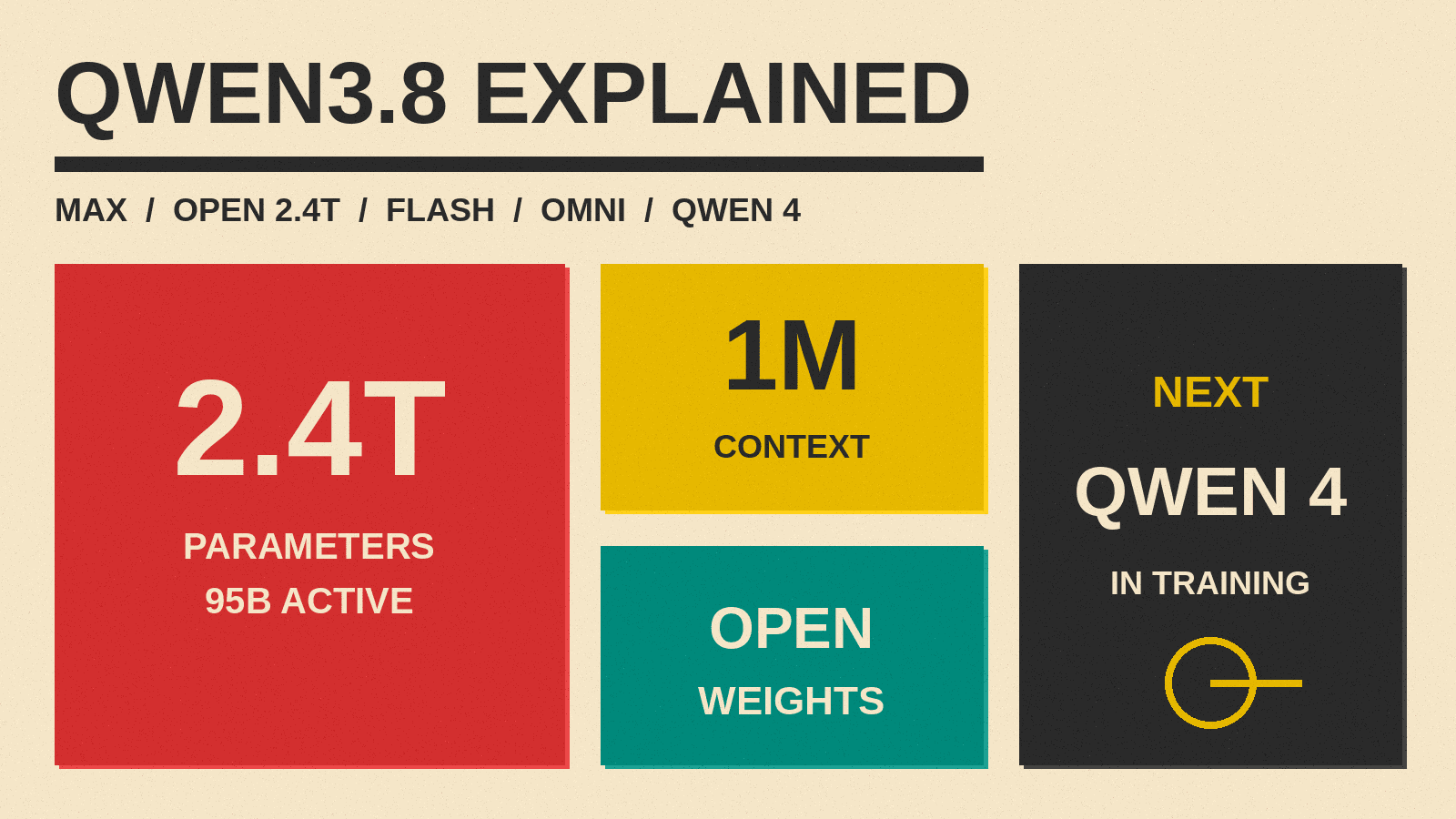
Alibaba's Qwen3.8 covers a 2.4T-parameter API flagship, its first Max-class open weights, a 27B Apache 2.0 model, Flash at $0.15 per million input tokens, omni-modal models, and Flash-Next, a preview of the Qwen 4 architecture. Which model is which, what each costs, and what is next.
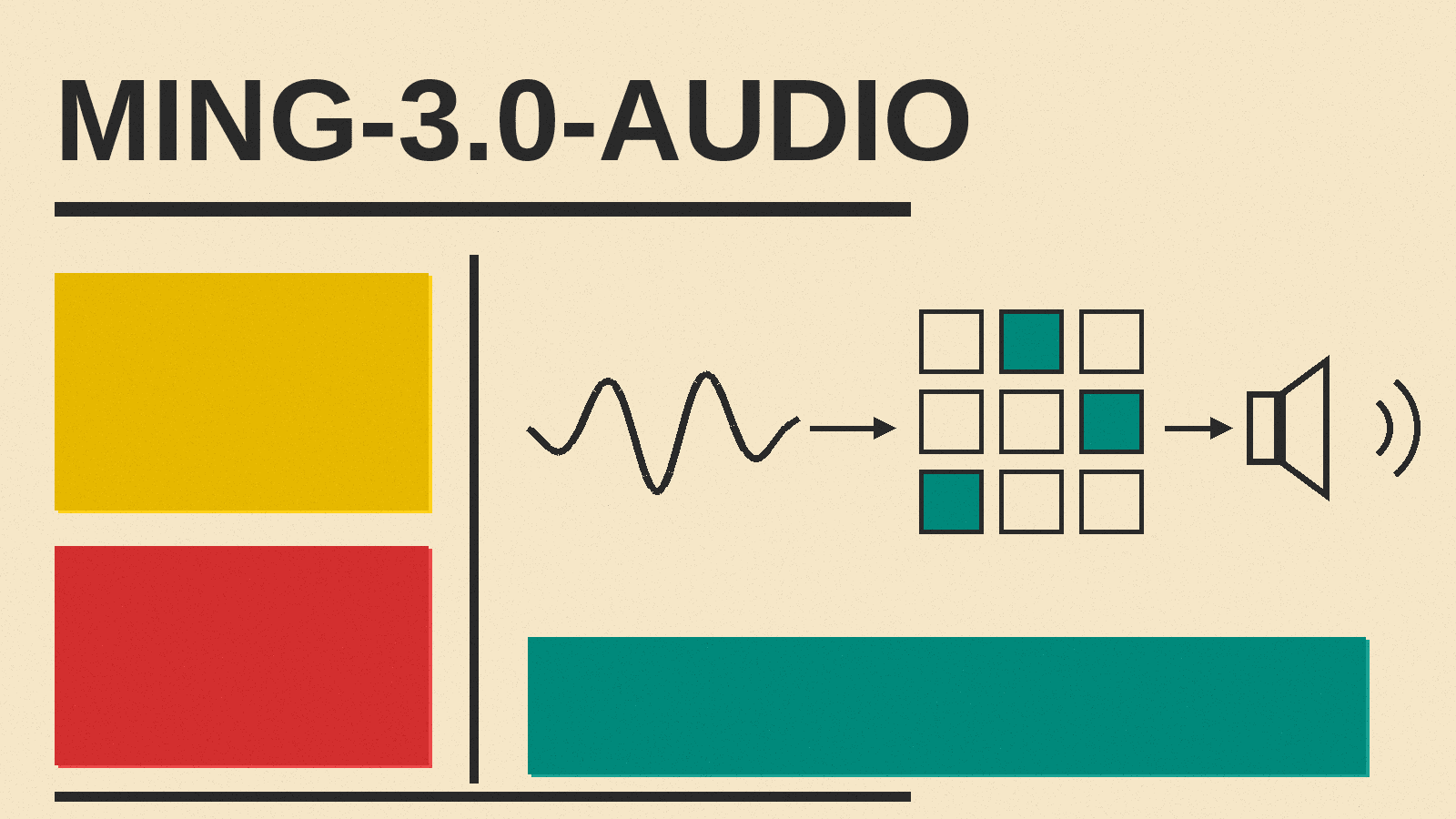
inclusionAI, Ant Group's AGI lab, released Ming-3.0-audio-flash (126B, 6.5B active) and Ming-3.0-audio-tiny (9.3B) under MIT. They transcribe, reason over audio and talk back. Vendor charts show leading speech recognition but gaps on meetings and long audio.
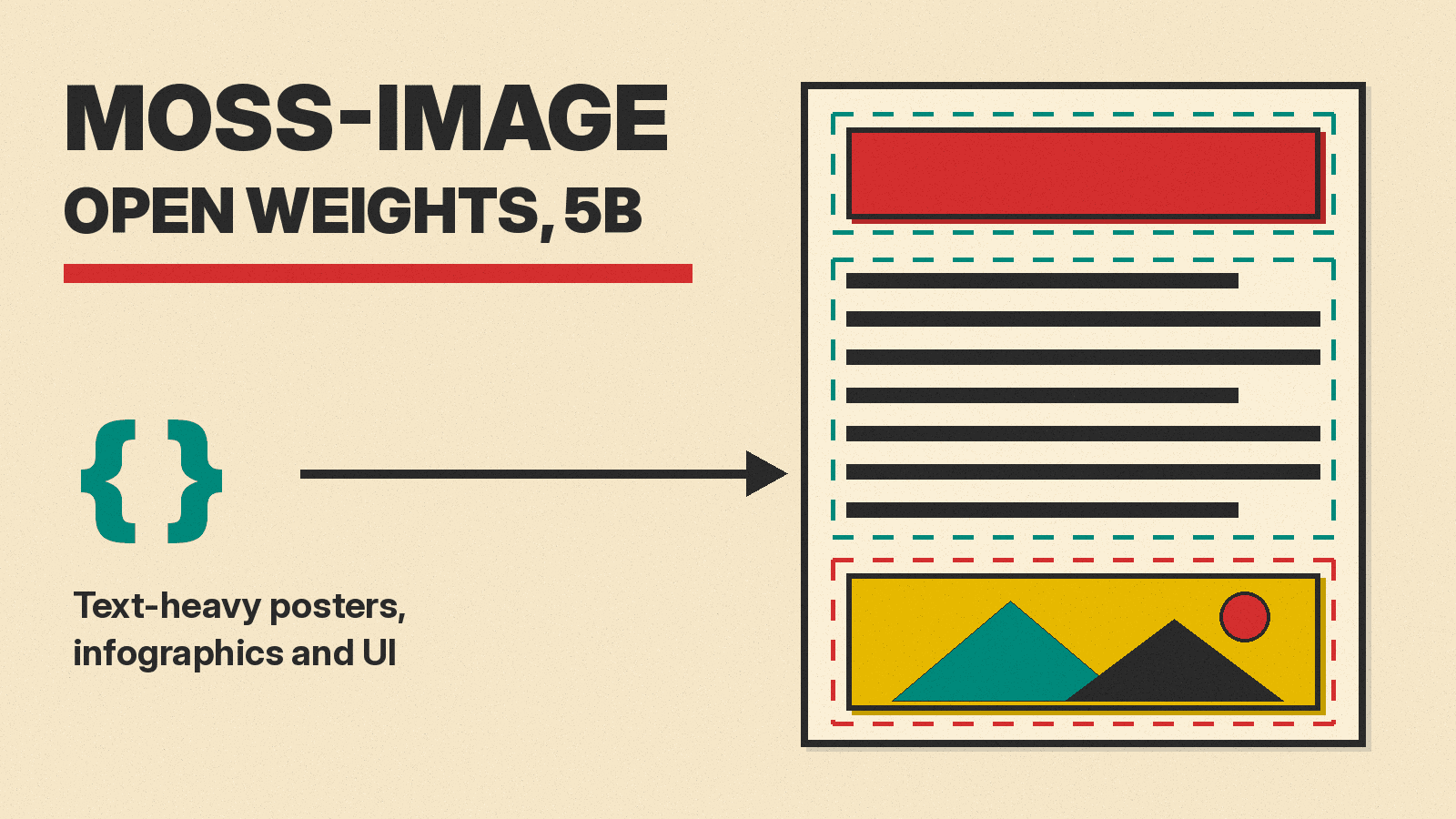
MOSS-Image is a new Apache 2.0 text-to-image model from OpenMOSS built for dense text and layouts. Here is what its benchmarks show, how its JSON layout prompts work, what it cannot do yet, and how to run it in Diffusers or ComfyUI.
Meta's Muse Wonder costs $4 input and $20 output per million tokens on the API, while Muse Wonder Full needs a $50 or $200 Muse Code plan. What Active Memory is, how Contributor mode works, and who can use it today.