each::labs Lockstep: Recast Any Video From One Photo
each::labs Lockstep swaps the people in a video for your own characters, one photo each, and keeps the motion, lip sync and camera. Price, API and caveats.
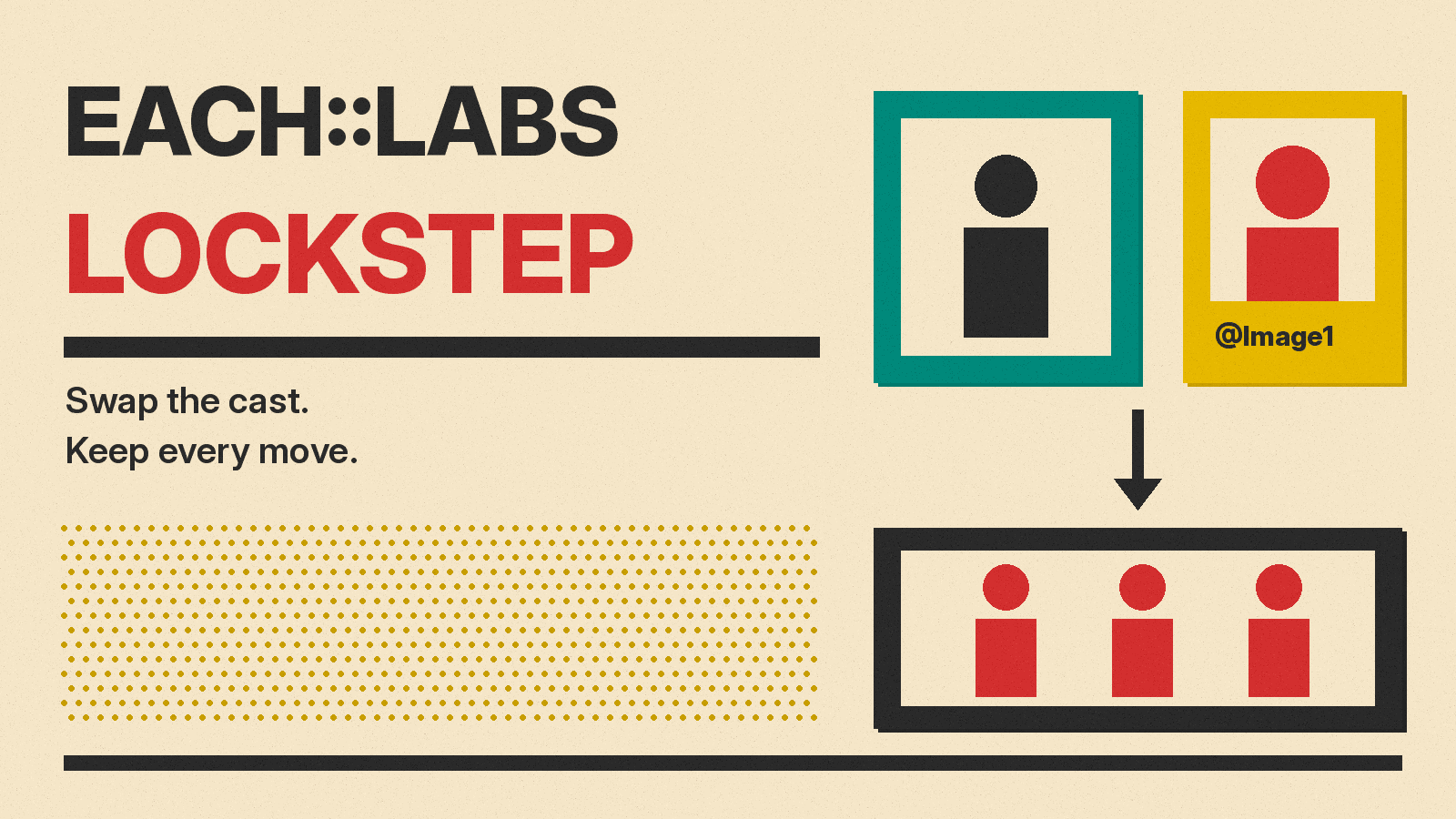
each::labs Lockstep swaps the people in a video for your own characters, one photo each, and keeps the motion, lip sync and camera. Price, API and caveats.
SenseTime's SenseNova 6.8 Code2Video is an open 27B model that makes short videos by writing and rendering code. What it ships, how it runs, and its limits.
Higgsfield Cinema Studio 4.0 makes 30-second AI video scenes from up to 50 references. What changed from 3.5, what clips cost in credits, and API limits.
Kling and Runway both turn text and images into short AI video clips, and Runway now runs Kling models too. How they differ on control tools, talking characters, editing existing footage and credits, based on each company's own help pages.
Oracle AI Media Models are Oracle-built video generation, image generation and image editing models on OCI, in a Beta for selected U.S. companies.

Reactions to DeepMind's Genie 4: praise on X for realism and live steering, physics errors spotted on Hacker News, and complaints about the waitlist.
DeepMind's Genie 4 world model adds native audio and dialogue, more lifelike people and physics, and live text edits. Trusted testers only for now.
Google, Runway and Kling each publish official prompt guides for their video models. Here is what they agree on: subject, action and scene first, one camera move per shot, positive phrasing, and revising one element at a time. With a template you can copy.
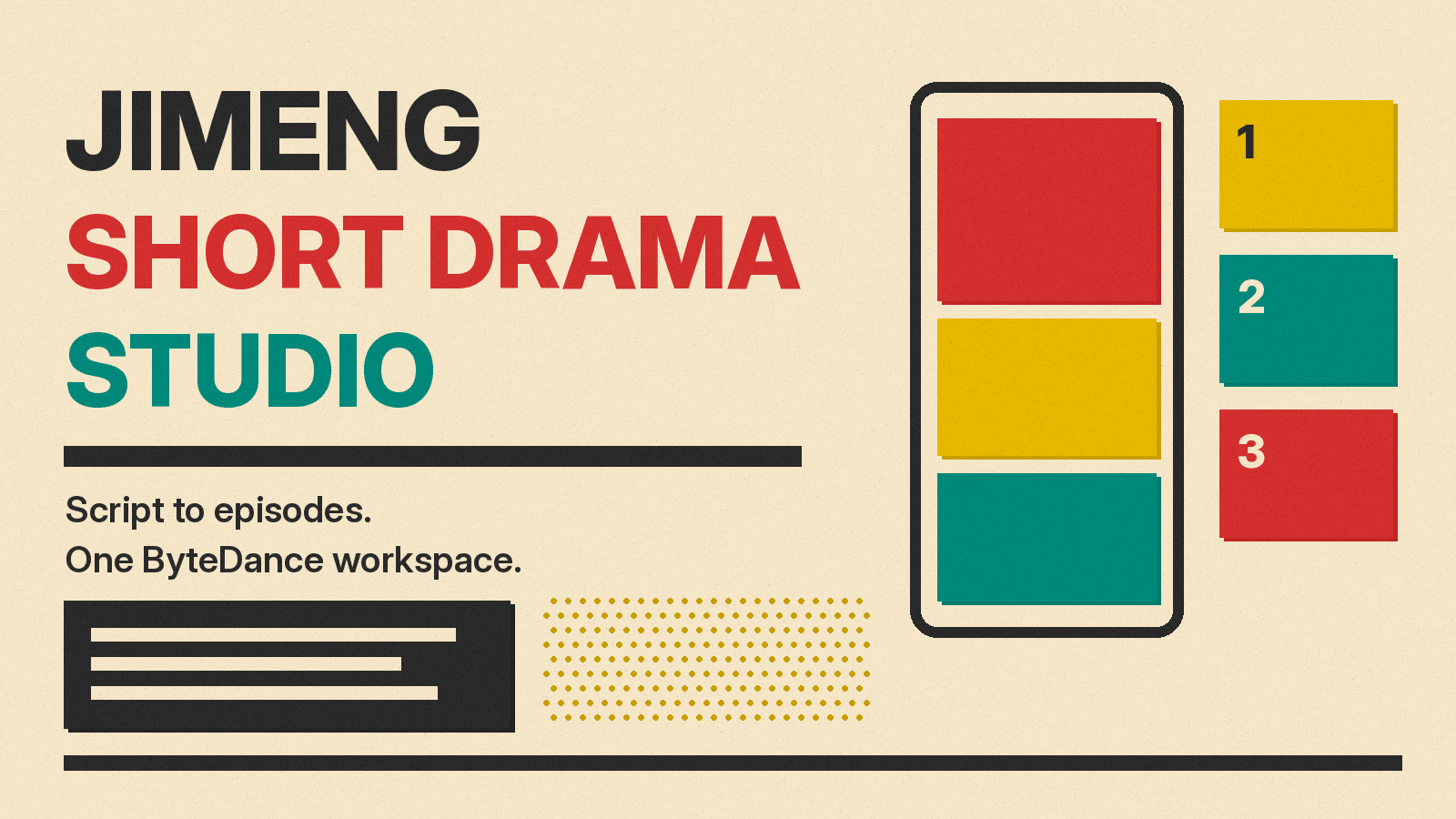
ByteDance's Jimeng launched Short Drama Studio on October 26: scripts, cast, storyboards, post and remakes in one workspace, on three in-house models.
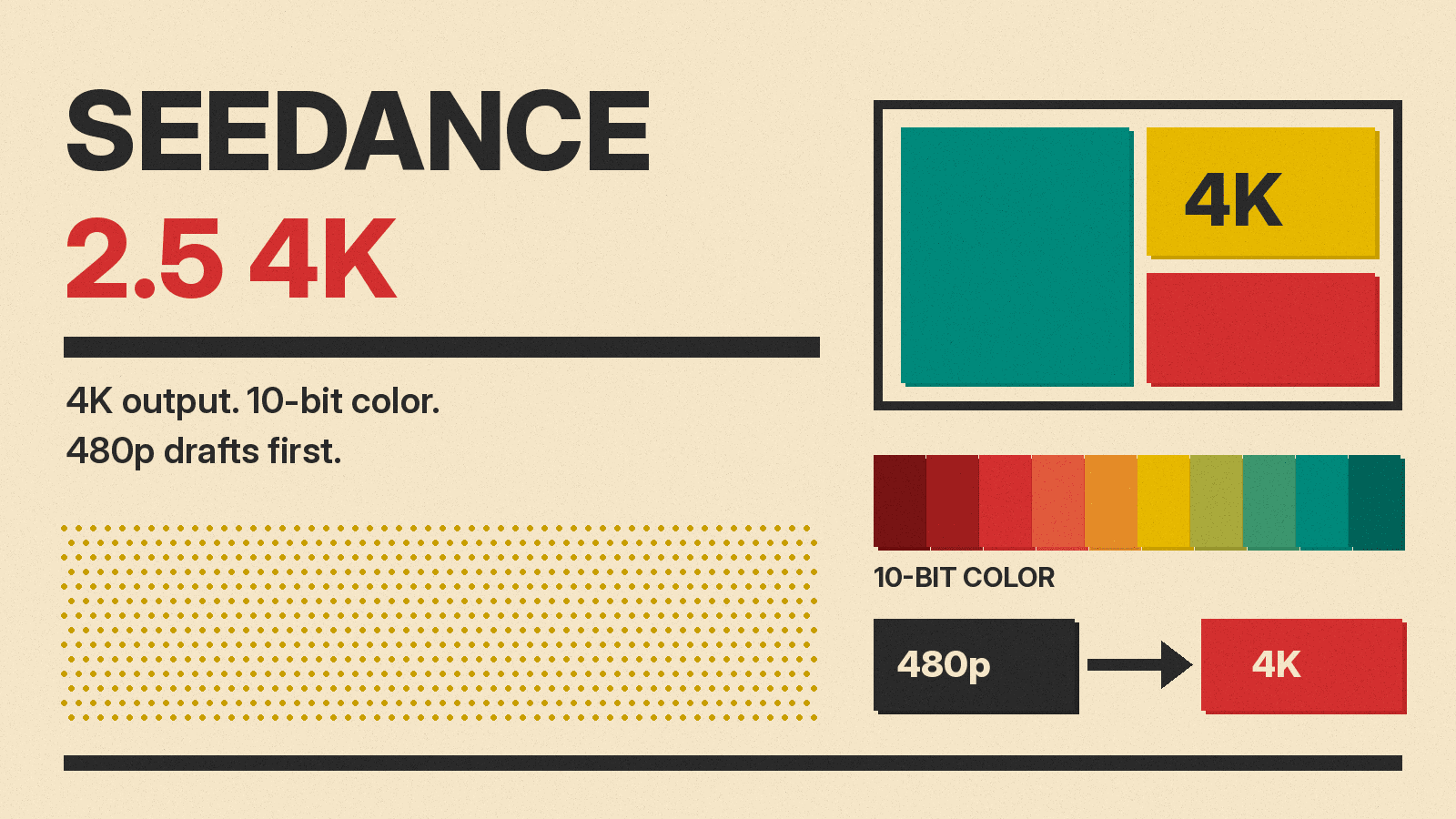
ByteDance's Seedance 2.5 4K adds 4K output, 10-bit color and a 480p Draft mode for film and TV teams. It is an enterprise trial for now.
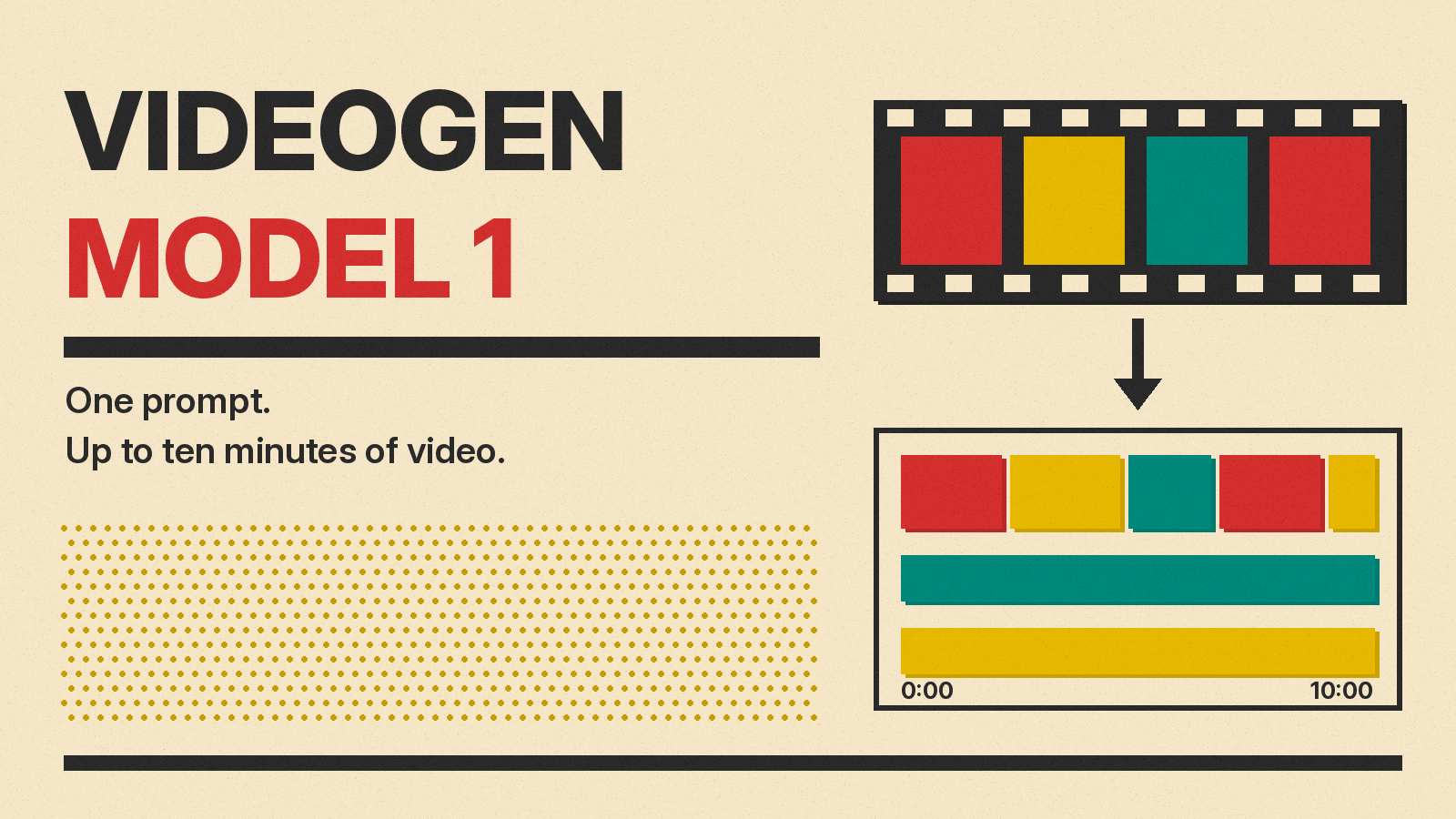
VideoGen says Model 1 turns one prompt into a multi-shot video up to ten minutes long. How the MiniMax H3-based pipeline works, the whitepaper and access.
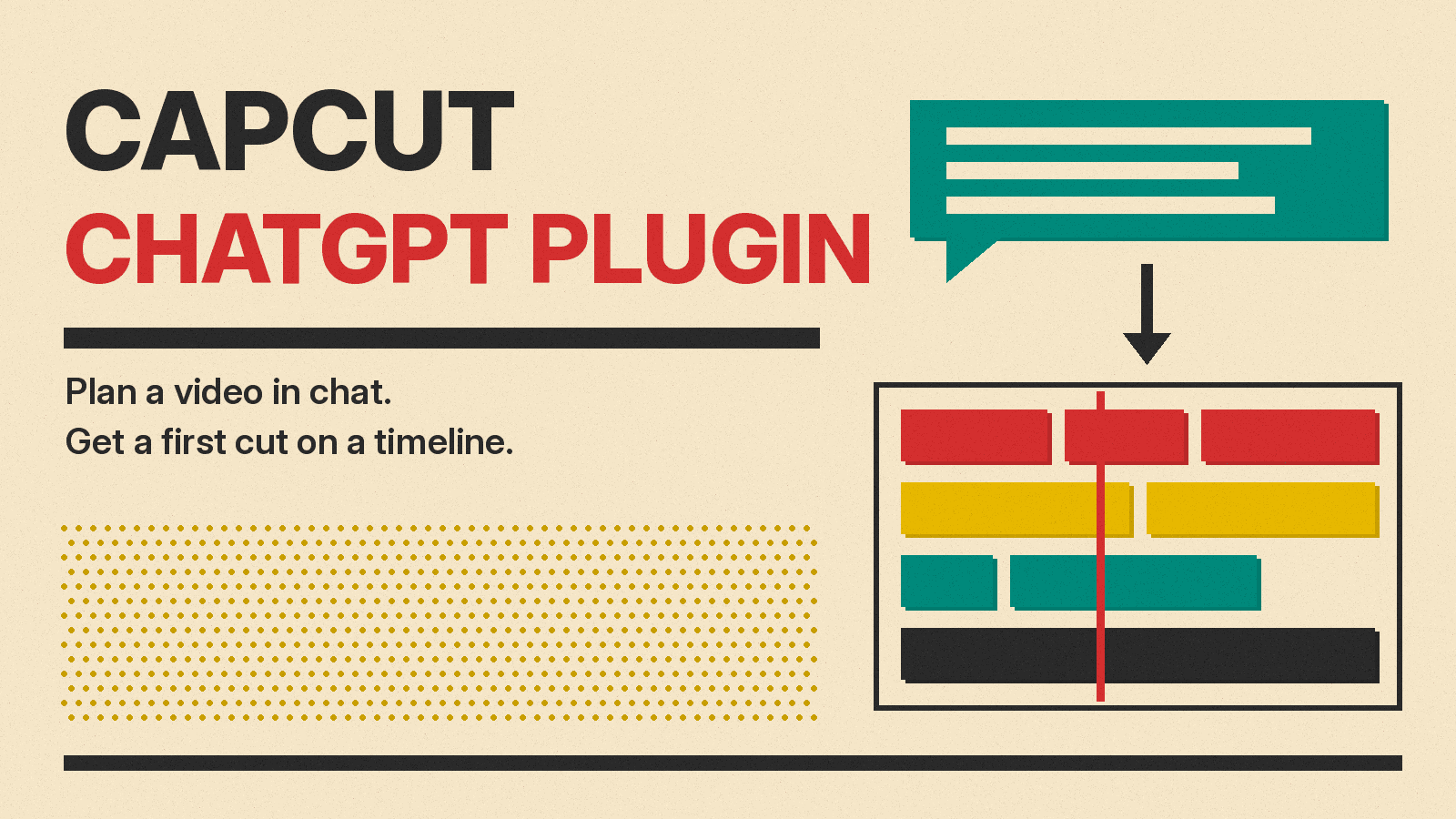
CapCut announced a ChatGPT plugin at CapCut World LA: plan a video in chat, get a first cut on a CapCut timeline, then refine by chat or in the web editor. Here is what it does, how to try the early desktop version, the expected November beta and what CapCut has not said yet.
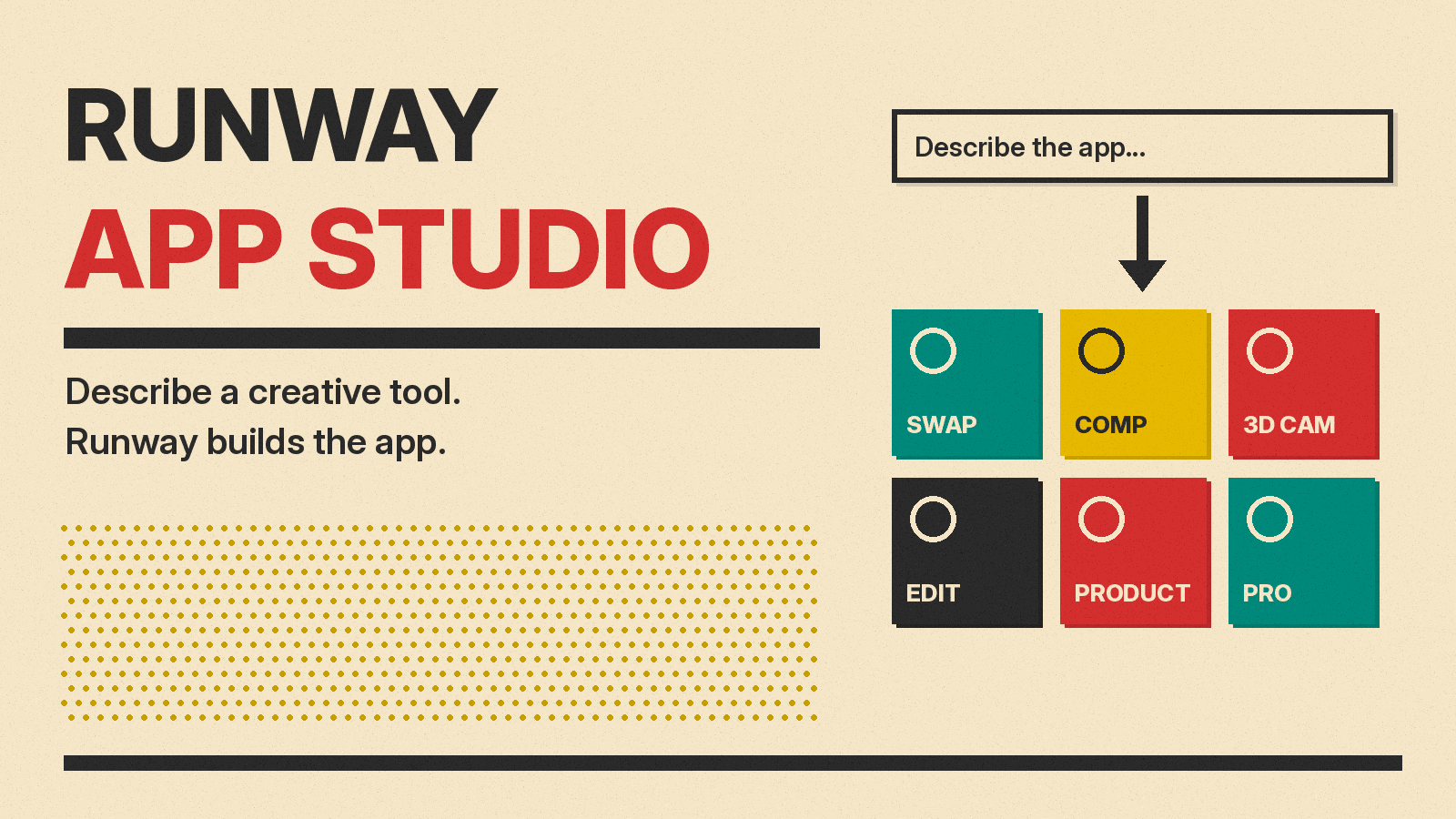
Runway's App Studio, launched October 26, builds custom creative apps from a plain-language description, using Runway's image, video and audio models plus your Brand Kits and Workflows. Here are the six built-in apps, how a build works, the credit costs and the sharing limits.
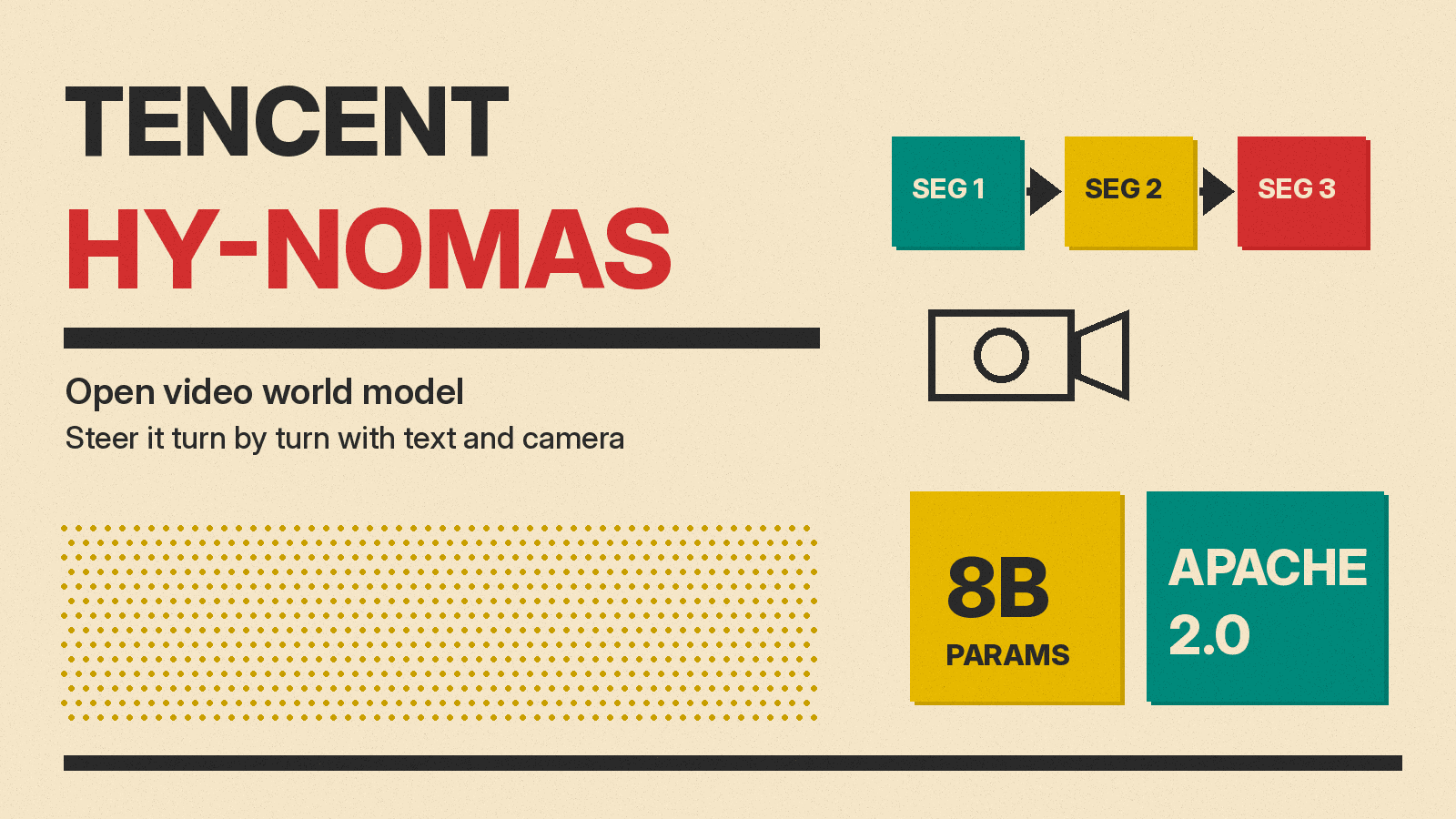
Tencent's Hy-Nomas is an open, Apache 2.0 video world model you steer turn by turn with text and camera moves. It has 8B parameters, runs on one RTX 4090 in low-memory mode, and by Tencent's own tests beats rivals at following instructions but trails Genie 3 on spatial memory.
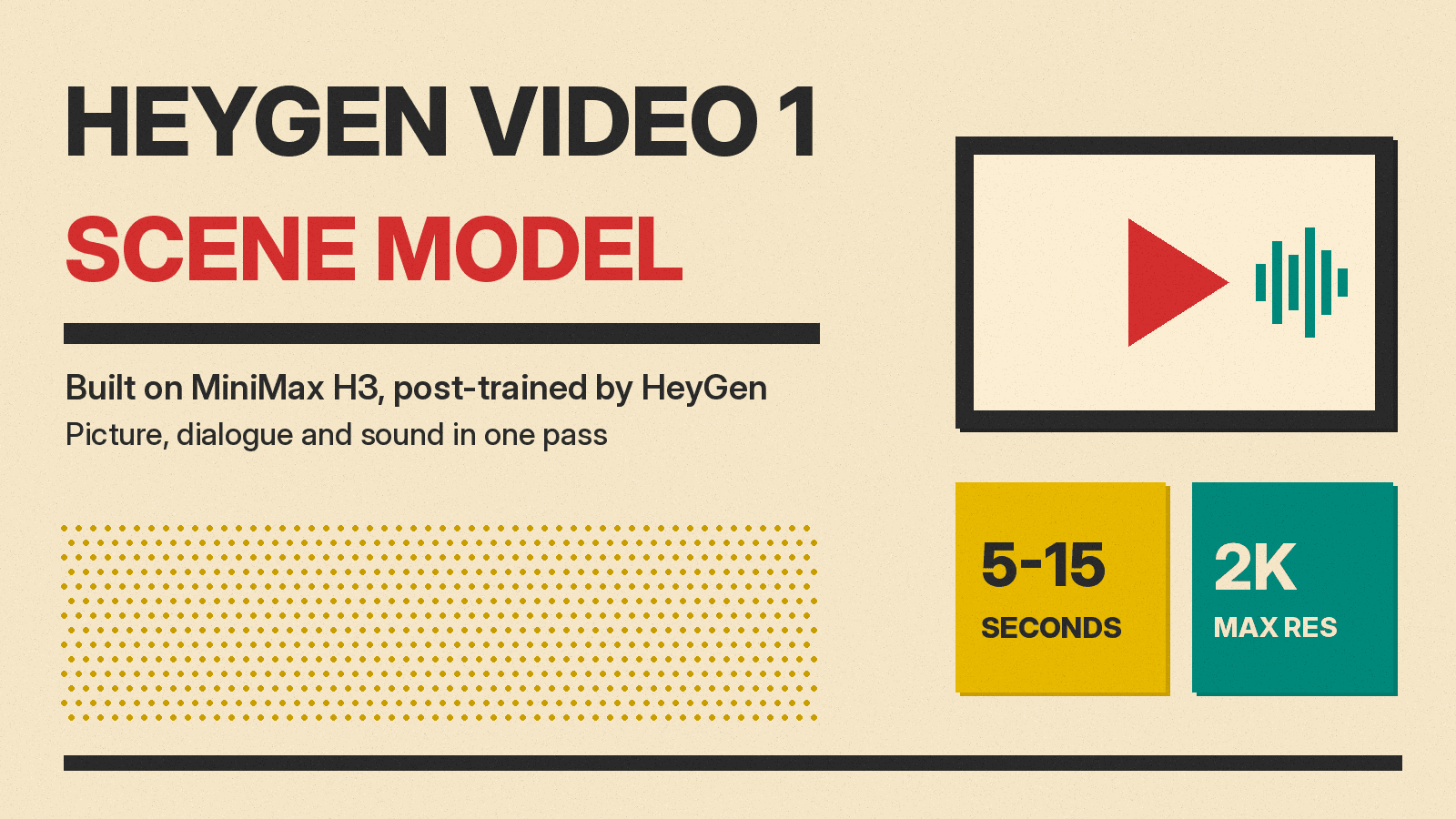
HeyGen Video 1 is a MiniMax H3-based video model that makes 5 to 15 second clips with dialogue and sound in one pass. It leads Artificial Analysis' silent text-to-video board and ranks 4th with audio. What it does, what it costs from $0.01 per second, and where it slips.
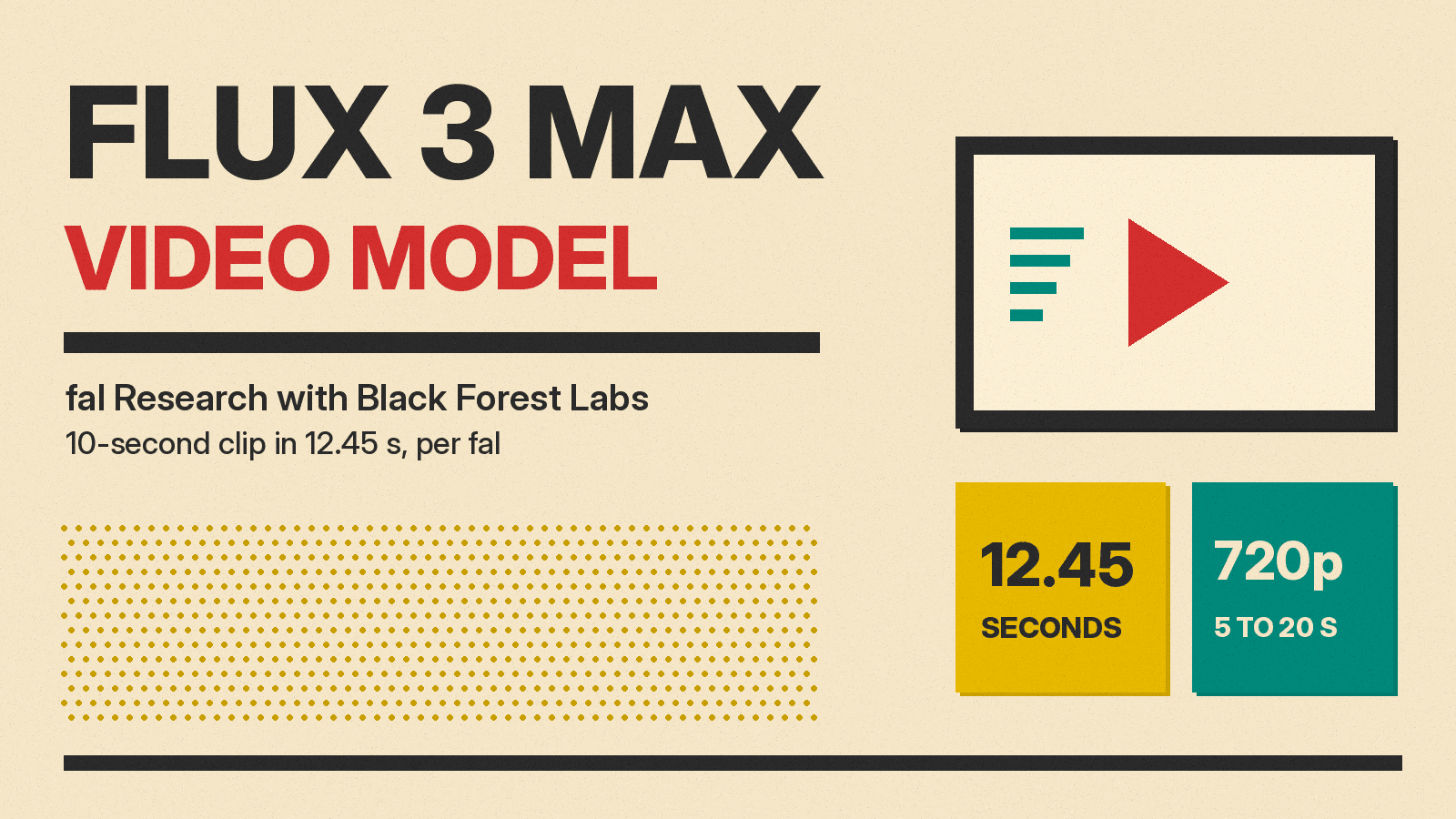
fal and Black Forest Labs released FLUX 3 Max, a post-trained FLUX 3 video model that fal says makes a 10-second clip in 12.45 seconds. What it does, how solid the speed and quality claims are, and what it costs at $0.0425 per second until November 7.
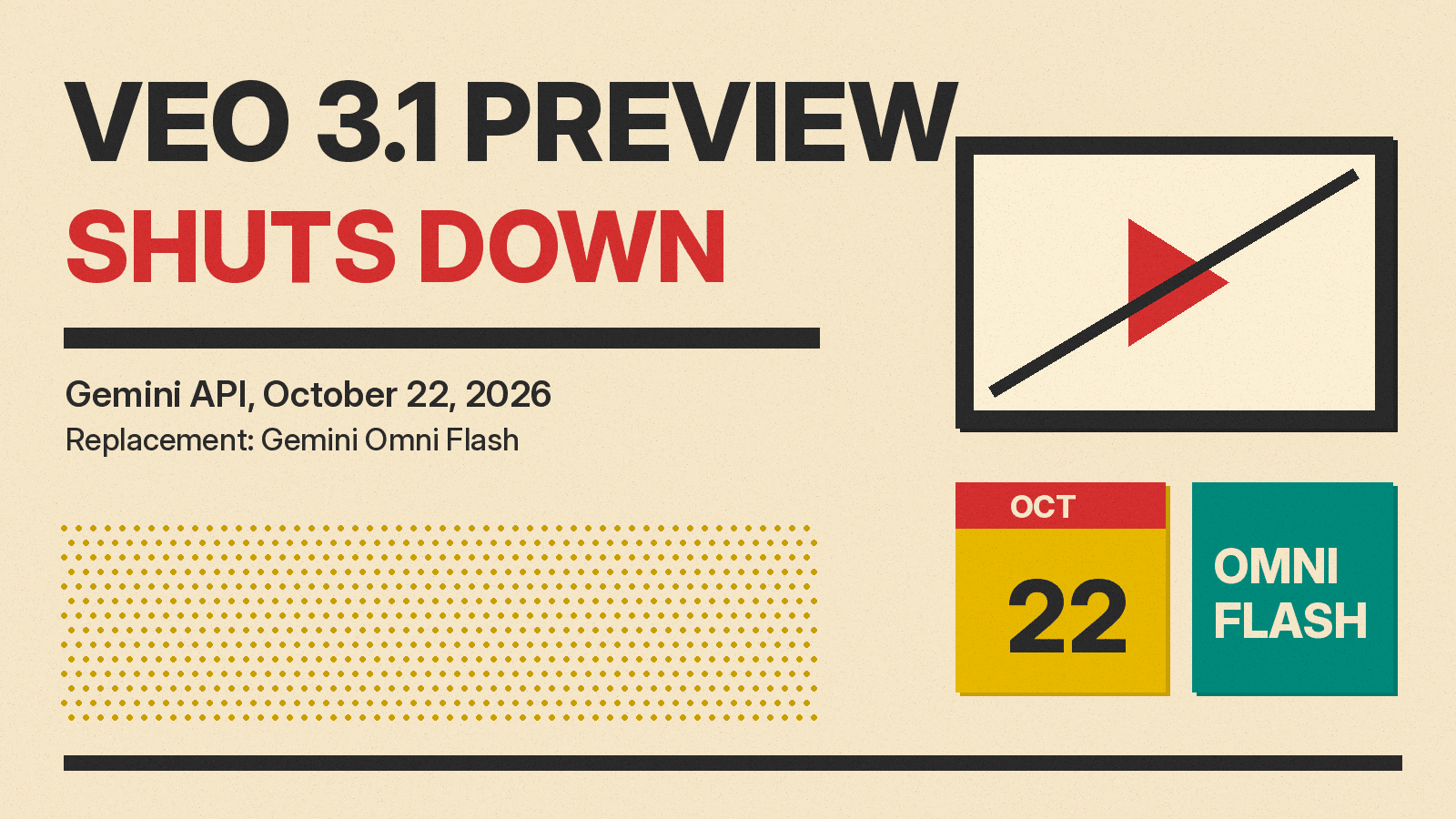
Google is turning off the Veo 3.1, Veo 3.1 Fast and Veo 3.1 Lite preview models in the Gemini API on October 22, 2026. Here is what Gemini Omni Flash does differently, how the per-second prices compare, and what to change in your code.
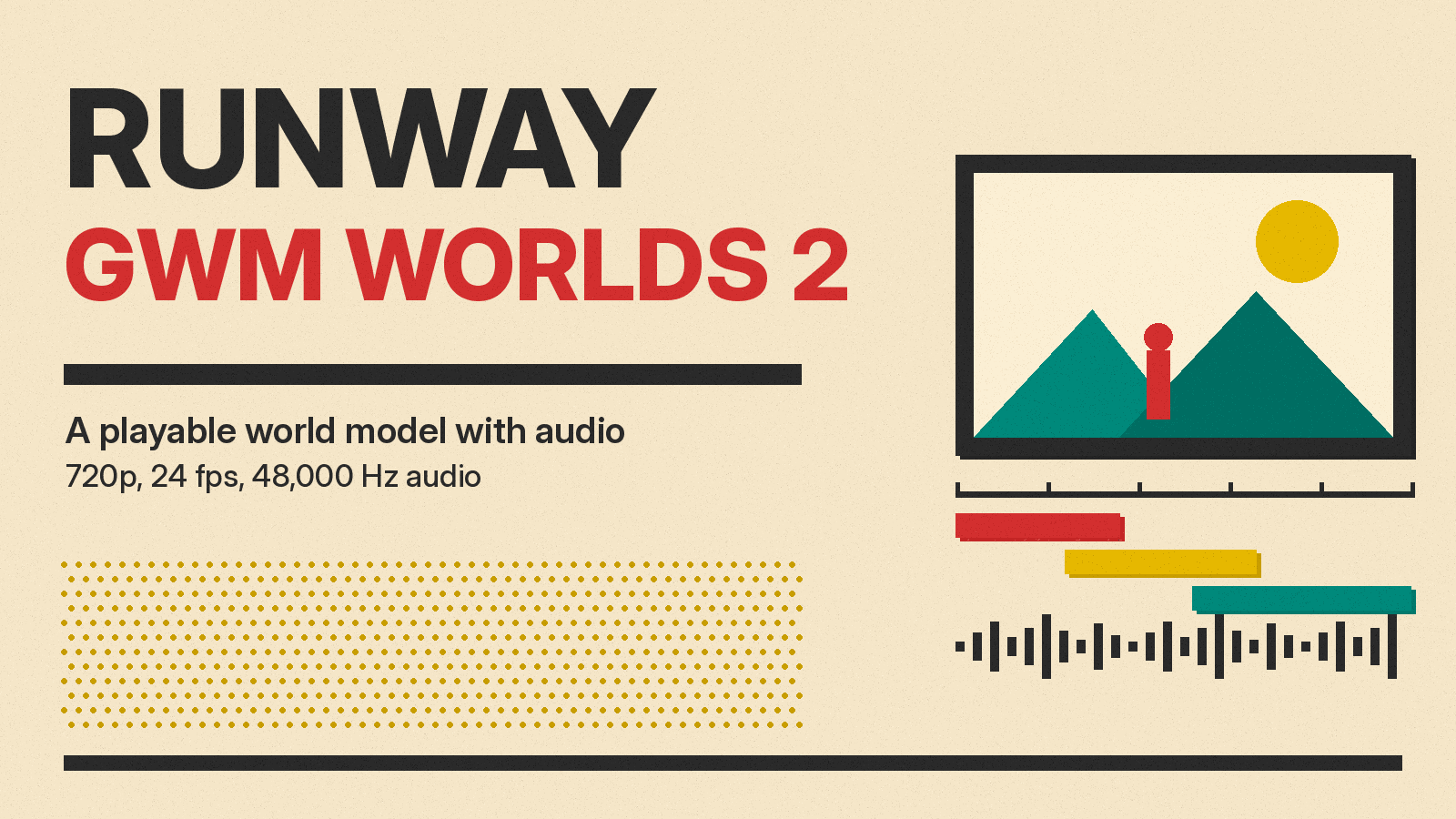
Runway's GWM Worlds 2 generates interactive worlds in real time: 720p video at 24 fps with 48,000 Hz audio, steered by text actions and camera motion, with no preset length. Here is how WorldPrompt works, what the demo can do, and the limits Runway lists.
Eleven real AI tools for YouTubers, grouped by job: Ask Studio, A/B testing and auto dubbing inside YouTube Studio, plus vidIQ, TubeBuddy, Descript, DaVinci Resolve, CapCut, OpusClip, ElevenLabs and Canva. What each does, its main limit, and prices only where the vendor's page states them.
Viggle's JST-2 builds scenes, characters and motion as persistent 3D atoms instead of pixels. Viggle says a scene takes about one second at under $0.01 of inference. Here is how it works, what Viggle's own blind tests show, what the API costs, and the limits.