What Is Llama? Meta's Open AI Models Explained
Llama is Meta's family of AI models with downloadable weights. See how Llama 3.1 and Llama 4 differ, what the license requires, and where Muse fits in now.
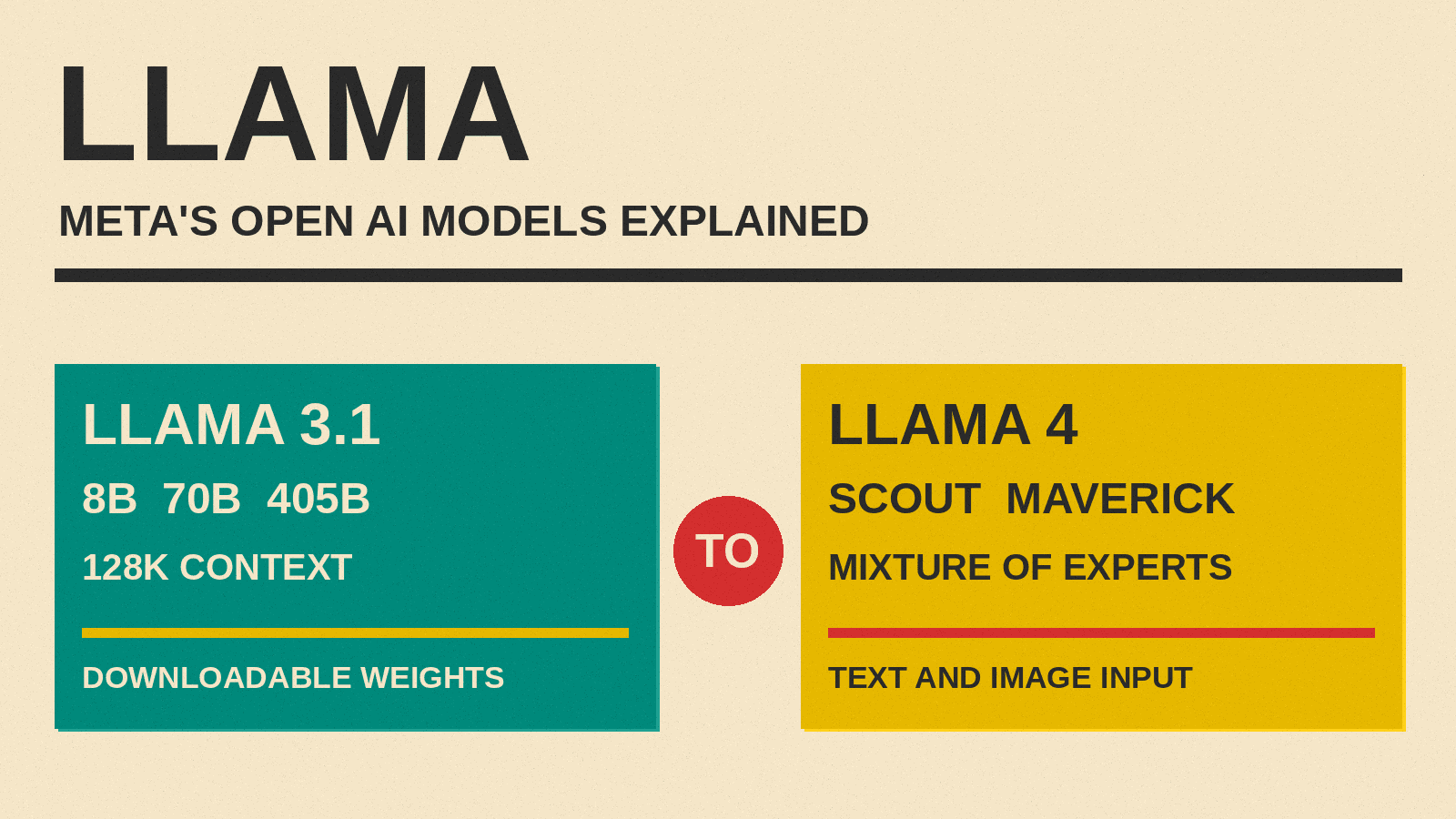
Llama is Meta's family of AI models with downloadable weights. See how Llama 3.1 and Llama 4 differ, what the license requires, and where Muse fits in now.
What a large language model is, how it is trained, how it writes an answer one token at a time, where it goes wrong, and how it differs from a chatbot or agent.
A plain-English guide to ChatGPT temporary chat, locked chats, archive and delete: what each one does, what it does not protect, and which to use.
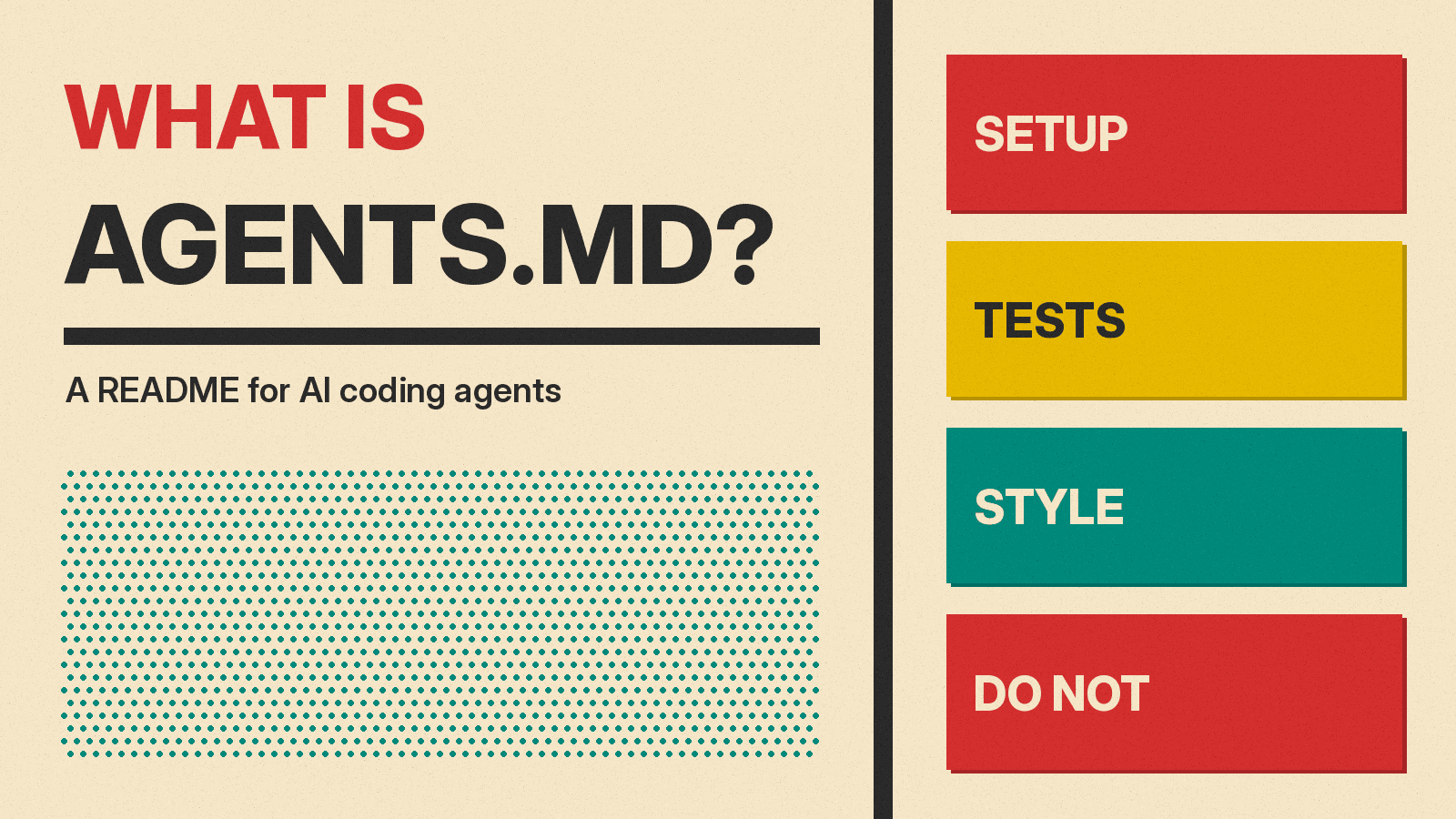
AGENTS.md is a plain note that tells AI coding agents how to work on a project. Here is what goes in it, which tools read it, and what it cannot do.
Gemini is Google's AI assistant. See what it does, how to start, where it can go wrong, and how to control your chat history, based on Google's help pages.
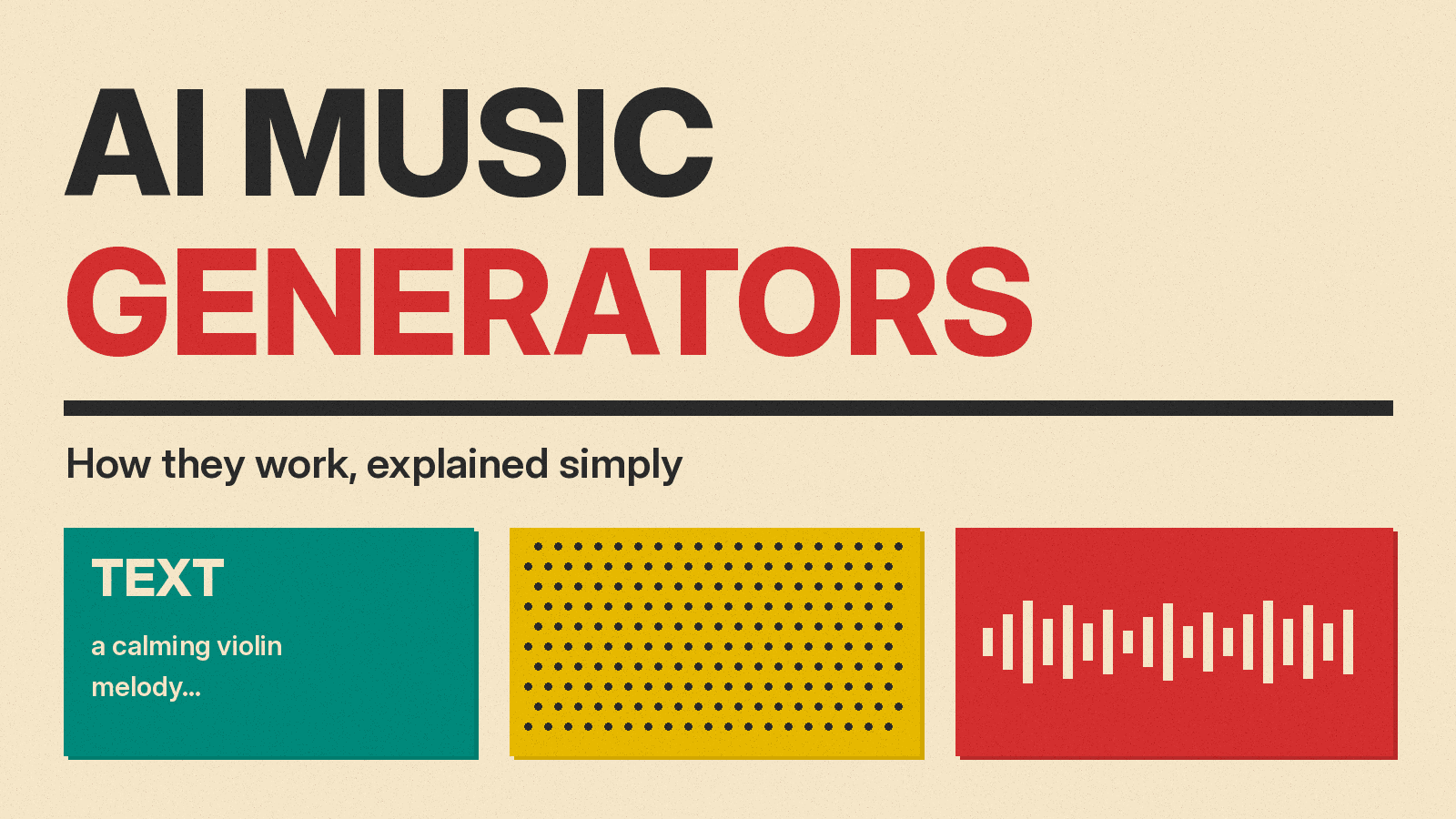
How AI music generators turn a text prompt into a song: audio compression, text encoders, next-token and diffusion models, and decoders, in plain English.
Qwen is Alibaba's AI model family. The Qwen3.8 lineup, how its licenses differ, how to try it, and what Alibaba has said about Qwen 4.
A plain-English guide to ChatGPT search from OpenAI's help pages: how to start a search, read citations and Sources, and what providers receive.
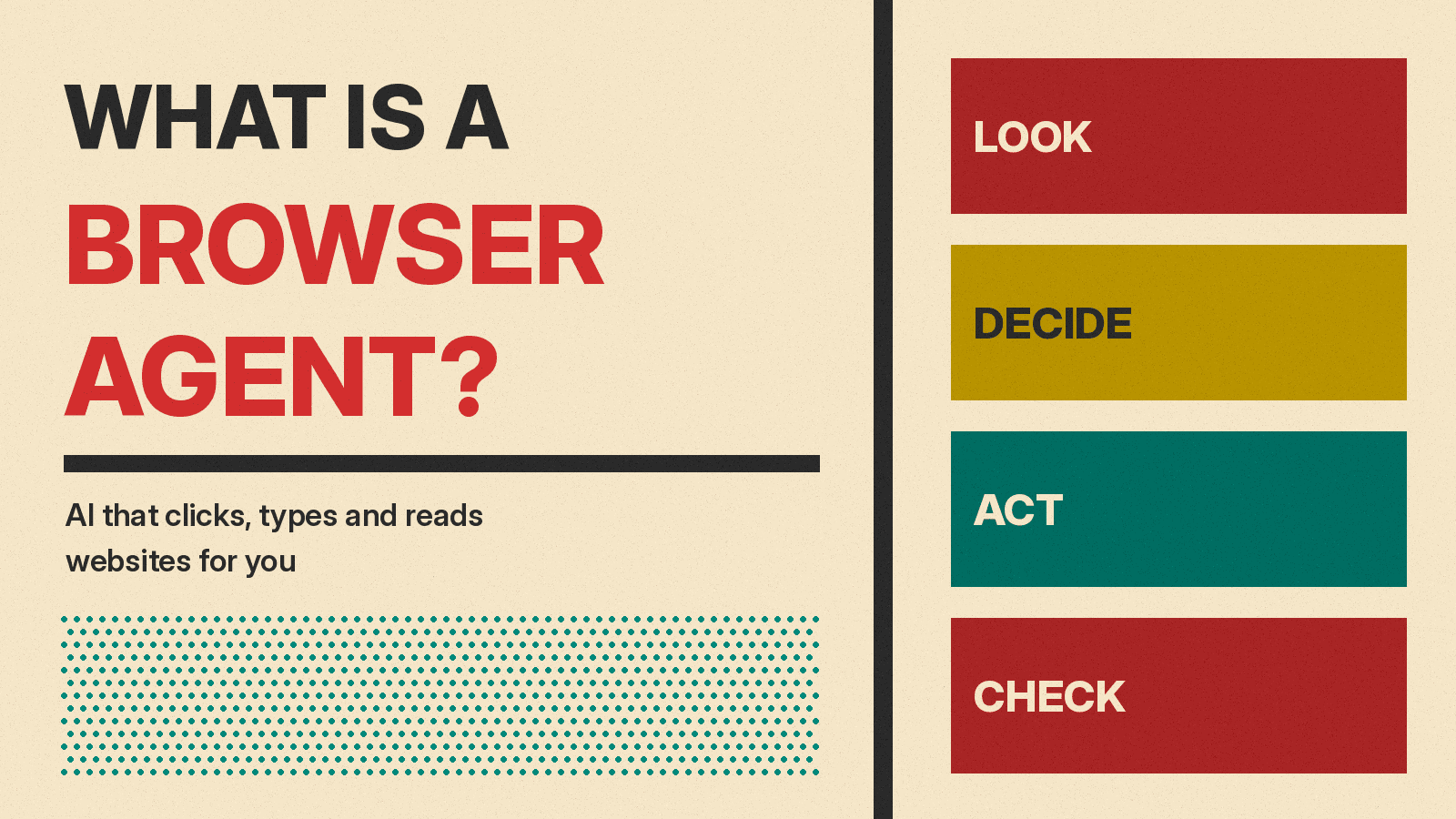
A browser agent is an AI that clicks, types and reads websites for you, and this guide covers how it works, where it runs and how to use one safely.
No single tell catches every AI fake. Check the context, look for clues, read platform AI labels, run free watermark checks and search for the original.
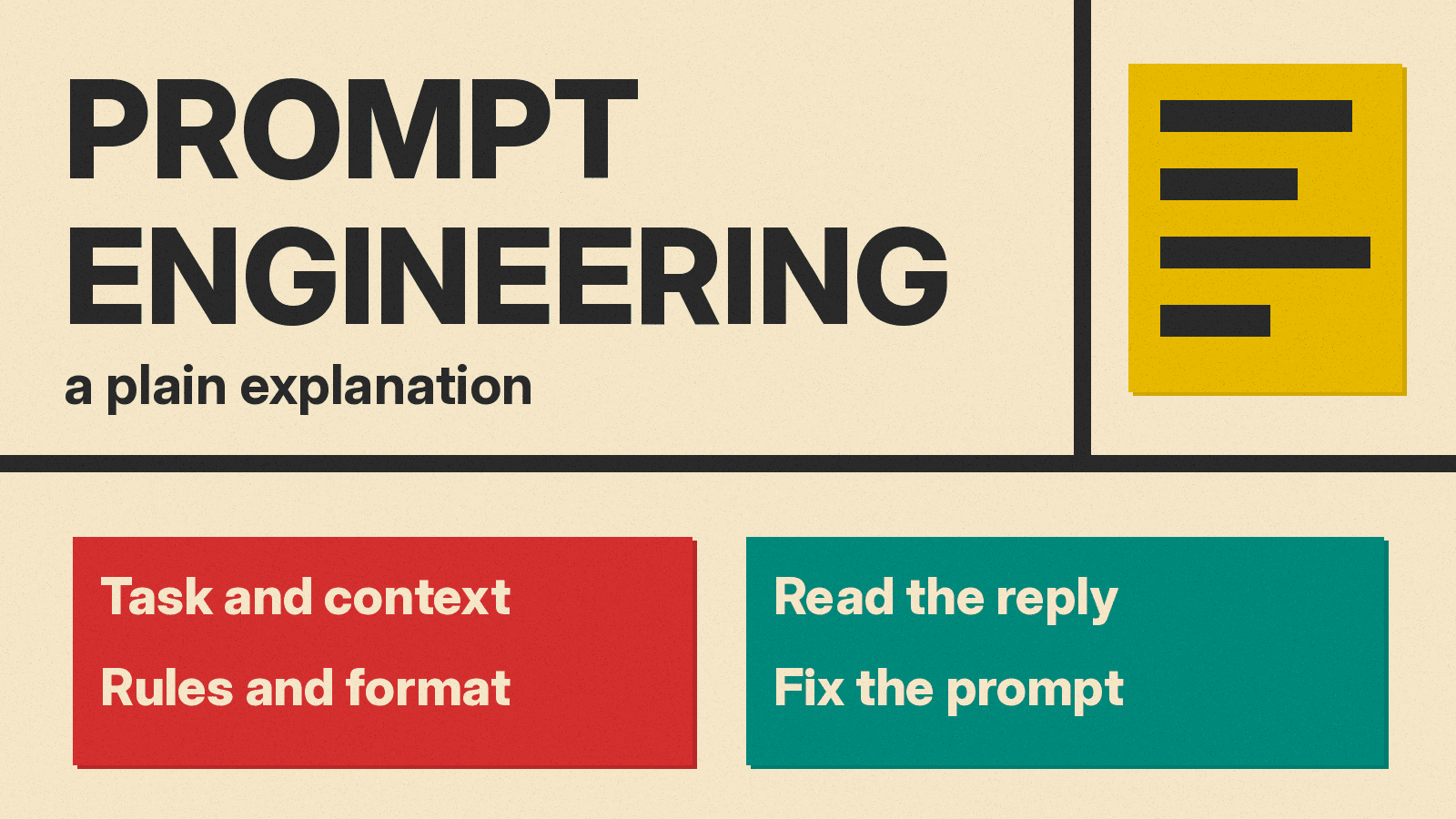
Prompt engineering means writing clear instructions for an AI model and checking the reply. Five parts of a good prompt, plus a local test of clear and vague.
A practical guide to using AI on RFPs and sales proposals: turn the document into a checklist, draft only from your approved answers, route each answer to a reviewer, and know when a dedicated RFP tool helps.
OpenAI's GPT-Image-2.6 API models add a complexity setting, markup-guided edits, SVG output and GIF output. Here is what each feature does and the documented limits.
DPO tunes a chat model from human preferences with no reward model and no RL loop. How it works and what the Stanford paper measured.
A practical guide to turning rough notes into a clear weekly status report with an AI assistant: what to paste in, a reusable prompt, and how Copilot in Word and Gemini in Docs can use your own files.
Figma Weave is a node-based AI canvas for images, video, audio and 3D, and some of its work now runs inside Figma files as Weave tools. Here is how the pieces and the credits fit together.
Who makes MiniMax, what its text, video, speech and music models do, where Hailuo AI, Talkie and MiniMax Code fit, how to try them, and privacy basics.
Kimi is the AI assistant and model family from Beijing's Moonshot AI: who makes it, the apps and API, the K2 and K3 models, and the disputes around it.
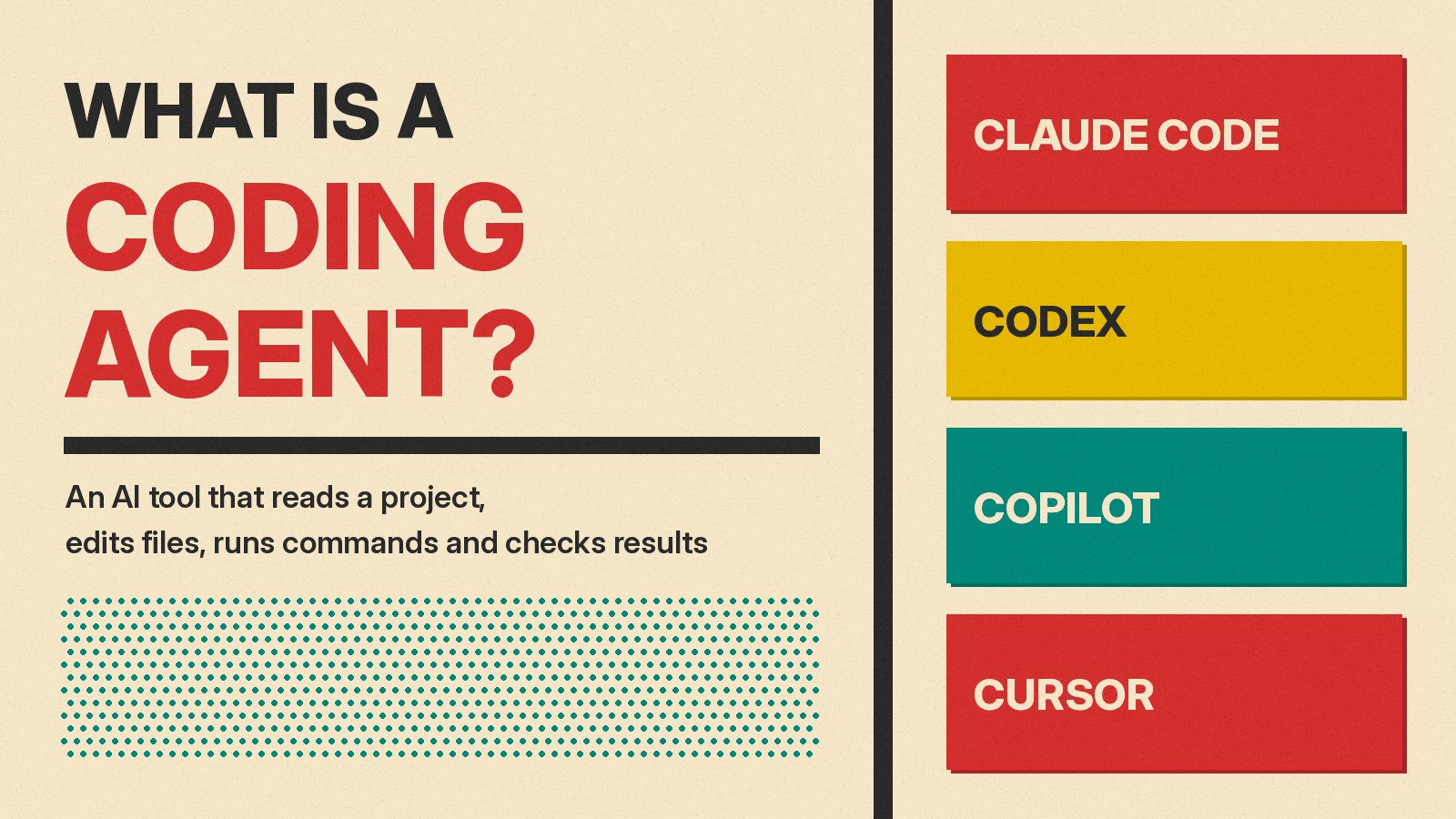
Coding agents such as Claude Code, Codex, GitHub Copilot and Cursor read a project, edit files, run tests and hand the work back for review.
How to use an AI assistant to draft replies to customer reviews that sound human, follow Google's reply tips and stay clear of the FTC's fake-review rule.