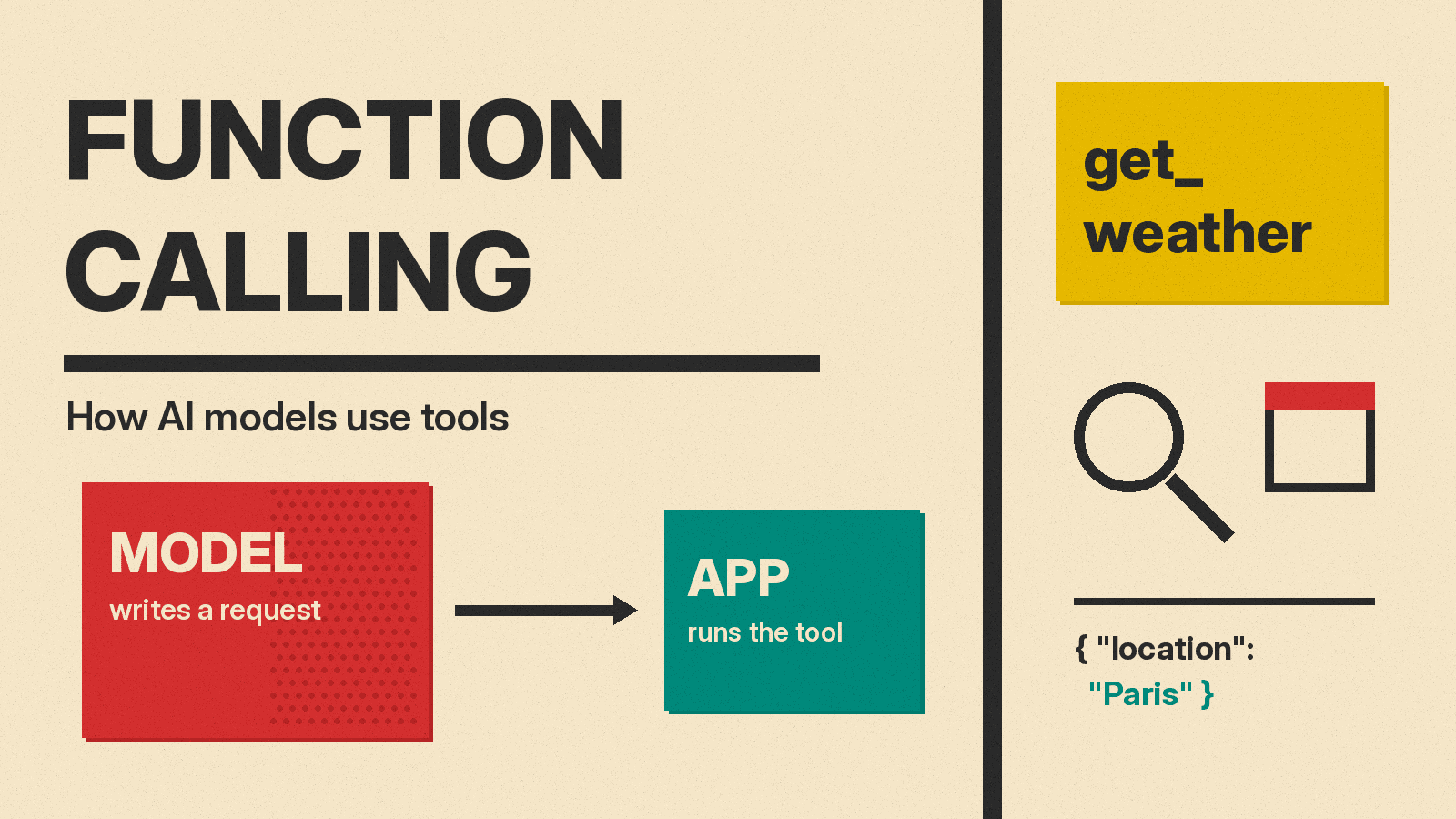
What Is Function Calling? How AI Models Use Tools
Function calling lets an AI model ask your app to run a tool, like a weather lookup. How the five-step loop works, what a tool looks like, and the risks.
News on AI model APIs: pricing, access and routing. Coverage includes OpenAI cutting GPT-5.6 Sol API and coding tool prices by over 20 percent, Z.ai opening GLM-5.3 API access with prompt caching, and Google adding model routing to API Gateway.
Function calling lets an AI model ask your app to run a tool, like a weather lookup. How the five-step loop works, what a tool looks like, and the risks.
AI Studio can now set up Google Maps Platform for apps you build with Gemini, with a free Maps Demo Key capped at 100 calls per day per API.
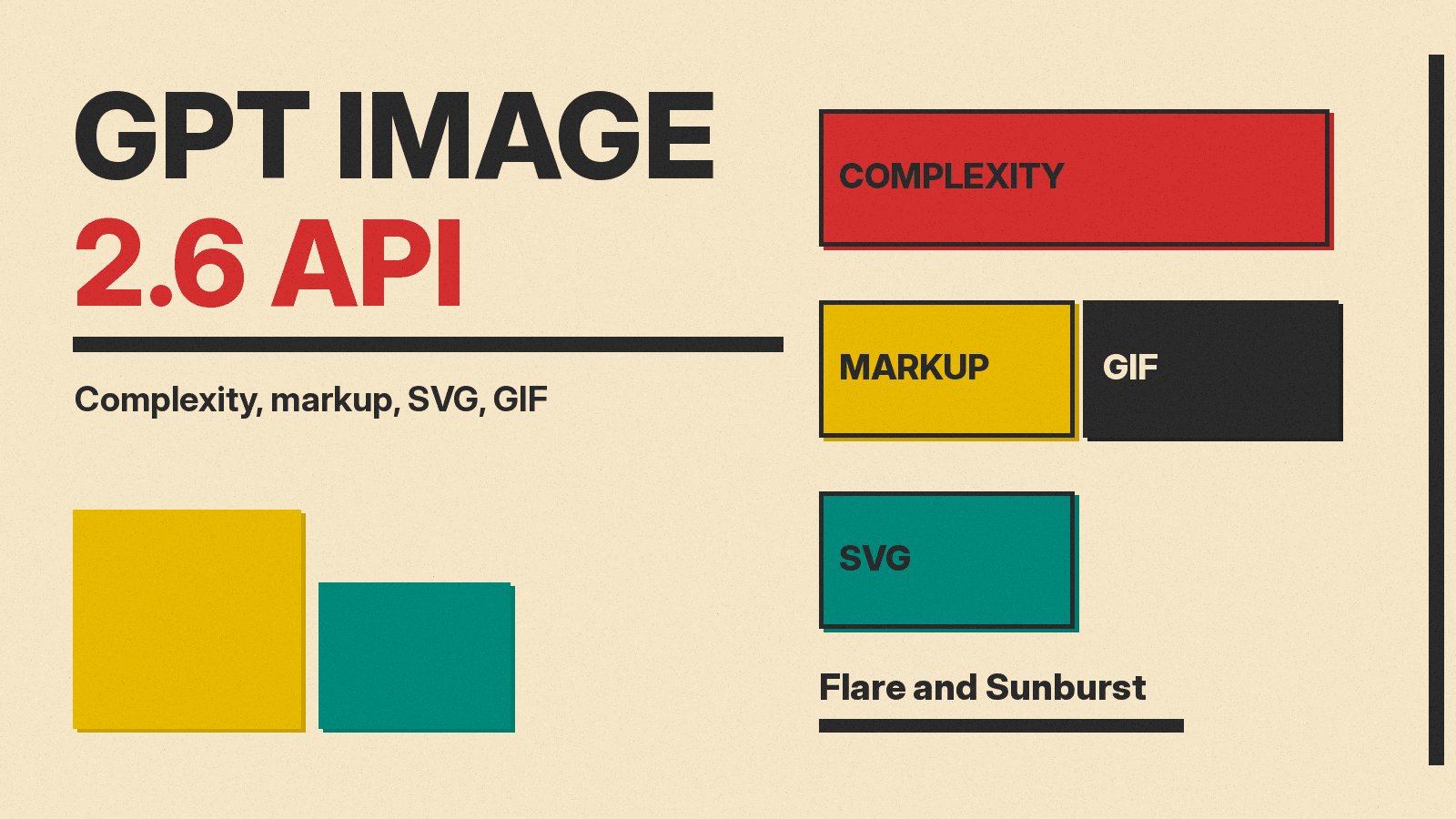
OpenAI's GPT-Image-2.6 API models add a complexity setting, markup-guided edits, SVG output and GIF output. Here is what each feature does and the documented limits.
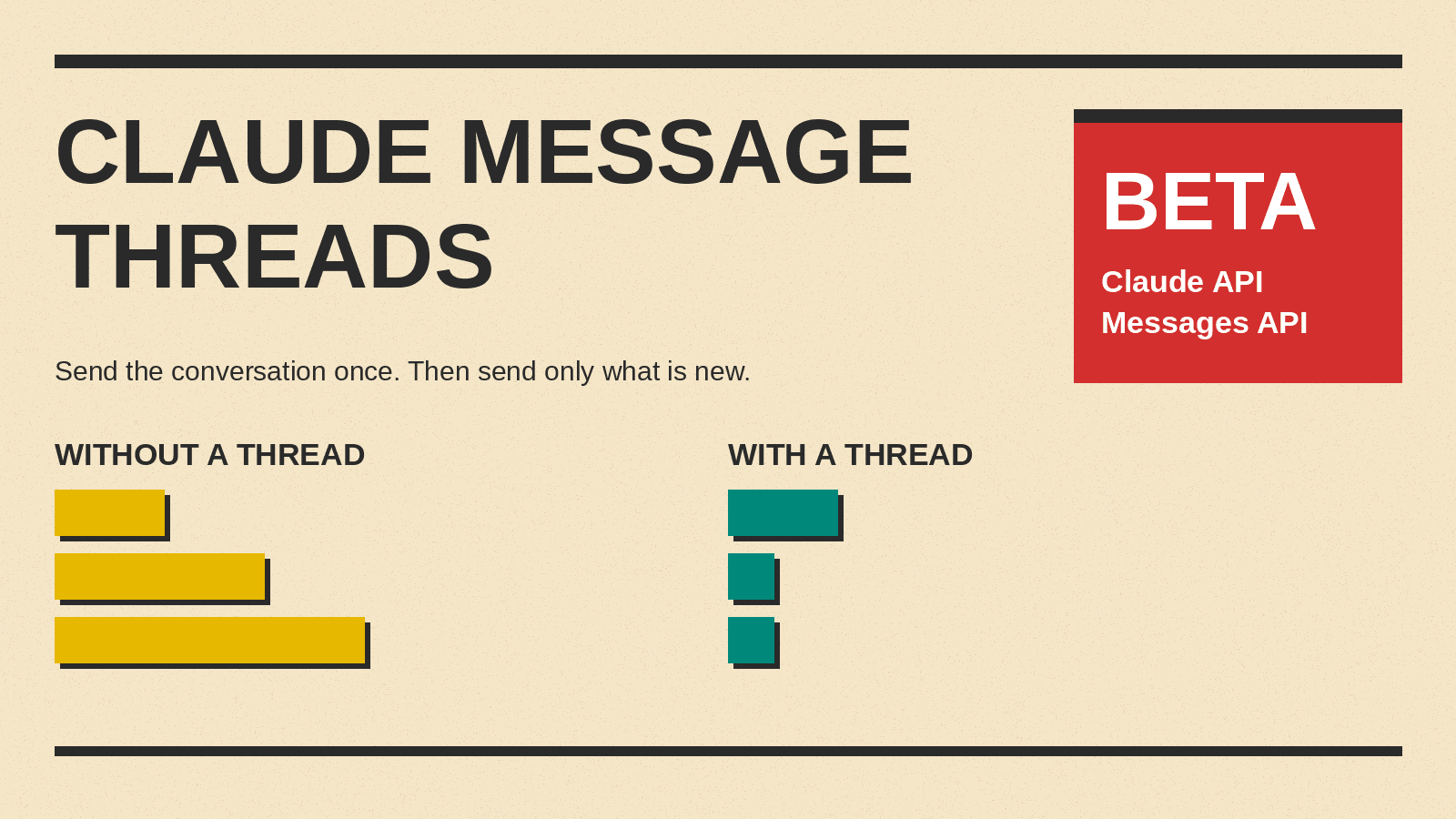
Claude's message threads beta lets agents send only new messages each turn. Threads expire 5 minutes after the last request; zero data retention is excluded.
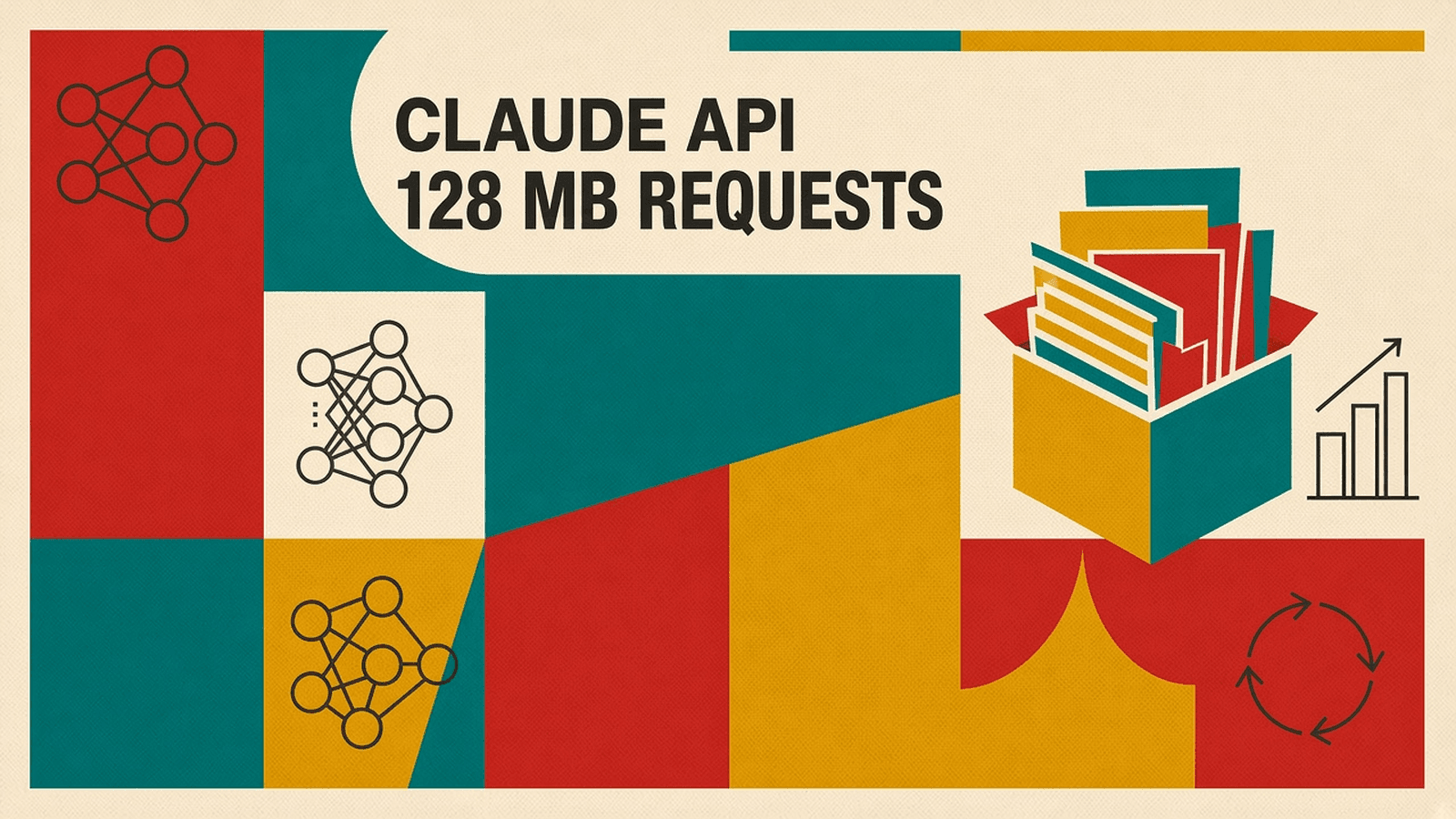
Anthropic's own Claude API now takes 128 MB Messages requests, up from 32 MB. Bedrock and Google Cloud have lower limits. A cost analytics API is in beta.
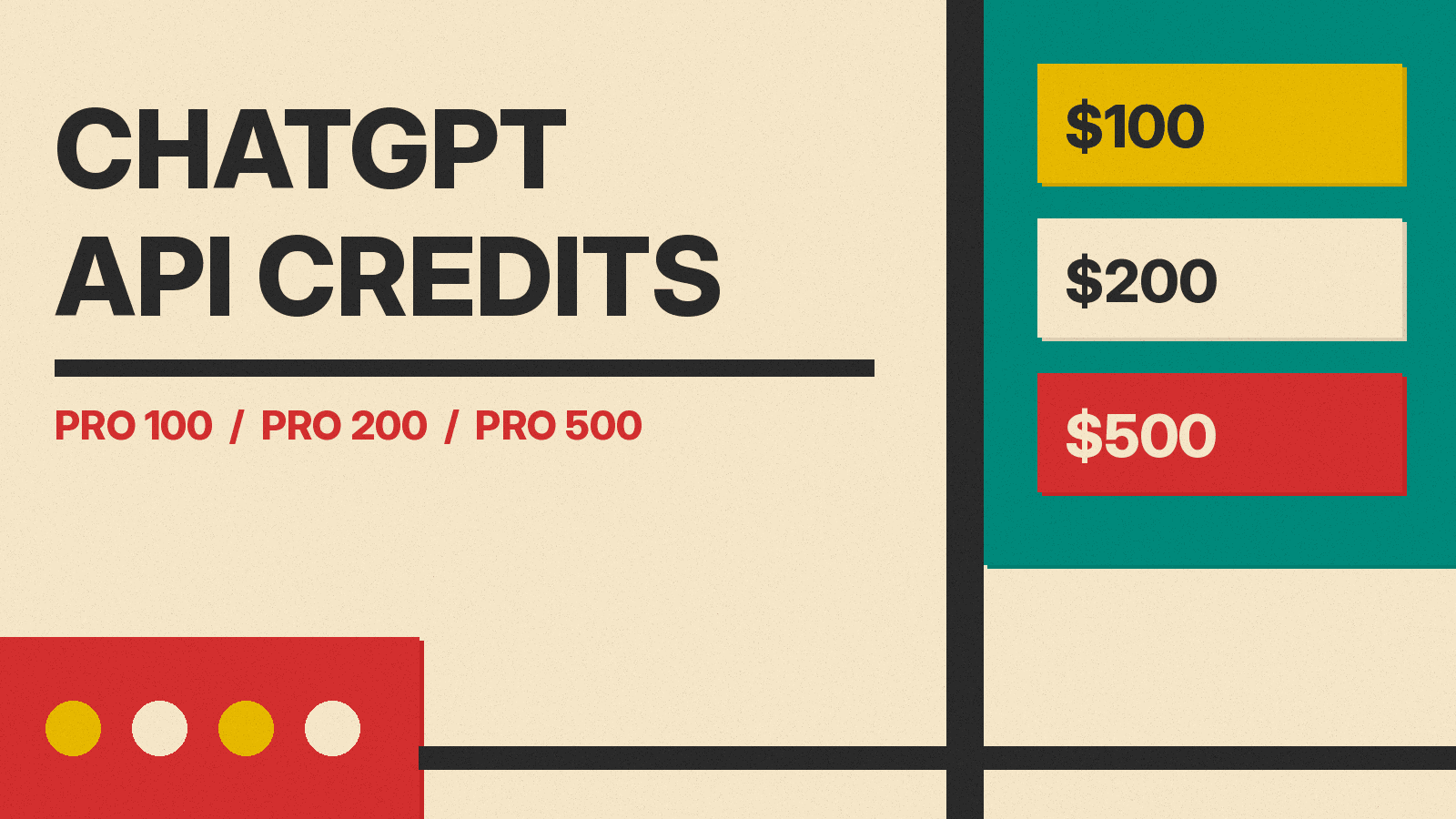
Eligible ChatGPT Pro and Business plans can claim free monthly API credits, up to $500, for one linked API organization. Unused credits expire.
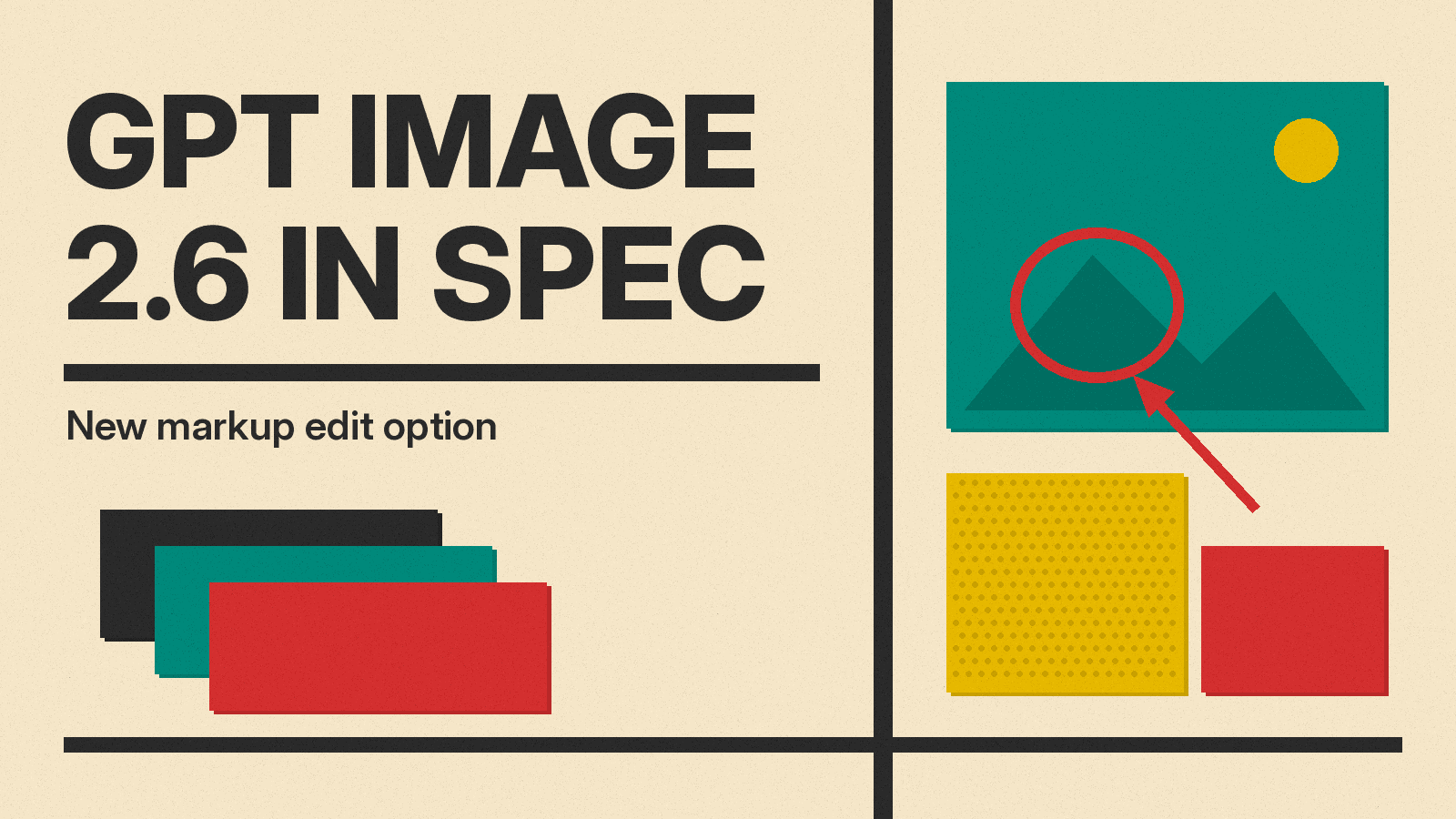
OpenAI's API spec named GPT Image 2.6 in a new markup option for image edits before the November 4 launch. What markup is and how it differs from a mask.
ElevenLabs SFX v3 follows multi-sound prompts better and improves music and vocals, per the company. The API default is still v2. Price: $0.12/min.
OpenAI's copy-paste prompts for GPT-6 Astra, Sol and Terra: fewer clarifying questions, user instructions over skill files, plainer prose and effort tips.
GPT-6.1 Terra costs $1 input and $5 output per million tokens. How it compares with Claude Sonnet 5.5 and Gemini 4 Argon on price, specs and cost per task.
API-TAIL checks from returned text alone whether an LLM API swaps in a cheaper model. It caught most simulated 10% swaps at 200 requests in the paper's tests.
New paid-tier Gemini API projects created on or after October 26, 2026 store Generate Content API requests by default. Here is how to opt out.
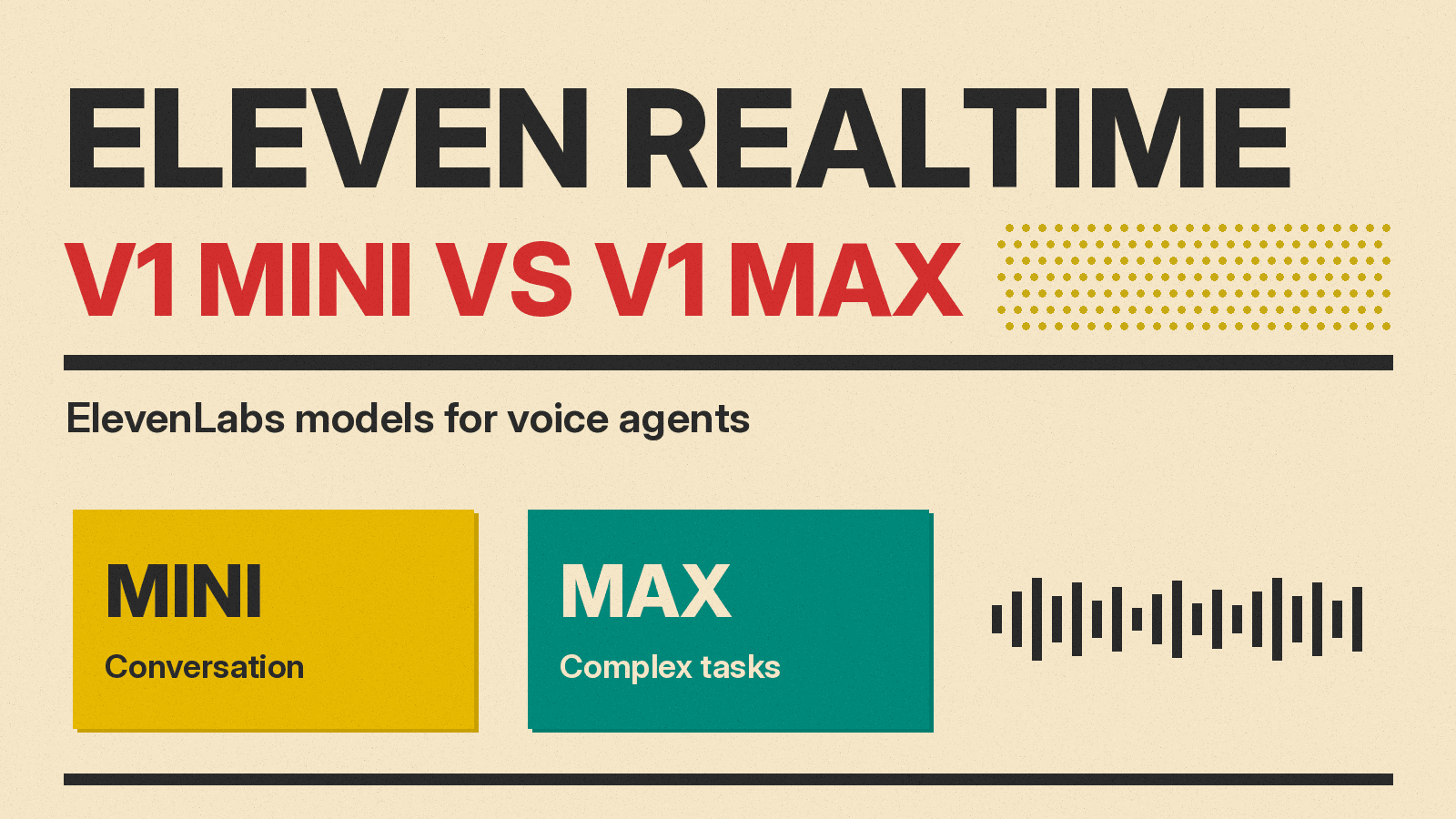
ElevenLabs launched Eleven Realtime v1 Mini and v1 Max for voice agents. What each model is for, the published benchmarks, the OpenAI-compatible API, token prices from $0.20 per 1M input, the compliance limits, and why the docs call it cascaded.
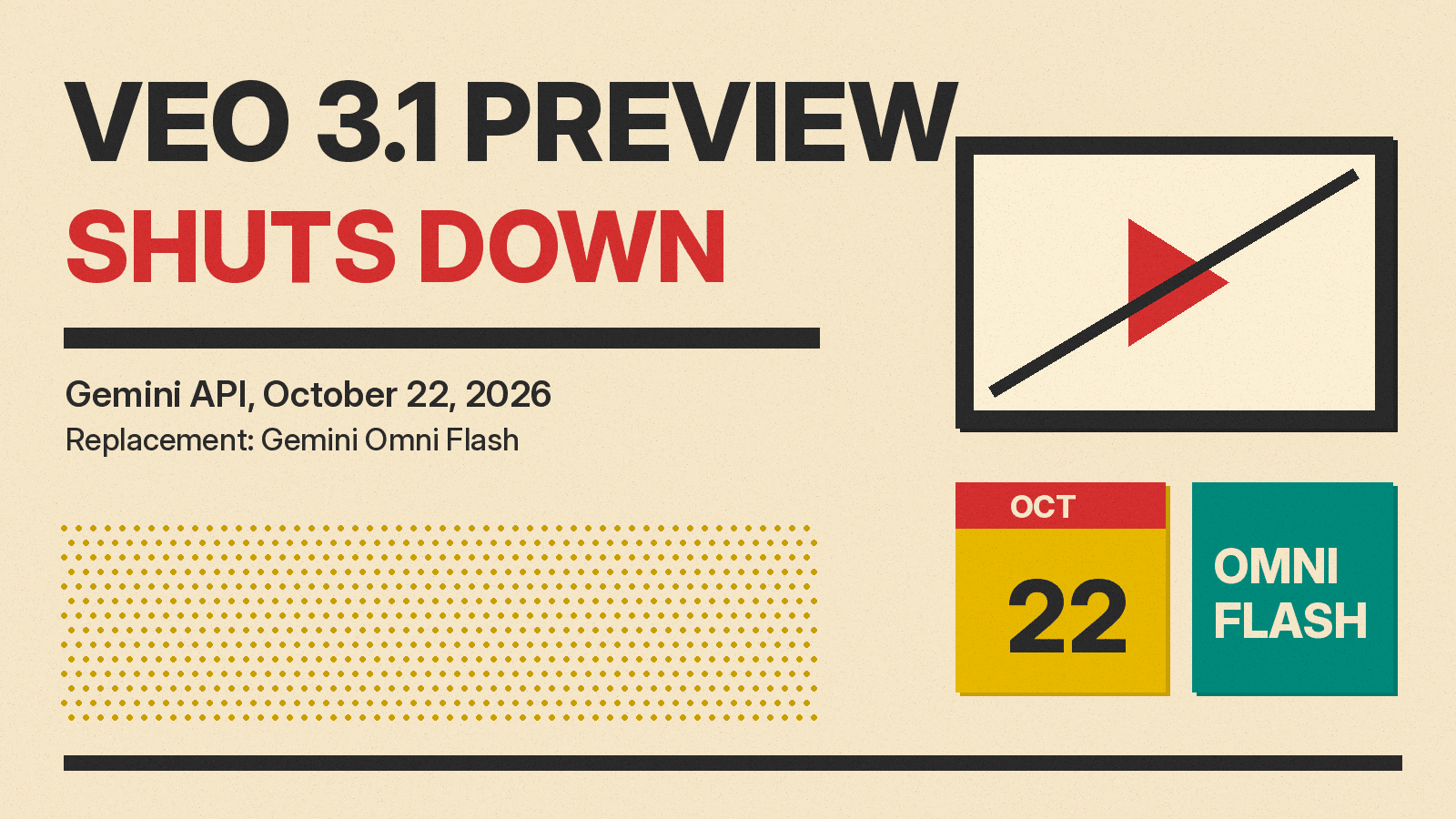
Google is turning off the Veo 3.1, Veo 3.1 Fast and Veo 3.1 Lite preview models in the Gemini API on October 22, 2026. Here is what Gemini Omni Flash does differently, how the per-second prices compare, and what to change in your code.
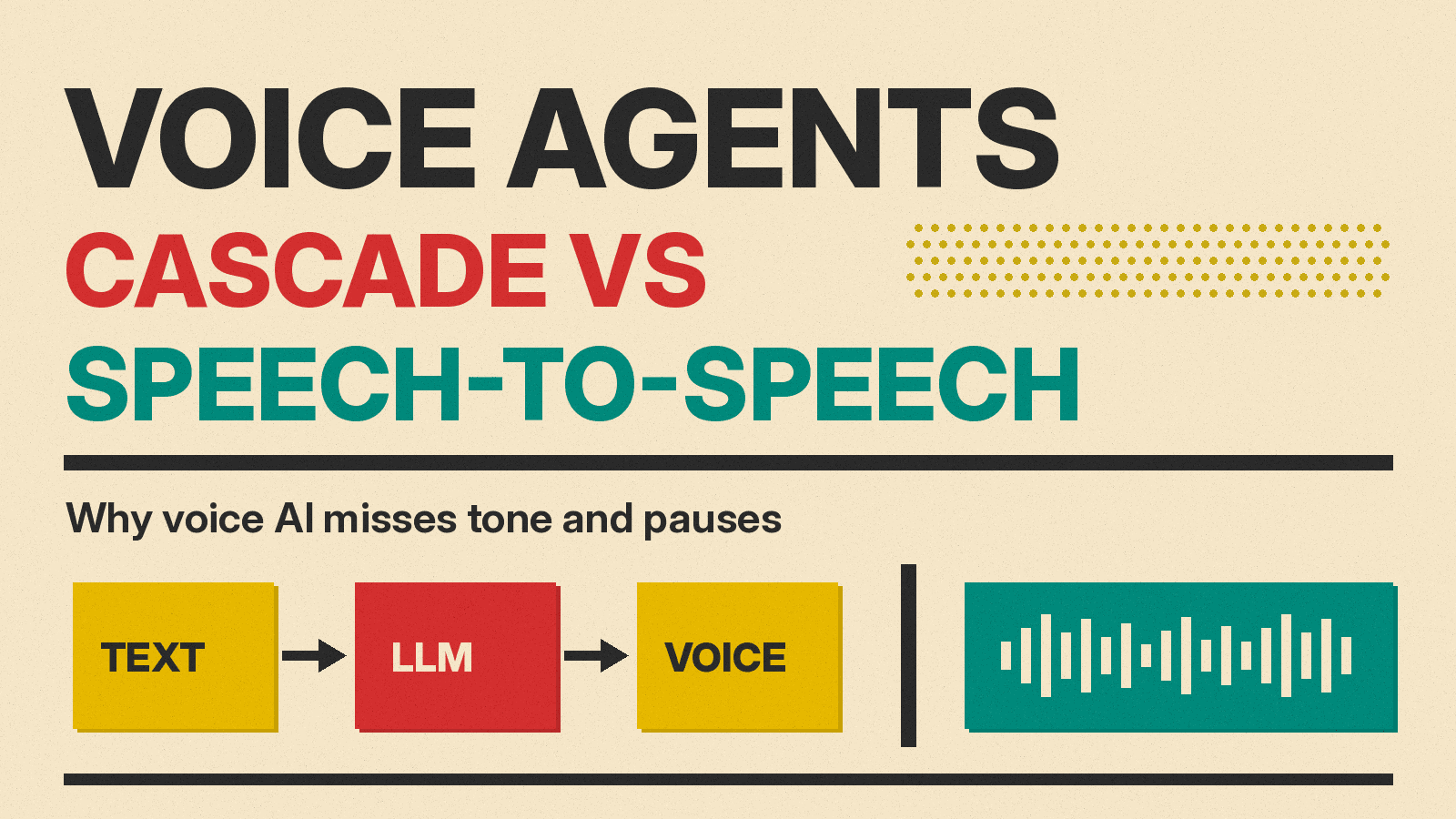
Chained voice agents decide from a transcript, not the audio. How chained pipelines, speech-to-speech models and full-duplex GPT-Live differ, what a transcript leaves out, why chains still give more control, and what GPT-Live costs at $0.05 per minute.
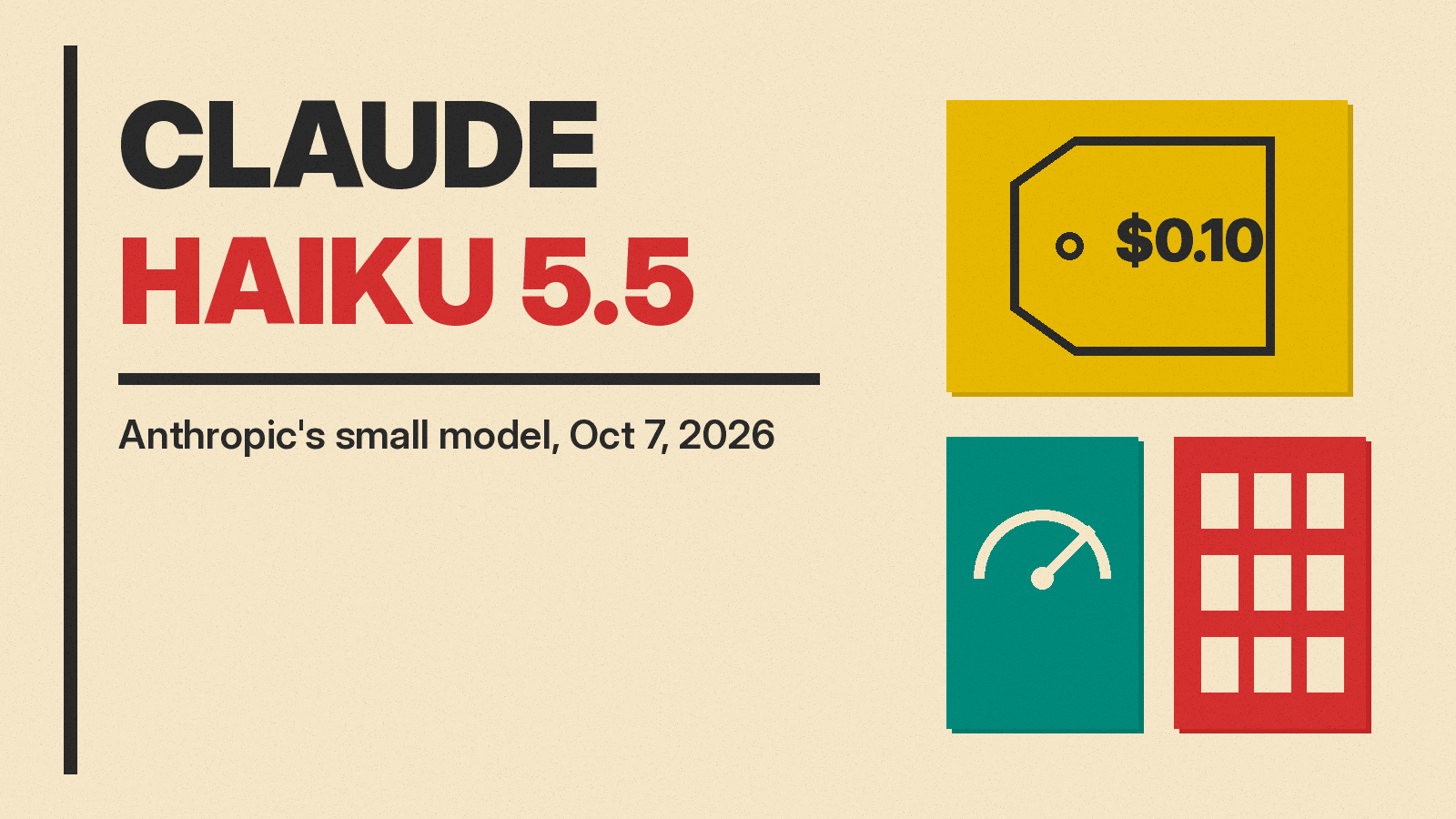
Claude Haiku 5.5 costs $0.10 per million input tokens and $0.50 per million output tokens for prompts up to 100k, a tenth of Haiku 4.5. Here is how it scores, what the new effort setting does, and where Anthropic says Sonnet 5.5 or Opus 5.5 is the better pick.
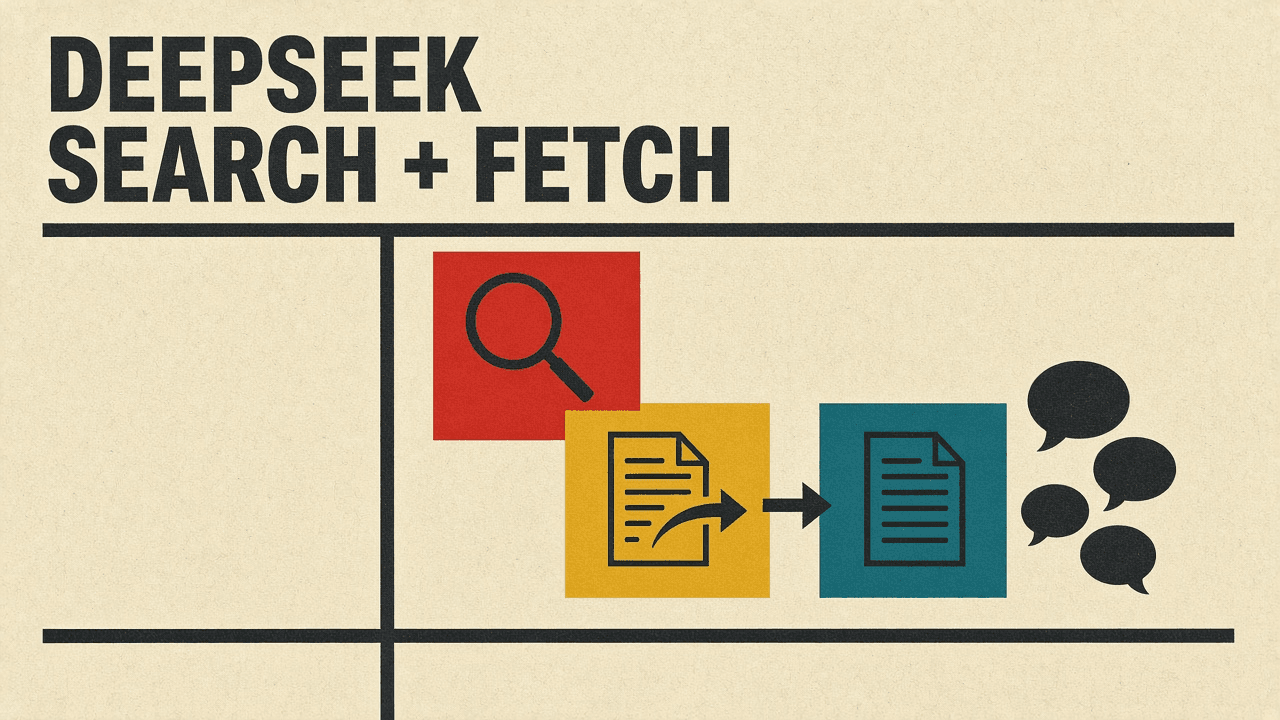
DeepSeek's new Search and Fetch APIs cost $0.75 per 1,000 successful calls. Developers praise the price, but early tests put it behind Exa and Parallel, and Hacker News commenters flag empty results on sensitive queries, no zero data retention, and a data path to China.
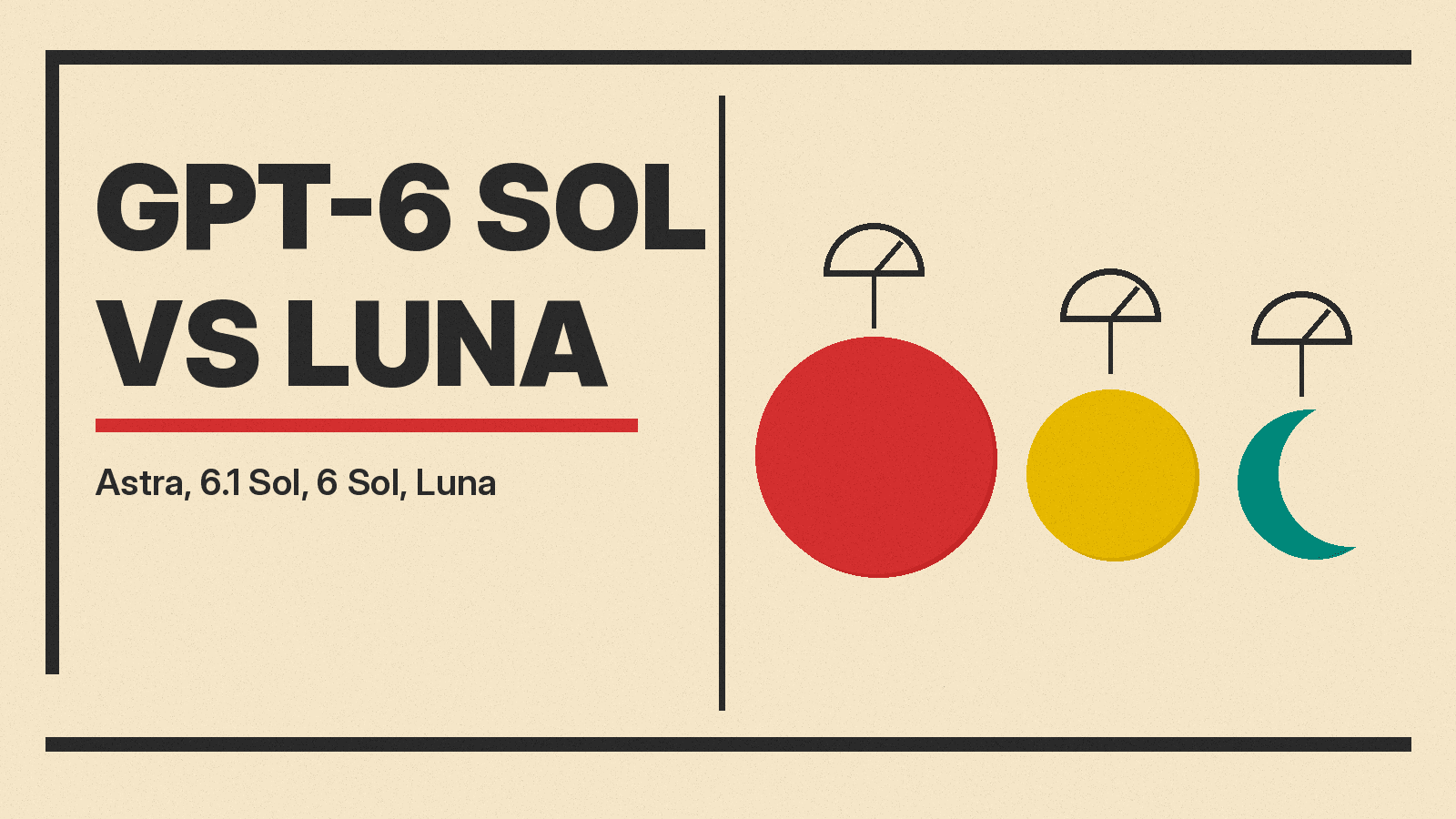
OpenAI sells four GPT-6 models. What GPT-6 Astra, GPT-6.1 Sol, GPT-6 Sol and GPT-6 Luna cost ($50, $10, $10 and $0.50 per million output tokens), where Sol and Luna work in ChatGPT, how OpenAI says to choose, and when the older GPT-6 Sol still makes sense.
OpenAI has lowered developer pricing for its flagship GPT-5.6 Sol model across its API and developer toolchain for a three-month promotional window. The rate adjustment reduces input token costs by 20% and output token costs by 33.3%, bringing standard short-context inference to $4.00 per million input tokens and $20.00 per million output tokens. The revision comes amid intensified developer pricing pressure across the frontier model ecosystem, particularly following aggressive pricing from com
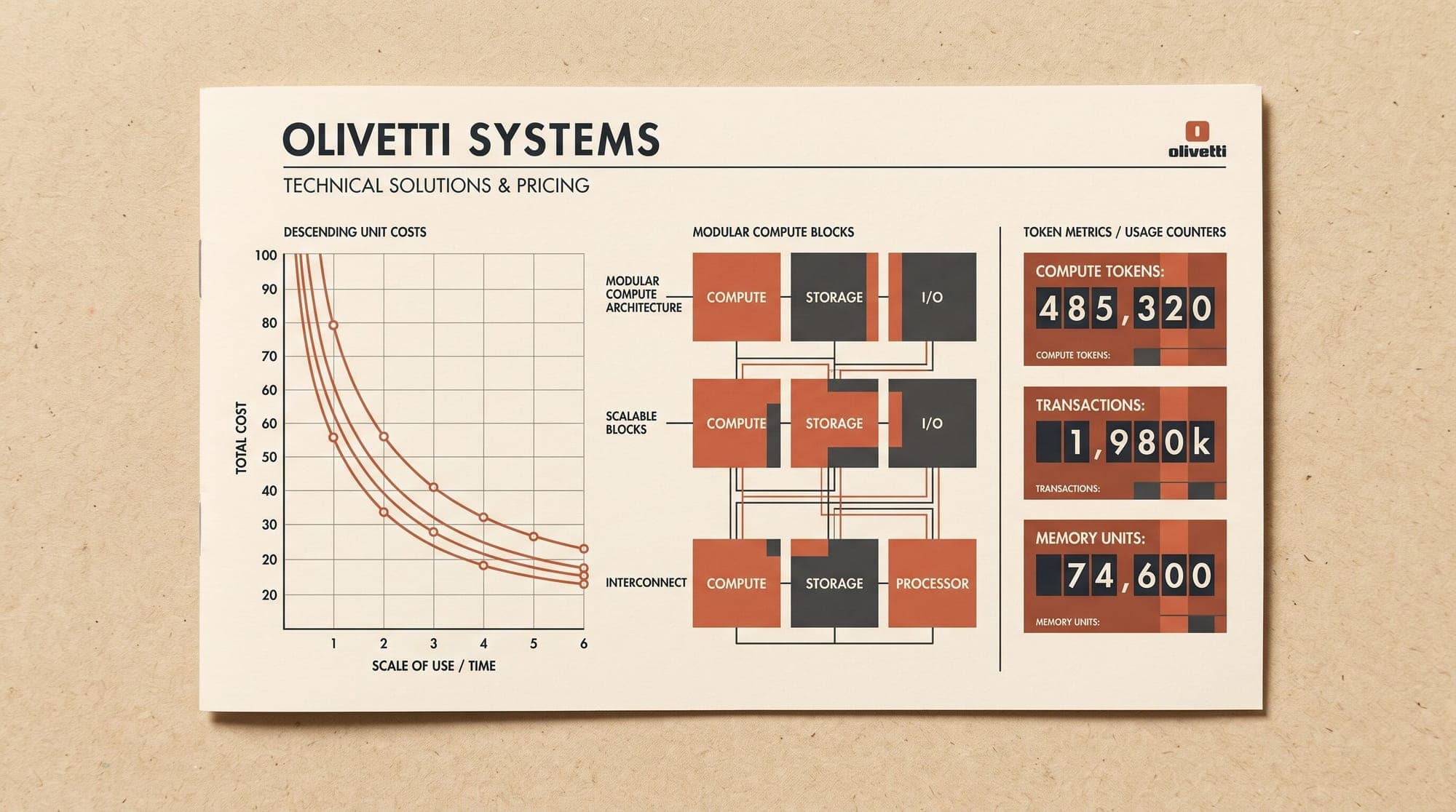
Chinese foundation model developer Z.ai (Zhipu AI) has opened public API access to GLM-5.3, offering developers direct endpoint integration following the model's initial release. The company kept base token rates aligned with the prior generation while introducing discounted prompt caching. GLM-5.3 is priced at $1.40 per million input tokens and $4.40 per million output tokens on the Z.ai platform. For workloads utilizing prompt caching, cached input tokens are billed at $0.26 per million, an 8