New York AI Companion Law for Kids: What Parents Should Know
New York's new law bans 12 unsafe AI companion features for users under 18, from bots that claim to be human to flattery. It takes effect January 1, 2027.
New York's new law bans 12 unsafe AI companion features for users under 18, from bots that claim to be human to flattery. It takes effect January 1, 2027.
What to put in an AI portfolio, project ideas by level, README and model card tips, and free demo hosting, with links to the official docs.
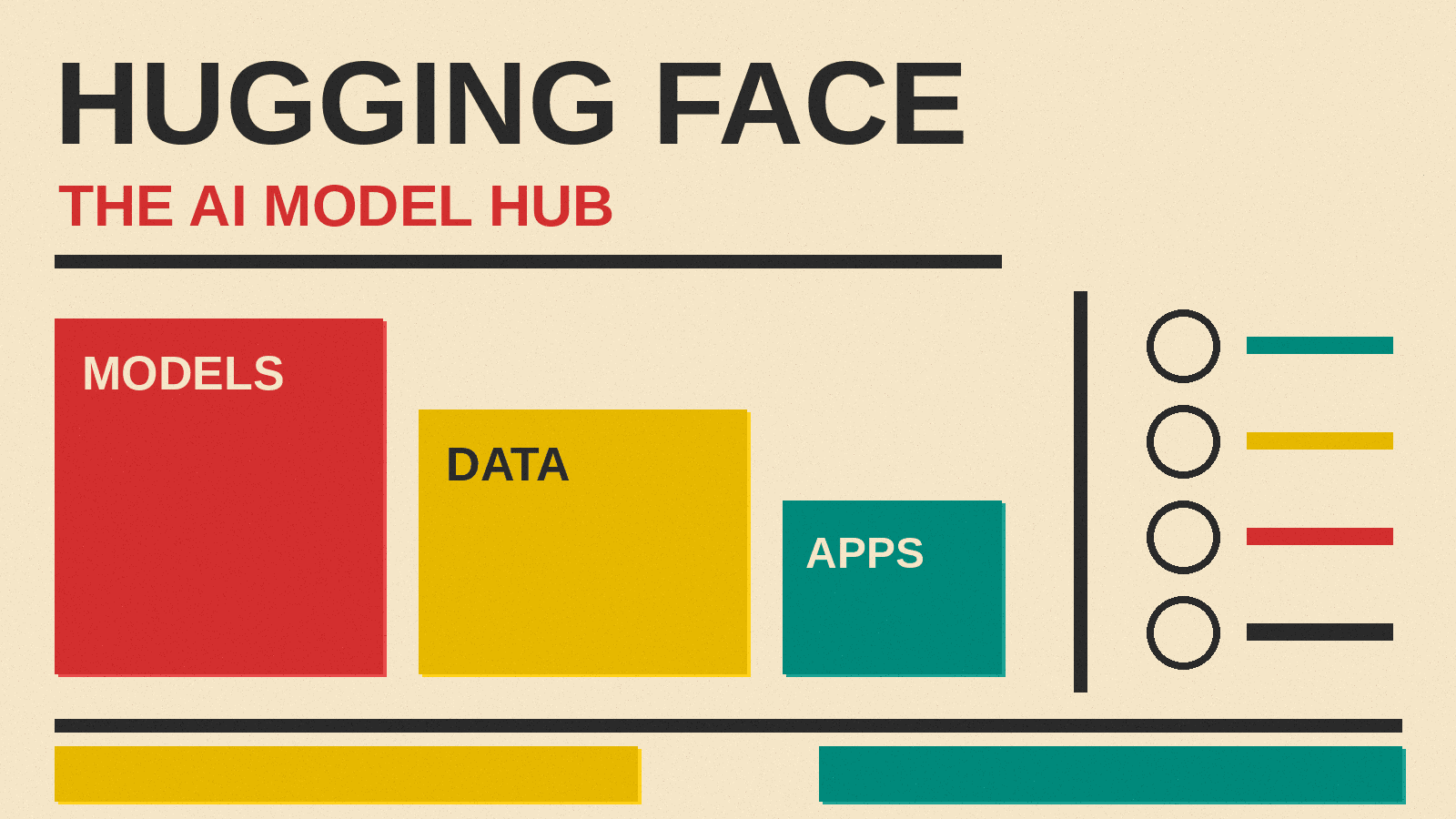
The Hugging Face Hub hosts millions of open AI models, datasets and apps. Learn how to read a model card, check the license and run a model yourself.
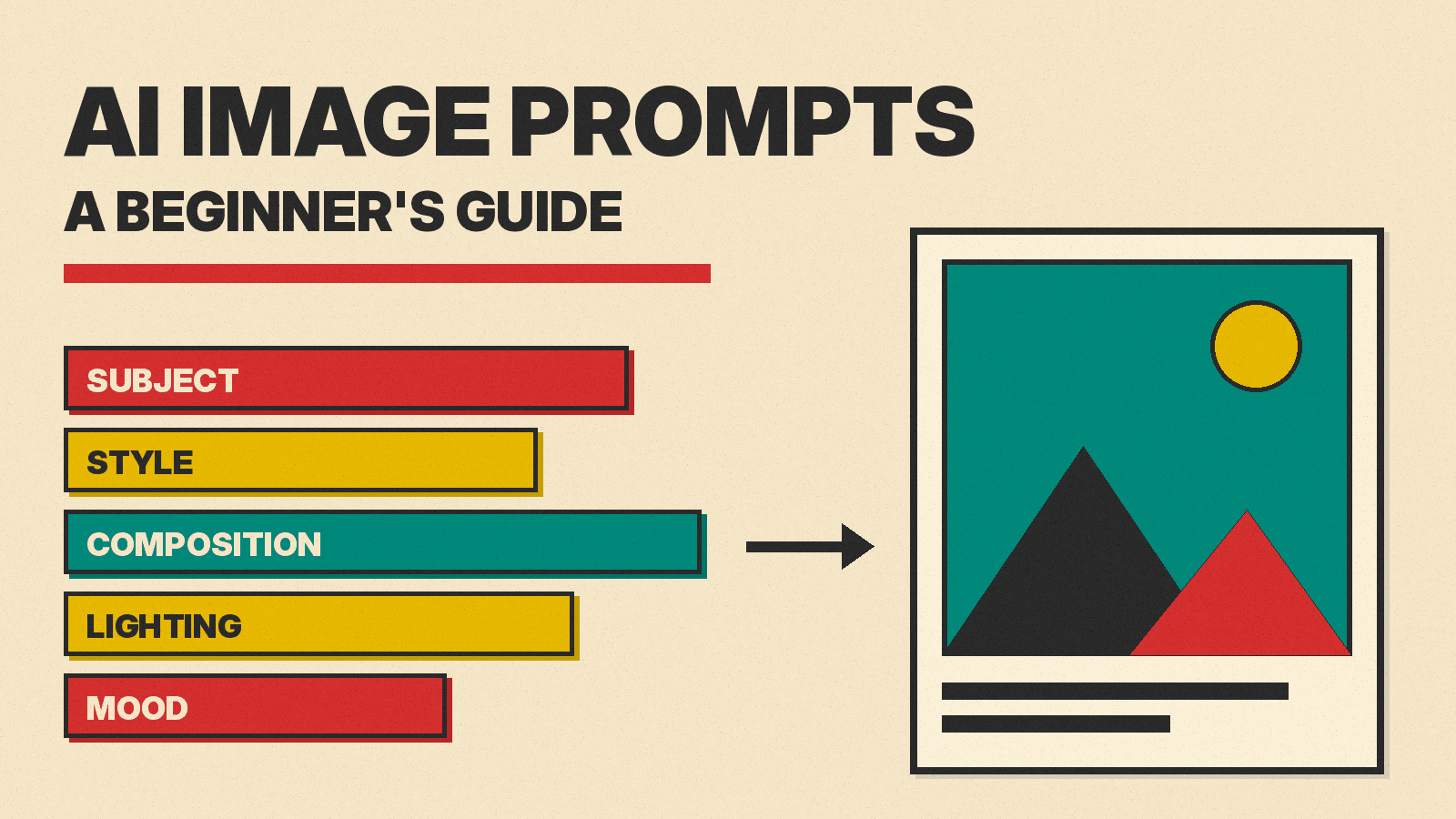
A plain-English guide to AI image prompts: the parts of a good prompt, how to get text into an image, how to edit and iterate, how to use reference images, common mistakes, and copy-paste examples for photos, illustrations, logos, product shots and UI mockups.
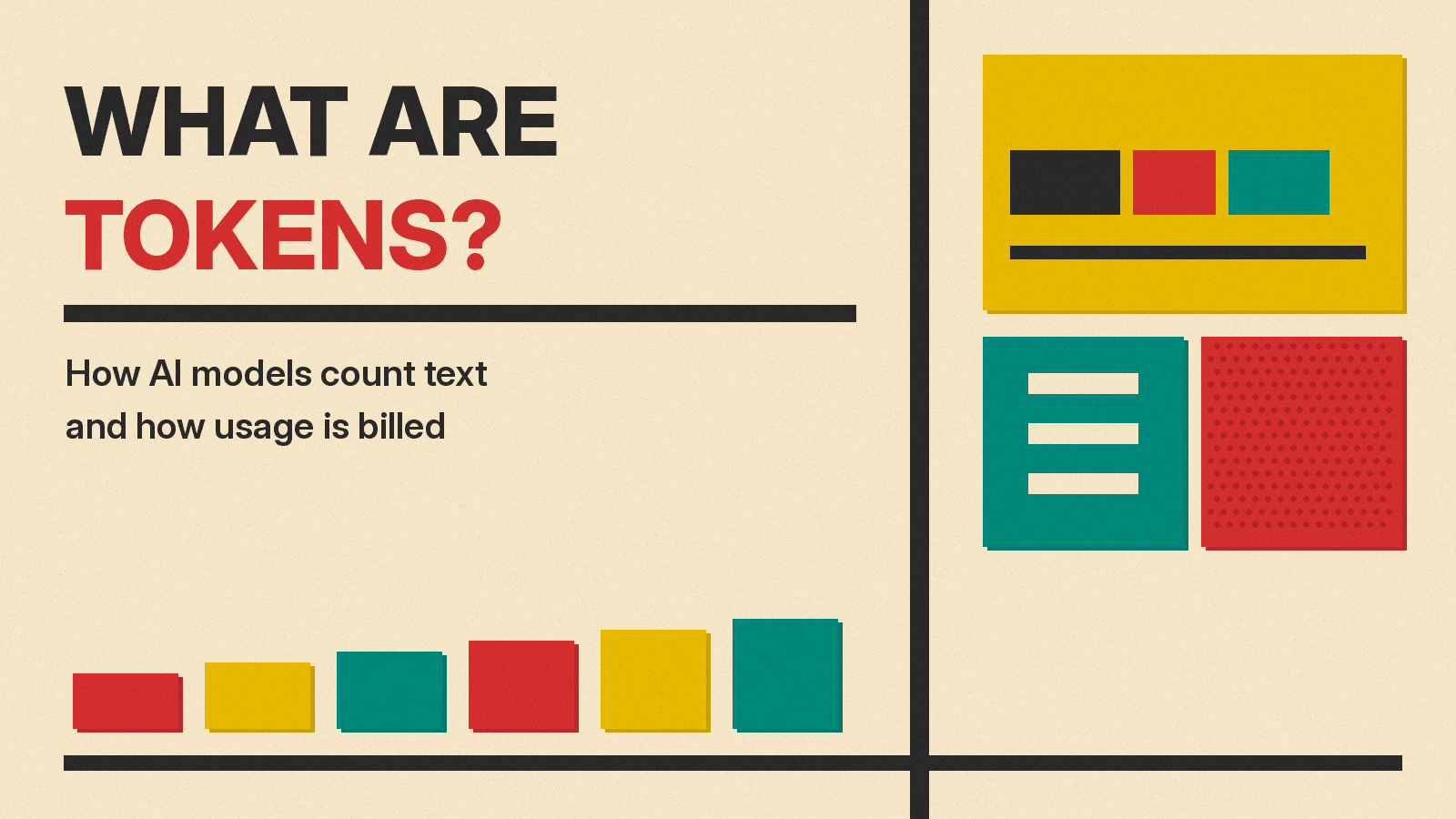
Tokens are the chunks of text AI models read and write. How tokenizers split words, why counts differ by model and language, how images and audio count too, and how pay-per-use billing works, with sources from Google, IBM, Hugging Face and Anthropic.
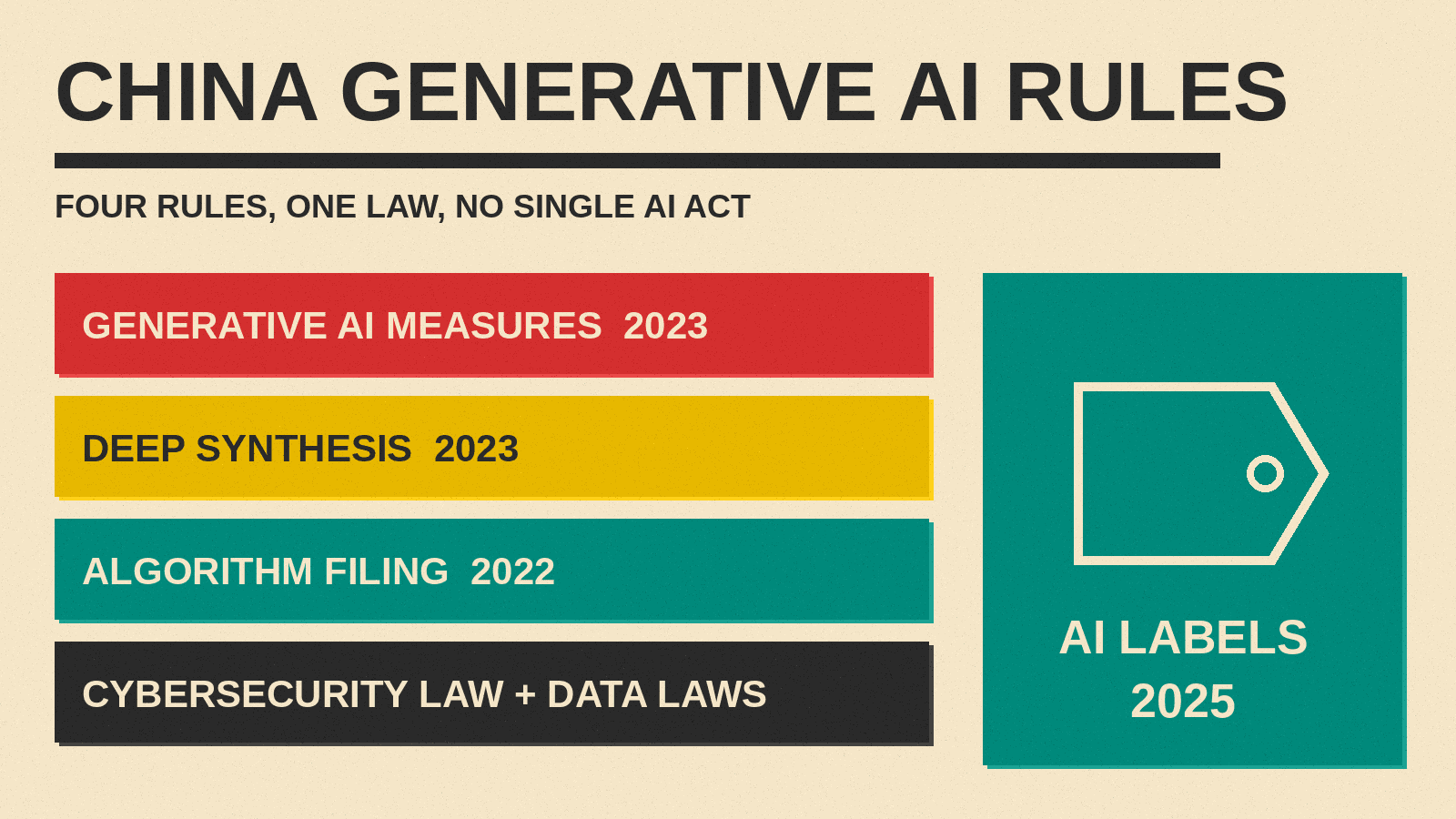
China has no single AI law. Layered rules include algorithm filing, deep synthesis, the 2023 generative AI measures, 2025 AI labels and 2026 human-like interactive AI measures.
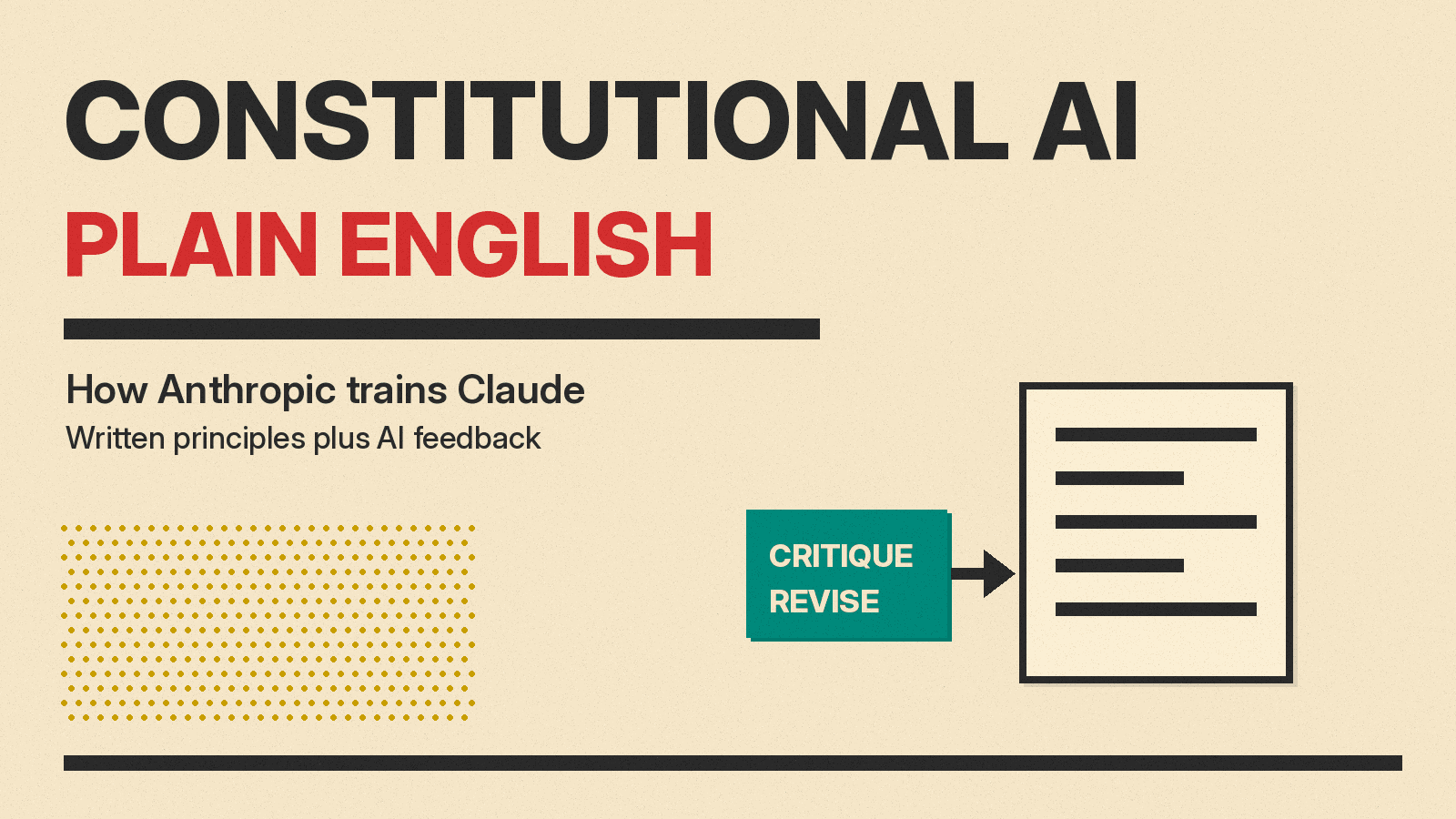
Constitutional AI is how Anthropic trains Claude with a written set of principles and AI feedback instead of only human ratings. Here is how the two training phases work, what the constitution says, how it changed from short rules to explained values, and its limits.
A context window is how much text an AI model can look at in one go, including its own reply. What fills it, what happens when it runs out, why bigger is not automatically better, and how to work within it, with sources from IBM, Anthropic, Google and the Lost in the Middle paper.
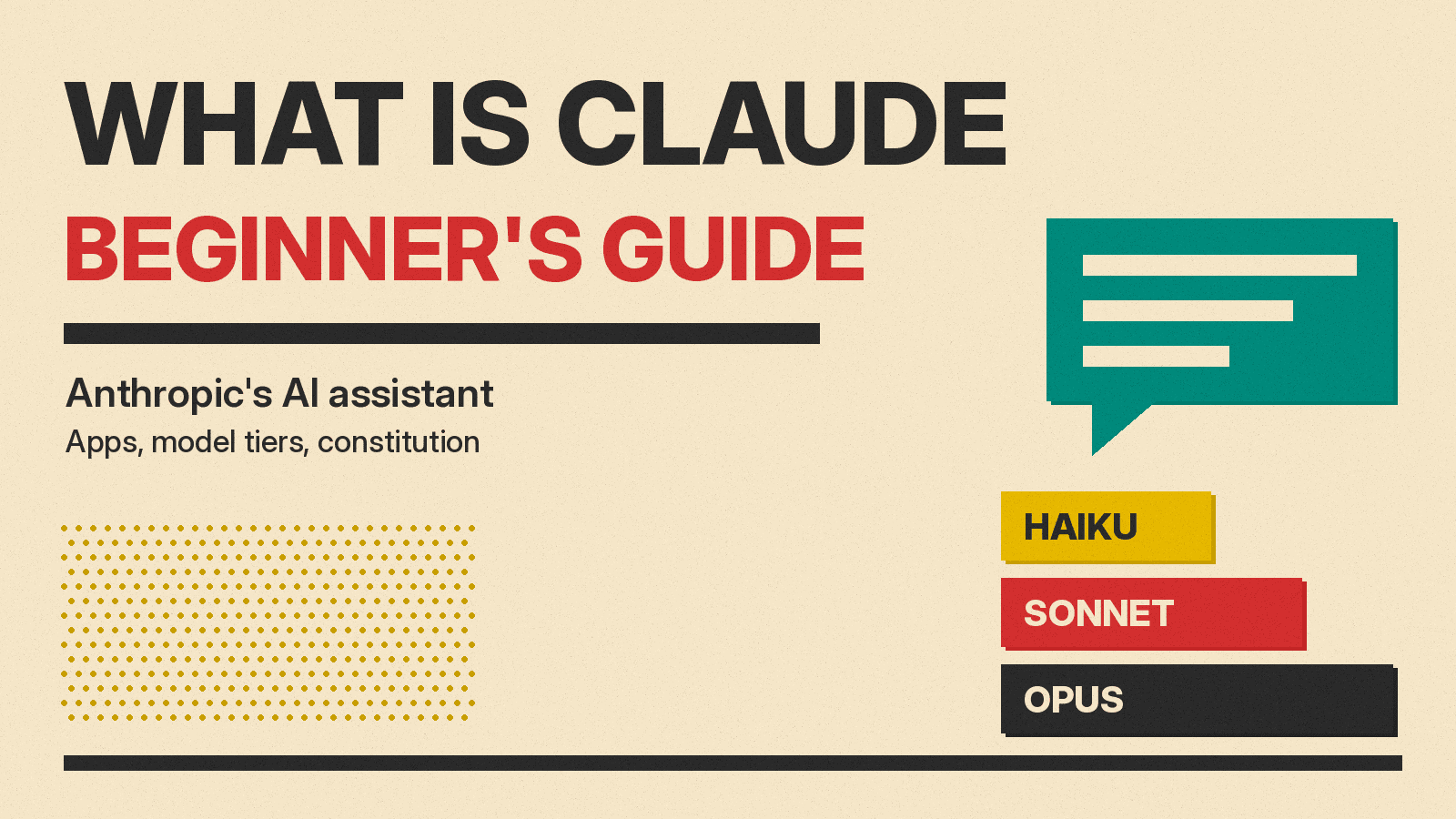
Claude is Anthropic's AI assistant. Here is what it is, where you can use it (web, desktop and phone), what Chat, Cowork and Claude Code do, how the Haiku, Sonnet and Opus tiers compare, and how Anthropic's written constitution shapes its behavior.
An AI agent is an AI system that pursues a goal by choosing steps, using tools and checking results in a loop. How agents differ from chatbots and assistants, how the loop works, where agents help today, and the risks to watch, with sources from Anthropic, IBM, Google Cloud and OWASP.
A TPU is Google's custom chip for machine learning. Here is what it does, how it handles the matrix math inside AI models, how pods and slices work, how it compares with GPUs and CPUs, what the Edge TPU is, and who can use one, in plain English.
A plain-English guide to the 2017 paper that introduced the Transformer: queries, keys and values, multi-head attention, the encoder and decoder, positional encoding, the original translation results, and how the design spread to BERT, GPT-3 and vision models.
Common AI and ML interview questions by category, what a strong answer covers, what OpenAI, Anthropic and Amazon say about their loops, and free prep material.
Multimodal AI works with text, images, audio and video. How CLIP, LLaVA, Chameleon and GPT-4o are built, the three main designs, and where they still fail.
Colorado's ADMT Act and most chatbot law duties start January 1, 2027. What each law requires, what the draft rules add, and what business groups want changed.
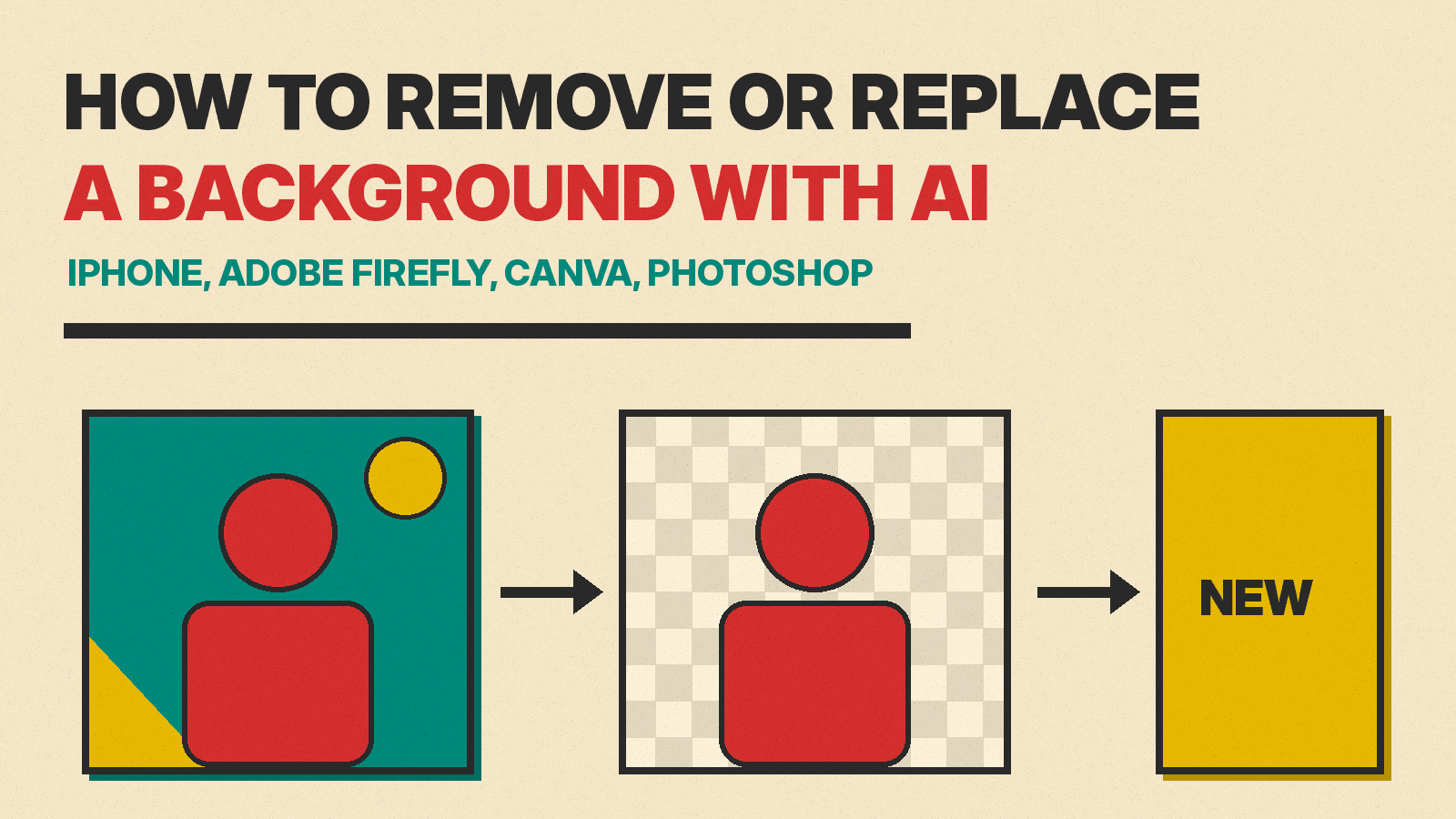
How to remove or replace a photo background with AI on iPhone, Adobe Firefly, Canva and Photoshop, with prompt tips and fixes for halos and missing edges.
The DeepMind Institute publishes essays by Google DeepMind and Google researchers on safe AGI, jobs and society. Here is who runs it and what it has published.
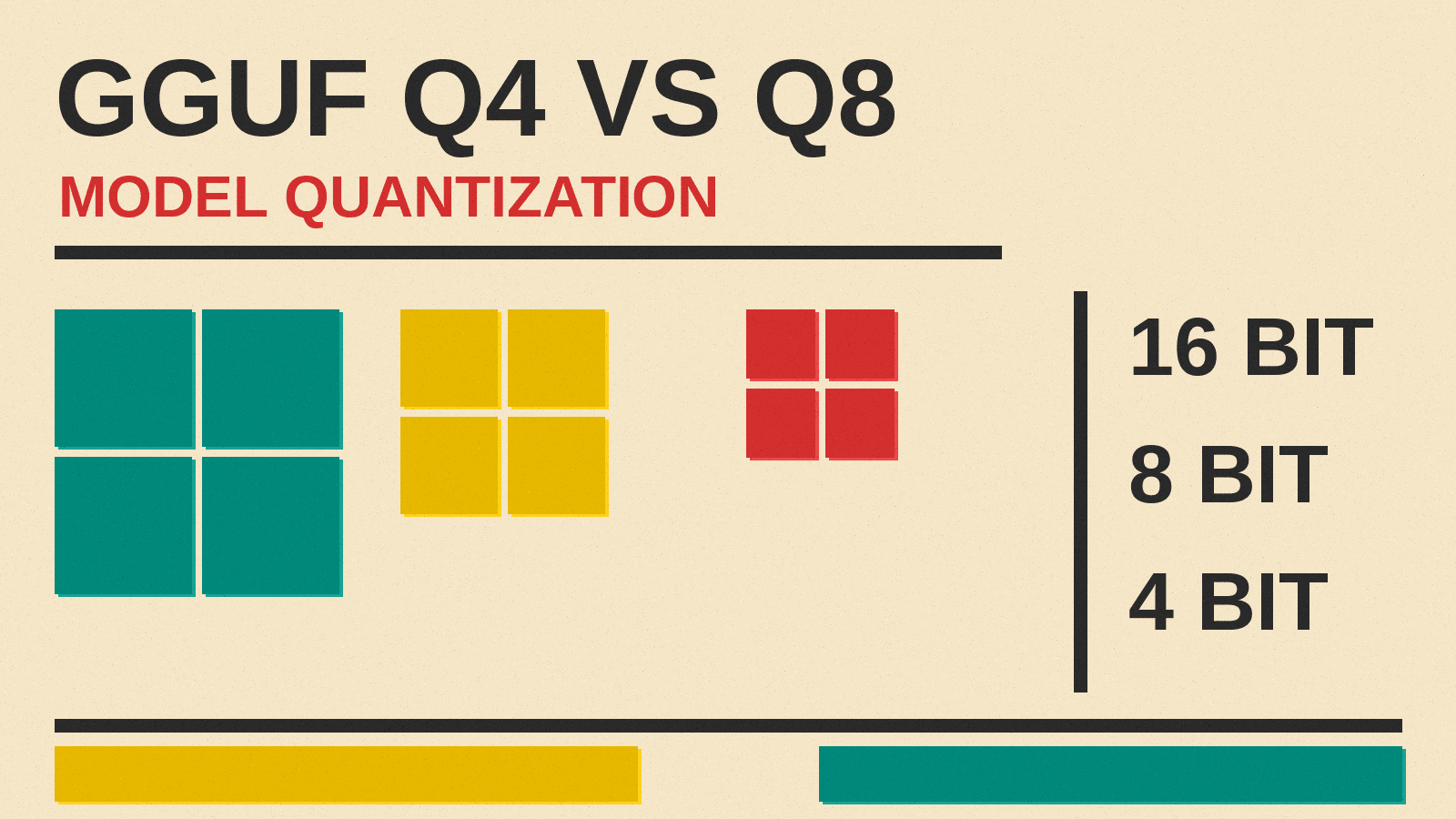
Open-weight models come in files labeled Q8_0, Q4_K or IQ2_XXS. They are the same model stored with fewer bits per weight. Here is what quantization is, how GGUF labels work, what you give up, and how to pick a file that fits your computer.
New York City proposed rules that would make businesses disclose AI and other automated customer service systems, offer a one-step way to reach a human, and keep logs. Fines start at $525. Comments close November 19, 2026.
Socialist and Green MEPs want the Commission to revive the AI Liability Directive it withdrew in 2025. What that law would have done, why it was dropped, and how the new Product Liability Directive covers AI harm from December 9.