What Is Phi? Microsoft's Small AI Models Explained
Phi is Microsoft's family of small open AI models built to run on your own device. Here is each Phi-4 model, its MIT license, and how to run it locally.
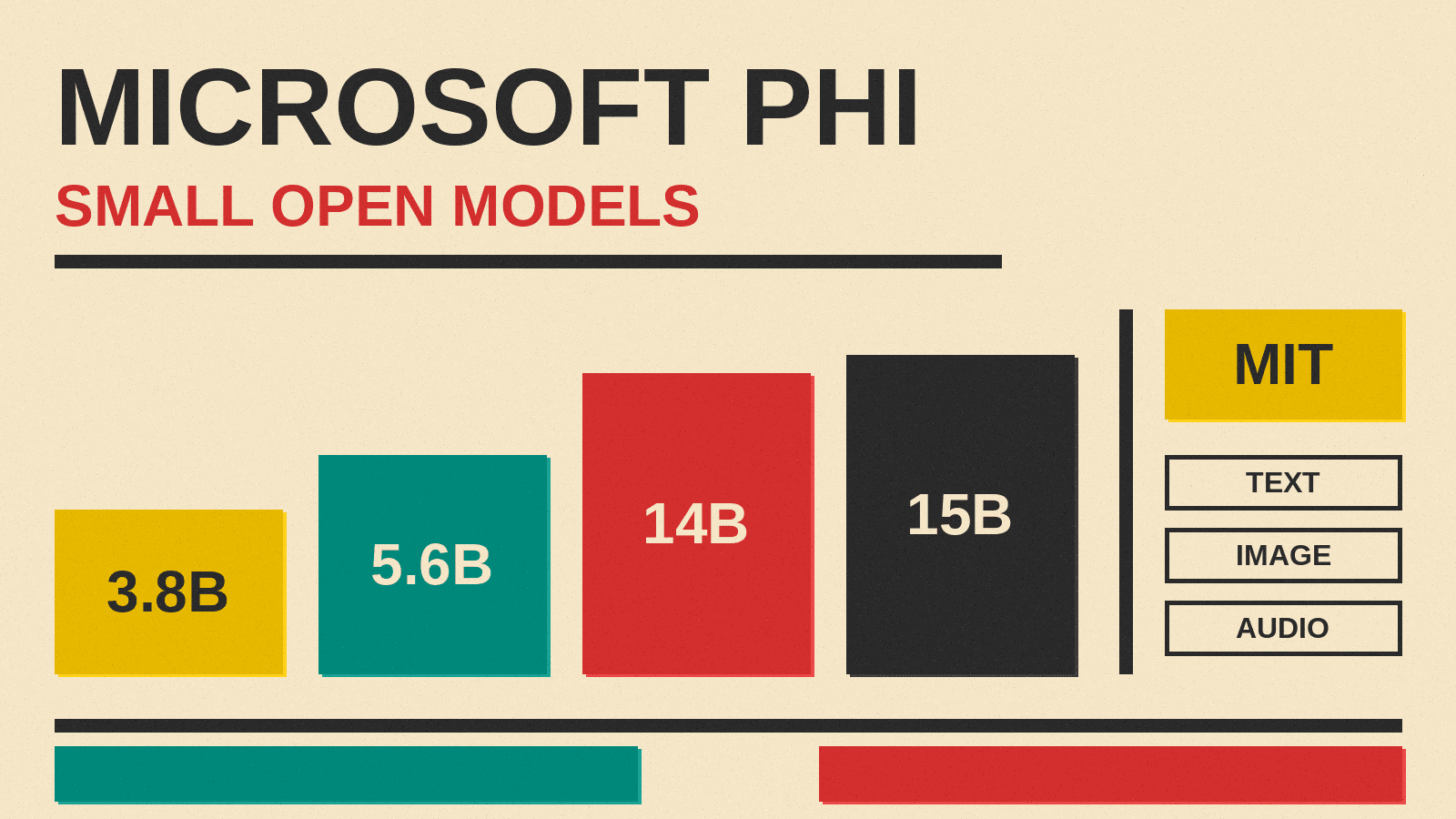
Phi is Microsoft's family of small open AI models built to run on your own device. Here is each Phi-4 model, its MIT license, and how to run it locally.
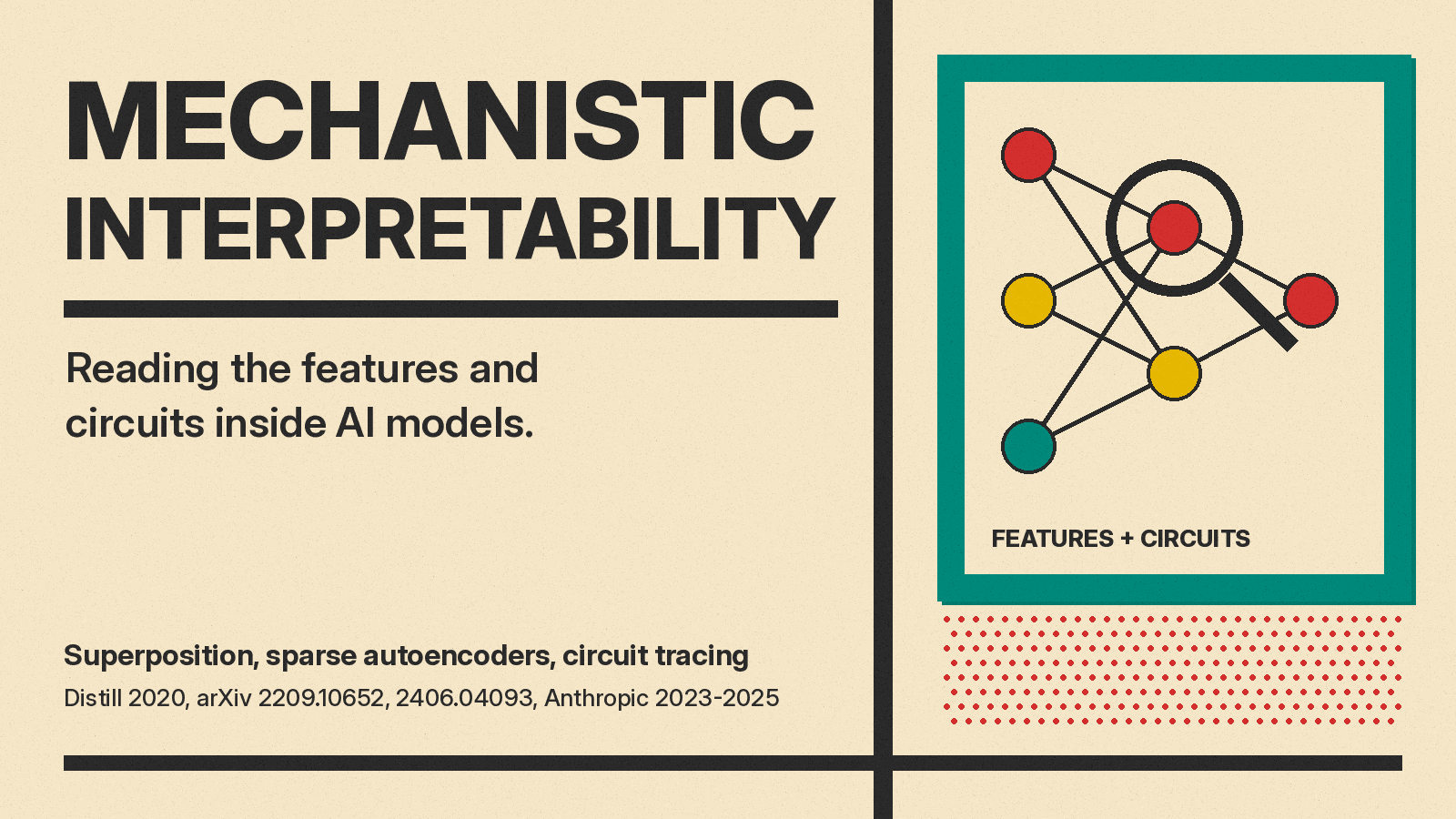
Mechanistic interpretability tries to read how AI models work inside. Features, circuits, superposition and sparse autoencoders, explained in plain English.
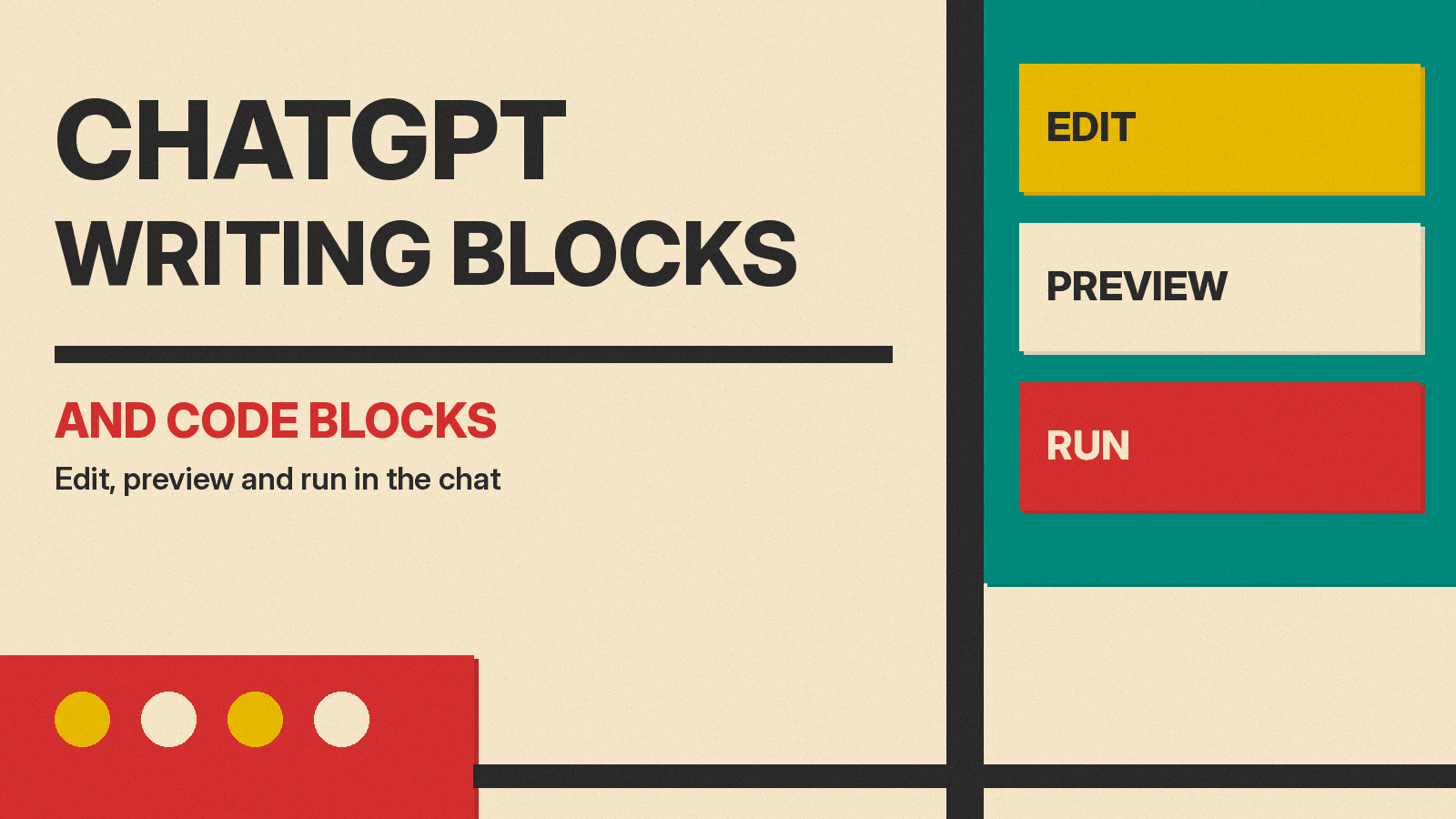
How to edit drafts in ChatGPT writing blocks, preview HTML or charts in code blocks, run supported Python code, and why some options may be missing.
SenseNova is SenseTime's AI model family: SenseNova 6.8 Flash for office agents and design, plus open Apache 2.0 models on Hugging Face. How it fits.
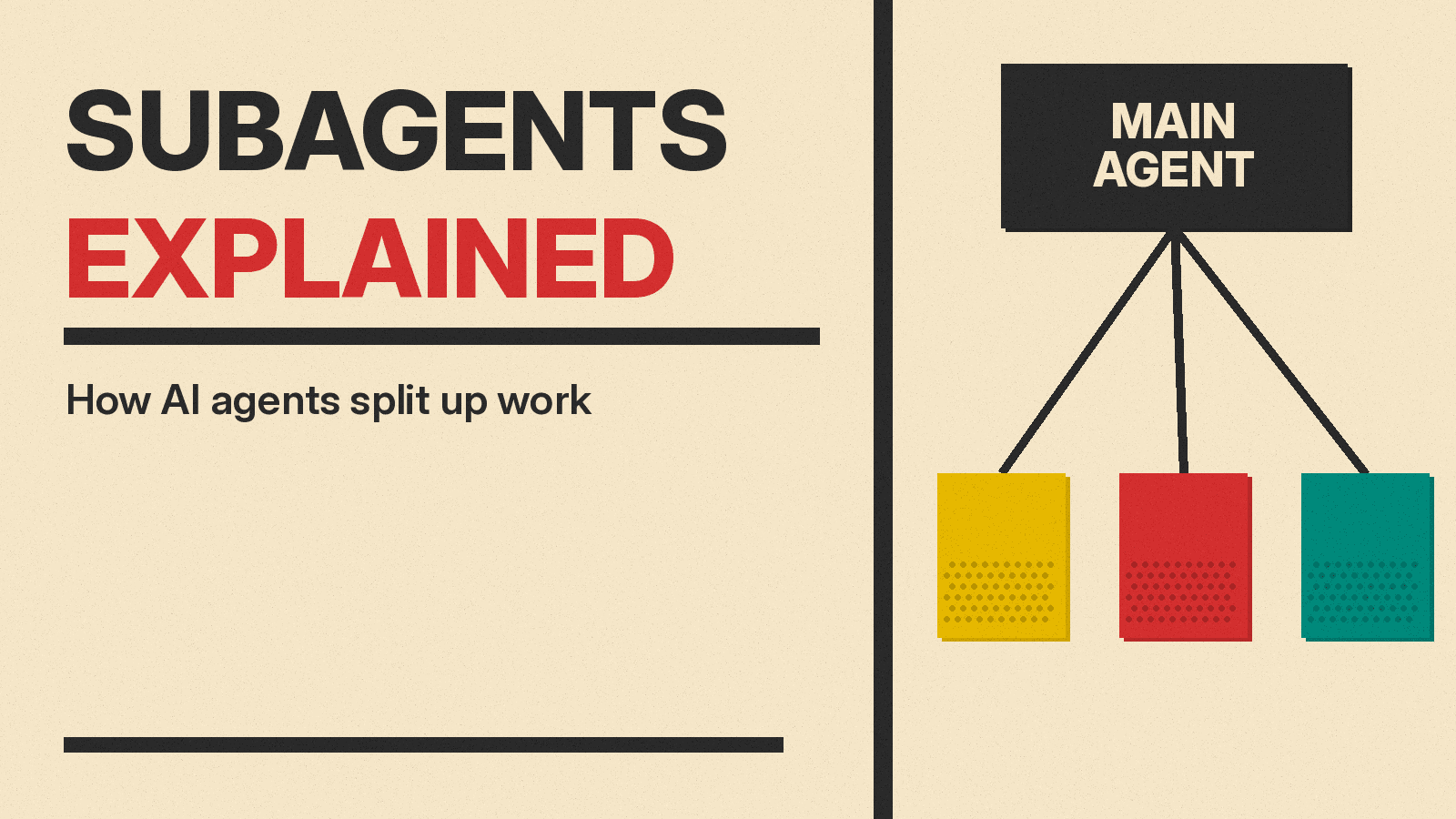
Subagents are helpers an AI agent hands a side task to. Here is how they work in Claude Code, Cursor, Codex and Copilot, and what they cost in tokens.
What negative prompts are, why "no people" in a prompt can backfire, and how negative fields, Midjourney --no and rewrites keep things out of AI images.
How to start a Gemini Canvas, edit docs and apps, turn a doc into slides, a quiz or a web page, and share or export your work, with prompt ideas to try.
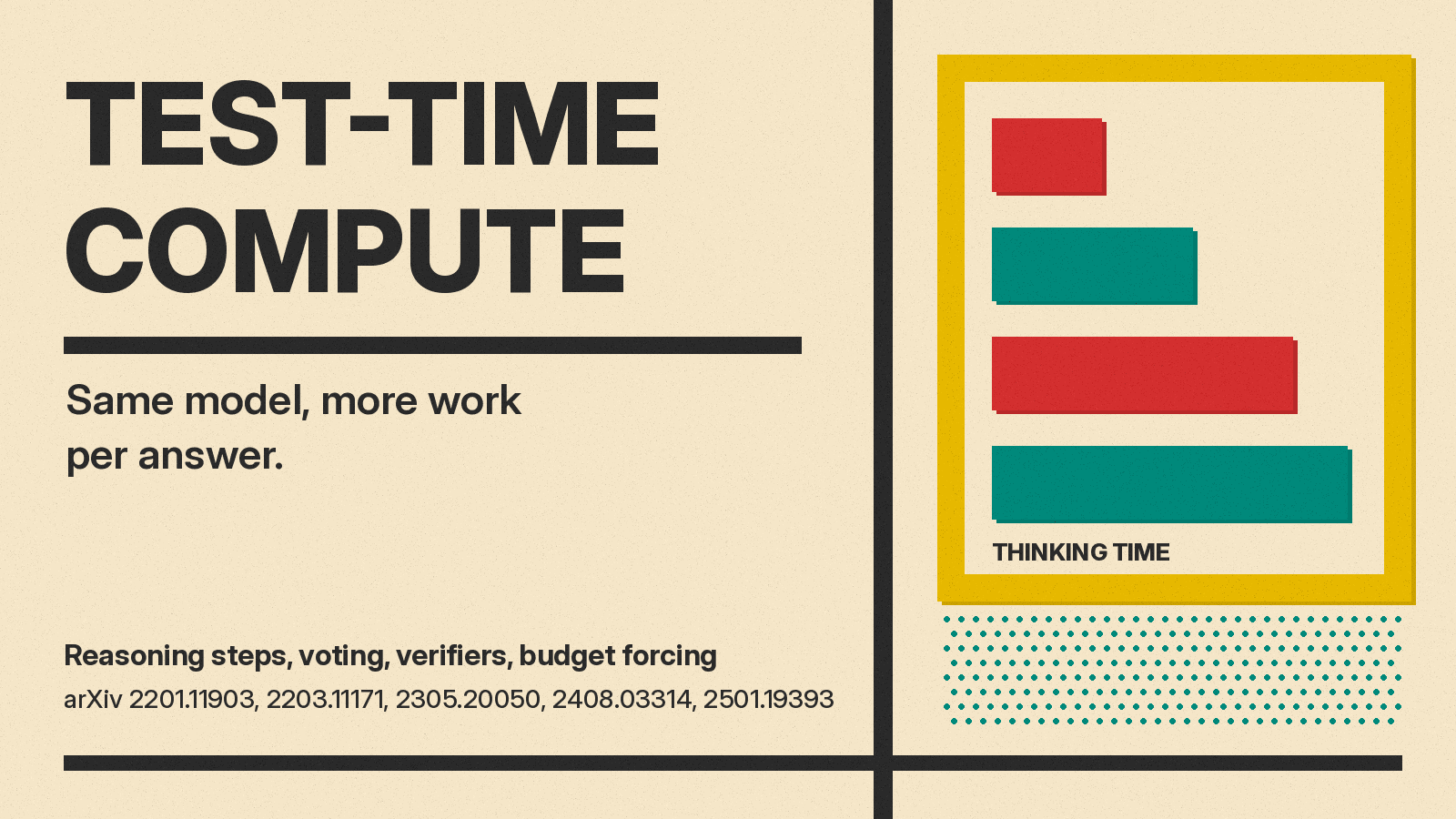
Test-time compute is the work a model does while answering. How reasoning steps, voting, verifiers and longer thinking trade speed and cost for accuracy.
A cloud coding agent writes and tests code on a remote computer, then hands back changes for review. How Cursor, Codex, Copilot and Claude Code do it.
How to connect apps like Google Drive or Slack to ChatGPT, use them in a chat, set app permissions, and see what apps can access and share.
StepFun is a Shanghai AI lab behind the Step models. Here is what Step 5 Preview and the Apache 2.0 Flash models are, and what the StepFun license says.
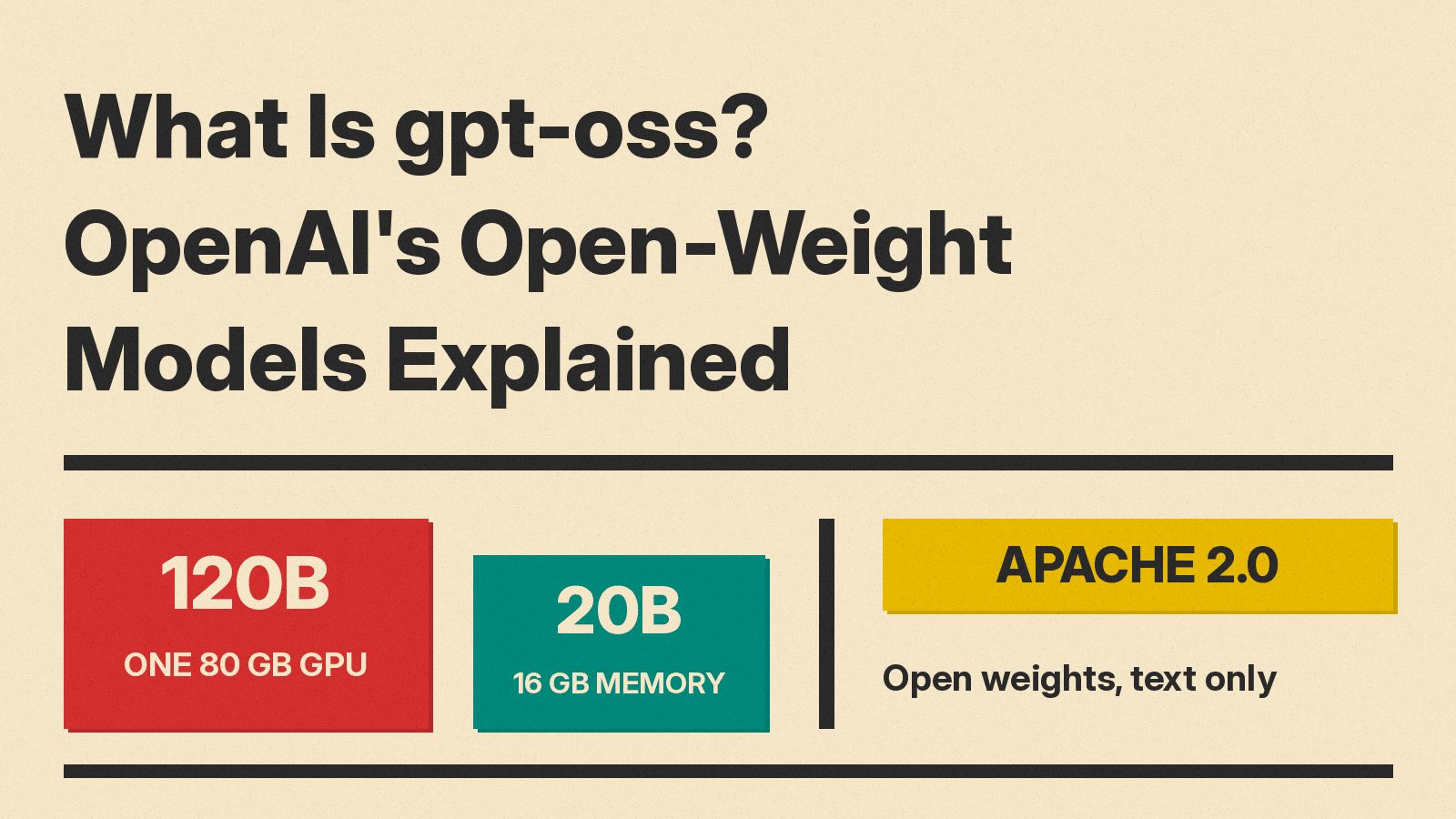
gpt-oss is OpenAI's pair of downloadable open-weight models, gpt-oss-120b and gpt-oss-20b. Here are the specs, license, safety notes and how to run them.
Make an AI album cover that passes store rules: Spotify and Apple Music sizes, prompts by genre, text on the cover, AI disclosure and a final checklist.
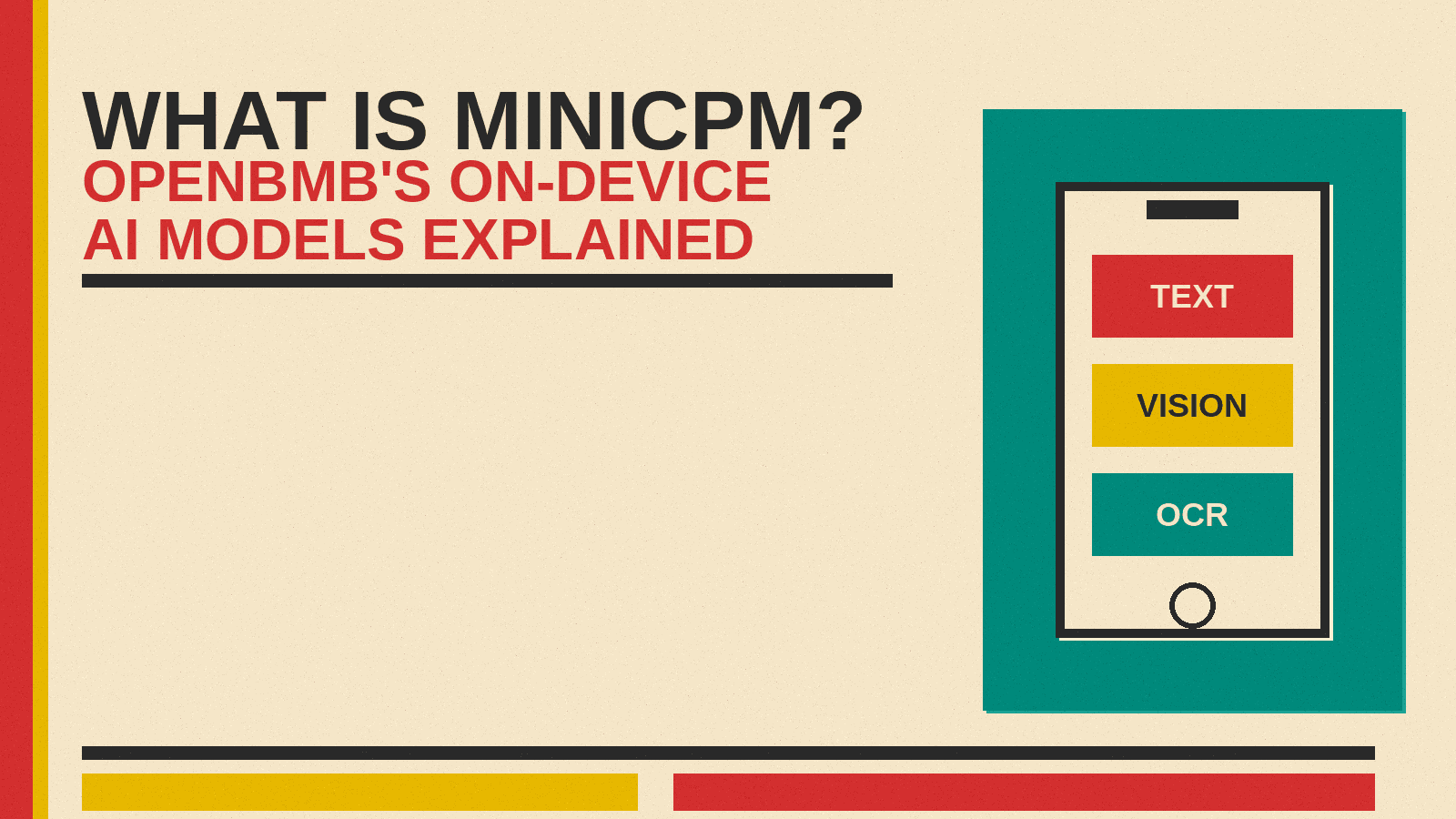
MiniCPM is OpenBMB's family of open-weight models for phones and PCs, from MiniCPM5 and MiniCPM-V 4.7 to MiniCPM-OCR 1.0. Sizes, licenses, and how they differ.
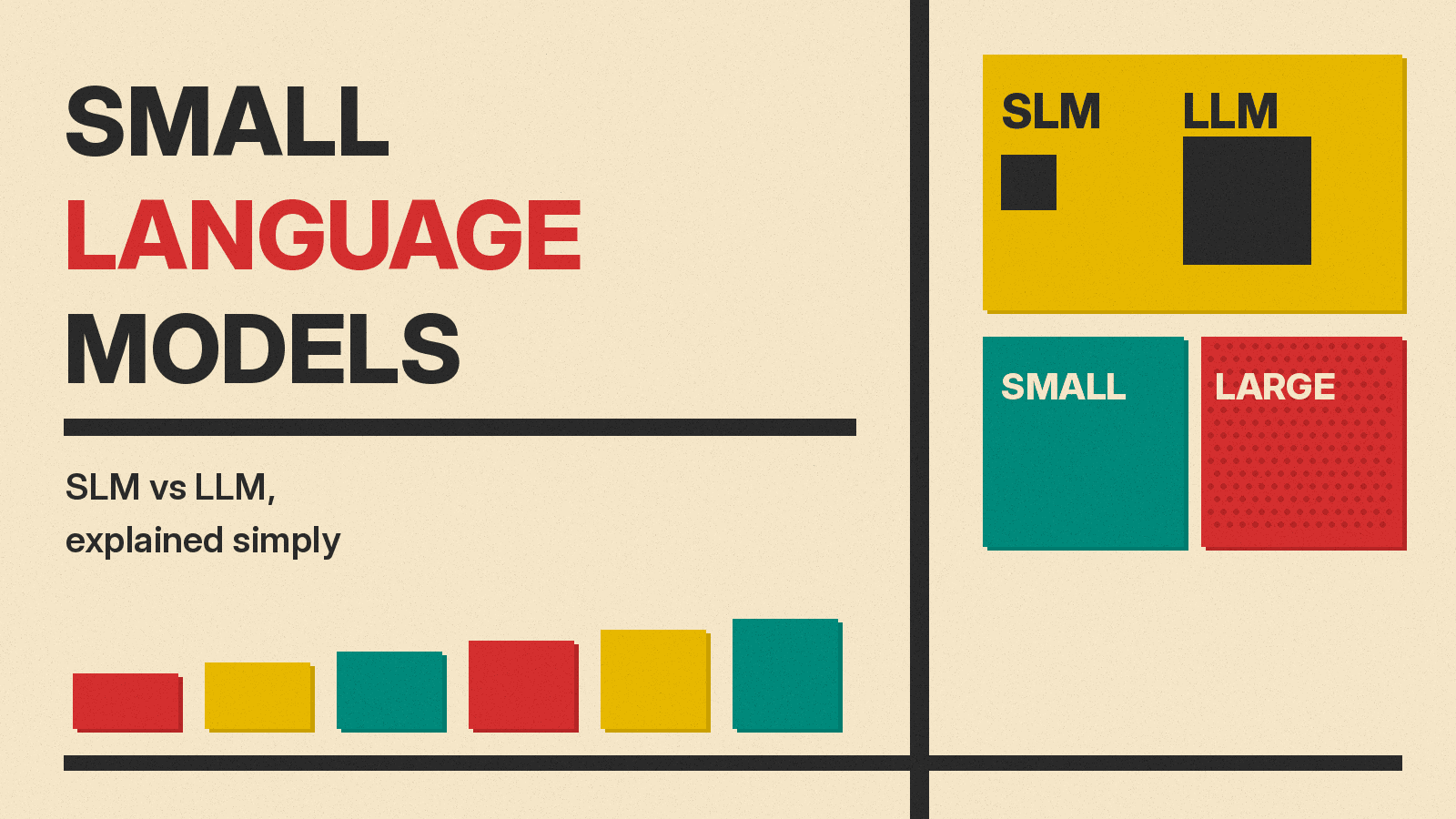
What a small language model is, how SLMs are made from larger models, how they differ from LLMs, where they run, and when a small model fits the task.
Turn an AI image into a print-ready shirt design: simple prompts, a transparent background, the right pixel size and DPI, and a sample before you sell.
What computer vision is, how models learn to see, the main tasks from detection to segmentation, where it is used, and courses to learn it.
Turn your own photo into a cartoon, anime, 3D, vector or pixel avatar. Pick the right photo, use a reference image, prompt the style and check it small.
What NLP is, the tasks it handles, how a pipeline works, how it relates to LLMs, where it struggles, and free courses and books to learn it.
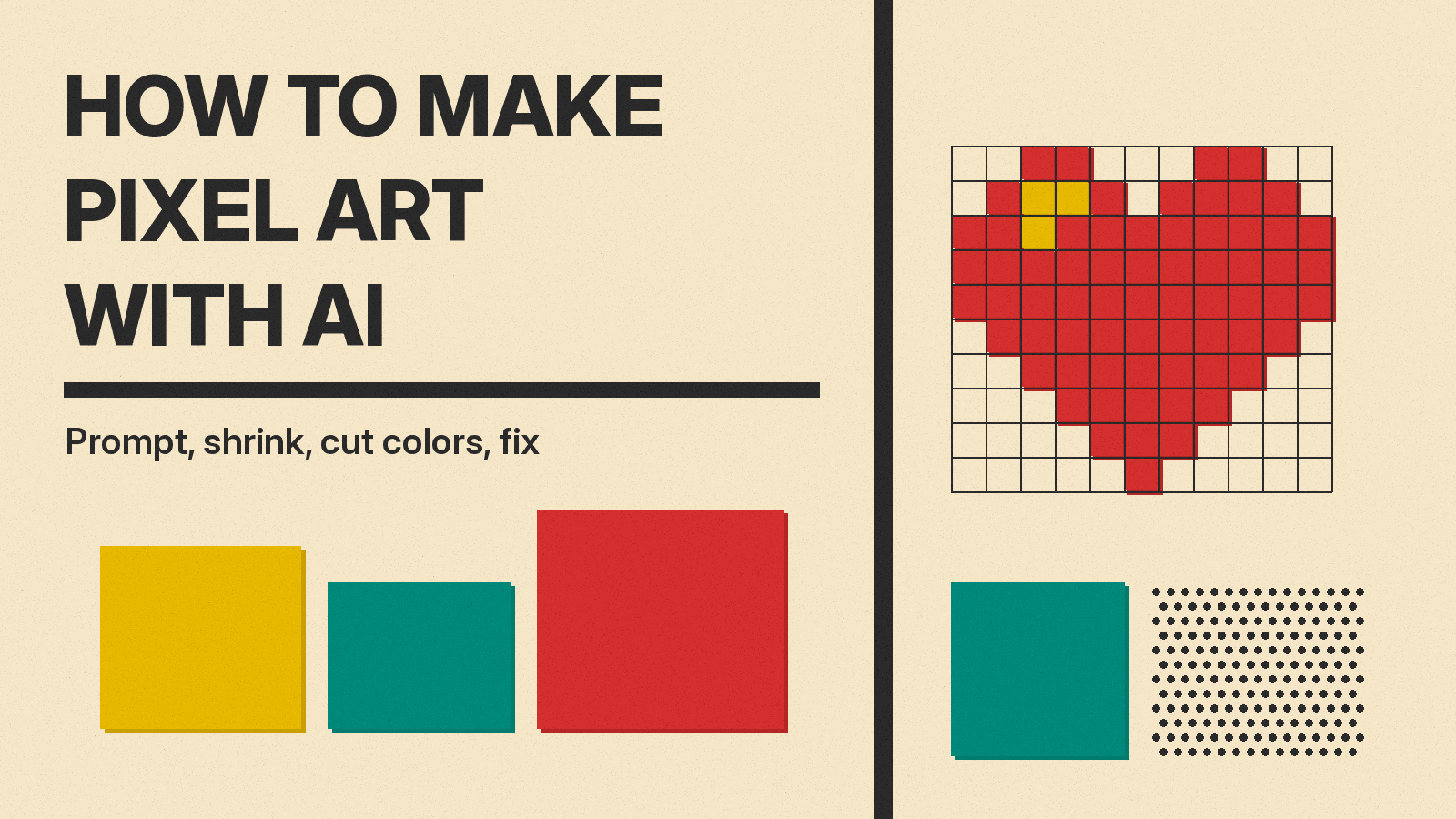
AI pixel art often has uneven blocks, soft edges and too many colors. Prompt for a grid, shrink with nearest neighbor, cut the palette, then fix by hand.