Memory Tax: Agent Memory Often Loses to Plain RAG
A study of 11 agent memory systems found many score below plain RAG over the raw chat history. Why it happens, and the cheap fix the authors tested.
A study of 11 agent memory systems found many score below plain RAG over the raw chat history. Why it happens, and the cheap fix the authors tested.
Gemini 4 Carbon vs GPT-6 Astra vs Claude Opus 5.5: access, token prices, cost per task, specs and Index v5 scores. Checked Oct 28, updated Nov 11, 2026.
Gemini 4 Carbon is #1 on an index now 60% based on private tests, yet the public cannot use it. My view: any #1 for a gated model is a preview, not a verdict.

Artificial Analysis rebuilt its Intelligence Index so 60% runs on private or held-out tests. Gemini 4 Carbon now leads at 59, and the open-weight gap grew to 12.
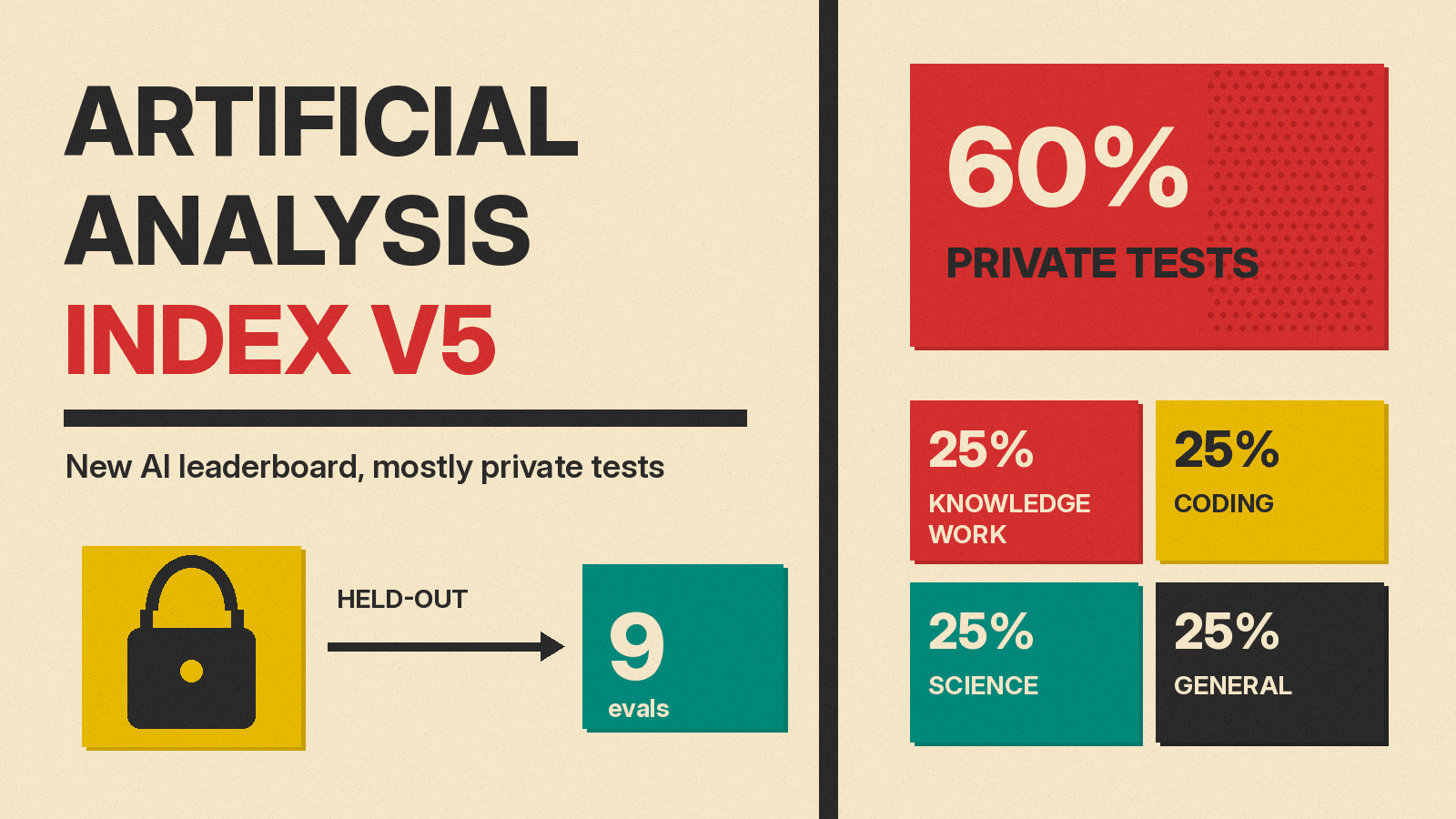
A top spot on an AI leaderboard reads like a verdict. A study of Chatbot Arena shows why it is only a hint: best-of-many testing and practice data can lift a score without making a model better at your work.
Six open-weight coding models to download as of October 2026, from GLM-5.3 to Recursive Flint, with self-reported benchmarks, hardware needs and licenses.
Google's October 26 Android Bench update puts Gemini 4 Argon sixth with a 21.3% pass rate, behind Claude Sonnet 5.5 at 40.0%. Here are the pass rates, completion rates, costs and the caveats Google attaches.

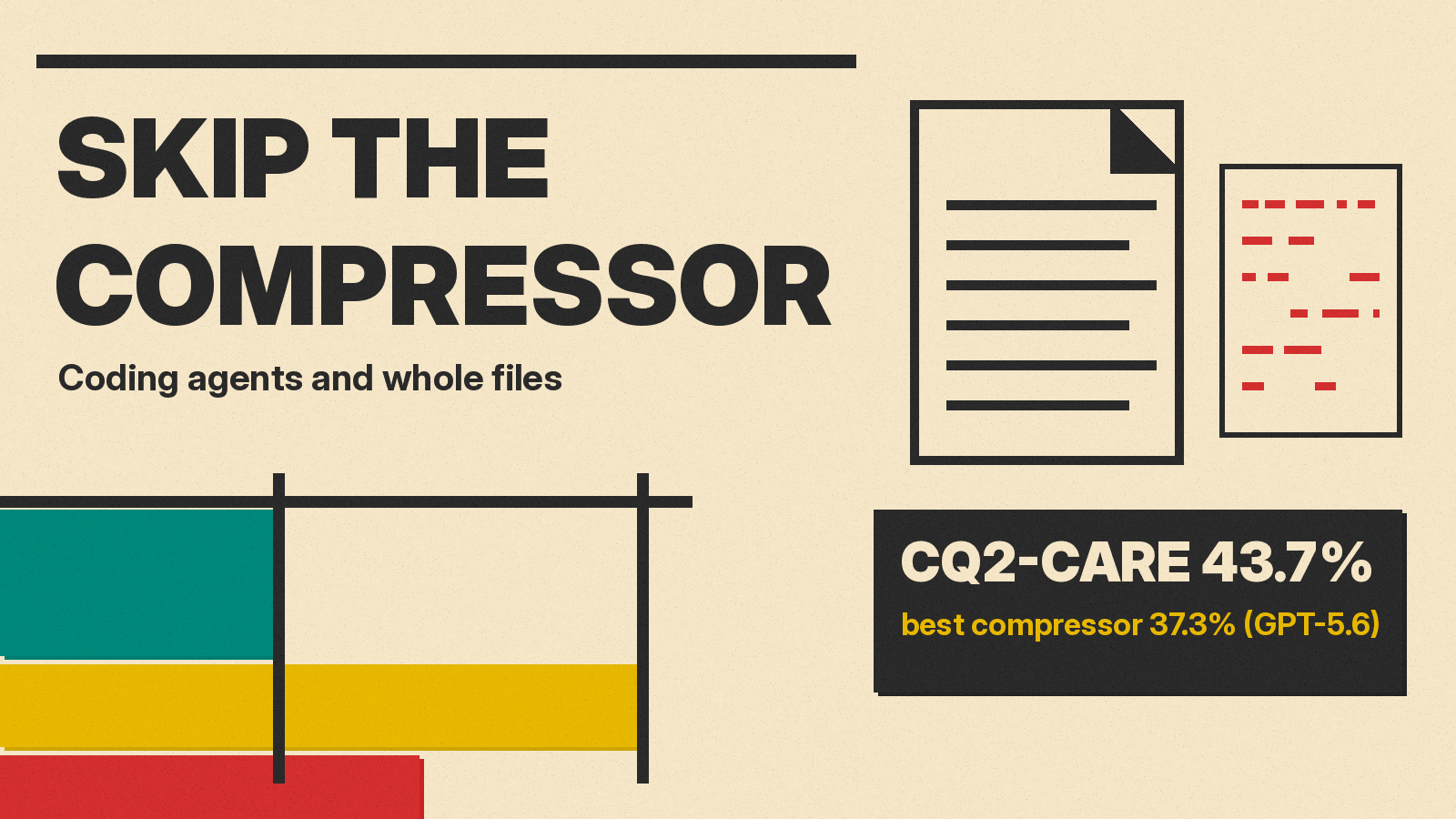
A UIUC study on 300 SWE-rebench issues finds that at equal token budgets, showing a coding agent a few whole files beats prompt compressors and chunk retrievers: 43.7% resolved with GPT-5.6 and 46.7% with Claude Opus 5. Retrievers miss the file to edit; compressors alter the text patches must quote.
Reflection's 501B open-weight Beam scores 30 on Artificial Analysis's index and 23.5% on ARC-AGI-2 at $0.61 a task. X users praise the Apache 2.0 license and token efficiency, question a 28 coding-agent score and Qwen 3.8 27B comparisons, and note it needs about 280 GB even at 4-bit.
inclusionAI, Ant Group's AGI lab, released Ming-3.0-audio-flash (126B, 6.5B active) and Ming-3.0-audio-tiny (9.3B) under MIT. They transcribe, reason over audio and talk back. Vendor charts show leading speech recognition but gaps on meetings and long audio.
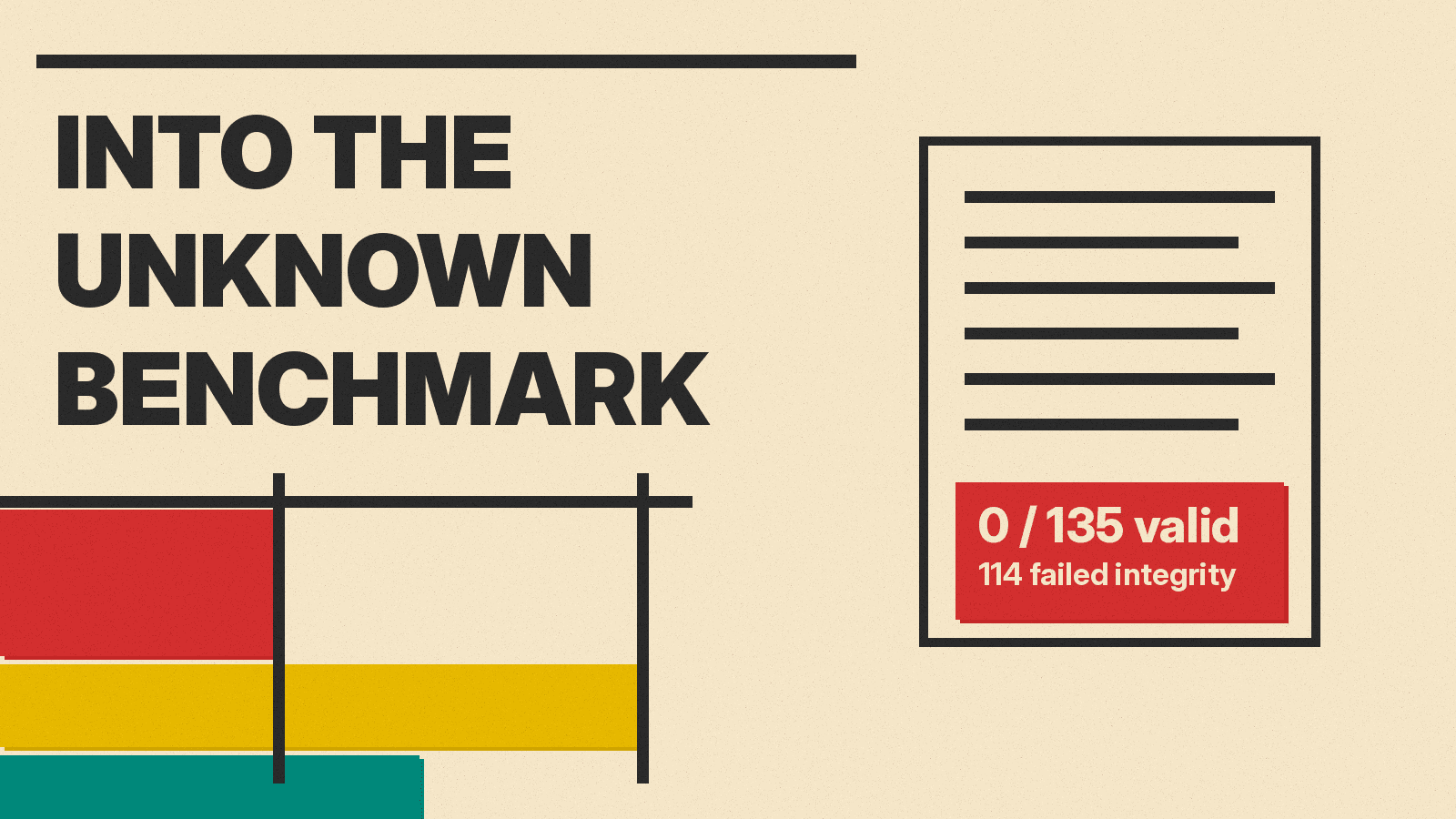
Into the Unknown, a new benchmark from CMU and DOE lab scientists, asked nine frontier agents to write 135 follow-up papers. None passed all three gates, and 114 failed integrity, mostly for claiming work never done or numbers their logs contradict.
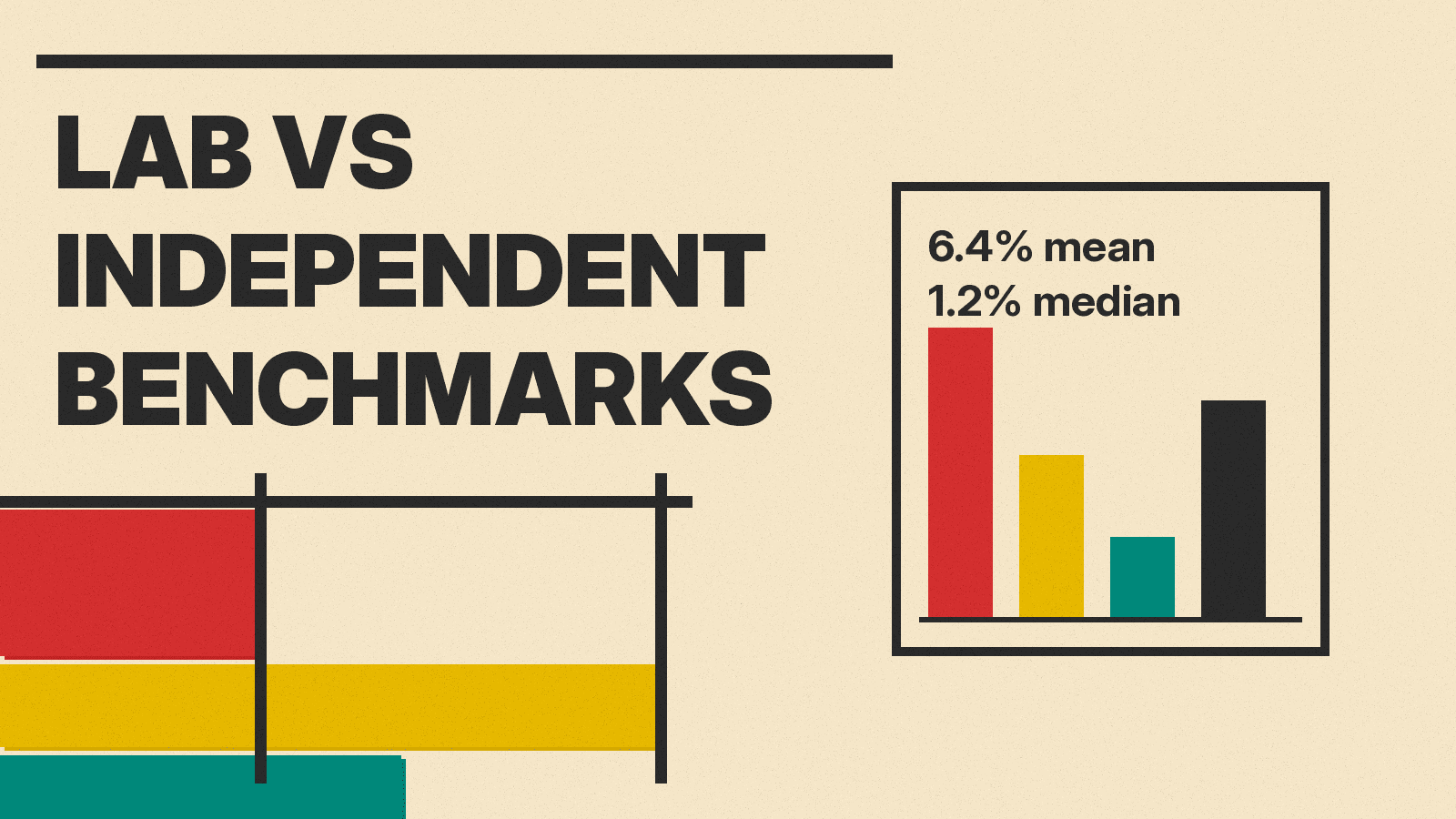
whatmodel.sh matched 611 lab and independent scores across 180 models and 103 tests. Labs average 6.4% higher, but the median gap is 1.2%. SWE-bench and MBPP show the biggest gaps; MMLU and HumanEval barely move.
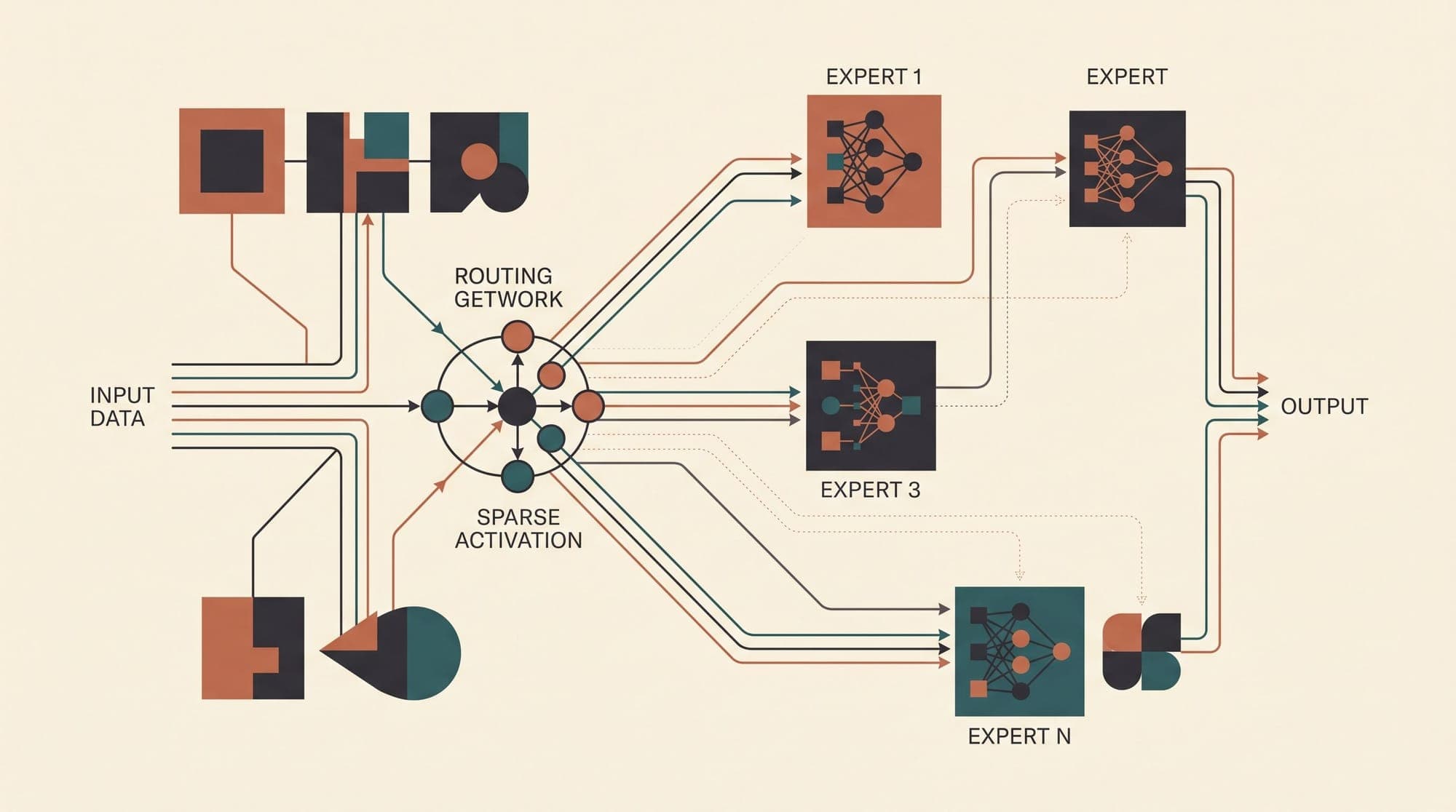
US AI research lab Reflection AI has released Beam 1.0, a 501-billion-parameter open-weight Mixture-of-Experts (MoE) foundation model licensed under Apache 2.0. The release includes weights in BF16, FP8, and NVFP4 precision formats alongside training harnesses and inference integration for vLLM, SGLang, and Ollama. Architecture and Sparse Compute Profile Beam is built across 52 layers with an interleaved local and global attention structure, maintaining a 3:1 ratio between sliding-window and
Standardized evaluation is the bedrock of LLM development, yet production evaluation pipelines face a split between two distinct paradigms: static, deterministic multi-task benchmarks evaluated via log-likelihood or exact string matching, and dynamic, open-ended instruction-following benchmarks evaluated via LLM-as-a-Judge pairwise win rates. Engineering teams building pre-training runs, fine-tuning recipes, and model alignment loops require distinct tooling for each paradigm. Four open-source

Deploying language models directly on client hardware, edge gateways, and low-latency routing layers requires balancing parameter count, memory footprint, and task-specific reasoning capability. The sub-3B parameter class has shifted from stripped-down toy models to highly capable engines trained on tens of trillions of tokens or distilled from frontier teachers. In production architectures, models in the 1B to 3B range serve three primary roles: speculative decoding draft models that accelerat
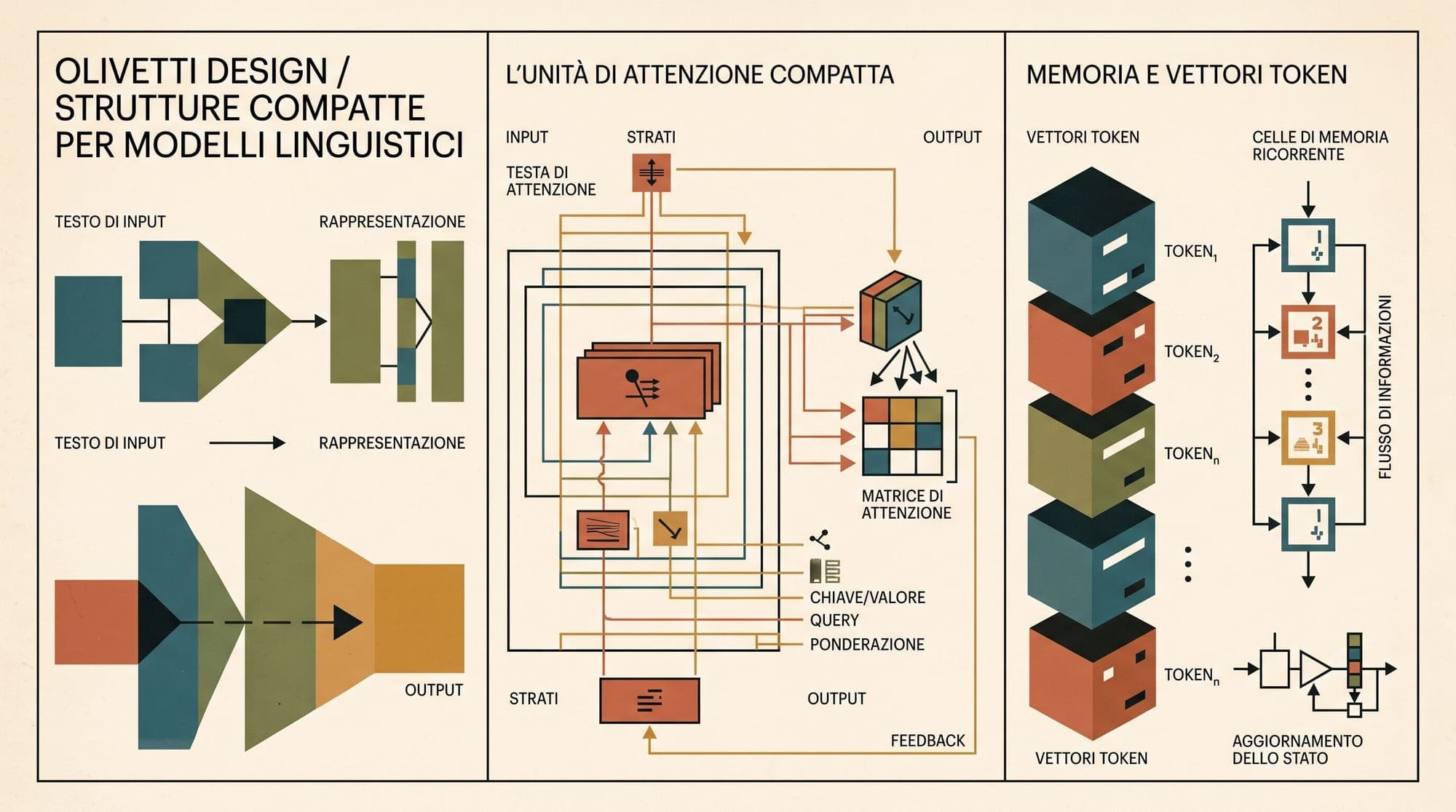
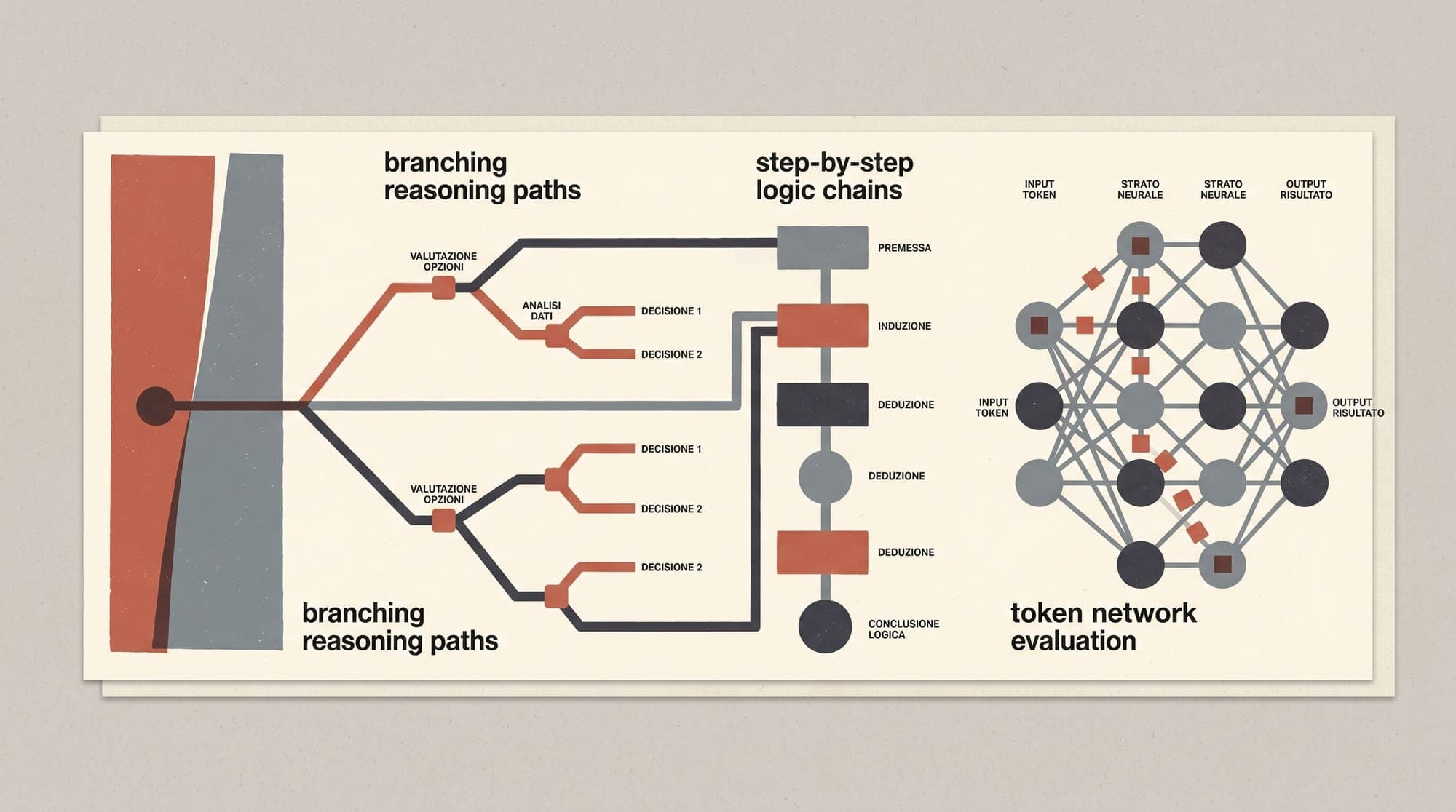
Open-Source Reasoning Models in Production: Comparing DeepSeek-R1 Distillations, QwQ-32B, Sky-T1, and Marco-o1 The release of frontier reasoning models demonstrated that allocating test-time compute to explicit chain-of-thought generation significantly elevates problem-solving accuracy in mathematics, software engineering, and scientific reasoning. While proprietary systems conceal their training pipelines and reasoning traces, the open-source ecosystem has produced diverse approaches to replic
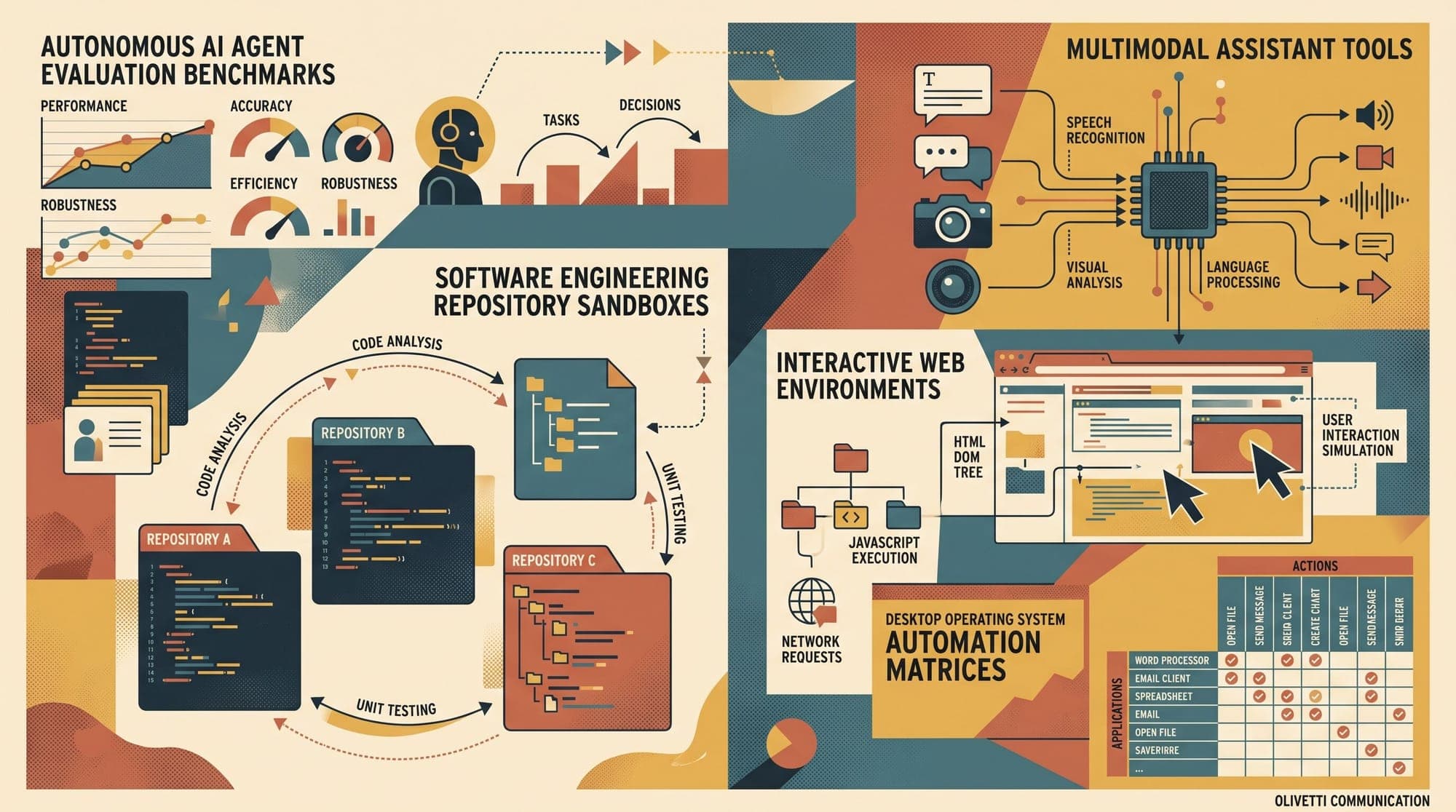
Evaluating autonomous AI agents requires a fundamental departure from static language model evaluation. While benchmarks like MMLU, GSM8K, and HumanEval measure single-turn next-token prediction on fixed prompts, they fail to evaluate the closed-loop failure modes of autonomous agents. Real-world agents must formulate multi-step plans, execute tool calls, ingest dynamic environment feedback, recover from syntax and runtime errors, and mutate external state across long interaction trajectories.
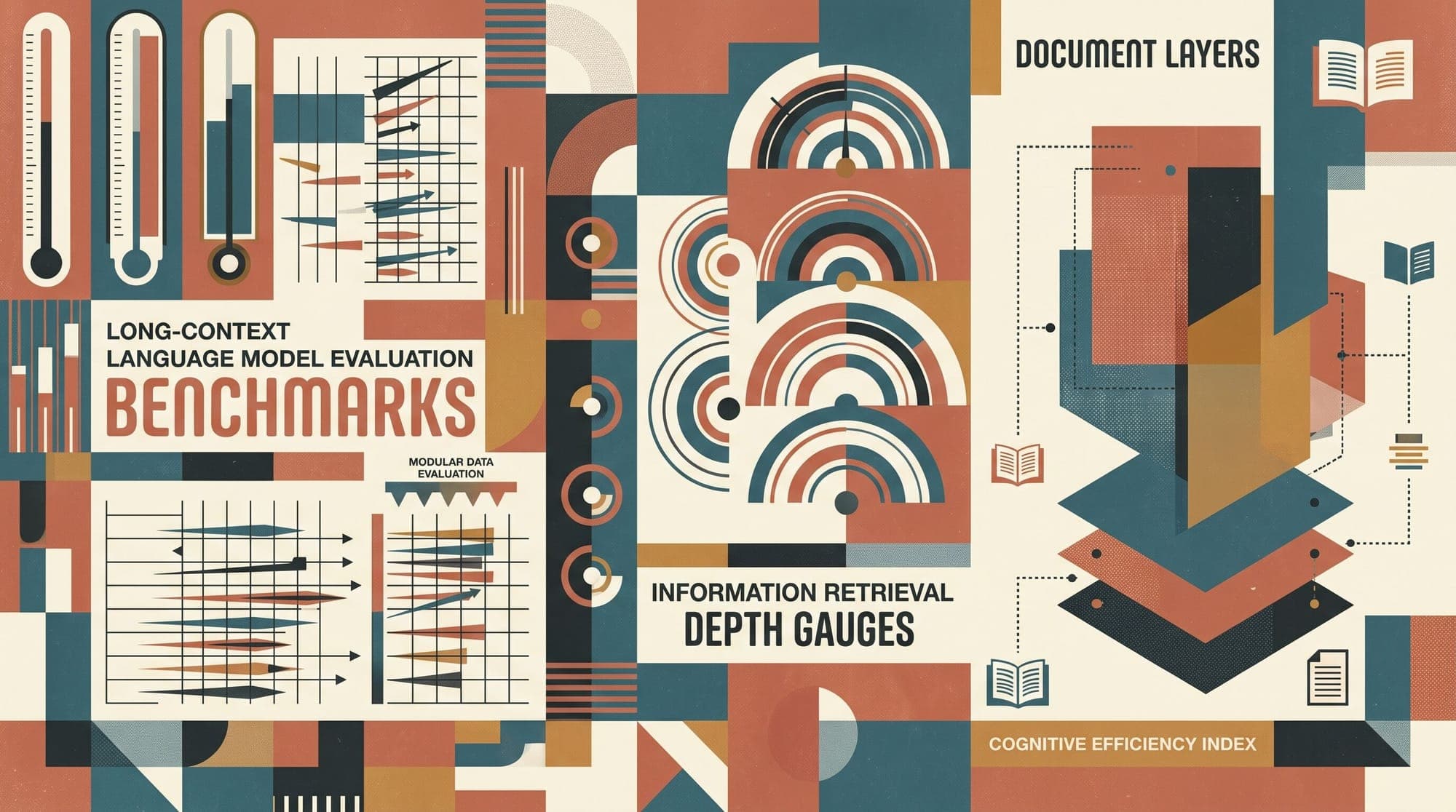
Evaluating large language models across context windows exceeding 32,000, 128,000, or 1,000,000 tokens presents a fundamental engineering challenge. A model's theoretical context window, defined by its positional embedding configuration and memory allocation, rarely matches its effective context window. In production environments, models frequently suffer from attention degradation, retrieval failure, and reasoning collapse long before reaching their maximum hardware sequence capacity. Selectin
OpenAI has made its flagship GPT-5.6 model family available within Kiro, the spec-driven software development environment developed by Amazon Web Services. The release brings OpenAI's frontier reasoning and coding tiers, including Sol, Terra, and Luna, directly into AWS's agentic engineering platform. According to joint evaluations conducted by AWS and OpenAI on Terminal-Bench 2.1, executing complex software engineering tasks with GPT-5.6 Terra inside Kiro reduced total token expenditures by ro
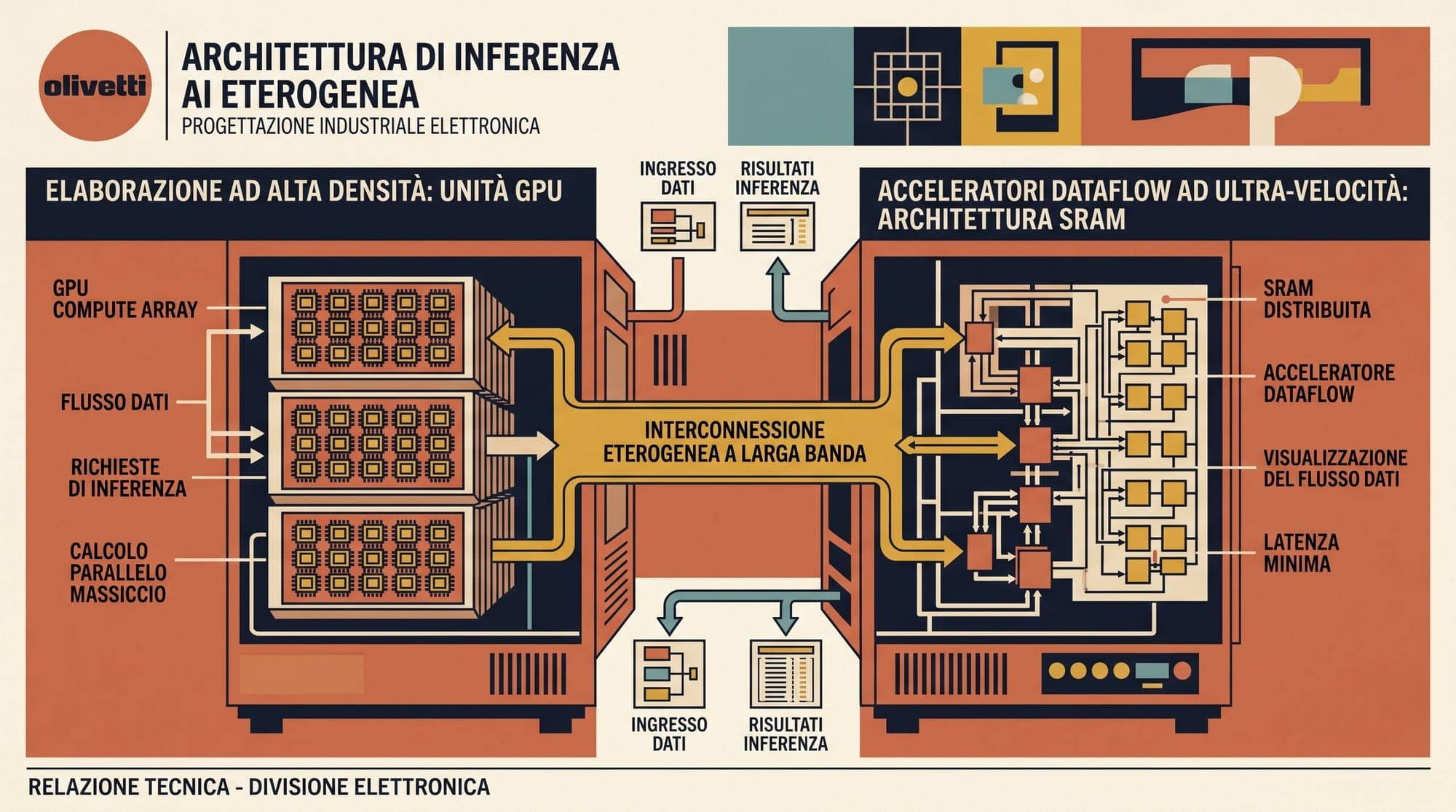
NVIDIA has moved its Groq 3 LPX dedicated inference accelerator into full commercial production. Announced at Hot Chips 2026, the rack-scale accelerator system is designed as a purpose-built extension for NVIDIA's Vera Rubin NVL72 data center platform, targeting the compounding decode latency bottlenecks created by multi-step autonomous AI agents. European neocloud provider Nebius Group N.V. has committed as the first cloud infrastructure customer to deploy the accelerators, integrating them in