Reasoning3 articles

Reasoning

Articles

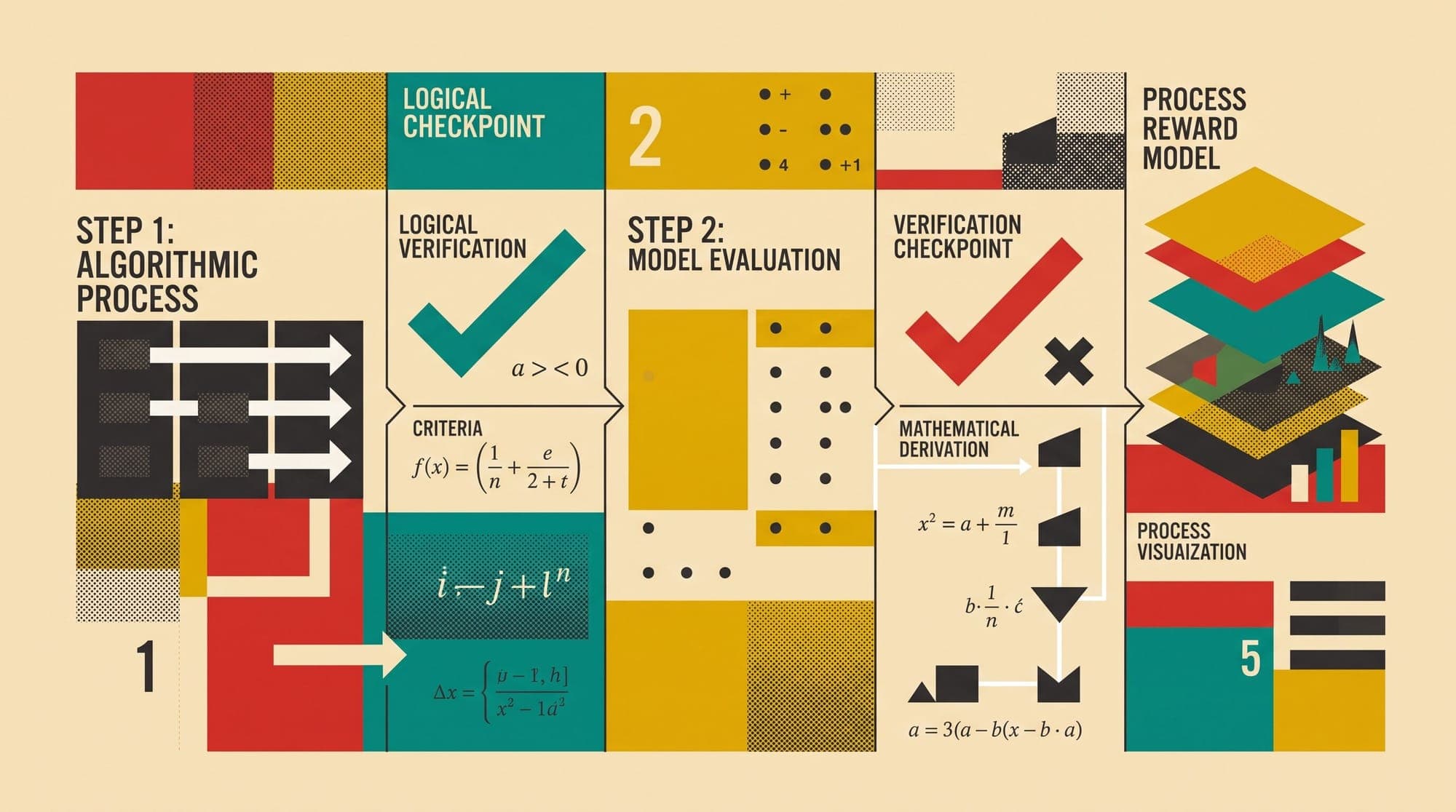
  • Process Reward Models: How Step-by-Step Supervision and Search Drive LLM Reasoning

    When large language models tackle complex multi-step reasoning (such as formal mathematics, algorithm synthesis, or multi-hop logic), evaluating only the final answer creates a severe credit assignment bottleneck. An outcome-based verifier can confirm whether a final numerical result is correct, but it cannot determine whether the underlying derivation was logically sound or reached the right answer through compounding hallucinations and lucky cancellations. Process Reward Models (PRMs) resolve

    1 min
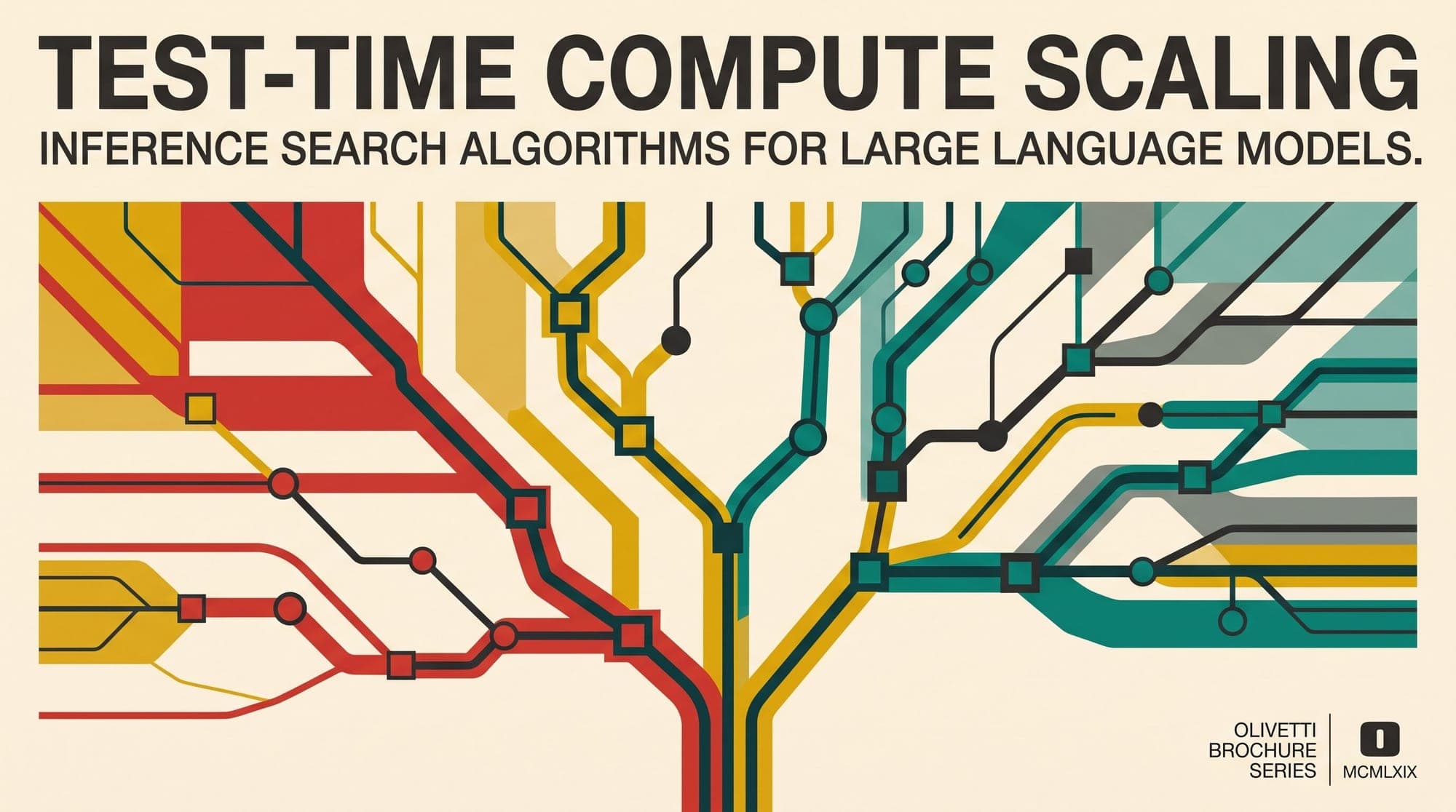
  • Test-Time Compute Scaling in Large Language Models: How Search, Verification, and Reasoning Chains Trade Latency for Accuracy

    Large language model performance has historically been dictated by pre-training compute scaling laws. As formalised by Kaplan et al. and Chinchilla scaling, increasing model parameters, dataset size, and pre-training FLOPs yielded predictable reductions in cross-entropy loss. During inference, however, computation remained strictly linear and deterministic: one forward pass per generated token. The emergence of inference-time reasoning architectures has introduced a third scaling axis: test-tim

    1 min
  • Study finds RL for reasoning changes only a few tokens, and you can copy the effect

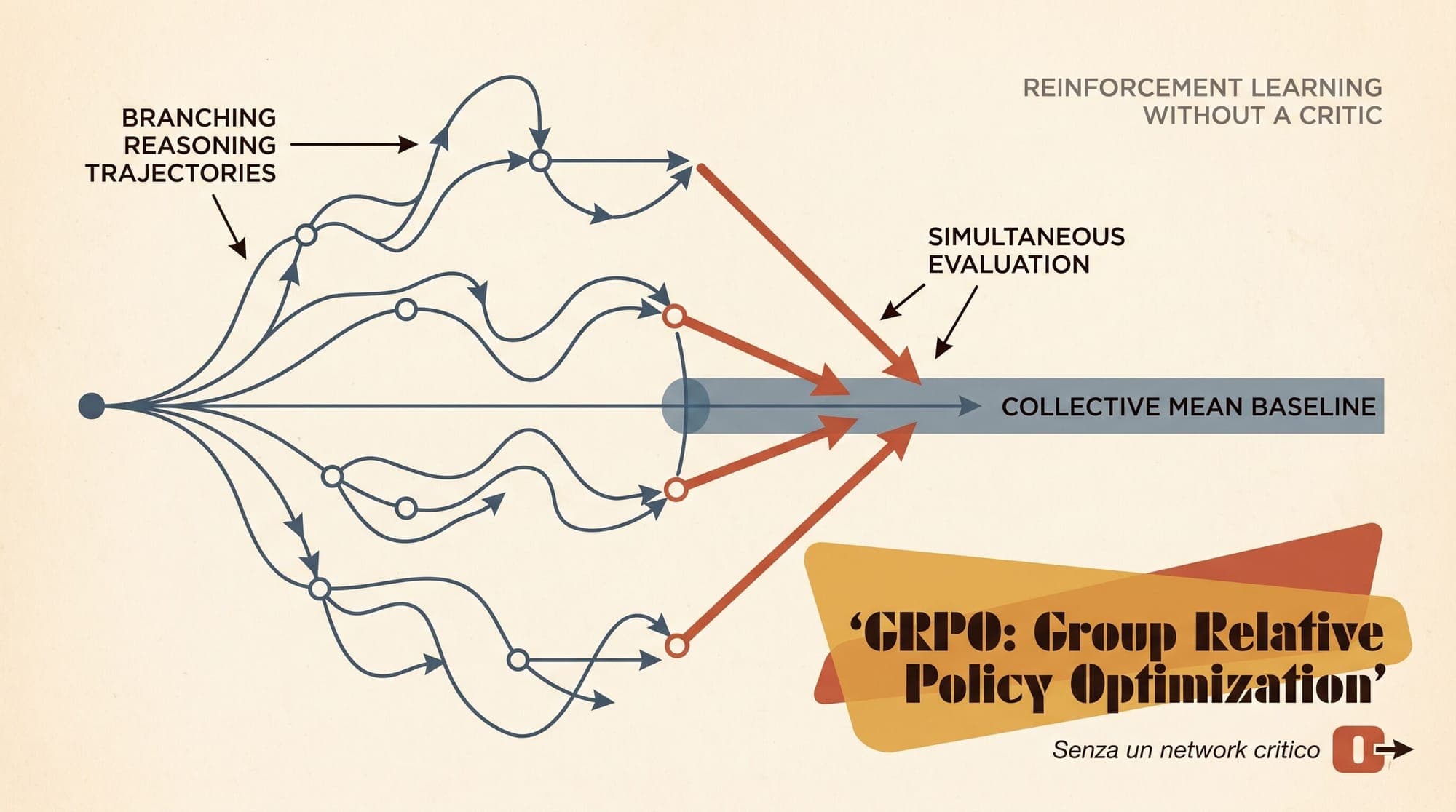
    A new analysis of reinforcement learning for LLM reasoning suggests the field's biggest gains come from a surprisingly small change. RL is not rewriting how models think. It is nudging a tiny slice of the output. What the researchers measured Across several model families and common methods like GRPO and PPO, reinforcement learning reranks only 1.0 to 4.1 percent of tokens. The token it promotes is almost always already one of the base model's top five choices. Training, in other words, pushe

    1 min