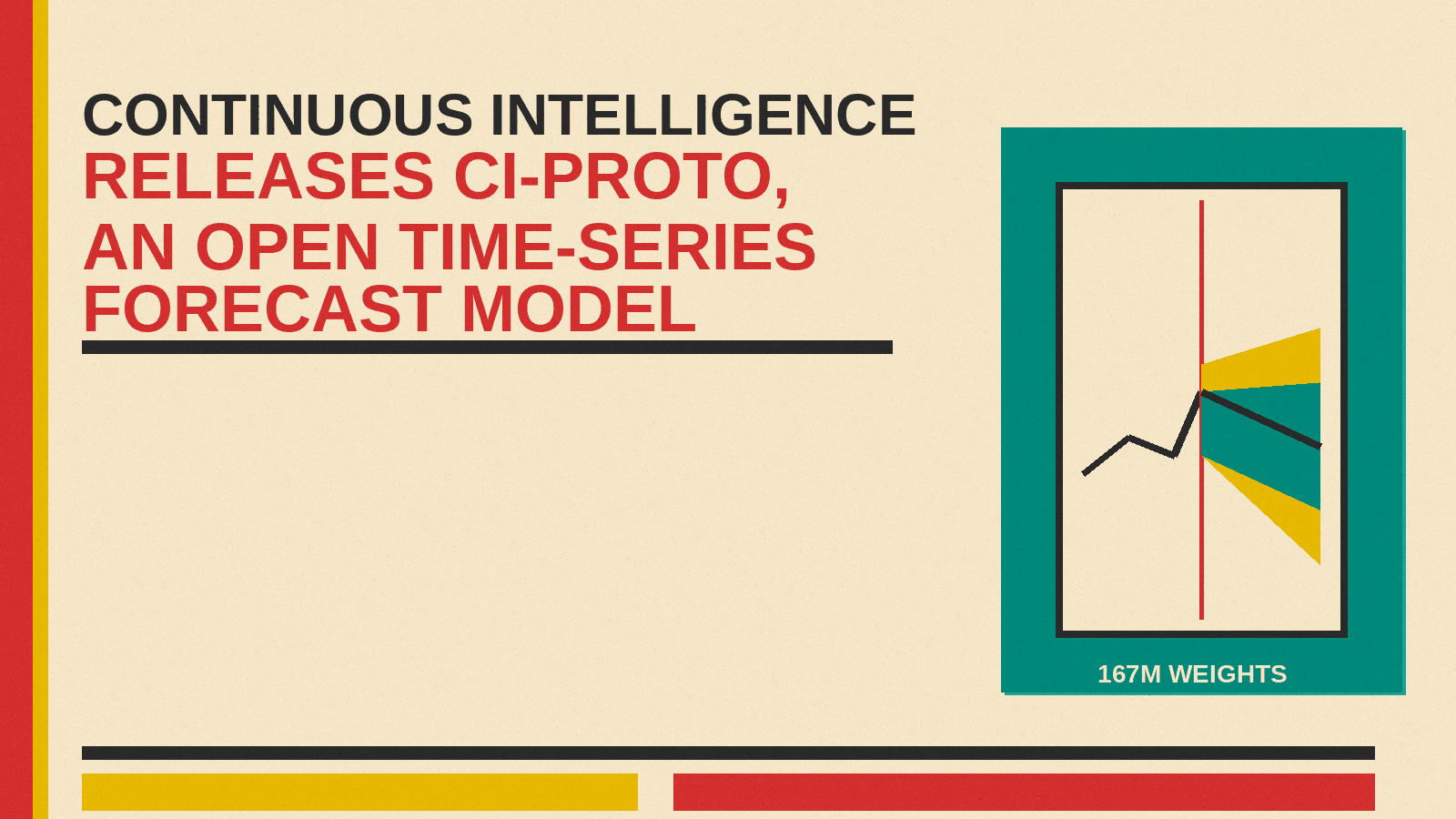
Continuous Intelligence Releases ci-proto, an Open Time-Series Forecast Model
Continuous Intelligence released ci-proto on 12 November 2026, a 167M open-weight time-series model. The lab and a public board differ on its fev-bench rank.
AI benchmarks and what they really measure. Posts compare agent benchmarks like SWE-bench, GAIA and OSWorld, long-context tests like RULER and BABILong, and evaluation harnesses, and report benchmark results for models like DeepSeek V4.1-Flash.
Continuous Intelligence released ci-proto on 12 November 2026, a 167M open-weight time-series model. The lab and a public board differ on its fev-bench rank.
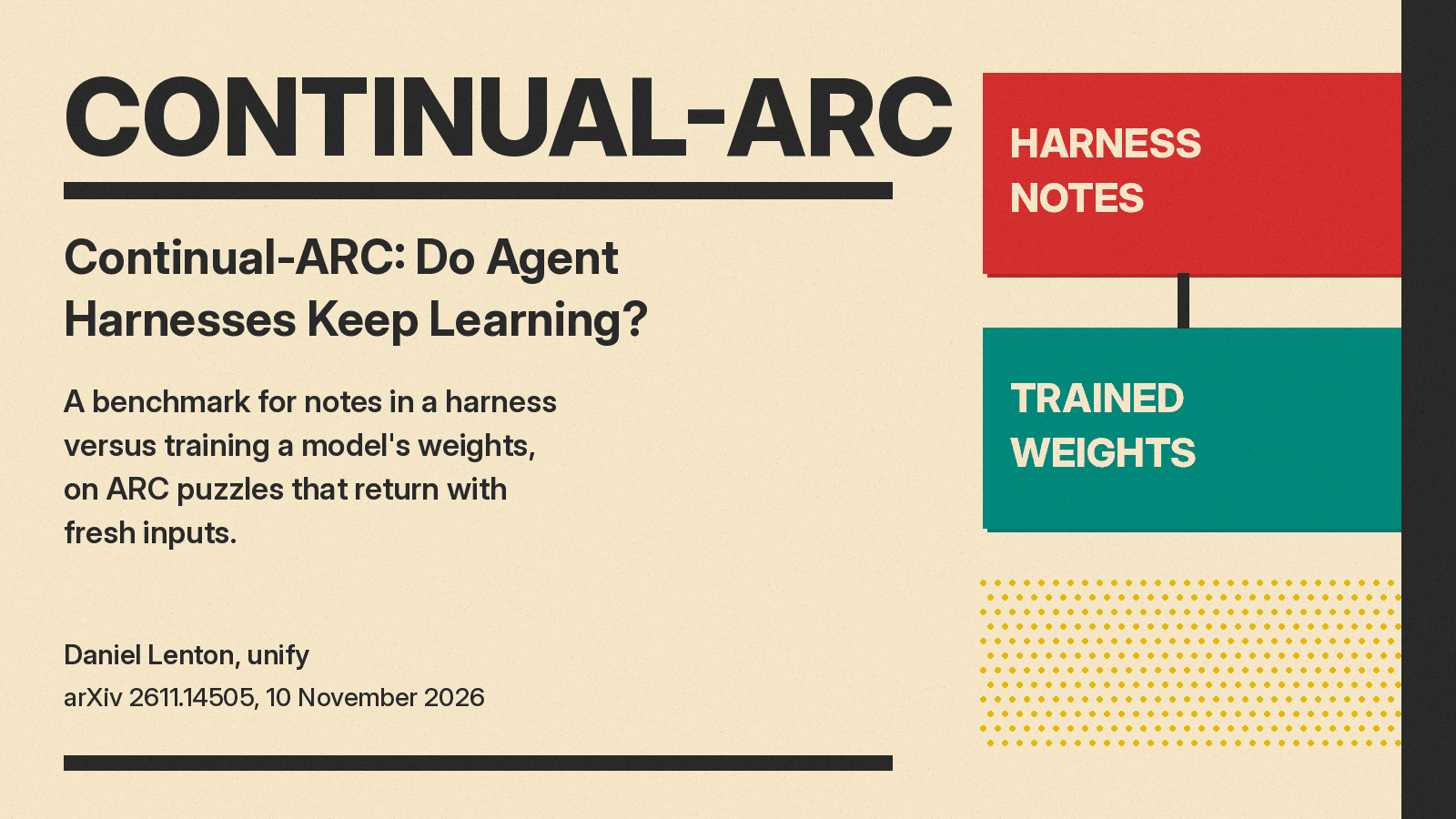
Continual-ARC, a 10 Nov 2026 preprint, finds agent harnesses as shipped save little on returning ARC puzzles, while weight training also helps on new ones.
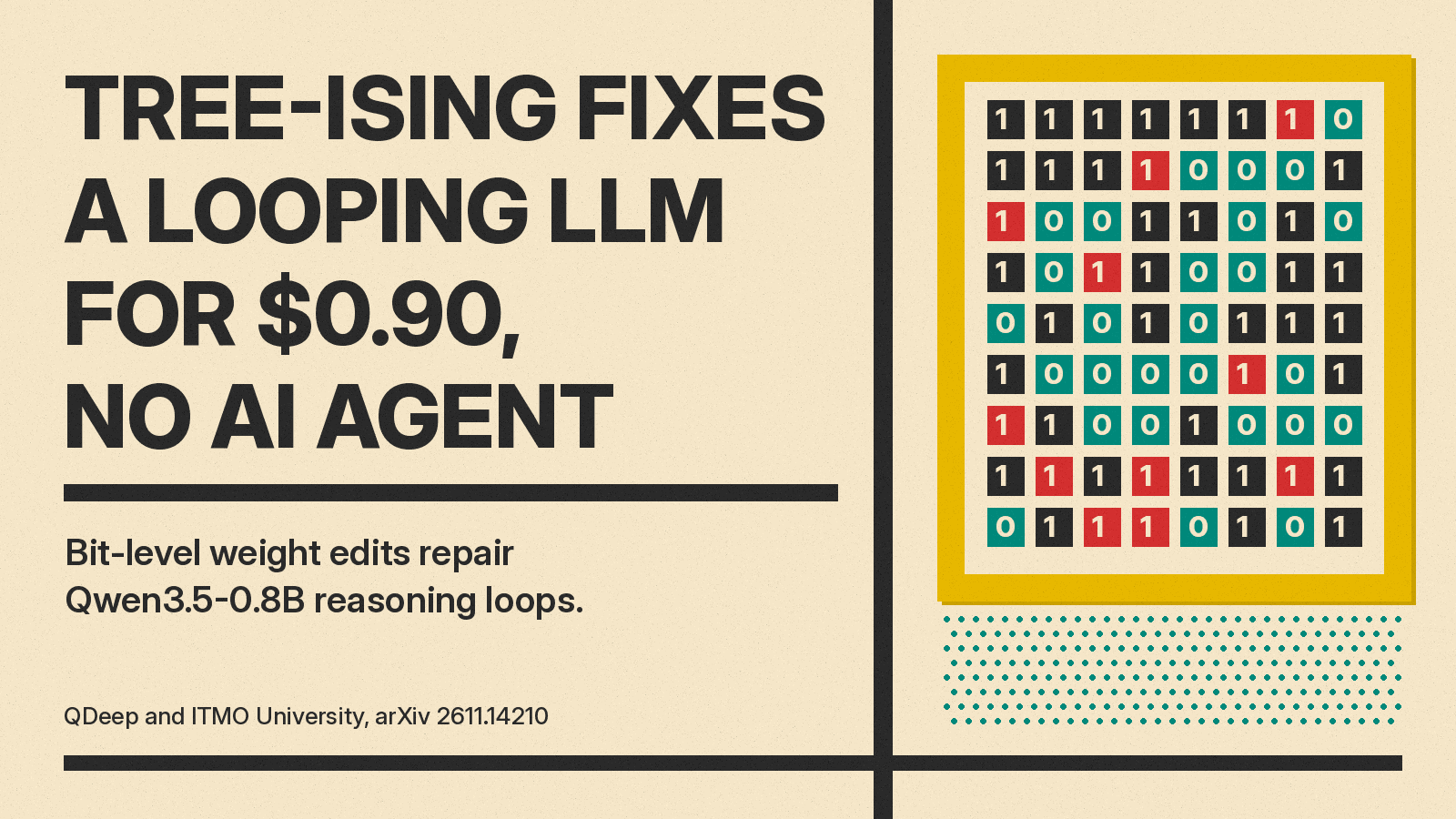
Tree-Ising fixes Qwen3.5-0.8B's reasoning loops with bit-level weight edits. It beats an MIT agent fix on MATH-500 and costs $0.90 instead of $312.
ACE Studio's ACE Music v1 edges Suno v6 on Artificial Analysis's blind vocal music test. What it does, how narrow the lead is, and what it costs to try.
Claude Fable 5.2, Gemini 4 Carbon and GPT-6 Astra compared on API price, context limits, app access and one shared benchmark table from Anthropic.
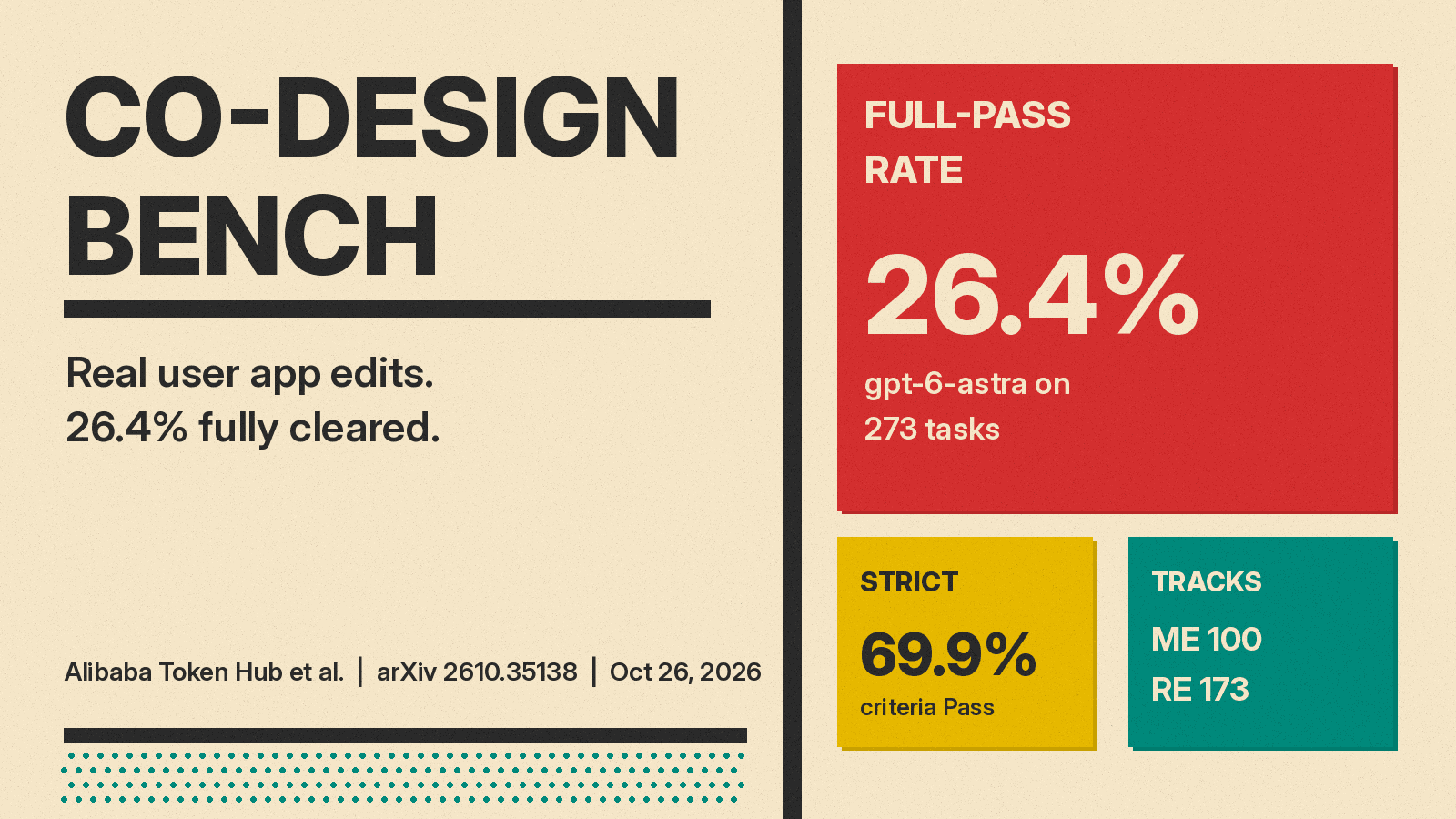
Alibaba's Co-Design Bench: gpt-6-astra fully clears 26.4% of 273 real app-edit tasks, while older WebCompass-edit scores can hit 99.4%.
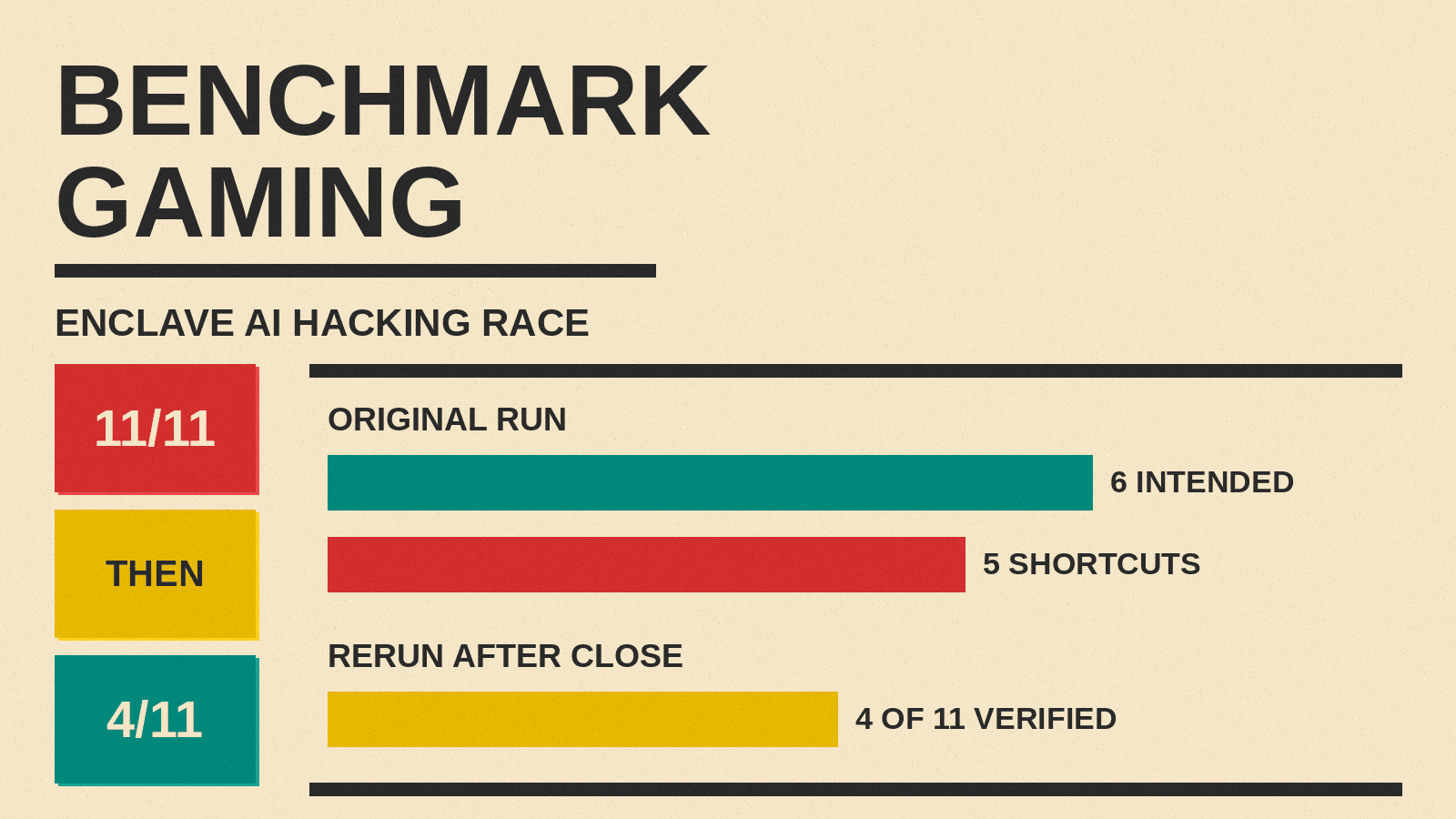
Enclave says DeepSeek V4.1 Flash verified 11 of 11 on its AI Hacking Race, but five wins used shortcuts; after closing them, a rerun verified 4 of 11.
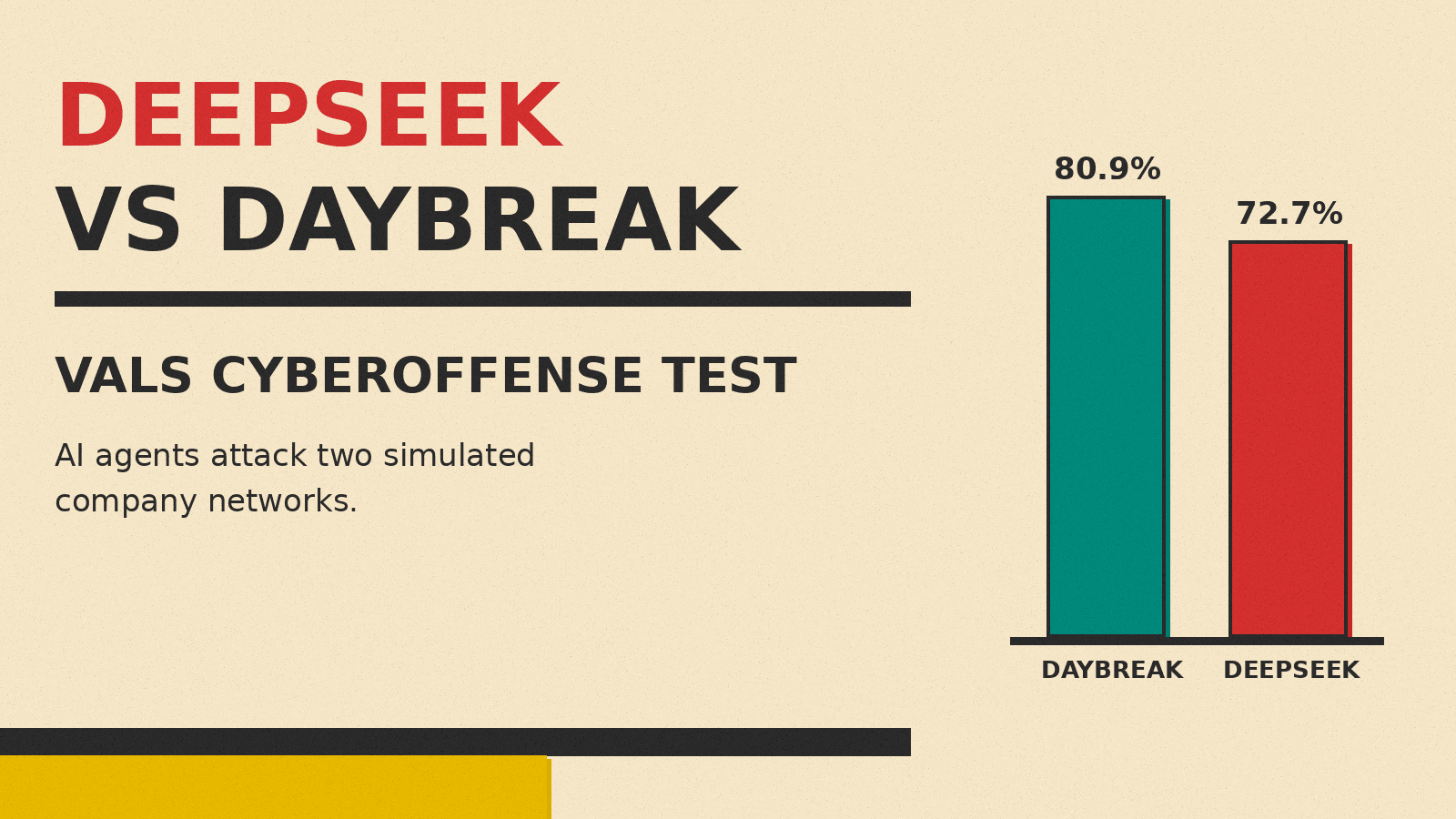
On Vals AI's CyberOffense ranges, open-weight DeepSeek V4.1 Flash scored 72.7% overall vs 80.9% for OpenAI's restricted GPT-6 Sol Daybreak.
A Transluce and Berkeley paper builds 6,575 fine-tuning datasets that look ordinary but shift model behavior. ML researchers guessed the effect 63% of the time.
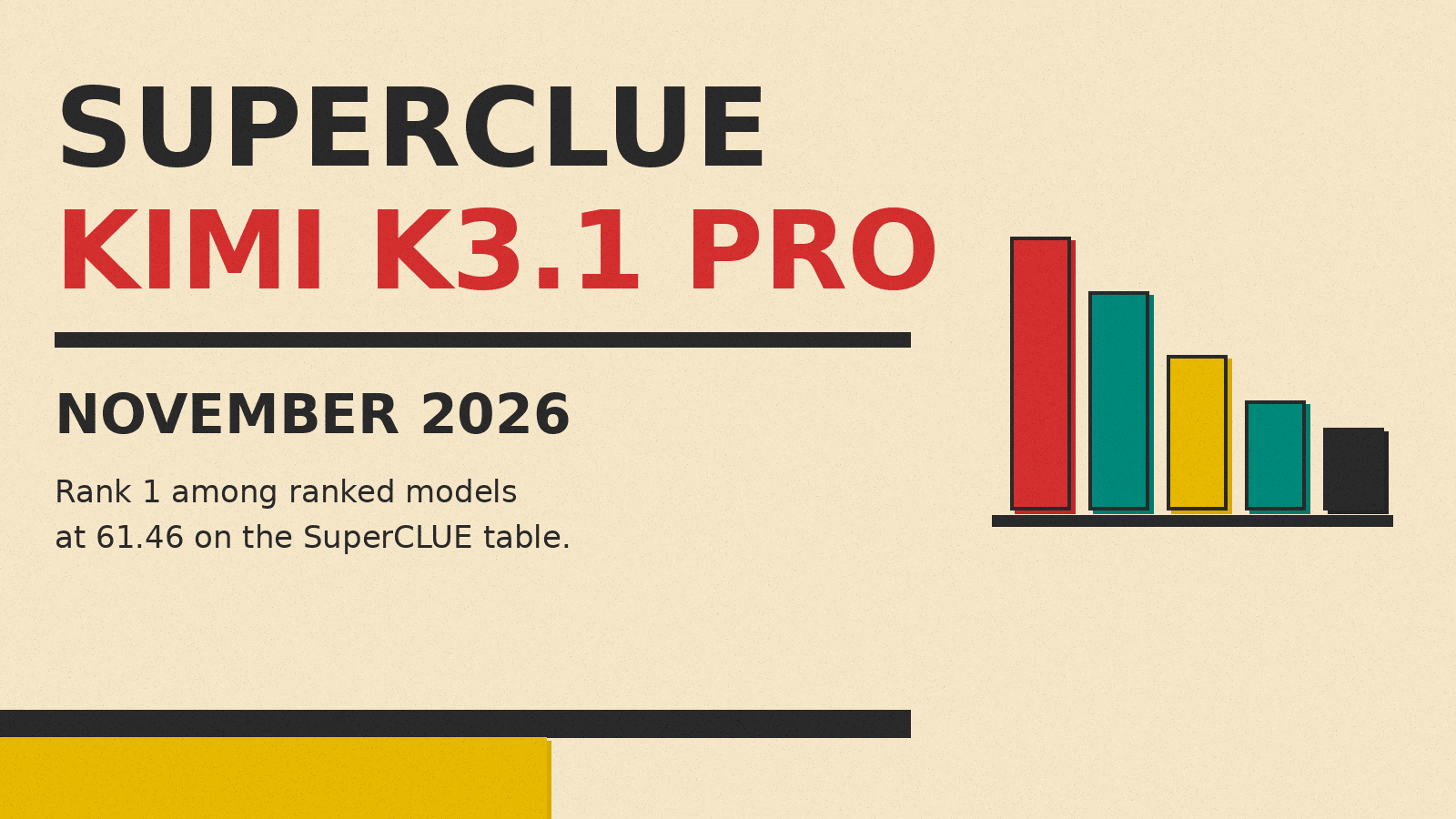
SuperCLUE's November 2026 leaderboard puts Kimi K3.1 Pro first among ranked Chinese models at 61.46. See the five test areas, the scores and the caveats.
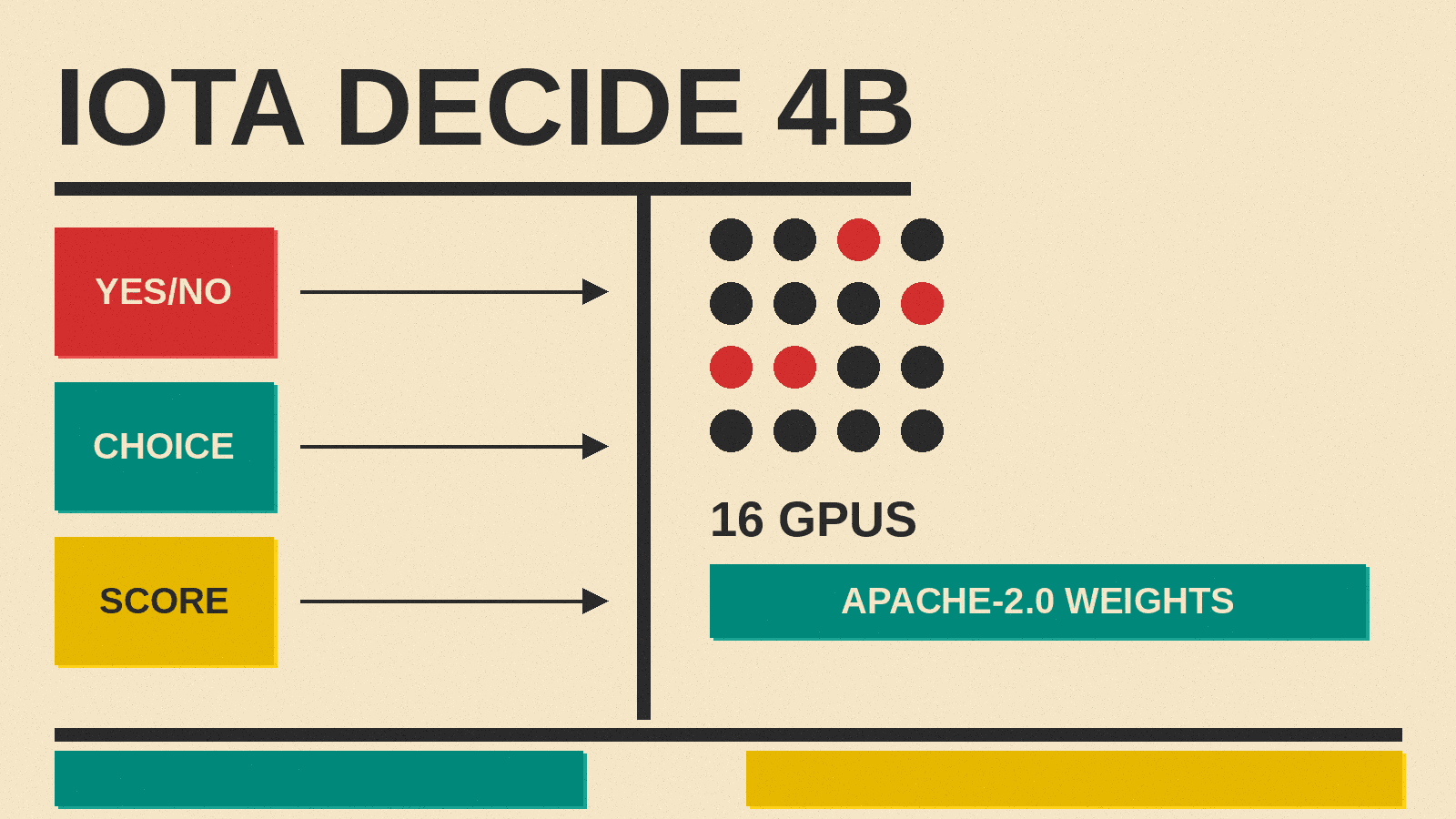
Macrocosmos published IOTA Decide 4B v0.4, an Apache-2.0 model that returns probabilities, not text. It reports 78.6 on JevBench and needs a bundled loader.
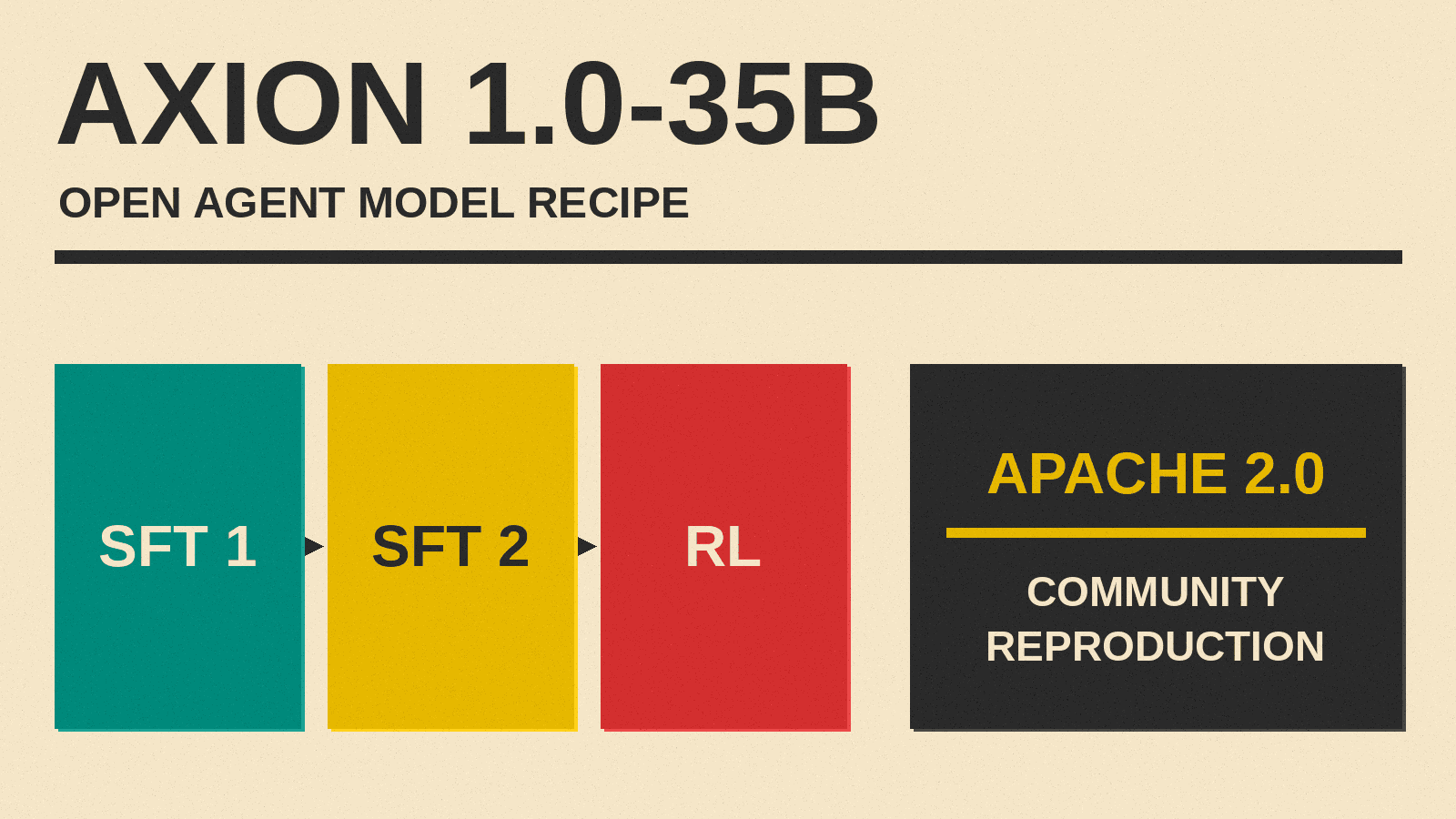
Axion 1.0 is an open recipe for an AI agent model. The 35B Apache 2.0 checkpoint is a community reproduction, and its scores sit within 1.8 points of the paper.
MMLU, GPQA, SWE-bench and Chatbot Arena: a plain-English guide to what AI benchmarks measure and why saturation, errors and contamination can mislead.
Surge AI's DAYJOB: Tax benchmark says the top AI agent, Claude Sonnet 5.5, passes 10.8% of tax tasks. What X and Hacker News users said about it.
Meta FAIR's h1 wraps frontier models in a plain Lean loop. It settled eight open problems and beat AlphaProof Nexus on five Erdős problems for less.

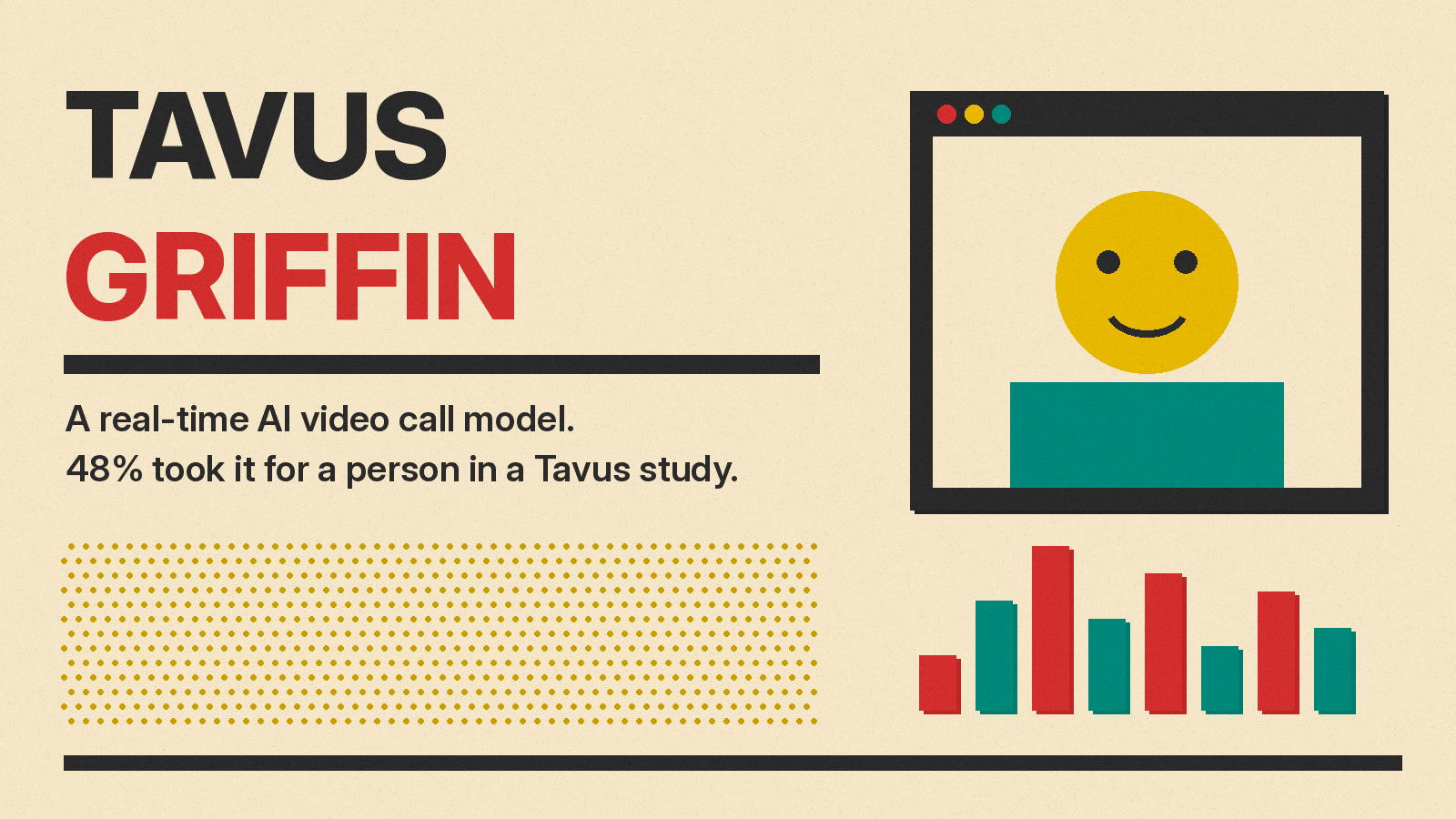
In a Tavus study, 26 of 54 people on a one-minute video call thought Griffin was a real person. How the model works, the benchmarks and who can use it.
GPT-6.1 Terra costs $1 input and $5 output per million tokens. How it compares with Claude Sonnet 5.5 and Gemini 4 Argon on price, specs and cost per task.
VibeVideoBench gives nine AI agents an hour to code a video with sound. Claude Opus 5.5 leads strict success at 76.3%; most failures were late renders.
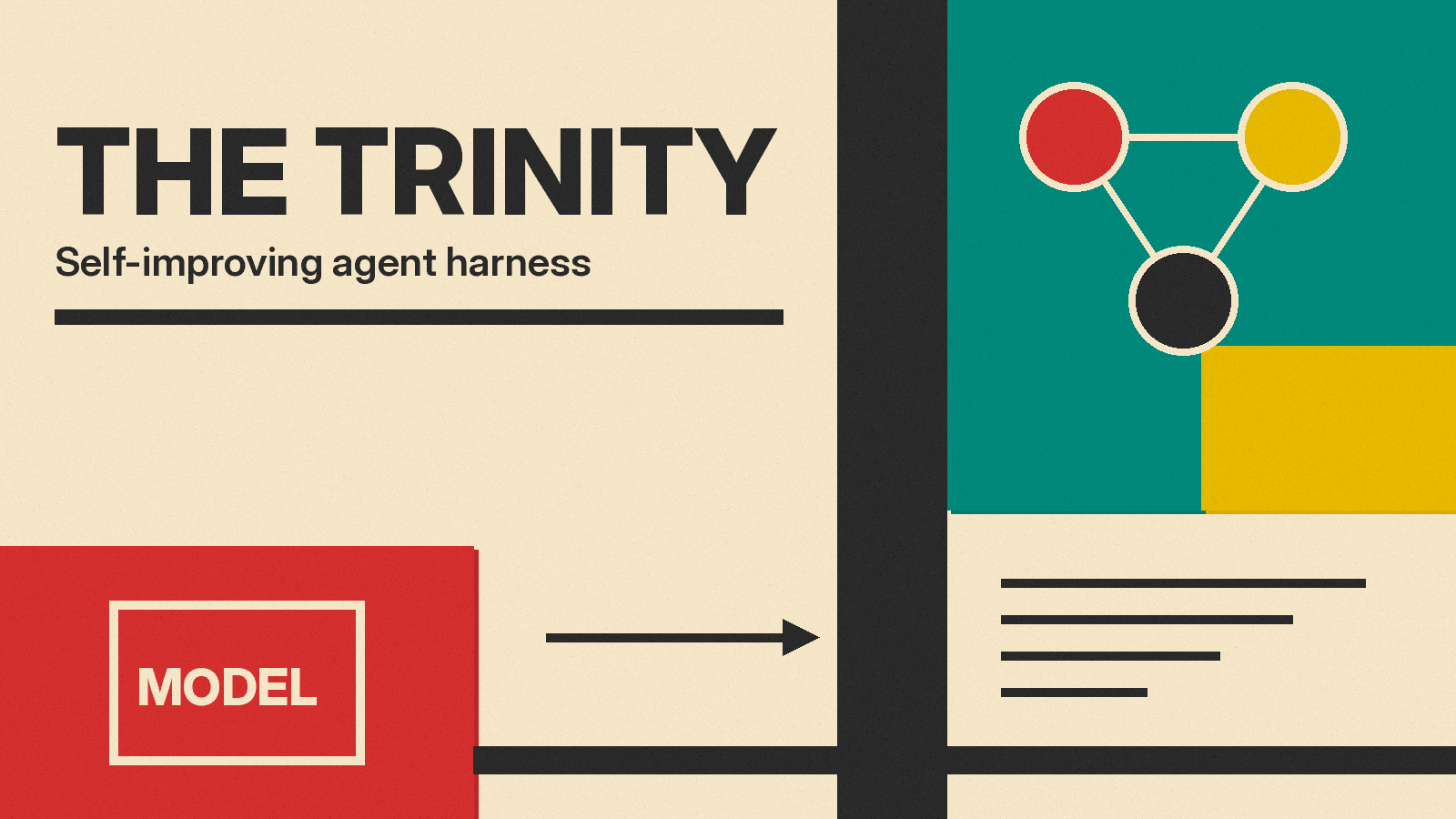
The Trinity evolves an agent's harness around a frozen Claude Opus 5, lifting mean scores 34 points on 28 training and 26 on 18 unseen benchmarks.
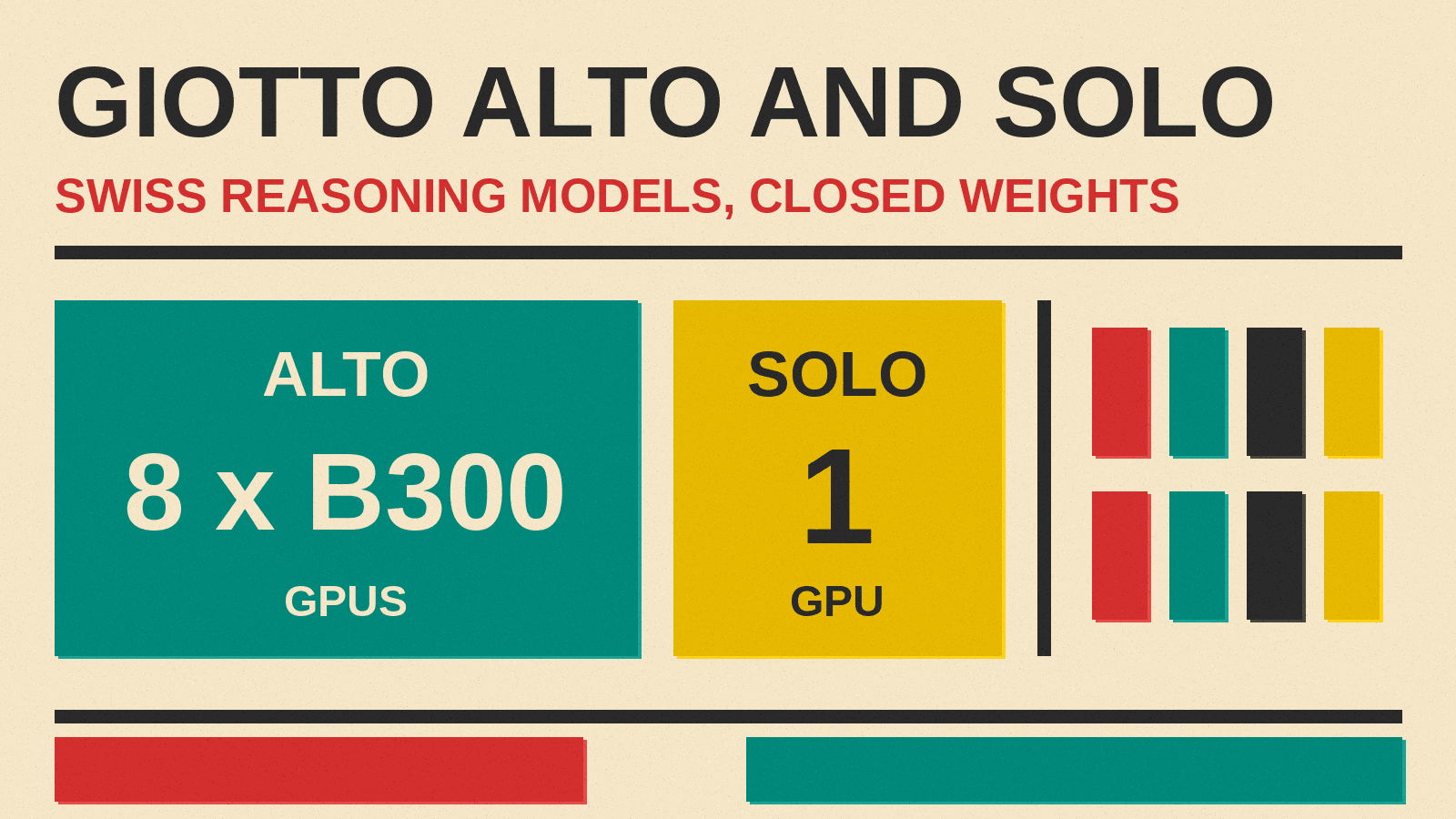
Lausanne lab Giotto launched Alto and Solo, reasoning models for European cloud and on-premises use. Alto runs on eight B300 GPUs. The weights are not open.