Subscribe
Topic / page 3

Engineering

Articles, page 3

41-60
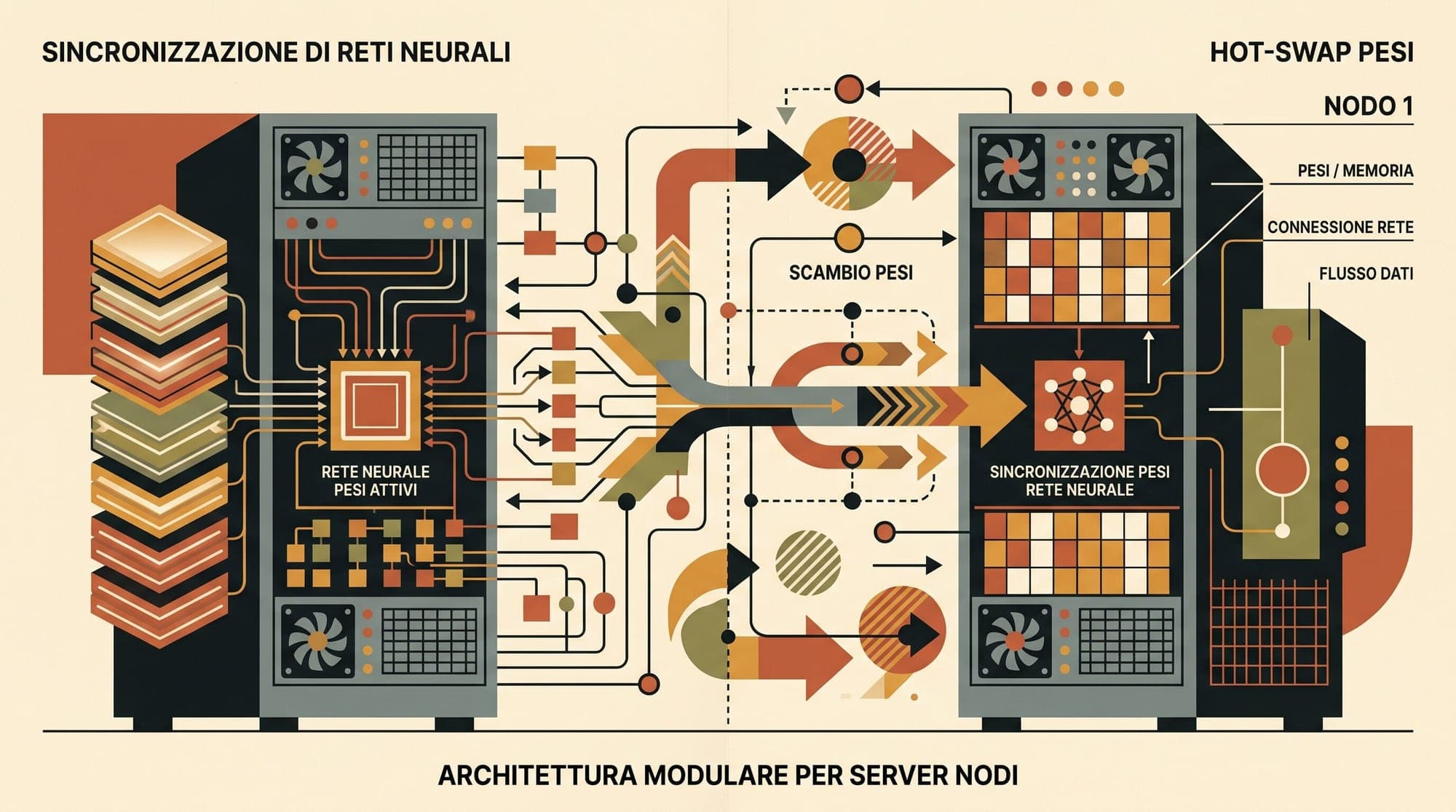
  1. Zero-Downtime Model Updates in Production LLM Serving: In-Place Weight Transfer, CUDA IPC vs. NCCL Syncing, and Traffic Draining Architectures

    Zero-Downtime Model Updates in Production LLM Serving: In-Place Weight Transfer, CUDA IPC vs. NCCL Syncing, and Traffic Draining Architectures In high-throughput LLM serving infrastructure, updating model checkpoints presents a severe operational dilemma. Traditional microservice deployment patterns such as blue-green deployments or rolling pod restarts fail to scale economically when applied to multi-GPU LLM clusters. Tearing down a serving instance to load a newly fine-tuned checkpoint or pol
    AI
    6 min read
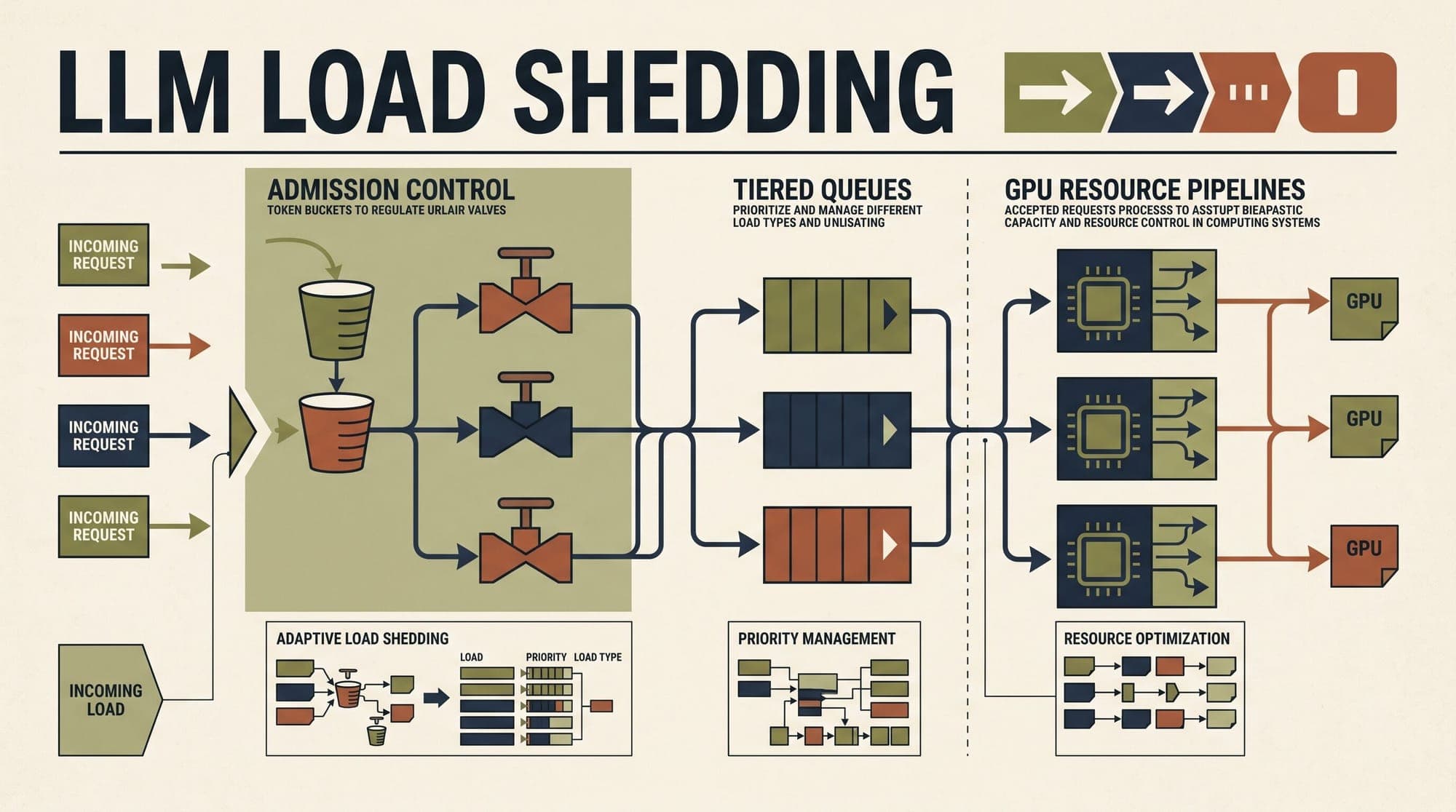
  2. LLM Load Shedding and Overload Control in Production: Adaptive Admission, Preemption Economics, and Graceful Degradation

    LLM Load Shedding and Overload Control in Production: Adaptive Admission, Preemption Economics, and Graceful Degradation Standard web services rely on well-established overload protection patterns: reverse proxies monitor CPU utilization, memory thresholds, or static queue depths and reject excess HTTP requests with 429 Too Many Requests or 503 Service Unavailable status codes. When applied naively to Large Language Model (LLM) serving infrastructure, these conventional heuristics fail catastro

    LLM
    9 min read
  3. Language Server Protocol (LSP) in AI Coding Agents: Architecture, Symbol Indexing, and Compiler Diagnostic Feedback Loops

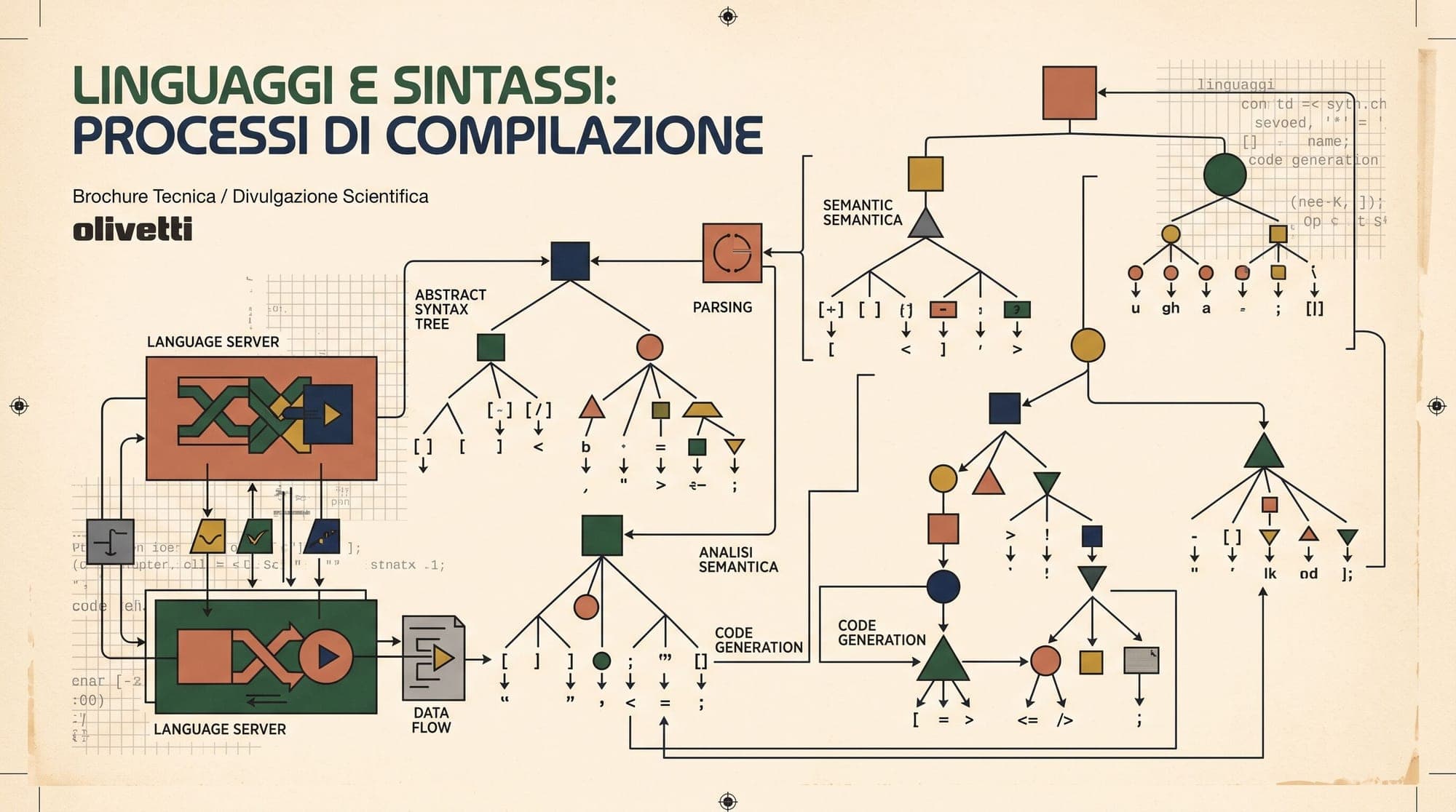
    Language Server Protocol (LSP) in AI Coding Agents: Architecture, Symbol Indexing, and Compiler Diagnostic Feedback Loops Autonomous coding agents frequently fail at multi-file refactoring and codebase navigation when relying solely on string-matching heuristics or raw file ingestion. Text-based search tools such as ripgrep locate literal tokens but cannot resolve type hierarchies, overloaded function names, or cross-module call graphs. In contrast, feeding entire directories into large languag

    AI
    5 min read
  4. Circuit Breakers and Graceful Degradation in Production AI Systems: Architecture, Failure State Machines, Fallback Cascades, and Dead-Letter Queues

    Circuit Breakers and Graceful Degradation in Production AI Systems: Architecture, Failure State Machines, Fallback Cascades, and Dead-Letter Queues Running LLM inference and multi-agent workflows in production introduces failure dynamics distinct from traditional microservice architectures. While standard REST APIs typically fail with deterministic status codes and predictable latency profiles, generative AI applications face multi-dimensional failure vectors: provider outages, regional rate li

    AI
    7 min read
  5. Tool-Call Caching in Production AI Agents: Architecture, State Invalidation, and Latency Economics

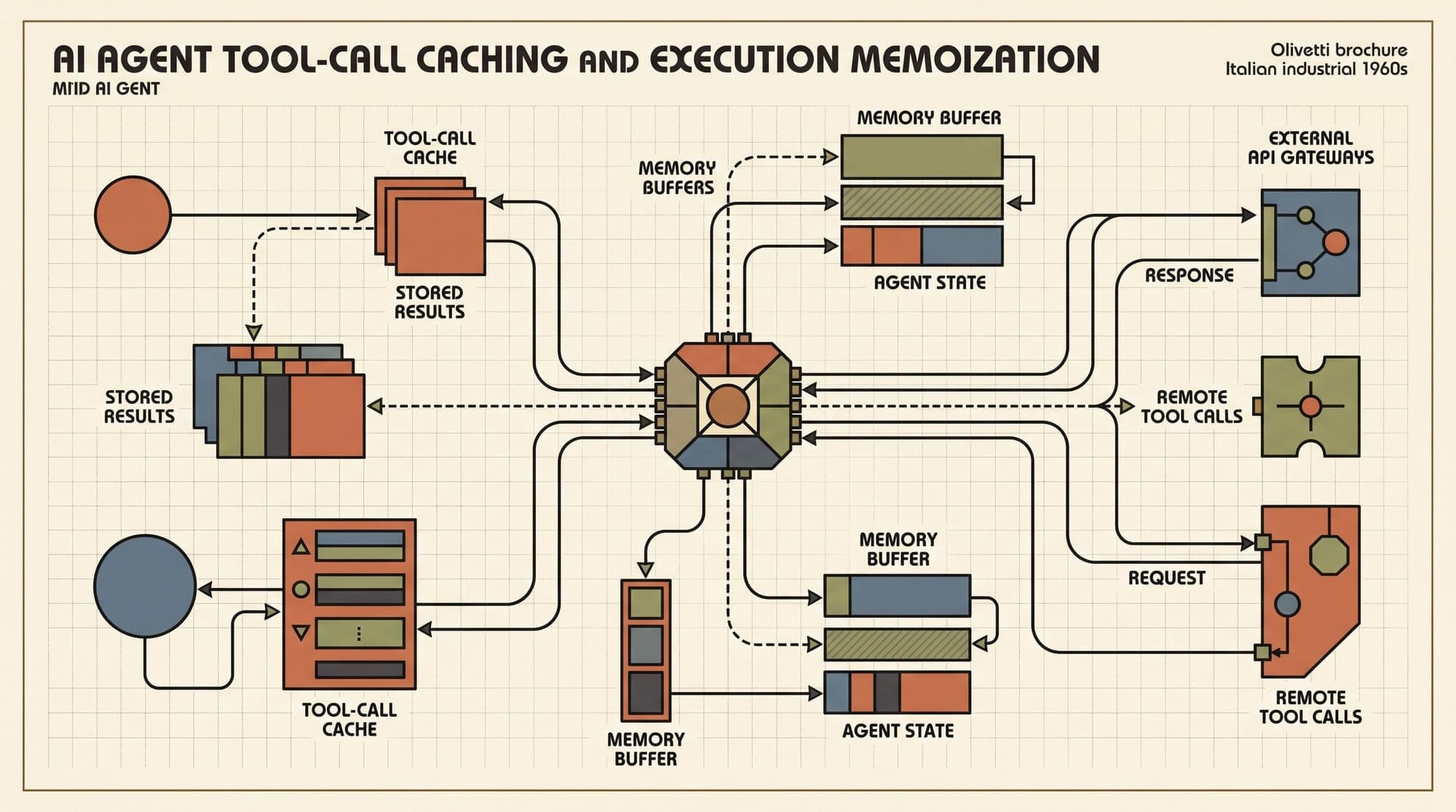
    In multi-turn agentic architectures such as ReAct, plan-and-solve swarms, and autonomous coding runtimes, large language models spend significant time waiting on external tool execution. While prompt caching and prefix KV-cache reuse have reduced inference costs for repeated prompt contexts, they do not optimize the downstream execution layer. When an agent queries a database, scrapes a webpage, executes a sandboxed bash command, or retrieves embeddings, external tool latency frequently accounts

    AI
    6 min read
  6. Asynchronous Batch Inference in Production: Architecture, Queue Scheduling, and Cost Arbitrage

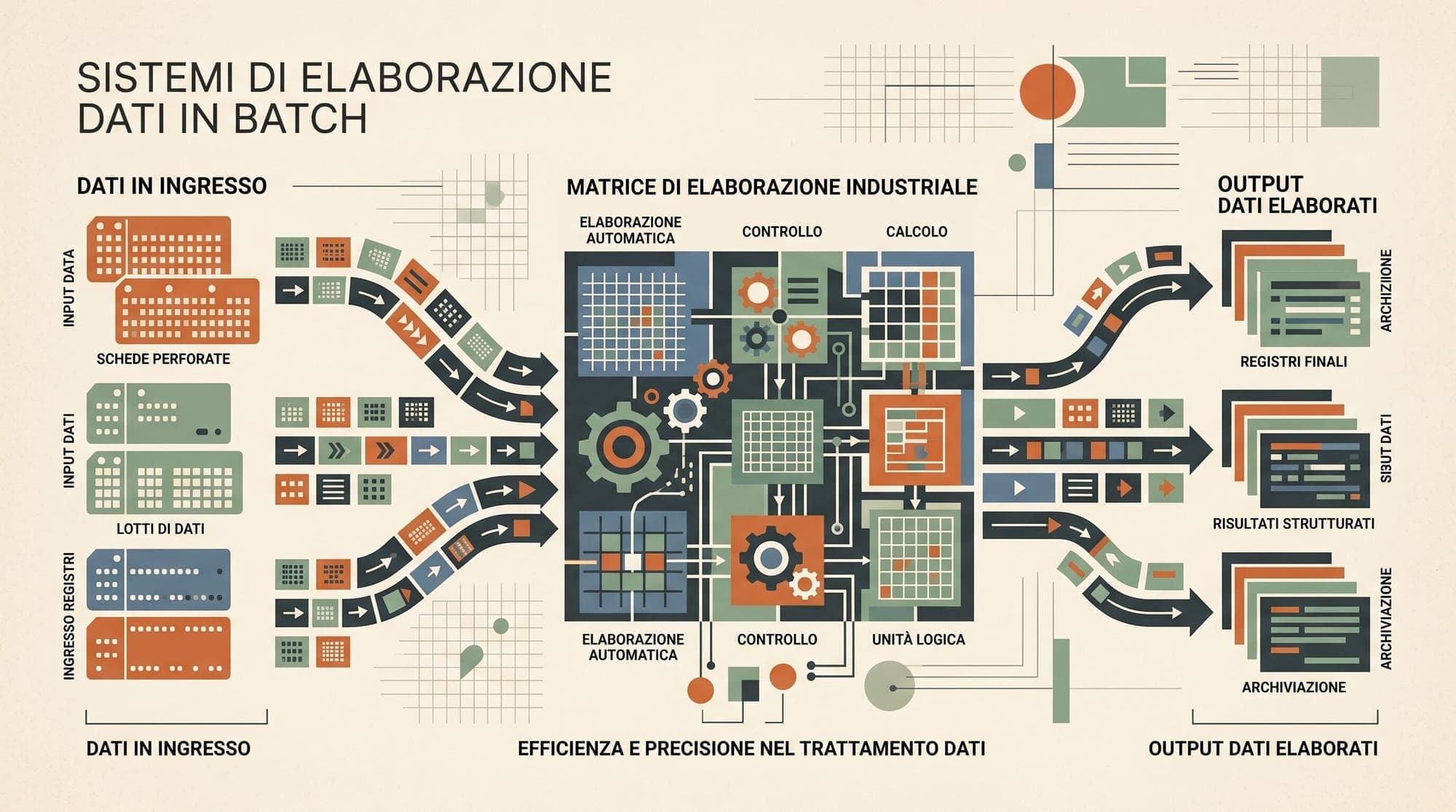
    Asynchronous Batch Inference in Production: Architecture, Queue Scheduling, and Cost Arbitrage Interactive AI applications require low Time-to-First-Token (TTFT) and high inter-token generation speed to maintain responsive user experiences. Achieving sub-second latency targets forces infrastructure teams to overprovision GPU capacity to absorb peak demand spikes. However, non-interactive production workloads (such as historical document processing, embedding generation, nightly model evaluation

    LLM
    7 min read
  7. Vision-Language Model Serving in Production: Visual Token Pruning, Encoder Caching, Dynamic Resolution, and Inference Economics

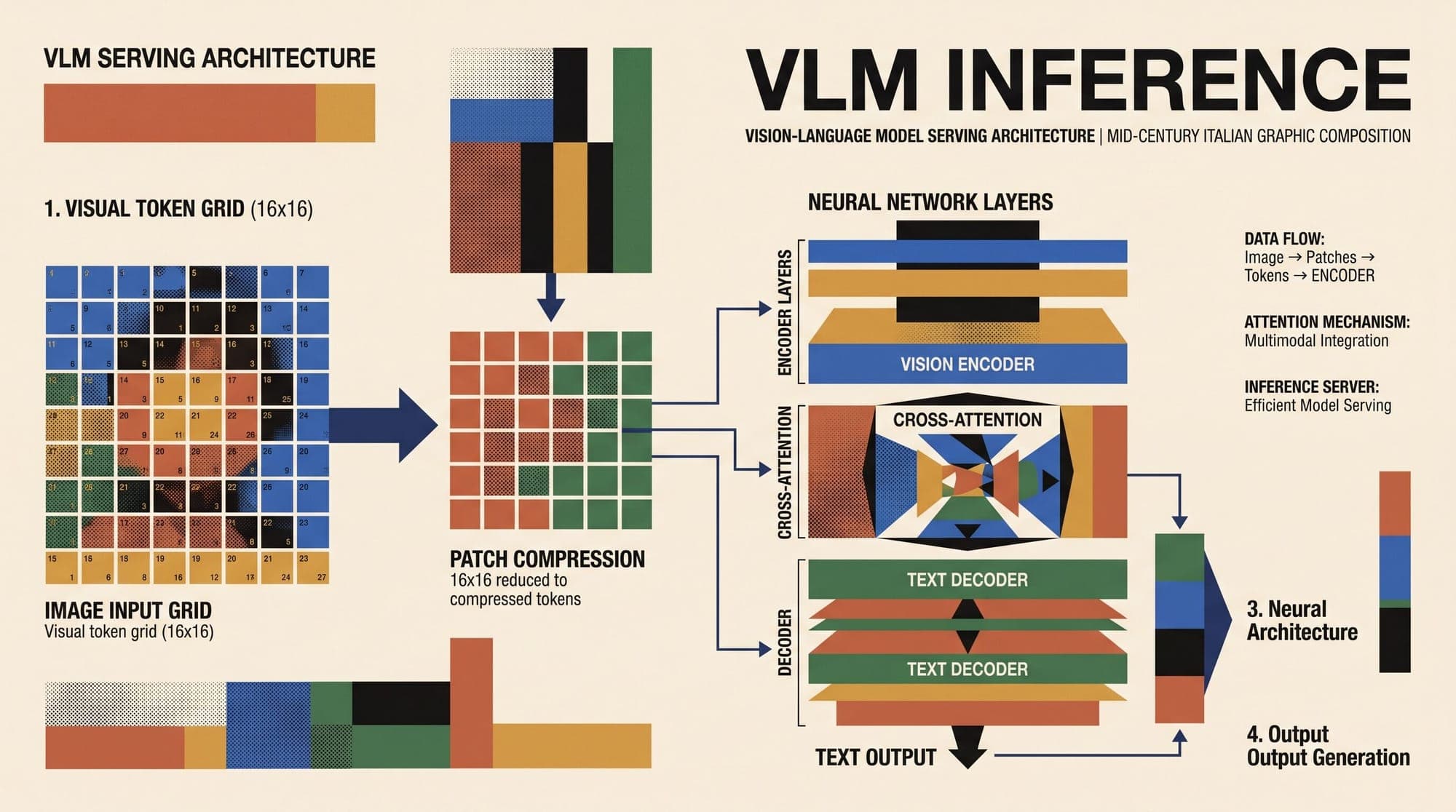
    Deploying Vision-Language Models (VLMs) into high-concurrency production environments introduces a distinct set of systems bottlenecks that text-only large language models do not exhibit. While text models ingest prompts with compact token densities, visual inputs require processing high-dimensional pixel arrays through vision encoders, expanding a single image into hundreds or thousands of visual tokens before autoregressive generation begins. In production architectures running models such as

    AI
    8 min read
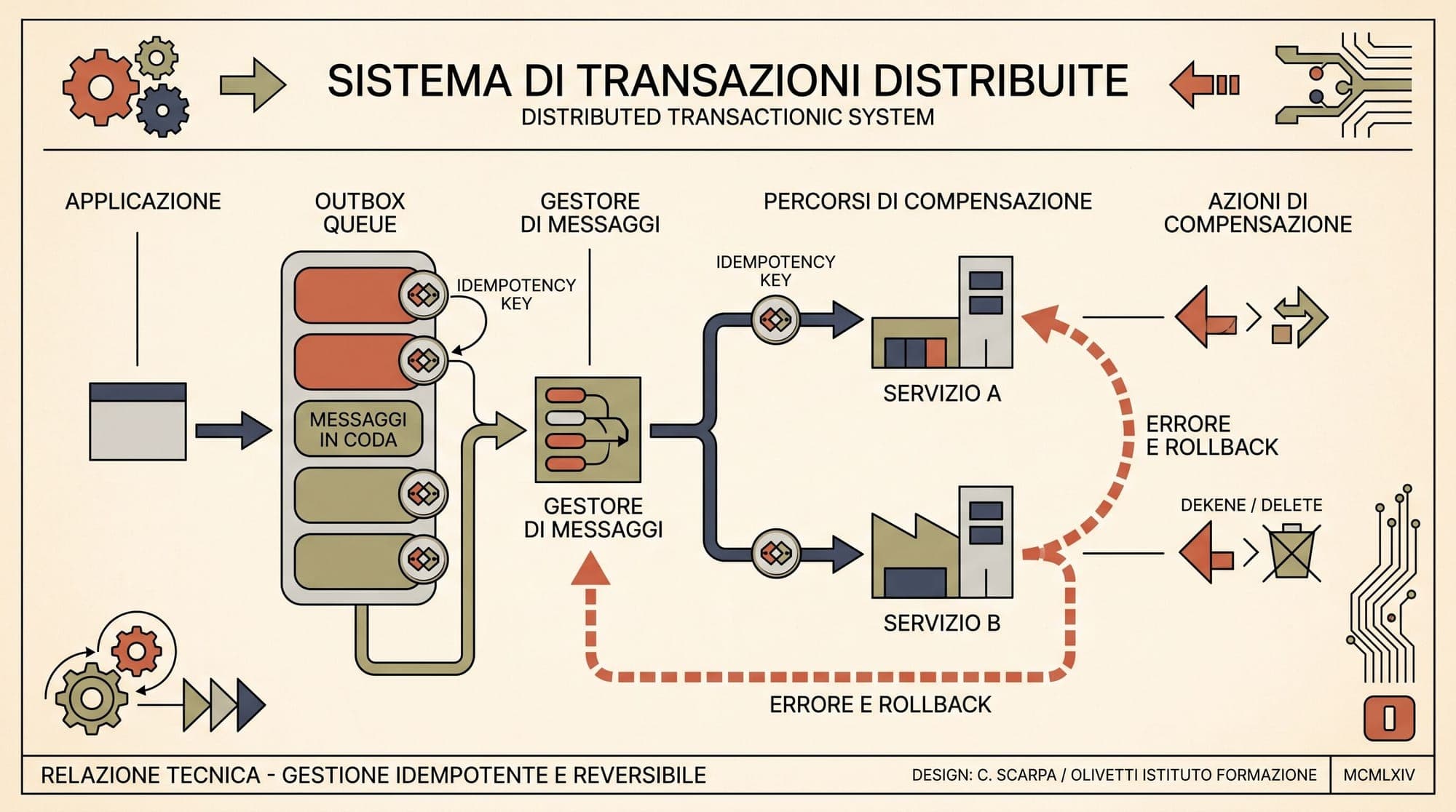
  8. Idempotency and Side-Effect Safety in Production AI Agents: Transactional Outboxes, Distributed Sagas, and Compensating Actions

    Autonomous AI agents interacting with real-world infrastructure frequently execute irreversible side-effects: charging payment methods, provisioning cloud servers, sending external webhooks, and modifying production databases. While traditional microservices rely on deterministic business logic and predictable retry policies, Large Language Model (LLM) agents operate probabilistically. An agent faced with a transient network drop, an HTTP 504 Gateway Timeout, or context window compaction can re-

    AI
    7 min read
  9. Speculative RAG in Production: Architecture, Multi-Perspective Sampling, and Draft Verification Trade-Offs

    Standard Retrieval-Augmented Generation (RAG) pipelines face an escalating trade-off between retrieval recall and inference latency. To ensure sufficient coverage for ambiguous or complex knowledge-intensive queries, production systems commonly ingest between 10 and 20 candidate passages per query. However, concatenating large document sets directly into the prompt context of a large language model introduces severe bottlenecks: quadratic attention scaling during the prefill phase, elevated Time

    Architecture
    7 min read
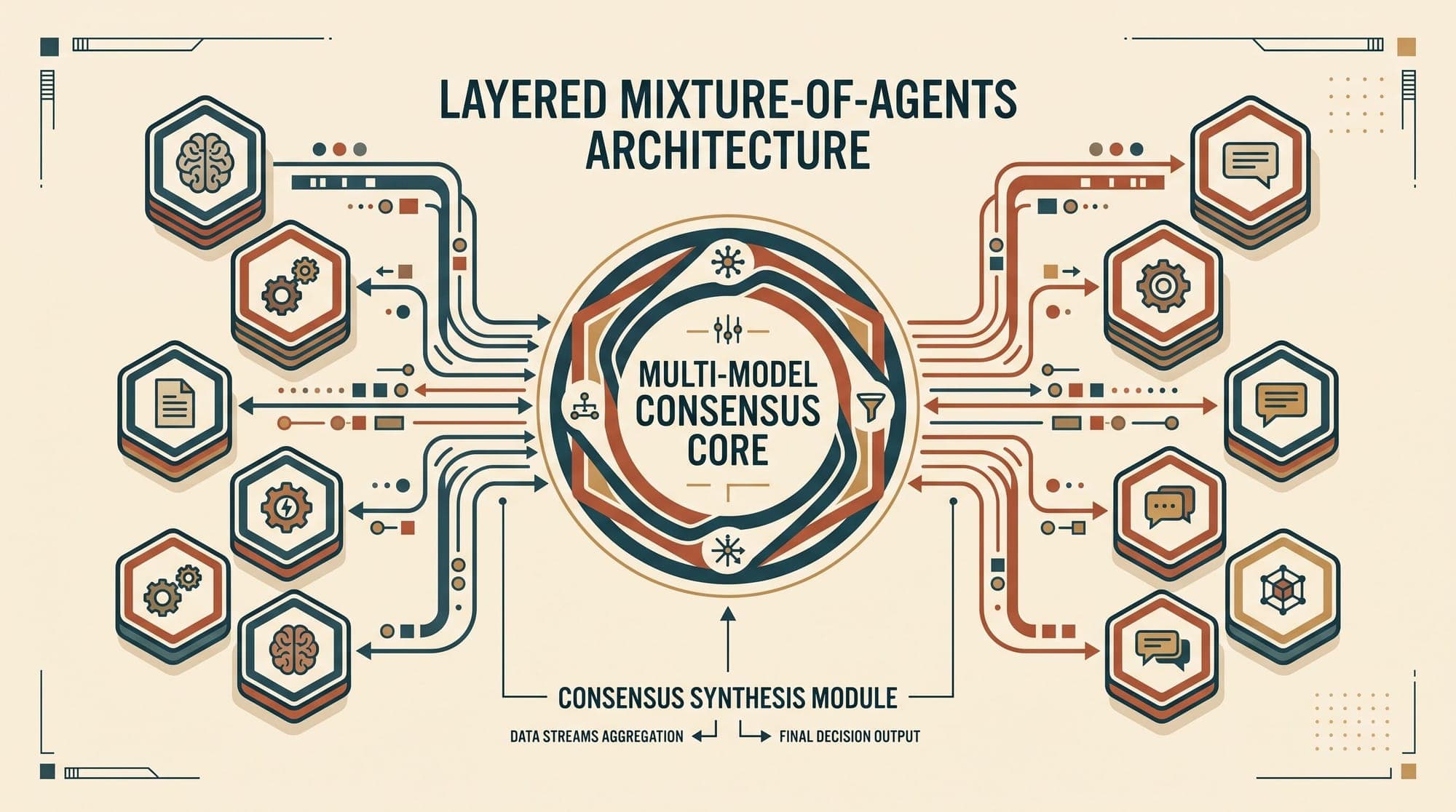
  10. Mixture-of-Agents and Multi-LLM Consensus in Production: Architecture, Layered Synthesis, Latency Budgets, and Cost Trade-Offs

    Single frontier models face physical and economic scaling limits. While model developers continue to scale pre-training compute and post-training reinforcement learning, individual foundation models still exhibit persistent failure modes: domain blind spots, subtle reasoning hallucinations, and inconsistent instruction adherence. To break past the performance ceilings of single models, production engineering teams increasingly deploy multi-model ensemble architectures. The most prominent of the

    AI
    7 min read
  11. LLM Output Calibration and Uncertainty Estimation in Production: Token Entropy, Semantic Clustering, and Risk-Controlled Abstention

    Production deployments of large language models frequently fail not because models lack capability, but because they lack reliable uncertainty estimation. Autoregressive language models generate hallucinations with the exact same fluent, assertive cadence as verified ground truth. When an enterprise application relies on downstream actions, database writes, or customer-facing advice, uncalibrated generations introduce severe operational risk. Treating raw token probabilities as calibrated confi

    AI
    6 min read
  12. Deterministic Replay for Production AI Agents: Architecture, Event Sourcing, and State Playback

    Deterministic Replay for Production AI Agents: Architecture, Event Sourcing, and State Playback Debugging multi-step autonomous AI agents in production is notoriously difficult. Unlike traditional deterministic software systems where a stack trace and a fixed set of inputs reproduce an error, autonomous agent workflows suffer from compound non-determinism across multiple infrastructure layers. A failure occurring at step 24 of a coding or research agent cannot reliably be reproduced simply by r

    AI
    6 min read
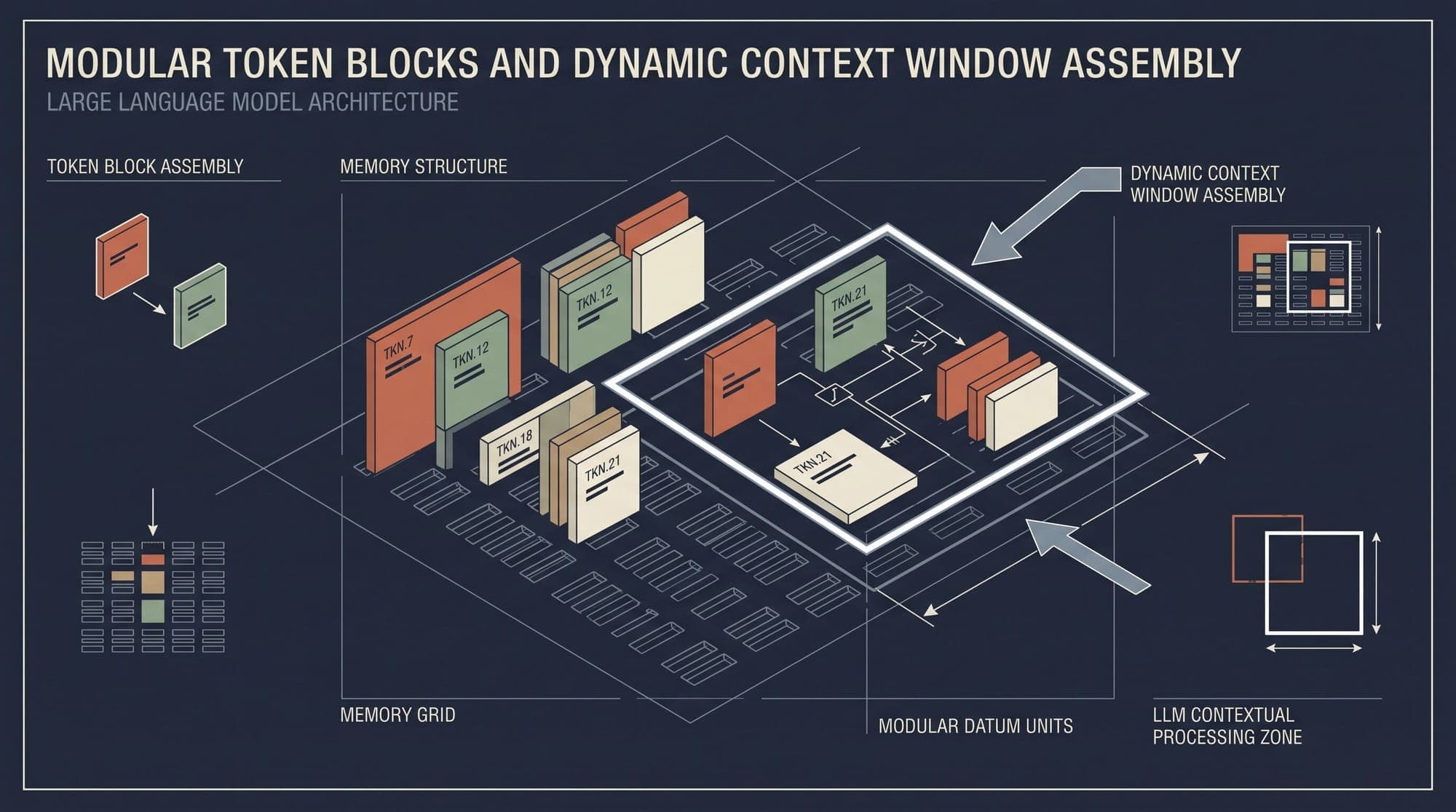
  13. Dynamic Context Assembly and Token Budget Allocation in Production: Priority Packing, Prefix Cache Alignment, and Degradation Fallbacks

    In production large language model systems, prompt construction is frequently treated as simple string concatenation. Engineers assemble system instructions, tool schemas, retrieved document snippets, memory state, and multi-turn conversational history using template strings. In low-throughput prototypes, this approach functions adequately. In high-throughput production systems and multi-agent workflows, naive assembly introduces critical failure modes: abrupt context window overflows triggering

    LLM
    6 min read
  14. Pre-Training Data Curation at Trillion-Token Scale: Comparing Datatrove, NeMo Curator, and Data-Juicer 2.0

    Preparing multi-trillion-token corpora for foundation model pre-training has become one of the most resource-intensive infrastructure challenges in modern artificial intelligence. While distributed training frameworks like Megatron-LM and TorchTitan have standardized model parallelism across GPU clusters, the upstream data engineering stack often remains fragmented across ad-hoc scripts, unoptimized Spark jobs, and brittle bash wrappers. Raw web dumps from Common Crawl contain massive quantitie

    AI
    8 min read
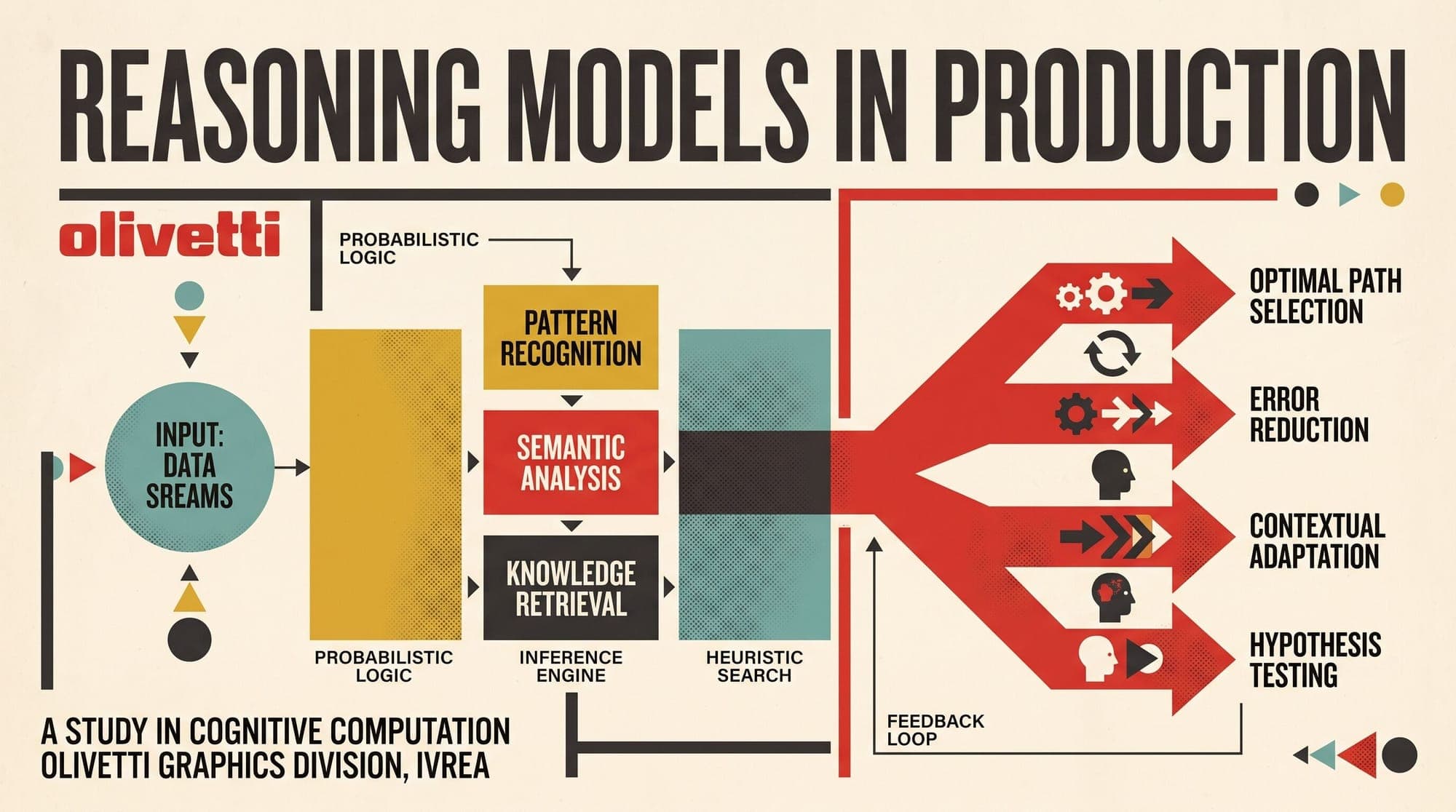
  15. Reasoning Models in Production: Architecture, Thinking-Token Management, Latency Budgets, and Downstream Agent Handoffs

    Reasoning Models in Production: Architecture, Thinking-Token Management, Latency Budgets, and Downstream Agent Handoffs The deployment of frontier reasoning models, including DeepSeek-R1, OpenAI o1 and o3, and Anthropic Claude Extended Thinking, marks a fundamental shift in how inference compute is allocated. Rather than generating immediate autoregressive token streams directly to the user or downstream caller, reasoning models dedicate hundreds or thousands of intermediate tokens to planning,

    AI
    7 min read
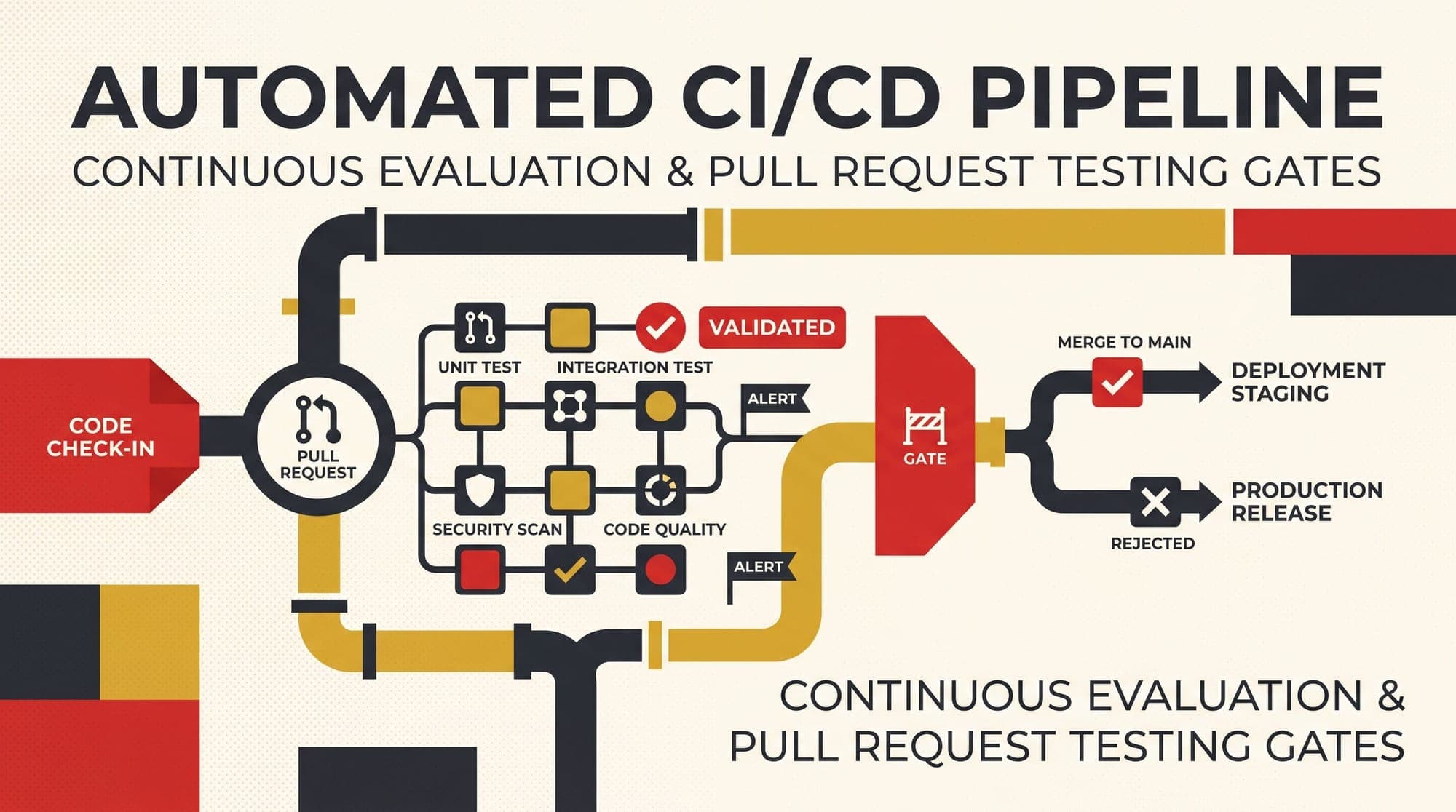
  16. CI/CD for LLM Applications: Automated Regression Testing, Golden Datasets, and Pull Request Quality Gates

    Deploying generative AI applications into production environments requires a fundamental shift in software quality assurance. Traditional continuous integration (CI) workflows rely on deterministic assertions: given a fixed input, a function must return an exact expected output. Large language models (LLMs) break this paradigm because their outputs vary across runs, token probabilities drift with prompt alterations, and natural language responses cannot be validated with binary equality checks.

    AI
    6 min read
  17. Speculative Tool Execution and Parallel Action Graphs in Production AI Agents: DAG Scheduling, Optimistic Concurrency, and Side-Effect Rollback

    Autonomous AI agents operating in complex environments (such as software engineering, scientific discovery, and automated workflow orchestration) face an operational bottleneck: execution latency. While foundation models have become faster at token generation, the standard agent interaction loop remains strictly serial. A model reasons, outputs a single tool call, halts generation, waits for the external environment to return a result, appends the output to context, and resumes reasoning. In mu

    AI
    5 min read
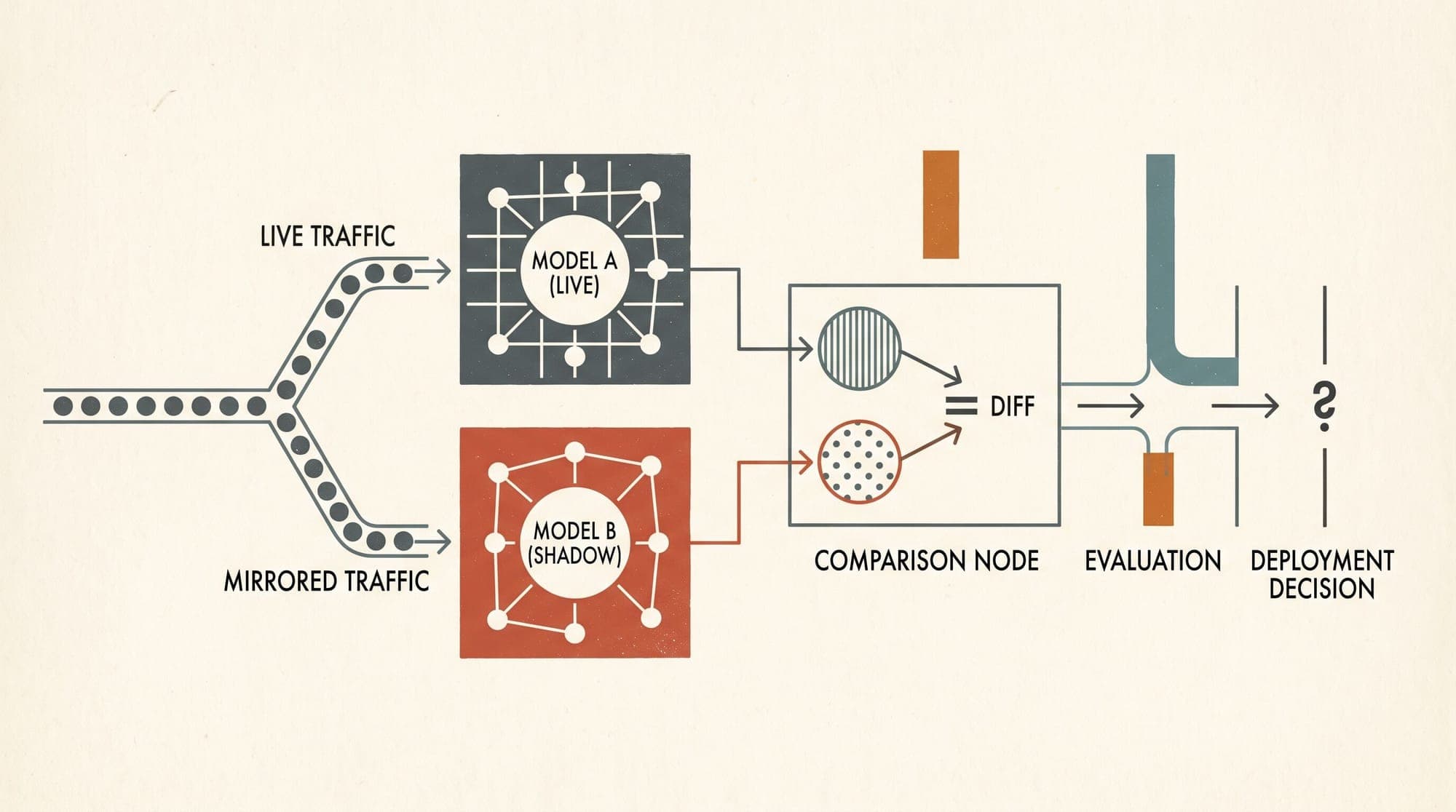
  18. Traffic Shadowing and Canary Deployments in Production: Architecture, Semantic Divergence, and Automated Rollbacks for LLM Upgrades

    Upgrading large language model pipelines in production presents an operational challenge distinct from traditional software deployments. In microservice architectures, canary deployments rely on deterministic signals: HTTP 5xx error rates, unhandled runtime exceptions, CPU saturation, and latency percentiles. When updating an LLM system (whether swapping a base model checkpoint, updating a system prompt, tweaking sampling hyperparameters, or attaching a newly fine-tuned LoRA adapter), the servic

    AI
    6 min read
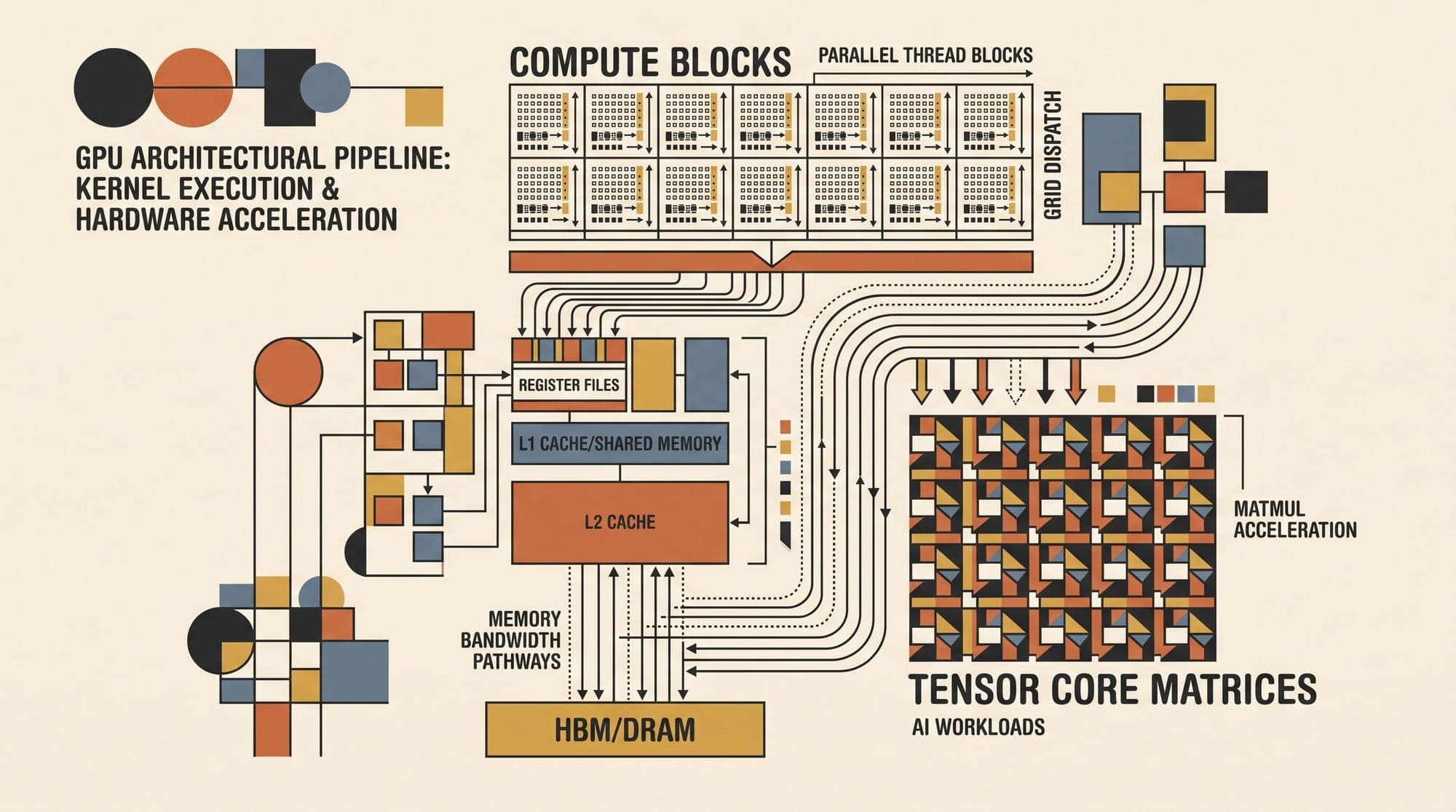
  19. Custom LLM Kernel Optimization in Production: Triton vs. CUDA C++ vs. torch.compile vs. CUTLASS

    Serving large language models at scale requires extracting maximum performance from modern GPU architectures like NVIDIA Ampere, Hopper, and Blackwell. While early production deployments relied on standard PyTorch eager execution and standard cuBLAS calls, high-throughput serving systems such as vLLM, SGLang, and TensorRT-LLM depend on specialized fused GPU kernels to eliminate memory bandwidth bottlenecks and saturate Tensor Cores. Engineering teams face four primary paradigms for kernel devel

    AI
    7 min read
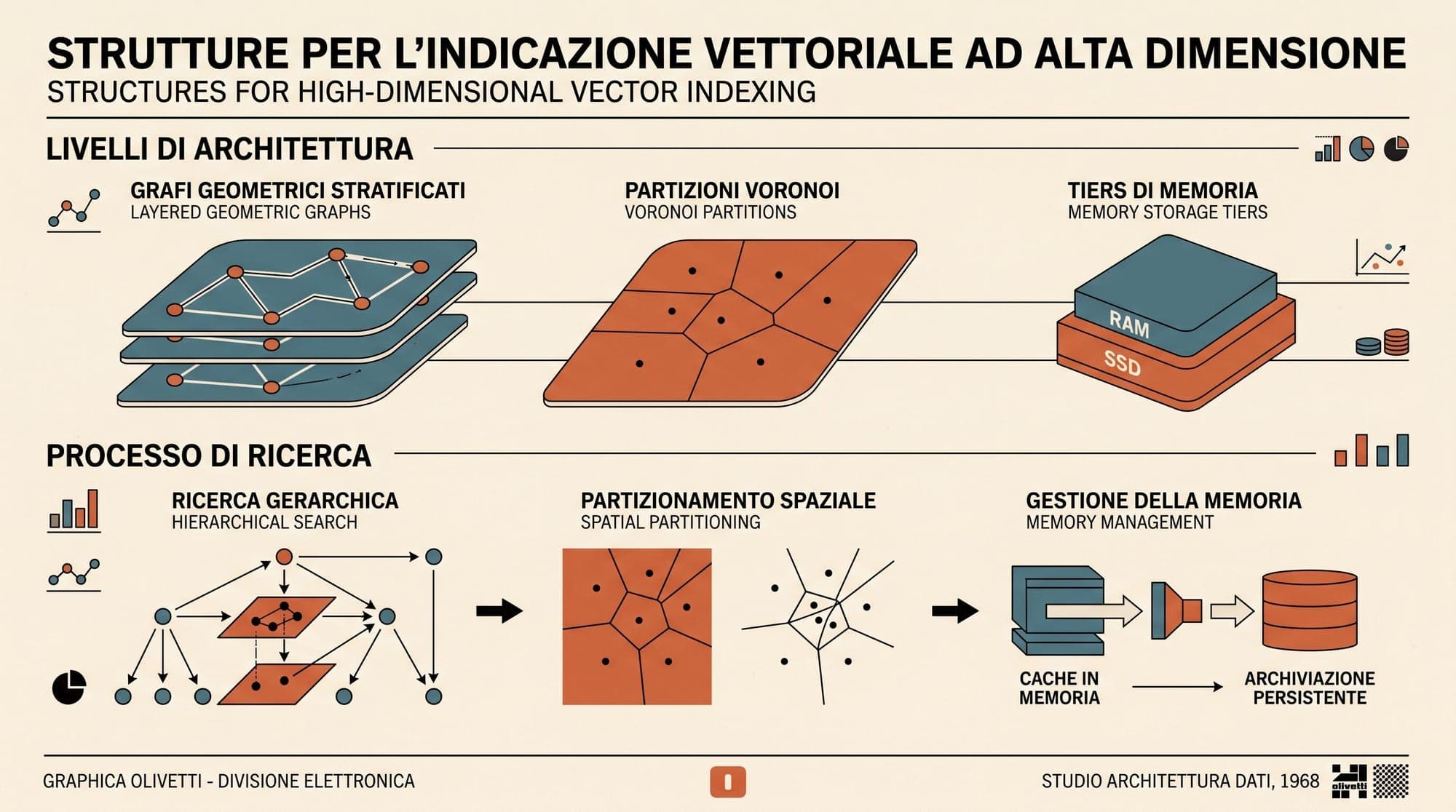
  20. Vector Indexing in Production: HNSW vs. DiskANN vs. IVF-PQ Architecture, Memory Footprint, and Search Economics

    Vector Indexing in Production: HNSW vs. DiskANN vs. IVF-PQ Architecture, Memory Footprint, and Search Economics Scaling vector search beyond prototype deployments exposes a fundamental tension across three competing constraints: retrieval recall, query latency, and memory footprint. In high-dimensional representation spaces, exact k-nearest neighbor search via brute-force flat scans requires $O(N \cdot d)$ floating-point operations per query. For a corpus of 100 million 1536-dimensional FP32 em

    AI
    7 min read