Brilliant Labs Halo Glasses: Noa, Privacy and Price
Brilliant Labs' Halo is a pair of $399 open-source AI glasses with a low-res sensor instead of a photo camera, plus Noa, an AI companion with plans from free to $39.99 a month.
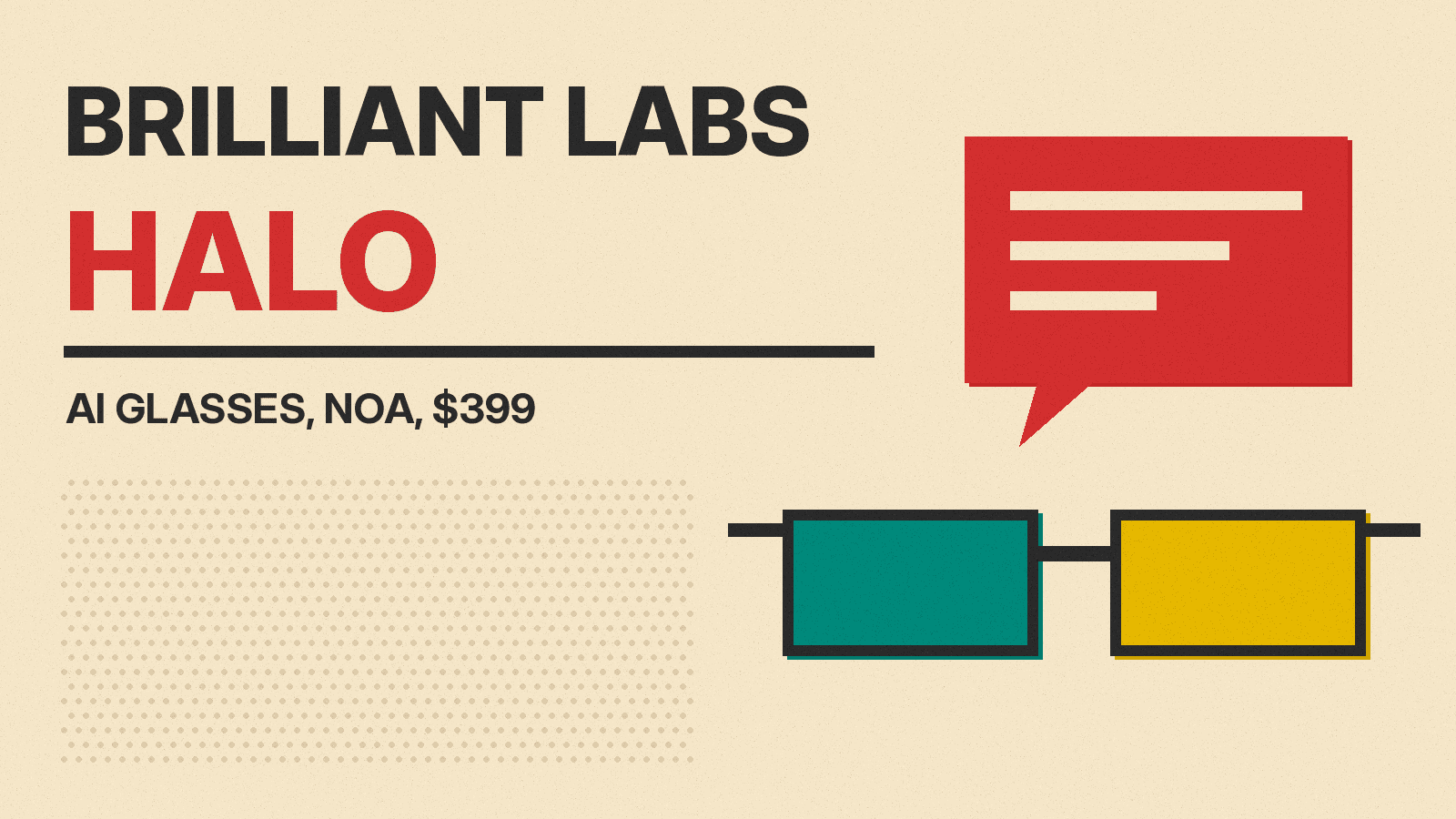
Brilliant Labs' Halo is a pair of $399 open-source AI glasses with a low-res sensor instead of a photo camera, plus Noa, an AI companion with plans from free to $39.99 a month.
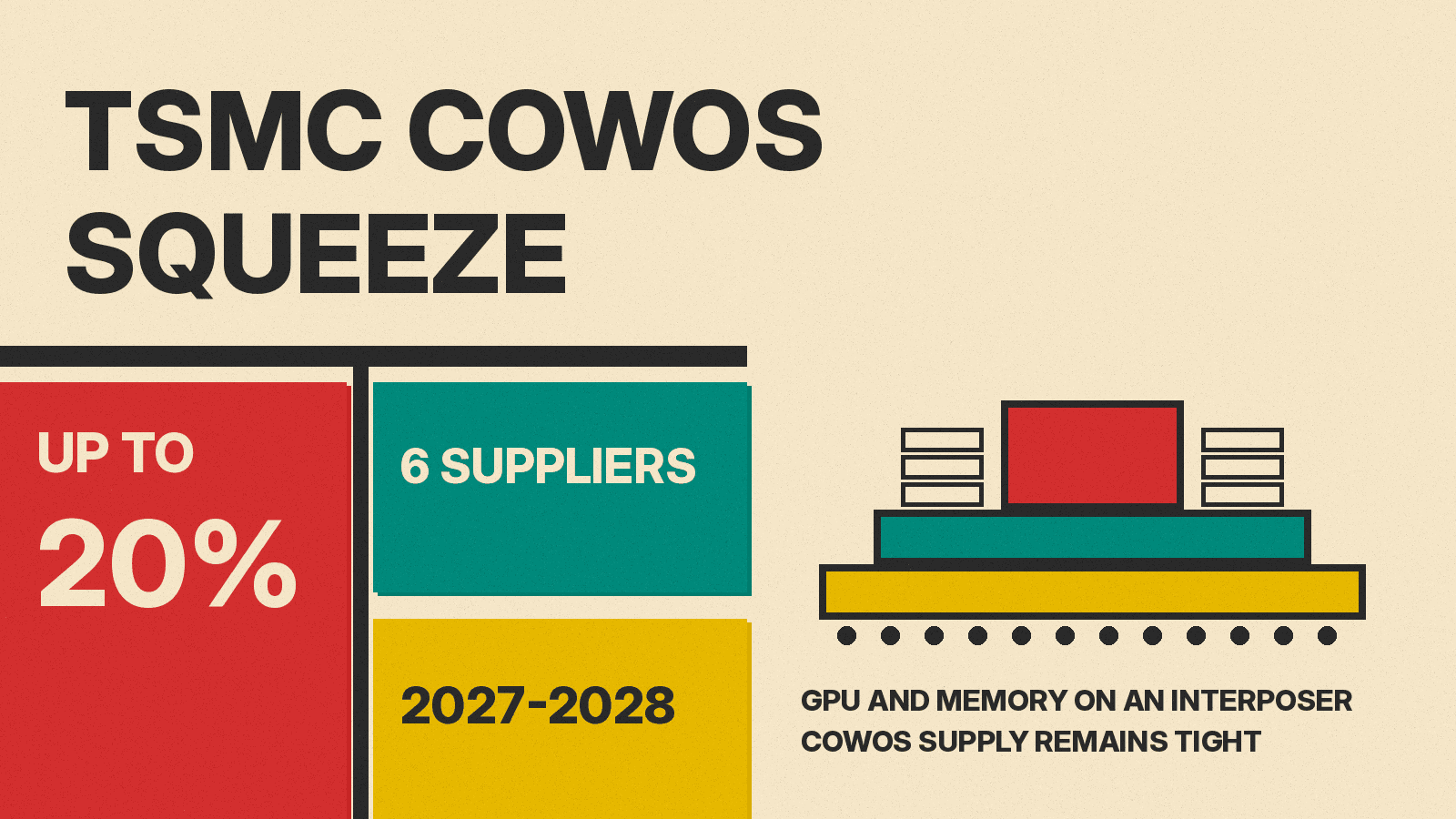
TSMC reportedly weighs a CoWoS price increase of up to 20%, days after Nvidia announced capacity deals with six suppliers for substrates, packaging and testing.
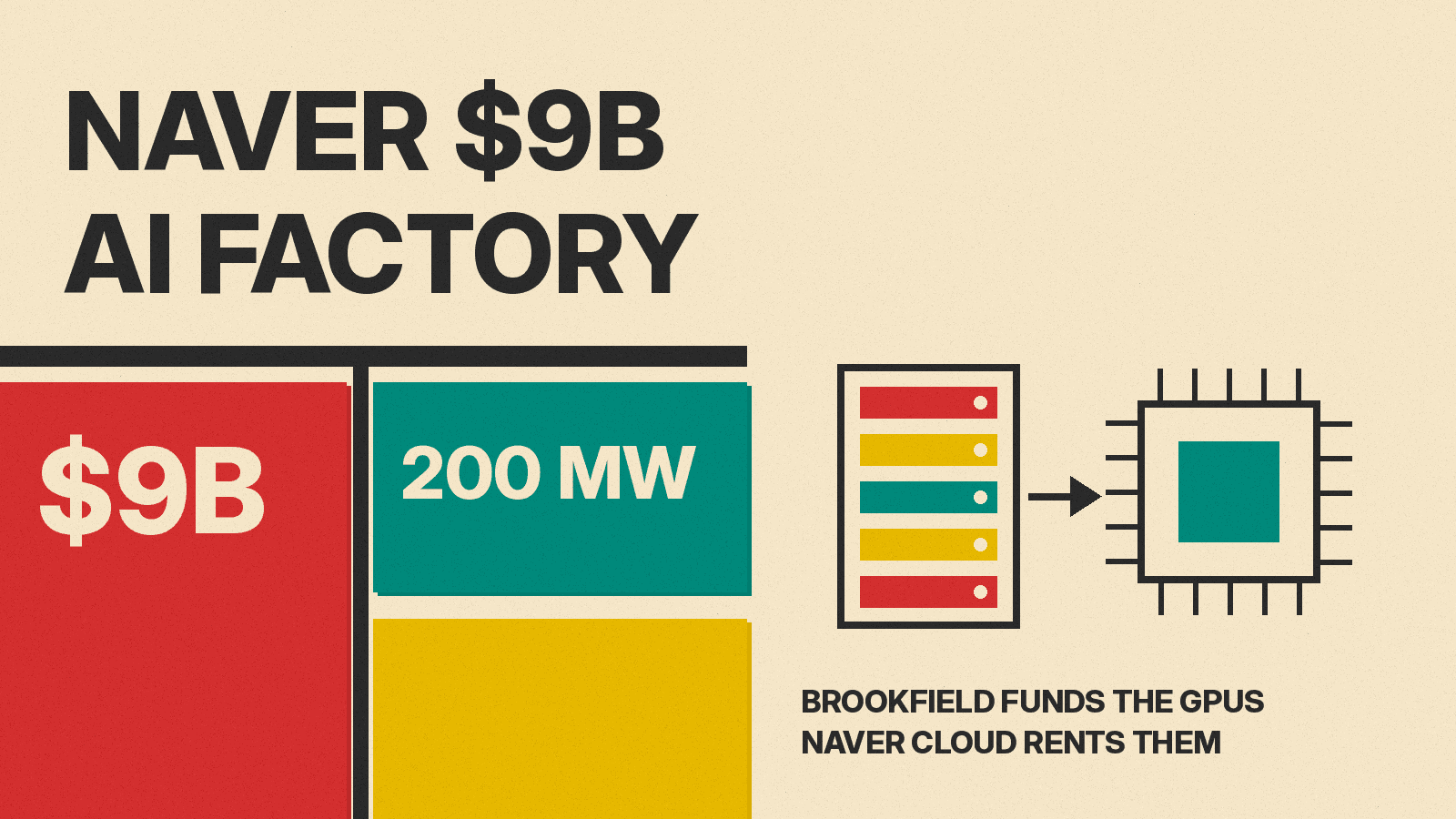
A Brookfield-funded vehicle will build up to $9 billion of GPUs and data centers that Naver Cloud rents. The deal meets a condition of Nvidia's $1 billion stake.
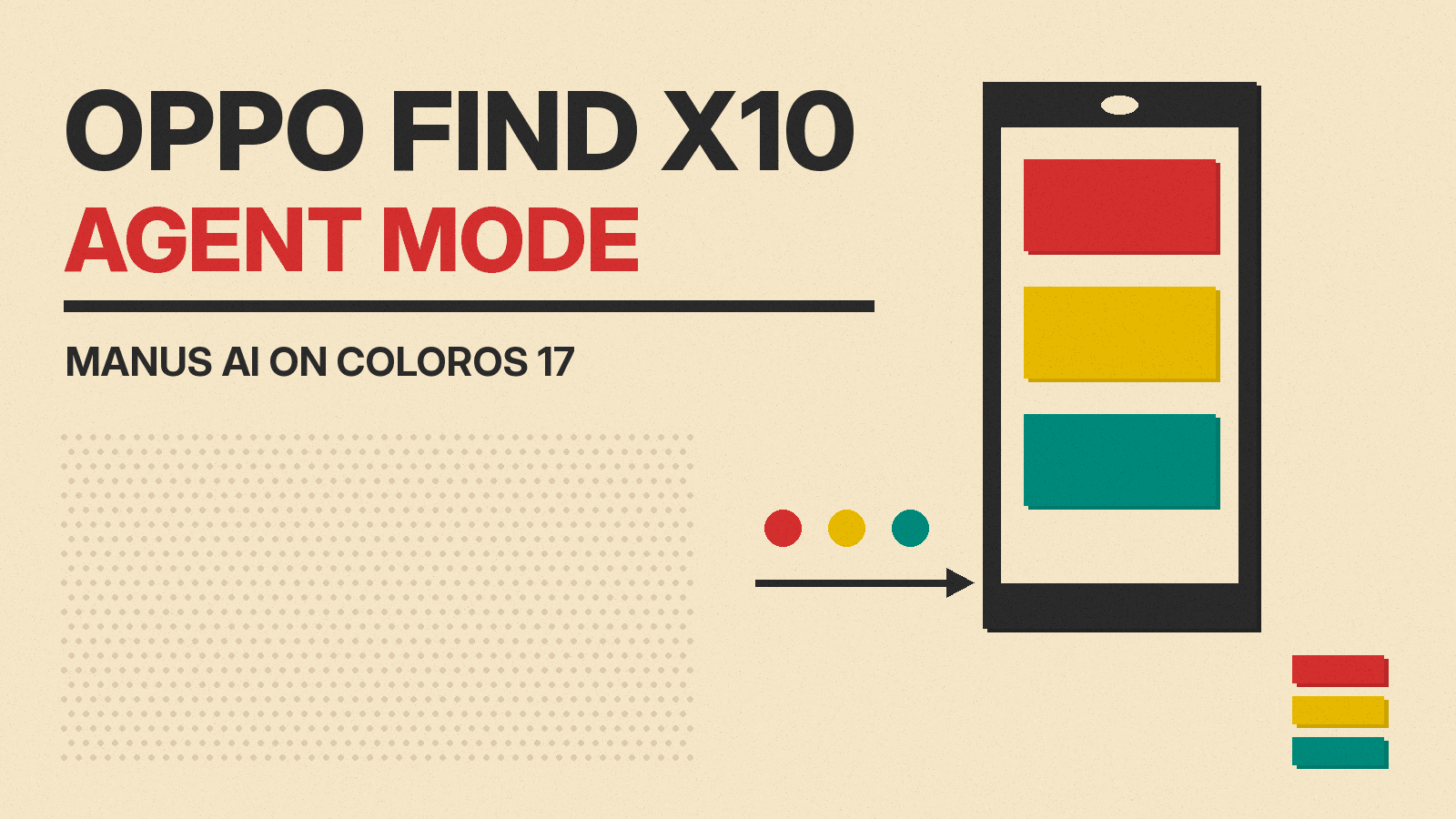
OPPO's Find X10 ships ColorOS 17 with Agent Mode, built with Manus. What it does, what stays on the phone, what is free, and where OPPO says it is not available.
HMD's 2660 Flip Senior Edition is a flip phone for older adults with Mary, a voice AI companion from inTouch. It costs £79.99 or €79.90 with 5 free hours, then £16.90 or €19.90 a month. What Mary does, how it starts, and the limits.

HTC's VIVEE is an egg-sized AI companion with an OLED face, voice chat, games, reminders and meditation. Preorders run $99 through November 30, then $119, with shipping in early December. What it does, the privacy claims, and why it is adults only.
NVIDIA's DSX POD is a reference design for containerized Vera Rubin AI factories, built and tested by partners before delivery. Here is what is inside one container, how deployment changes, what it does not fix, and who ships it in early 2027.
RTX Spark puts an NVIDIA Blackwell RTX GPU, a Grace CPU and up to 128GB of unified memory in one chip for Windows laptops. Here are the specs, the laptops, what NVIDIA says each memory size runs locally, Nemotron 3.5 Bolt, and retailer prices from $2,599.99.
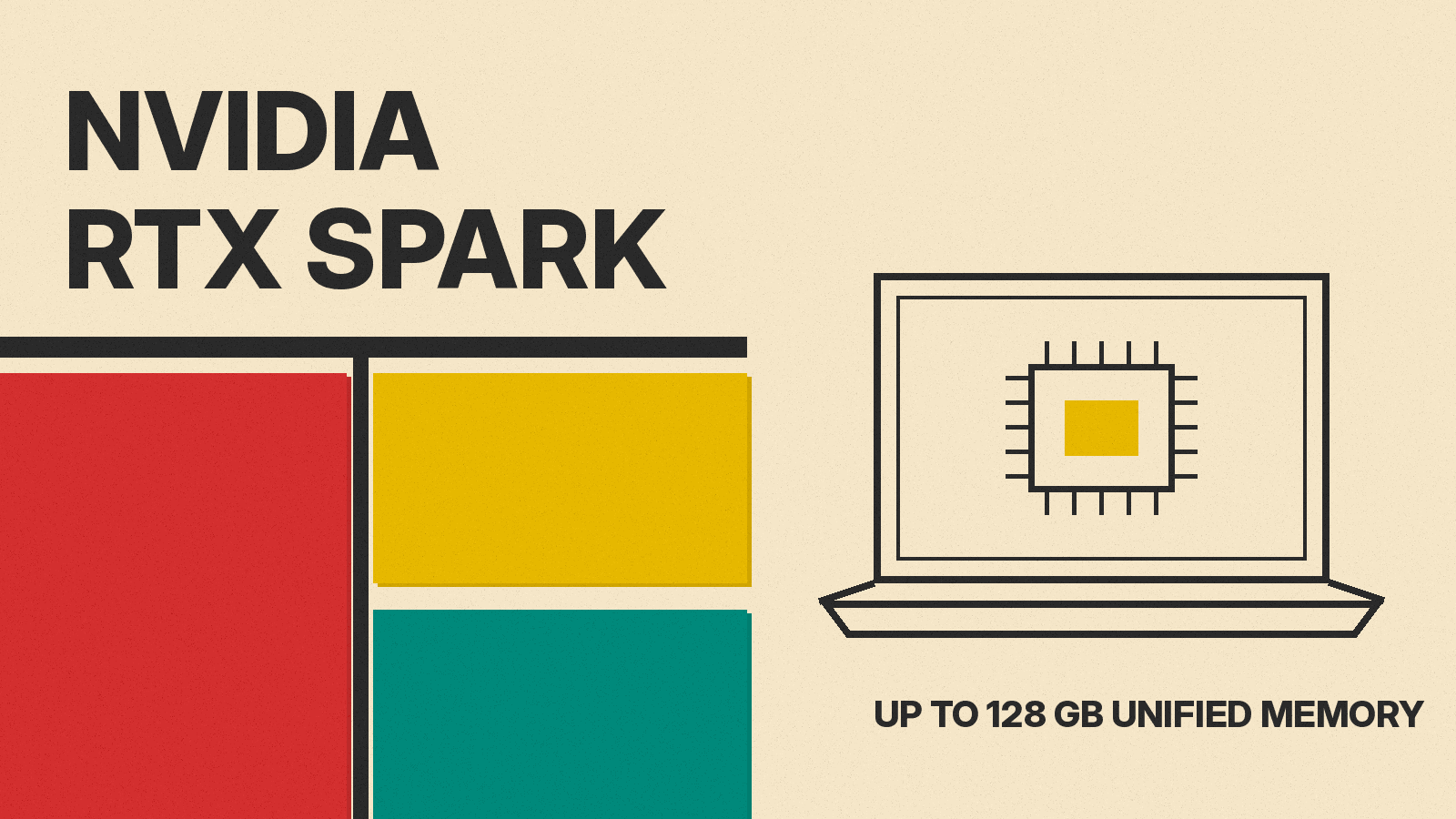
Meta's engineering post on Prometheus, its Ohio supercluster that trained Muse, covers three Nvidia rack generations, a network spanning over 100 km, 8 spare GPUs per 72-GPU rack, a 99% cut in interruptions, and power swings of tens of megawatts.
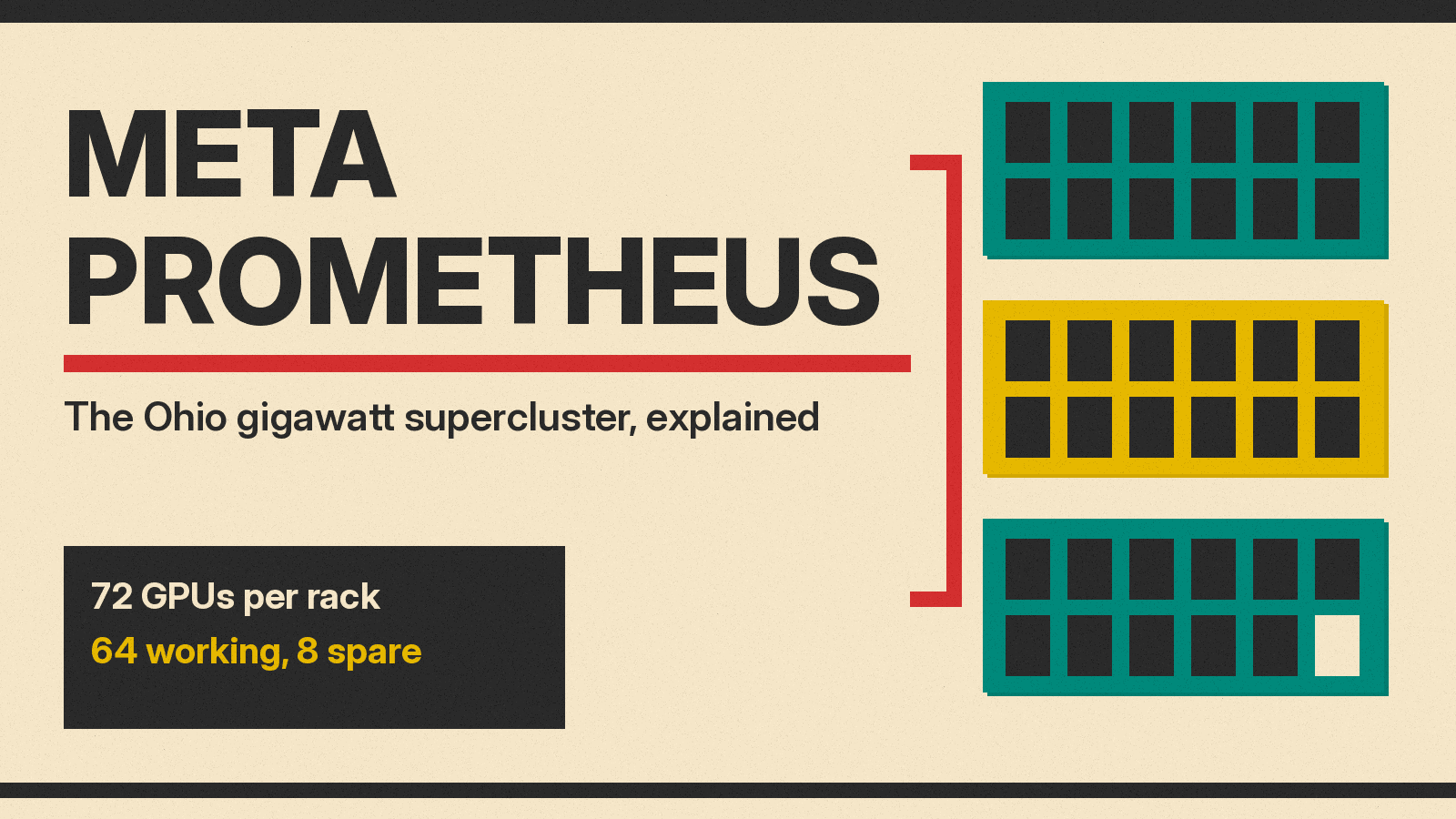
Apple's M5 Ultra Mac Studio starts at $5,499, with up to 512GB of unified memory coming in late October and Thunderbolt 5 clustering for running large AI models at home. What ships now, what the memory and clustering claims mean, and who it is for.
Jim Keller's RISC-V AI chip company closed a $1.5B Series E led by Trace Capital and Innovation X, more than doubling its value. It will deploy Galaxy servers at scale and expand the CPU and AI IP it licenses to Samsung and LG.
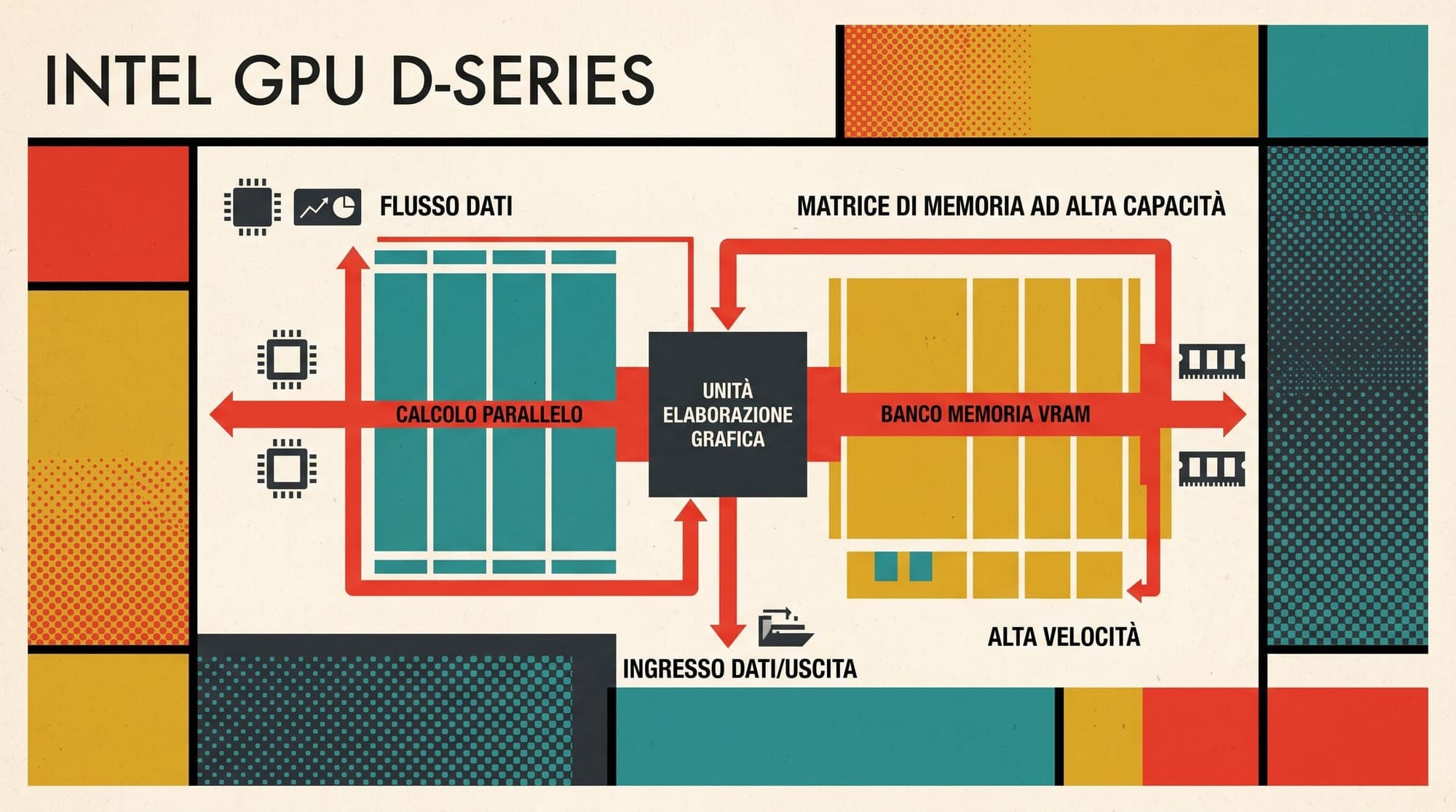
Intel has introduced the Intel GPU D-series, a data center accelerator engineered specifically for large language model inference workloads. Unveiled at the Open Compute Project (OCP) Global Summit, the accelerator (previously codenamed Crescent Island) integrates up to 480GB of LPDDR5X memory, prioritizing raw memory capacity and power efficiency over ultra-high-bandwidth memory tiers. By equipping a single PCIe accelerator with 480GB of memory, Intel surpasses the onboard capacity of Nvidia's
Blue Owl-led funds back a $2.4B, 9.0% fixed-rate GPU loan for IREN's Mackenzie campus. How it works, and why it costs more than IREN's Microsoft loan.
AI cloud infrastructure provider Lambda has secured $1 billion in private, short-dated debt to purchase Nvidia GPU clusters that will be leased directly to Microsoft. The transaction, arranged by JPMorgan Chase, highlights an accelerating shift across the AI infrastructure sector toward structured debt and asset-backed financing to fund capital-intensive data center hardware. The short-dated maturity structure indicates that Lambda plans to amortize the debt rapidly using contracted lease reven

Venture capital firm Andreessen Horowitz (a16z) has announced the close of a $1.1 billion dedicated fund named "Machine Age." The vehicle is structured to invest specifically in the physical infrastructure and hardware supply chains required to scale modern artificial intelligence workloads. The launch marks a significant capital allocation into capital-intensive physical systems by a firm historically recognized for software-centric investments. Target Hardware and Infrastructure Domains Ac

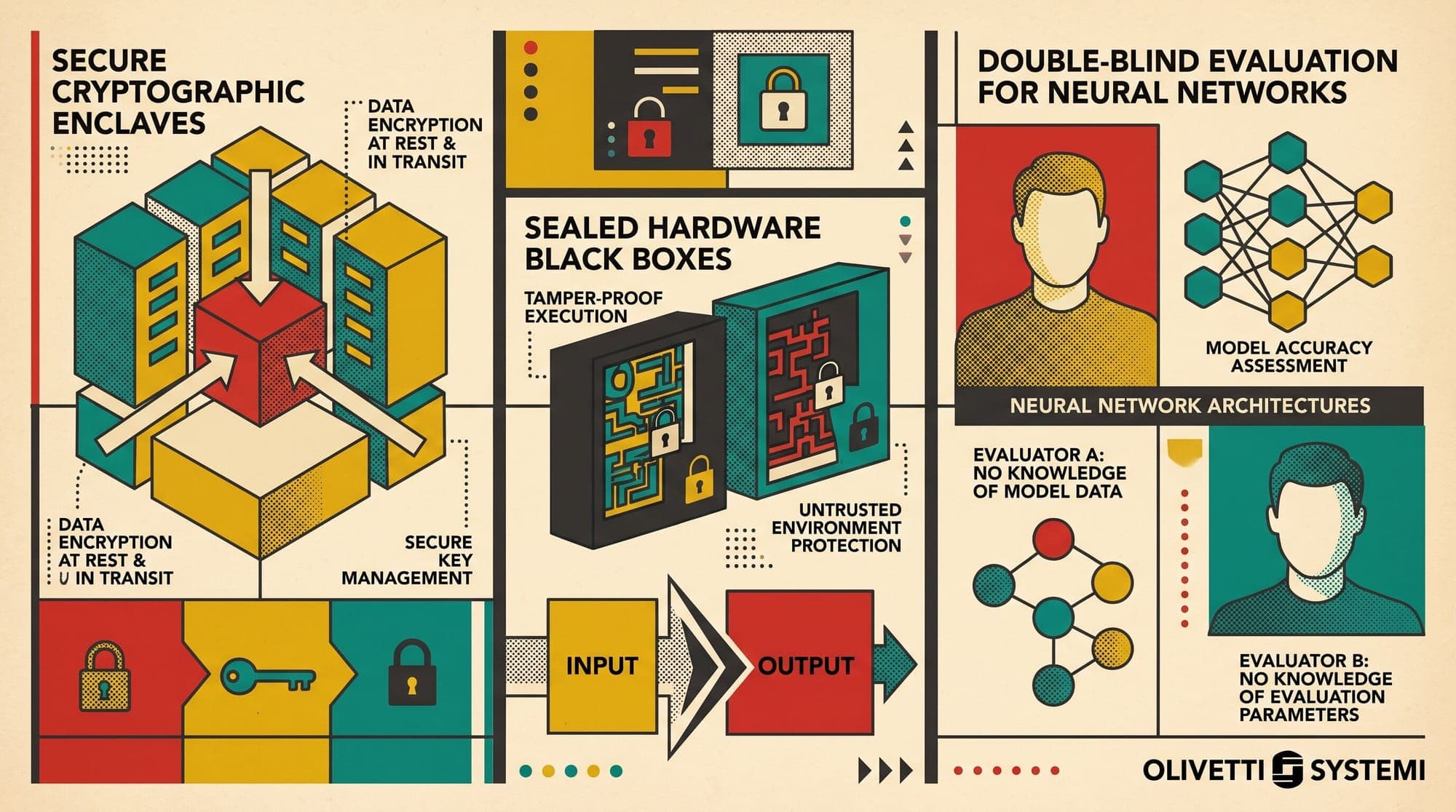
Google DeepMind, in collaboration with the Singapore AI Safety Institute, OpenMined, AVERI, and MLCommons, has piloted a cryptographic framework for double-blind evaluations of proprietary frontier language models. The pilot, conducted on Gemini 2.5 Flash Lite, uses hardware-isolated confidential computing to ensure that model developers cannot see evaluation prompts while evaluators cannot inspect proprietary weights or inference code. The project addresses benchmark contamination and intellec
Digital asset exchange operator Bullish has committed a $100 million stablecoin-denominated debt facility to USD.AI, an on-chain lending protocol that issues non-recourse debt collateralized by data center GPU hardware. The financing establishes an institutional credit channel connecting liquid stablecoin capital with the expanding compute infrastructure requirements of modern AI training and inference providers. Developed by Permian Labs, USD.AI structures asset-backed credit facilities specif

Anthropic has introduced the Model Hardware Standard (MHS), an open interface specification intended to let AI agents control physical machinery and scientific instrumentation. Released in a research preview on August 27, 2026, the standard extends the design principles of the Model Context Protocol (MCP) to physical actuators, automated laboratory equipment, and industrial hardware. Connecting autonomous software agents to physical hardware has historically required custom integration code for

Nvidia has paused select partnership deals under its newly introduced AI cloud financing initiative, according to reporting by The Wall Street Journal. The program, unveiled in July 2026, was designed to provide credit support and hardware access to emerging cloud computing providers in exchange for a percentage of future recurring revenues. While Nvidia stated that the broader program remains operational, several individual agreements have been put on hold as the company reassesses customer te

Anthropic held acquisition discussions to buy artificial intelligence semiconductor startup MatX for approximately $7 billion before talks stalled, according to reporting from Reuters. The negotiations, which have since transitioned into discussions surrounding a potential commercial partnership, highlight the increasing urgency among frontier AI laboratories to secure in-house silicon engineering capabilities. Following the breakdown of active acquisition talks, MatX is currently seeking to ra