Anthropic has introduced the Model Hardware Standard (MHS), an open interface specification intended to let AI agents control physical machinery and scientific instrumentation. Released in a research preview on August 27, 2026, the standard extends the design principles of the Model Context Protocol (MCP) to physical actuators, automated laboratory equipment, and industrial hardware.
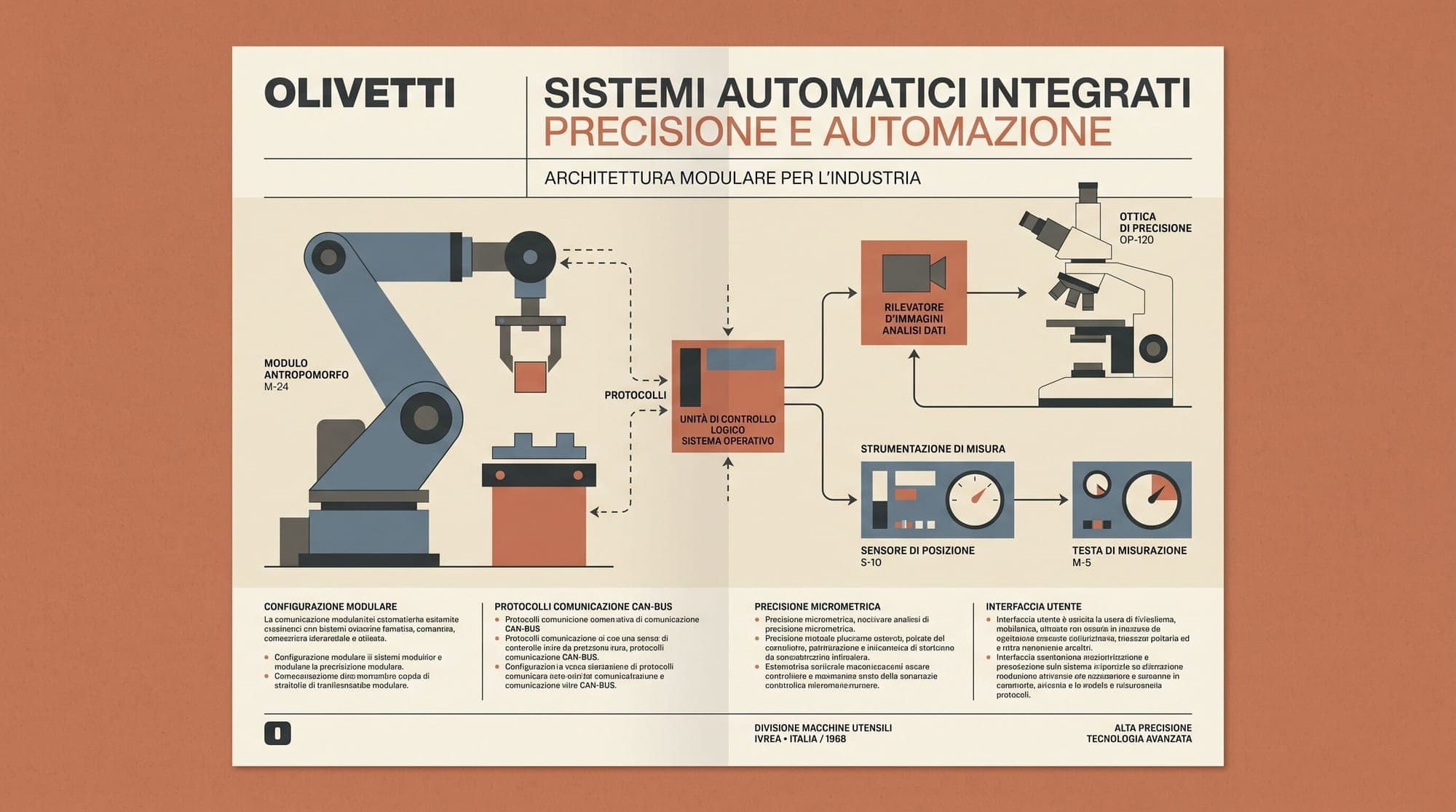
Connecting autonomous software agents to physical hardware has historically required custom integration code for every proprietary device driver. MHS introduces a unified driver abstraction that presents physical instruments to AI models through standardized commands, automated discovery, and structured safety metadata.

Driver Architecture and Control Primitives
The core of MHS is a standardized driver layer that mediates communication between the host operating system and connected physical hardware. The standard abstracts hardware interactions into basic read and write primitives, allowing agents to query instrument state (such as temperature or optical sensor readouts) and issue control signals (such as motor actuation or fluid dispense parameters).
To help language models interact with unfamiliar instruments without human intervention, MHS drivers incorporate natural-language device tags. These tags document physical properties that cannot be inferred from raw code alone, including operational weight, torque limitations, and actuator safety bounds. The driver compiles these annotations into a structured reference file detailing the device's adjustable parameters, measurement capabilities, and hard safety limits.
Hardware control is exposed through three distinct channels:
- Model Context Protocol (MCP): Real-time conversational tool invocation for exploratory inspection and high-level supervision.
- Command Line Interface (CLI): Direct shell-level execution and testing.
- Code Files (APIs): Local deterministic scripts that chain multi-device driver operations into compiled routines, enabling high-speed execution without per-step LLM inference latency.
MHS is model-agnostic. While tested extensively with Claude, the standard functions with models from OpenAI, open-weight architectures, or any agent harness capable of calling MCP endpoints.
Research Origins and Benchmark Results
The development of MHS originated as a collaboration between Alek Kemeny on Anthropic's Beneficial Deployments team and Arco Bast at the Howard Hughes Medical Institute (HHMI) Janelia Research Campus. The initial prototype established a shared memory dictionary to synchronize lasers, motorized focusers, and high-speed cameras from disparate vendors for complex brain-imaging experiments.
Anthropic is previewing MHS with a consortium of industry and academic partners, including Genentech, QuEra Computing, HHMI Janelia, the University of Washington, Carnegie Mellon University (CMU), and Tetsuwan. Initial deployment benchmarks highlight several operational improvements:
- Quantum Calibration at QuEra: Deploying Claude via MHS to automate laser relocking on neutral-atom quantum processors achieved a 99.3% success rate across 700 trials, improving on the 58% baseline achieved with custom vendor scripts.
- Liquid Handling at Genentech: Across 9,143 dispenses and 1,508 measured conditions, model-driven calibration improved multi-dispense liquid precision by 12% to 17% over the manufacturer's published technical specifications.
- Integration Timelines: Partner institutions reported reducing new instrument integration overhead from multiple weeks of bespoke software development to hours or minutes.
Safety Framework and Open Source Timeline
Operating physical equipment introduces failure modes that do not exist in pure software environments. Bad commands can damage delicate optics, overheat actuators, or compromise chemical samples. MHS isolates safety constraints within the driver reference configuration, allowing local runtime checks to reject out-of-bounds parameters before instructions reach hardware controllers.
Anthropic is currently restricting MHS access through a gated research preview waitlist while evaluating hardware safety protocols across biotech, robotics, and electronics manufacturing. The company stated that it plans to release the complete Model Hardware Standard specification as an open-source project following the conclusion of the preview phase.