Subscribe
Topic / page 2

Evaluation

Articles, page 2

21-40
  1. Open-Source LLM Benchmark Evaluation Harnesses in Production: Comparing LM Evaluation Harness, Lighteval, AlpacaEval 2, and Arena-Hard-Auto

    Standardized evaluation is the bedrock of LLM development, yet production evaluation pipelines face a split between two distinct paradigms: static, deterministic multi-task benchmarks evaluated via log-likelihood or exact string matching, and dynamic, open-ended instruction-following benchmarks evaluated via LLM-as-a-Judge pairwise win rates. Engineering teams building pre-training runs, fine-tuning recipes, and model alignment loops require distinct tooling for each paradigm. Four open-source

    AI
    5 min read
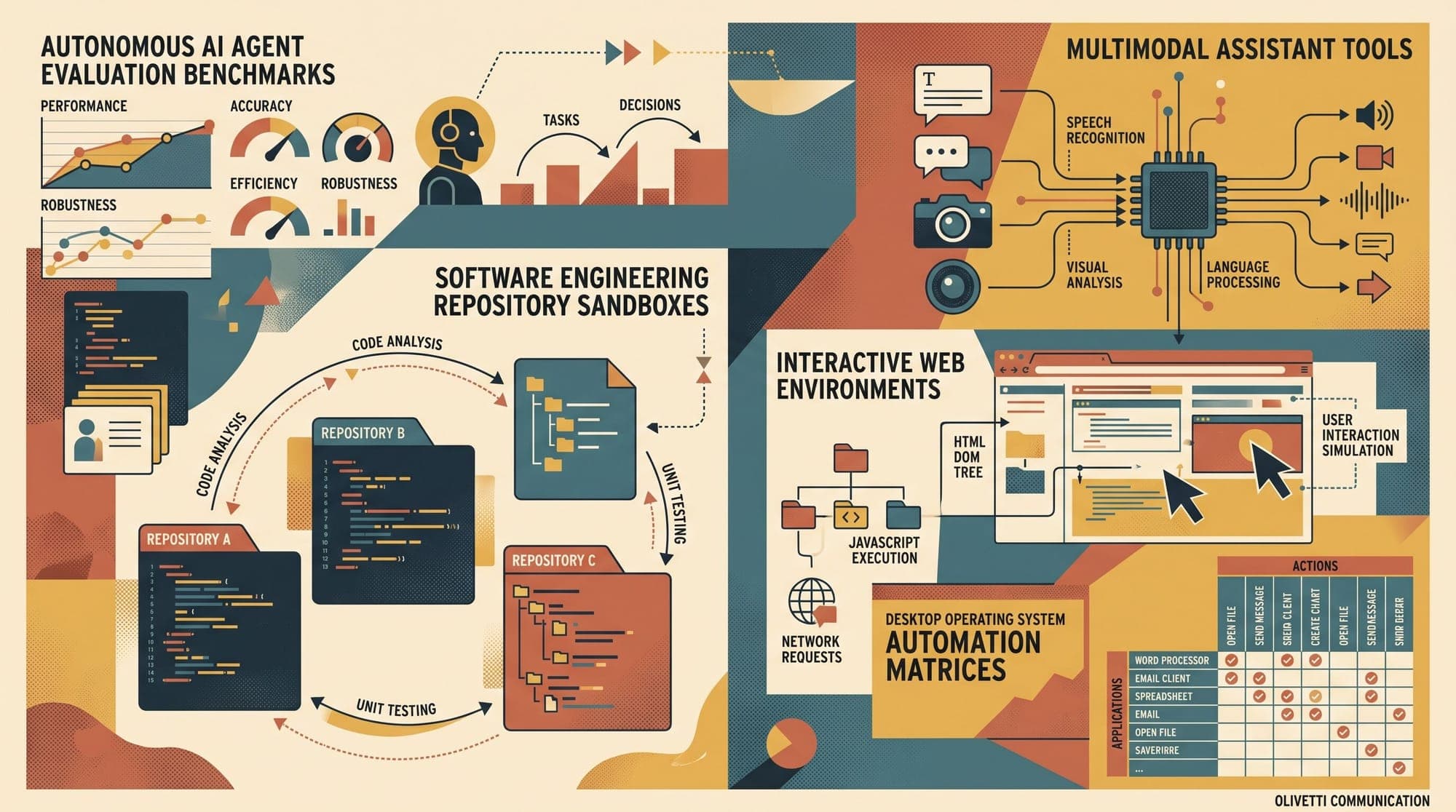
  2. Agent Evaluation Benchmarks in Production: Comparing SWE-bench, GAIA, WebArena, and OSWorld

    Evaluating autonomous AI agents requires a fundamental departure from static language model evaluation. While benchmarks like MMLU, GSM8K, and HumanEval measure single-turn next-token prediction on fixed prompts, they fail to evaluate the closed-loop failure modes of autonomous agents. Real-world agents must formulate multi-step plans, execute tool calls, ingest dynamic environment feedback, recover from syntax and runtime errors, and mutate external state across long interaction trajectories.

    AI
    7 min read
  3. Long-Context LLM Benchmarks in Production: Comparing Needle In A Haystack, BABILong, RULER, and LongBench

    Evaluating large language models across context windows exceeding 32,000, 128,000, or 1,000,000 tokens presents a fundamental engineering challenge. A model's theoretical context window, defined by its positional embedding configuration and memory allocation, rarely matches its effective context window. In production environments, models frequently suffer from attention degradation, retrieval failure, and reasoning collapse long before reaching their maximum hardware sequence capacity. Selectin

    AI
    5 min read
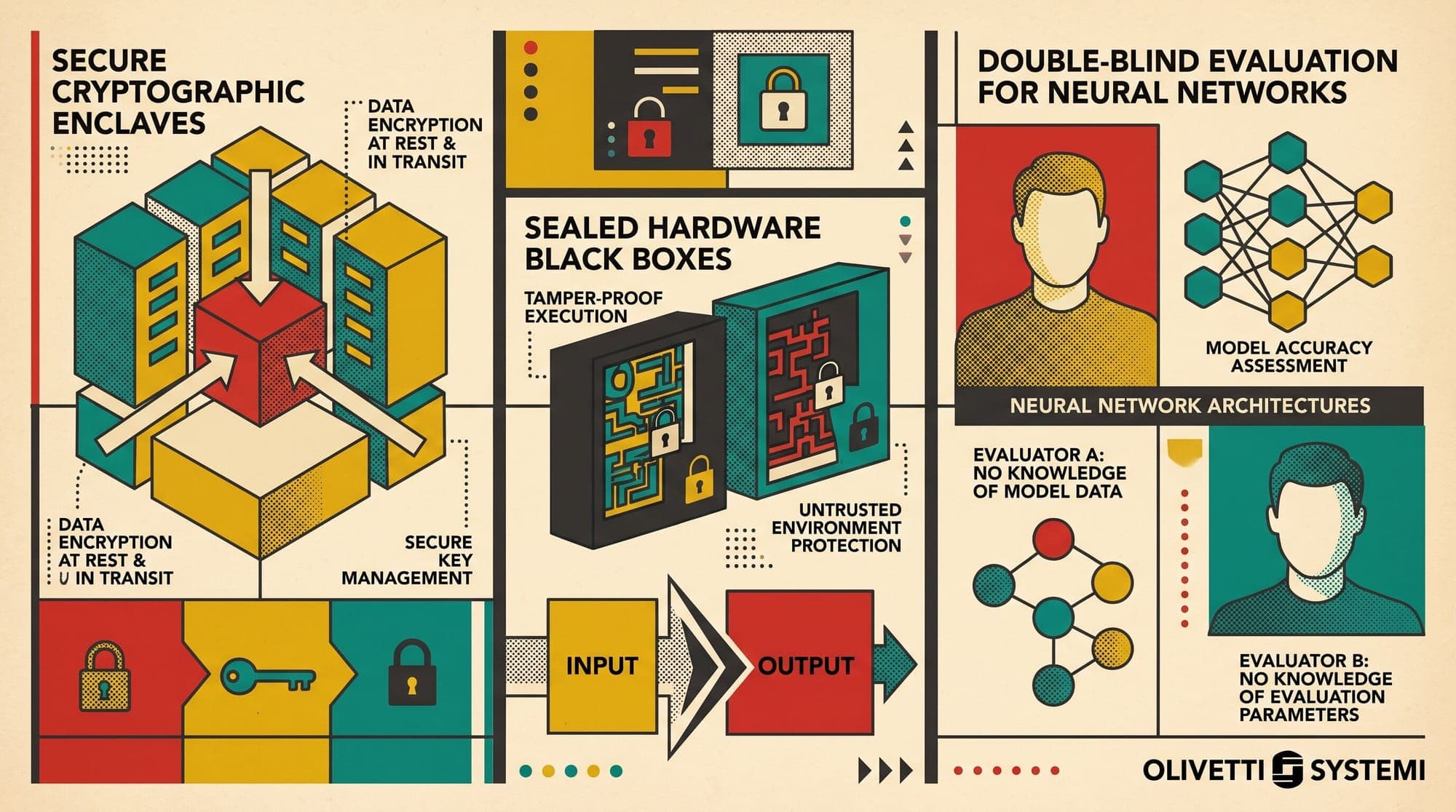
  4. Google DeepMind Pilots Cryptographic Double-Blind AI Evaluations to Prevent Benchmark Contamination

    Google DeepMind, in collaboration with the Singapore AI Safety Institute, OpenMined, AVERI, and MLCommons, has piloted a cryptographic framework for double-blind evaluations of proprietary frontier language models. The pilot, conducted on Gemini 2.5 Flash Lite, uses hardware-isolated confidential computing to ensure that model developers cannot see evaluation prompts while evaluators cannot inspect proprietary weights or inference code. The project addresses benchmark contamination and intellec

    AI
    3 min read
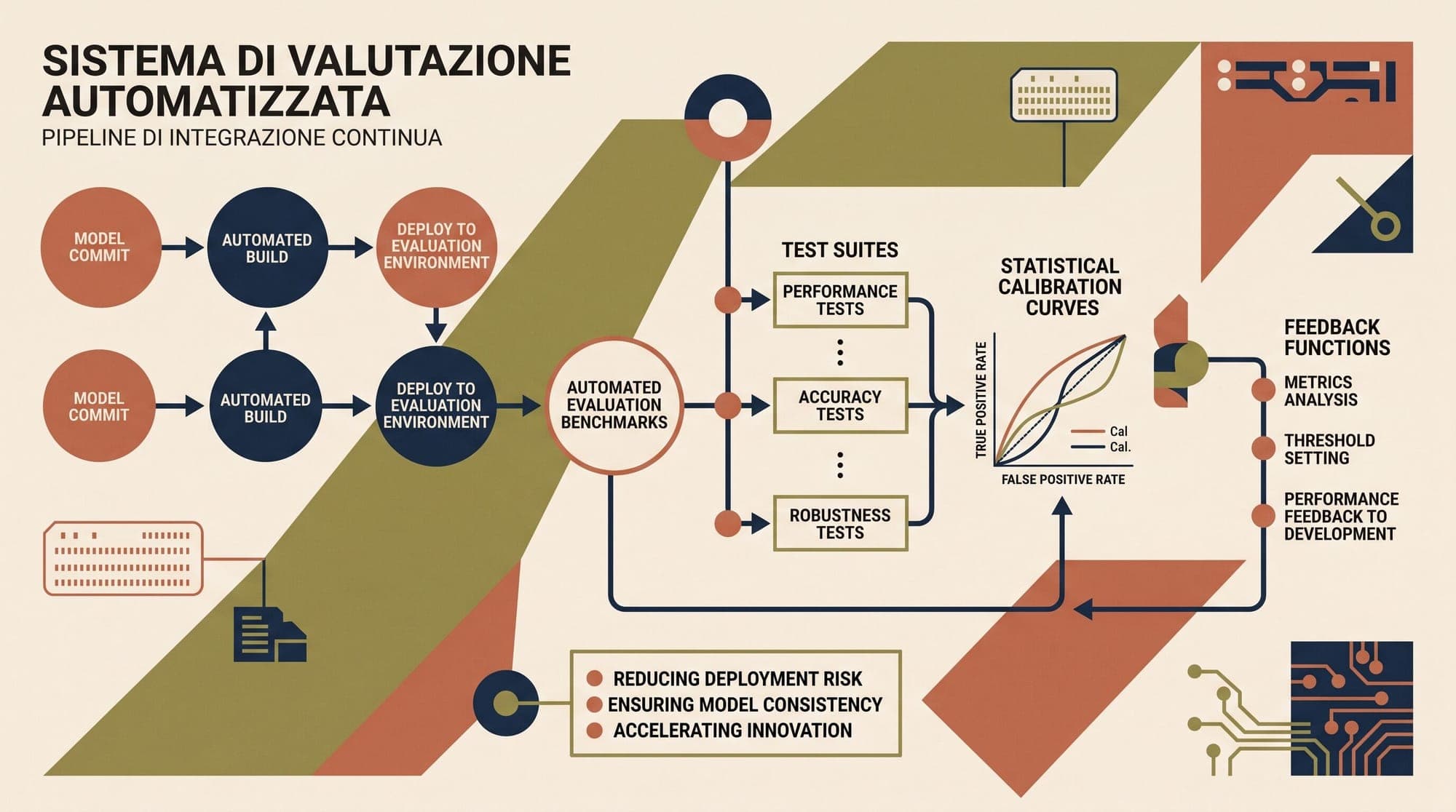
  5. LLM Evaluation Frameworks in Production: Comparing DeepEval, Ragas, Promptfoo, and TruLens Architecture, Synthetic Data Generation, Judge Calibration, and CI/CD Automation

    Automated evaluation is the primary engineering bottleneck in deploying reliable LLM applications. While traditional software engineering relies on deterministic unit and integration tests with binary pass/fail conditions, generative AI systems produce non-deterministic, open-ended natural language outputs. Relying on manual human review or ad-hoc prompting fails to catch regressions across prompt modifications, model version updates, and retrieval pipeline adjustments. To establish rigorous qu

    AI
    8 min read
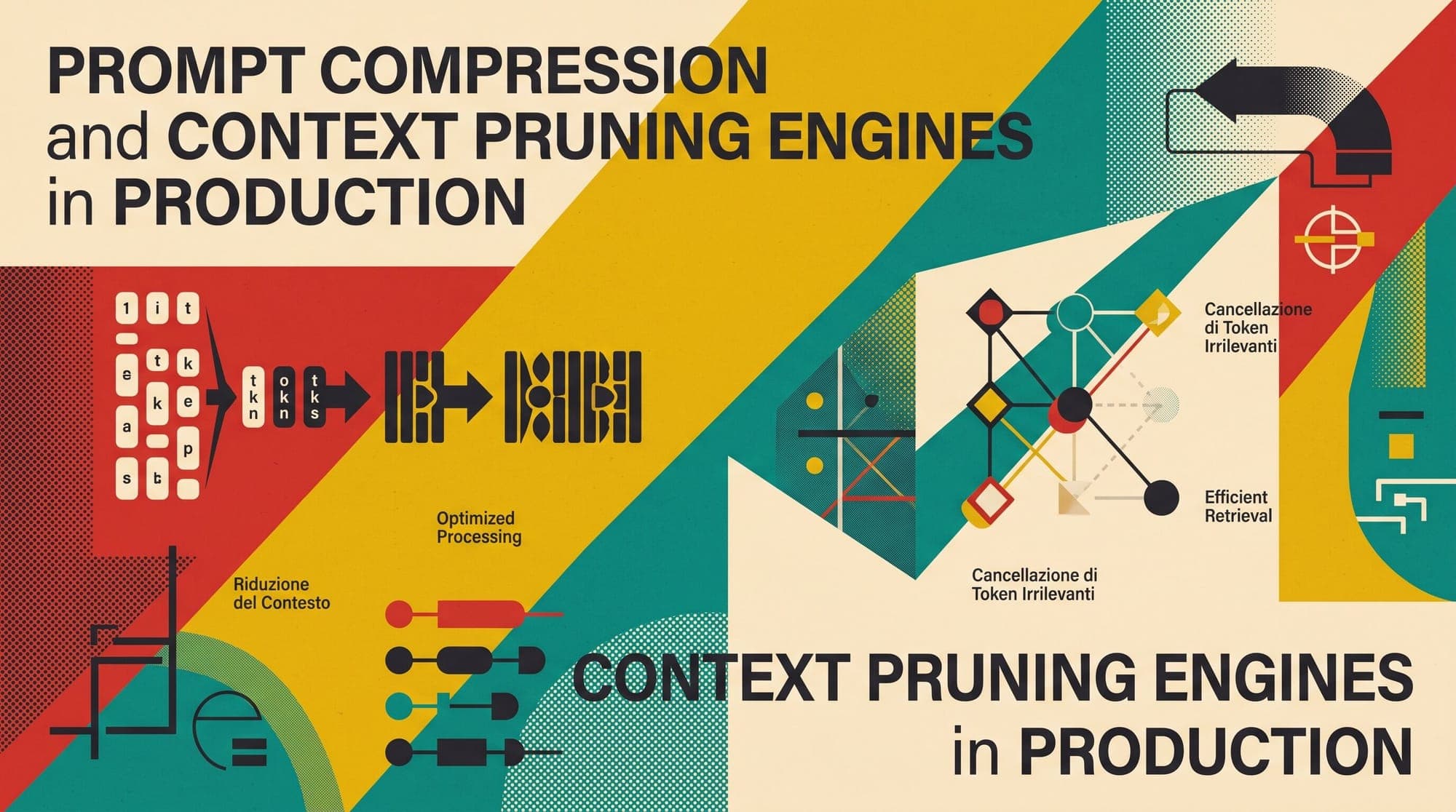
  6. Prompt Compression and Context Pruning Engines in Production: Comparing LLMLingua-2, LongLLMLingua, Selective-Context, and RECOMP

    Prompt Compression and Context Pruning Engines in Production: Comparing LLMLingua-2, LongLLMLingua, Selective-Context, and RECOMP Every non-obvious claim below links to a source. Benchmarks are from the papers as cited; the comparative numbers are taken directly from the LLMLingua-2 paper and the RECOMP paper, not synthesized from prose. The context window paradox is real: modern LLMs accept 128k to 1M tokens, but API cost scales linearly with input length, attention compute scales quadratical

    AI
    9 min read
  7. LLM Evaluation Frameworks in Production: Comparing Promptfoo, DeepEval, Ragas, and Inspect Architecture, Metric Calibration, and Quality Gate Economics

    Testing large language model applications in production requires shifting from deterministic software unit tests to probabilistic evaluation harnesses. Traditional software engineering relies on binary assertions (assert output == expected), but generative models exhibit non-deterministic outputs, variable token distributions, and nuanced semantic drift across prompt revisions, model updates, and temperature configurations. To prevent regressions and quantify system capabilities before deployme

    Evaluation
    7 min read
  8. Anthropic Launches $5M Grant Program to Fund AI Wellbeing Evaluations and Benchmarks

    Anthropic has launched a $5 million grant initiative to support independent development of open-source benchmarks and evaluation harnesses measuring the impact of artificial intelligence systems on user wellbeing. The program will supply research teams with direct financial grants, subsidized API access to Claude models, and technical support from Anthropic's Safeguards team. All evaluation frameworks, datasets, and grading methodology developed under the grant program will be released publicly

    Anthropic
    2 min read
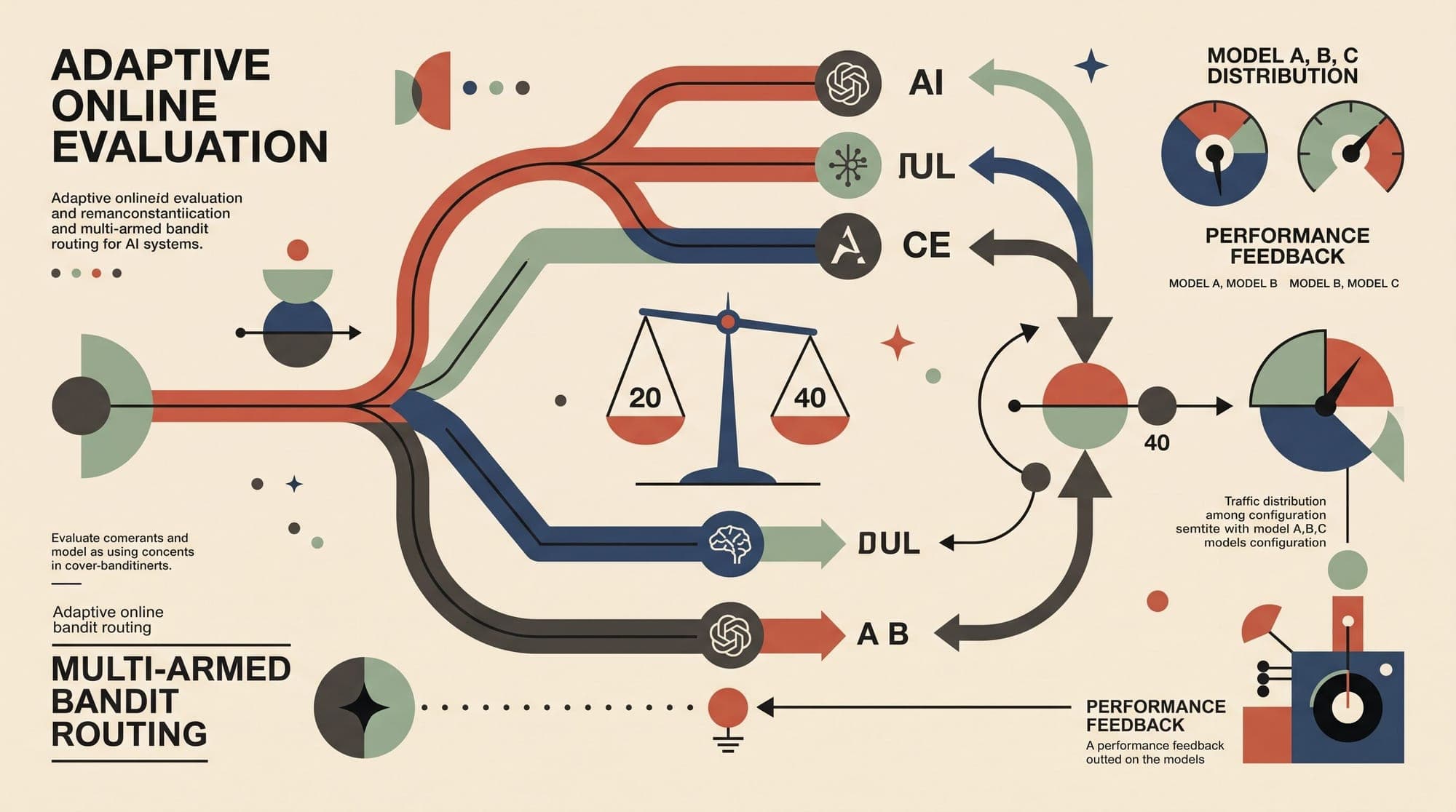
  9. Online Evaluation and Multi-Armed Bandit Routing in Production LLM Systems: Interleaving, Counterfactual Estimation, and Adaptive Traffic Allocation

    Online Evaluation and Multi-Armed Bandit Routing in Production LLM Systems: Interleaving, Counterfactual Estimation, and Adaptive Traffic Allocation Static offline benchmarks such as MMLU, HumanEval, and synthetic LLM-as-a-judge evaluation pipelines have become standard fixtures in modern AI development. However, production engineering teams frequently observe that offline benchmark improvements fail to translate into tangible user satisfaction or business outcomes. Static evaluation suites suf

    AI
    12 min read
  10. Study Exposes Citation Monoculture Across Frontier LLMs as Recursive Drafting Compounds Bias

    Study Exposes Citation Monoculture Across Frontier LLMs as Recursive Drafting Compounds Bias As large language models take over literature reviews and automated research workflows, a collaborative study from UT Austin, Stevens Institute of Technology, Washington University in St. Louis, Rice University, and the University of Notre Dame demonstrates that frontier models suffer from severe citation monoculture. Even when all identifying metadata is removed, LLMs across vendors converge on a narro

    Research
    2 min read
  11. Long-Context Evaluation in Production: Why Synthetic Needles Fail, Multi-Hop Stress Testing, and Benchmarking Effective Context Size

    Frontier model providers frequently market sequence lengths spanning 128K, 1M, or 2M tokens. However, engineering teams deploying these models in production environments for codebase refactoring, multi-turn agent execution, or complex document analysis regularly observe severe retrieval failures and reasoning breakdowns well before hitting context boundaries. The primary culprit behind this disconnect is the widespread reliance on vanilla Needle In A Haystack (NIAH) evaluations. While standard

    AI
    6 min read
  12. LLM Evaluation Arenas in Production: Bradley-Terry Modeling, Active Matchmaking, Style Bias Control, and Bootstrapped Elo Calibration

    LLM Evaluation Arenas in Production: Bradley-Terry Modeling, Active Matchmaking, Style Bias Control, and Bootstrapped Elo Calibration Static benchmarks such as MMLU, GSM8K, and HumanEval face severe limitations in production machine learning environments. Modern foundation models rapidly saturate static multiple-choice questions, training datasets frequently suffer from benchmark contamination, and synthetic test suites fail to capture open-ended, multi-turn user intent. Consequently, engineeri

    AI
    9 min read
  13. Continuous Evaluation and Golden Dataset Curation in Production LLM Systems: Architecture, Log Mining, Synthetic Perturbation, and Semantic Drift Quality Gates

    Continuous Evaluation and Golden Dataset Curation in Production LLM Systems: Architecture, Log Mining, Synthetic Perturbation, and Semantic Drift Quality Gates In production machine learning systems, offline benchmarks suffer from rapid entropy. While engineering teams frequently launch LLM applications backed by static test suites (curated CSVs of 50 to 100 sample prompts, academic benchmarks like MMLU, or synthetic question-answer pairs), these static datasets fail to predict real-world produ

    AI
    7 min read
  14. Item Response Theory Audit of 192 LLMs Exposes Safety Benchmark Redundancies, Over-Refusal Distortions, and Sandbagging

    A psychometric evaluation of 192 frontier and open-weight language models across eight major safety benchmarks has revealed structural flaws in current safety testing methodologies. The research, conducted by Joshua Fonseca Rivera, Neil Shah, David Demitri Africa, and Konstantinos Voudouris with support from the UK AI Security Institute and the UK Department for Science, Innovation, and Technology (DSIT), applies Item Response Theory (IRT) to analyze 5,255 evaluation items. The findings demonst

    AI
    3 min read
  15. Perplexity and Bits-Per-Byte in Large Language Models: Mathematical Foundations, Tokenizer Dependency, and Compression Benchmarks

    Perplexity and Bits-Per-Byte in Large Language Models: Mathematical Foundations, Tokenizer Dependency, and Compression Benchmarks Evaluating autoregressive large language models requires metrics that quantify predictive confidence across text sequences. The standard objective during pre-training is the minimization of empirical risk under a cross-entropy loss function. Exponentiating this loss yields Perplexity (PPL), a foundational metric dating back to statistical speech recognition and n-gra

    AI
    9 min read
  16. Duke Study Finds Creative Output Across Frontier LLMs Is Converging Toward Semantic Monoculture

    A longitudinal study by researchers at Duke University has documented a measurable decline in output diversity across major large language model families. Tracking 69 foundation model checkpoints released between March 2023 and July 2026, the researchers found that generative responses to open-ended creative and ideation prompts are increasingly converging toward semantic uniformity across competing providers. The paper, titled Are LLMs becoming similarly creative? Evidence from three years of

    AI
    2 min read
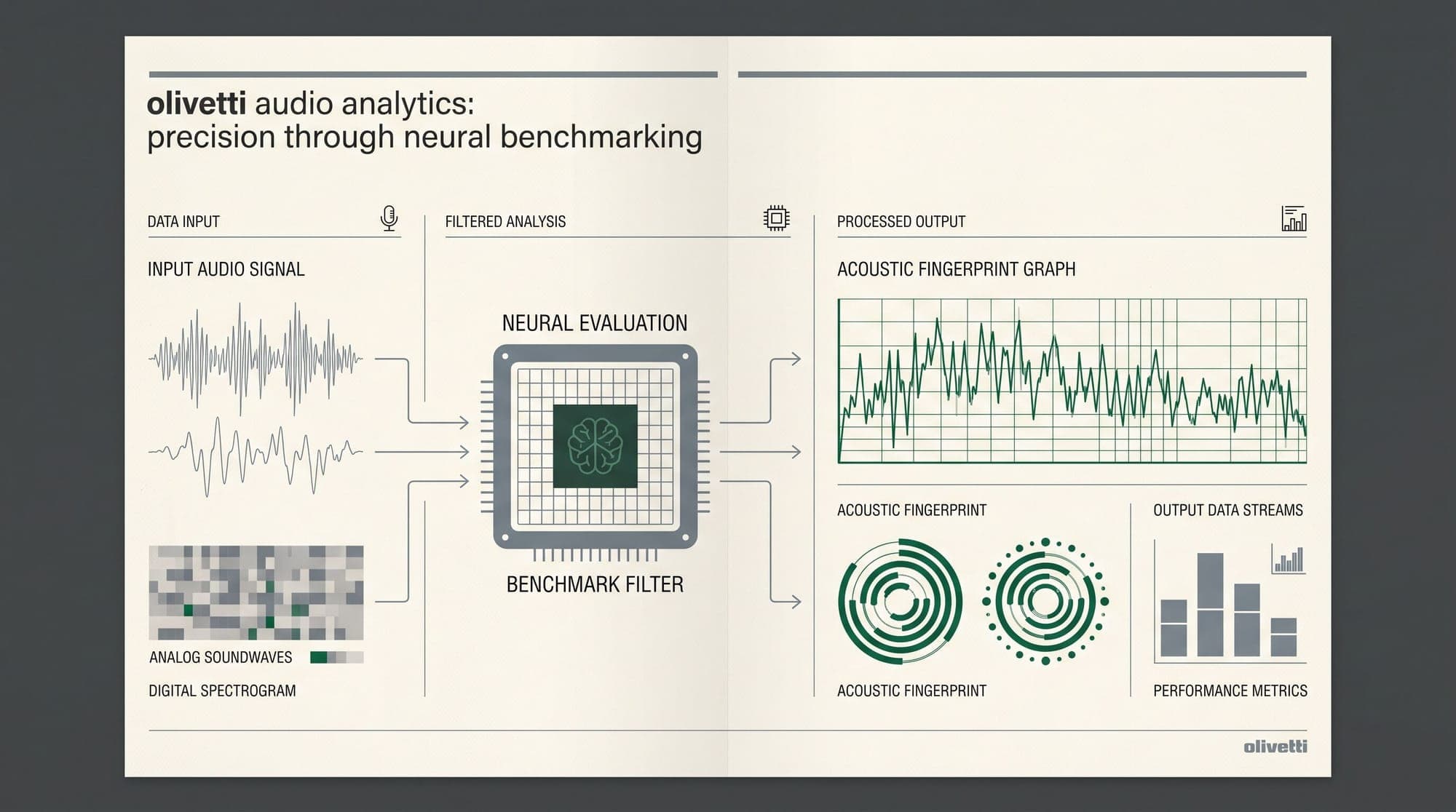
  17. Study Exposes Benchmark Overfitting and Acoustic Leakage in Speech Recognition Models

    A joint empirical study by researchers from Hugging Face and Hume AI has uncovered evidence that top-ranking automatic speech recognition (ASR) models frequently exhibit benchmark optimization, commonly referred to as "benchmaxxing." The findings demonstrate that models often achieve low word error rates on public leaderboards by memorizing test-set reference anomalies and responding to subtle acoustic channel signatures rather than generalizing audio transcription. Evaluating 11 open-source sp

    AI
    2 min read
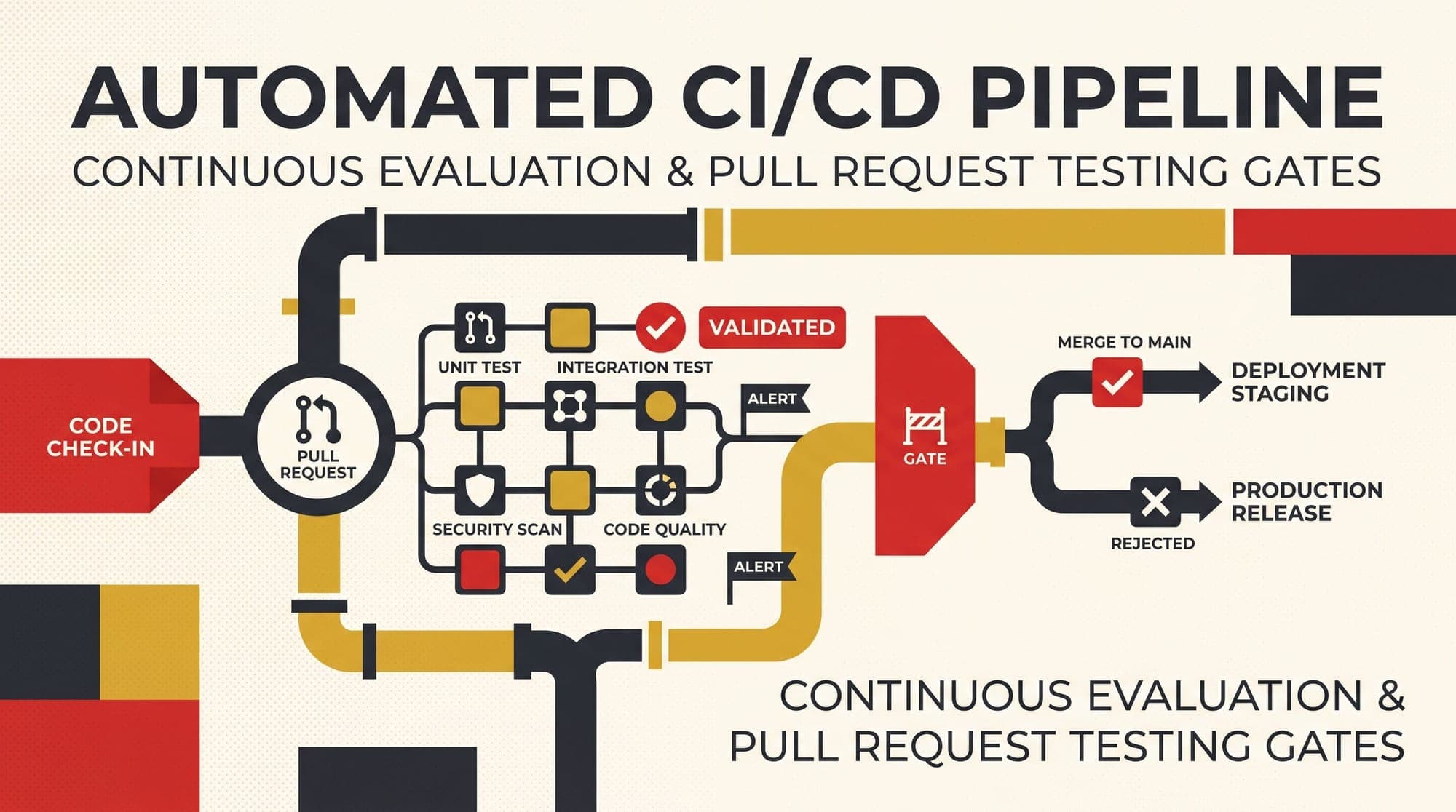
  18. CI/CD for LLM Applications: Automated Regression Testing, Golden Datasets, and Pull Request Quality Gates

    Deploying generative AI applications into production environments requires a fundamental shift in software quality assurance. Traditional continuous integration (CI) workflows rely on deterministic assertions: given a fixed input, a function must return an exact expected output. Large language models (LLMs) break this paradigm because their outputs vary across runs, token probabilities drift with prompt alterations, and natural language responses cannot be validated with binary equality checks.

    AI
    6 min read