Subscribe
Topic / page 5

Architecture

Articles, page 5

81-100
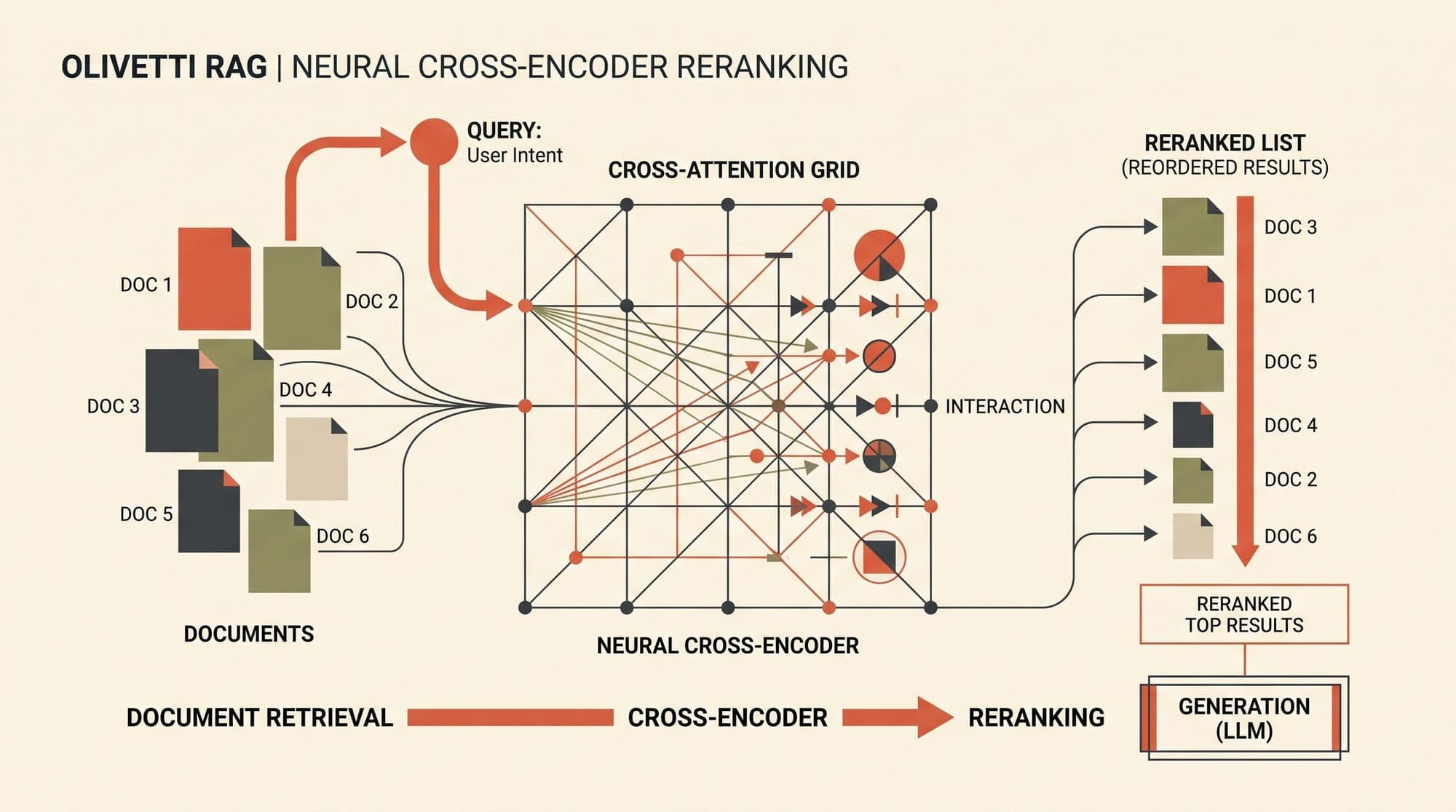
  1. Cross-Encoder Rerankers in Production RAG: Architecture, Score Calibration, Latency Budgets, and Model Trade-Offs

    Retrieval-Augmented Generation (RAG) systems in production frequently suffer from a fundamental precision failure: vector search surfaces the correct chunk somewhere in the top 50 candidates, but fails to place it in the top 3 positions required for high-fidelity LLM synthesis. When irrelevant or tangential chunks lead the context window, generation quality degrades through hallucinations, lost-in-the-middle context neglect, and inflated inference costs. Cross-encoder rerankers serve as the sta
    RAG
    9 min read
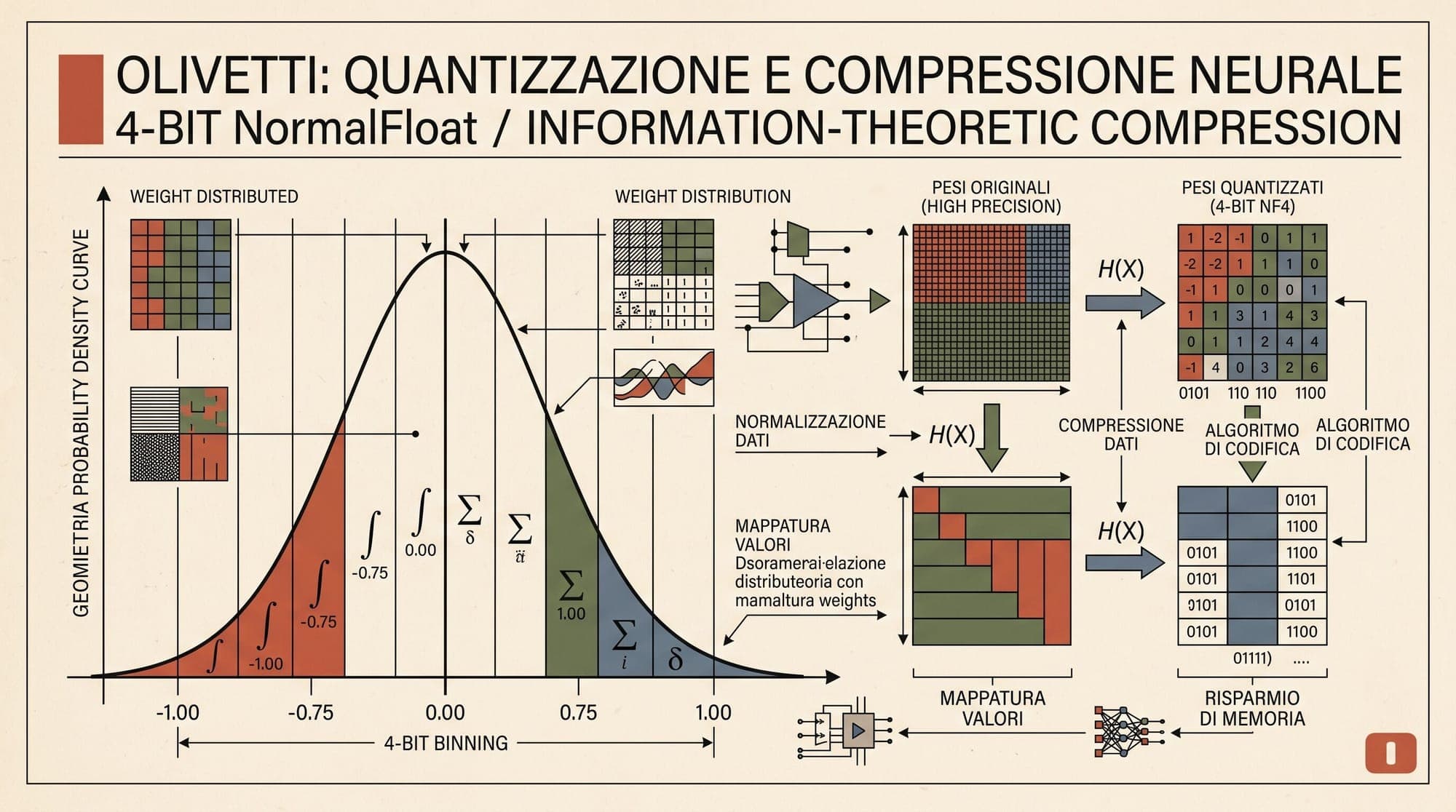
  2. NormalFloat (NF4) and Double Quantization: The Information-Theoretic Foundations of QLoRA

    Fine-tuning large language models under full 16-bit precision is governed by strict memory scaling laws. For a standard 65-billion parameter transformer model, storing weights in 16-bit BrainFloat (BF16) or Float16 (FP16) requires 130 GB of GPU memory. During training with standard first-order adaptive optimizers such as AdamW, each parameter requires an additional 2 bytes for gradients and 8 bytes for FP32 optimizer states (4 bytes for first-moment momentum and 4 bytes for second-moment varianc

    AI
    10 min read
  3. Circuit Breakers and Graceful Degradation in Production AI Systems: Architecture, Failure State Machines, Fallback Cascades, and Dead-Letter Queues

    Circuit Breakers and Graceful Degradation in Production AI Systems: Architecture, Failure State Machines, Fallback Cascades, and Dead-Letter Queues Running LLM inference and multi-agent workflows in production introduces failure dynamics distinct from traditional microservice architectures. While standard REST APIs typically fail with deterministic status codes and predictable latency profiles, generative AI applications face multi-dimensional failure vectors: provider outages, regional rate li

    AI
    7 min read
  4. Embedding Model Migration in Production: Dual-Indexing, Vector Adapters, and Zero-Downtime Re-Indexing Architectures

    Upgrading embedding models in production retrieval-augmented generation (RAG) and semantic search platforms is often mischaracterized as a routine model bump. When engineering teams replace a legacy embedding model such as OpenAI text-embedding-ada-002 or BAAI bge-large with a modern successor like text-embedding-3-large or Cohere embed-v3, the underlying mathematical coordinate space changes entirely. Because dense vectors generated by distinct neural networks live on incompatible manifolds, v

    AI
    6 min read
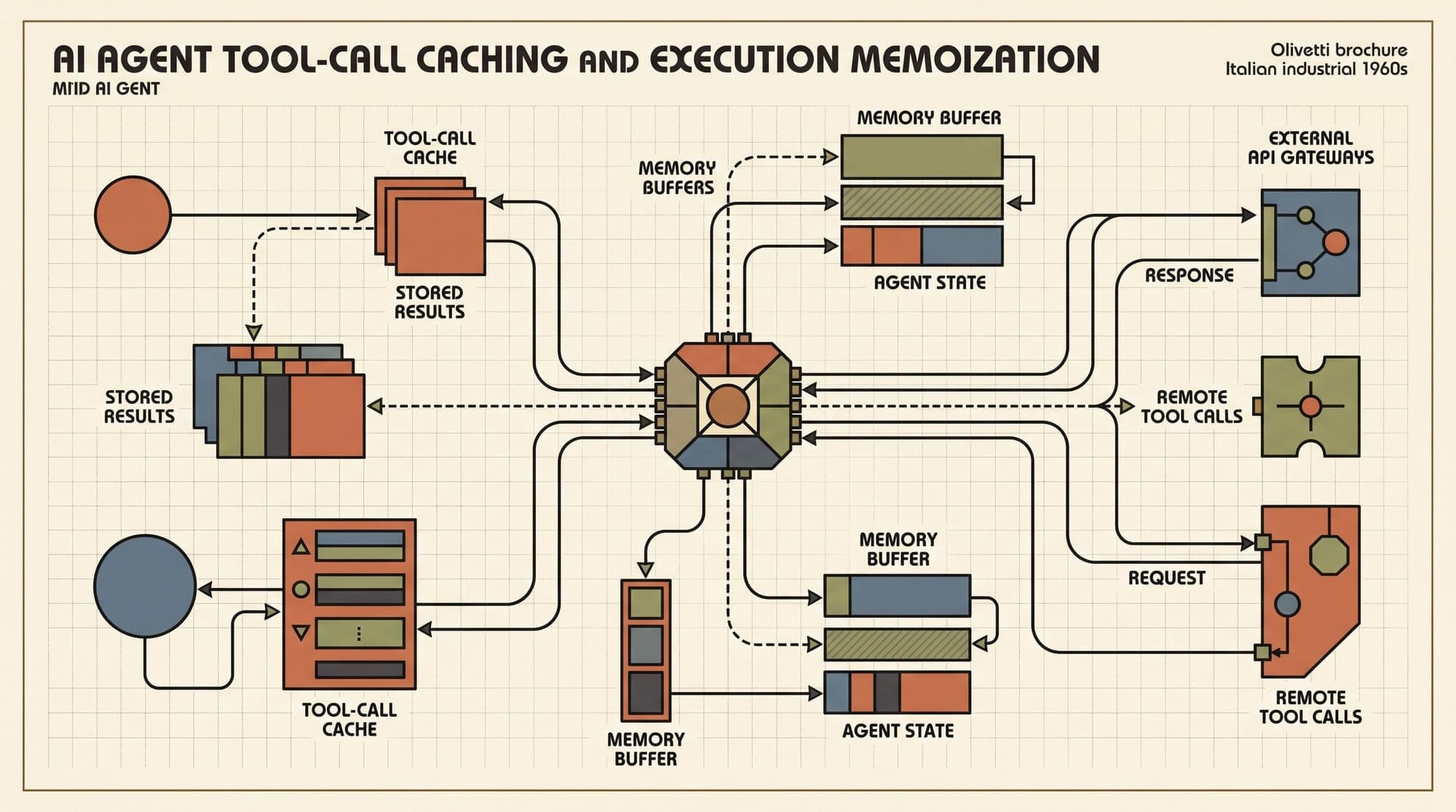
  5. Tool-Call Caching in Production AI Agents: Architecture, State Invalidation, and Latency Economics

    In multi-turn agentic architectures such as ReAct, plan-and-solve swarms, and autonomous coding runtimes, large language models spend significant time waiting on external tool execution. While prompt caching and prefix KV-cache reuse have reduced inference costs for repeated prompt contexts, they do not optimize the downstream execution layer. When an agent queries a database, scrapes a webpage, executes a sandboxed bash command, or retrieves embeddings, external tool latency frequently accounts

    AI
    6 min read
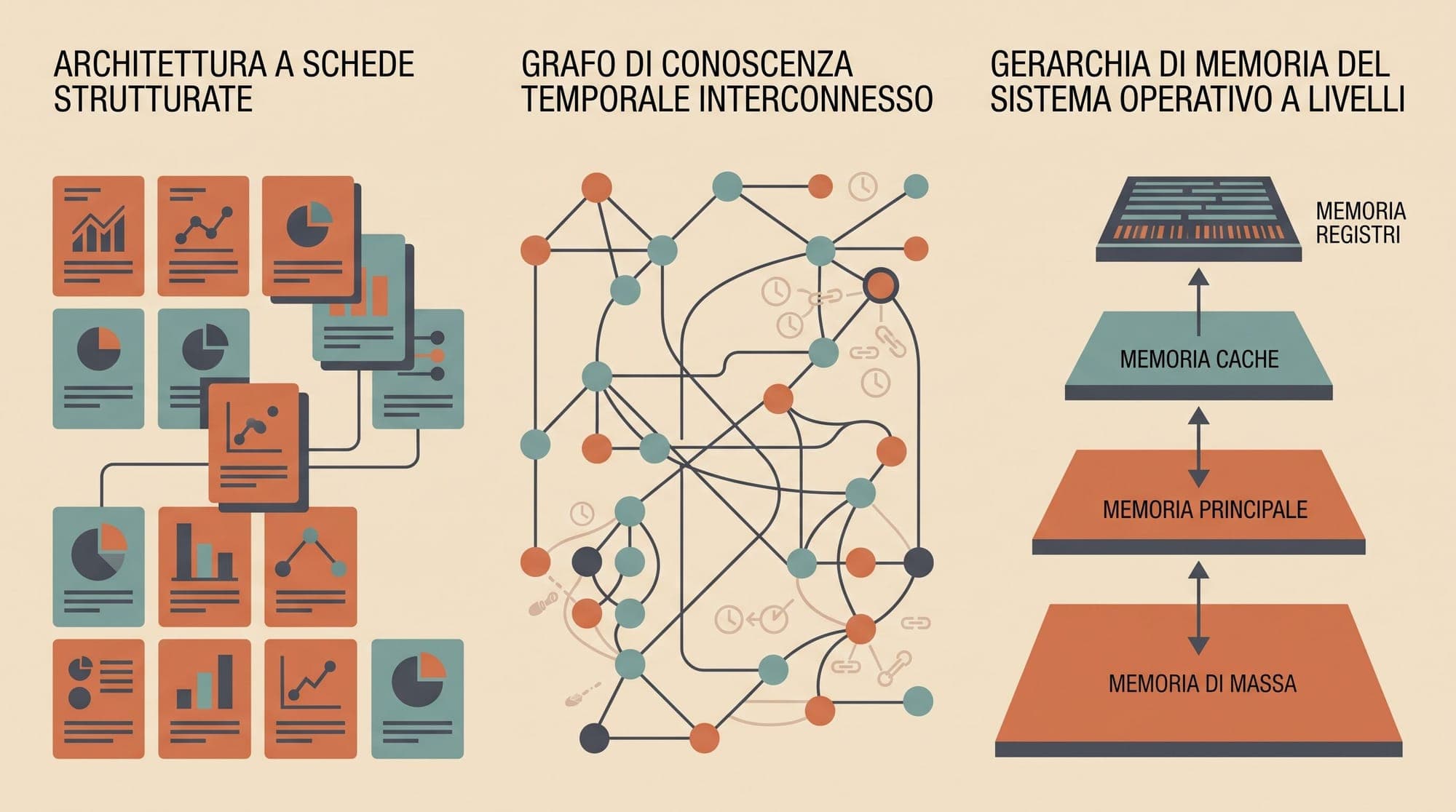
  6. Agent Memory Engines in Production: Comparing Mem0, Zep, and Letta Architecture, Graph Stores, and Retrieval Latency

    Large language models are inherently stateless functions. Every invocation begins with an empty memory register, relying entirely on the tokens packed into its context window. In production multi-turn applications, naive context management strategies quickly collapse: appending raw conversational logs inflates inference costs and eventually hits hard context limits, while standard semantic vector search (retrieval-augmented generation) lacks temporal awareness, treats contradictions blindly, and

    AI
    7 min read
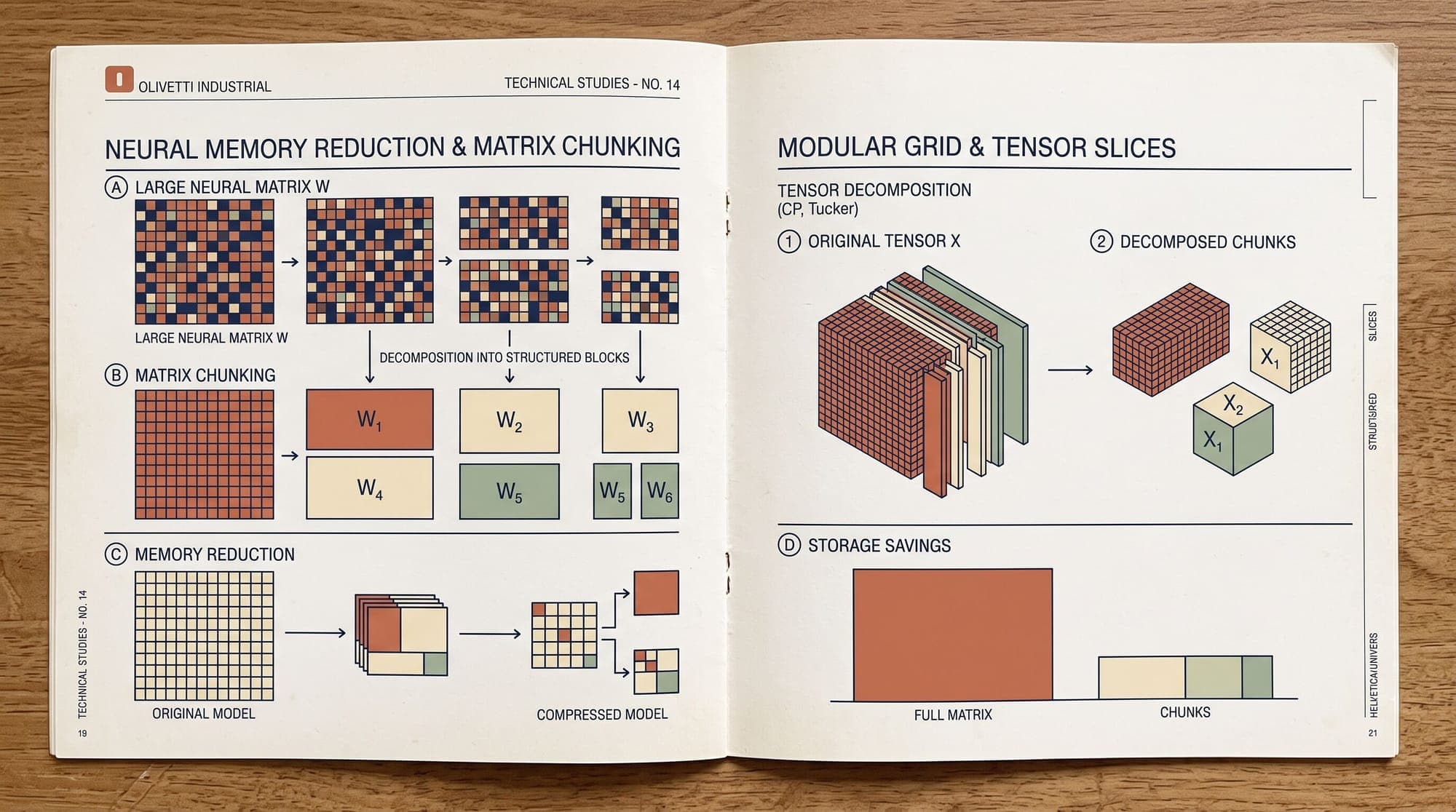
  7. Chunked and Fused Cross-Entropy: How Online Logit Tiling Slashes Large-Vocabulary VRAM Bottlenecks in LLM Training

    Chunked and Fused Cross-Entropy: How Online Logit Tiling Slashes Large-Vocabulary VRAM Bottlenecks in LLM Training As frontier large language models have scaled, tokenizer vocabularies have expanded substantially. Where early architectures such as LLaMA and Mistral relied on 32,000 subword tokens, contemporary models routinely employ vocabularies of 128,256 tokens (Llama 3), 152,064 tokens (Qwen 2.5), and 256,000 tokens (Gemma 2). Larger vocabularies compress text more densely, improve multilin

    AI
    7 min read
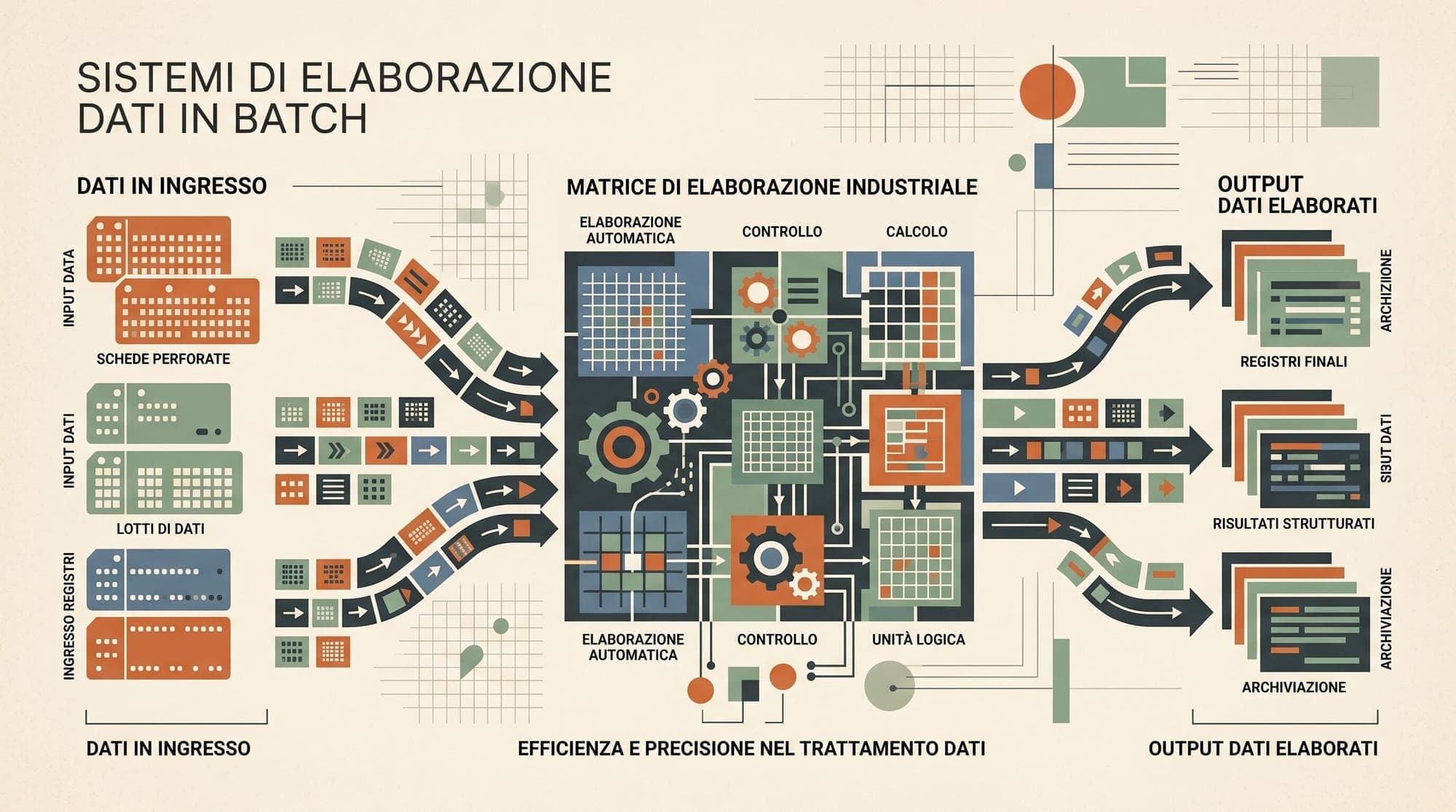
  8. Asynchronous Batch Inference in Production: Architecture, Queue Scheduling, and Cost Arbitrage

    Asynchronous Batch Inference in Production: Architecture, Queue Scheduling, and Cost Arbitrage Interactive AI applications require low Time-to-First-Token (TTFT) and high inter-token generation speed to maintain responsive user experiences. Achieving sub-second latency targets forces infrastructure teams to overprovision GPU capacity to absorb peak demand spikes. However, non-interactive production workloads (such as historical document processing, embedding generation, nightly model evaluation

    LLM
    7 min read
  9. Auxiliary-Loss-Free Load Balancing in Mixture-of-Experts: How Dynamic Bias Adjustments Eliminate Gradient Conflict and Routing Collapse

    Sparse Mixture-of-Experts (MoE) architectures decouple parameter count from per-token compute cost by activating only a small subset of feed-forward network (FFN) parameters for any given token. While dense transformers evaluate every parameter across all sequence positions, MoE models route tokens dynamically to specialized sub-networks, enabling parameter scaling to hundreds of billions or trillions of parameters at the inference and training cost of much smaller dense models. However, condit

    AI
    9 min read
  10. The Residual Stream in Transformers: How Linear Additive State, Subspace Projections, and Layer Accumulation Power Modern LLMs

    In standard descriptions of transformer architectures, multi-head attention and feedforward networks receive the vast majority of analytical focus. However, the operational backbone coordinating these sublayers is the residual stream. First introduced in convolutional computer vision models by He et al. (2016) to mitigate vanishing gradients in deep networks, residual skip connections operate in large language models as a persistent, high-dimensional linear communication bus. Rather than proces

    AI
    6 min read
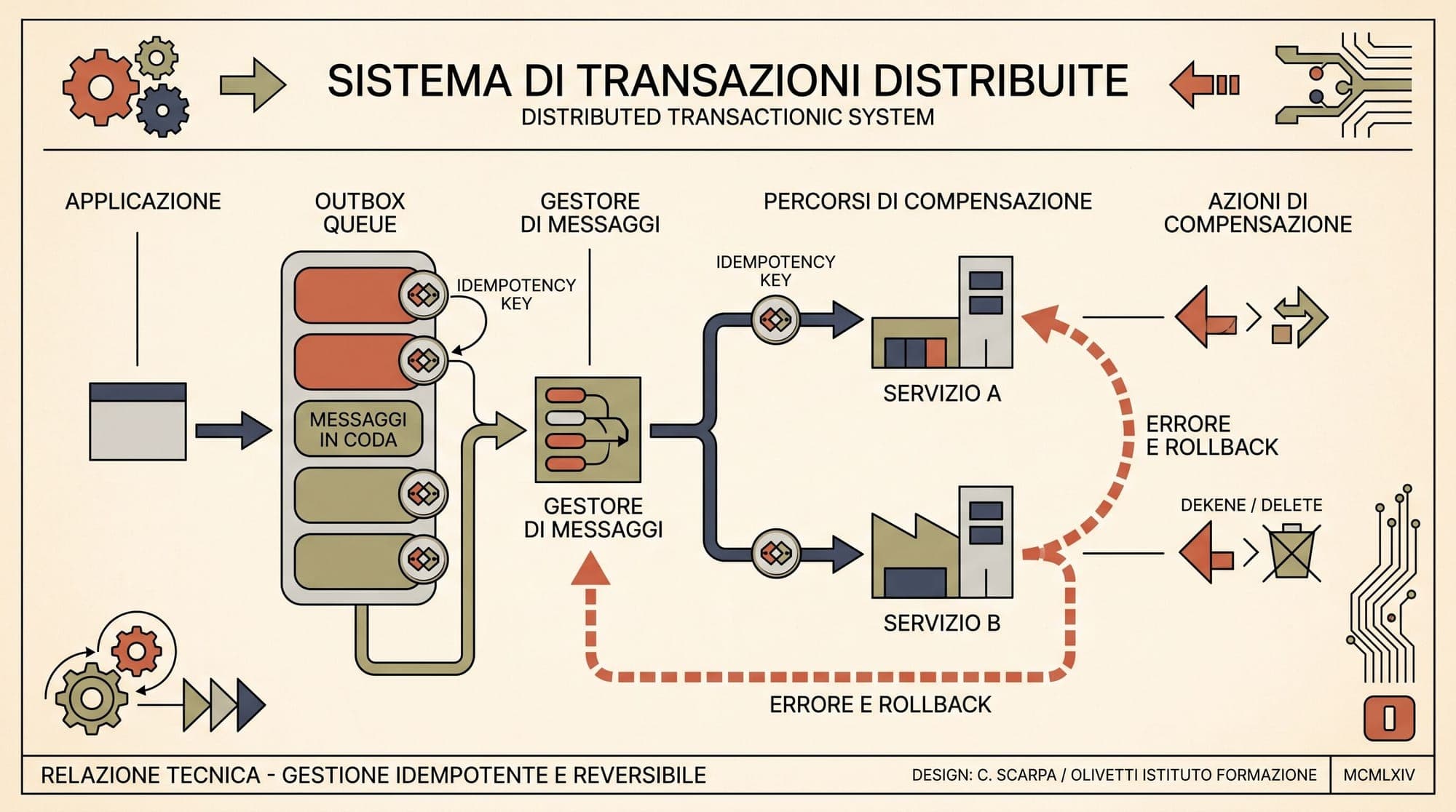
  11. Idempotency and Side-Effect Safety in Production AI Agents: Transactional Outboxes, Distributed Sagas, and Compensating Actions

    Autonomous AI agents interacting with real-world infrastructure frequently execute irreversible side-effects: charging payment methods, provisioning cloud servers, sending external webhooks, and modifying production databases. While traditional microservices rely on deterministic business logic and predictable retry policies, Large Language Model (LLM) agents operate probabilistically. An agent faced with a transient network drop, an HTTP 504 Gateway Timeout, or context window compaction can re-

    AI
    7 min read
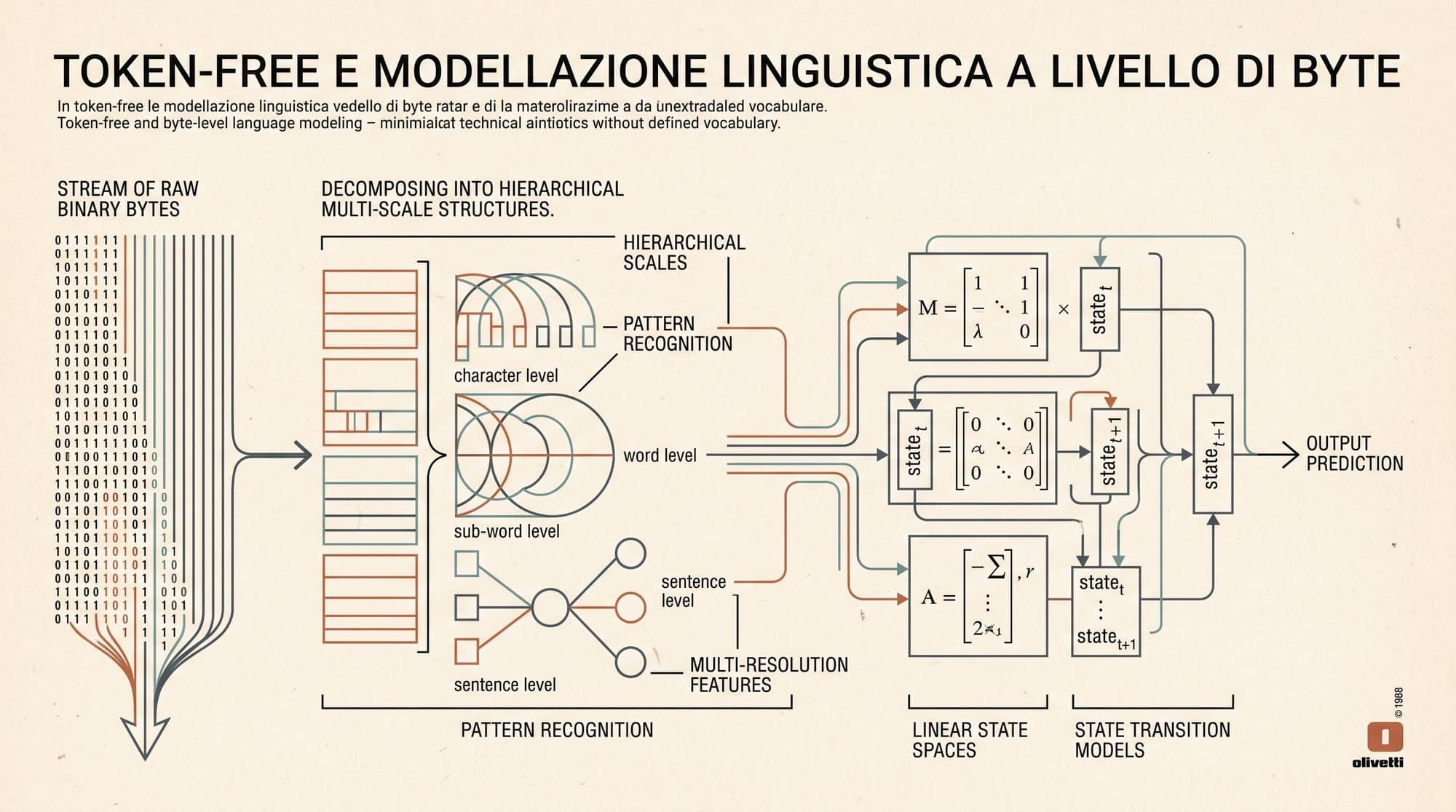
  12. Token-Free and Byte-Level Language Models: How Hierarchical Patching, MegaByte, and MambaByte Eliminate Tokenizer Bottlenecks

    Modern large language models universally rely on subword tokenizers such as Byte-Pair Encoding (BPE), WordPiece, and Unigram algorithms. These tokenizers compress text into discrete integer IDs from a fixed vocabulary, typically spanning 32,000 to 256,000 entries. By collapsing three to five characters into a single token, tokenizers reduce sequence length ($L$), making quadratic $O(L^2)$ self-attention computationally tractable. However, subword tokenization introduces systemic architectural l

    AI
    7 min read
  13. PII Redaction and Reversible Tokenization in Production LLM Systems: Architecture, NER Latency, and Streaming De-Anonymization

    In enterprise production environments, forwarding unsanitized prompt payloads to third-party model providers or logging raw agent execution traces exposes organizations to severe regulatory liability. Under frameworks such as GDPR Article 4(1), the HIPAA Safe Harbor standard, and the California Privacy Rights Act (CPRA), personally identifiable information (PII) including patient health identifiers, Social Security numbers, credit card data, full names, and personal email addresses cannot be tra

    AI
    7 min read
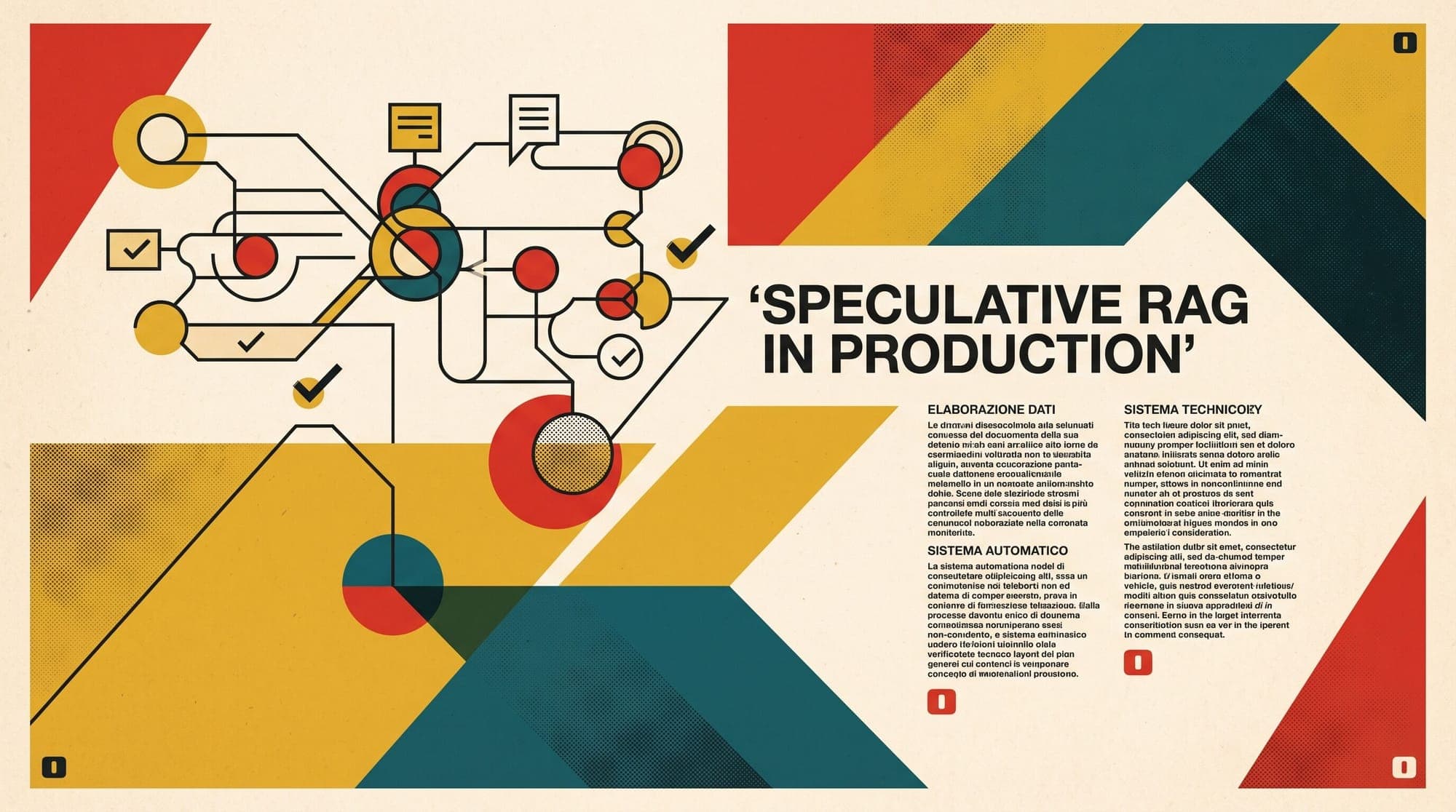
  14. Speculative RAG in Production: Architecture, Multi-Perspective Sampling, and Draft Verification Trade-Offs

    Standard Retrieval-Augmented Generation (RAG) pipelines face an escalating trade-off between retrieval recall and inference latency. To ensure sufficient coverage for ambiguous or complex knowledge-intensive queries, production systems commonly ingest between 10 and 20 candidate passages per query. However, concatenating large document sets directly into the prompt context of a large language model introduces severe bottlenecks: quadratic attention scaling during the prefill phase, elevated Time

    Architecture
    7 min read
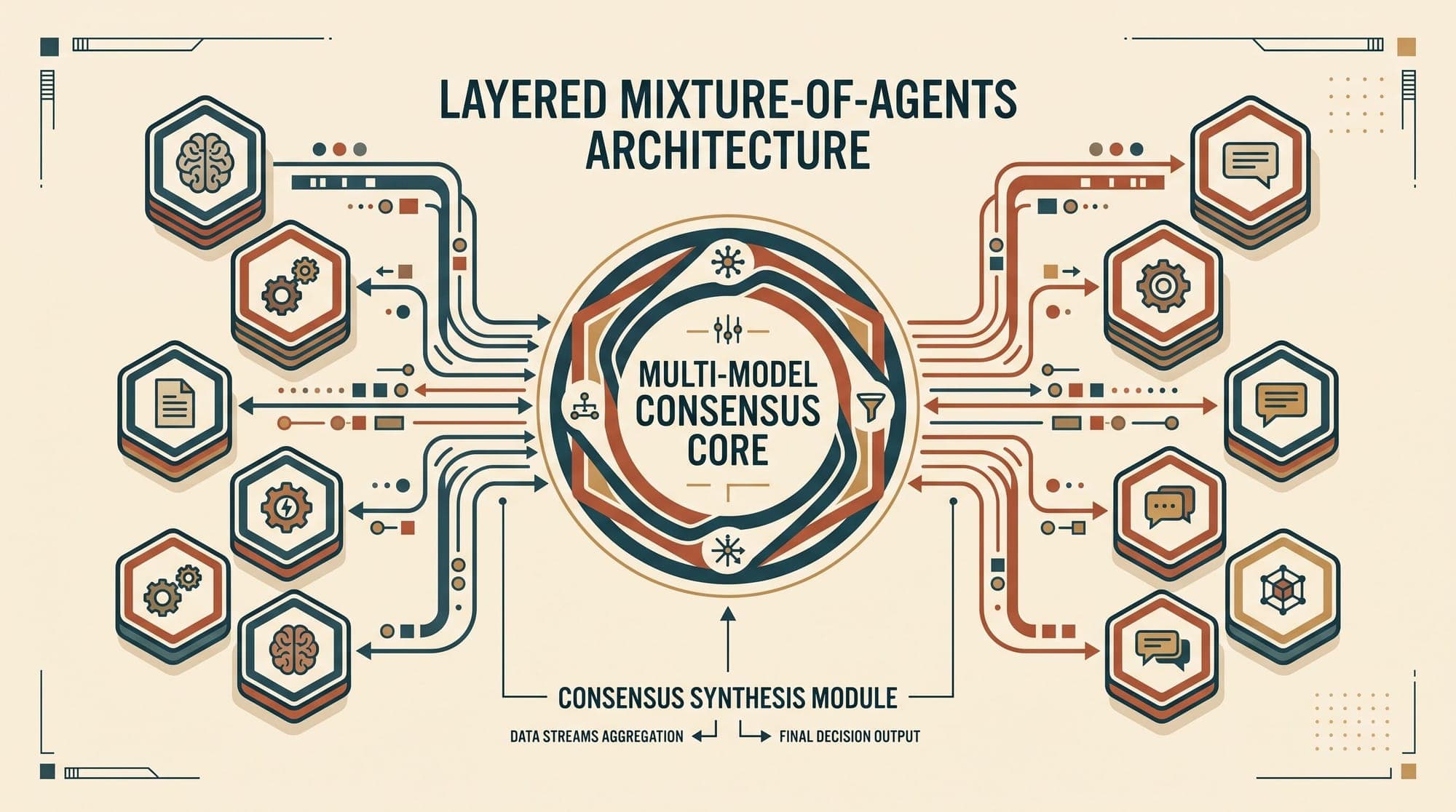
  15. Mixture-of-Agents and Multi-LLM Consensus in Production: Architecture, Layered Synthesis, Latency Budgets, and Cost Trade-Offs

    Single frontier models face physical and economic scaling limits. While model developers continue to scale pre-training compute and post-training reinforcement learning, individual foundation models still exhibit persistent failure modes: domain blind spots, subtle reasoning hallucinations, and inconsistent instruction adherence. To break past the performance ceilings of single models, production engineering teams increasingly deploy multi-model ensemble architectures. The most prominent of the

    AI
    7 min read
  16. Differential Attention in Large Language Models: How Denoising Subtraction Eliminates Attention Noise and Outlier Activations

    In standard transformer architectures, the self-attention mechanism computes pairwise token interactions through the scaled dot-product operator followed by a softmax normalization. While this formulation has underpinned modern large language models, it suffers from an architectural limitation: attention noise. Because the softmax function maps input logits to a strictly positive probability distribution summing to one, it forces probability mass onto irrelevant context tokens. In sequences span

    AI
    6 min read
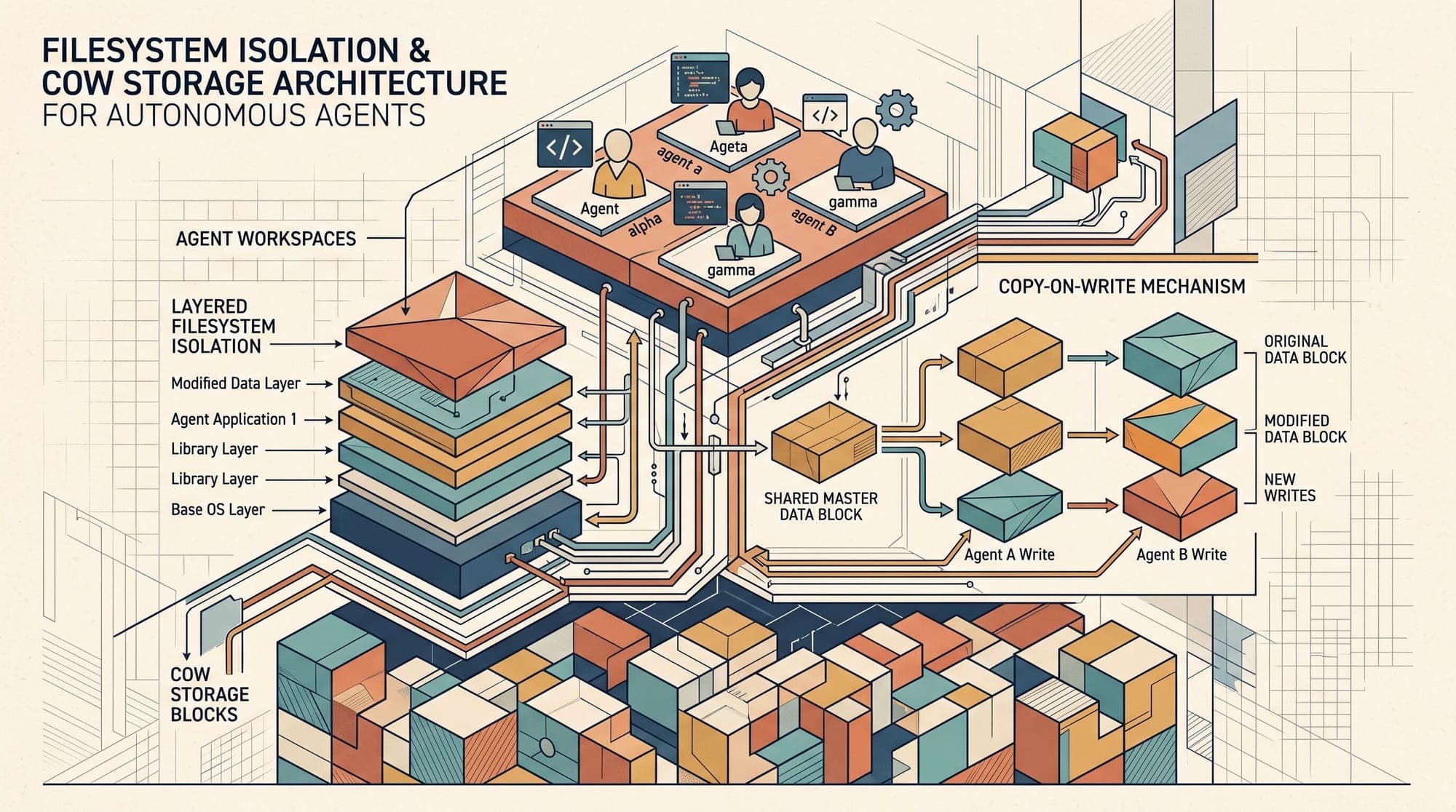
  17. Ephemeral File Systems for AI Coding Agents: Git Worktrees, Rootless OverlayFS, and Copy-on-Write Isolation

    Autonomous AI coding agents frequently execute arbitrary shell commands, modify source code, install third-party dependencies, and run test suites. Granting an unconstrained agent direct write access to a developer's active working tree creates immediate operational hazards: accidental destruction of untracked files, workspace corruption from speculative refactoring, and state leaks across parallel tasks. Heavyweight virtualization solutions like full virtual machines or freshly initialized con

    Analysis
    7 min read
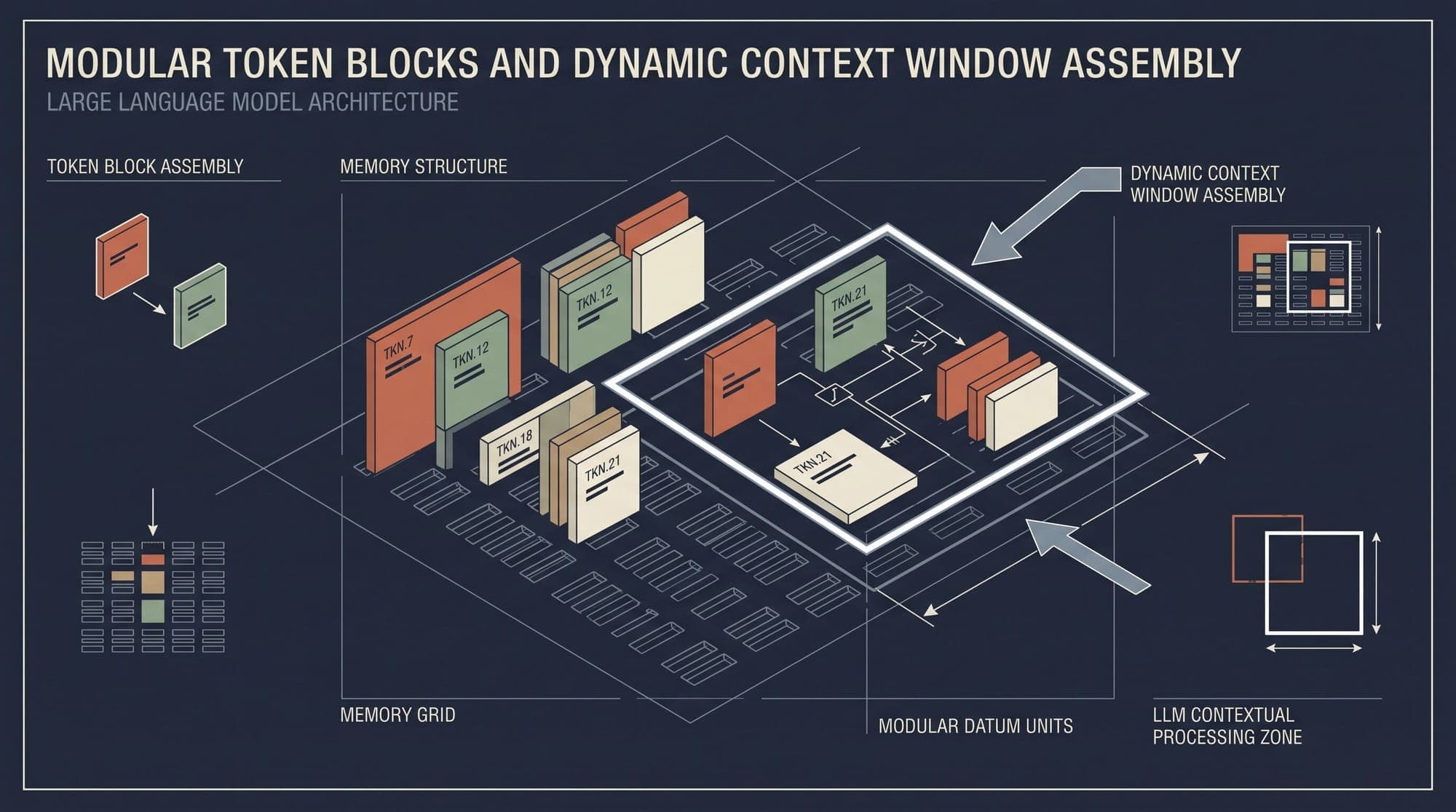
  18. Dynamic Context Assembly and Token Budget Allocation in Production: Priority Packing, Prefix Cache Alignment, and Degradation Fallbacks

    In production large language model systems, prompt construction is frequently treated as simple string concatenation. Engineers assemble system instructions, tool schemas, retrieved document snippets, memory state, and multi-turn conversational history using template strings. In low-throughput prototypes, this approach functions adequately. In high-throughput production systems and multi-agent workflows, naive assembly introduces critical failure modes: abrupt context window overflows triggering

    LLM
    6 min read
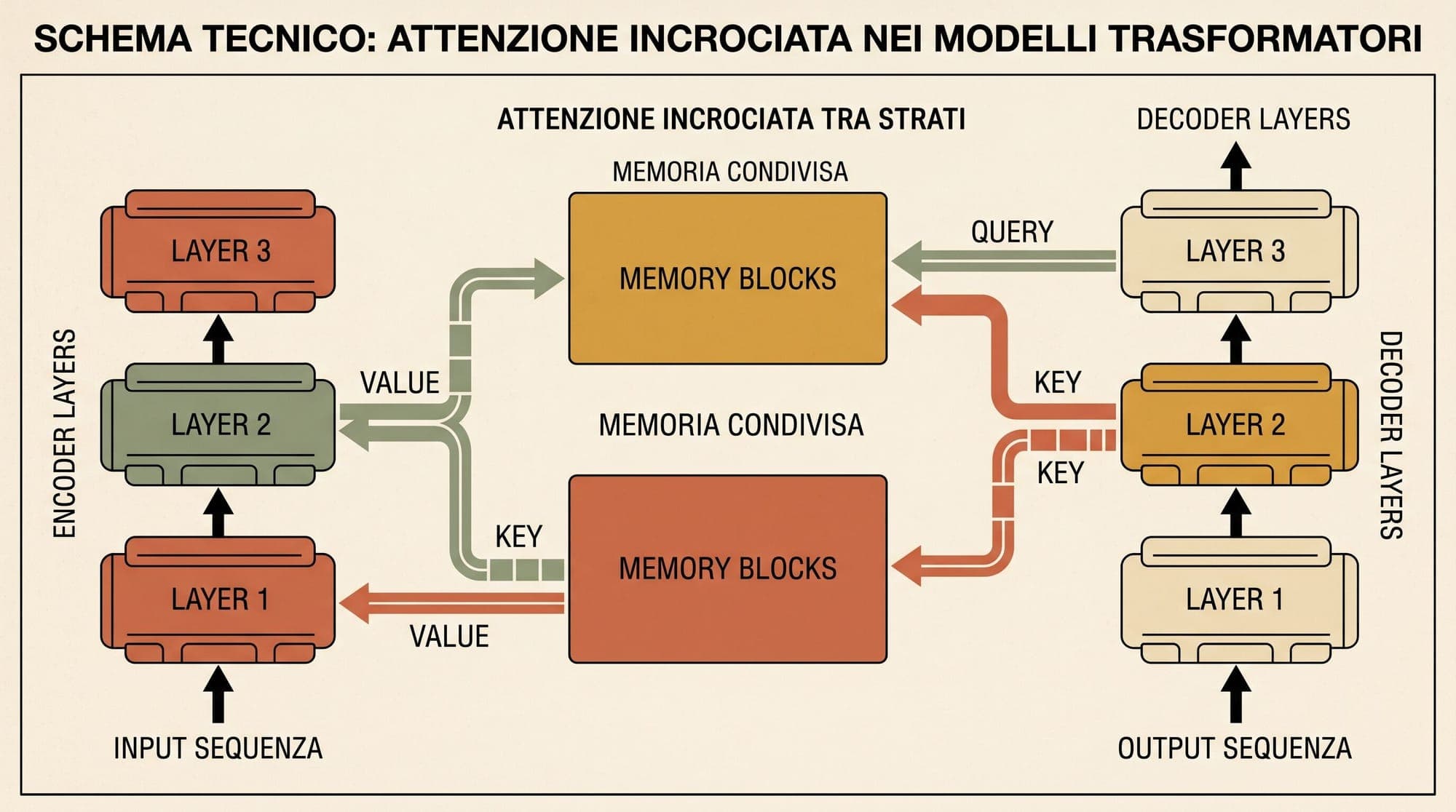
  19. Cross-Layer Attention: How Sharing Key-Value Tensors Across Transformer Layers Slashes KV Cache Memory

    In autoregressive large language models, the primary operational ceiling for serving long sequences and high batch concurrency is the Key-Value (KV) cache. During standard generation, every transformer layer computes and stores key and value activations for every token in the sequence to prevent quadratic recomputation during subsequent autoregressive decoding steps. While this mechanism transforms inference time complexity from $O(N^2)$ to $O(N)$ per generated token, it introduces a massive me

    AI
    9 min read
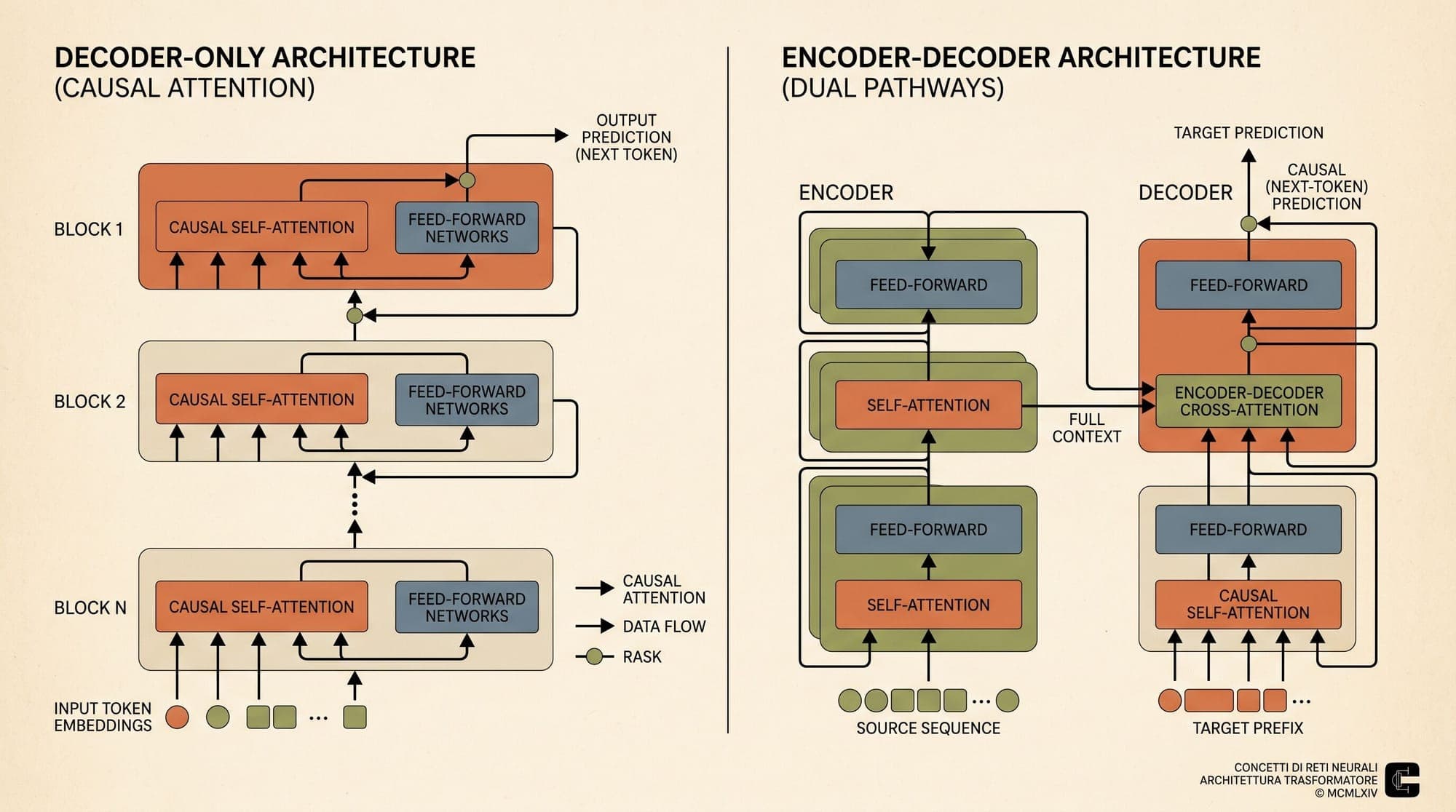
  20. Decoder-Only vs. Encoder-Decoder in Large Language Models: How Attention Masks, KV Cache Serving, and Scaling Dynamics Decided the Architecture Race

    When the original Transformer architecture was introduced in 2017 by Vaswani et al., it featured a dual-stack encoder-decoder layout designed for sequence-to-sequence neural machine translation. Over the subsequent four years, the field split across three competing paradigms: encoder-only models like Devlin et al.'s BERT for understanding, encoder-decoder models like Raffel et al.'s T5 and Lewis et al.'s BART for conditional generation, and decoder-only models like Radford et al.'s GPT series fo

    AI
    8 min read