RAG5 articles

RAG

Articles

  • Document Parsing and Visual Retrieval for Production RAG: Architecture, Benchmarks, and Serving Trade-Offs for Docling, Marker, MinerU, and ColPali

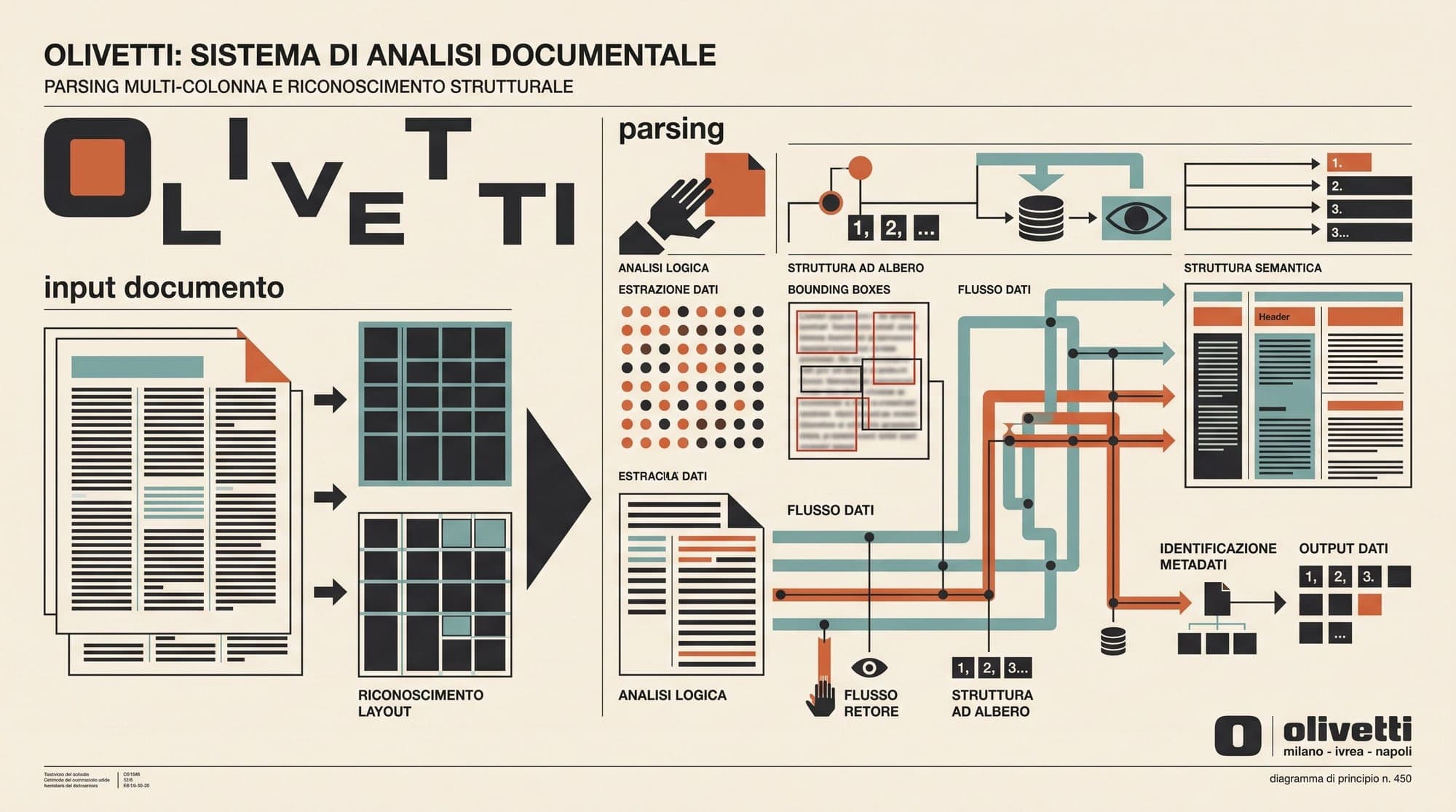
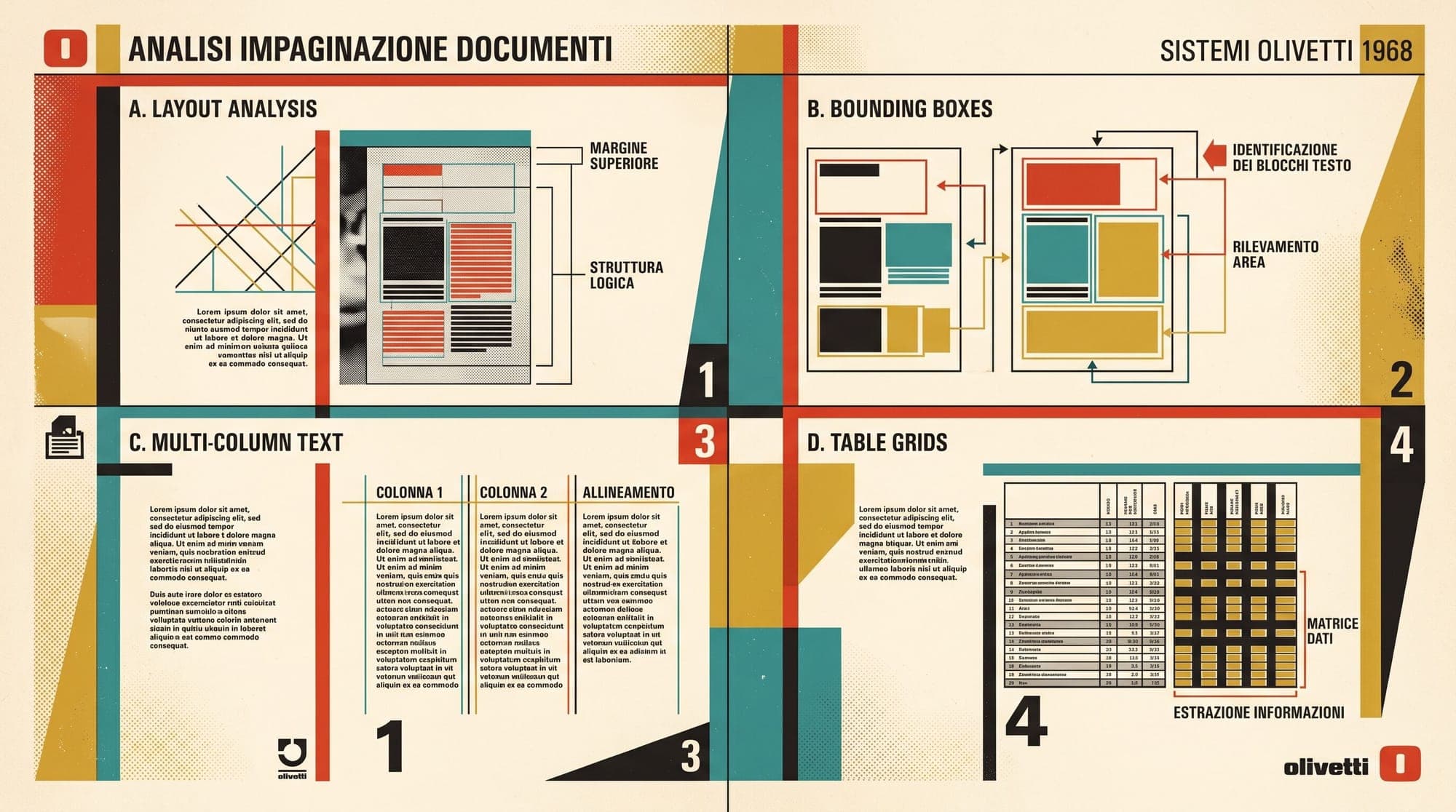
    Document Parsing and Visual Retrieval for Production RAG: Architecture, Benchmarks, and Serving Trade-Offs for Docling, Marker, MinerU, and ColPali The retrieval quality of a Retrieval-Augmented Generation (RAG) system is strictly bounded by the fidelity of its document ingestion pipeline. In enterprise environments, the vast majority of domain knowledge remains locked in unstructured Portable Document Format (PDF) files, scanned reports, technical manuals, and multi-column research papers. Na

    1 min
  • Document Chunking Strategies for Production RAG: Fixed-Size, Semantic, Hierarchical, and Late Chunking Trade-Offs

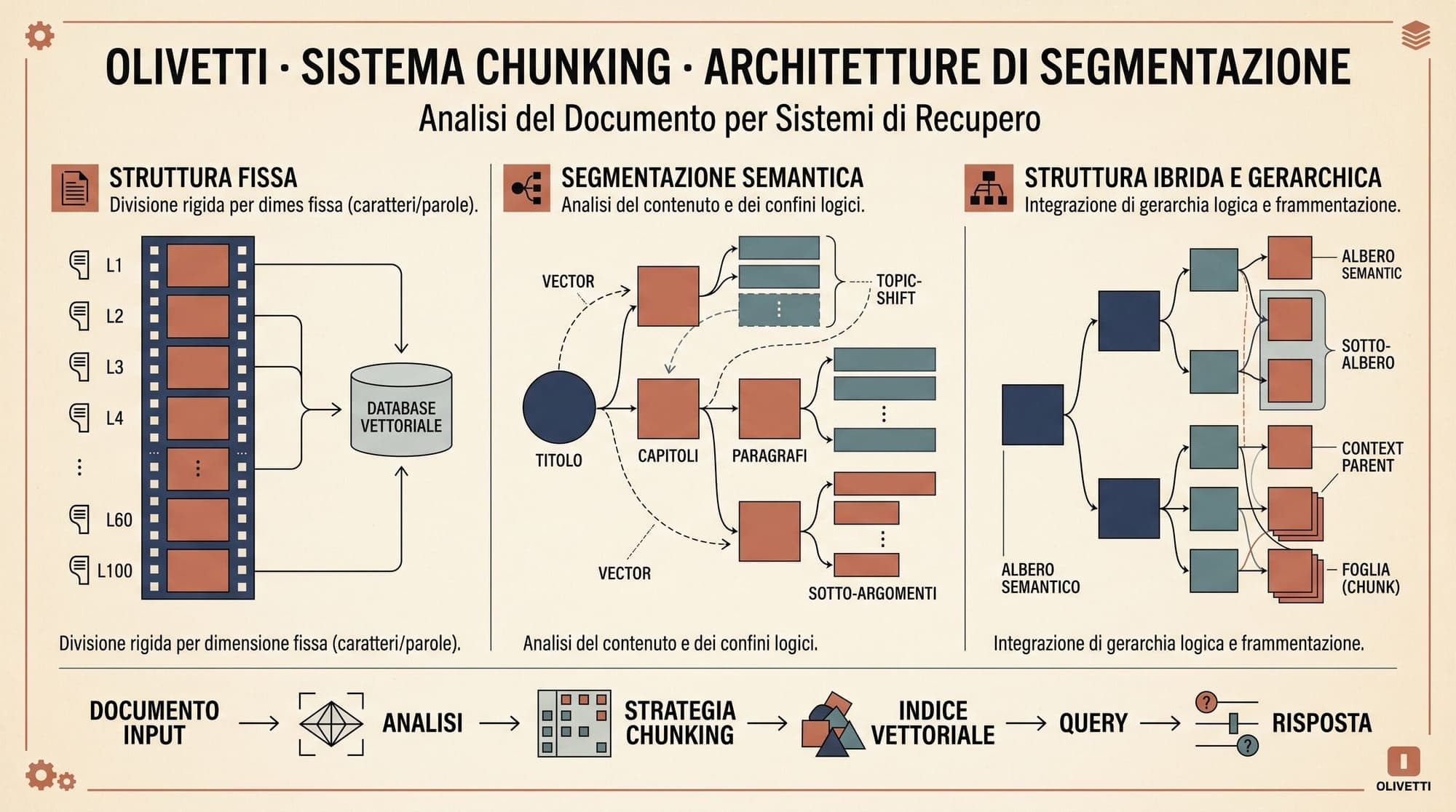
    Document Chunking Strategies for Production RAG: Fixed-Size, Semantic, Hierarchical, and Late Chunking Trade-Offs In production retrieval-augmented generation (RAG), document chunking is often treated as a trivial preprocessing step. In practice, the method used to partition raw text directly dictates the upper bound of retrieval recall, embedding representation quality, and downstream generation accuracy. Retrieval systems face a fundamental tension. Dense vector search models perform best wh

    1 min
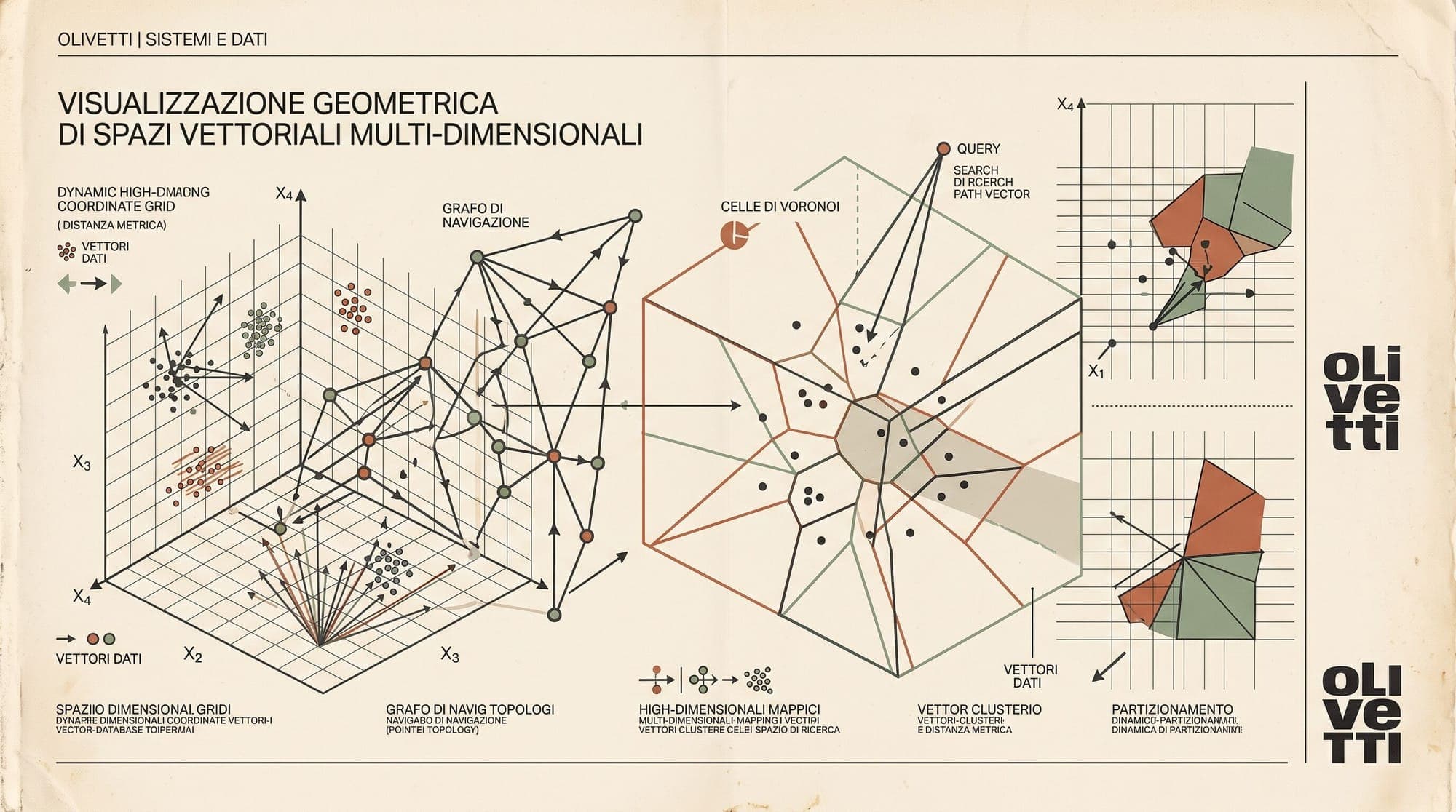
  • Vector Databases in Production: Architecture, Filtering Strategies, and Scale Ceilings for pgvector, Qdrant, Milvus, and Pinecone

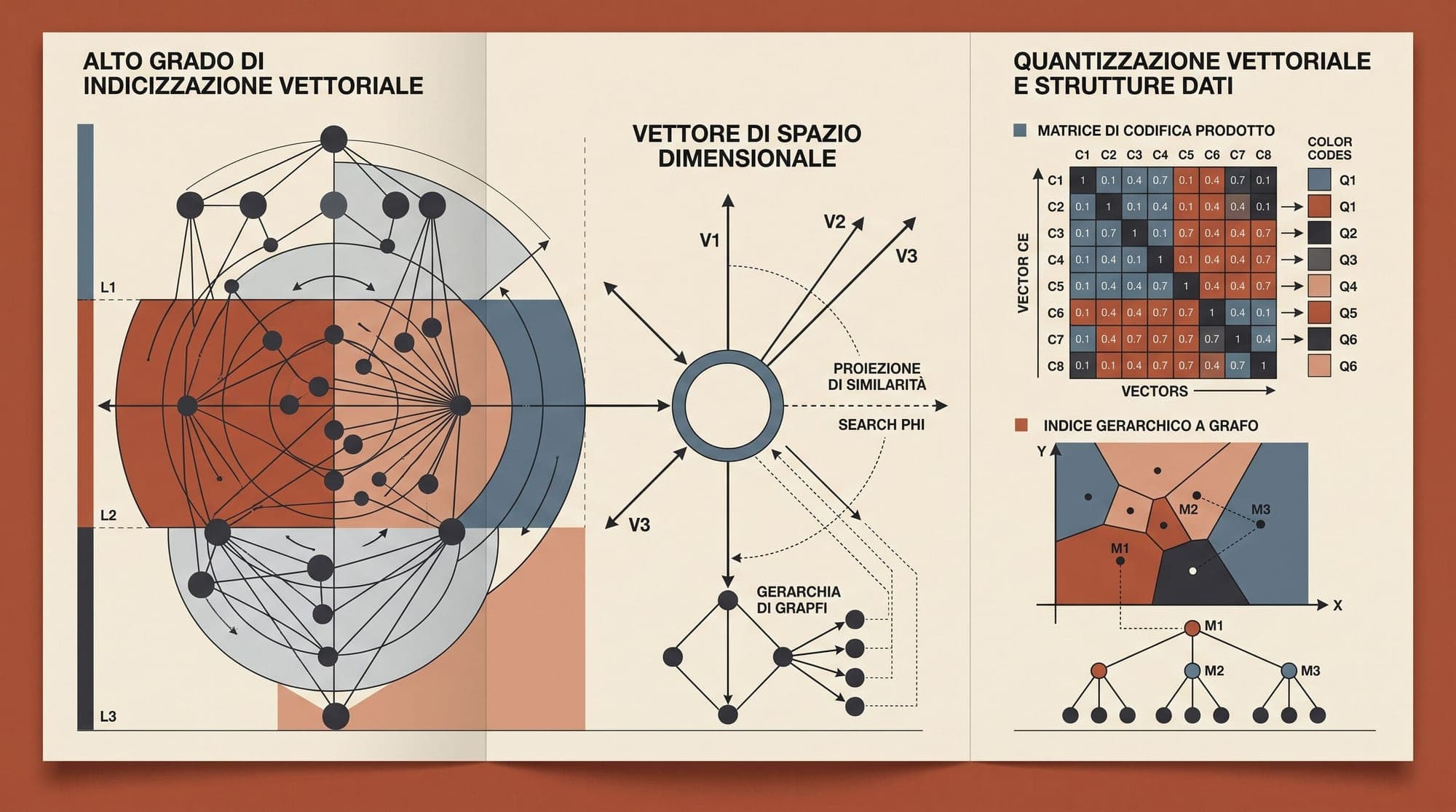
    The rapid deployment of retrieval-augmented generation (RAG) and semantic search has turned vector databases from specialized academic tooling into core production infrastructure. However, engineering teams face conflicting architectural paradigms. On one side, the relational database ecosystem argues that vector extensions inside existing databases eliminate operational overhead. On the other side, dedicated vector database vendors argue that relational engines cannot handle high-dimensional ge

    1 min
  • GraphRAG vs. Vector RAG in Production: Architecture, Community Summaries, and Cost-Latency Trade-Offs

    Retrieval-Augmented Generation (RAG) has become the standard architecture for grounding Large Language Models in external knowledge bases. However, production implementations frequently encounter structural limits when relying entirely on naive vector search. Standard Vector RAG fragments documents into arbitrary chunks and retrieves top-k passages via cosine similarity in embedding space. While effective for localized fact retrieval, this approach struggles with global, corpus-wide synthesis an

    1 min
  • Why Dense Vector Search Alone Fails: Architecting Production Hybrid Retrieval for RAG

    In early Retrieval-Augmented Generation (RAG) deployments, single-stage dense vector search served as the standard retrieval primitive. The workflow appeared straightforward: partition a document corpus into chunks, compute vector embeddings for each chunk using a pre-trained bi-encoder, index the vectors in an approximate nearest neighbor (ANN) store, and retrieve the top candidates by cosine similarity against the query embedding. In production systems handling technical documentation, softwa

    1 min