Open Weights, Read the Fine Print: What Model Licenses Actually Permit in Late 2026
Leaderboards pick the model, the license decides whether you can ship it. A provider-by-provider map of open-weight licensing in late 2026, and a pre-ship checklist.

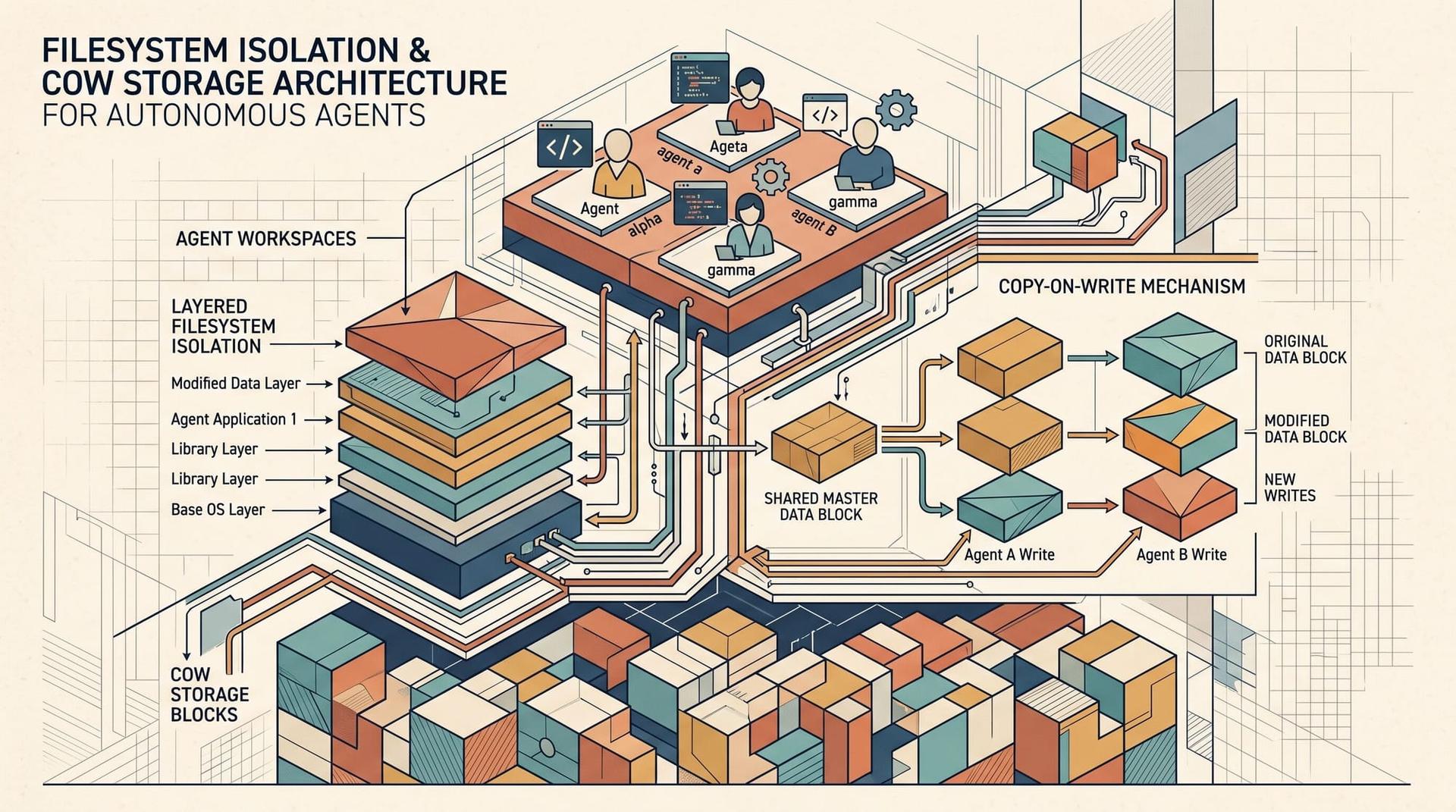
In-depth technical analysis of AI system design. Posts cover temporal knowledge graphs for production RAG, with bitemporal schemas and entity resolution, and ephemeral file systems for AI coding agents using git worktrees and OverlayFS.
Leaderboards pick the model, the license decides whether you can ship it. A provider-by-provider map of open-weight licensing in late 2026, and a pre-ship checklist.
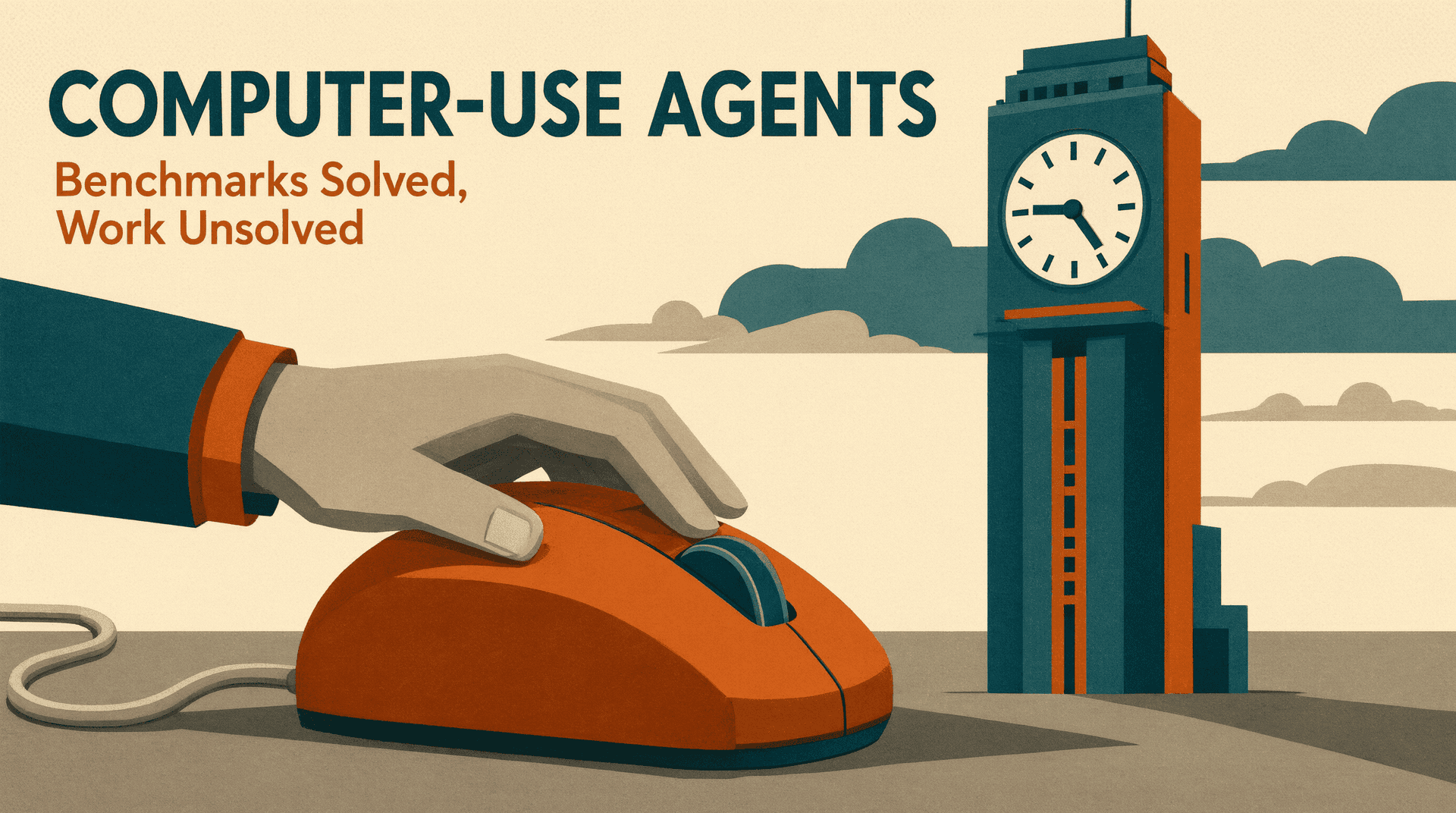
Frontier systems score 83.5% on OSWorld-Verified and 20.6% on OSWorld 2.0's long-horizon workflows. The gap between those numbers is the true state of computer use in late 2026.
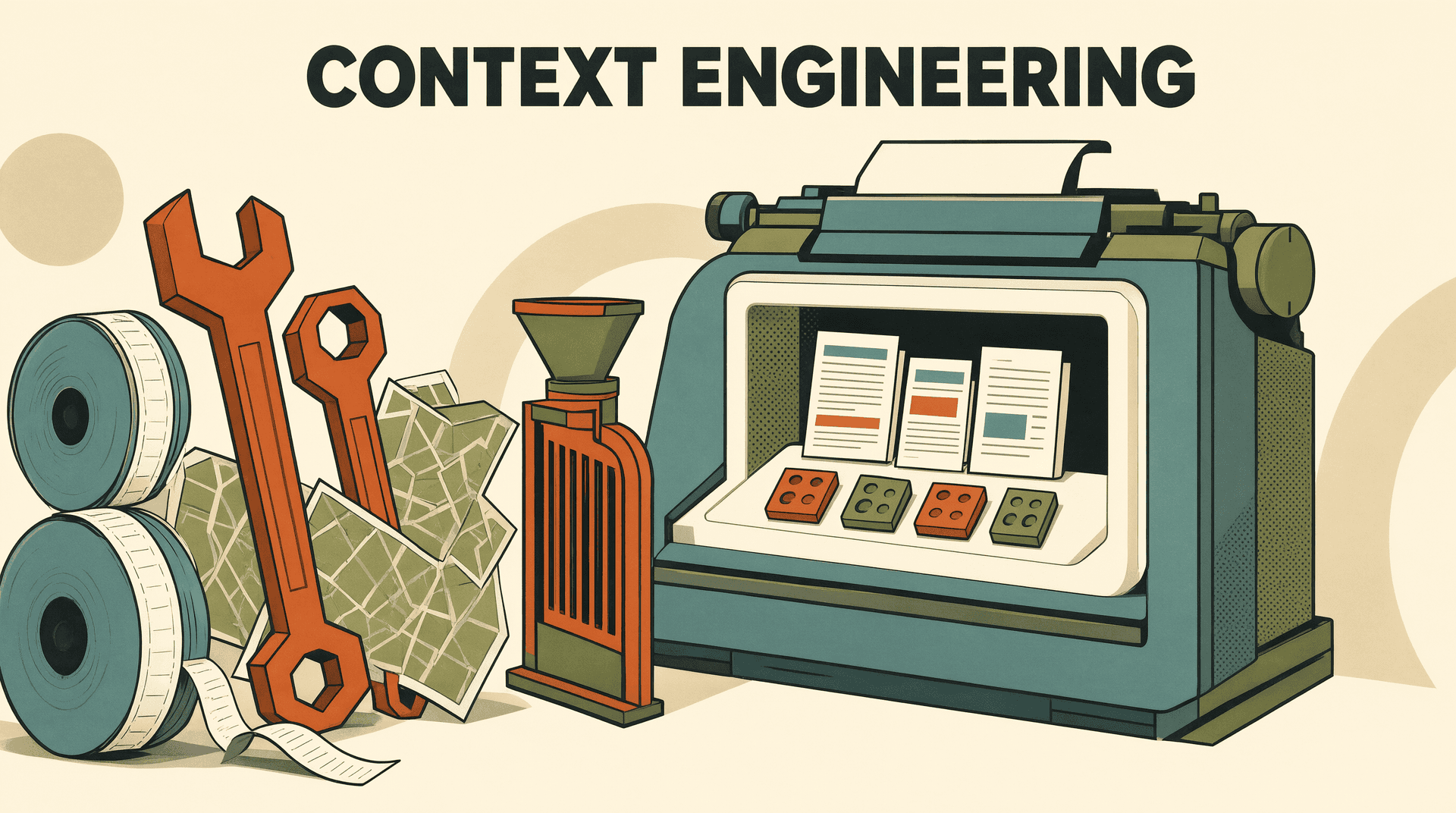
Somewhere in 2025, building AI apps stopped being about finding the perfect sentence and started being about deciding what the model sees on every turn. Here is where the term came from, the evidence behind it, and the techniques that now define the discipline.
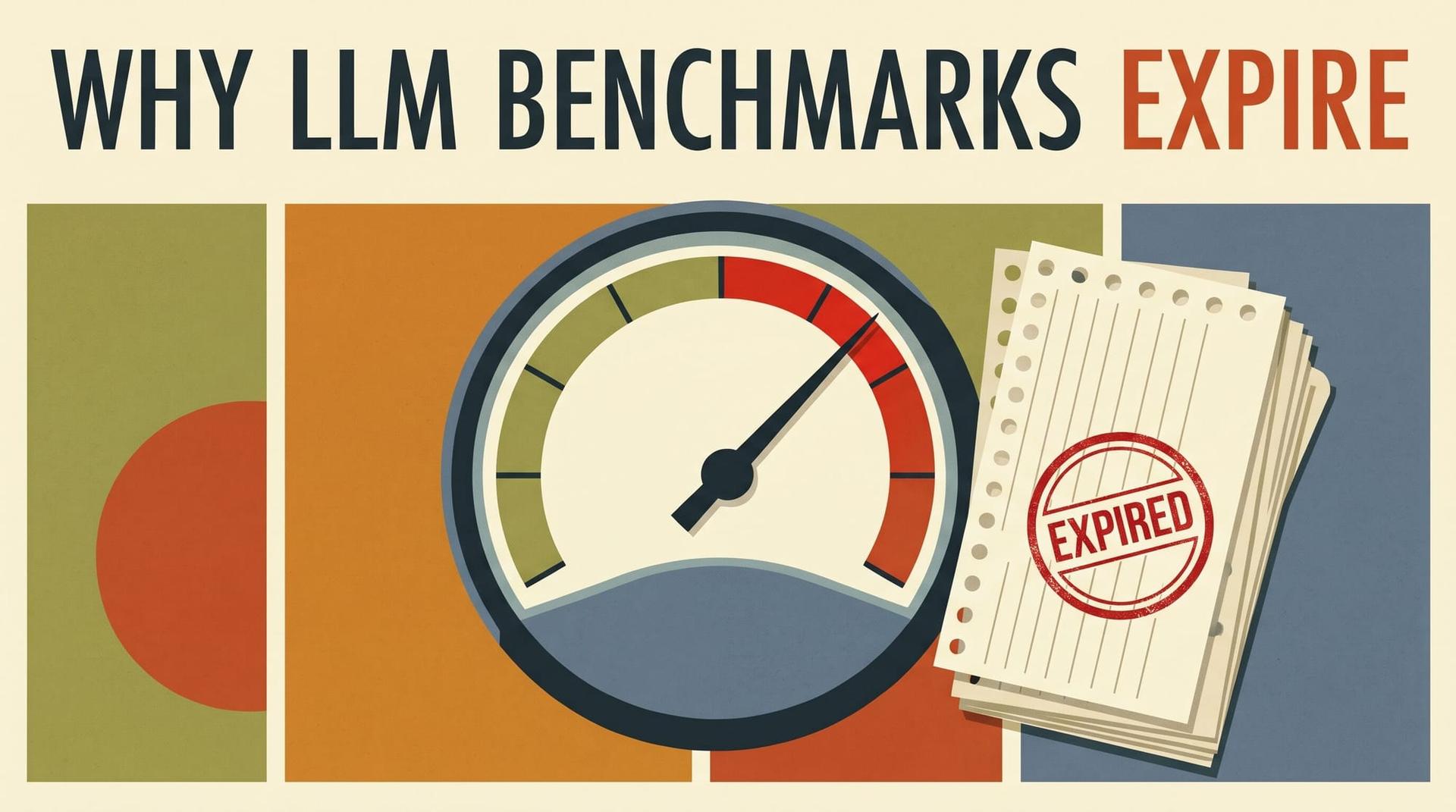
OpenAI retired SWE-bench Verified in February 2026 after finding memorized answers in every frontier model tested. The audit is the clearest case study yet of how public benchmarks decay, and of the post-cutoff and privately authored evals rushing to replace them.
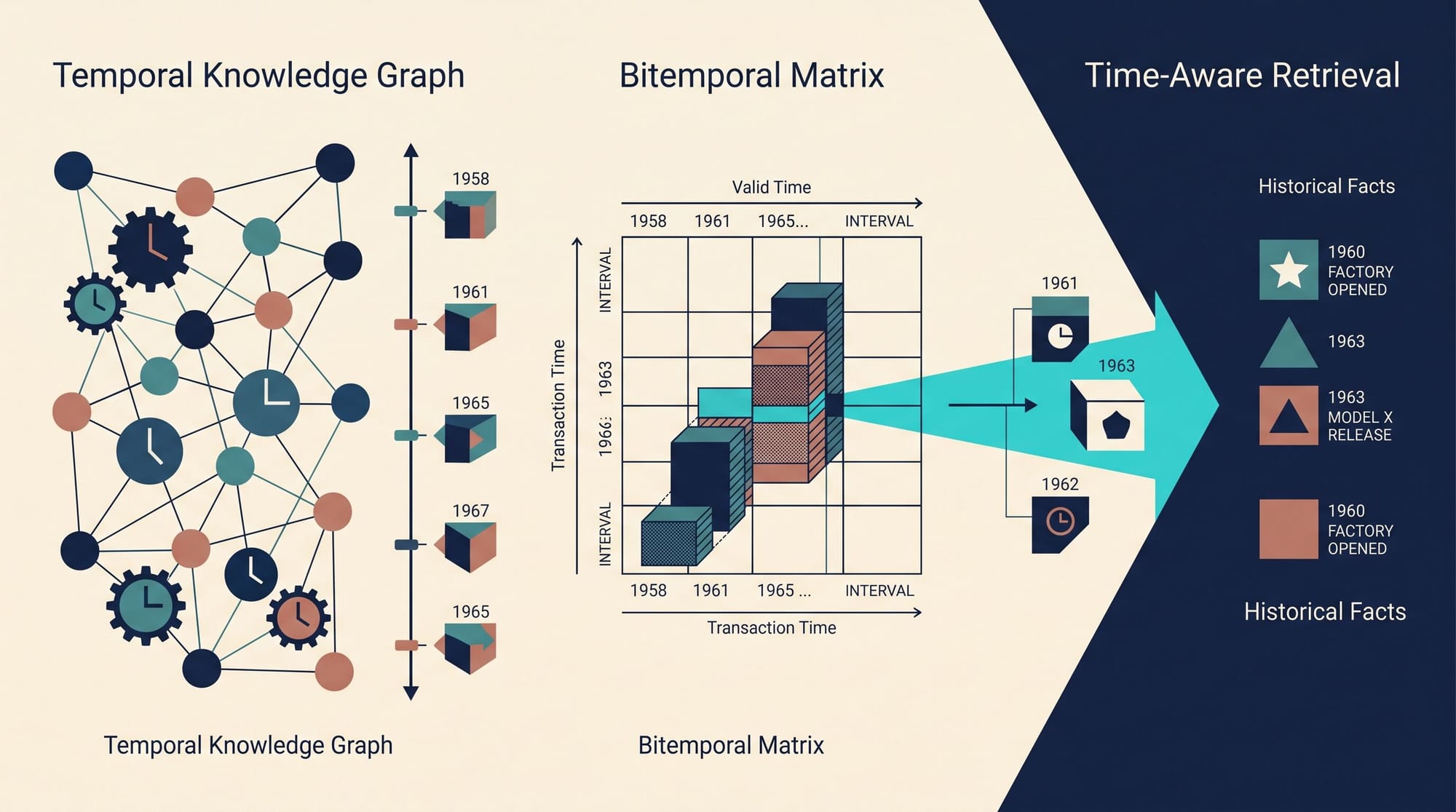
Temporal Knowledge Graphs in Production RAG: Bitemporal Schemas, Dynamic Entity Resolution, and Point-in-Time Context Retrieval Standard Retrieval-Augmented Generation (RAG) pipelines operate on a flat assumption: facts retrieved from a vector database or static knowledge graph are treated as timeless truths. When an enterprise corpus contains documents spanning multiple quarters or years, this timeless representation breaks down. Information changes: executives step down, compliance policies a
Autonomous AI coding agents frequently execute arbitrary shell commands, modify source code, install third-party dependencies, and run test suites. Granting an unconstrained agent direct write access to a developer's active working tree creates immediate operational hazards: accidental destruction of untracked files, workspace corruption from speculative refactoring, and state leaks across parallel tasks. Heavyweight virtualization solutions like full virtual machines or freshly initialized con