What Are AI Benchmarks? How to Read AI Model Scores
MMLU, GPQA, SWE-bench and Chatbot Arena: a plain-English guide to what AI benchmarks measure and why saturation, errors and contamination can mislead.
MMLU, GPQA, SWE-bench and Chatbot Arena: a plain-English guide to what AI benchmarks measure and why saturation, errors and contamination can mislead.
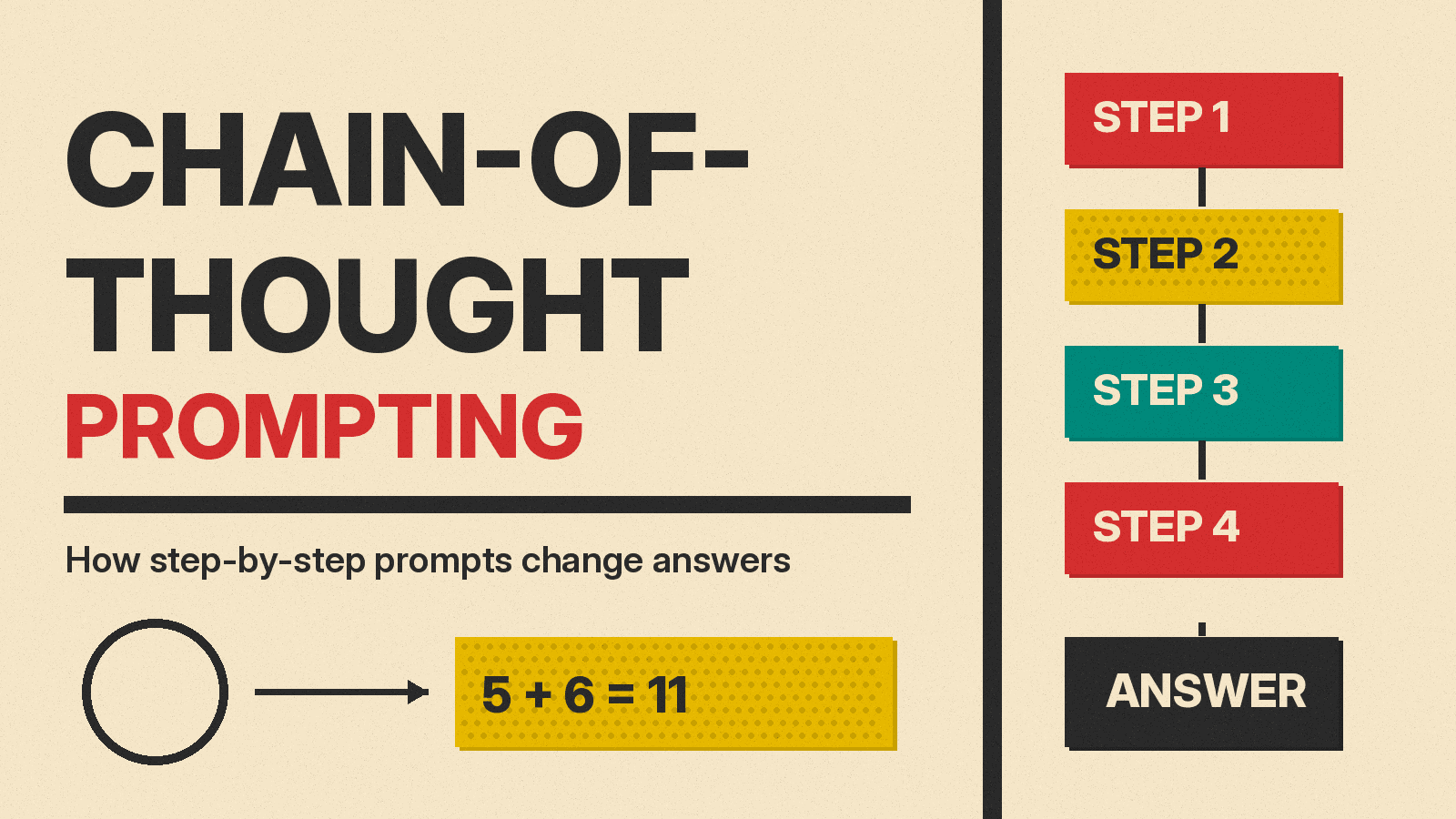
Chain-of-thought prompting asks an AI model to write out its steps before it answers. What the 2022 papers found, the one-line version and the limits.
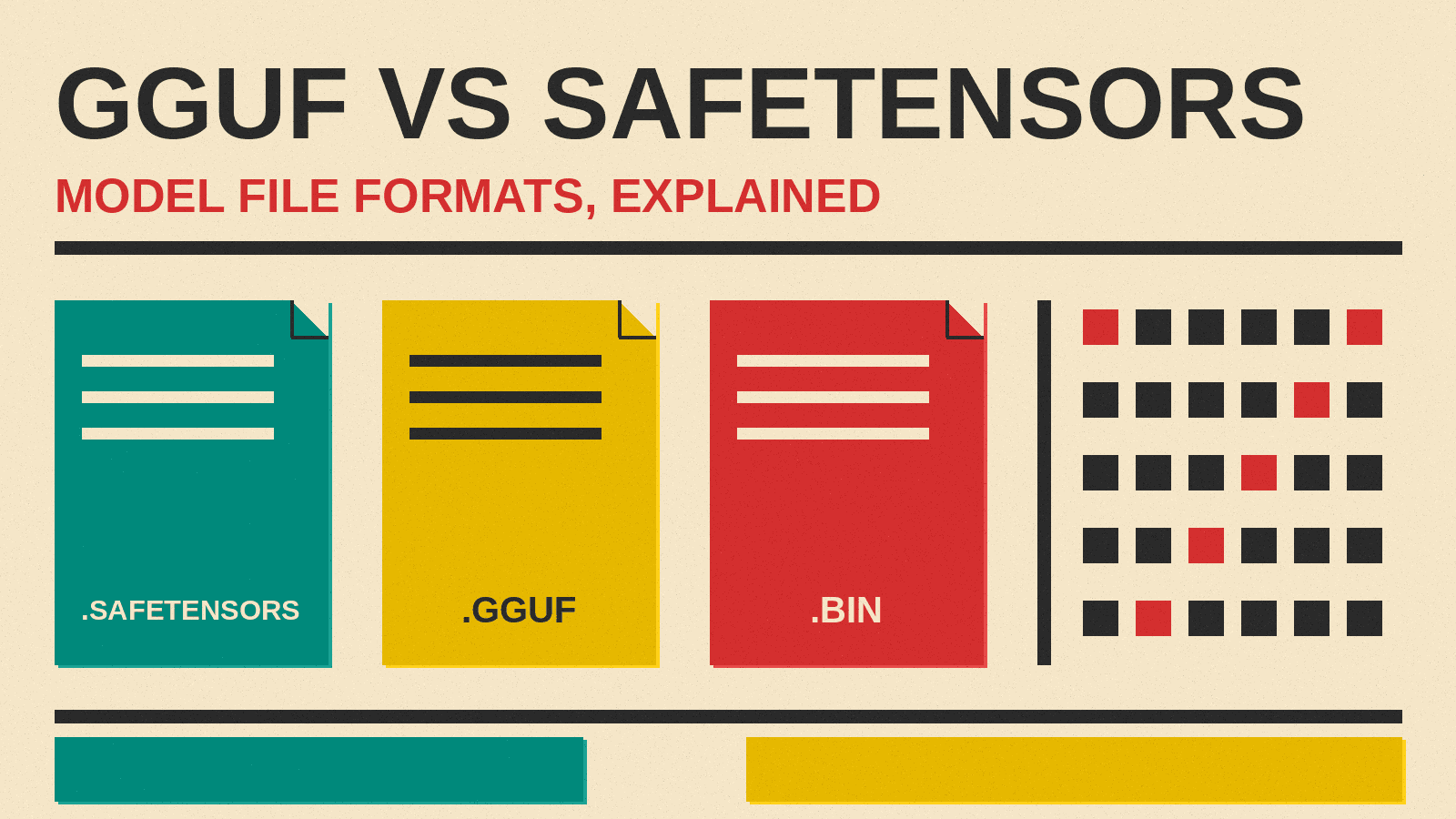
What .safetensors, .gguf, .bin and .pt model files store, why pickle files can run code, what Q4_K and Q6_K mean, and which file to download.
Doubao is ByteDance's AI assistant and China's most used AI app. A plain guide to its Seed models, features, paid plans, the Dola app abroad and Chinese rules.
What is LoRA? A way to customize an AI model by training a small patch, not every weight. How it works, what the 2021 paper found, and where QLoRA fits in.
Anthropic found reasoning models often omit what shaped their answers. OpenAI found that punishing bad thoughts makes models hide intent. Read reasoning as a clue.
Rich Sutton's Bitter Lesson says general methods that use more computing power beat clever human shortcuts. DeepMind's Chinchilla study shows the other half: how you spend that compute, and on what data, decides who wins.
Why AI labs built ever larger models, and why the 2022 Chinchilla paper changed course: a plain-English guide to scaling laws, how to split a compute budget between model size and data, and the newer research on scaling the time a model spends answering.
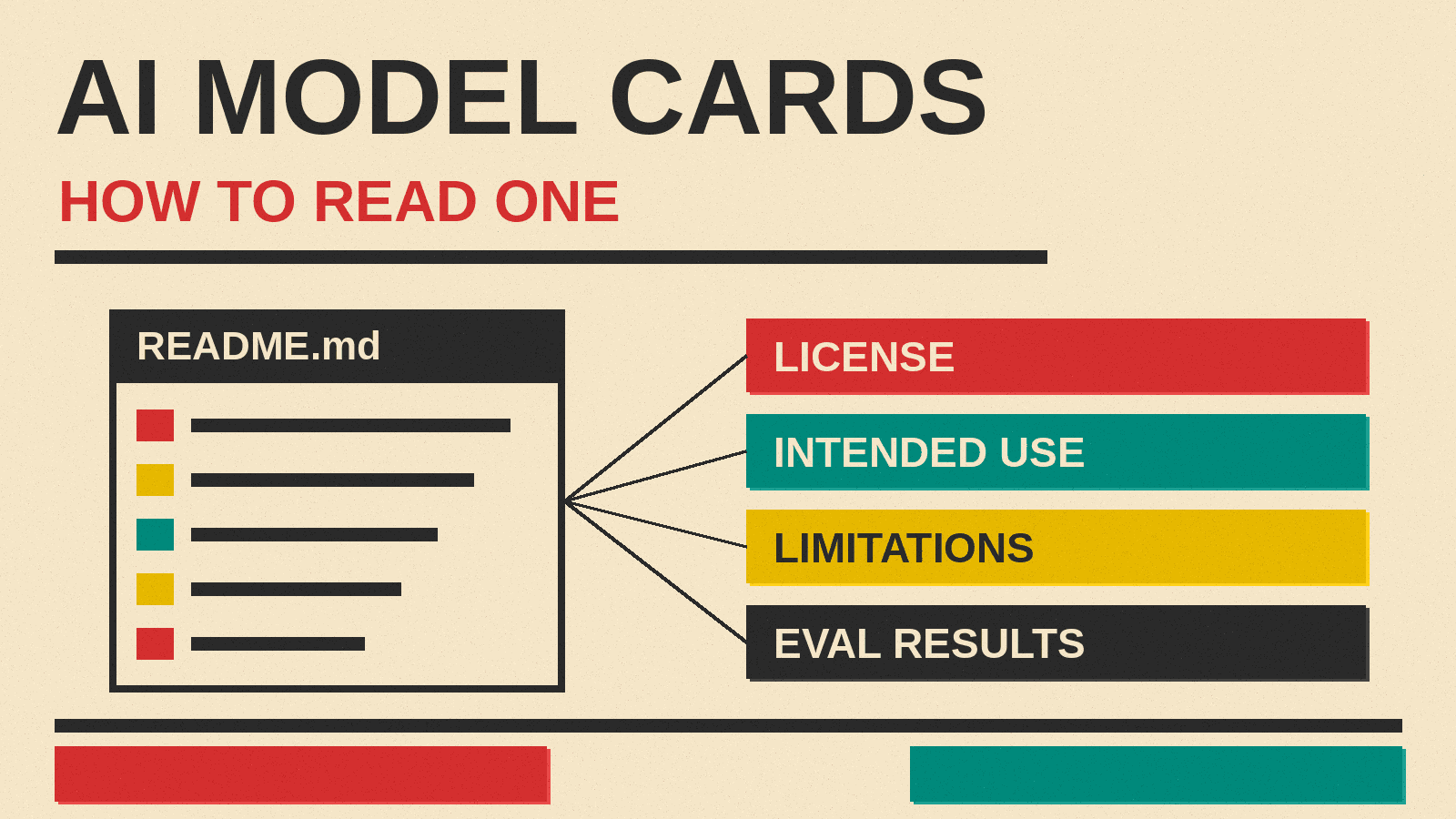
Every open model on Hugging Face comes with a model card. Here is what a model card is, its two parts, and a five-step checklist: license, base model, intended use, evaluation results and gated access.
Twelve books to learn AI, grouped by goal: no-math reads like Co-Intelligence, the classic AI textbook, math foundations, deep learning texts with full editions online, and books on building with large language models. Access checked as of October 2026.
What is RLHF? A plain-English intro to reinforcement learning from human feedback: where the idea came from, the three-step recipe behind InstructGPT and ChatGPT, what it fixed, what it did not, and the simpler methods that followed.
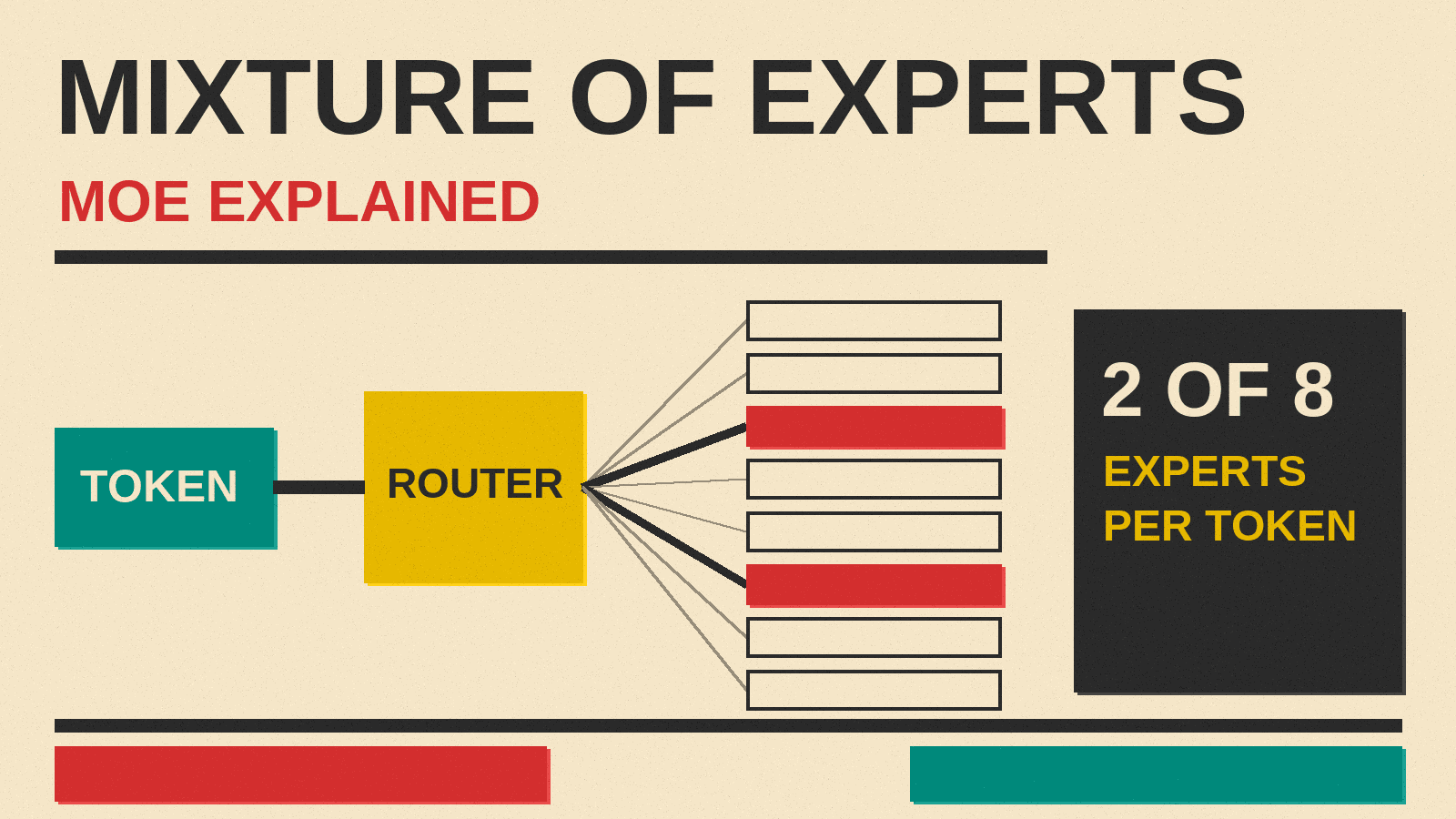
Many open AI models now list two sizes, total and active parameters. That is a sign of a mixture of experts design. Here is how MoE models work, why they are fast but memory hungry, and what the two numbers mean for you.
AI chatbots often flatter your work and fold when you push back. Research on sycophancy and OpenAI's rolled-back GPT-4o update show why: models learn from what people approve of, and people approve of agreement.
A simple, repeatable way to pick an AI model: describe the task, set a quality bar, choose a starting point, test on your own examples and keep the lightest option that passes. Based on model selection guidance from OpenAI and Anthropic.
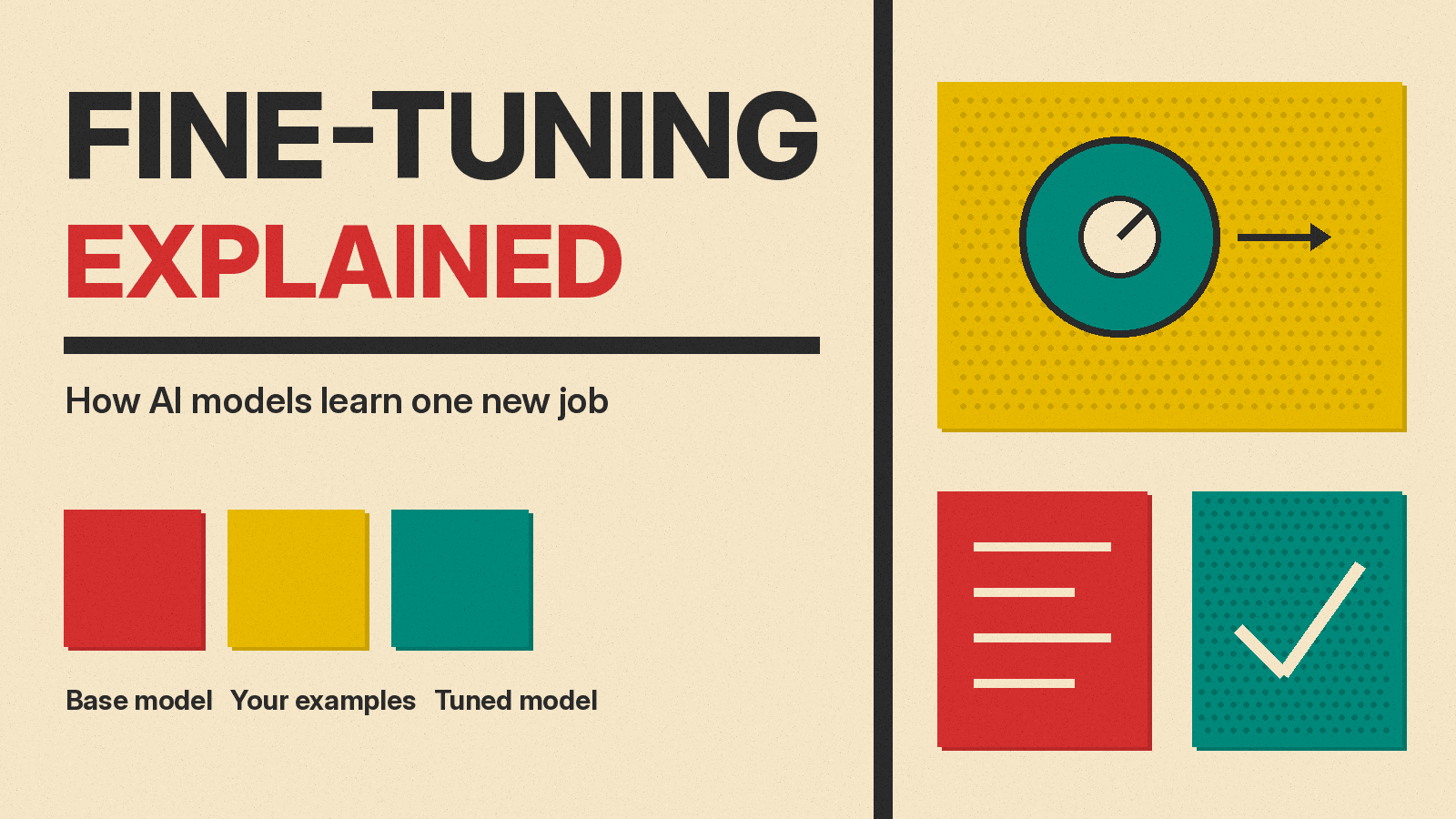
Fine-tuning trains an existing AI model on your examples so it does one job better. How it differs from prompting and RAG, data needs, and LoRA.
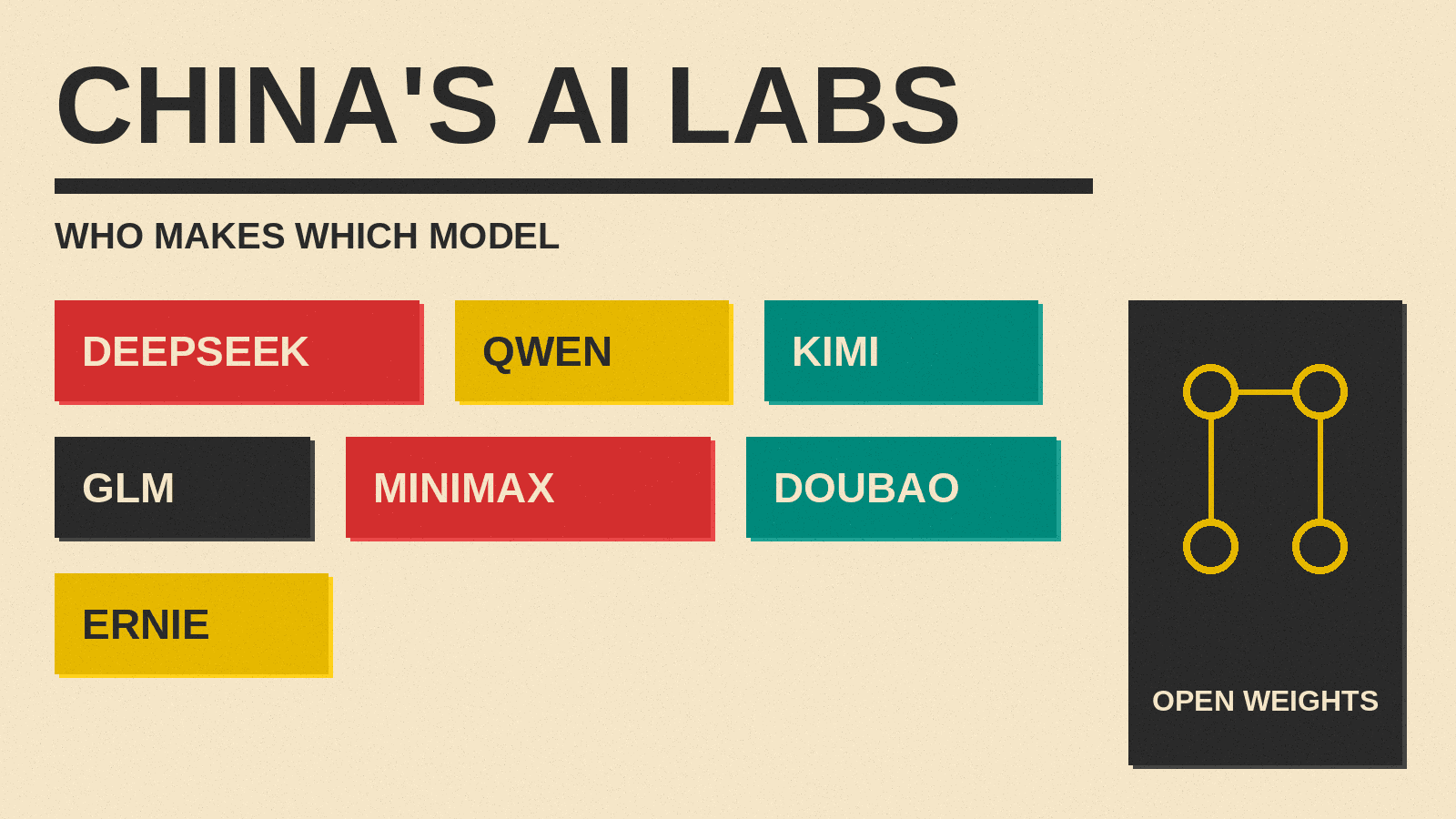
Qwen is a model, Kimi is a product and GLM comes from a lab that changed its name. A plain-English guide to who makes China's main AI models.
Nearly 600 runs show truncated backprop pays only at a fixed loop count. With both counts free, fewer fully trained loops win at equal compute.
Martin Fowler urges authors not to let an LLM write the draft. Hacker News split between tired readers, AI-as-critic users and defenders of AI-assisted writing.
9 free LLM courses from Hugging Face, Google, Microsoft, Anthropic, Karpathy and Stanford, grouped by goal, with what each one asks you to know first.
Across eight models, higher effort lost tasks that lower effort solved and cost up to 42x as much on easy ones. Starting low and retrying high won.