Subscribe
Topic / page 13

LLM

Articles, page 13

241-260
  1. Grouped-Query Attention (GQA) and Multi-Query Attention (MQA): Mathematical Foundations, Arithmetic Intensity, and KV-Cache Scaling Mechanics

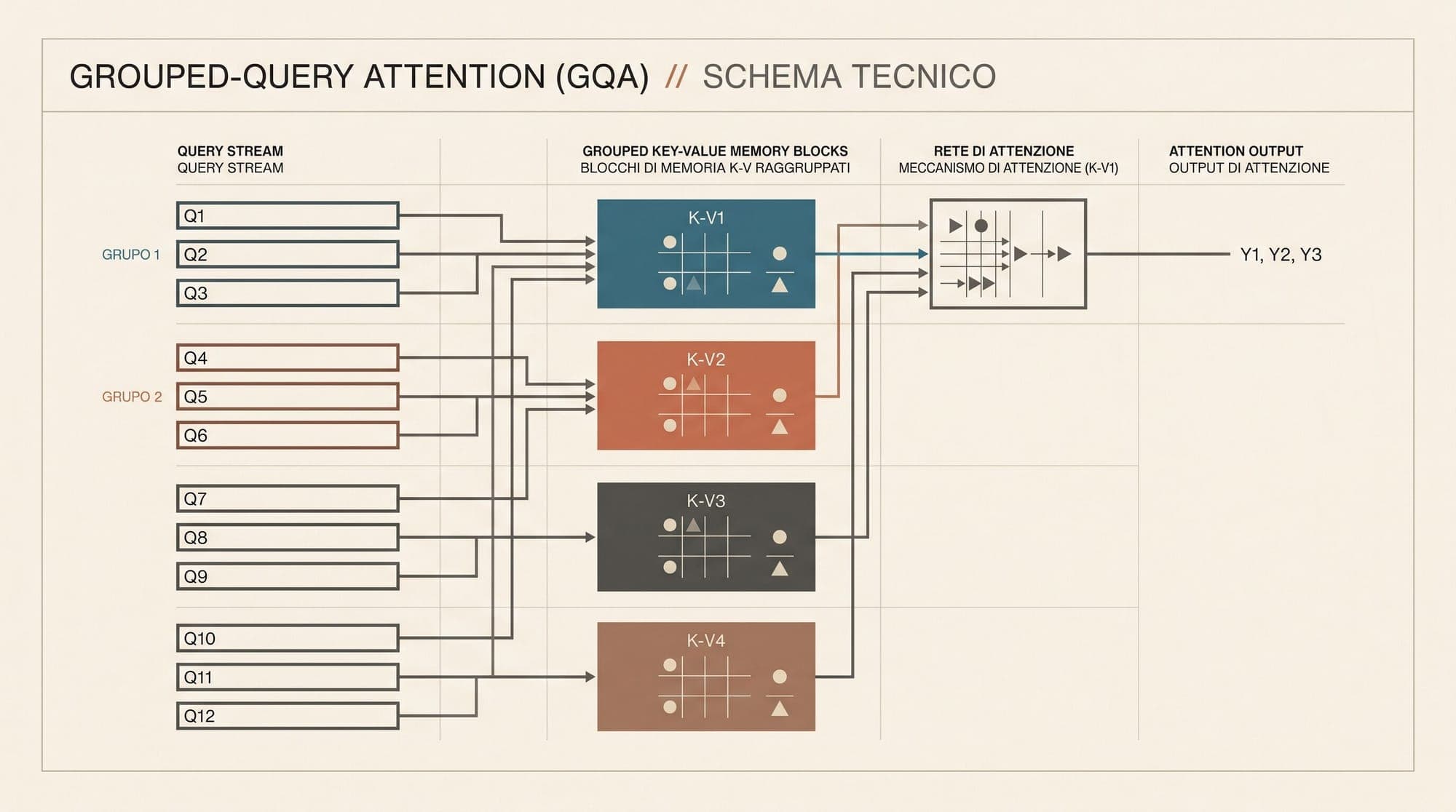
    Grouped-Query Attention (GQA) and Multi-Query Attention (MQA): Mathematical Foundations, Arithmetic Intensity, and KV-Cache Scaling Mechanics Autoregressive large language model inference is governed by a fundamental hardware asymmetry. During the initial prompt processing phase (prefill), computation is compute-bound because matrix multiplications process entire sequences in parallel. During sequential token generation (decoding), execution becomes strictly memory-bandwidth bound. For each gen
    AI
    12 min read
  2. Visa Expands Open-Source Security Harness VVAH with Automated Code Remediation and Adversarial Validation

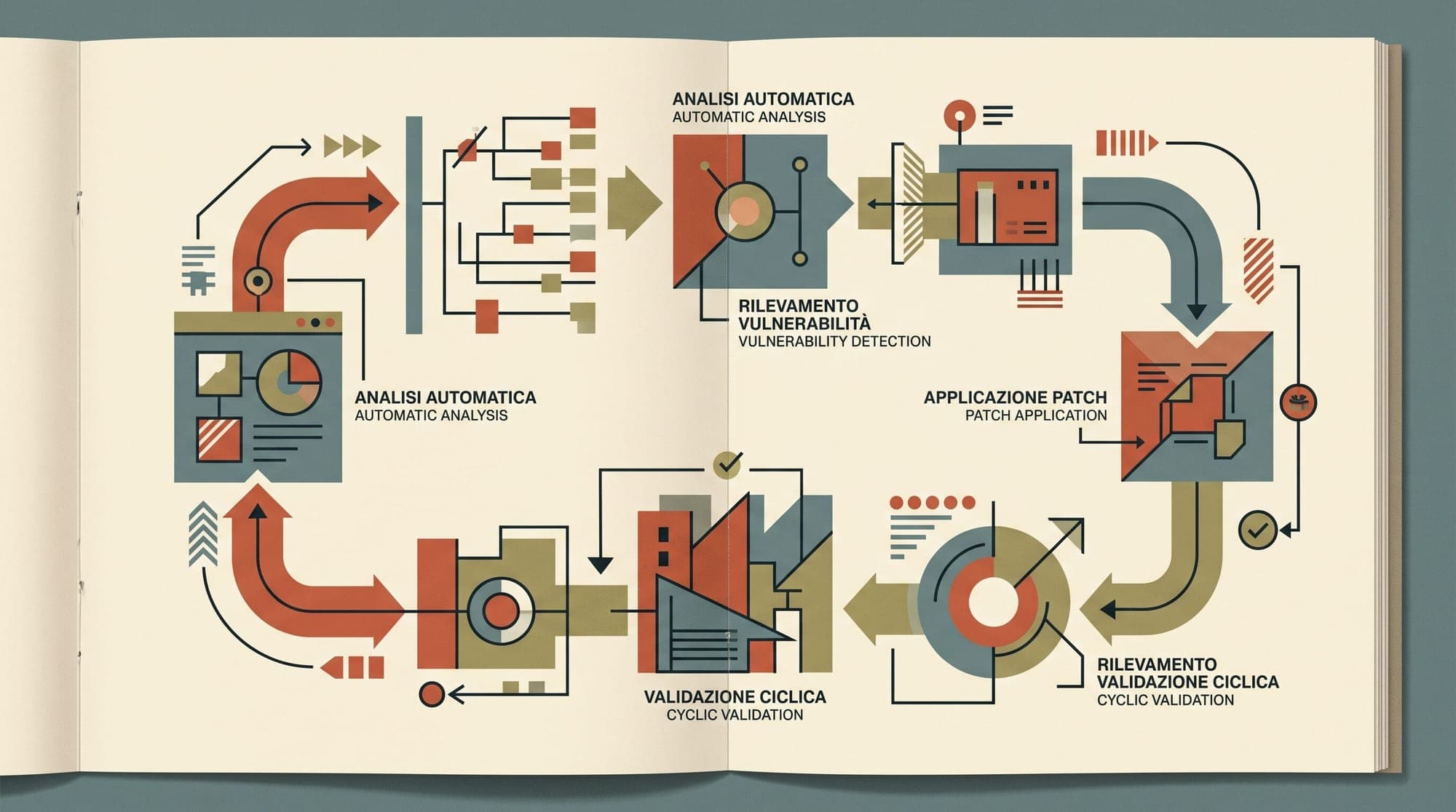
    Visa has released a major update to its open-source Visa Vulnerability Agentic Harness (VVAH), extending the framework from a vulnerability discovery engine into an end-to-end 11-stage pipeline that generates code fixes and evaluates them against adversarial validation models. The release shifts the default operating posture of the harness. Rather than terminating at SARIF report generation, a standard execution now traverses all 11 stages: identifying exploitable security flaws, authoring cand

    AI
    3 min read
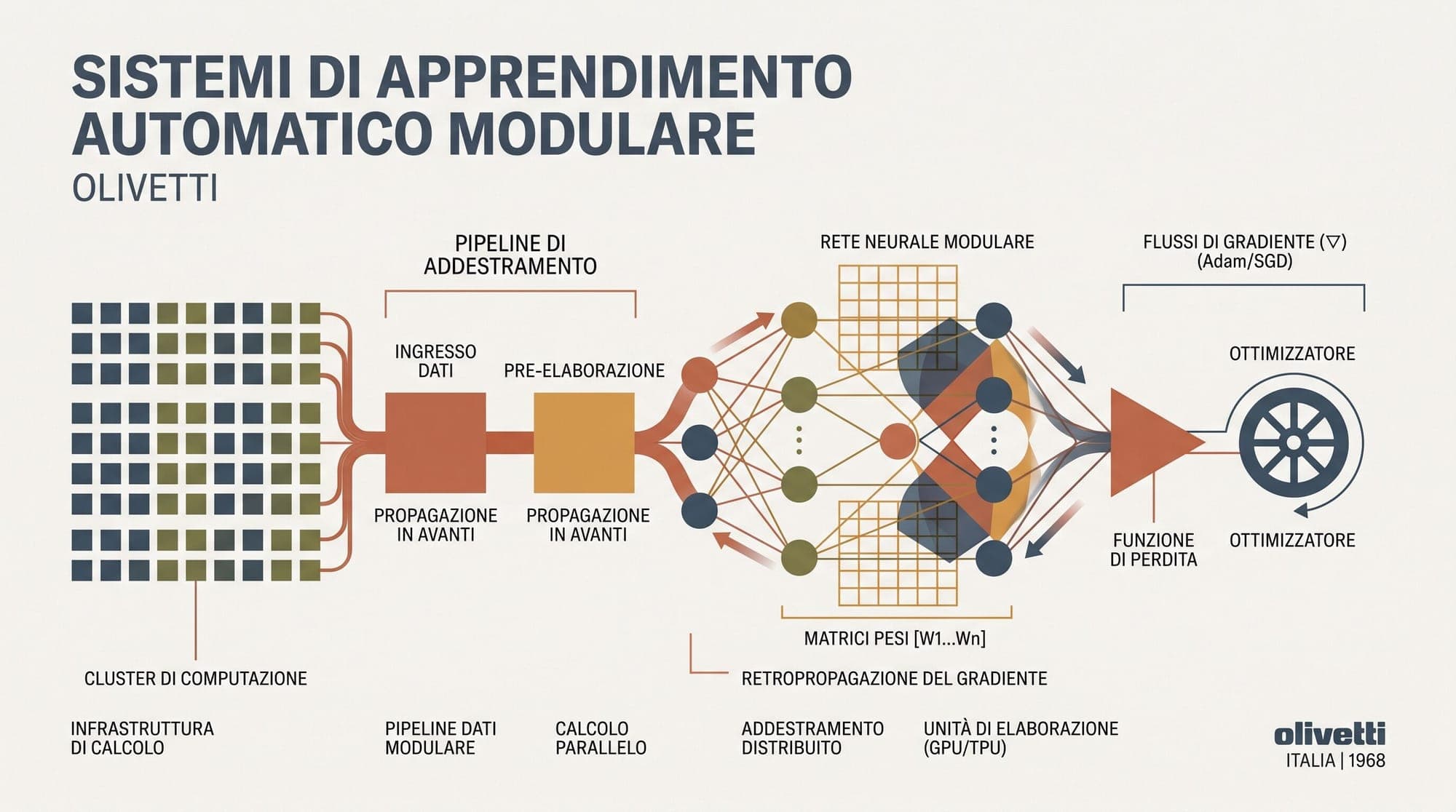
  3. LLM Fine-Tuning and Post-Training Frameworks in Production: Comparing Unsloth, Axolotl, Torchtune, and LLaMA-Factory

    Post-training has transitioned from a specialized research task into a standard production engineering discipline. As open-weight base models such as Llama 3.1, Qwen 2.5, and DeepSeek-V3 establish competitive baselines, the primary engineering challenge has shifted toward domain adaptation, instruction alignment, and reasoning distillation. However, selecting a post-training framework requires balancing competing architectural trade-offs: low-level kernel fusion, distributed multi-node scaling,

    AI
    6 min read
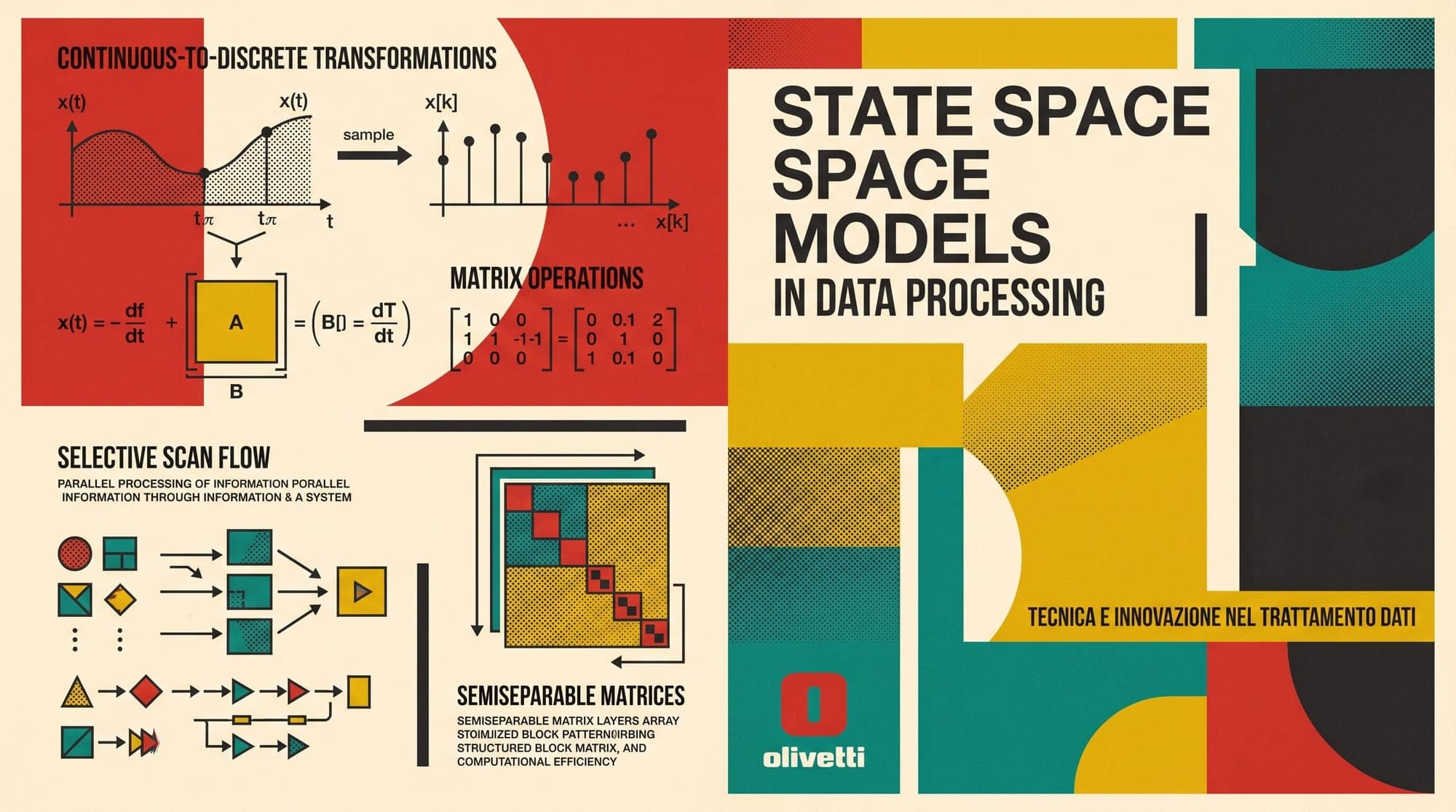
  4. State Space Models (SSMs) and Mamba: Mathematical Foundations of Continuous-Time Discretization, Selective Scan Mechanics, and Structured State Space Duality

    Autoregressive Large Language Models (LLMs) built on the standard Transformer architecture rely on softmax self-attention. While self-attention provides expressive in-context learning and dense token-to-token associative recall, it exhibits fundamental algorithmic scaling limits: prefill compute scales quadratically with sequence length ($O(L^2 d)$), and autoregressive token generation requires maintaining a Key-Value (KV) cache that grows linearly with sequence length ($O(L d)$). At context win

    AI
    12 min read
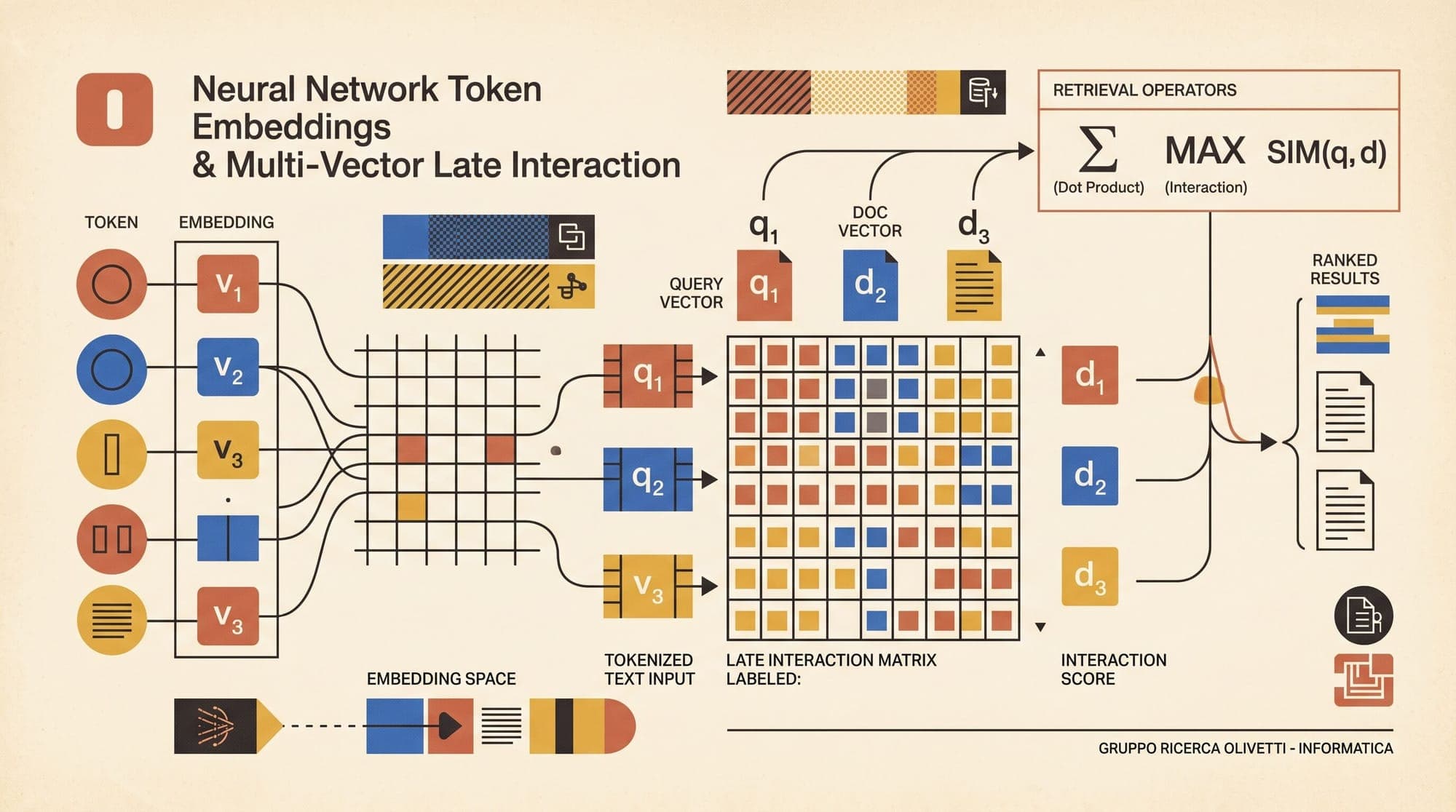
  5. Embedding Models and Rerankers in Production: Comparing Dense Bi-Encoders, ColBERT Late Interaction, Cross-Encoders, and Serving Architectures

    Production retrieval-augmented generation systems depend heavily on the retrieval pipeline that precedes generation. While frontier language models receive the bulk of engineering attention, the accuracy, latency, and operational cost of a RAG application are often determined by the interplay between embedding models and rerankers. Deploying search infrastructure requires navigating three distinct architectural paradigms: dense bi-encoders, multi-vector late interaction engines, and cross-encod

    AI
    6 min read
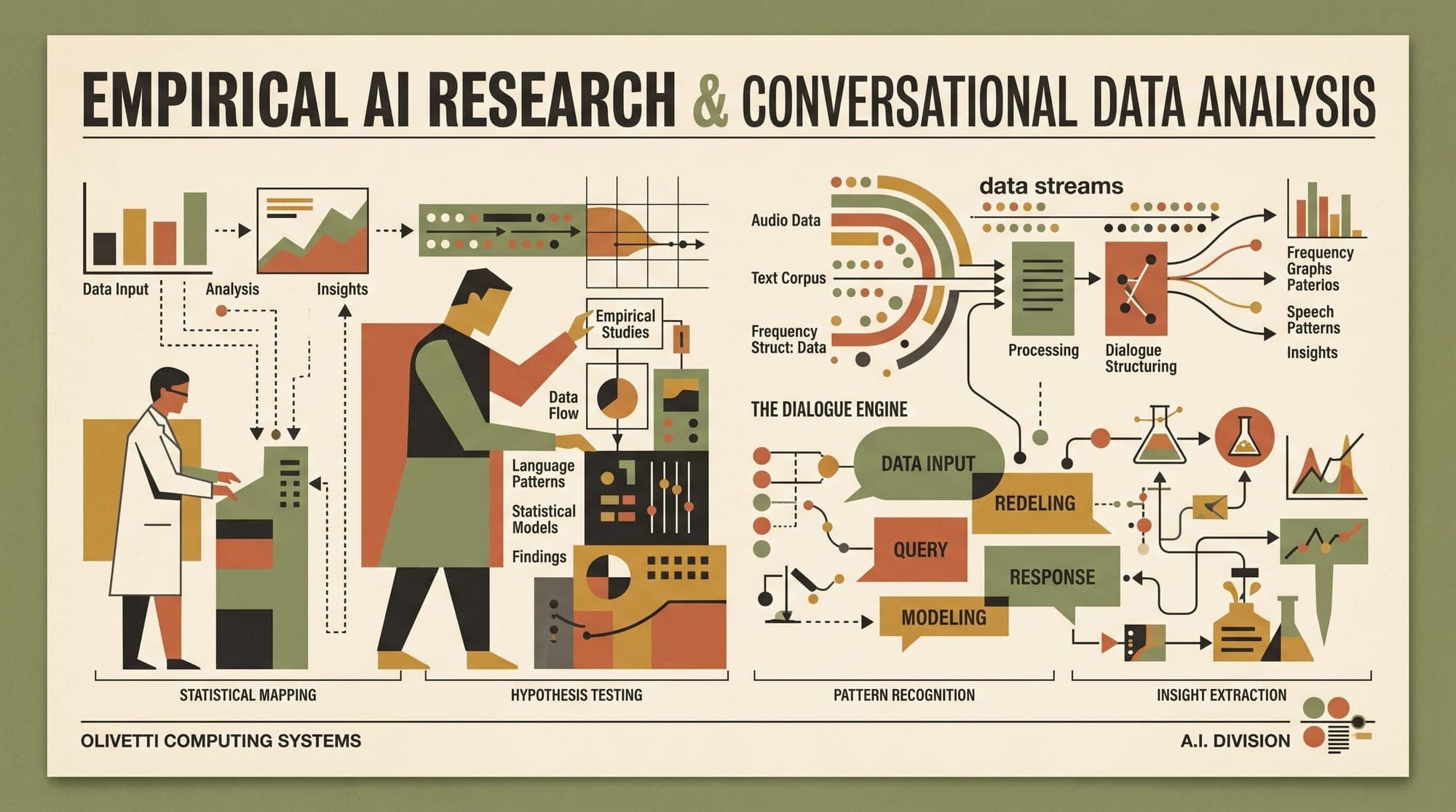
  6. Anthropic Opens 250,000 Claude Conversations to External Researchers Across Stanford, Oxford, and METR

    Anthropic's Societal Impacts team has released initial results from a research pilot that opened aggregate, real-world Claude conversation data to outside academic teams. The initiative partnered with researchers from Stanford University's Social and Language Technologies (SALT) Lab, the University of Oxford's Human Information Processing Lab, and the model evaluation non-profit METR. Each group conducted independent studies across a sample of approximately 250,000 conversations recorded on Clau

    AI
    2 min read
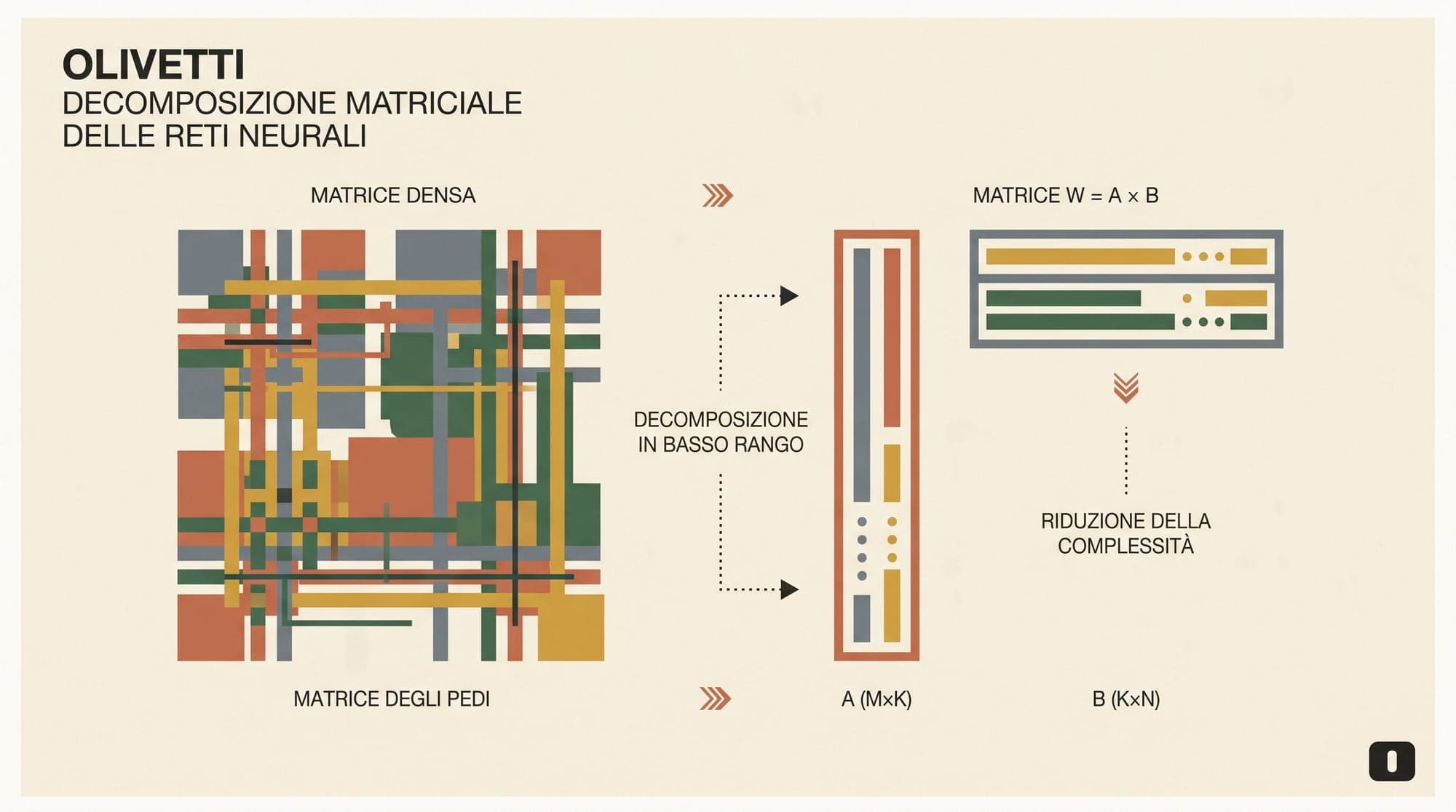
  7. Low-Rank Adaptation (LoRA) and QLoRA: Mathematical Foundations, Intrinsic Rank Parameterization, NF4 Quantization, and Double Quantization Mechanics

    Low-Rank Adaptation (LoRA) and QLoRA: Mathematical Foundations, Intrinsic Rank Parameterization, NF4 Quantization, and Double Quantization Mechanics Parameter-efficient fine-tuning (PEFT) has become the standard operational methodology for adapting large language models to domain-specific tasks, downstream instruction following, and structured tool use. Full-parameter fine-tuning of frontier architectures requires updating and tracking optimizer states for tens or hundreds of billions of parame

    AI
    11 min read
  8. StreamingLLM and Attention Sinks: Mathematical Foundations of Softmax Normalization Artifacts, Initial Token Anchoring, and Infinite-Context Rolling KV-Cache Mechanics

    StreamingLLM and Attention Sinks: Mathematical Foundations of Softmax Normalization Artifacts, Initial Token Anchoring, and Infinite-Context Rolling KV-Cache Mechanics In autoregressive Large Language Models (LLMs), long-context deployment is constrained by the quadratic compute complexity of attention and the linear memory growth of the Key-Value (KV) cache. For an LLM processing a sequence of length $L$ with batch size $b$, hidden dimension $d$, and $n_{kv}$ key-value heads across $N_L$ trans

    AI
    11 min read
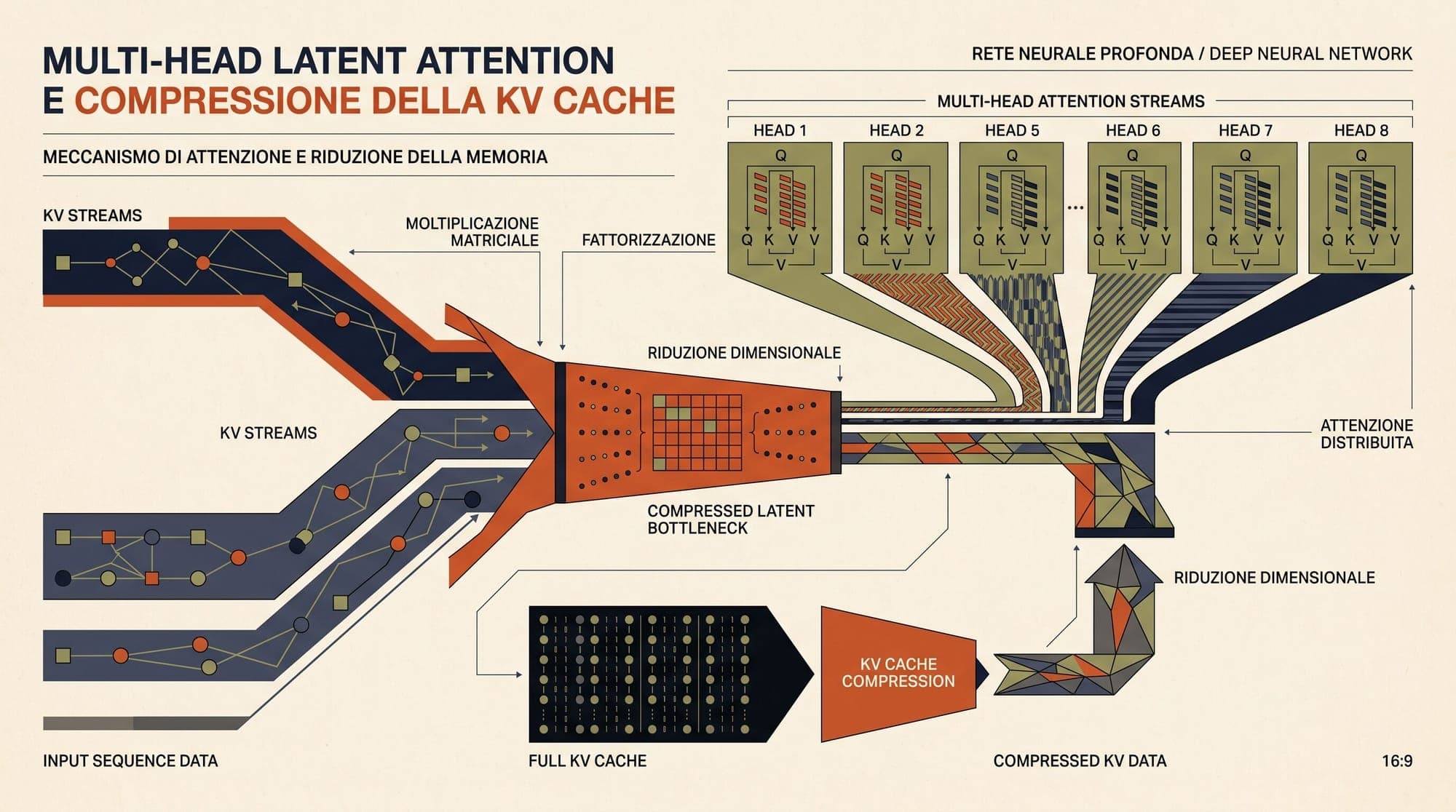
  9. Multi-Head Latent Attention (MLA): Mathematical Foundations, Low-Rank KV Compression, Decoupled RoPE Mechanics, and Matrix Absorption

    Multi-Head Latent Attention (MLA): Mathematical Foundations, Low-Rank KV Compression, Decoupled RoPE Mechanics, and Matrix Absorption Autoregressive inference in large language models is fundamentally constrained by memory bandwidth rather than floating-point computation throughput. During the generation phase, the transformer must load the Key-Value (KV) cache of all prior tokens from high-bandwidth memory (HBM) to on-chip SRAM for every newly generated token. As context lengths scale to hundr

    AI
    12 min read
  10. DeepSeek Prepares $7.4B Funding Round at $74B Valuation to Build Custom Silicon and Compute Infrastructure

    Chinese frontier artificial intelligence laboratory DeepSeek is preparing to secure approximately $7.4 billion (50 billion yuan) in fresh funding at a $74 billion (500 billion yuan) pre-money valuation, according to reporting by The Wall Street Journal and Reuters. The funding round follows a period of rapid financial and technical expansion for the Hangzhou-based research lab. DeepSeek completed its initial external capital round earlier this summer at a valuation exceeding $50 billion. The la

    AI
    2 min read
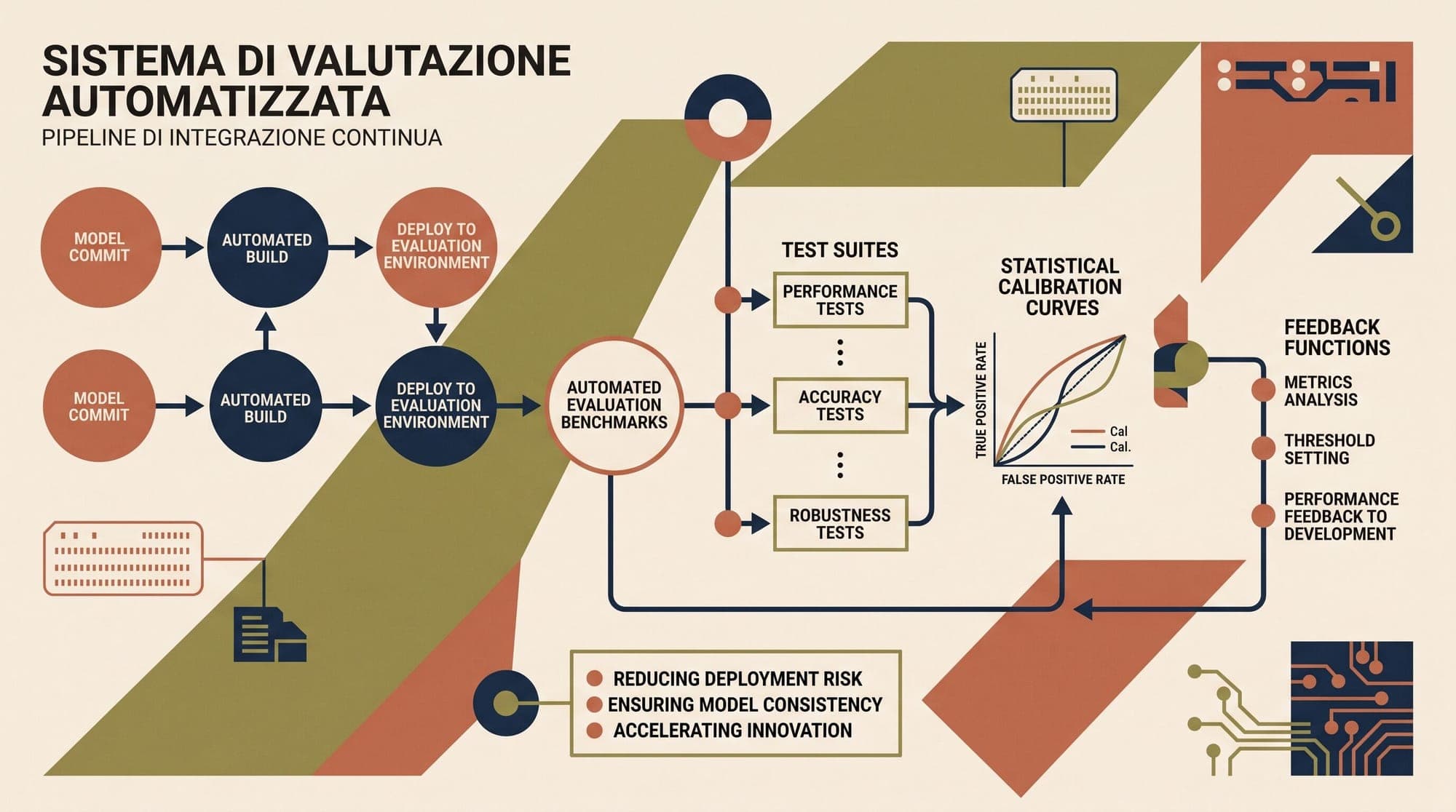
  11. LLM Evaluation Frameworks in Production: Comparing DeepEval, Ragas, Promptfoo, and TruLens Architecture, Synthetic Data Generation, Judge Calibration, and CI/CD Automation

    Automated evaluation is the primary engineering bottleneck in deploying reliable LLM applications. While traditional software engineering relies on deterministic unit and integration tests with binary pass/fail conditions, generative AI systems produce non-deterministic, open-ended natural language outputs. Relying on manual human review or ad-hoc prompting fails to catch regressions across prompt modifications, model version updates, and retrieval pipeline adjustments. To establish rigorous qu

    AI
    8 min read
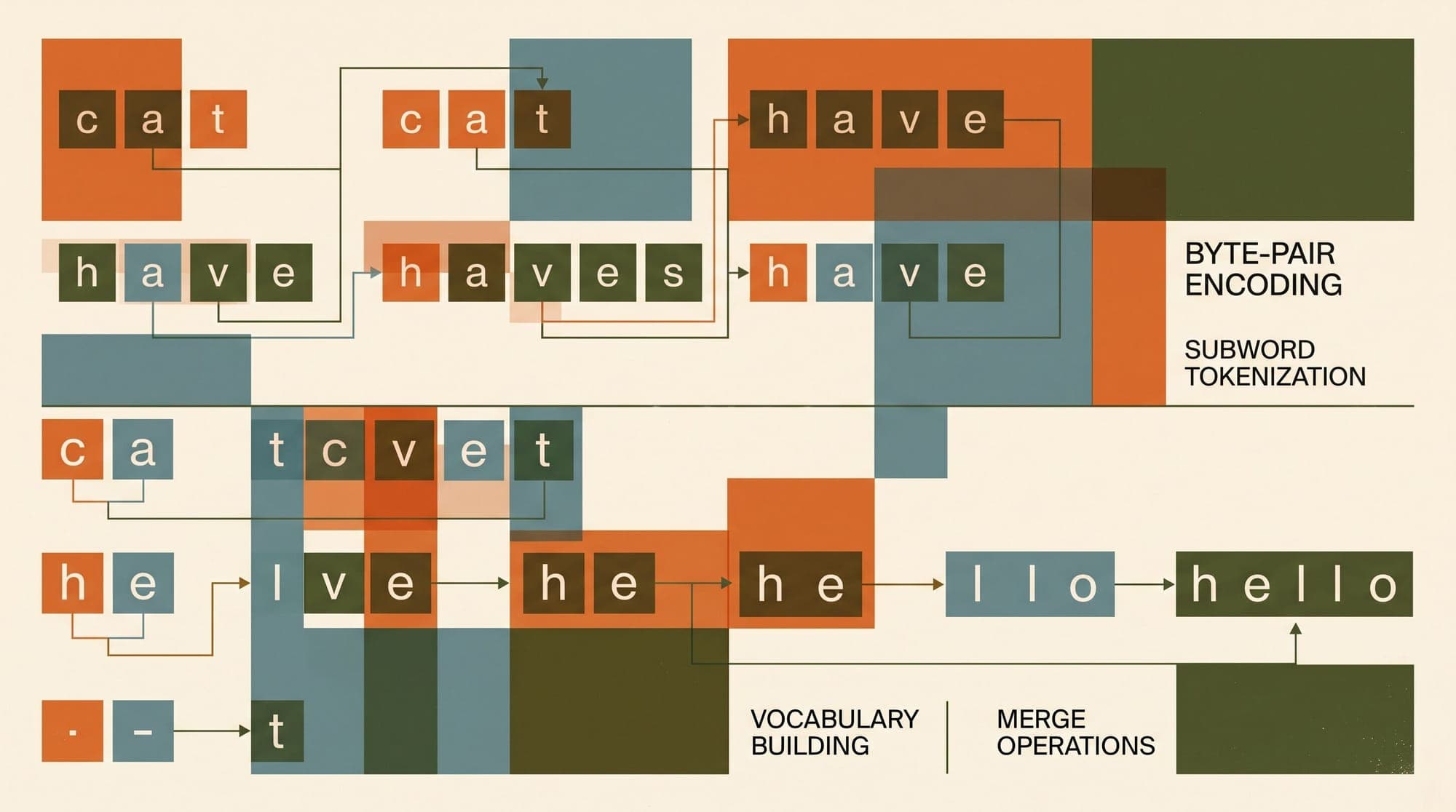
  12. Byte-Pair Encoding (BPE) and Modern Subword Tokenization: Mathematical Foundations, Merge Dynamics, Byte-Level Encodings, and Vocabulary Compression Mechanics

    Tokenization is the discrete boundary interface between raw textual sequences and the continuous vector representations of autoregressive large language models. Before an attention block computes a single inner product or a feed-forward network applies an activation function, an input string must be mapped into an ordered sequence of discrete integer identifiers drawn from a finite vocabulary $V$. The design and mathematical properties of this mapping govern key operational characteristics of l

    AI
    11 min read
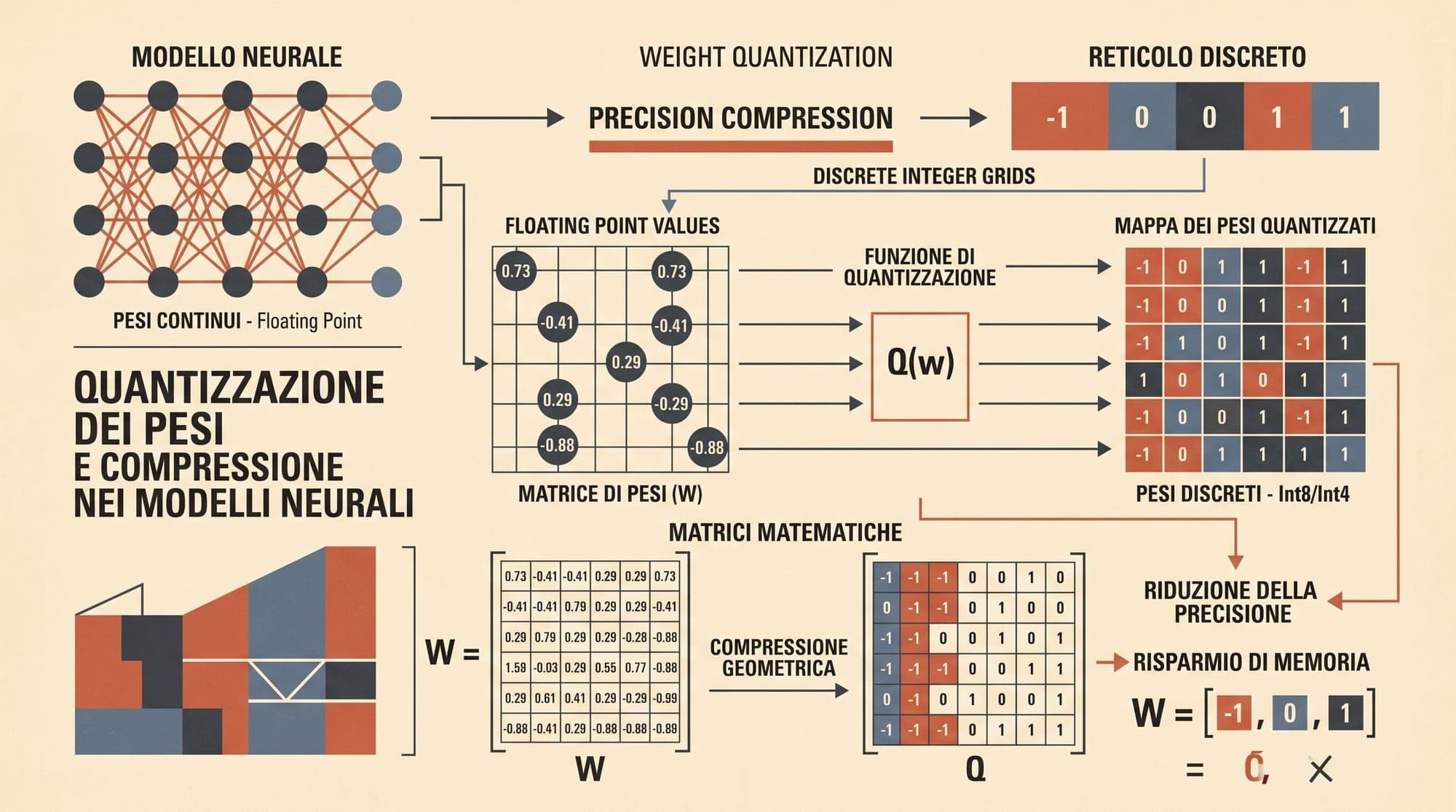
  13. Post-Training Quantization (PTQ): Mathematical Foundations of Optimal Brain Surgeon, GPTQ Hessian Inversion, AWQ Salient Scaling, and SmoothQuant Outlier Migration

    Post-Training Quantization (PTQ): Mathematical Foundations of Optimal Brain Surgeon, GPTQ Hessian Inversion, AWQ Salient Scaling, and SmoothQuant Outlier Migration Serving modern large language models at scale requires addressing severe hardware constraints. In autoregressive generation, decoding is fundamentally bounded by memory bandwidth rather than floating-point computation throughput. Each generated token requires reading every parameter from High Bandwidth Memory (HBM) into SRAM to perfo

    AI
    10 min read
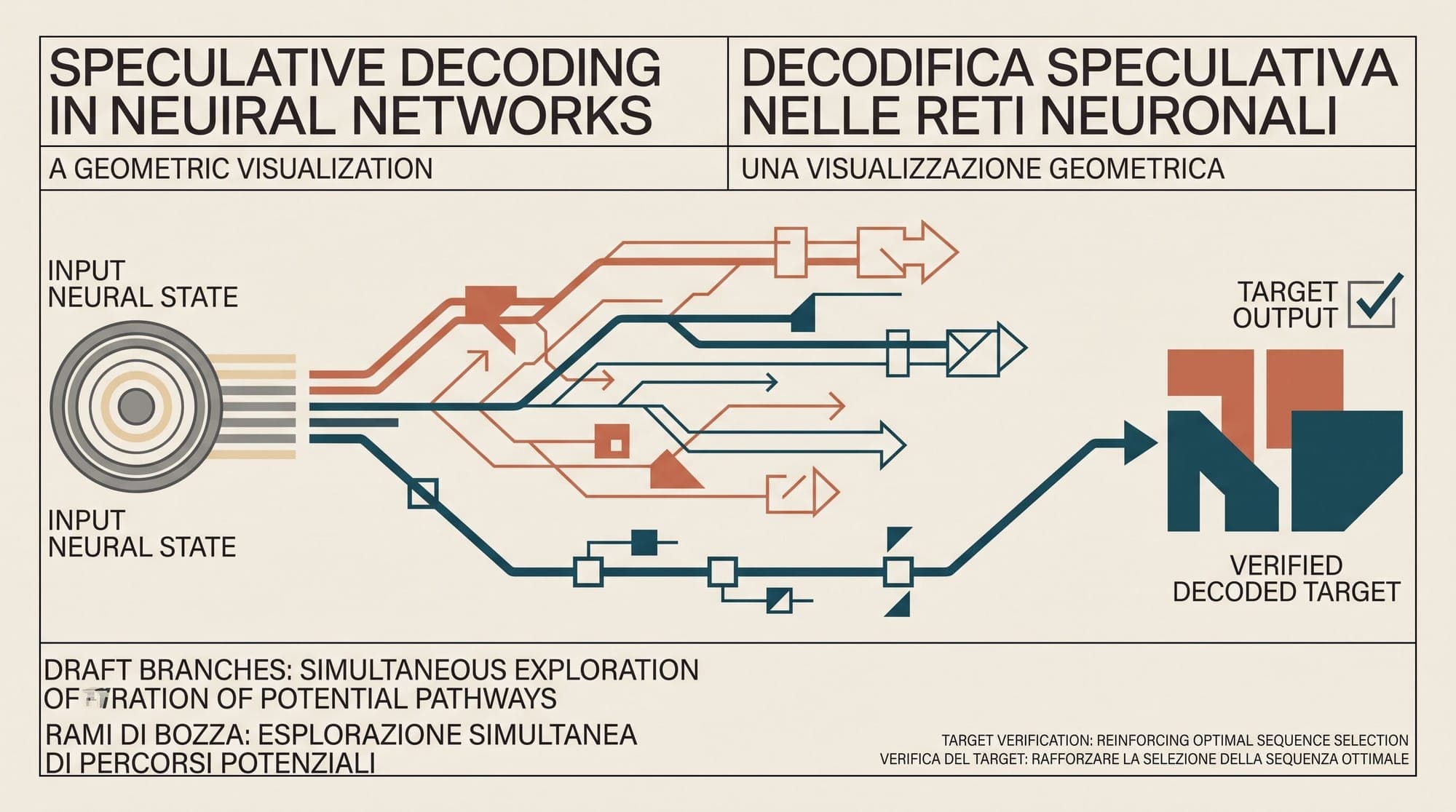
  14. Speculative Decoding: Mathematical Foundations, Distribution Preservation Proofs, Tree-Structured Verification, and Memory-Bandwidth Amortization

    Autoregressive large language model (LLM) generation suffers from an acute hardware efficiency mismatch during inference. While the prefill phase (processing the input prompt) processes tokens in parallel and achieves high arithmetic intensity on modern matrix accelerators, the decode phase (generating text token-by-token) is fundamentally memory-bandwidth bound. At small batch sizes, each generated token requires transferring the model's entire multi-billion-parameter weight matrix from High-Ba

    AI
    13 min read
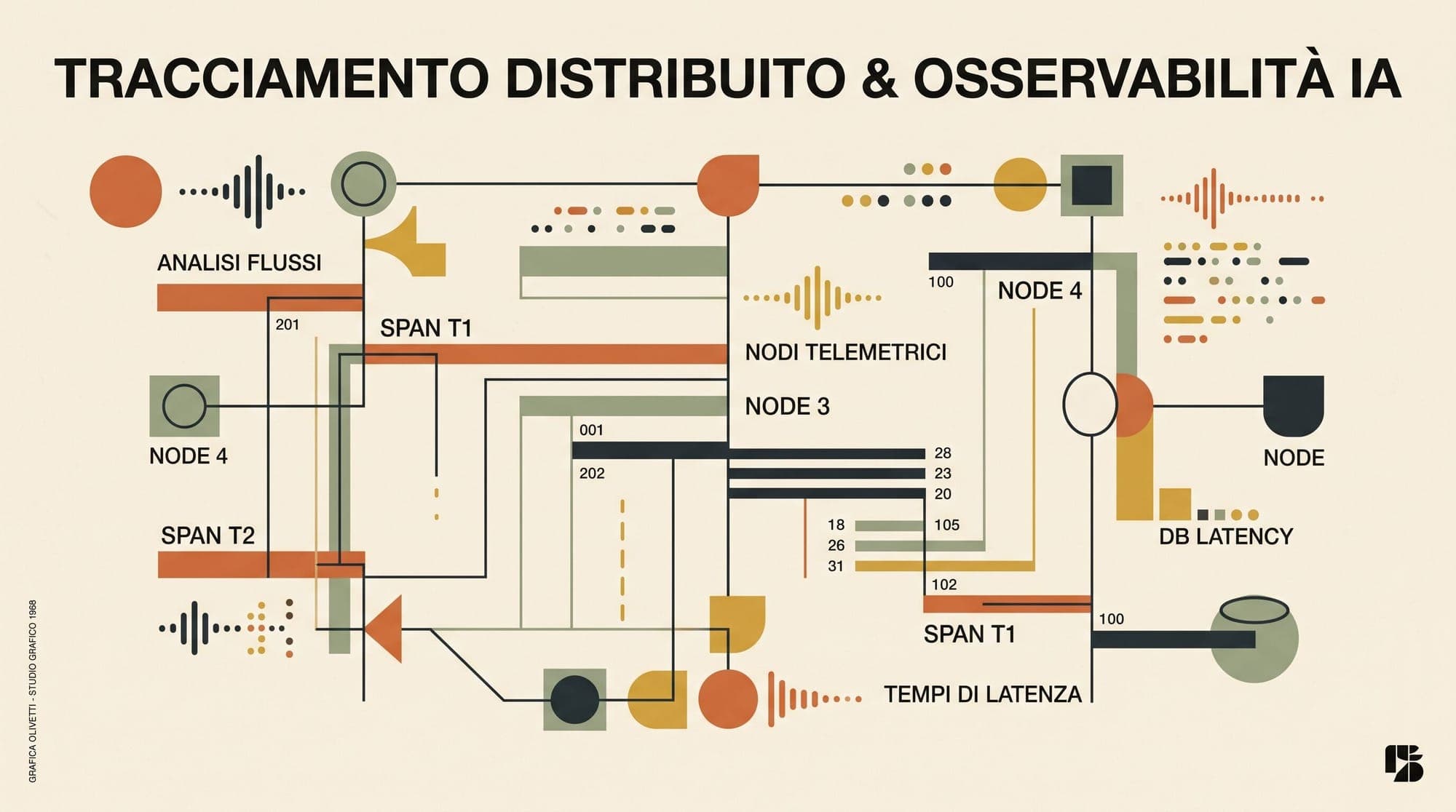
  15. LLM Observability and Tracing in Production: Comparing Langfuse, Arize Phoenix, LangSmith, and OpenLLMetry

    Moving language models from single-turn prompt wrappers into multi-agent architectures, recursive Retrieval-Augmented Generation (RAG) graphs, and autonomous tool-calling loops fundamentally changes system dynamics. LLM applications behave as distributed state machines where failure modes are rarely deterministic. Latency spikes can stem from vector store indexing bottlenecks, context window bloat, or slow token generation, while quality degradations emerge through subtle prompt drift, context c

    AI
    7 min read
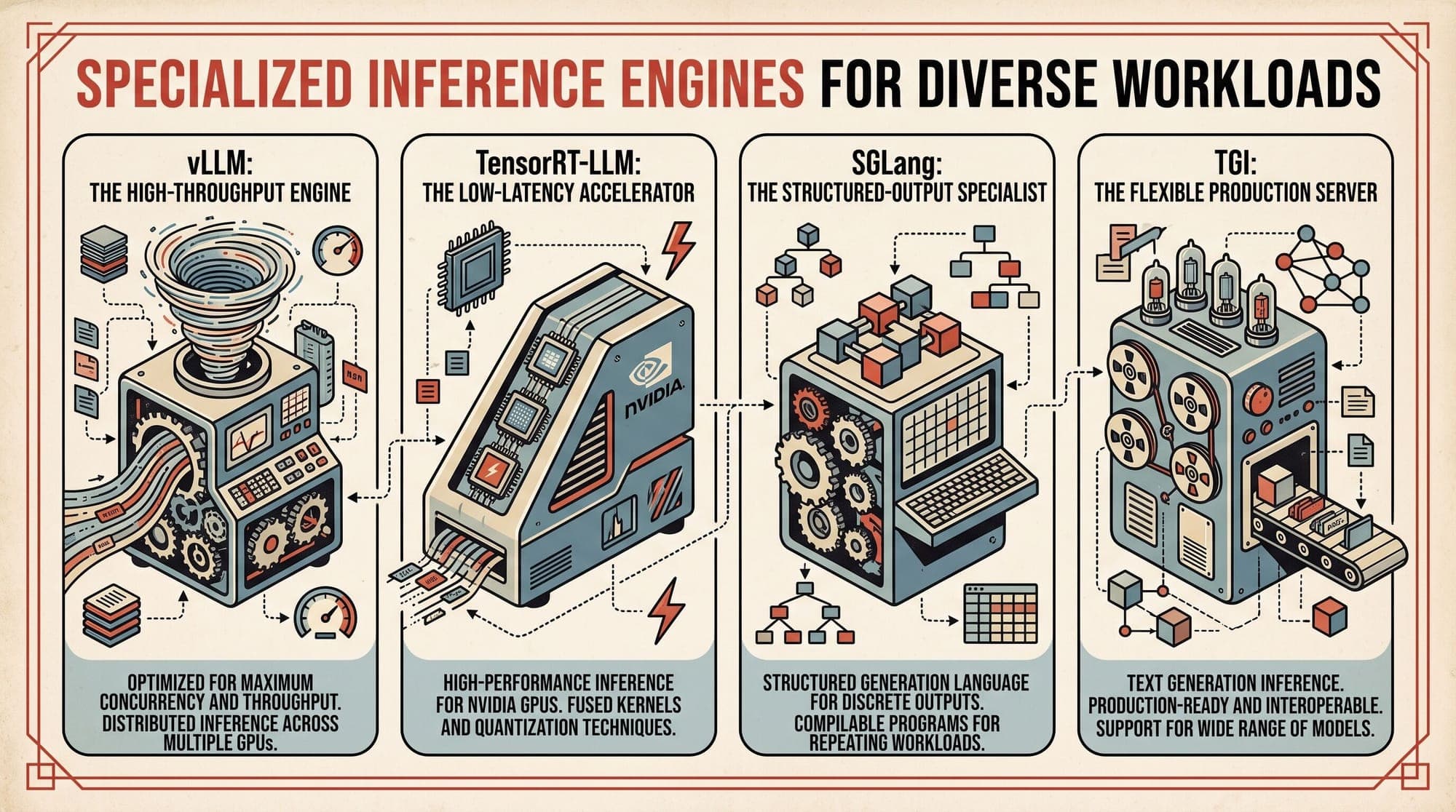
  16. LLM Inference Engines in 2026: Matching vLLM, TensorRT-LLM, SGLang, and TGI to Your Production Workload

    Why Inference Engine Choice Is a Strategic Decision Large language models have moved from research prototypes to production systems powering real applications. Yet serving them efficiently remains one of the hardest challenges in AI infrastructure. The inference engine—the software layer that turns user requests into GPU workloads—has become as critical as model selection itself. Pick the wrong inference engine and you create unnecessary bottlenecks: excessive latency, underutilized GPUs, or i

    AI
    5 min read
  17. Agent Memory Frameworks in Production: Comparing Mem0, Letta, Zep Graphiti, and Cognee — Architecture, Entity Extraction, Temporal Graph Indexing, and Serving Economics

    Large language model agents deployed in production environments face a fundamental architectural bottleneck: LLM context windows are stateless, ephemeral, and computationally expensive. While context window capacities have expanded to 1M+ tokens in modern frontier models, naive context stuffing (re-injecting unpruned conversational history on every turn) creates severe operational failure modes: quadratic attention compute overhead, high latency, rapid KV cache invalidation, and severe context d

    AI
    9 min read
  18. Sentence Transformers 6.0 Adds MultiVectorEncoder for ColBERT Late-Interaction Training

    Hugging Face has released Sentence Transformers v6.0, adding native architecture and training workflows for multi-vector late-interaction retrieval models. The update introduces MultiVectorEncoder, bringing ColBERT-style token-level representations directly into the library alongside existing dense embedding, sparse embedding, and cross-encoder reranker classes. While traditional dense retrieval compresses an entire document into a single fixed-dimension vector, multi-vector models preserve ind

    AI
    2 min read
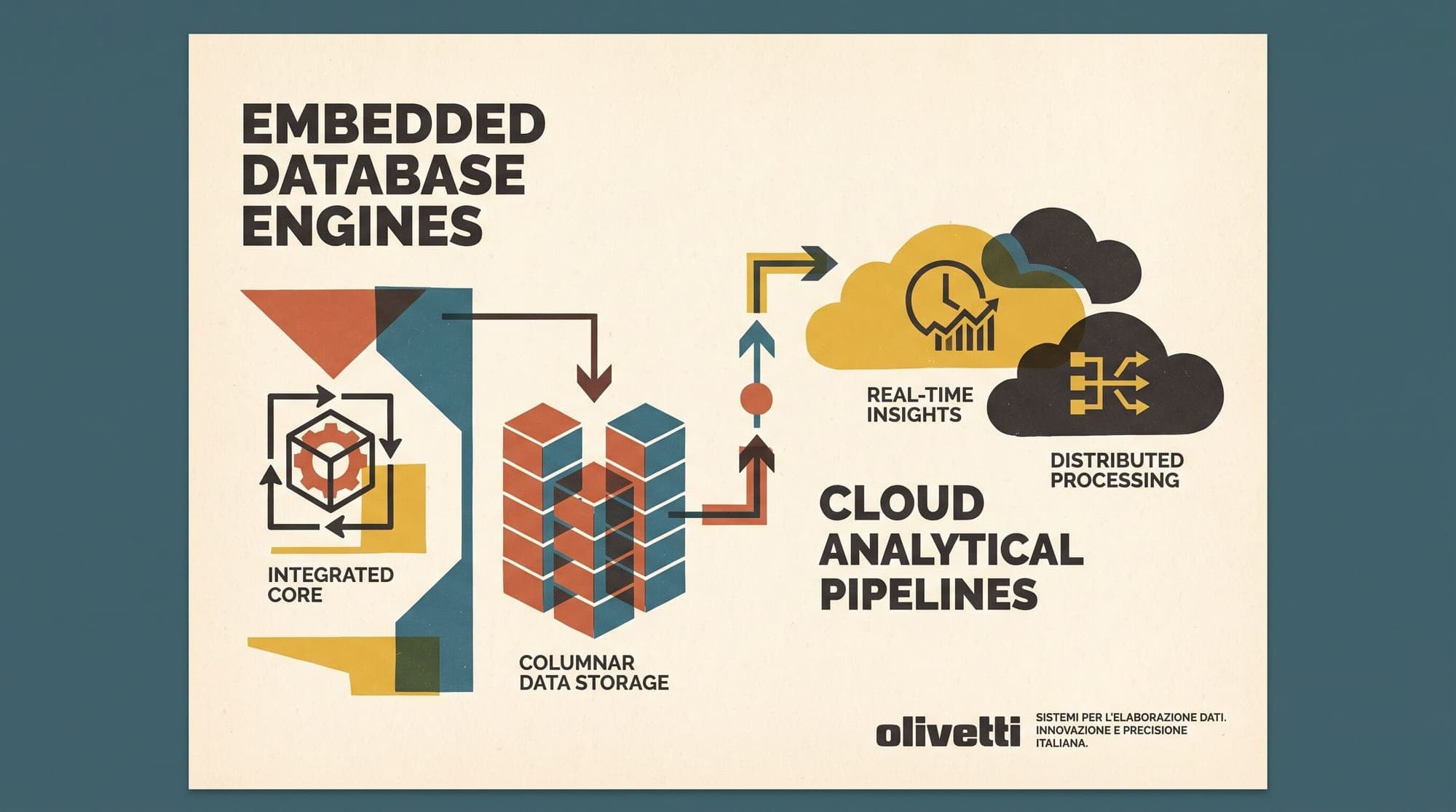
  19. Amazon Acquires DuckLabs to Integrate DuckDB into AWS Analytics and AI Agent Workflows

    Amazon has entered into a definitive agreement to acquire DuckLabs, the Amsterdam-based company behind the open-source columnar database DuckDB. The acquisition brings the DuckLabs development team into Amazon Web Services (AWS), where they will operate as a wholly owned subsidiary starting in early September. Financial terms of the transaction were not disclosed. DuckDB creators and DuckLabs co-founders Hannes Mühleisen and Mark Raasveldt will continue leading the team from Amsterdam, maintain

    AI
    2 min read
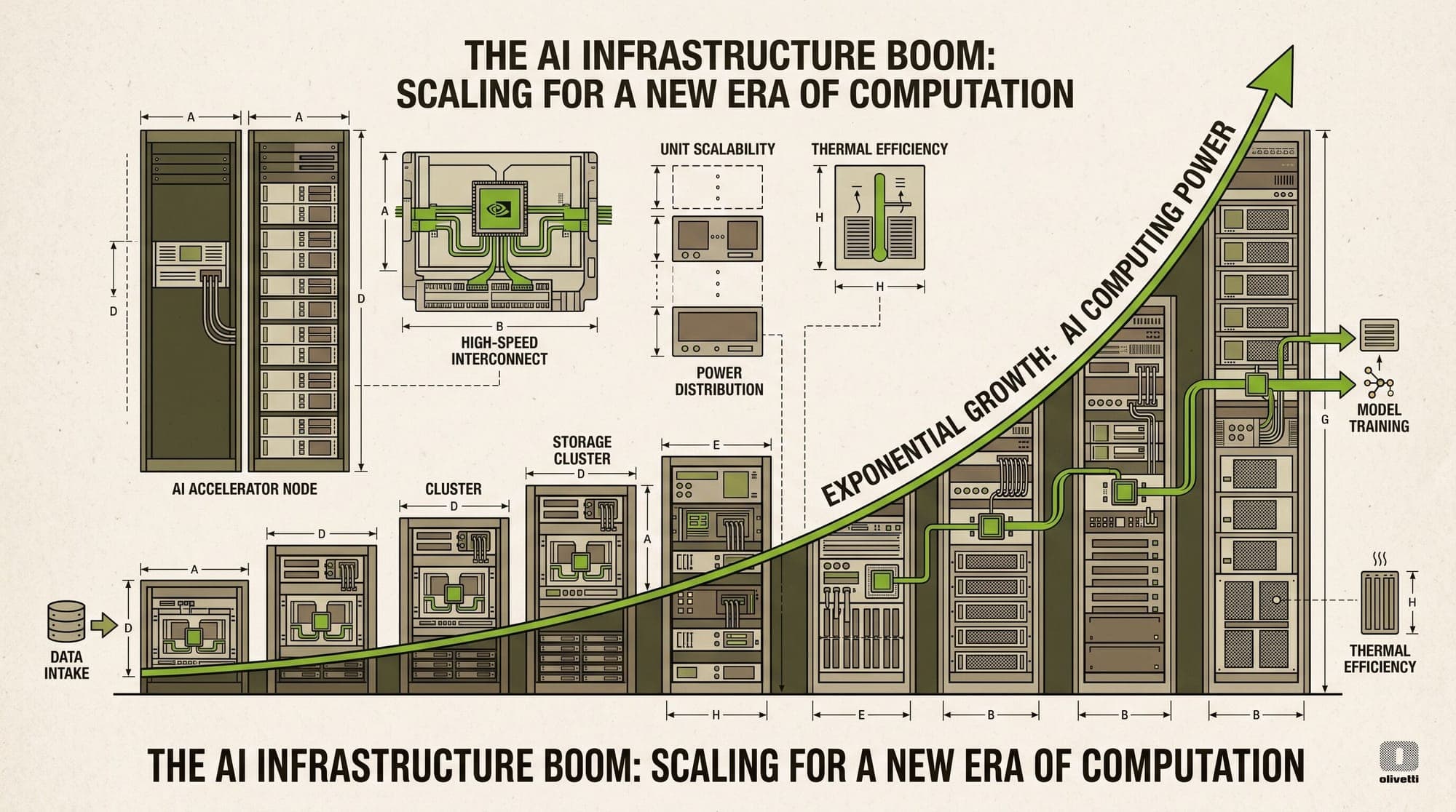
  20. NVIDIA Reports $96.2B Quarter as Data Center Revenue Reaches $89B

    NVIDIA Reports $96.2B Quarter as Data Center Revenue Reaches $89B NVIDIA reported second-quarter fiscal 2027 revenue of $96.2 billion, representing a 106% year-over-year increase, the company announced in its earnings release on August 26, 2026. The Data Center segment drove the results with $89.0 billion in quarterly revenue, up 117% from the prior year. Edge Computing contributed $7.2 billion, up 27% year over year. GAAP and non-GAAP gross margins both came in at 75.0%, while GAAP diluted e

    AI
    3 min read