Deep Learning3 articles

Deep Learning

Articles

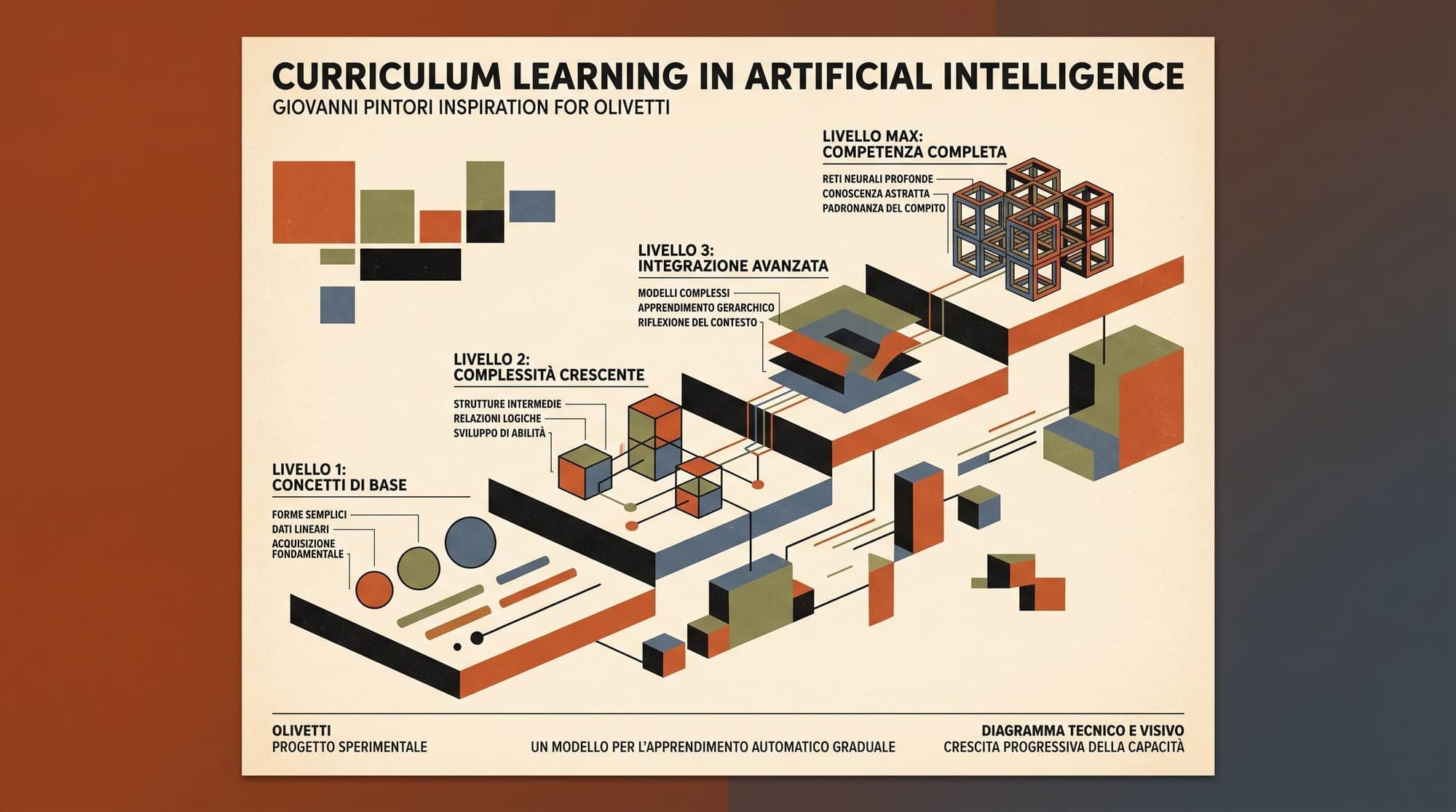
  • Tensor Parallelism in Large Language Models: How Megatron-LM Partitions Multi-Layer Perceptrons and Attention Heads

    Tensor Parallelism in Large Language Models: How Megatron-LM Partitions Multi-Layer Perceptrons and Attention Heads Training and serving modern large language models requires navigating severe hardware memory and compute constraints. While standard Distributed Data Parallelism (DDP) replicates the entire model across multiple accelerators, modern frontier architectures containing tens or hundreds of billions of parameters exceed the physical memory capacity of any single GPU. Even with 80 GB o

    1 min
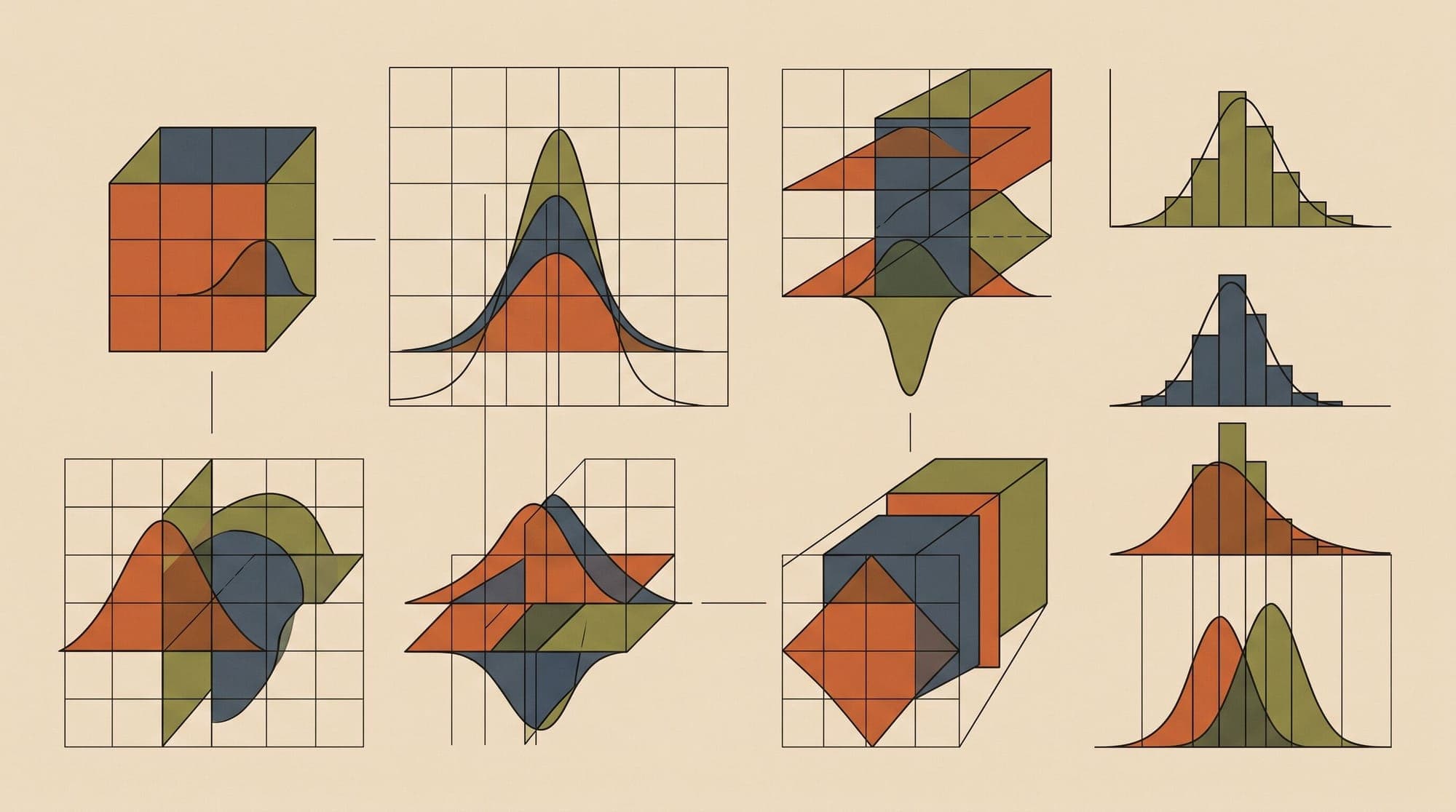
  • Token Sampling in Large Language Models: How Temperature, Top-k, Top-p, and Min-p Govern Generative Decoding

    Large language models are autoregressive next-token predictors. During inference, the neural network processes an input context and outputs a vector of unnormalized scores, known as logits, across every token in its vocabulary. The mathematical pipeline that converts those raw logits into a single chosen token is the sampling and decoding stage. While model architecture and pre-training weights determine what a model knows, sampling algorithms govern how that knowledge is extracted. Small chang

    1 min
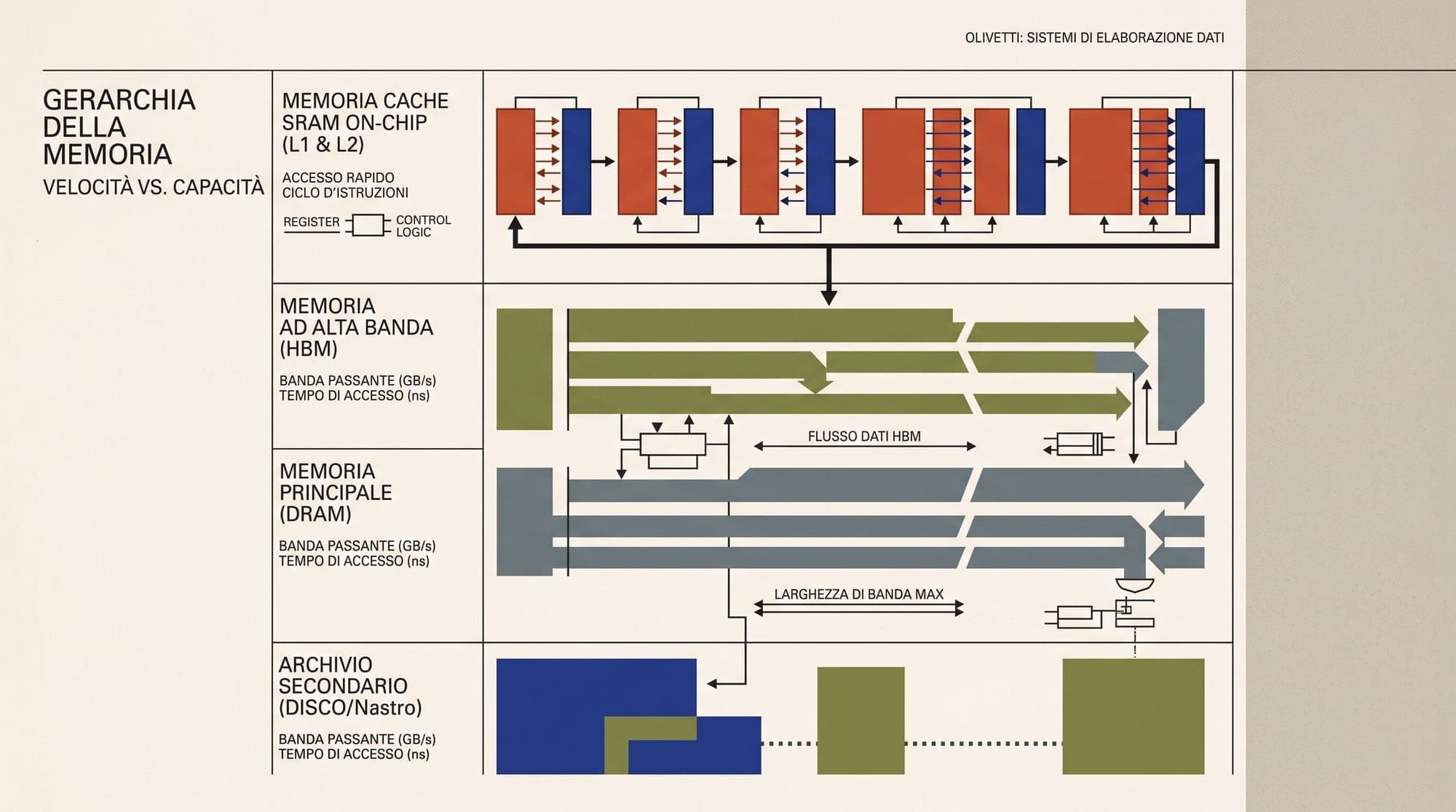
  • FlashAttention: How IO-Aware Tiling and Online Softmax Solved Transformer Memory Bottlenecks

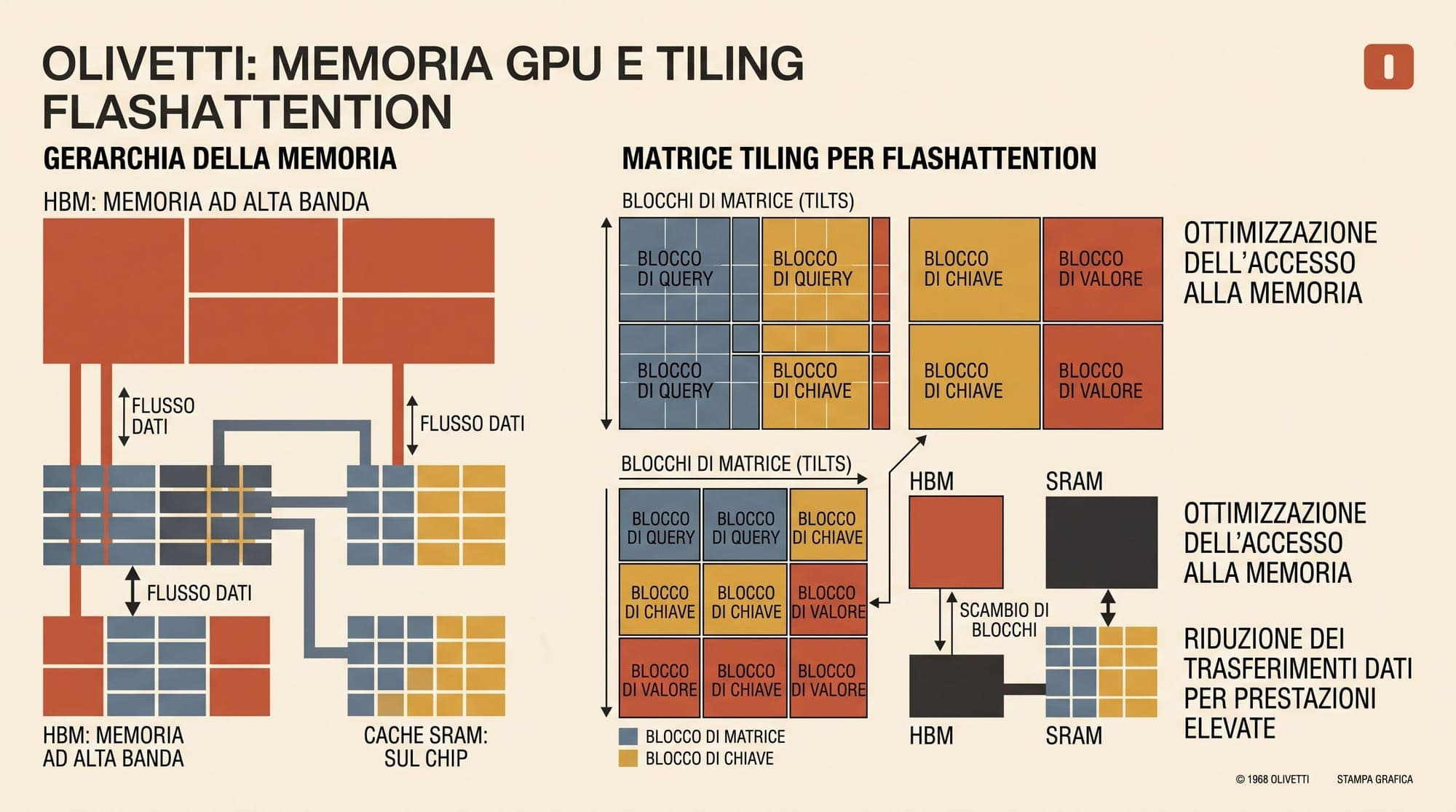
    Standard multi-head attention is the fundamental computational primitive of modern autoregressive language models. While mathematically straightforward, the operation introduces a severe operational bottleneck as context windows scale. Naive implementations of scaled dot-product attention exhibit quadratic memory complexity $O(N^2)$ and quadratic memory access costs, bounding sequence lengths and leaving modern GPU tensor cores severely underutilized. FlashAttention, introduced by Tri Dao, Dani

    1 min