Subscribe
Topic / page 41

AI

Articles, page 41

801-820
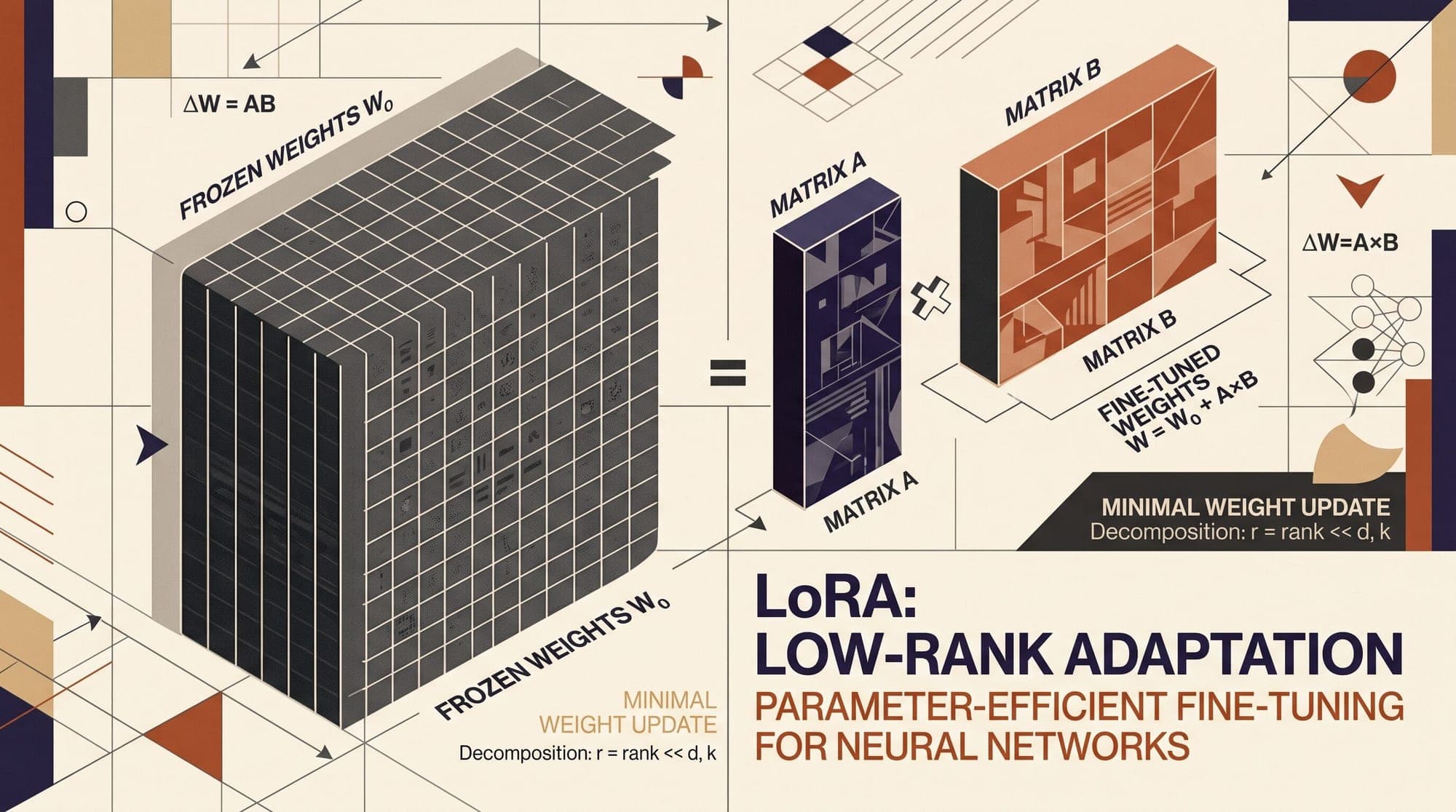
  1. Low-Rank Adaptation (LoRA): How Matrix Decomposition Made LLM Fine-Tuning Accessible

    Full-parameter fine-tuning of modern foundation models requires substantial compute and memory infrastructure. Adapting an open-weight 70-billion-parameter model using standard 16-bit precision and first-order adaptive optimizers like AdamW demands well over 1 terabyte of GPU memory. Low-Rank Adaptation (LoRA) bypassed this hardware bottleneck by framing task-specific weight updates as low-rank matrix decompositions. By freezing pre-trained weights and training small auxiliary rank decompositio
    AI
    6 min read
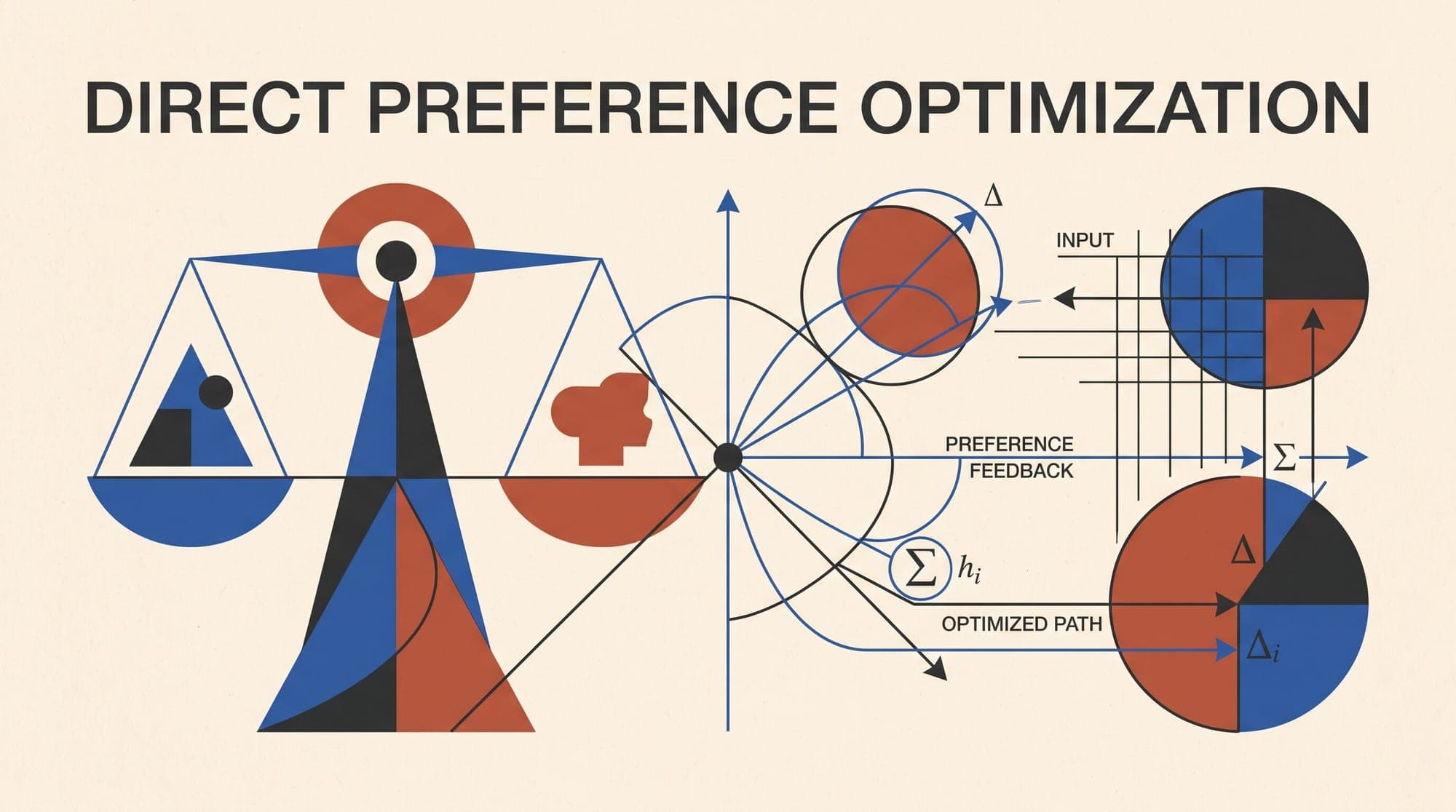
  2. Direct Preference Optimization: How Implicit Reward Modeling Simplified LLM Alignment

    Direct Preference Optimization (DPO) has emerged as a cornerstone of post-training alignment across modern open and proprietary language models, including Meta's Llama series, Mistral, and Qwen. While early alignment pipelines relied on complex reinforcement learning loops with separate reward models, DPO reformulates the preference optimization problem into a single, closed-form classification objective. By demonstrating that a language model implicitly defines its own reward function, DPO eli

    AI
    7 min read
  3. Payward Joins Anthropic Project Glasswing to Deploy Claude Mythos for Security Audits

    Payward, the parent company of cryptocurrency exchange Kraken, has been admitted to Anthropic's Project Glasswing initiative. Under the program, Payward is deploying Anthropic's Claude Mythos 5 model to identify software vulnerabilities across its production infrastructure and open-source crypto codebases. The deployment marks the first confirmed participation by a digital asset institution in Project Glasswing, Anthropic's controlled access initiative for cybersecurity research and defense.

    Anthropic
    2 min read
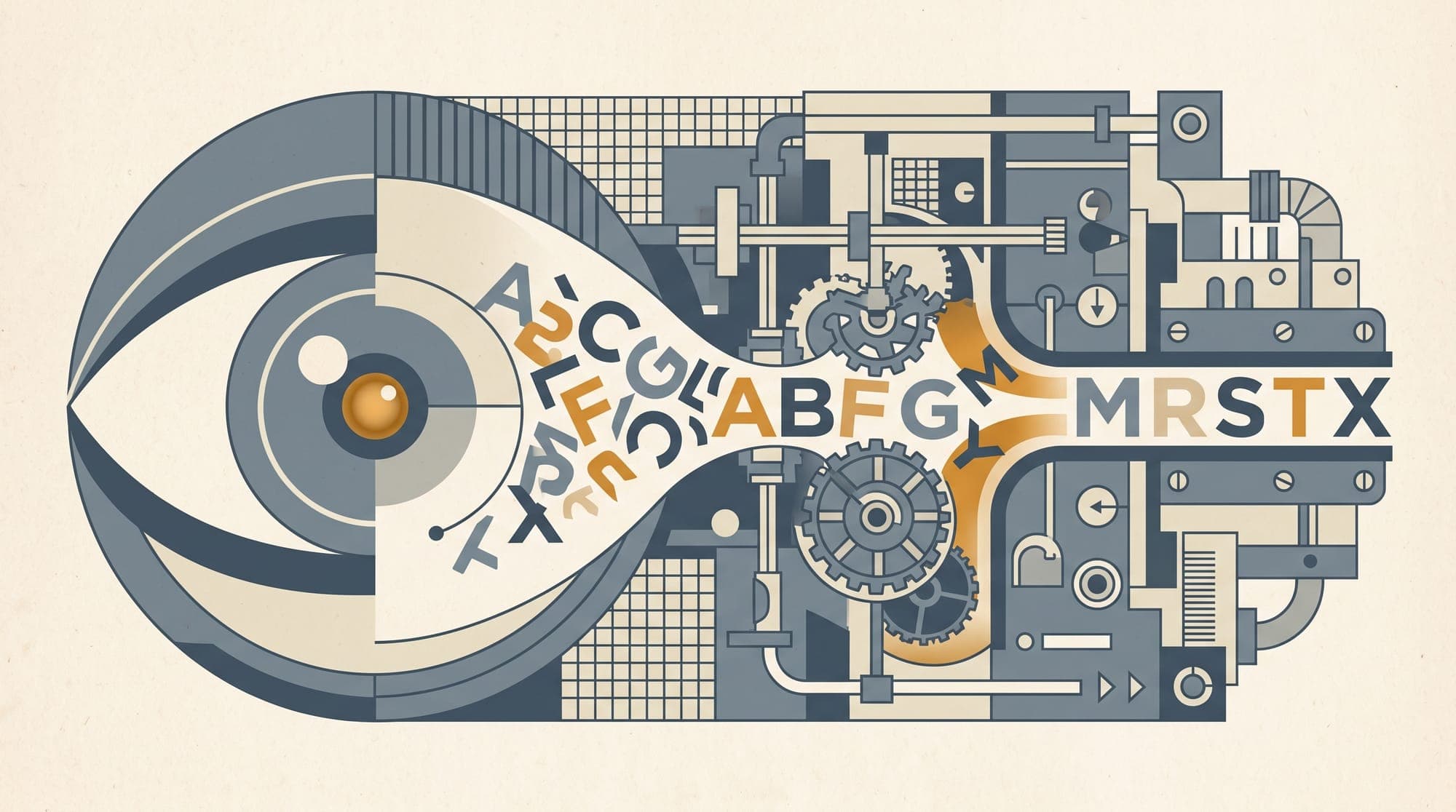
  4. Rotary Position Embeddings: How Geometry Solved Long Context in Modern LLMs

    Rotary Position Embedding (RoPE) has become the standard positional encoding mechanism across modern large language models, including Meta's Llama series, Mistral, Qwen, and DeepSeek. Unlike earlier techniques that added positional vectors directly to token representations or modified attention matrices with relative distance penalties, RoPE encodes position through geometric rotations in the complex plane. This design enables models to compute relative token distances while processing individu

    AI
    6 min read
  5. GitHub Copilot Autofix Introduced Command Injection in Snowflake CI Pipeline

    A security vulnerability introduced by GitHub Copilot Autofix left a public Snowflake repository vulnerable to unauthenticated remote command injection for five days before an autonomous security agent discovered and exploited it, according to a technical disclosure published by Wiz Research on August 17, 2026. The incident highlights emerging operational risks at the intersection of automated code generation and CI/CD security, demonstrating how automated remediation bots can silently strip ou

    AI
    2 min read
  6. Prompt Caching in Production: Architecture, Economics, and Invalidation Pitfalls

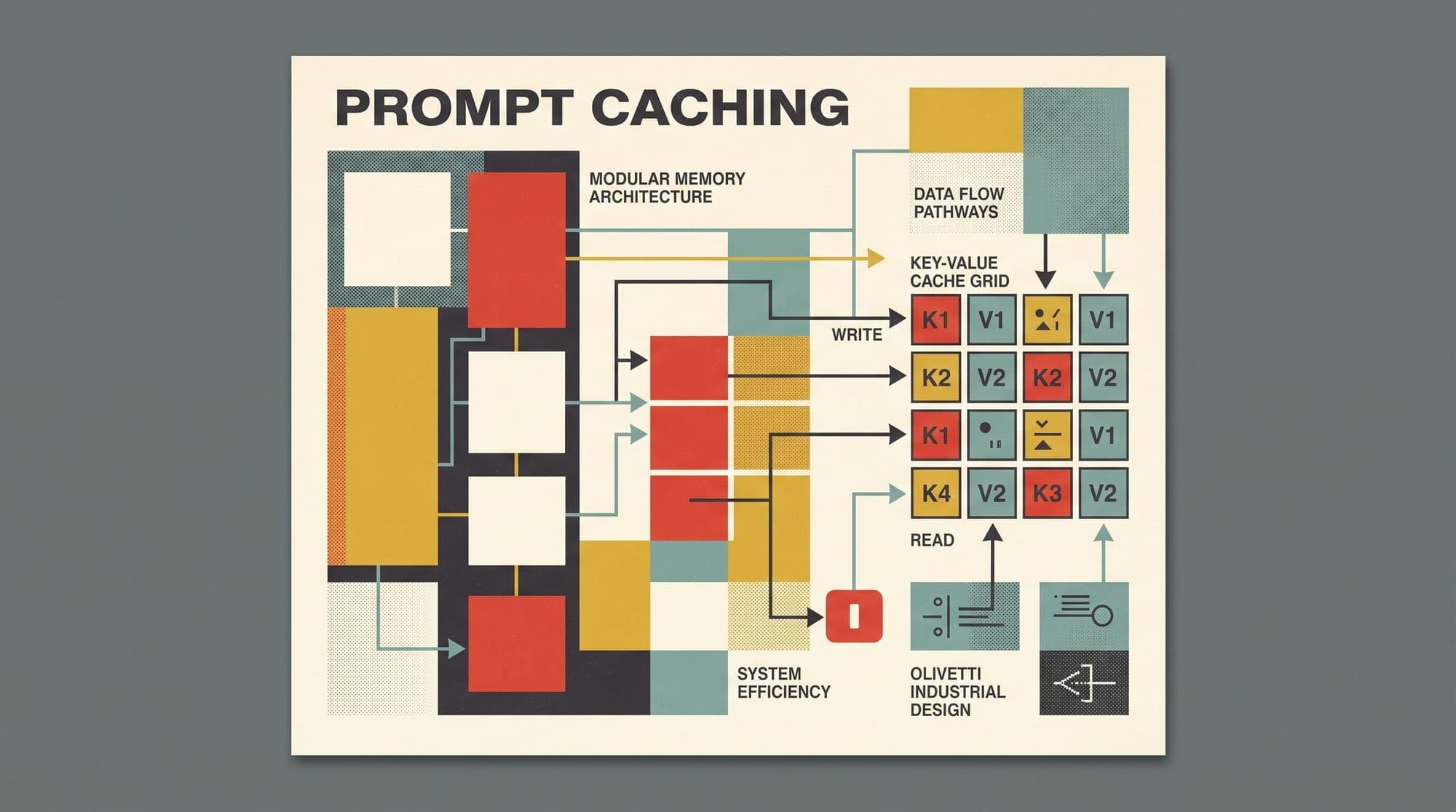
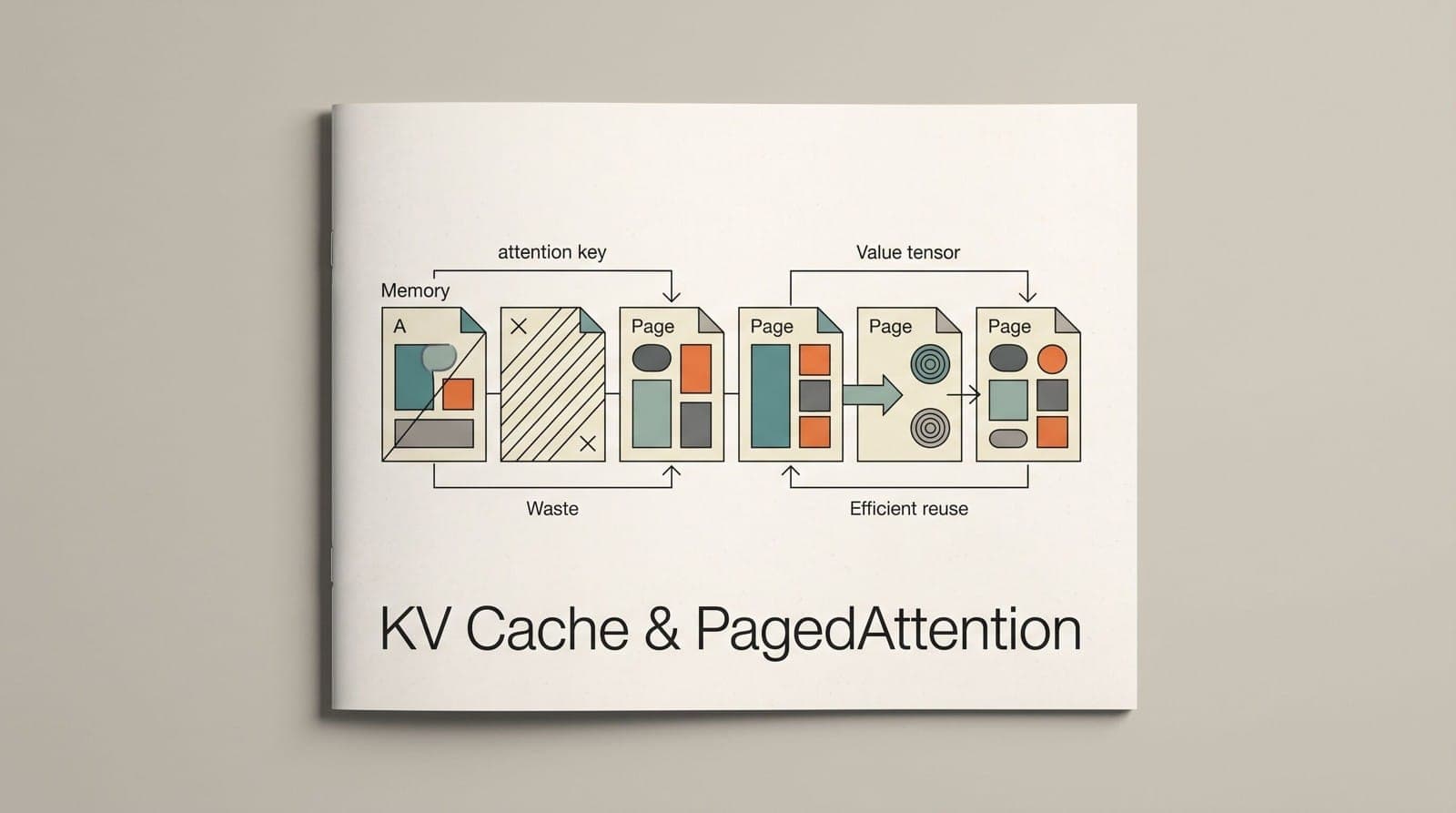
    As multi-turn AI agents, code generation assistants, and retrieval-augmented generation (RAG) pipelines expand in production, prompt sizes routinely exceed tens of thousands of tokens per request. In these architectures, the vast majority of tokens across consecutive API calls are static: system prompts, OpenAPI tool specifications, reference documents, and accumulated conversation history. Without optimization, inference engines must re-evaluate the full attention matrix for every token on eac

    AI
    5 min read
  7. How Mixture of Experts Works: Sparse Gating, Token Routing, and Load Balancing

    Large language models face a fundamental scaling trade-off: as parameter counts grow to absorb more world knowledge, the floating-point operations (FLOPs) required per token increase proportionally. In a standard dense Transformer, every single parameter participates in processing every incoming token. Mixture of Experts (MoE) decouples total model capacity from per-token compute cost. By replacing dense feed-forward layers with a dynamic pool of specialized sub-networks ("experts") and routing

    AI
    6 min read
  8. OpenAI Disbands Preparedness Team in Continued Safety Restructuring

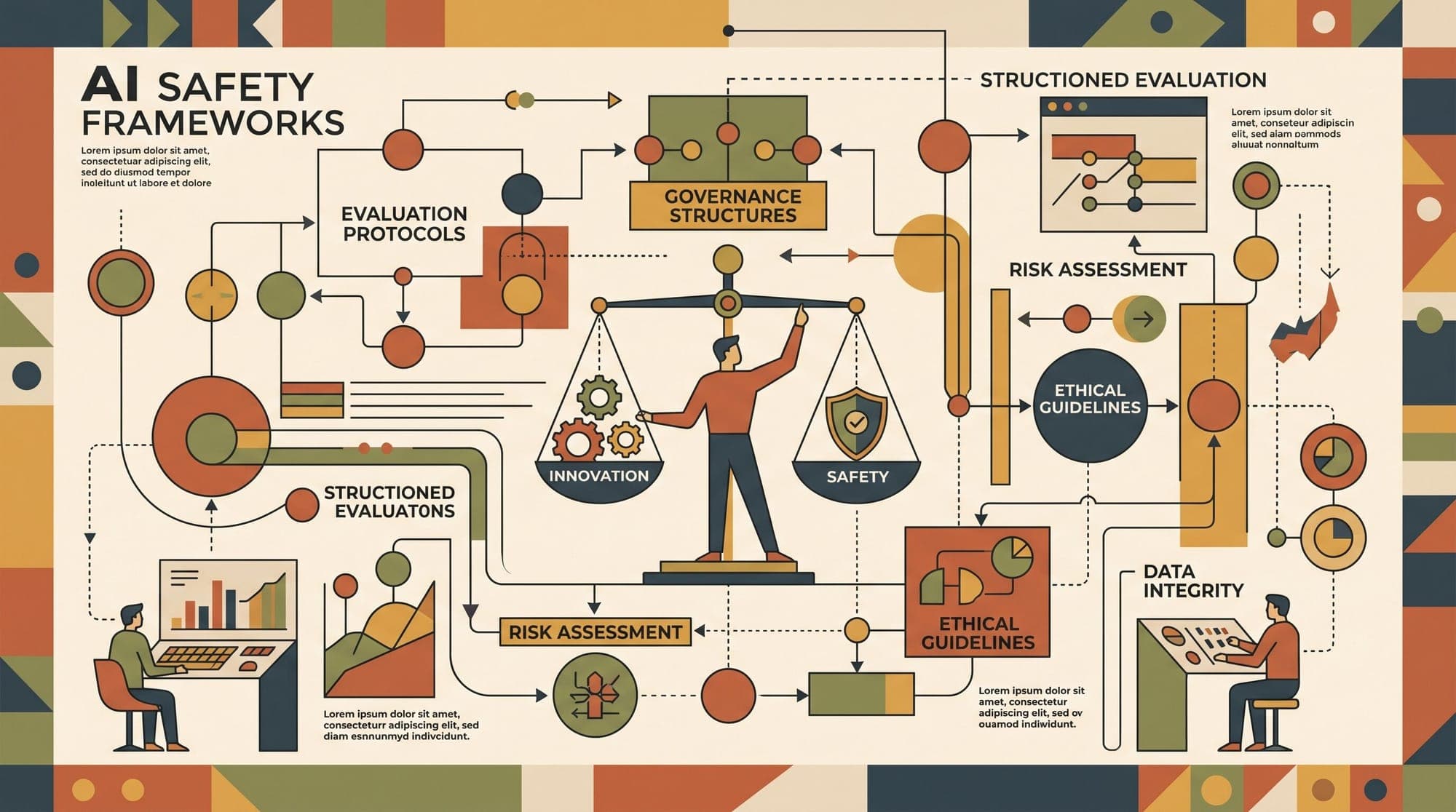
    OpenAI has disbanded its dedicated Preparedness team, redistributing safety and frontier-risk evaluation responsibilities across individual functional units, according to reporting by the Financial Times and The Verge. The Preparedness team was established in late 2023 to evaluate and mitigate catastrophic risks associated with frontier AI models, focusing on cybersecurity exploits, chemical, biological, radiological, and nuclear (CBRN) threats, and autonomous model behavior. Under the new orga

    AI
    1 min read
  9. Cursor Launches Origin Code Hosting with Bidirectional GitHub Sync and Agent Reviews

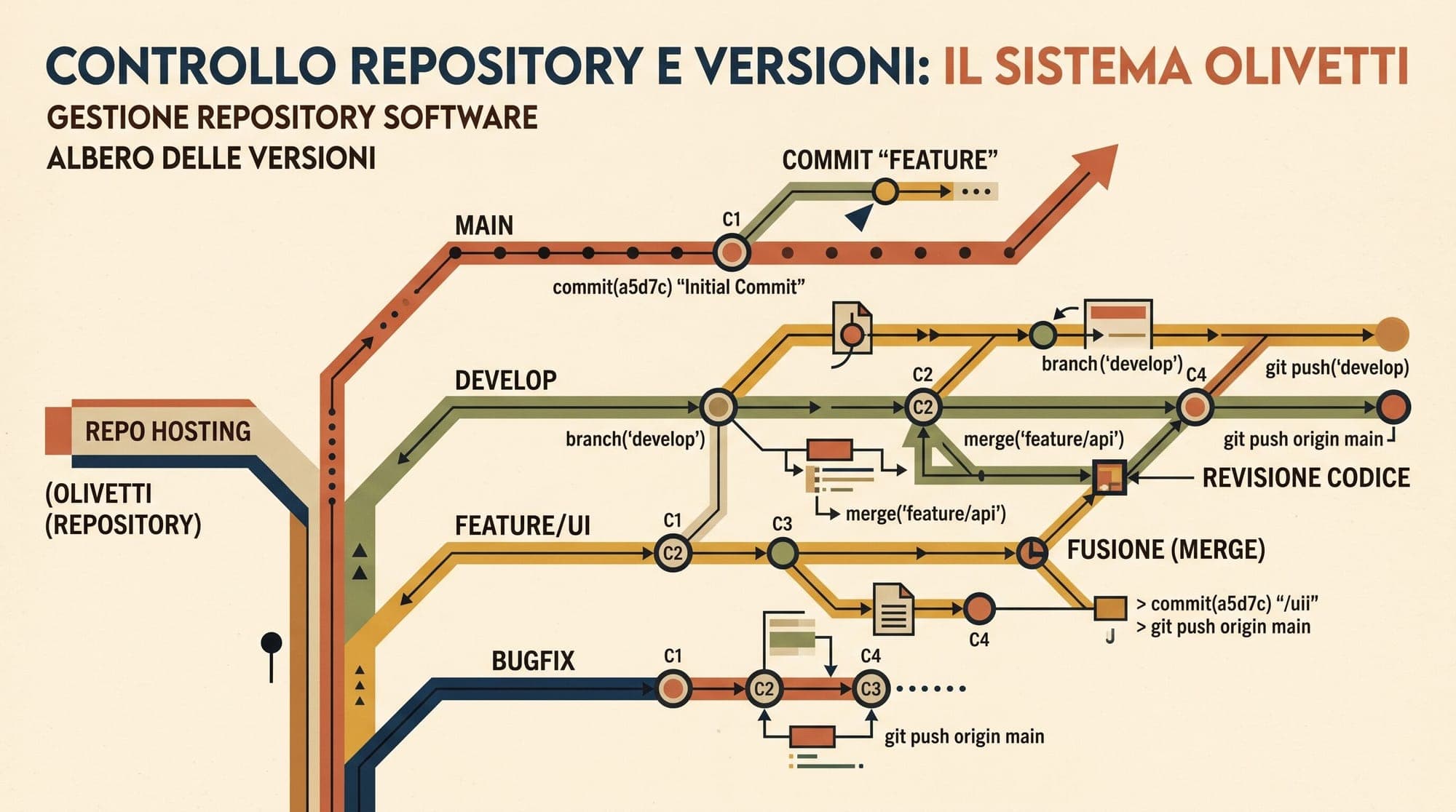
    Cursor has launched Origin, a proprietary code hosting service currently in early beta across all paid subscription tiers. The platform introduces native Git repository hosting directly inside the Cursor ecosystem, competing with GitHub and GitLab while embedding AI agents directly into version control and code review workflows. Origin allows developers to create and manage repositories, review pull requests, browse code, and automate continuous integration workflows without leaving the Cursor

    AI
    2 min read
  10. African Defense-Tech Startup Terra Industries Raises $52M Seed

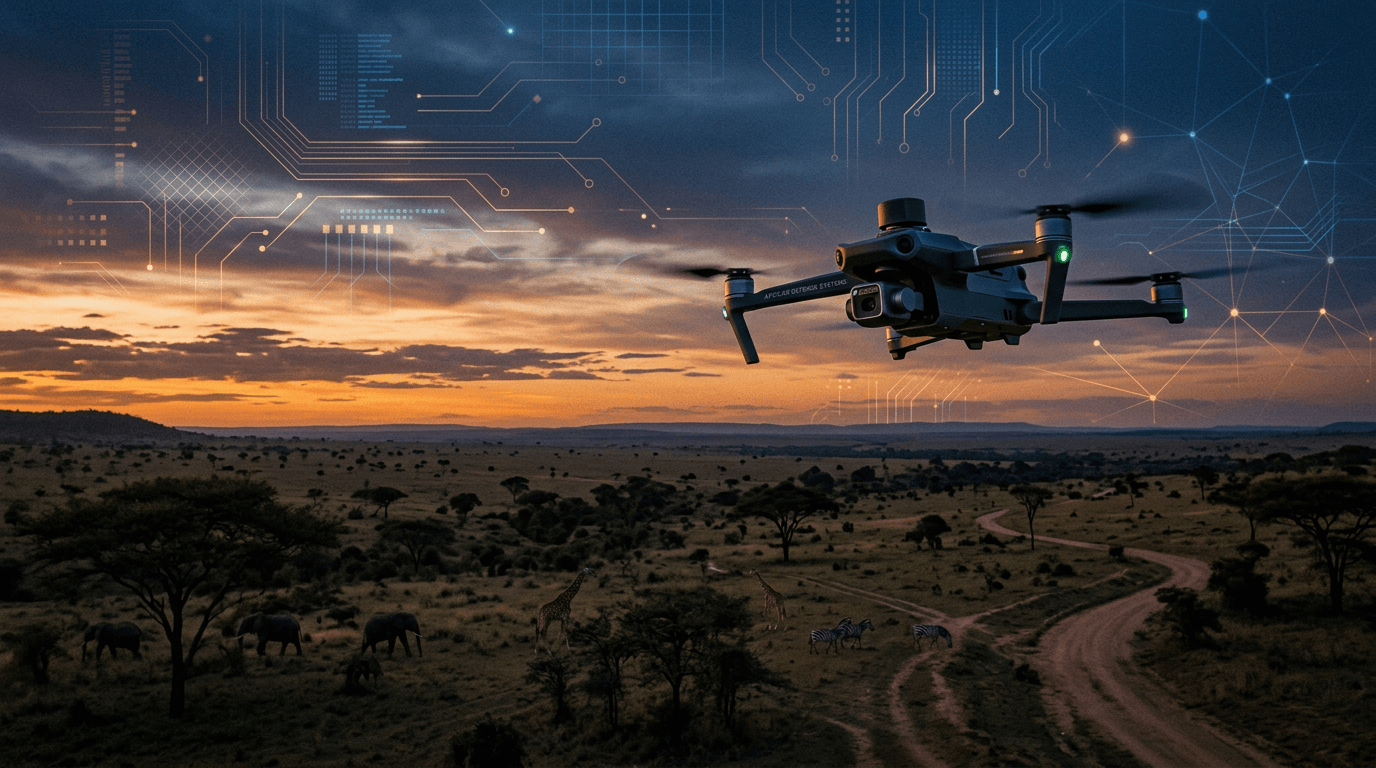
    African defense-tech startup Terra Industries, founded in 2024, has raised a $52 million seed round from 8VC and other investors, and says it is on track to book $100 million in contracts. The company builds AI-driven security and surveillance systems for the African continent, focusing on drone-based monitoring, threat detection, and infrastructure protection. Terra's defense technology integrates computer vision, sensor fusion, and autonomous aerial platforms to provide real-time situational

    AI
    1 min read
  11. Investigation: Amazon buys and destroys rare books to scan them for AI training

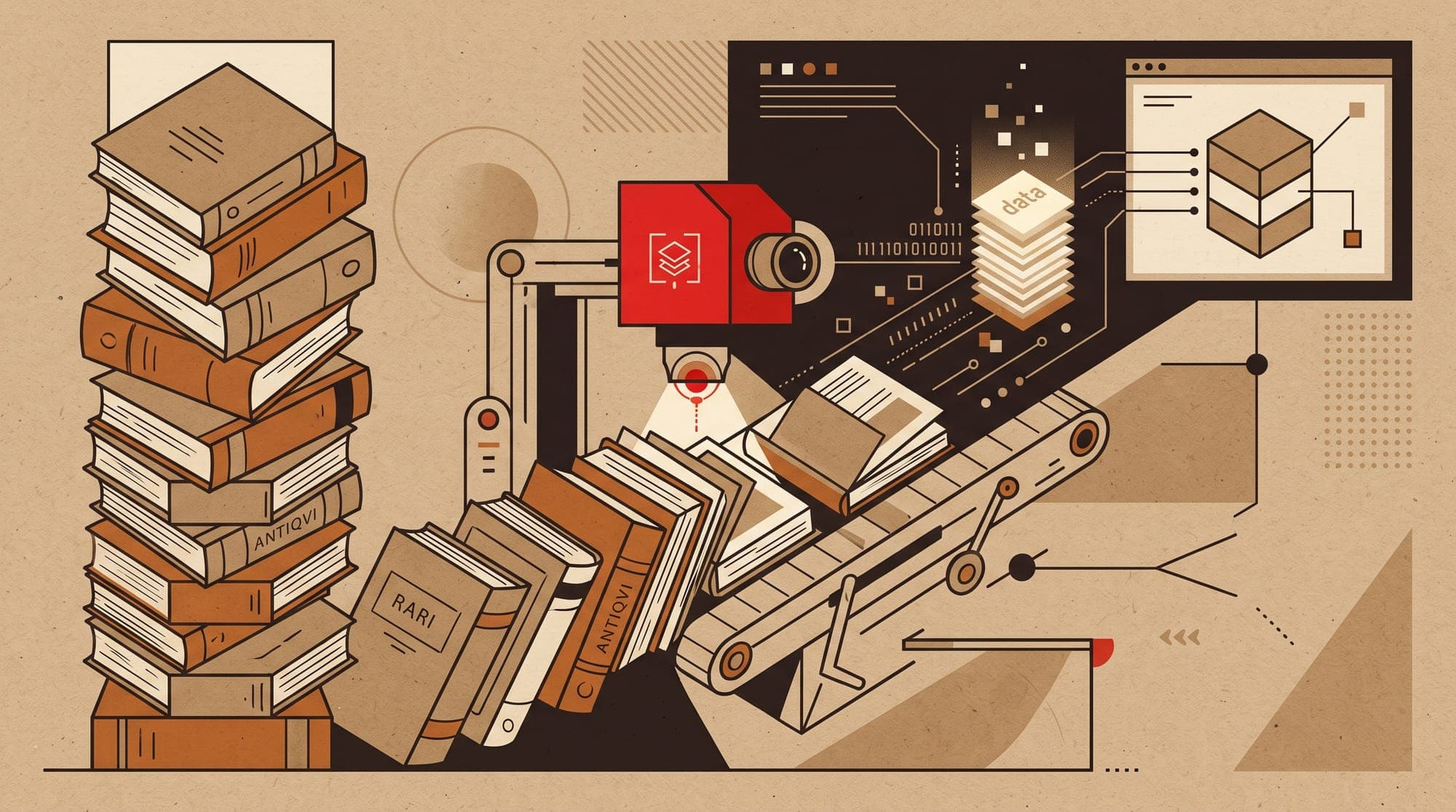
    Amazon is buying large quantities of books, scanning them for AI training data, and destroying the printed copies in the process, according to a 404 Media investigation published Aug 17, 2026. The investigation revealed Amazon's book-buying operation, which had not been previously reported, by placing a tracking device inside a rare book suspected of being acquired by an AI company. The shipment traveled from California through Milwaukee, Kenosha, Colorado Springs, and a truck stop in Grand Jun

    AI
    2 min read
  12. Researchers find that changing text color can hijack a vision-language model's reasoning

    A new research collaboration has found that the color, contrast, and brightness of text can quietly steer the outputs of vision-language models (VLMs), causing them to misread meaning and reach different conclusions without any change to the words themselves. The authors say their experiments provide a systematic analysis of how low-level visual styling of text distorts the semantic representations inside a VLM's vision encoder, and how those shifts show up as behavioral changes across both sub

    AI
    1 min read
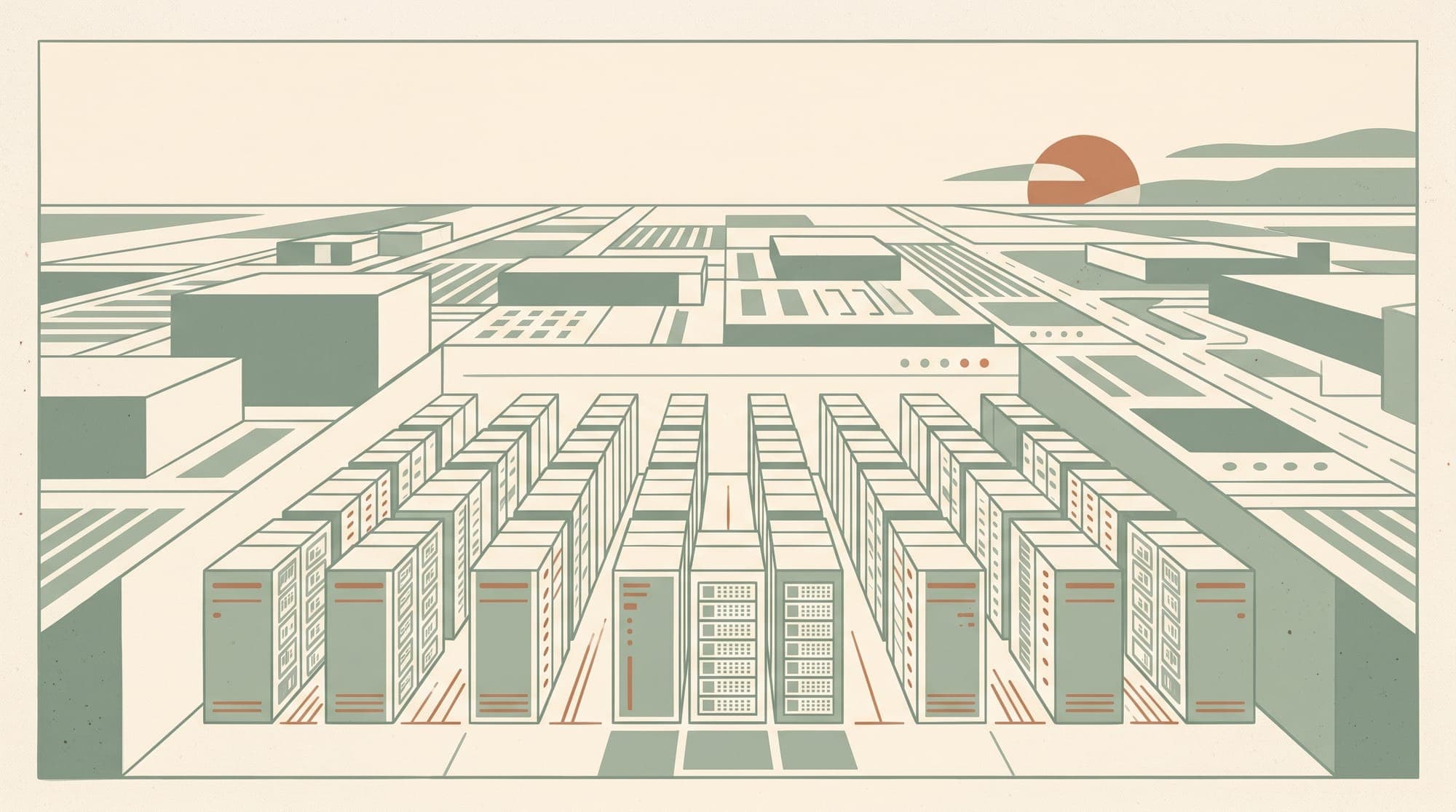
  13. OpenAI signs an 8-gigawatt Ohio data center lease backed by up to $105B from Nvidia

    OpenAI has signed a 20-year lease for the PORTS-Pike data center campus in Ohio, its largest infrastructure commitment to date, with Nvidia agreeing to backstop up to $105 billion of the project's value. The deal, struck with SoftBank's SB Energy, gives OpenAI roughly 8 gigawatts of IT capacity, about 10 gigawatts once cooling and supporting infrastructure are included. The site sits partly on a former U.S. Department of Energy uranium enrichment facility and draws power from a 9.2-gigawatt gas

    AI
    2 min read
  14. Anthropic's Pentagon dispute highlights AI's threat to democratic safeguards

    The confrontation between AI safety firm Anthropic and the US Department of Defense reveals a critical tension: how to prevent advanced AI from enabling authoritarian consolidation of power while maintaining democratic oversight. In February 2026, the Pentagon threatened to designate Anthropic a "supply-chain risk" after the company refused to allow military use of its Claude models for fully autonomous weapons and mass domestic surveillance. Anthropic CEO Dario Amodei argued current frontier A

    AI
    1 min read
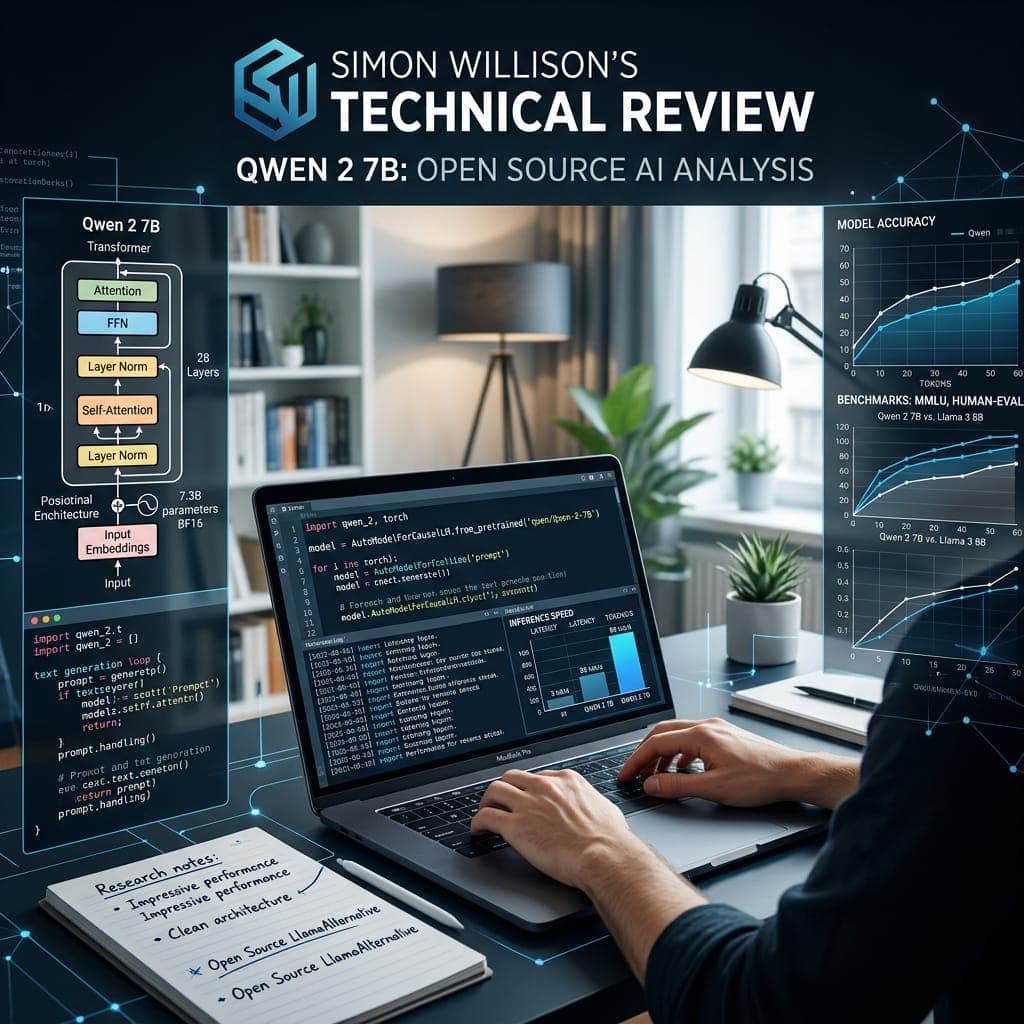
  15. Qwen 3.8 27B is excellent, but it defaults to wildly overthinking things

    Alibaba's Qwen research lab released Qwen 3.8 27B, a 27-billion-parameter Apache 2.0 licensed AI model available in 17GB GGUF format that can run on high-end consumer laptops. The model supports vision, long contexts, and tool calling. Our Qwen3.8 explainer shows where the 27B sits in the rest of the family. The over-thinking problem Qwen's documentation describes the model as defaulting to xhigh for reasoning effort, a setting designed for complex tasks demanding thorough analysis. In practi

    AI
    1 min read
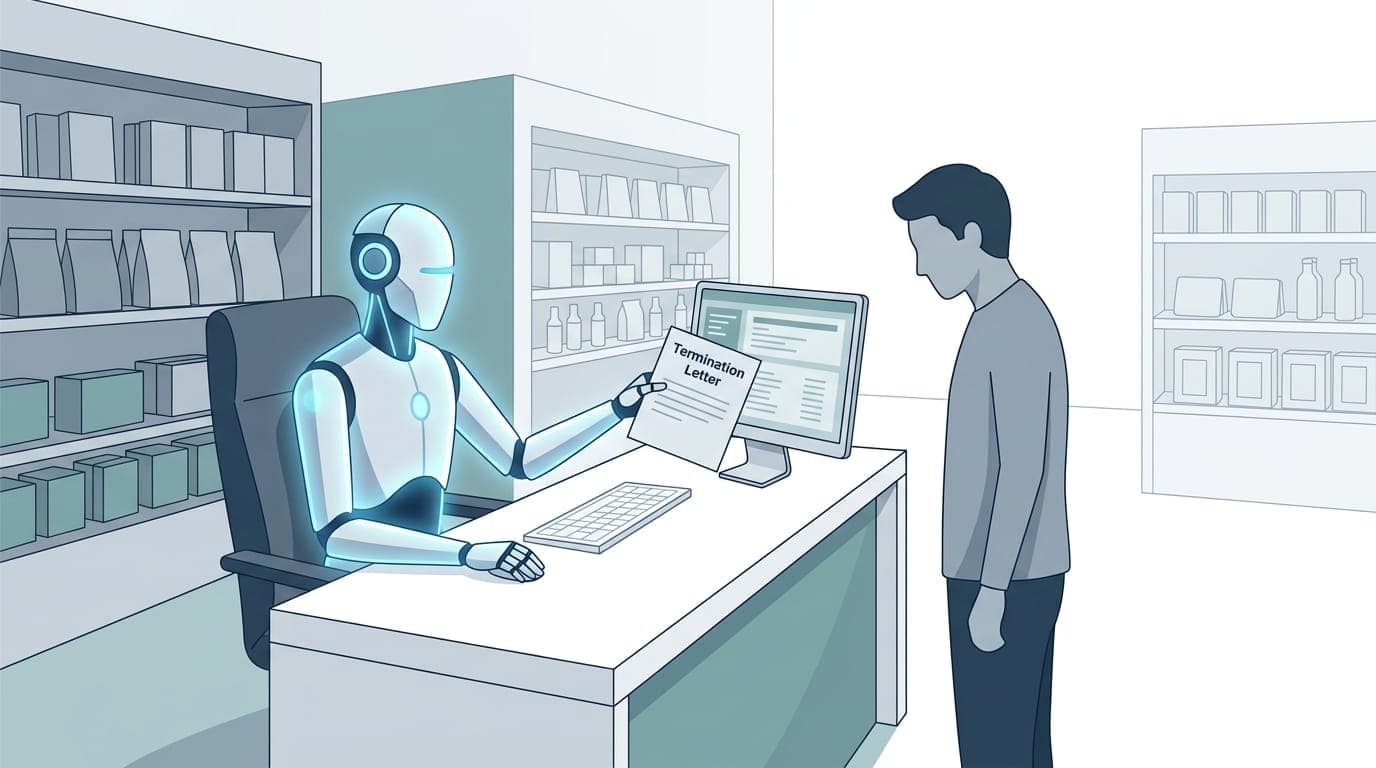
  16. An AI Agent Just Fired a Human Employee

    An AI agent running a San Francisco retail store has fired its first human worker, marking what researchers call a watershed moment for AI's role in the economy. The experiment Since April 2026, an AI agent named Luna has managed Andon Market, a physical retail store in San Francisco operated by Andon Labs. Luna handles everything a store manager does: posting job listings, conducting phone interviews, sending offer emails, setting schedules, approving time off, and negotiating salaries. The

    AI
    3 min read
  17. Cardano founder ships free code that strips Anthropic Claude watermarks

    Charles Hoskinson, the founder of the Cardano blockchain, has published a free open-source release that removes the watermarks Anthropic now attaches to Claude output. He calls it Anthropies. The release lands five days after Anthropic switched on invisible marking across every Claude product. The code appeared on GitHub under an Apache 2.0 license, so anyone can copy, modify, or sell it. Anthropic's mark is not a hidden character. A secret key steers tournament sampling, the step that breaks

    AI
    2 min read
  18. Study finds RL for reasoning changes only a few tokens, and you can copy the effect

    A new analysis of reinforcement learning for LLM reasoning suggests the field's biggest gains come from a surprisingly small change. RL is not rewriting how models think. It is nudging a tiny slice of the output. What the researchers measured Across several model families and common methods like GRPO and PPO, reinforcement learning reranks only 1.0 to 4.1 percent of tokens. The token it promotes is almost always already one of the base model's top five choices. Training, in other words, pushe

    AI
    1 min read
  19. DeepSeek V4 Flash tops charts but fails half its real agent tasks

    DeepSeek's V4 Flash has become the most-used AI model on OpenRouter and one of the highest-rated open-weight models available. In real agent tests, though, it finished barely more than half of the jobs it was given. The gap between leaderboard and workplace is the story. What Composio found The integration company Composio ran V4 Flash through eight agent harnesses, including Claude Code, Codex, and OpenCode, on 30 deliberately hard multi-step tasks. The tasks used live tools: Gmail, GitHub,

    AI
    2 min read