Cursor Launches Origin Code Hosting with Bidirectional GitHub Sync and Agent Reviews

Cursor has launched Origin, a proprietary code hosting service currently in early beta across all paid subscription tiers. The platform introduces native Git repository hosting directly inside the Cursor ecosystem, competing with GitHub and GitLab while embedding AI agents directly into version control and code review workflows. Origin allows developers to create and manage repositories, review pull requests, browse code, and automate continuous integration workflows without leaving the Cursor

2 min
Cursor Launches Origin Code Hosting with Bidirectional GitHub Sync and Agent Reviews

Cursor has launched Origin, a proprietary code hosting service currently in early beta across all paid subscription tiers. The platform introduces native Git repository hosting directly inside the Cursor ecosystem, competing with GitHub and GitLab while embedding AI agents directly into version control and code review workflows.

Origin allows developers to create and manage repositories, review pull requests, browse code, and automate continuous integration workflows without leaving the Cursor interface. While developers can host new repositories natively using standard Git commands via the Origin CLI, Cursor has also built a bidirectional GitHub synchronization layer to facilitate incremental adoption.

Dual Hosting and Bidirectional GitHub Sync

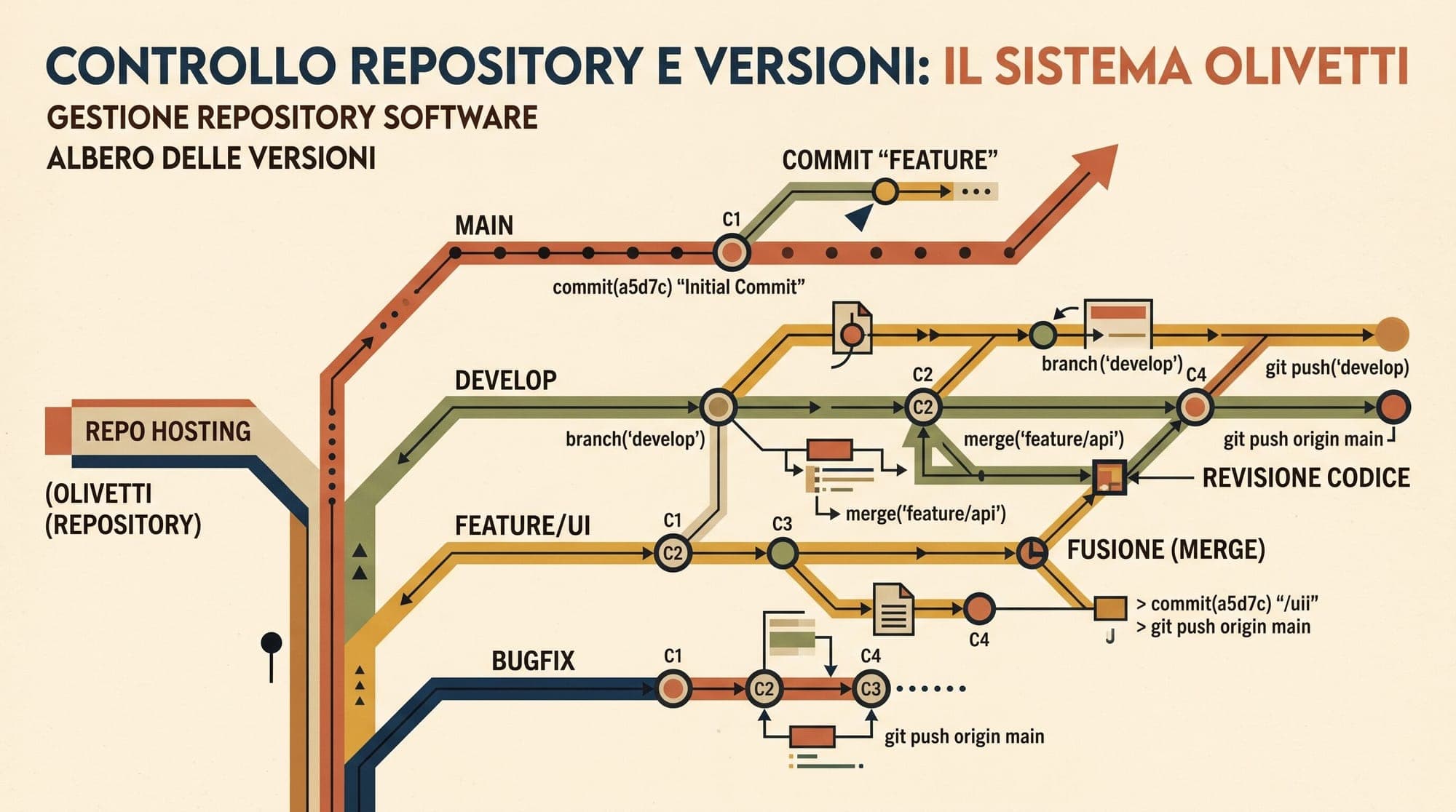
Rather than requiring an immediate migration away from existing infrastructure, Origin supports parallel operation alongside GitHub organizations. Teams can connect an existing GitHub organization and select specific repositories to mirror into Origin.

These mirrored repositories maintain real-time synchronization. Code pushes continue targeting GitHub as the primary source of truth, while pull requests, code reviews, and inline discussions synchronize bidirectionally across both platforms. A review comment submitted inside Cursor appears on GitHub within seconds, and replies or reactions from GitHub immediately reflect in Origin.

Cursor Origin pull request and deployment pipeline

Native Agent Integration and Ecosystem Extensions

The core technical distinction of Origin lies in its native integration with Cursor's AI coding agents. Because the repository, pull request interface, and underlying codebase reside within the same operational environment, agents can directly answer questions about repository history, generate diffs, update pull requests, and push changes to designated branches.

At launch, Cursor announced third-party integrations with infrastructure and CI/CD providers:

  • Vercel: Connecting an Origin repository automatically triggers preview deployments for pull requests, followed by production deployments upon merging.
  • Depot and Buildkite: Provide CI pipeline execution, supporting standard GitHub Actions workflows as well as Buildkite native execution pipelines.

Availability and Administration

Origin is rolling out immediately in early beta to all users on Cursor Pro and Business plans. Enterprise administrators have been provided with management settings to opt out or restrict repository access according to organizational security policies.


Sources

Written by

More to read

  • Anthropic Demonstrates Autonomous De Novo Protein Design and Chemical Analysis with Claude

    Anthropic Demonstrates Autonomous De Novo Protein Design and Chemical Analysis with Claude Anthropic has published experimental results demonstrating Claude's ability to autonomously design de novo protein binders with physical wet-lab validation and automate complex analytical chemistry workflows. The findings show frontier LLMs acting as autonomous agents across computational biology and molecular characterization pipelines. In the primary experiment, Anthropic evaluated Claude Mythos Previe

    1 min
  • Cerebras Unveils CS-4 Rack-Scale System Powered by Three WSE-3 Turbo Chips and Nexus Architecture

    Cerebras Unveils CS-4 Rack-Scale System Powered by Three WSE-3 Turbo Chips and Nexus Architecture Cerebras Systems has announced the CS-4, a rack-scale AI accelerator system designed around three of its next-generation Wafer Scale Engine 3 Turbo (WSE-3 Turbo) chips and a modular hardware architecture dubbed Nexus. Cerebras confirmed that initial customer shipments for the CS-4 are scheduled to begin in the current quarter. The new system marks a structural shift from Cerebras's single-wafer CS

    1 min
  • AI FinOps: Cutting LLM Inference Costs by 30-60% Through Model Tiering, Caching, and GPU Optimization

    AI FinOps: Cutting LLM Inference Costs by 30-60% Through Model Tiering, Caching, and GPU Optimization Inference costs have become the second-largest line item in enterprise AI budgets, trailing only talent spend according to RapidData's State of Enterprise AI 2026. This shift represents a fundamental inversion from the 2021-2023 era when training dominated AI expenditure. The compounding nature of serving costs—accumulating every hour as long as users hit the API—means that even modest producti

    1 min

