Subscribe
Topic / page 39

AI

Articles, page 39

761-780
  1. Group Relative Policy Optimization (GRPO): How Eliminating Value Models Scaled LLM Reasoning

    Post-training reinforcement learning (RL) has become the primary mechanism for scaling reasoning capabilities in large language models. While early reinforcement learning from human feedback (RLHF) focused on conversational style and safety alignment, extending RL to multi-step reasoning domains such as mathematics, algorithmic coding, and formal logic exposed critical limitations in classical algorithms. Standard Proximal Policy Optimization (PPO), long the foundational algorithm for instructi

    AI
    8 min read
  2. Context Window Extension in Large Language Models: How Position Interpolation, YaRN, and LongRoPE Scale Sequence Lengths

    Large language models are bounded during pretraining by a fixed sequence length, typically between 2,048 and 8,192 tokens. When standard autoregressive transformers attempt to process sequences beyond this pretraining context window, performance degrades immediately. Perplexity rises sharply and the model loses coherence within a few dozen tokens past the training boundary. Extending this context window by training from scratch on long sequences is computationally prohibitive due to the quadrat

    AI
    6 min read
  3. Round Hill Files $1B Copyright Infringement Lawsuits Against Anthropic and Suno

    Independent music rights administrator Round Hill Music has filed twin copyright infringement lawsuits against generative AI music platform Suno and frontier foundation model developer Anthropic. The complaints, filed in the U.S. District Court for the Northern District of California, allege that both companies unlawfully scraped, ingested, and reproduced copyrighted musical compositions without licenses, authorization, or compensation to build and train their commercial AI models. Round Hill M

    AI
    3 min read
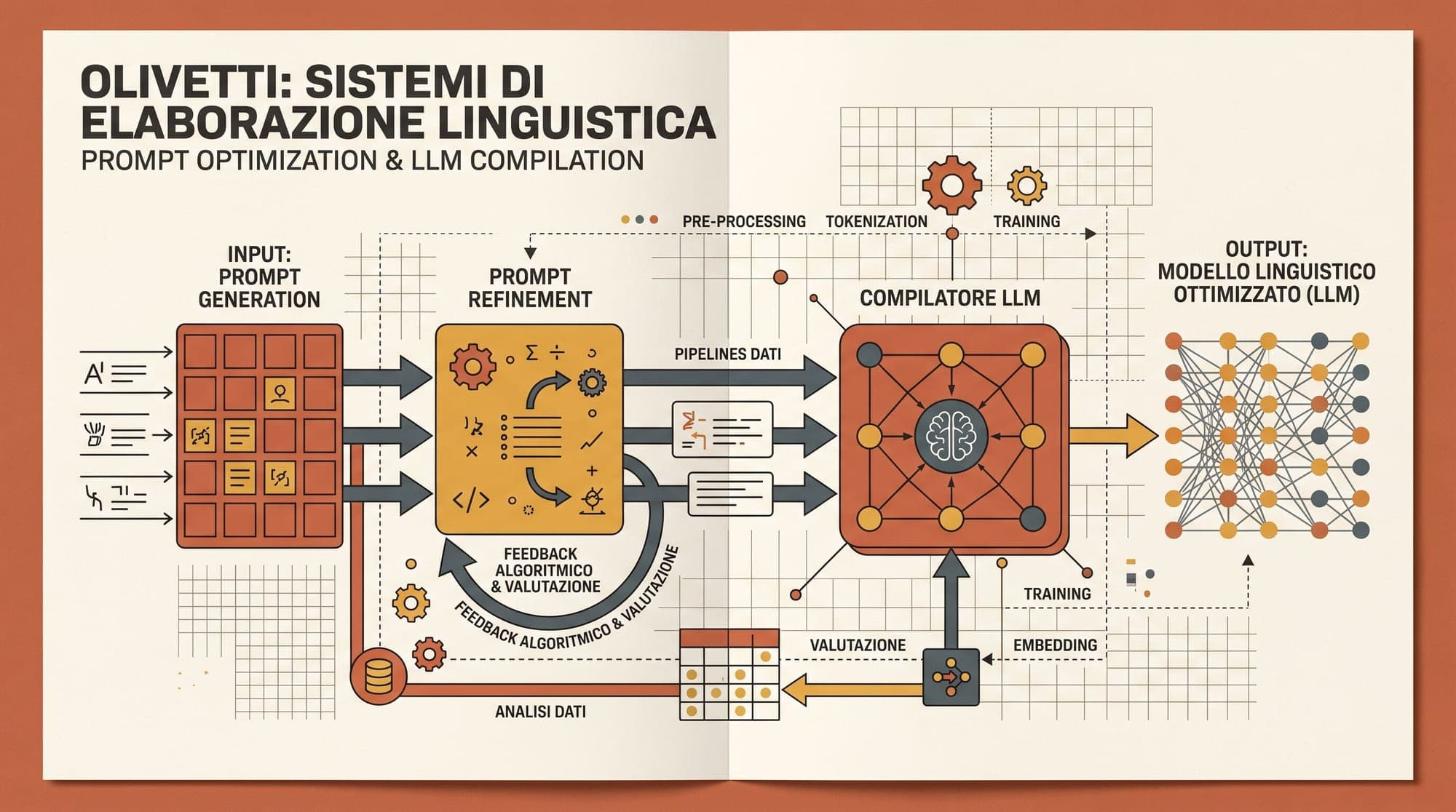
  4. Automated Prompt Optimization in Production: Signatures, Teleprompters, and Metric-Driven Compilation with DSPy

    Manual prompt engineering remains one of the largest sources of technical debt in modern LLM applications. Teams routinely spend weeks hand-crafting multi-paragraph system prompts, hardcoding few-shot examples, and tweaking phrasing to extract reliable outputs from specific model checkpoints. When the underlying model is upgraded, migrated to an open-weight alternative, or integrated into a multi-step pipeline, these hand-crafted strings break, requiring another cycle of trial-and-error adjustme

    AI
    5 min read
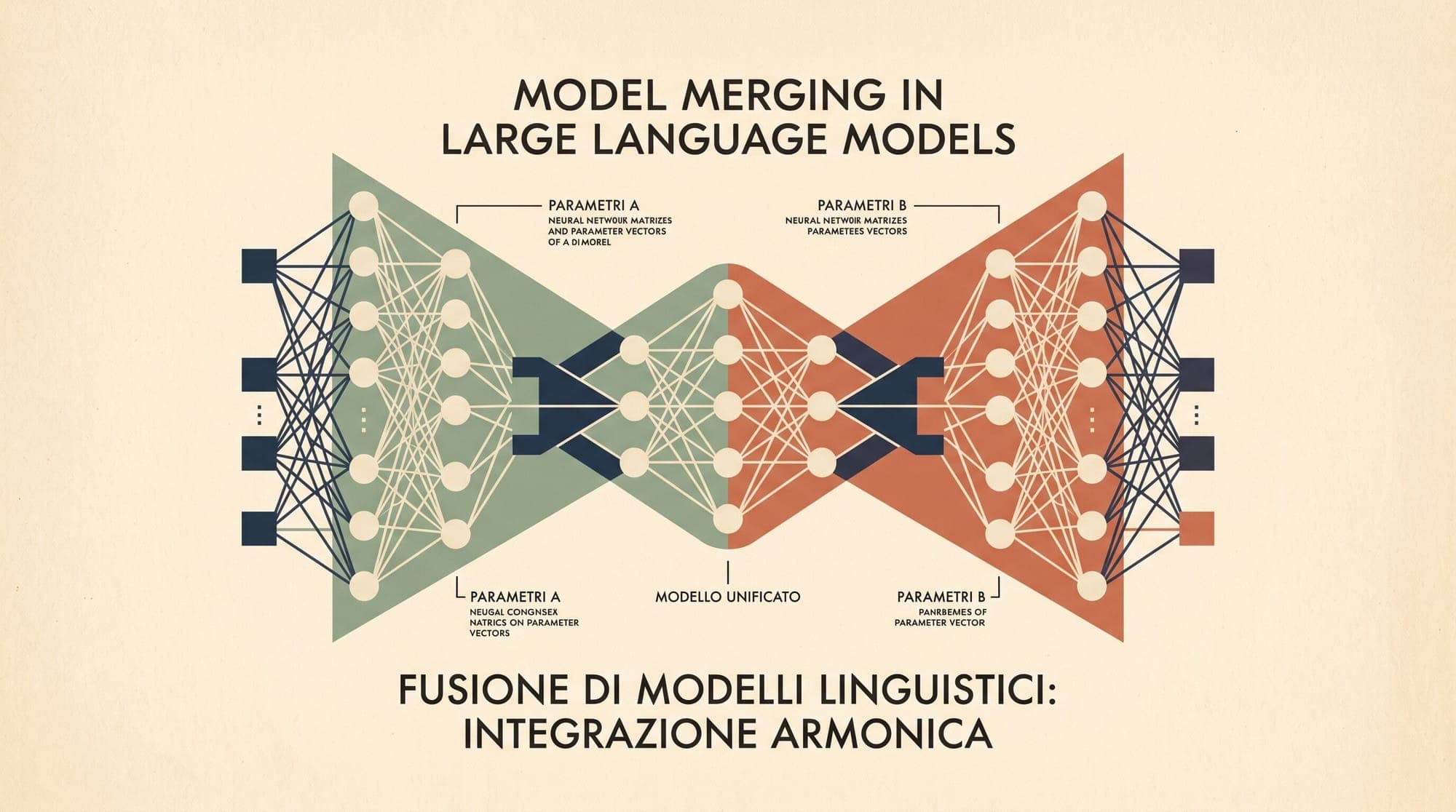
  5. Model Merging in Large Language Models: How Task Arithmetic, TIES, and DARE Combine Checkpoints Without Training

    Fine-tuning foundation models for specialized tasks typically produces isolated checkpoints. A model adapted for mathematical reasoning retains high numerical precision but often degrades in general dialogue or code generation. Traditionally, unifying these capabilities required multi-task training: gathering mixed datasets, re-running optimization across multiple GPUs, and managing gradient conflicts during backpropagation. Model merging provides an alternative paradigm. By operating directly

    AI
    5 min read
  6. Harvey Introduces Tenet, Its First In-House Legal LLM Trained on Moonshot's Kimi K3

    Legal AI startup Harvey has announced Harvey Tenet, its first proprietary, in-house foundation model tailored for legal workflows. The release marks a strategic shift for the $11 billion legal tech company, which has historically relied on API access to third-party frontier models from OpenAI and Anthropic. Tenet is post-trained on top of Kimi K3, an open-weights model released in July 2026 by Chinese AI lab Moonshot AI. The initiative is part of a broader platform update titled Harvey II, whic

    AI
    2 min read
  7. Velaura AI Raises $110M Series A at $1B Valuation for Low-Power AI Silicon

    Velaura AI Raises $110M Series A at $1B Valuation for Low-Power AI Silicon Velaura AI has closed a $110 million Series A funding round at a valuation exceeding $1 billion. The financing was led by Seligman Ventures, with participation from Capricorn Investment Group alongside existing backers including Samsung Catalyst Fund, StepStone Group, Maverick Silicon, Celesta Capital, and Mayfield. The capital will fund the commercialization and deployment of Velaura's silicon IP and physical design te

    AI
    3 min read
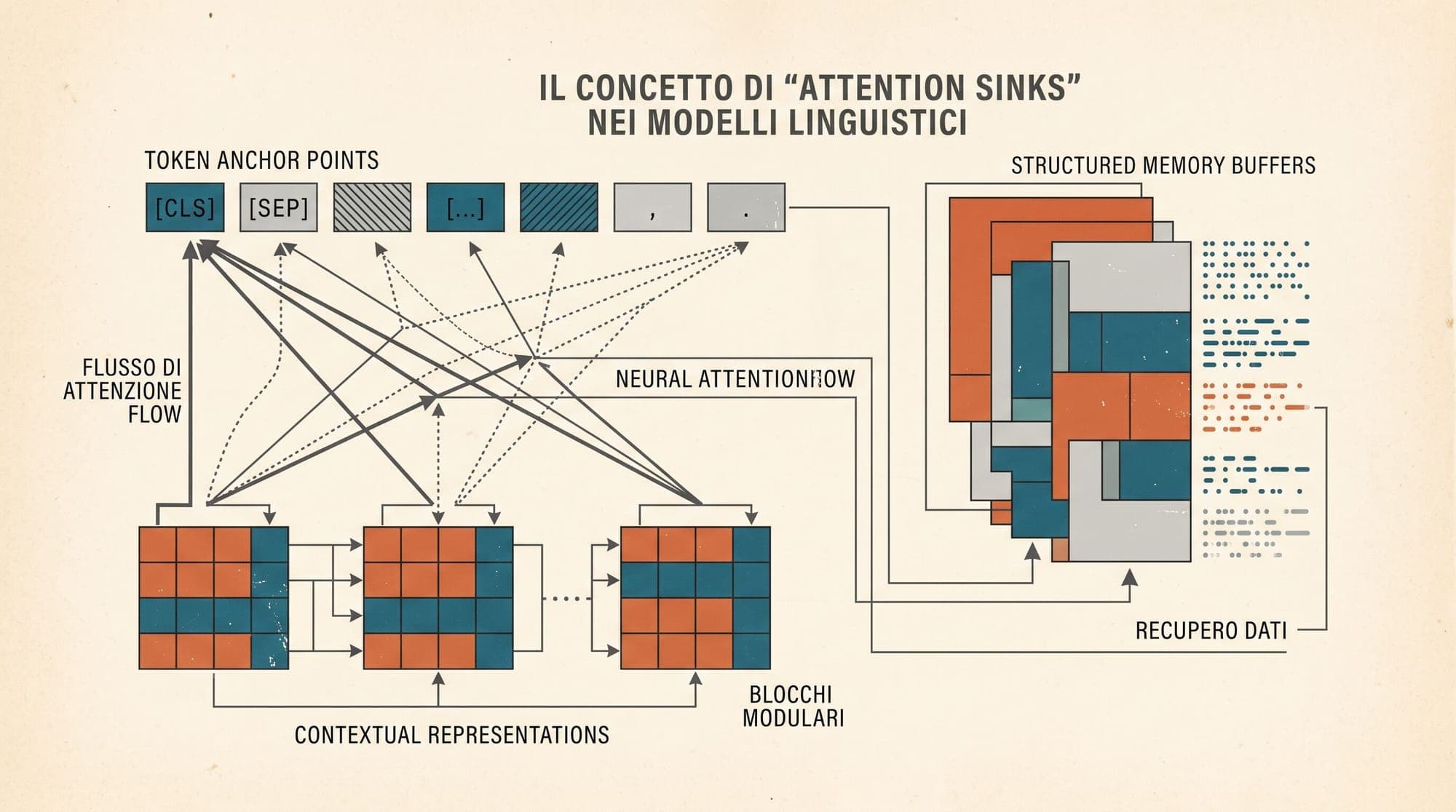
  8. Attention Sinks in Large Language Models: How StreamingLLM Prevents Perplexity Explosion in Infinite Sequences

    Autoregressive large language models are trained on fixed context windows, yet real-world applications (such as continuous coding agents, live conversation servers, and document streaming pipelines) require models to process unbounded token sequences. When standard LLMs operate on sequences longer than their pre-training context length, computational complexity and key-value (KV) cache memory scale quadratically and linearly, respectively. A seemingly natural workaround is sliding window attent

    AI
    5 min read
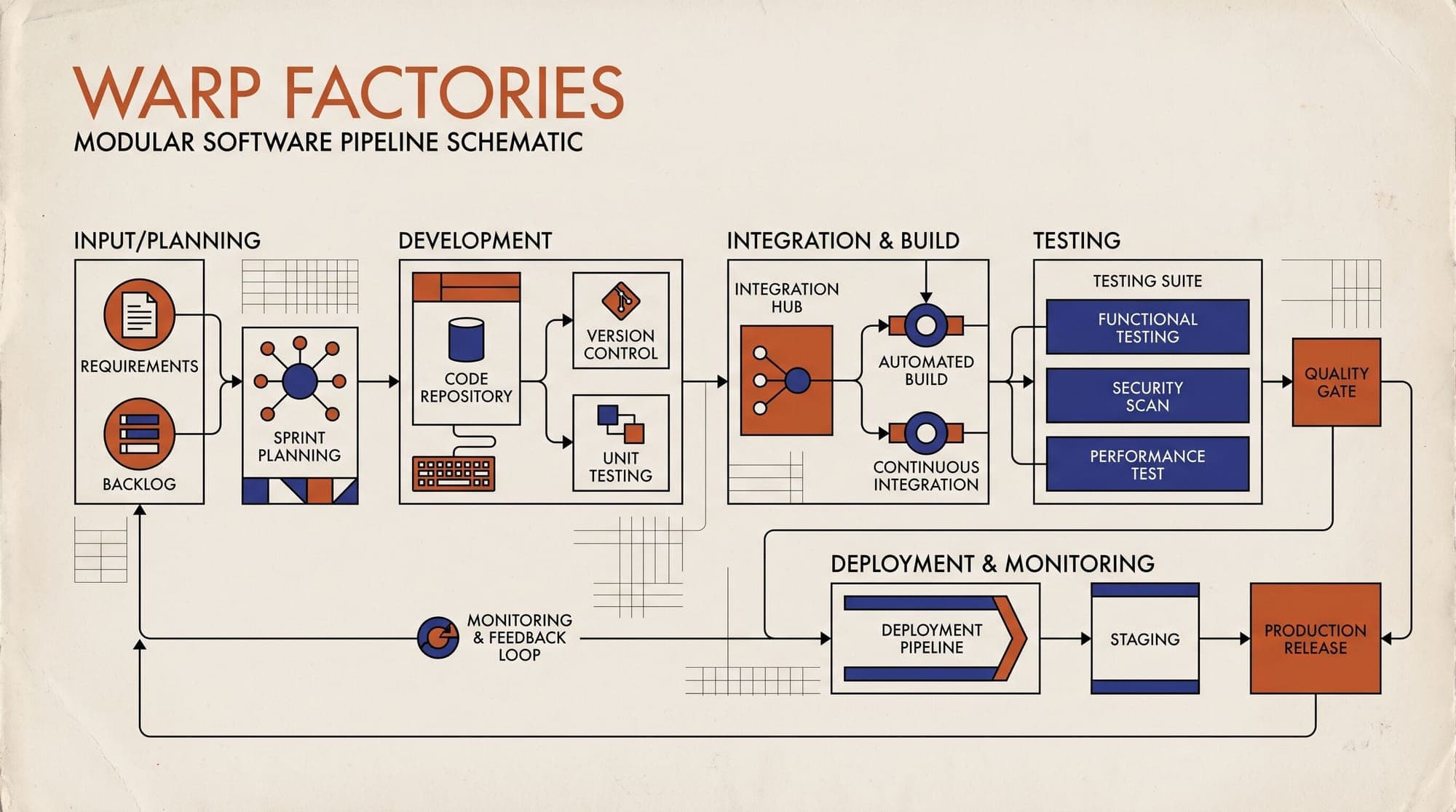
  9. Warp Launches Warp Factories to Automate Multi-Agent Software Development Lifecycles

    Terminal and developer tools maker Warp has introduced Warp Factories, a turnkey infrastructure system designed to manage and orchestrate autonomous AI coding agents across the software development lifecycle. The platform aims to lower the barrier for engineering teams implementing multi-agent workflows by providing preconfigured orchestration pipelines, evaluation harnesses, and runtime observability. Software Factory Architecture The "software factory" model structures development into five

    AI
    2 min read
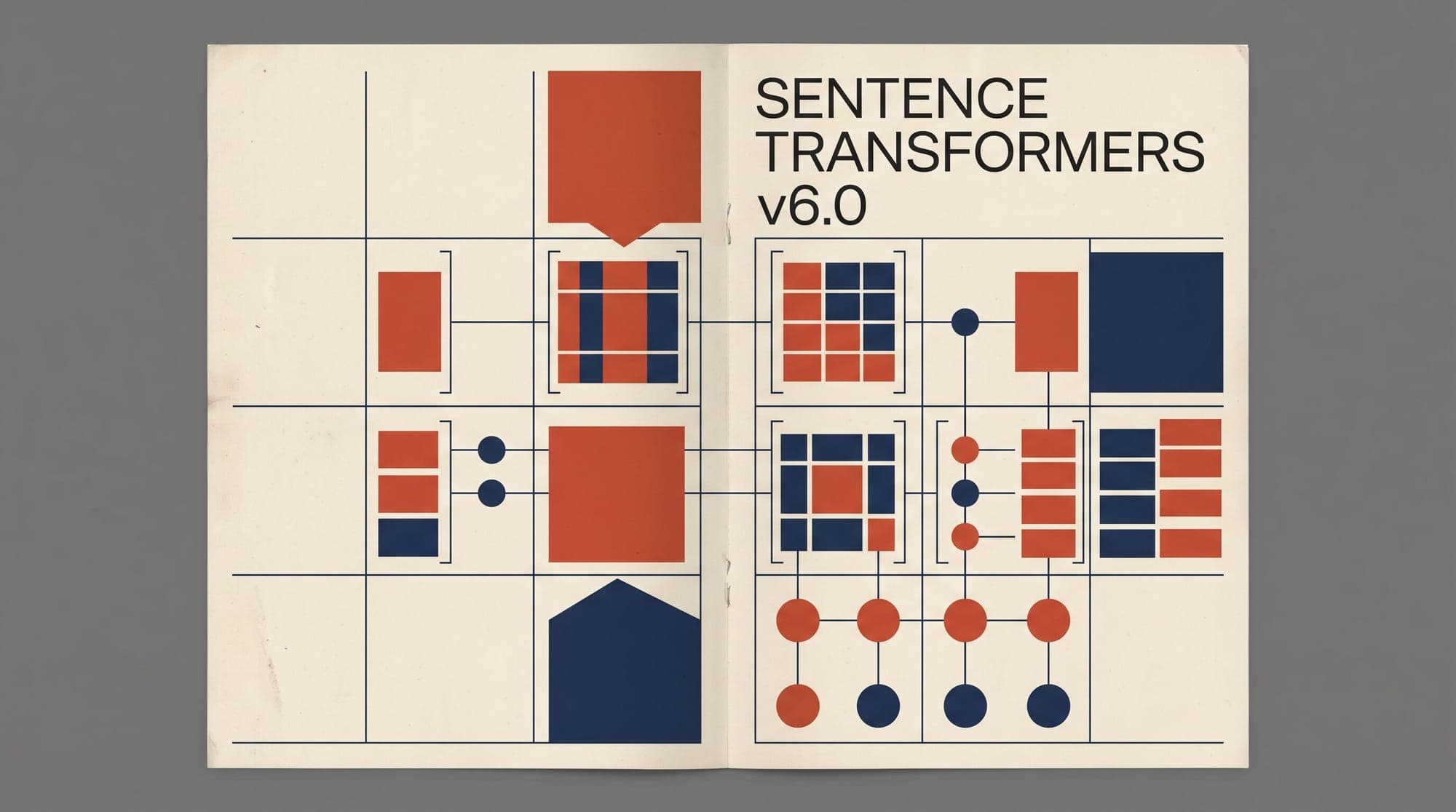
  10. Sentence Transformers v6.0 Adds Native Multi-Vector Late Interaction for ColBERT and ColPali

    Hugging Face has released Sentence Transformers v6.0, adding native multi-vector late-interaction retrieval to the library through a new MultiVectorEncoder interface. The update integrates ColBERT-style models and vision-language document retrieval systems directly into the standard Sentence Transformers workflow alongside dense bi-encoders, sparse models, and cross-encoder rerankers. Mechanics of Late Interaction and MaxSim Standard dense embedding models compress an entire passage or query

    AI
    2 min read
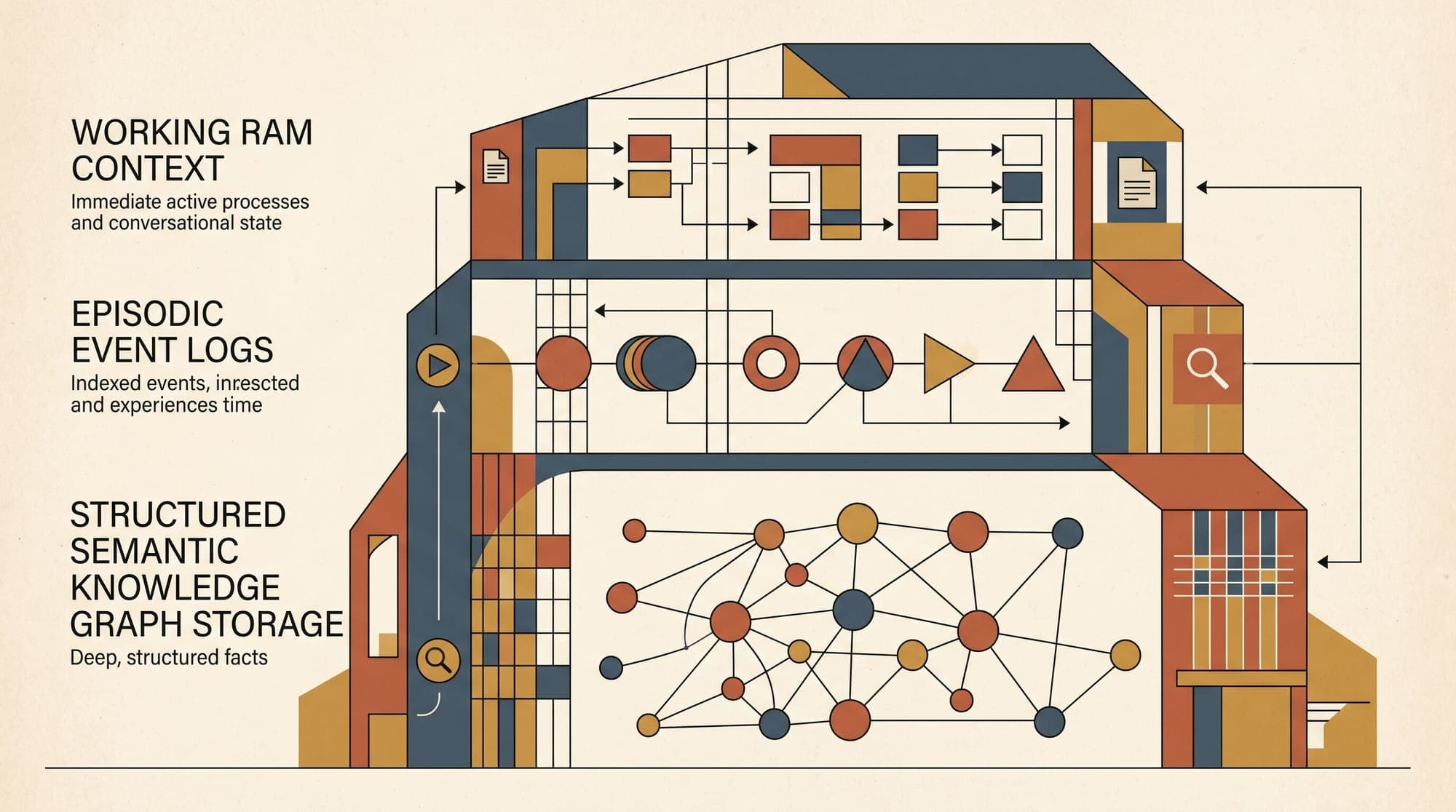
  11. Agent Memory Architectures in Production: Working Context, Episodic Buffers, Semantic Graphs, and State Serialization

    Large Language Models operate as stateless prediction engines: every API call processes an input prompt independently, without retaining memory of previous turns, decisions, or external interactions. While extending context windows to 1 million or 2 million tokens provides temporary capacity for long transcripts, treating raw context windows as long-term memory introduces severe engineering bottlenecks. Unbounded context growth dramatically inflates time-to-first-token (TTFT) latency, increases

    AI
    6 min read
  12. Constitutional AI and RLAIF: How Natural Language Principles and Automated Critiques Scale LLM Alignment

    Early alignment frameworks for large language models relied almost entirely on Reinforcement Learning from Human Feedback (RLHF). While RLHF transformed raw base models into usable assistants, the approach faces structural scaling bottlenecks. Collecting tens of thousands of high-quality human preference annotations is slow, expensive, and logistically complex. Furthermore, human annotators frequently disagree on nuanced safety boundaries, suffer psychological fatigue when reviewing harmful outp

    AI
    5 min read
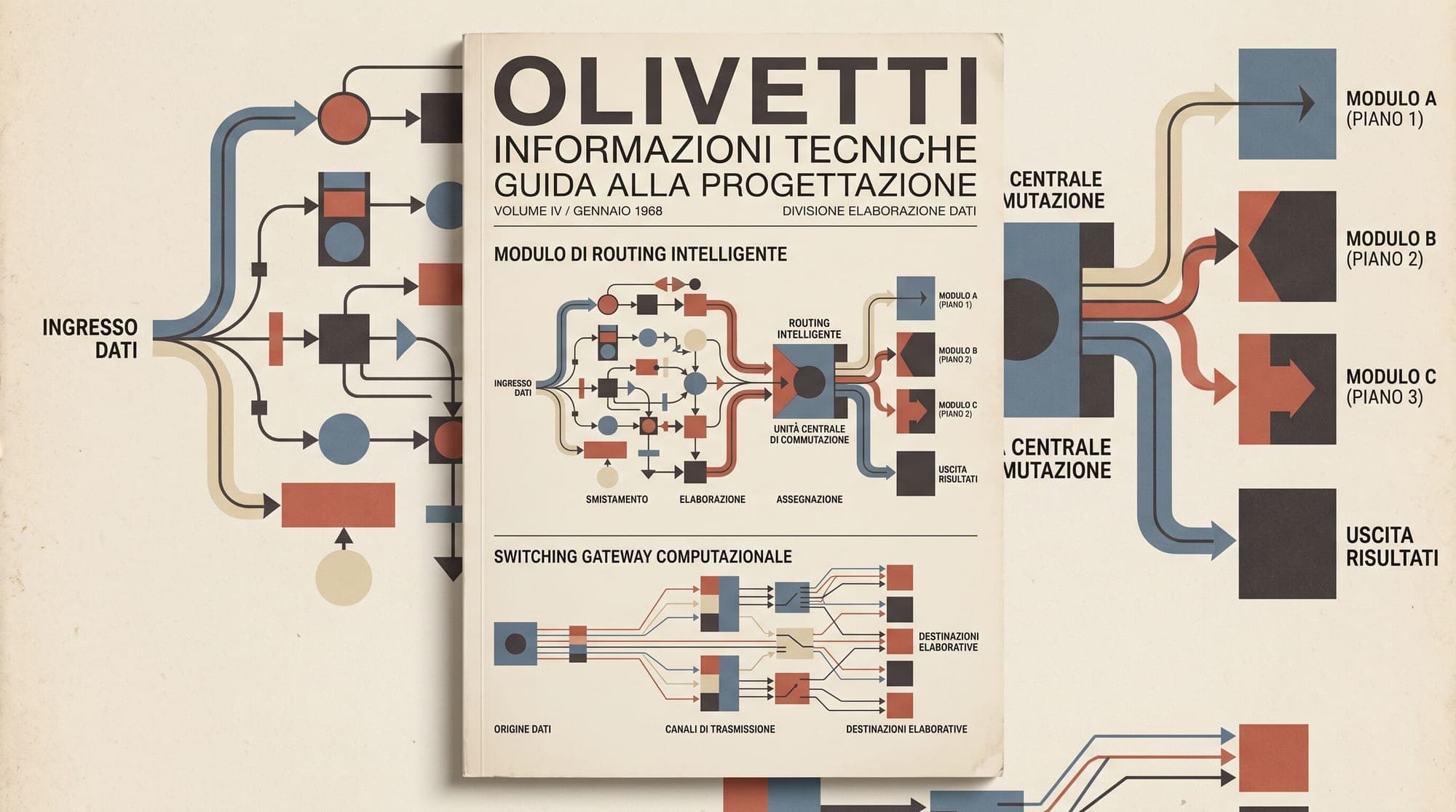
  13. Snowflake Adds Dynamic Model Routing to Cortex AI Gateway to Cut Inference Spend

    Snowflake has introduced dynamic model routing into its Cortex AI Gateway, allowing enterprise developers to automate large language model selection instead of binding agentic workloads to static endpoints. According to internal benchmarks reported by the company, automated routing can reduce token expenditure by up to 3x across mixed workloads by directing routine queries away from expensive frontier models toward lightweight architectures. The Inference Cost Bottleneck in Agentic Workflows

    AI
    2 min read
  14. GraphRAG vs. Vector RAG in Production: Architecture, Community Summaries, and Cost-Latency Trade-Offs

    Retrieval-Augmented Generation (RAG) has become the standard architecture for grounding Large Language Models in external knowledge bases. However, production implementations frequently encounter structural limits when relying entirely on naive vector search. Standard Vector RAG fragments documents into arbitrary chunks and retrieves top-k passages via cosine similarity in embedding space. While effective for localized fact retrieval, this approach struggles with global, corpus-wide synthesis an

    AI
    5 min read
  15. LLM Observability in Production: OpenTelemetry Semantic Conventions, Distributed Tracing, and Latency Profiling

    LLM Observability in Production: OpenTelemetry Semantic Conventions, Distributed Tracing, and Latency Profiling Deploying large language models into production introduces failure modes that traditional application performance monitoring (APM) tools were never designed to diagnose. Standard web services fail with discrete HTTP error codes, predictable database timeouts, or memory leaks. In contrast, LLM applications fail through silent semantic drift, hallucinated tool parameters, unbounded prom

    AI
    6 min read
  16. In-Context Learning in Large Language Models: How Induction Heads and Attention Circuits Learn Without Weight Updates

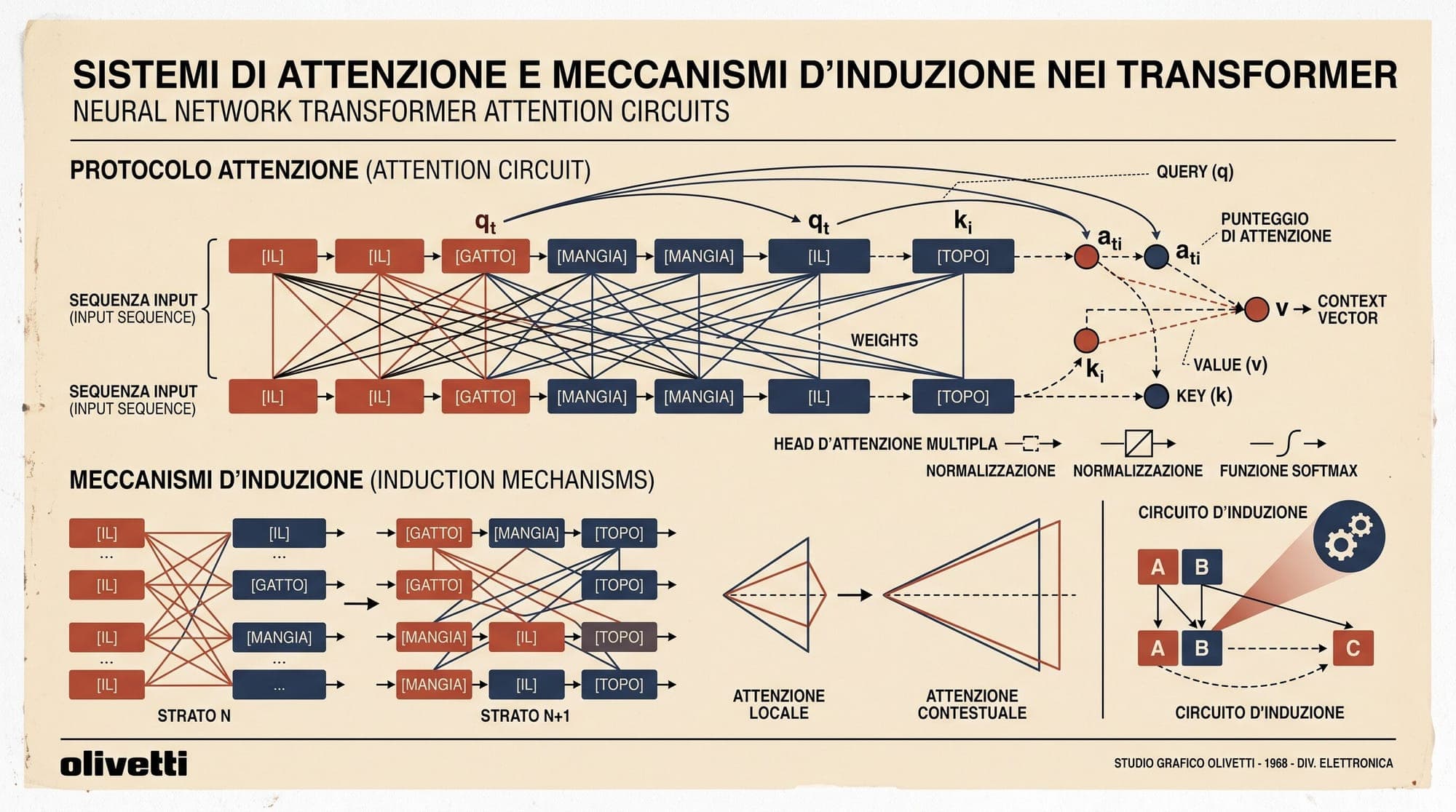
    Autoregressive large language models demonstrate the ability to adapt to new tasks, follow few-shot demonstrations, and execute algorithmic patterns entirely within their context windows. Unlike traditional fine-tuning, in-context learning occurs at inference time with frozen model parameters, leaving weights completely unchanged ($\Delta \theta = 0$). For several years following the scaling demonstrations in GPT-3, the internal mechanism governing in-context learning remained an empirical blac

    AI
    6 min read
  17. AI Guardrails in Production: Multi-Stage Filtering, Classification Models, and the Latency Tax

    AI Guardrails in Production: Multi-Stage Filtering, Classification Models, and the Latency Tax Production deployments of large language models cannot rely solely on system prompt instructions to maintain safety, prevent prompt injection, or restrict domain scope. System prompt alignment is inherently susceptible to adversarial bypasses, context dilution, and non-deterministic instruction following. To enforce strict security, compliance, and topic boundaries, engineering teams increasingly depl

    AI
    4 min read
  18. Multi-Head Latent Attention: How Low-Rank KV Compression Scales LLM Serving

    Autoregressive transformer inference faces a fundamental hardware constraint during text generation: memory bandwidth saturation. While prefill (processing prompt tokens) is compute-bound and saturates GPU tensor cores, token-by-token generation is memory-bandwidth bound. To generate each subsequent token, the inference engine must load all prior Key and Value vectors from High Bandwidth Memory (HBM) into SRAM. As sequence lengths reach 32k, 64k, or 128k tokens and batch sizes scale, the Key-Va

    AI
    6 min read