
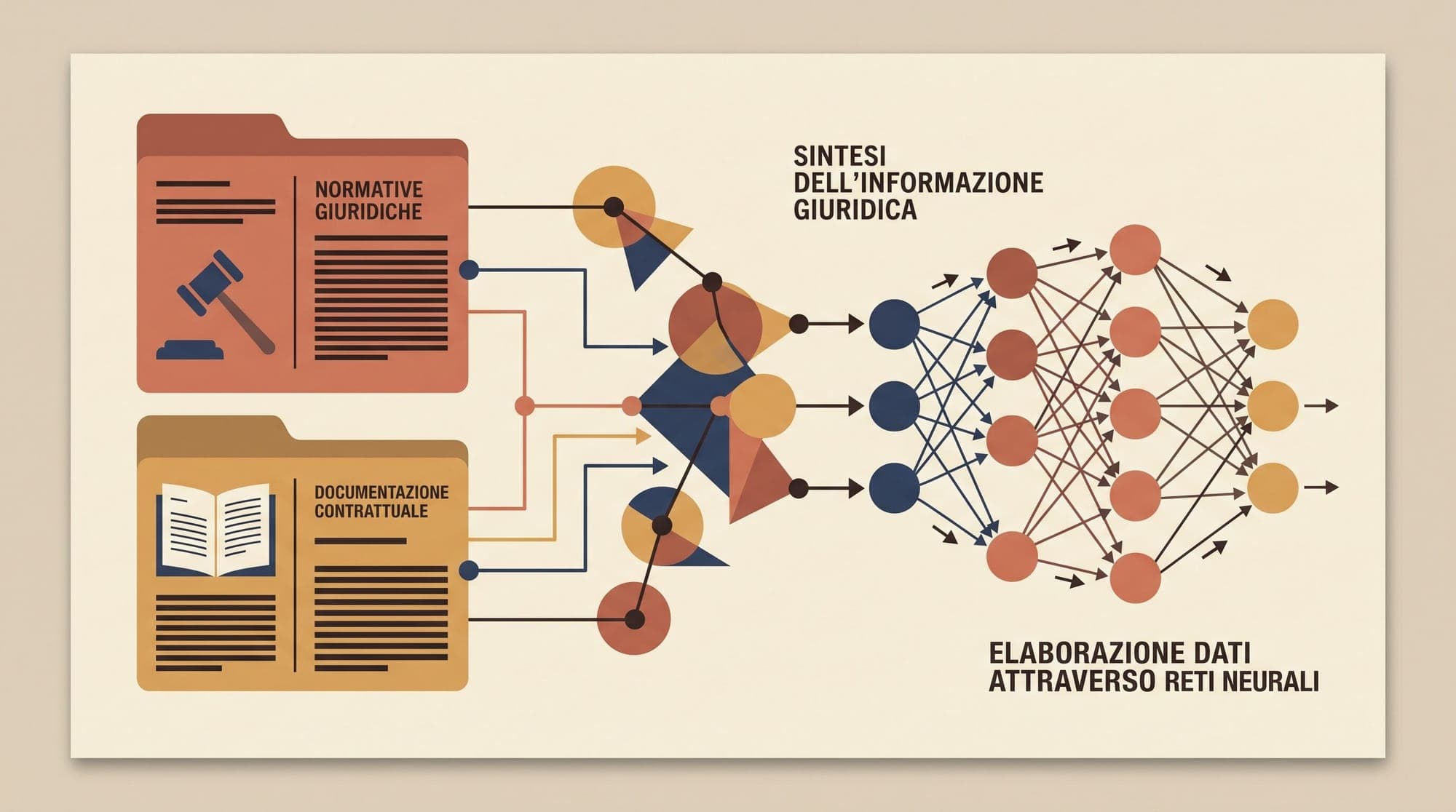
Legal AI startup Harvey has announced Harvey Tenet, its first proprietary, in-house foundation model tailored for legal workflows. The release marks a strategic shift for the $11 billion legal tech company, which has historically relied on API access to third-party frontier models from OpenAI and Anthropic.
Tenet is post-trained on top of Kimi K3, an open-weights model released in July 2026 by Chinese AI lab Moonshot AI. The initiative is part of a broader platform update titled Harvey II, which also introduces persistent cross-task memory for legal teams.
Moving Beyond Third-Party Frontier APIs
Since its founding by former Google DeepMind researcher Gabe Pereyra and Winston Weinberg, Harvey built its core enterprise product by routing legal queries across commercial frontier APIs. However, relying entirely on external model providers introduces two primary challenges: per-token inference costs that scale with enterprise query volume, and direct platform competition from foundation model providers targeting the legal vertical.
OpenAI recently hired Ironclad co-founder Jason Boehmig to lead its legal domain initiatives, while Anthropic has introduced direct integrations and document analysis features tailored to legal operations. By deploying an in-house model, Harvey aims to route specialized domain tasks through its own infrastructure, preserving gross margins while lowering serving expenses.

Training Methodology and Domain Specialization
To specialize Kimi K3 for legal reasoning, Harvey engaged in-house attorneys alongside contract legal experts sourced through talent platforms such as Mercor and Snorkel. The team constructed specialized domain datasets comprising mock legal disputes, contract negotiation scenarios, and synthetic case files.
Attorneys graded model outputs across multi-step legal reasoning tasks, refining the model's capacity to handle contract analysis, statutory interpretation, and document drafting.
Beyond the base model, the Harvey II update introduces a Memory feature overseen by Chief Product Officer Anique Drumright. The feature persists firm-specific preferences, stylistic conventions, and client guidelines across distinct user sessions and autonomous agent workflows.
Deployment Roadmap and Firm-Specific Derivatives
Harvey has not yet announced a public rollout date for Tenet across its production customer base, and benchmark comparisons against frontier models remain pending publication.
According to co-founder Gabe Pereyra, Harvey plans to eventually use Tenet as a base checkpoint that enterprise law firms can fine-tune on their internal matter histories and proprietary contract repositories. This strategy positions Harvey not solely as an application layer, but as a vertical model provider enabling firms to host and maintain custom legal intelligence infrastructure.



