Resources / Tutorials / page 2

Tutorials

116 articles

Articles, page 2

21-40 of 116
  1. Suno v6 Explained: v6, v6-wild, v6-mini and the Label Deals

    Suno launched its v6 family on September 9, 2026, and is retiring its older models. What v6, v6-wild and v6-mini do, who gets each one, what Suno says they were trained on, the Warner, BMG and Believe deals, and the new Universal and Sony lawsuit.

    AI Music
    7 min read
  2. Best AI Homework Helpers: Photo, Math and Free Options

    Eleven AI homework helpers grouped by job: photo solvers, math engines, AI tutors with guided learning modes, and study and writing tools. What each does, what is free, and paid prices checked on vendor pages as of October 2026.

    Tools
    8 min read
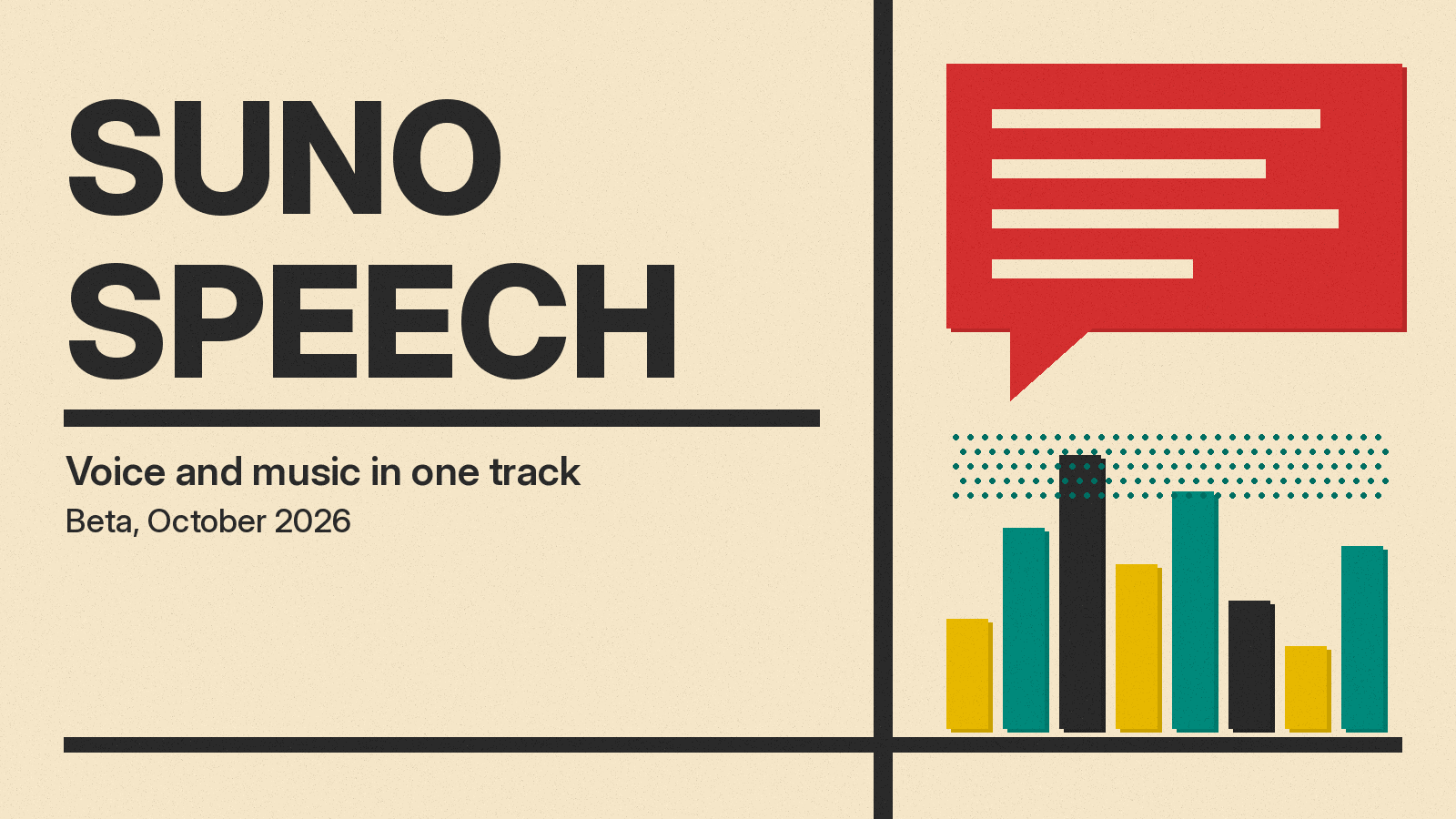
  3. Suno Speech Explained: How the Voice and Music Beta Works

    Suno Speech (beta) generates a spoken voice and original background music as one track. How Simple and Advanced modes work, the music toggle, the roughly eight-minute limit, and what Suno has not said about plans, credits, and rights.

    AI Music
    5 min read
  4. Test-Time Training (TTT): Mathematical Foundations, Expressive Hidden States, and Linear Complexity in Sequence Models

    Test-Time Training (TTT): Mathematical Foundations, Expressive Hidden States, and Linear Complexity in Sequence Models Sequence modeling has long been characterized by a sharp trade-off between computational efficiency and expressive memory. Transformers provide high expressive capacity by retaining all historical tokens in an uncompressed Key-Value (KV) cache. This structure enables them to scale to long contexts and continuously reduce perplexity as more tokens are conditioned on. However, th

    Education
    8 min read
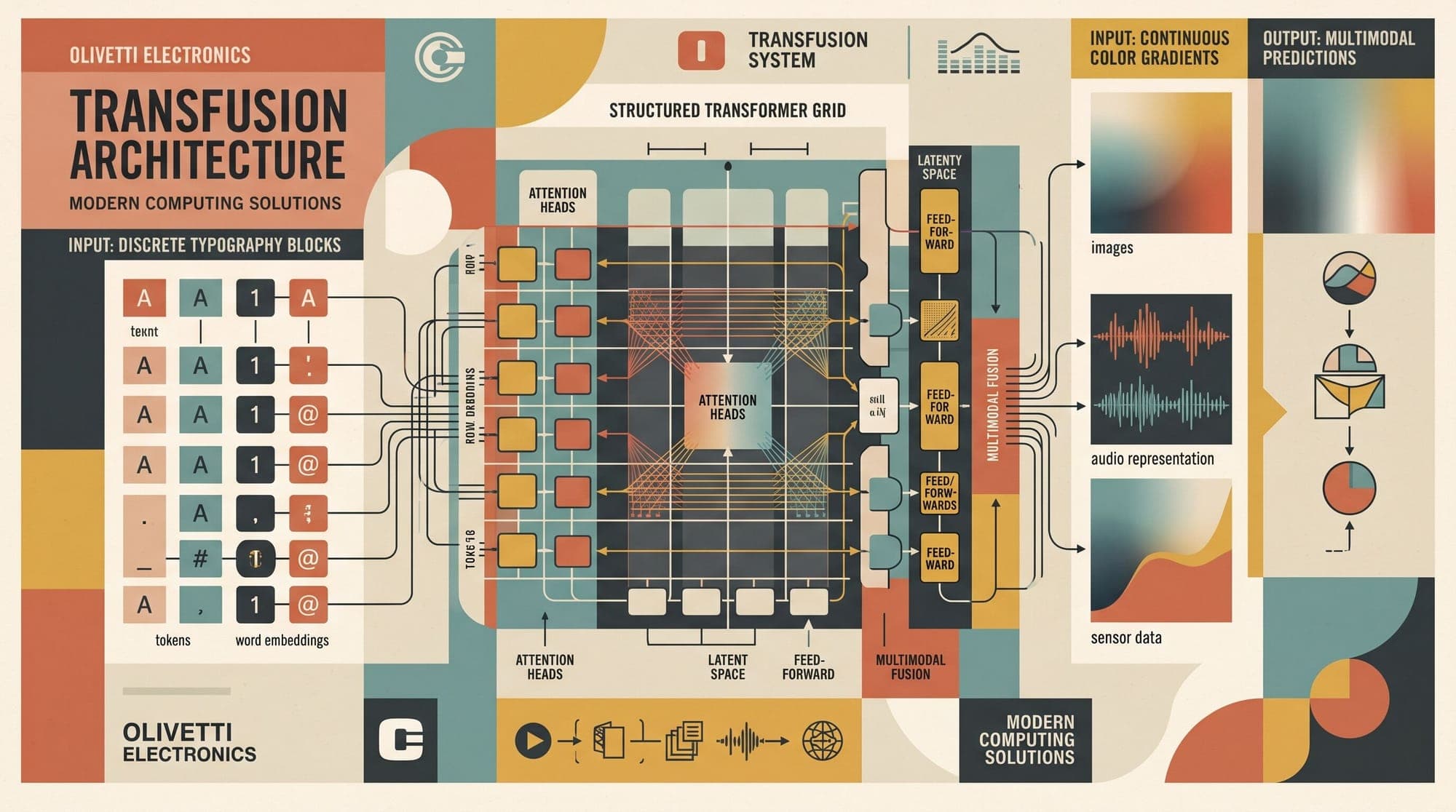
  5. Transfusion: Mathematical Foundations of Unified Discrete Next-Token Prediction and Continuous Latent Diffusion in Multimodal Transformers

    Generative foundation models have historically operated under two distinct mathematical paradigms: autoregressive sequence modeling over discrete vocabularies (used in text and code generation) and iterative denoising diffusion over continuous vector spaces (used in image and video synthesis). Early attempts to unify both modalities in a single end-to-end transformer forced continuous perceptual data into discrete codebooks using vector quantization (such as VQ-VAE or VQGAN). While discretizatio

    Education
    6 min read