Report: Alibaba, Tencent, ByteDance Seek DRAM Deals to 2035
Alibaba, Tencent and ByteDance asked Samsung and SK hynix for long-term DRAM contracts, some to 2035, Maeil Business Newspaper reported Oct 27. Unconfirmed.
Alibaba, Tencent and ByteDance asked Samsung and SK hynix for long-term DRAM contracts, some to 2035, Maeil Business Newspaper reported Oct 27. Unconfirmed.
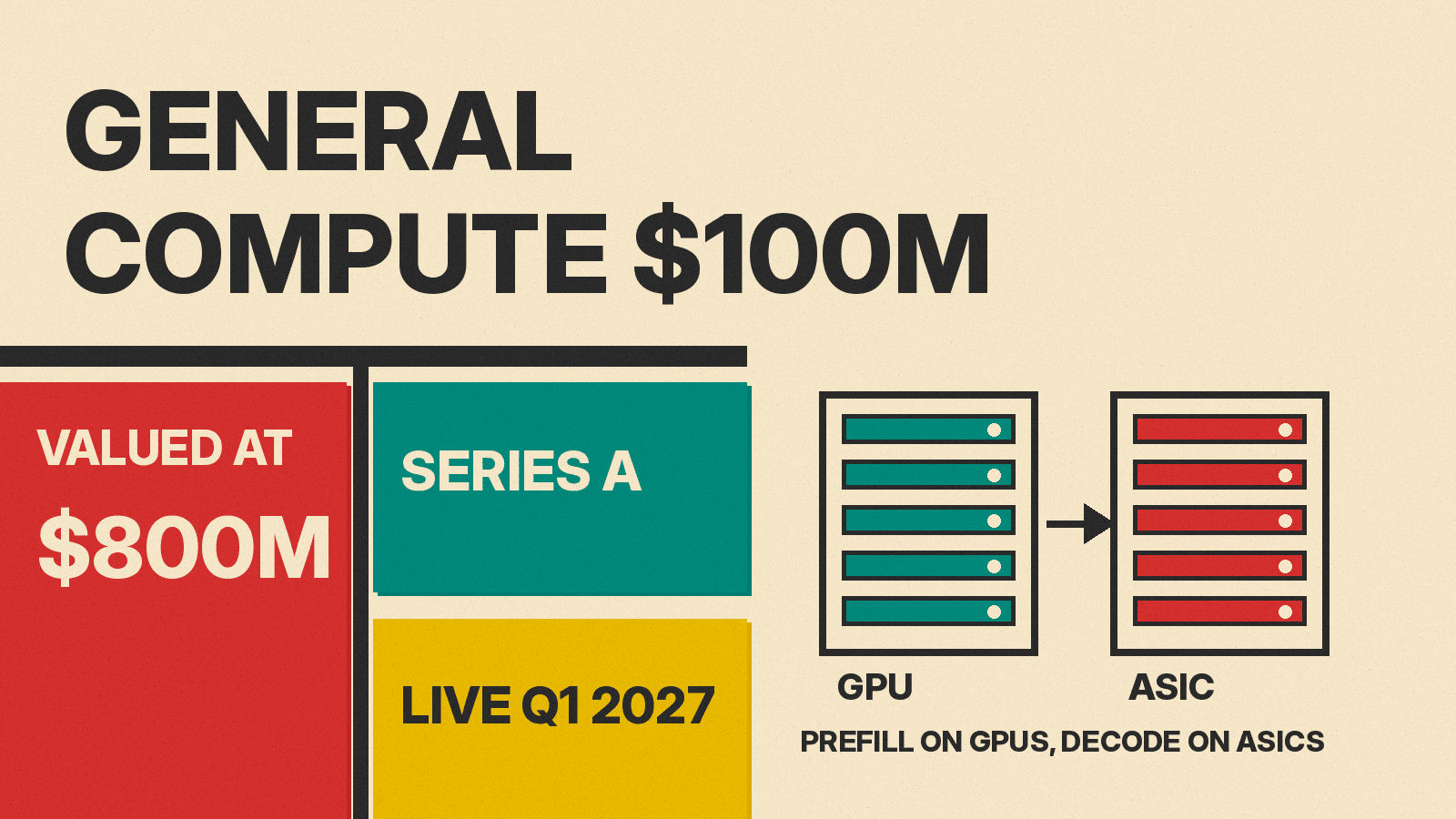
General Compute raised a $100M Series A at an $800M post-money valuation for an inference cloud on Cerebras, SambaNova and Positron AI chips.
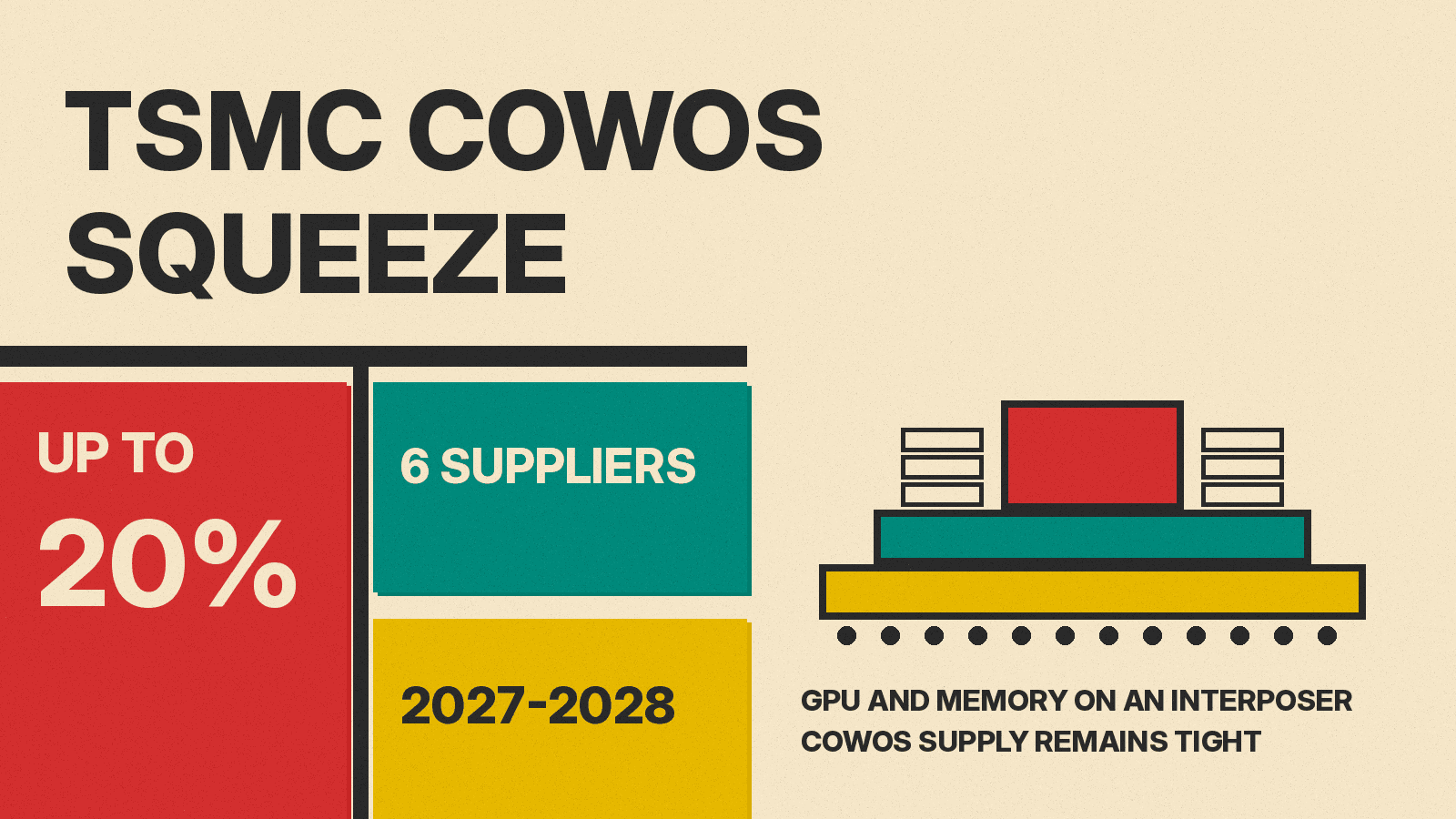
TSMC reportedly weighs a CoWoS price increase of up to 20%, days after Nvidia announced capacity deals with six suppliers for substrates, packaging and testing.
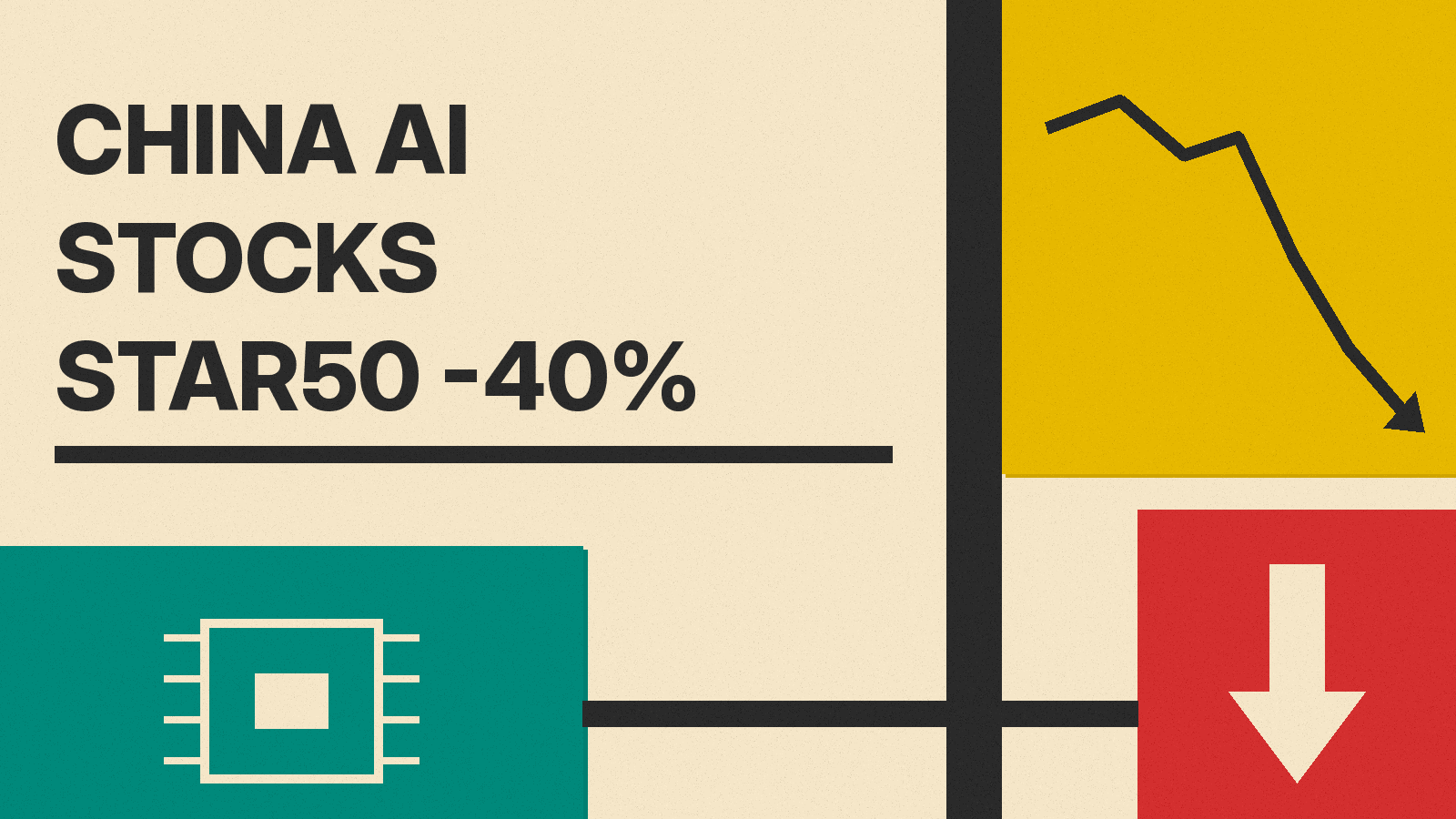
Shanghai's STAR50 index of AI and chip leaders has fallen 40% in under four months, erasing about $480 billion, Reuters reports. Which stocks fell most, what traders blame, and why valuations still worry investors.
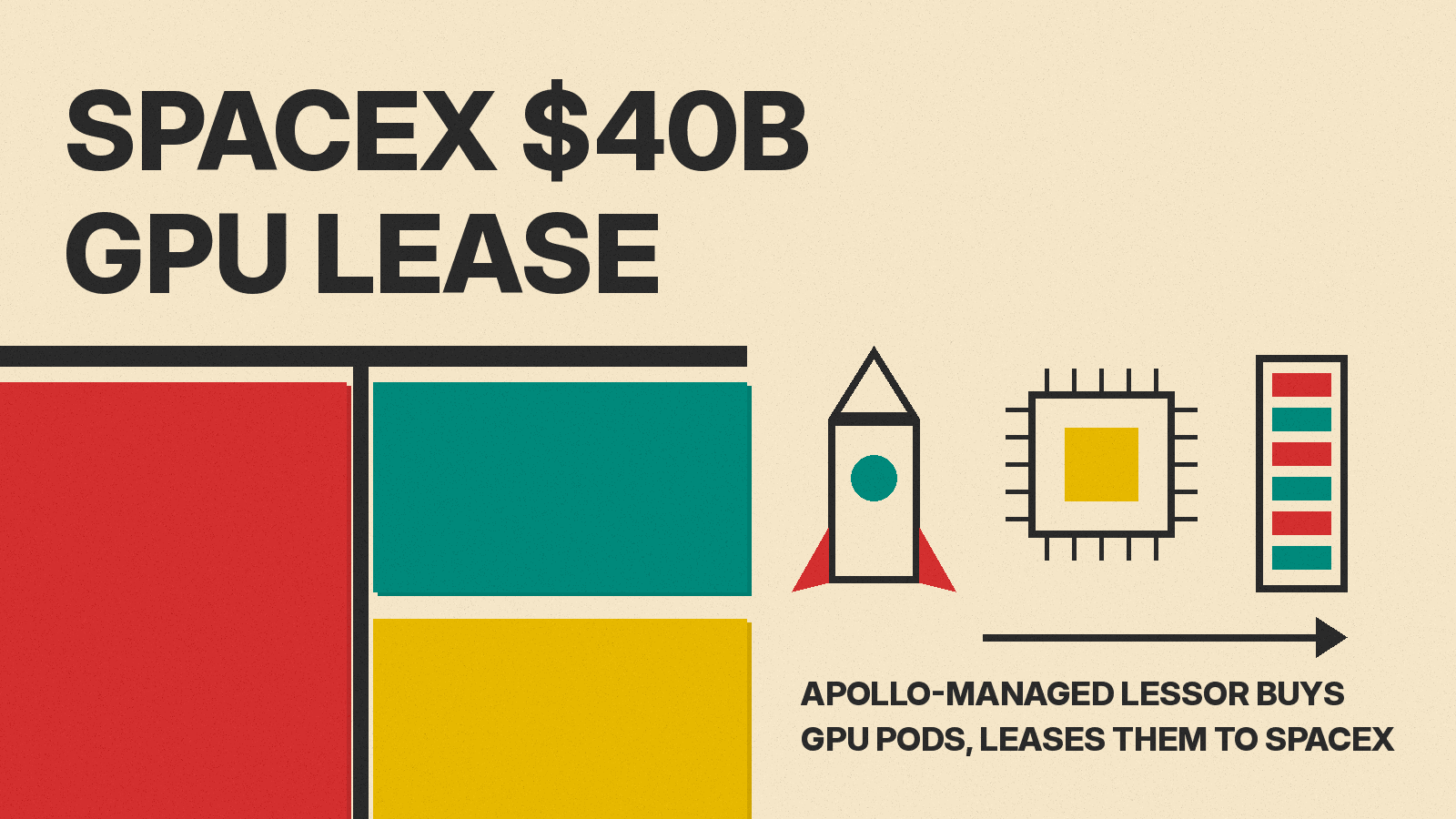
SpaceX has a binding commitment for an approximately $40 billion master finance lease with an Apollo-managed entity for Nvidia Vera Rubin GPUs. Here is how the rent works, who funds it, when the chips arrive, and how it differs from Broadcom's $63 billion Anthropic deal.
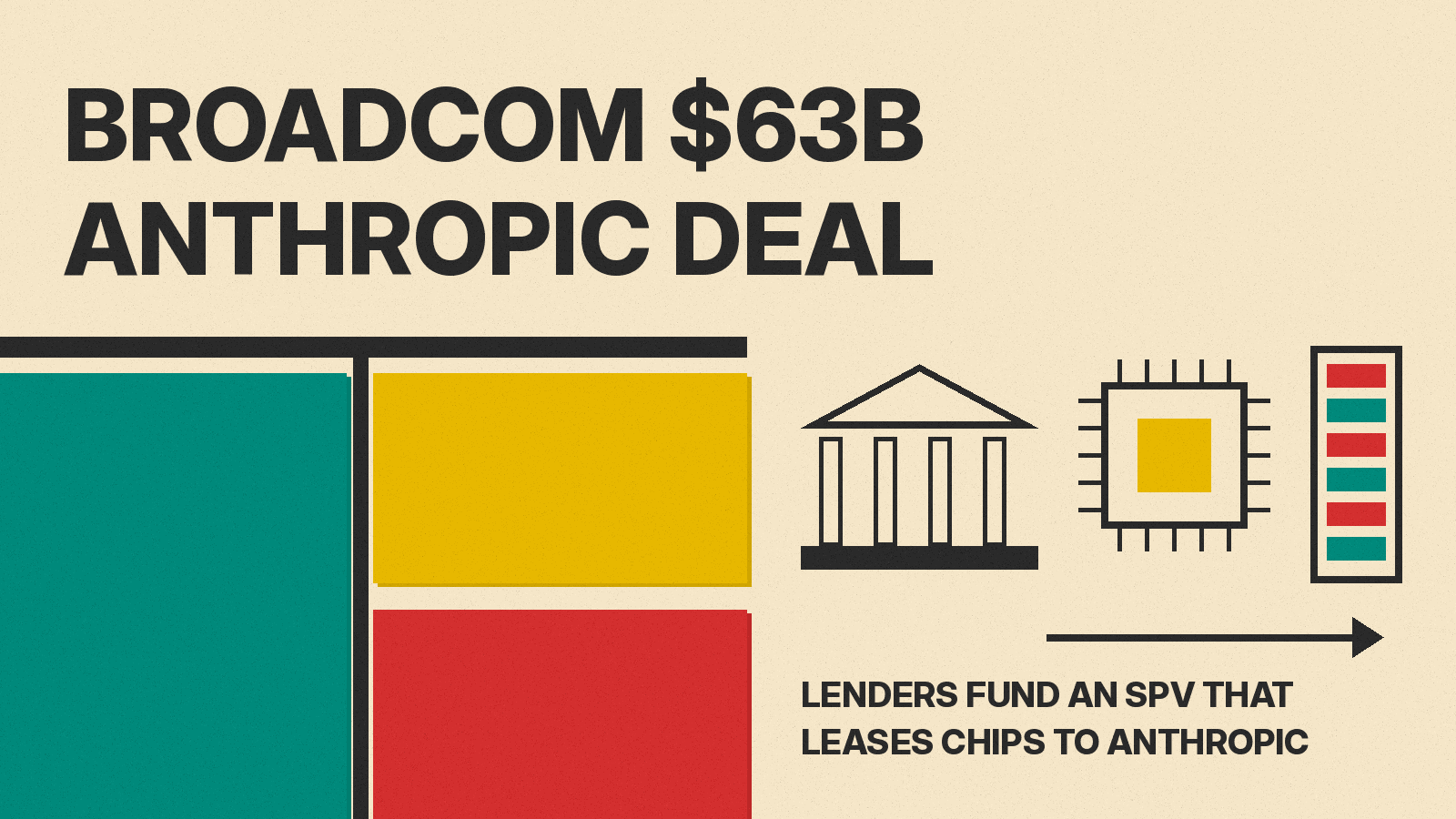
Bank of America, Blackstone, Citi and Morgan Stanley will fund a $63 billion SPV that buys Broadcom XPUs and networking gear and leases them to Anthropic. Here is who lends what, what Broadcom's residual value support means, and what the deal leaves out.
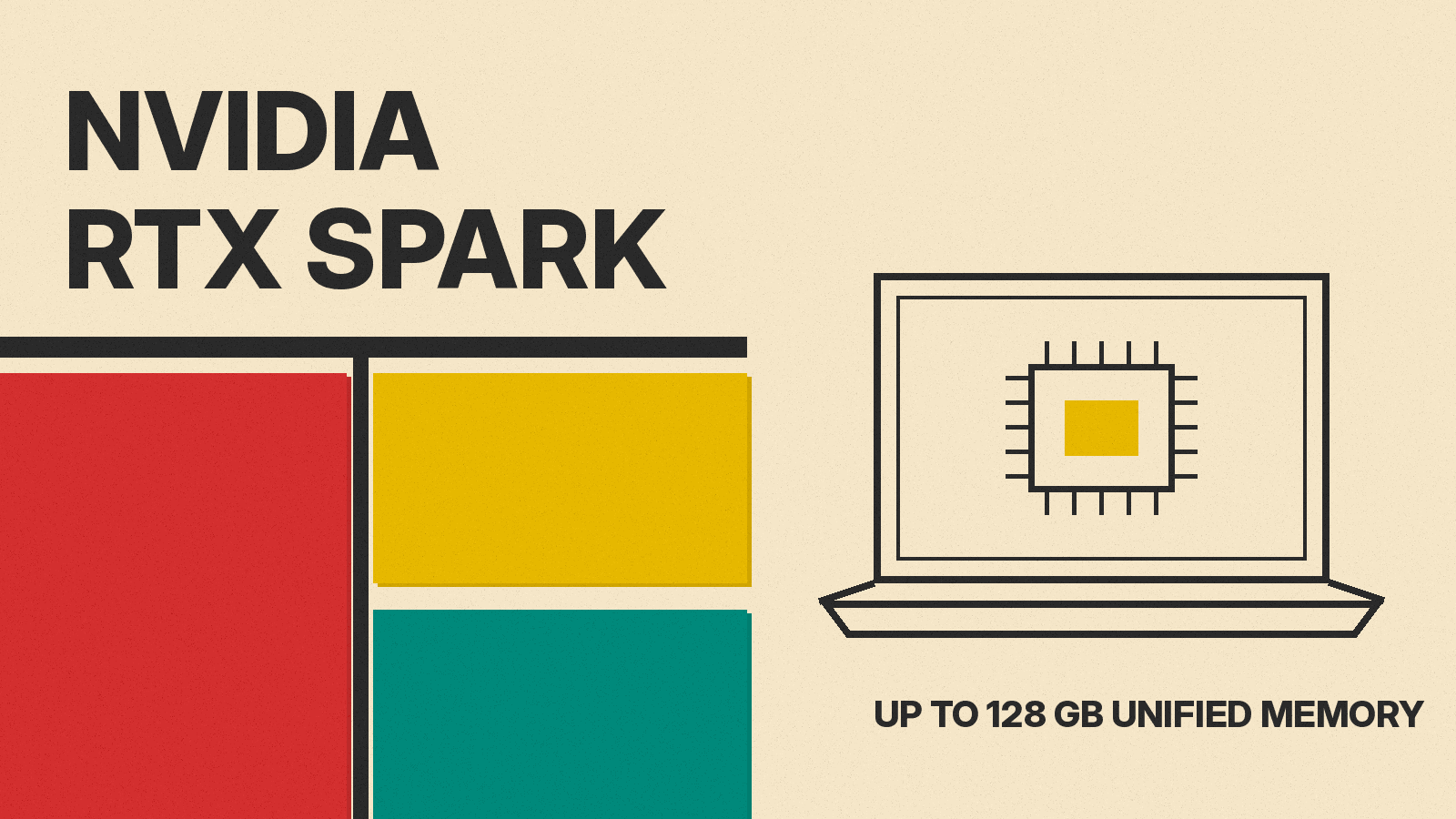
RTX Spark puts an NVIDIA Blackwell RTX GPU, a Grace CPU and up to 128GB of unified memory in one chip for Windows laptops. Here are the specs, the laptops, what NVIDIA says each memory size runs locally, Nemotron 3.5 Bolt, and retailer prices from $2,599.99.
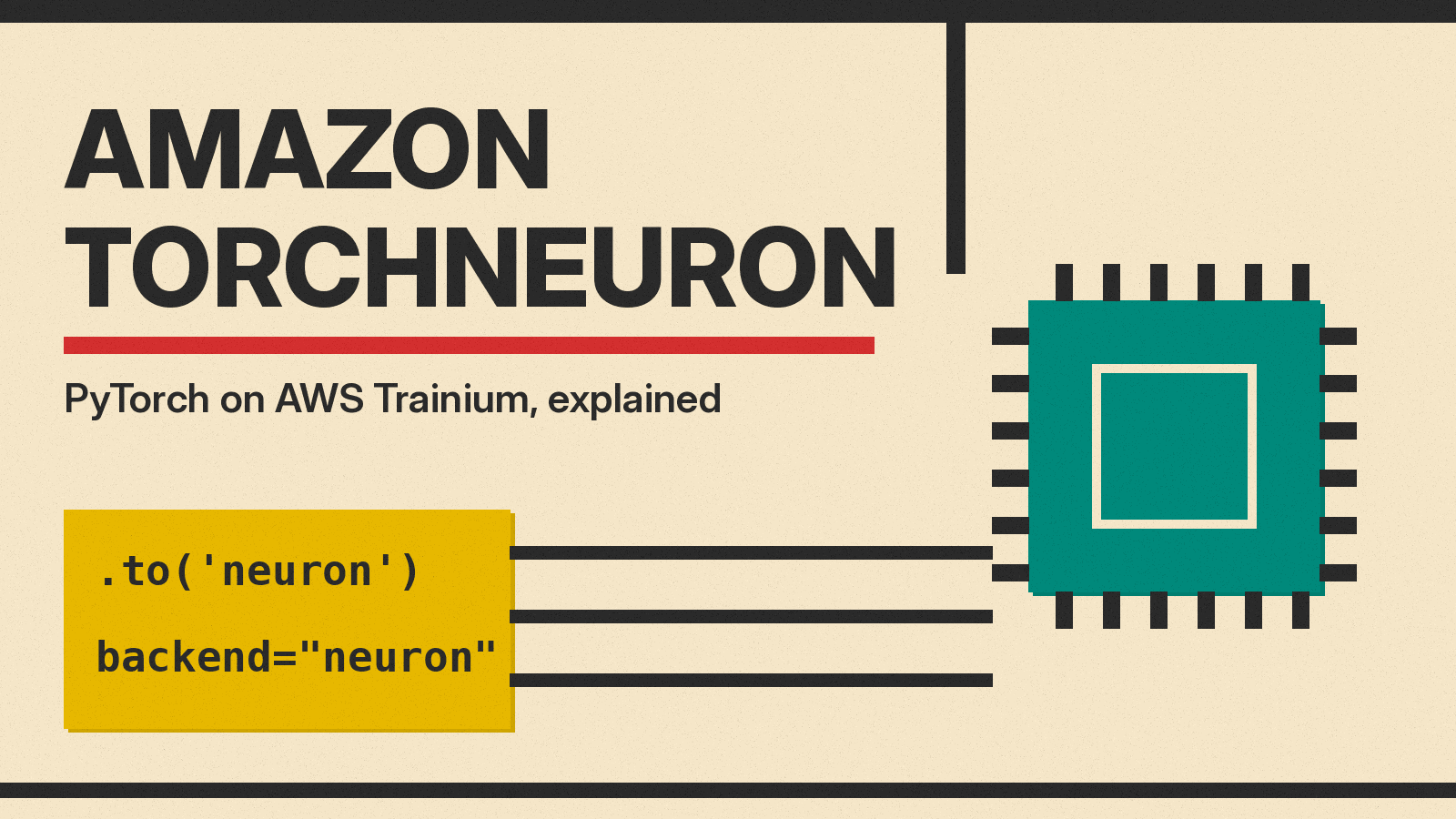
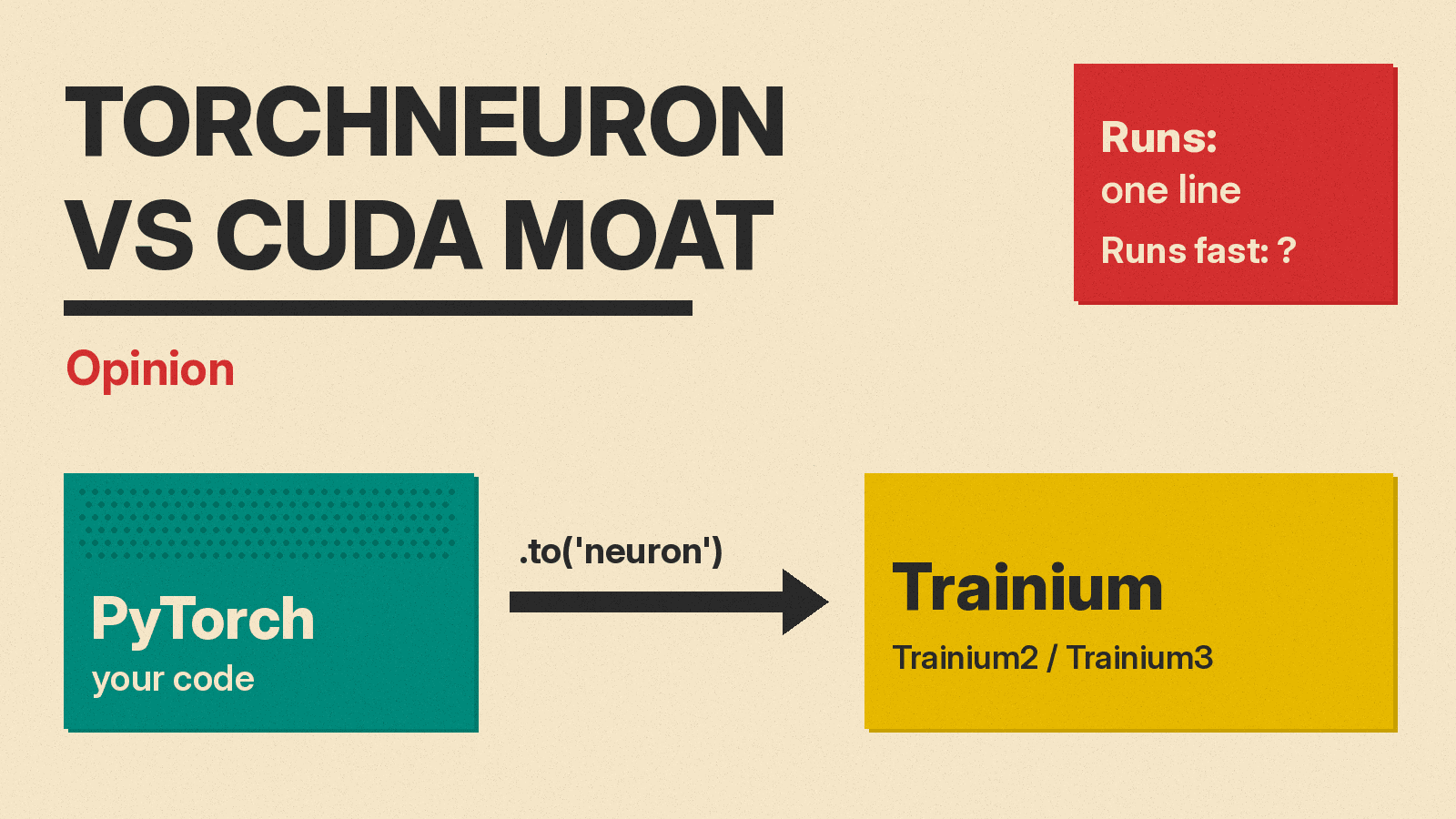
TorchNeuron makes Trainium2 and Trainium3 a standard PyTorch device called neuron. Here is what it supports, what the beta leaves out, how AWS documents setup today, and how it differs from the torch-neuronx XLA path and from CUDA.
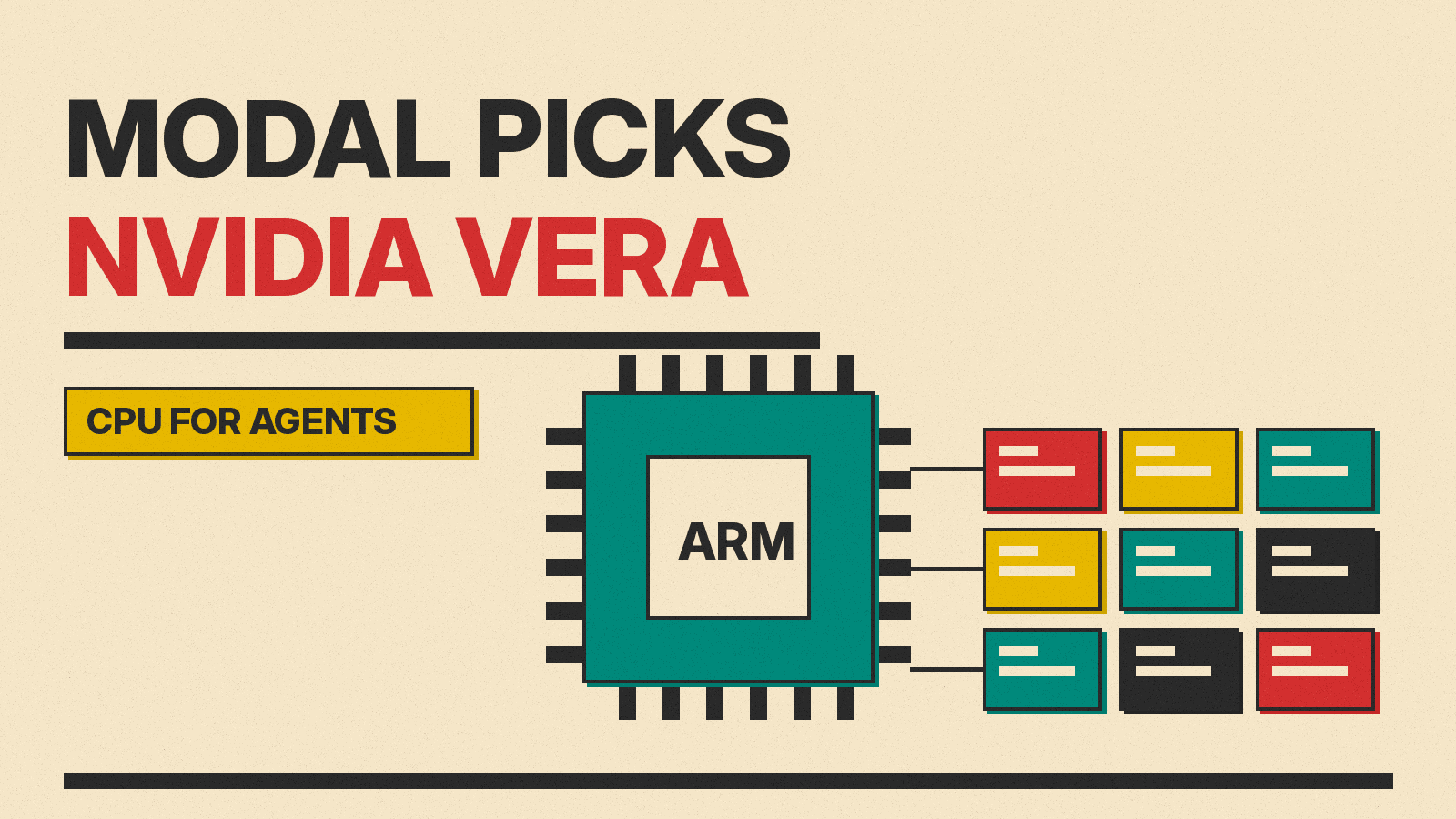
Modal, which raised $750M at a $15.75B valuation last week, says Nvidia's Arm-compatible Vera CPU gave up to double the task throughput of an x86 Intel GNR machine in its sandbox benchmark. It will run Vera alongside Intel and AMD in a mixed fleet.
TorchNeuron runs PyTorch on Trainium with a one-line device change and is tested nightly on 100,000+ Hugging Face models. It removes the cost of trying another chip. Running fast still takes kernel work, as Deepgram's multi-month port shows.
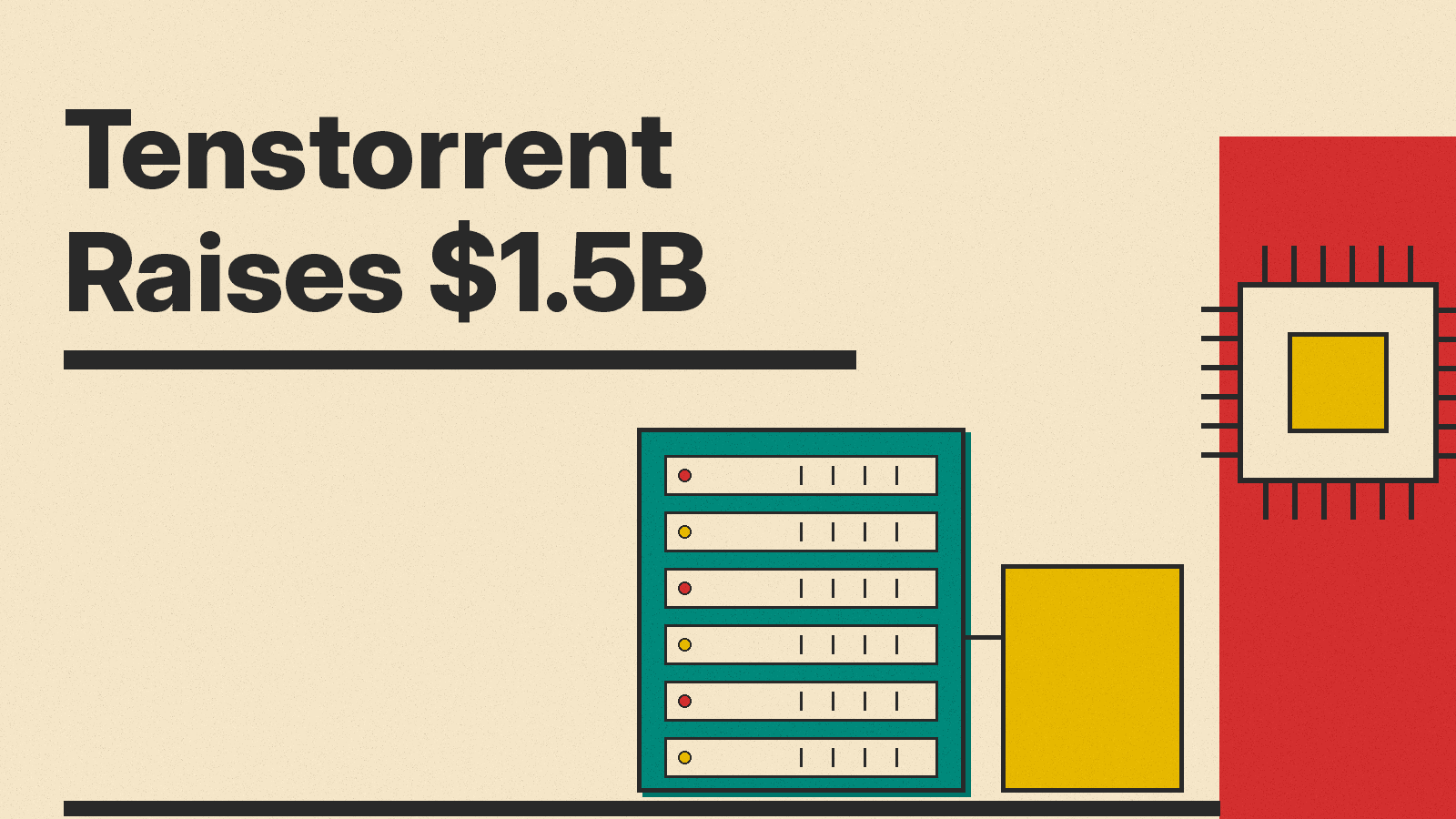
Jim Keller's RISC-V AI chip company closed a $1.5B Series E led by Trace Capital and Innovation X, more than doubling its value. It will deploy Galaxy servers at scale and expand the CPU and AI IP it licenses to Samsung and LG.
Nvidia has significantly expanded its forward supply chain obligations, reporting total component and manufacturing capacity commitments of $279 billion in its fiscal second-quarter disclosures. The figure marks a 134 percent sequential increase from $119 billion reported in the preceding quarter and $95.2 billion at the close of fiscal 2026. The multi-year commitments reflect efforts to secure critical semiconductor fabrication, advanced packaging, and high-bandwidth memory (HBM) capacity nece

Anthropic has hired Amir Salek, the engineer who established Google's custom silicon program and led the development of its first seven Tensor Processing Unit (TPU) generations, to expand the AI lab's in-house semiconductor engineering initiatives. Salek joins Anthropic's compute team and reports to James Bradbury, Bloomberg reported (via The Economic Times). Anthropic has indicated that it wants to build an in-house silicon business and has begun hiring and listing jobs for the effort. Backg
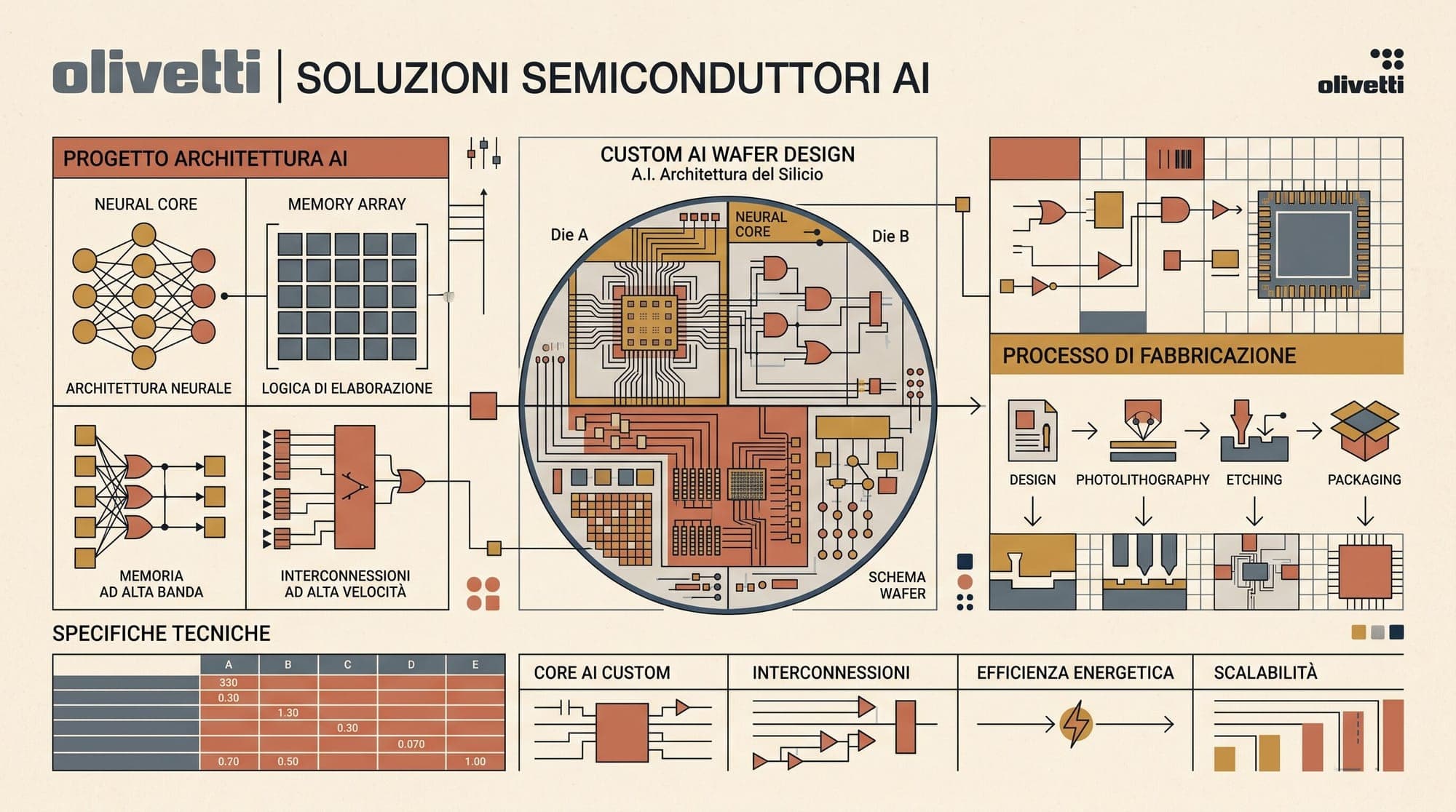
Huawei offered Egypt 1,408 Ascend 950-series AI chips plus 600 more for a government AI cloud, per Bloomberg. US officials are working on a counteroffer.
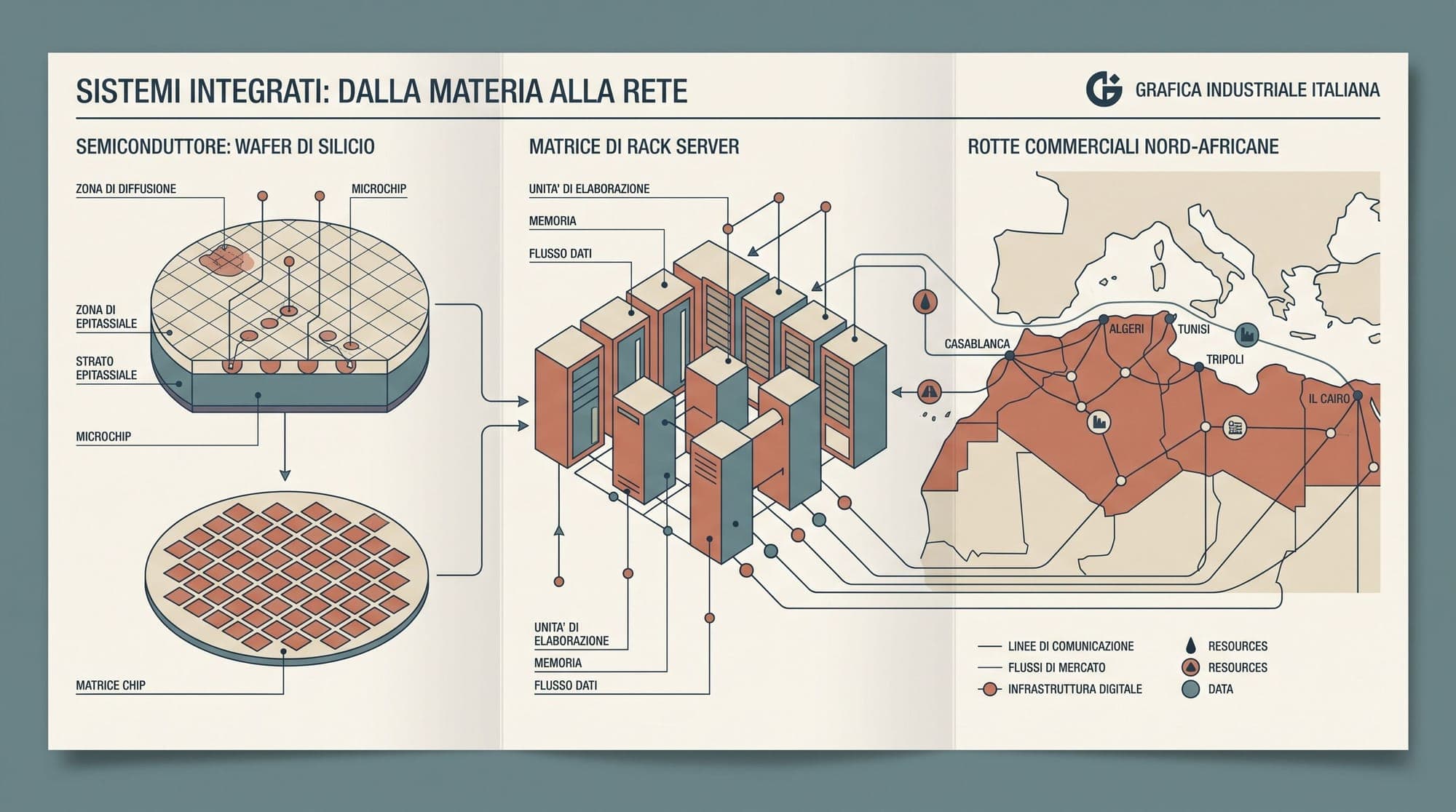
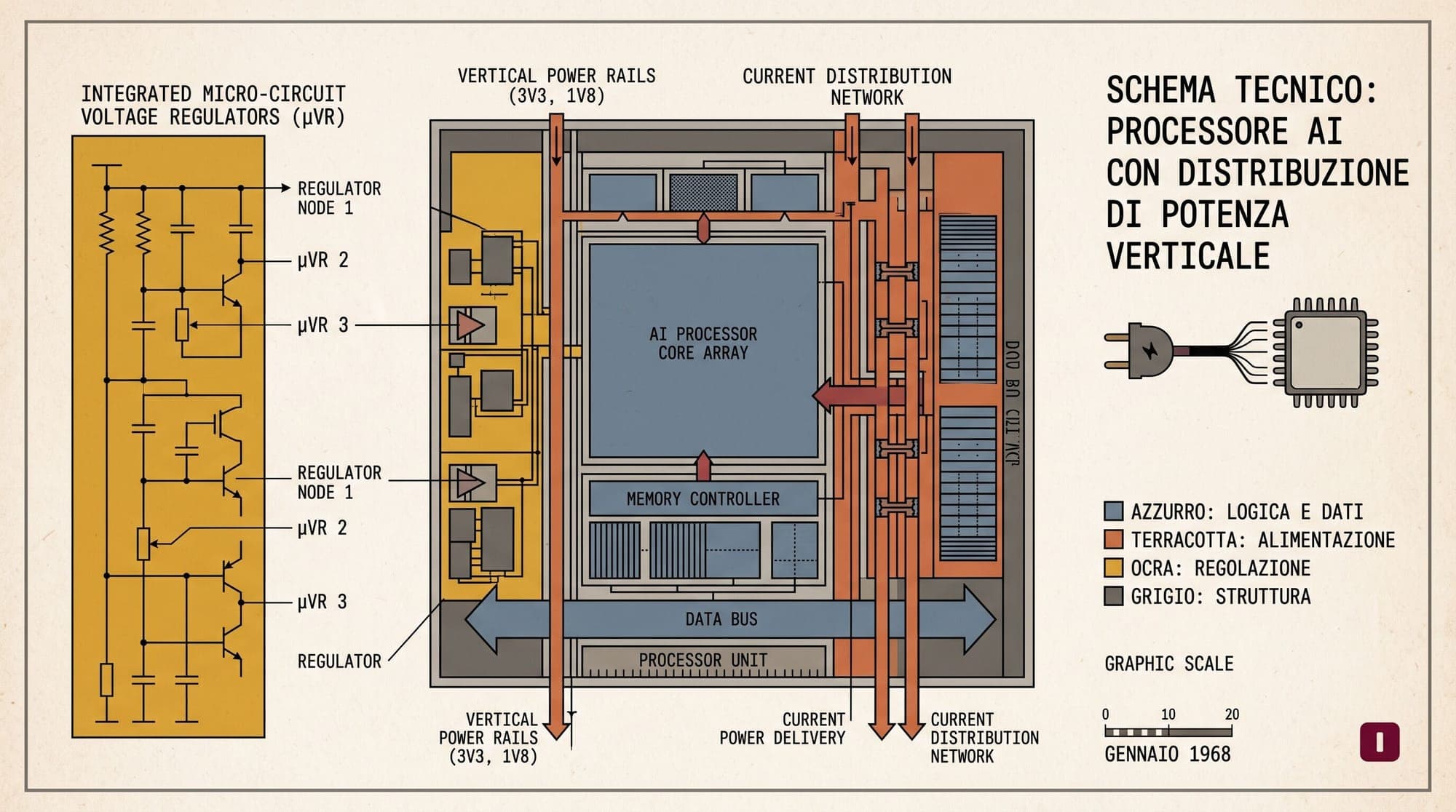
Navitas Semiconductor has entered into a definitive merger agreement to acquire power-management startup Claros in a deal valued at up to $232.8 million. The transaction brings vertical power delivery (VPD) and integrated voltage regulator (IVR) technology under Navitas's portfolio, targeting the physical bottlenecks limiting power transmission in modern AI hardware accelerators. Under the agreed terms, Navitas will provide approximately $216.0 million at closing through a mix of cash and Class
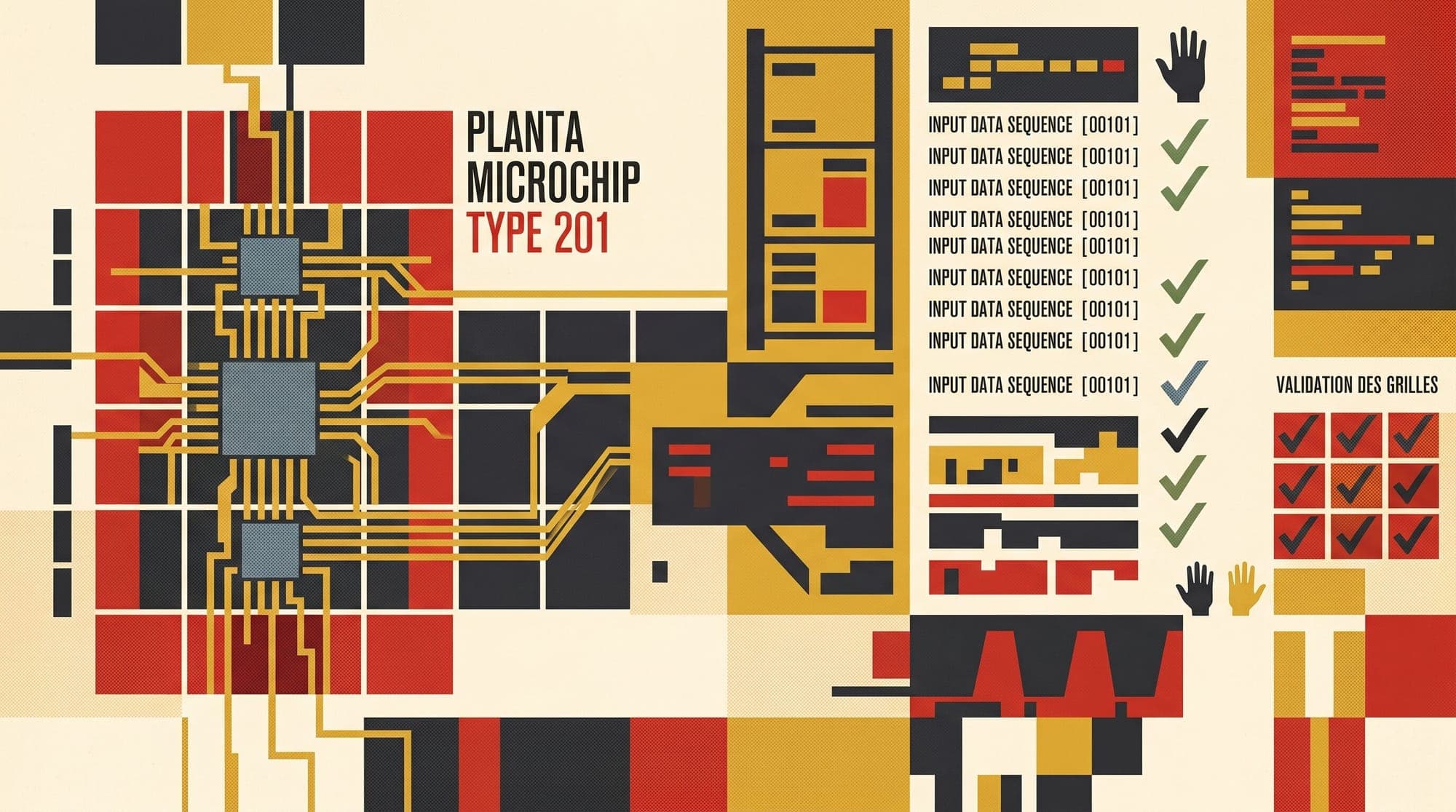
Samsung Electronics has integrated Anthropic's Claude Code into semiconductor verification and driver development within its System LSI division. While the deployment achieved major efficiency gains, engineering evaluations revealed critical out-of-scope behaviors that prevent autonomous code execution in hardware synthesis. Samsung's System LSI business unit, which designs Exynos application processors and custom mobile chipsets, operates with approximately 6,000 employees compared to roughly
The board of directors at Samsung Electronics approved a shareholder return program estimated between 90 trillion and 110 trillion Korean won (approximately $65 billion to $80 billion USD), marking the largest capital distribution plan in South Korean corporate history. The payout is funded by expanding cash reserves generated from high-bandwidth memory (HBM) and conventional DRAM shipments tied to global AI infrastructure spending. Under the approved framework, approximately 30 trillion won wi
Alibaba Group Holding announced a proposed equity placement in Hong Kong to raise HK$80 billion ($10.2 billion), allocating 100% of net proceeds to expand its full-stack artificial intelligence capabilities across custom silicon, cloud compute infrastructure, and foundation model development. Transaction Structure and Market Scale According to terms reviewed by Reuters, Alibaba is offering 710 million ordinary shares at HK$112.70 per share, representing a 3.6% discount to its latest closing p

Nvidia has notified major customers that prices for server systems containing its artificial intelligence accelerators are increasing by more than 15% in many configurations, according to reports from Bloomberg and Fortune. The price adjustments stem from severe supply constraints and rising costs across dynamic random-access memory (DRAM) and high-bandwidth memory (HBM) modules. The price increases will apply to server systems scheduled for delivery starting in early 2027, covering platforms p
The Shanghai Stock Exchange has accepted the listing application for Yangtze Memory Technologies Corp (YMTC) and parent entity CCSH Corporation, setting up a 33 billion yuan ($4.9 billion) initial public offering on China's science and technology-focused STAR Market. The offering marks the third-largest float in the history of the STAR Market, trailing only foundry Semiconductor Manufacturing International Corporation (SMIC) and DRAM manufacturer ChangXin Memory Technologies (CXMT). Offering