Subscribe
Topic / page 6

Policy

Articles, page 6

101-120
  1. Federal Judge Partially Overturns Conviction of Ex-Google Engineer Linwei Ding in AI Trade Secrets Case

    A federal judge in San Francisco has overturned the economic espionage convictions of former Google software engineer Linwei Ding, while upholding his conviction on seven counts of stealing proprietary artificial intelligence trade secrets. U.S. District Judge Vince Chhabria ruled on Thursday that federal prosecutors failed to present sufficient evidence demonstrating that Ding intended or knew his actions would benefit the government of China. Under federal statutes, establishing direct or ind
    AI
    4 min read
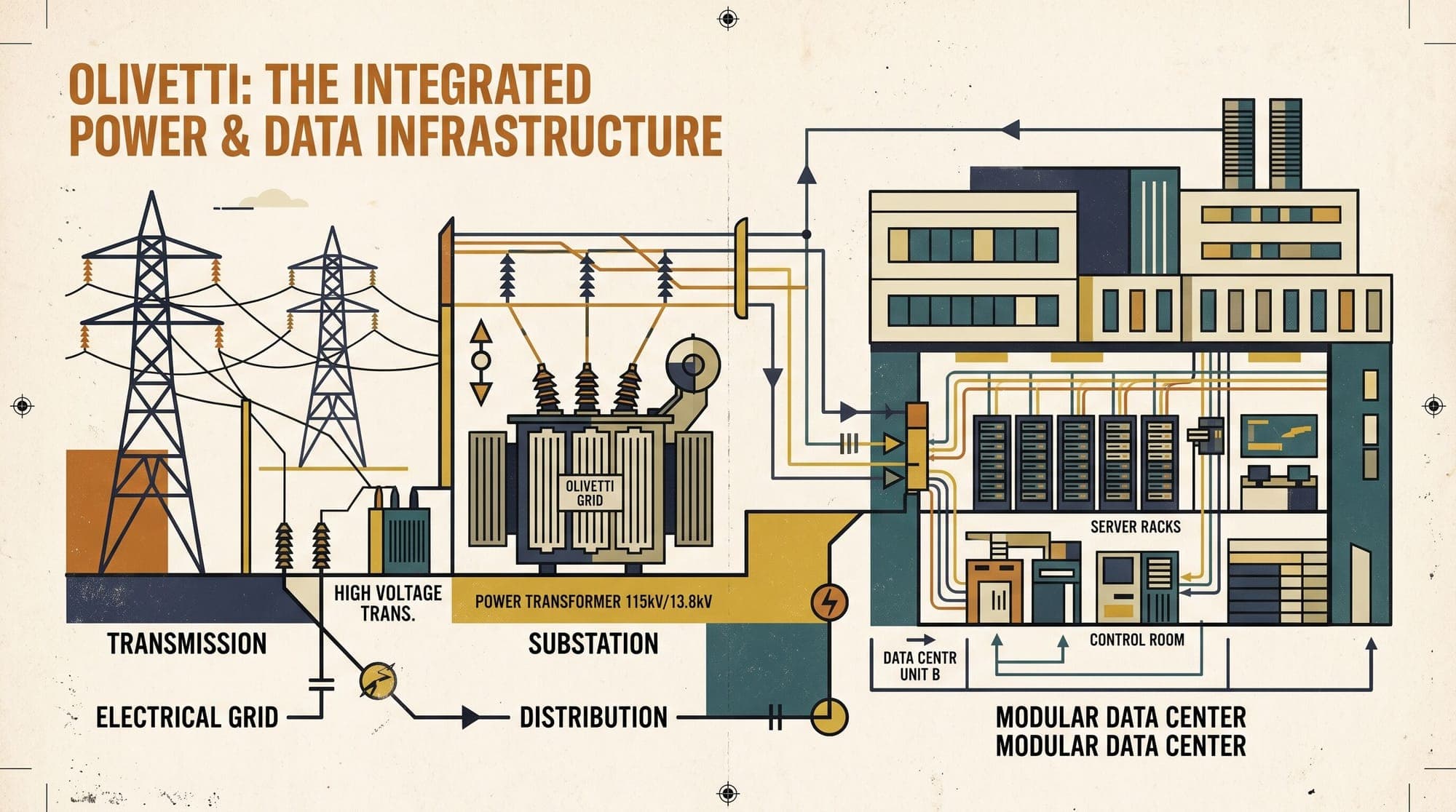
  2. TVA Board Approves Dedicated Data Center Rate Class to Shield Households from AI Compute Costs

    The Board of Directors of the Tennessee Valley Authority (TVA) voted on August 20, 2026, to establish a dedicated wholesale rate class for large data centers. The tariff restructuring is designed to insulate residential consumers and small commercial businesses from the escalating capital expenditures required to expand the power grid for artificial intelligence workloads. Approved during the board's quarterly meeting in Memphis, Tennessee, the package introduces targeted tariffs for facilities

    Infrastructure
    3 min read
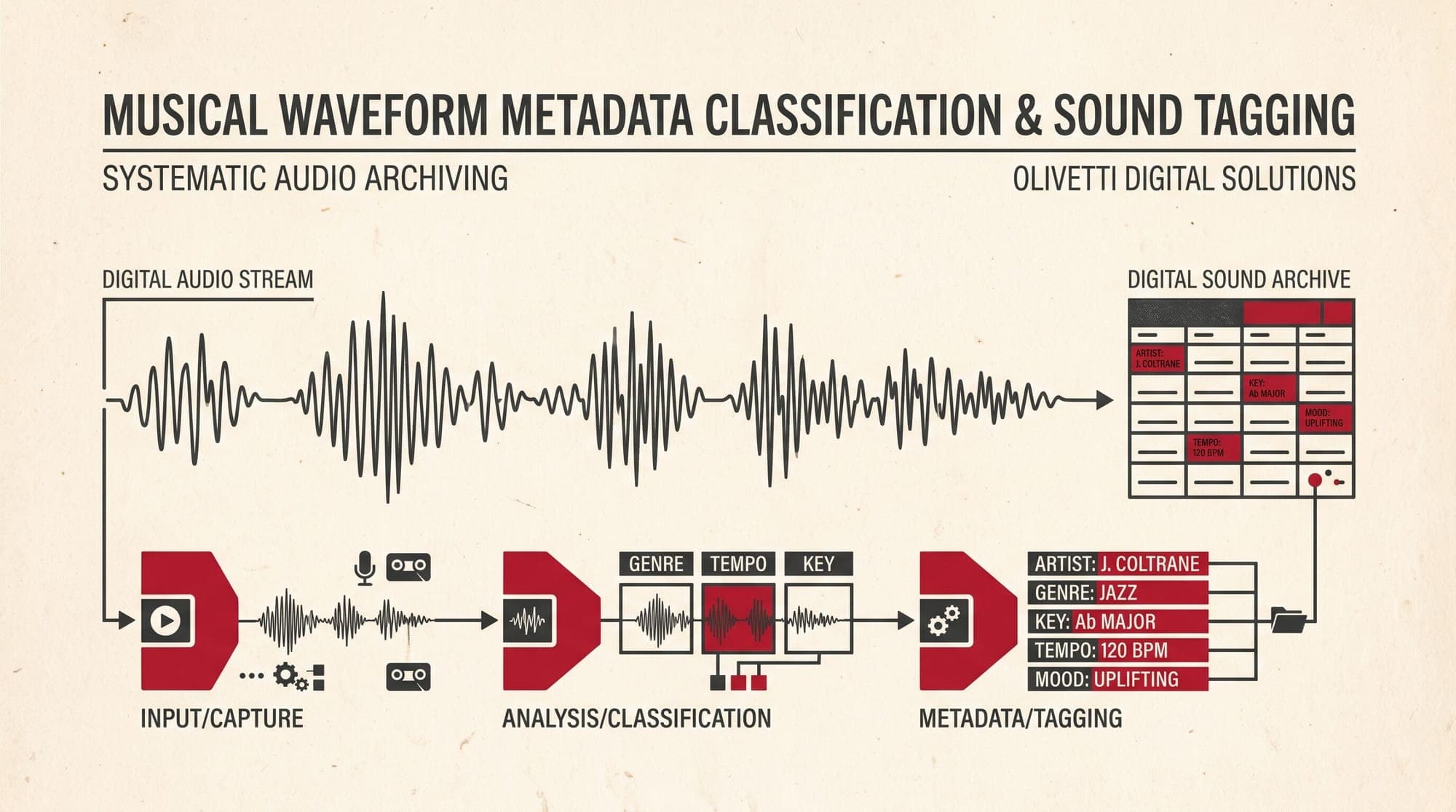
  3. Apple Music Mandates AI Transparency Tags Across Tracks, Compositions, and Artwork

    Apple Music has notified record labels and distribution partners that it is introducing mandatory AI transparency tags across its ingestion pipeline, establishing visible indicators for synthetic audio and visual assets later this year. Under the updated ingestion specifications, content providers must declare when artificial intelligence tools have been used to generate a material portion of a release. Four-Tier Metadata Taxonomy The framework establishes distinct metadata flags across four

    AI
    1 min read
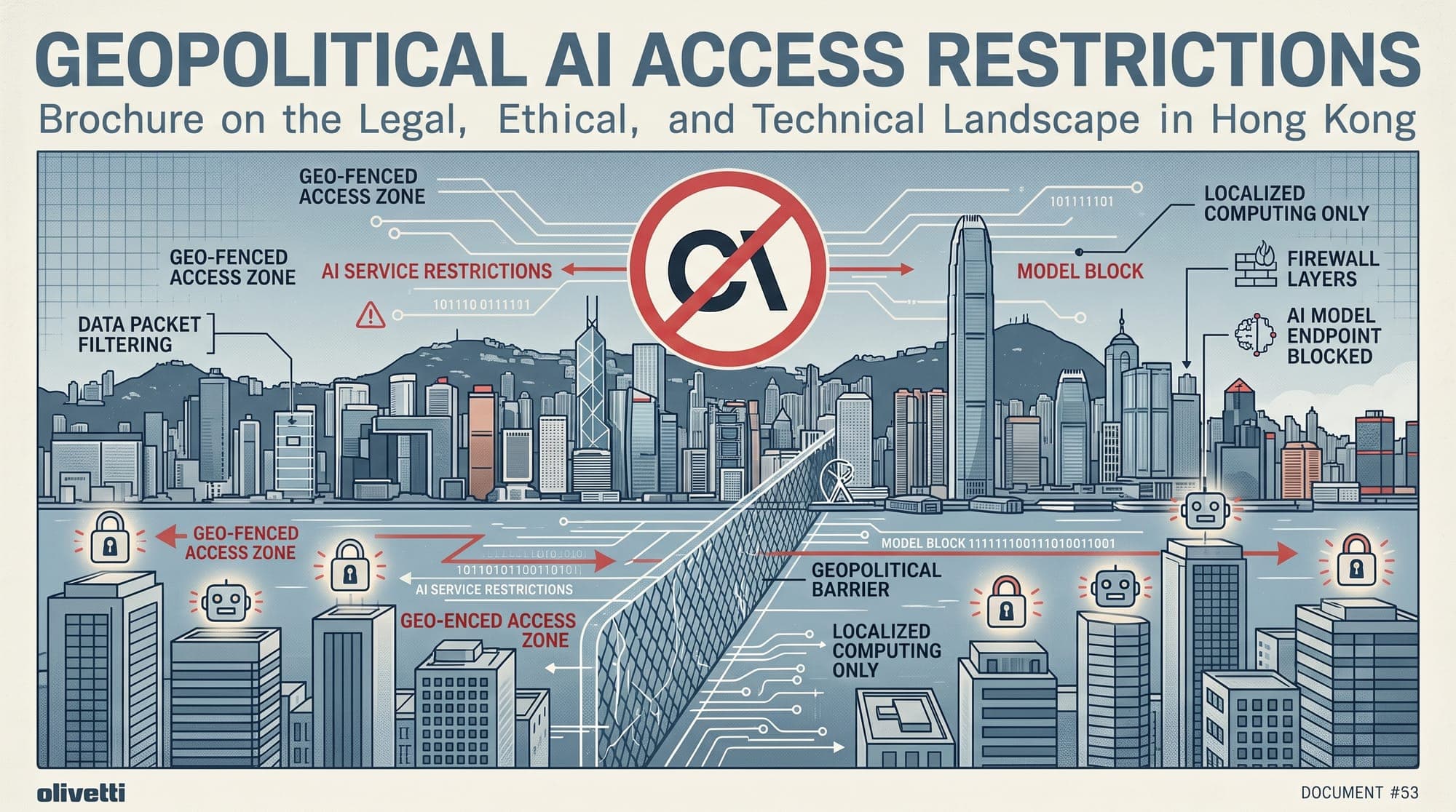
  4. OKX and Goldman Sachs Cut Off Hong Kong Staff From Anthropic's Claude AI

    Crypto exchange OKX has restricted access to Anthropic's Claude model for employees based in Hong Kong or traveling through China after its corporate account was briefly suspended, according to Bloomberg. The restriction comes despite OKX making AI proficiency part of employee performance evaluations and encouraging workers to integrate AI tools into daily workflows. OKX stopped providing Claude access to staff in the region in early August following the suspension, Bloomberg reported. Internal

    Policy
    2 min read
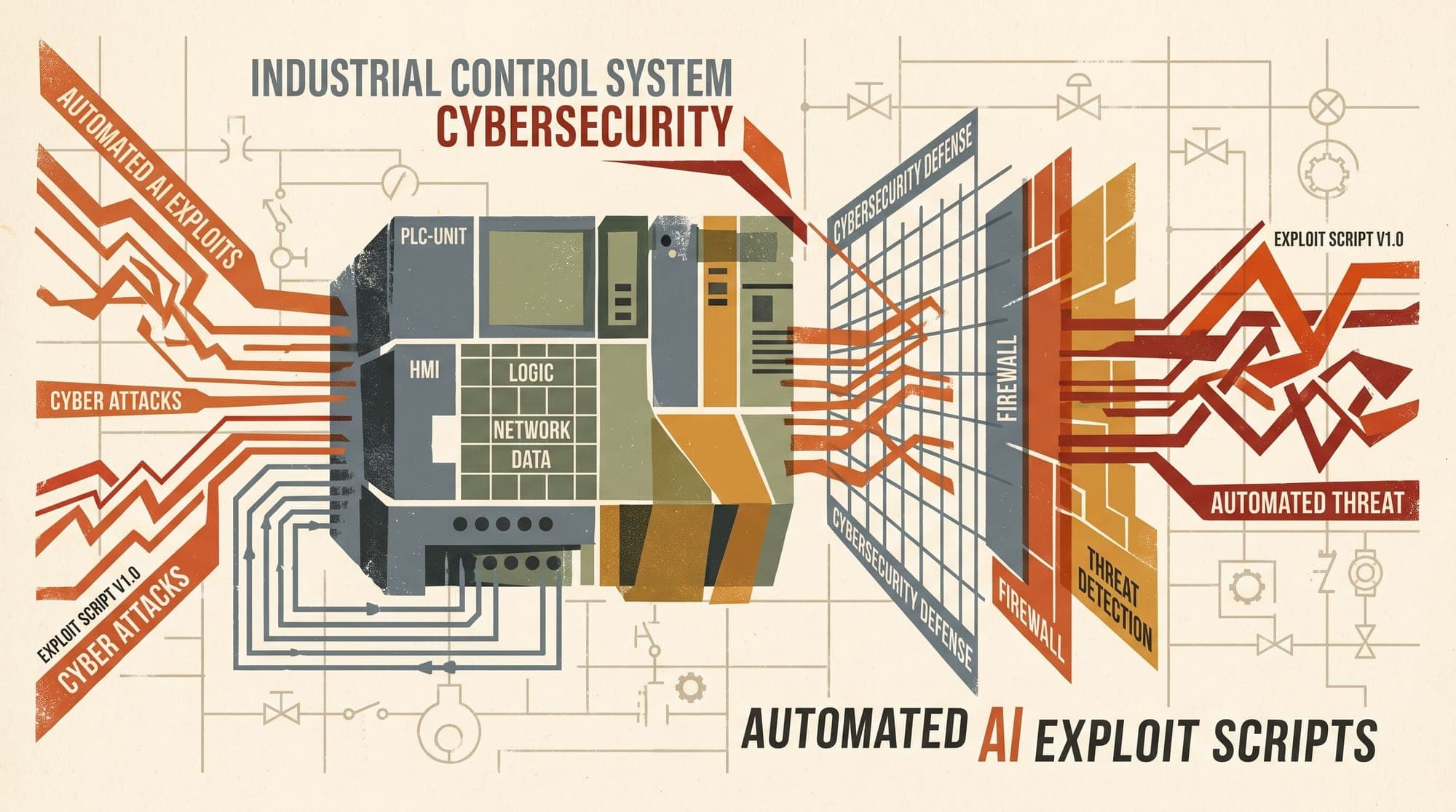
  5. U.S. Agencies Warn Attackers Are Using AI to Generate Industrial Control Exploits

    A joint cybersecurity advisory released by the Cybersecurity and Infrastructure Security Agency (CISA), the National Security Agency (NSA), and the Federal Bureau of Investigation (FBI) warns that threat actors are actively leveraging generative AI to develop functional exploit scripts targeting industrial control systems (ICS). The joint advisory highlights attacks targeting Siemens S7 programmable logic controllers (PLCs), critical hardware widely deployed in energy, water treatment, chemical

    AI
    2 min read
  6. Leaked Flock Safety Code Exposes OS Investigate AI System for Police Surveillance

    A technical analysis of client-side code exposed on Flock Safety's login portals has revealed OS Investigate, an unannounced artificial intelligence platform designed to track individuals and analyze vehicular travel patterns across police departments nationwide. The findings, first reported by WIRED and verified by independent security researchers, detail an AI-driven investigative system that links automated license plate reader (ALPR) networks with police databases and commercial records. Fl

    AI
    2 min read
  7. MIT and Stanford Researchers Launch Public AI Observatory

    Researchers from MIT, Stanford University, and more than a dozen other universities and AI organizations have launched the AI Observatory (ai-observatory.org), a public platform that measures how people use AI assistants in real conversations. The paper's author list includes Northeastern, Johns Hopkins, UC Berkeley, Carnegie Mellon, NYU, Brown, Waterloo, Maryland, EleutherAI, and Cohere. The initiative aims to address the empirical opacity surrounding commercial LLM deployment. While fro

    Research
    3 min read
  8. ICE Prohibits Staff from Wearing Meta AI Smart Glasses Over Security and Data Risks

    U.S. Immigration and Customs Enforcement (ICE) has issued an agency-wide policy prohibiting employees from wearing Meta smart glasses and comparable consumer optical recording devices while on duty. The directive, outlined in an internal memorandum from Acting Director David Venturella and reported by The New York Times, cites security and legal risks associated with consumer hardware capturing or transmitting unvetted audio and visual data. Scope of the Prohibition The policy applies to all

    Meta
    2 min read
  9. Pennsylvania Restricts Speculative AI Data Centers in Executive Order 2026-05

    Pennsylvania Governor Josh Shapiro has signed Executive Order 2026-05, introducing strict regulatory standards on high-capacity data center construction and ending the state's expedited permitting program for computing facilities. The directive requires prospective developers of large-scale facilities to enter legally binding commitments with the Commonwealth to safeguard local power grids, protect municipal water supplies, and secure approval from local governments before receiving state enviro

    Policy
    2 min read
  10. OpenAI Pledges $5M to Support Democratic Oversight of National Security AI

    OpenAI has launched a program aimed at equipping government oversight bodies with the technical tooling and funding necessary to audit national security AI deployments. Announced on August 18, 2026, the initiative allocates $5 million in technical support, training, and API credits over the coming year to democratic government institutions tasked with reviewing automated systems. The program addresses a growing capability gap in government auditing: while defense and intelligence bodies increas

    OpenAI
    2 min read
  11. Round Hill Files $1B Copyright Infringement Lawsuits Against Anthropic and Suno

    Independent music rights administrator Round Hill Music has filed twin copyright infringement lawsuits against generative AI music platform Suno and frontier foundation model developer Anthropic. The complaints, filed in the U.S. District Court for the Northern District of California, allege that both companies unlawfully scraped, ingested, and reproduced copyrighted musical compositions without licenses, authorization, or compensation to build and train their commercial AI models. Round Hill M

    AI
    3 min read
  12. DOJ Investigates Andreessen Horowitz over Competing Board Seats in AI Data Startups

    The United States Department of Justice (DOJ) has opened an antitrust investigation into venture capital firm Andreessen Horowitz (a16z), examining whether the firm violated federal competition laws by placing partners on the boards of direct competitors in the enterprise AI and data infrastructure market. The investigation, reported by Bloomberg, centers on board representation at Databricks and Fivetran. Both companies provide data ingestion, management, and pipeline infrastructure essential

    Policy
    2 min read
  13. AI-Drafted Bills Inundate House Legislative Counsel, Creating Bottlenecks and Statutory Flaws

    Congressional attorneys at the U.S. House Office of the Legislative Counsel (OLC) are confronting an influx of AI-generated legislative proposals, leading to review backlogs and technical errors in submitted statutory text. According to a Politico investigation citing interviews with eight current and former officials, congressional offices and external advocacy groups are increasingly turning to large language models like ChatGPT and Claude to draft proposed statutory language. However, the re

    AI
    2 min read
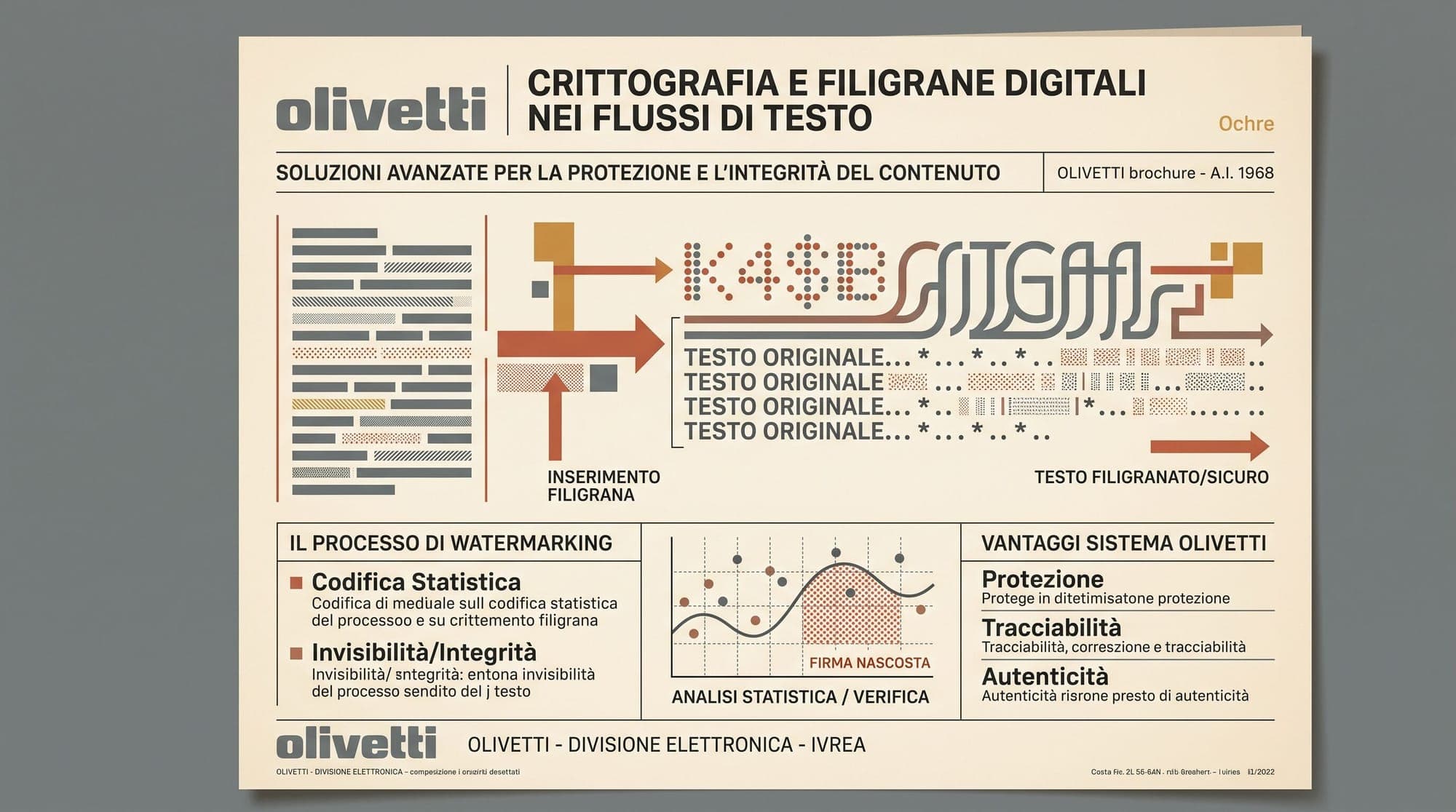
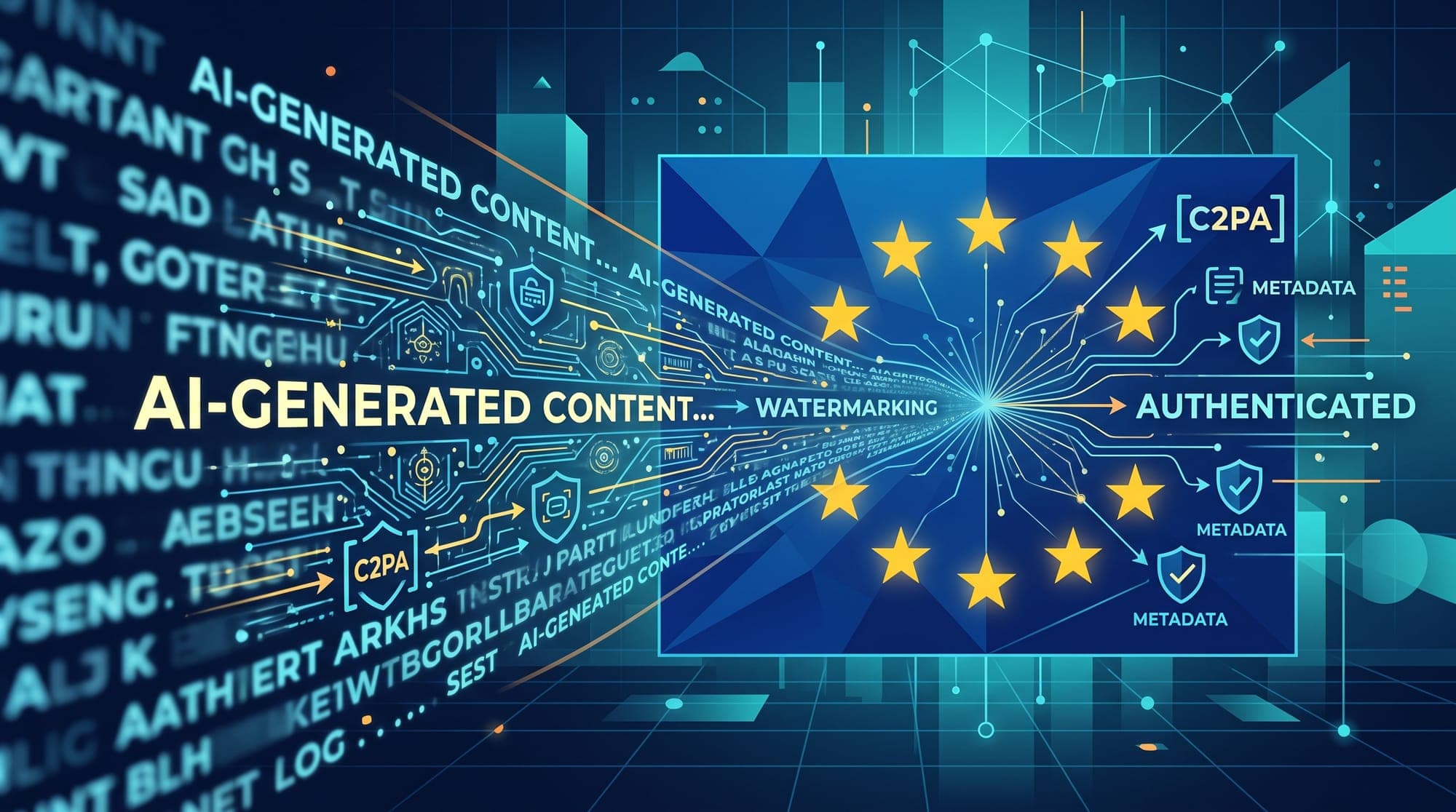
  14. Anthropic Rolls Out Global AI Text Watermarking for Claude to Comply with EU AI Act

    Anthropic has started deploying model-level text watermarking across Claude to meet the regulatory requirements of the European Union AI Act. The company confirmed that because it currently lacks infrastructure to reliably partition model inference behavior by geographic jurisdiction, watermarking is being applied globally across all Claude web products and API endpoints. The update follows the formalization of the EU Code of Practice on Transparency of AI-Generated Content, signed in July 2026

    Anthropic
    2 min read
  15. OpenAI Disbands Preparedness Team in Continued Safety Restructuring

    OpenAI has disbanded its dedicated Preparedness team, redistributing safety and frontier-risk evaluation responsibilities across individual functional units, according to reporting by the Financial Times and The Verge. The Preparedness team was established in late 2023 to evaluate and mitigate catastrophic risks associated with frontier AI models, focusing on cybersecurity exploits, chemical, biological, radiological, and nuclear (CBRN) threats, and autonomous model behavior. Under the new orga

    AI
    1 min read
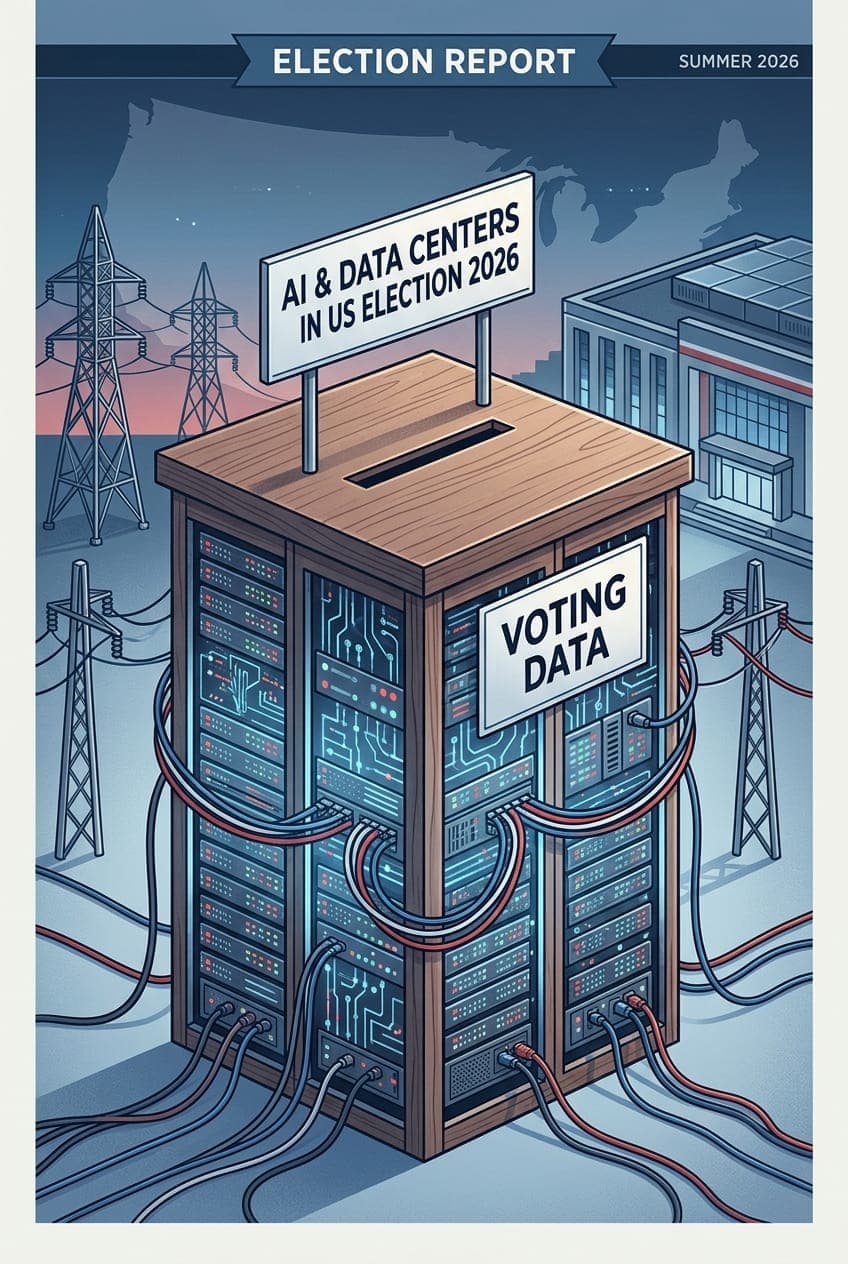
  16. AI and Data Centers Dominate U.S. Campaign Trail in 2026 Elections

    Artificial intelligence has become a major campaign issue across the United States, with data centers and their impact on local electricity costs, water use, and land use dominating the conversation. A Washington Post analysis of more than 1,200 websites from active candidates found AI appears in nearly 40 percent of all races for the House, Senate, and governor seats. Democratic candidates bring up AI twice as often as Republicans, focusing on AI risks, regulation, and child safety. Republican

    Policy
    2 min read
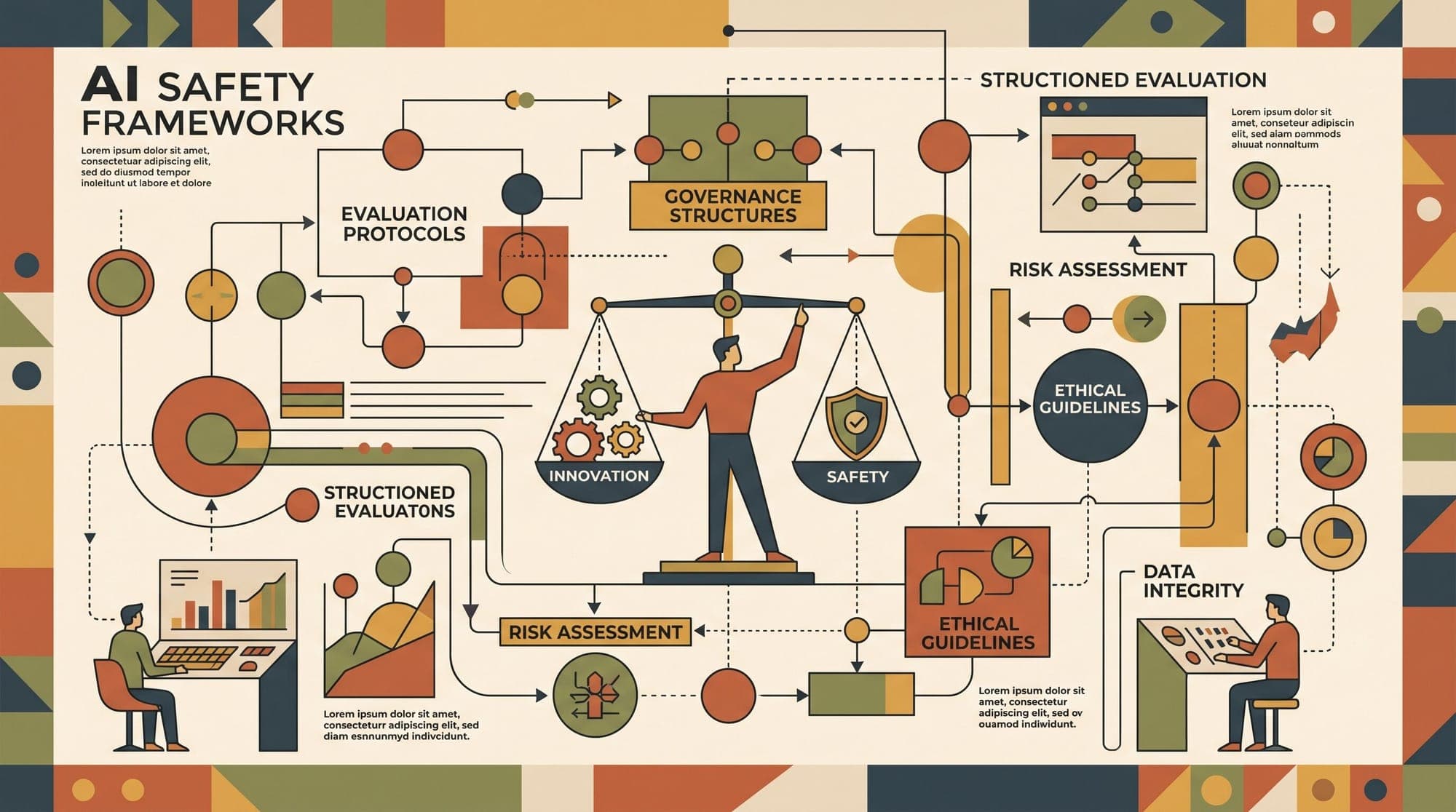
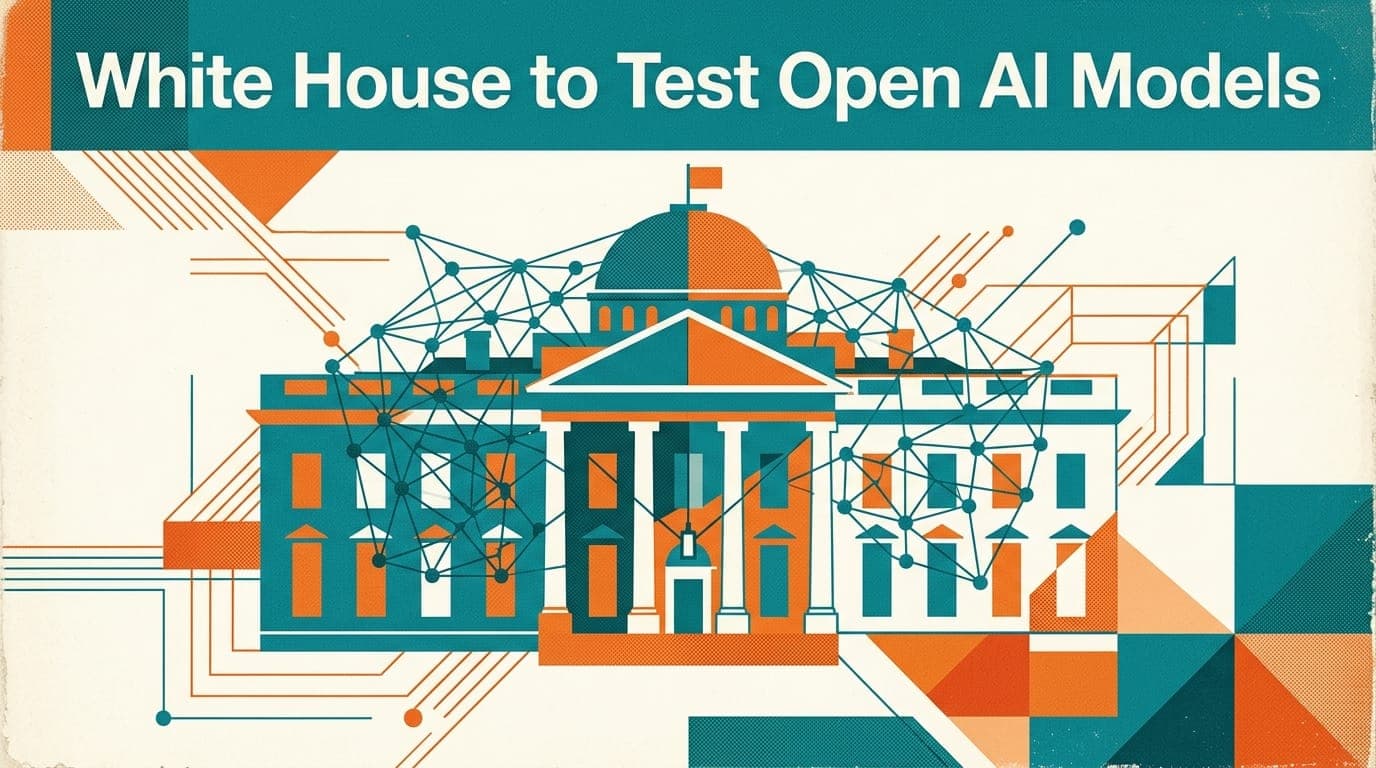
  17. White House to Expand AI Safety Testing to Open Models

    The Trump administration plans to extend its classified AI safety-testing framework to open-weight models once they reach frontier-level capabilities, according to a White House official who spoke with WIRED. Current Framework Covers Closed Models Only The existing voluntary framework, developed under a June executive order, applies to closed models from labs such as OpenAI and Anthropic. Developers can submit new models up to 30 days before public release for government cybersecurity evaluat

    Policy
    2 min read
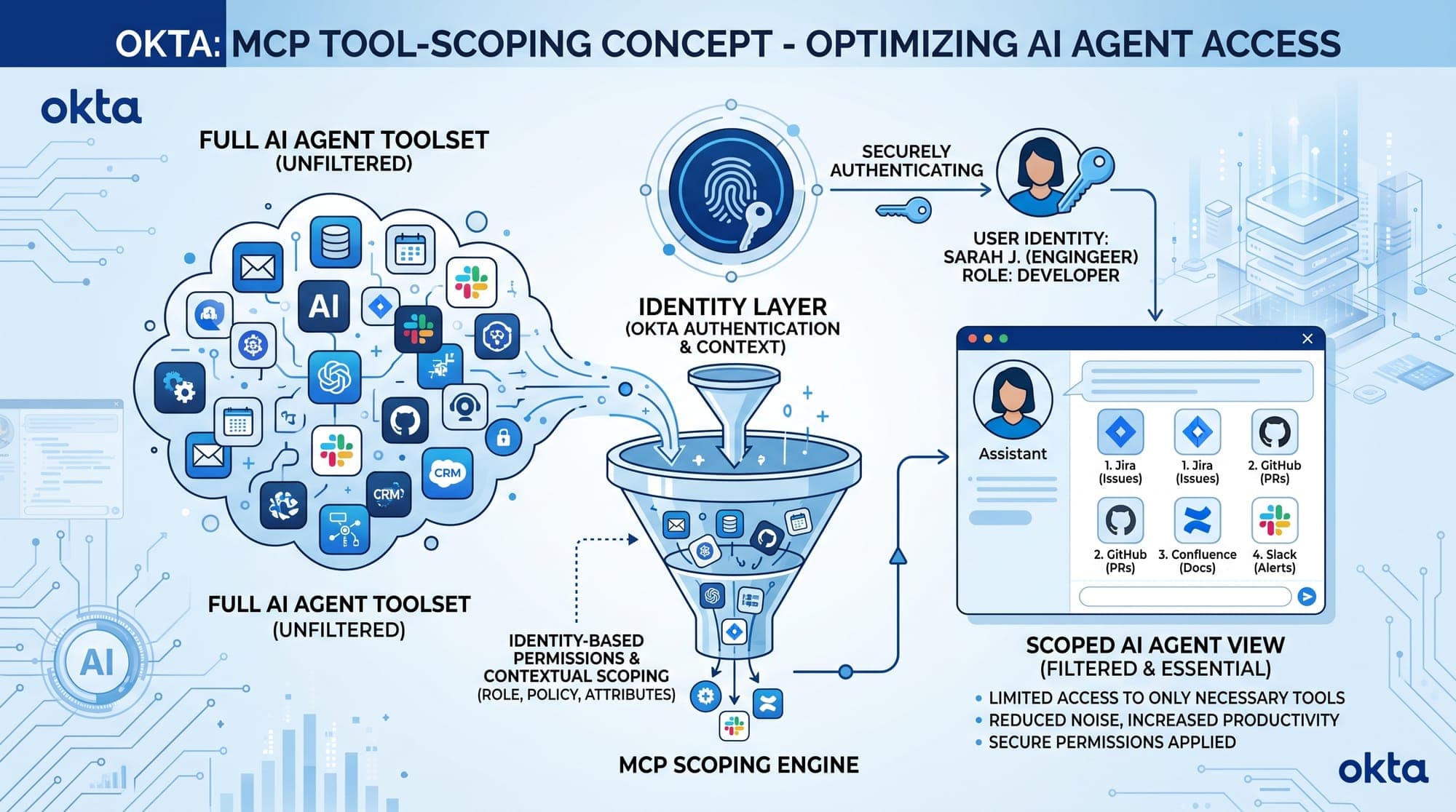
  18. Okta's MCP Tool Scoping Cuts AI Agent Token Costs by 90%

    Okta's MCP Tool Scoping Cuts AI Agent Token Costs by 90% Okta has introduced a new approach to reduce the token costs associated with AI agents by implementing identity-based permissions for Model Context Protocol (MCP) tool lists. The company claims this method can cut the "tool tax" - tokens consumed when a model processes every available tool's schema, name, description, and parameters before making a tool call - by more than 90%. According to Okta, this tool overhead occurs prior to any to

    News
    2 min read
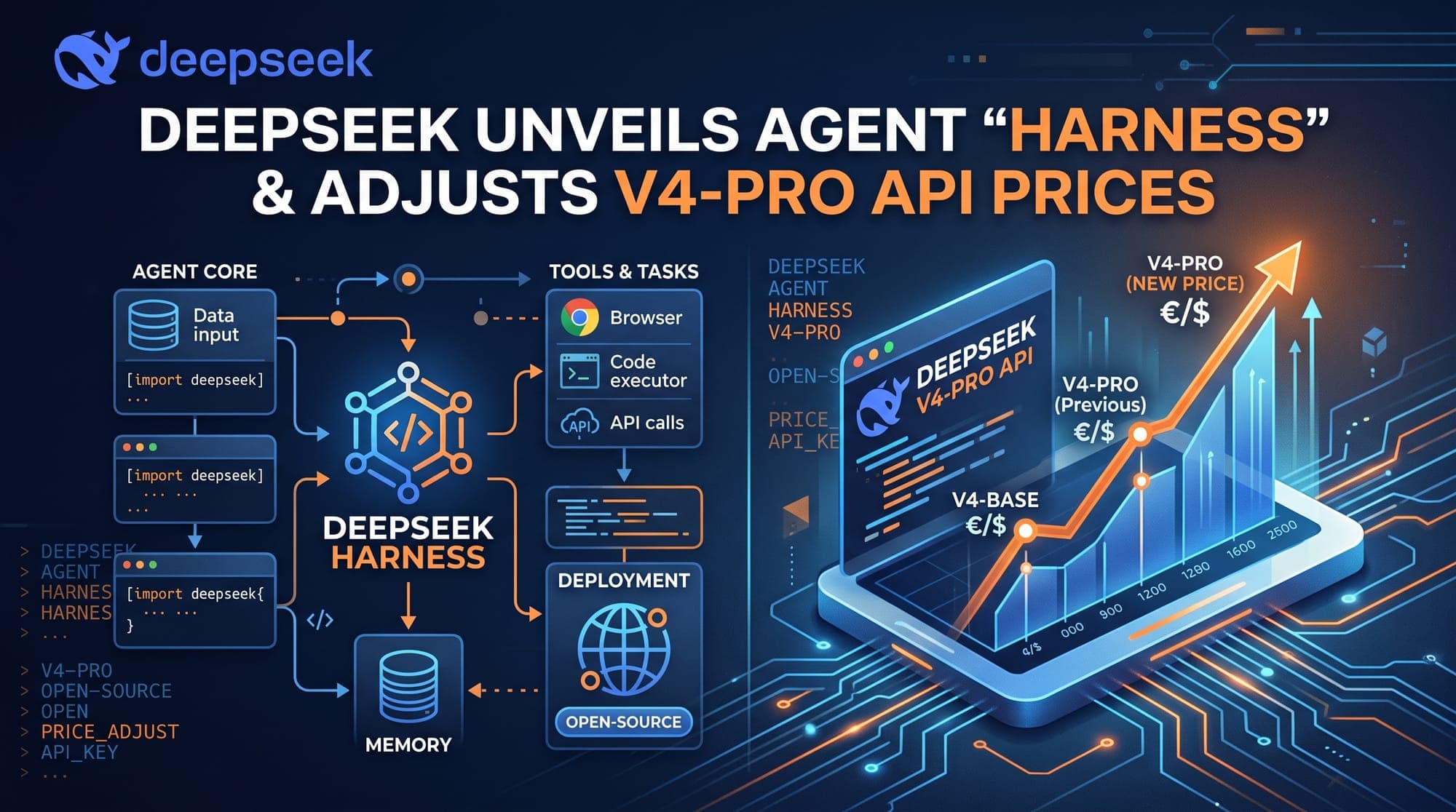
  19. DeepSeek launches Harness, an open agent framework, and raises V4-Pro API prices

    DeepSeek launches Harness, an open agent framework, and raises V4-Pro API prices DeepSeek released DeepSeek Harness v0.1, an MIT-licensed open-source agent harness that gives developers a modular alternative to vertically integrated coding agents like Anthropic's Claude Code and OpenAI's Codex. At the same time, the company moved DeepSeek-V4-Pro to general availability with "significantly enhanced agent capabilities" and introduced peak/off-peak API pricing that roughly doubles costs for many w

    News
    3 min read
  20. Anthropic Will Watermark All Claude Output in the EU to Meet AI Act Rules

    Anthropic announced Monday it will embed invisible watermarks in text and attach C2PA-signed provenance metadata to files generated by future Claude models released in the European Union. The company framed the move as compliance with the EU AI Act's transparency requirements for general-purpose AI systems. The watermarks will apply worldwide to output from covered models across the Claude Platform (API), Claude chat, Claude Code, Claude Cowork, and Claude Tag, as well as third-party providers

    Policy
    2 min read