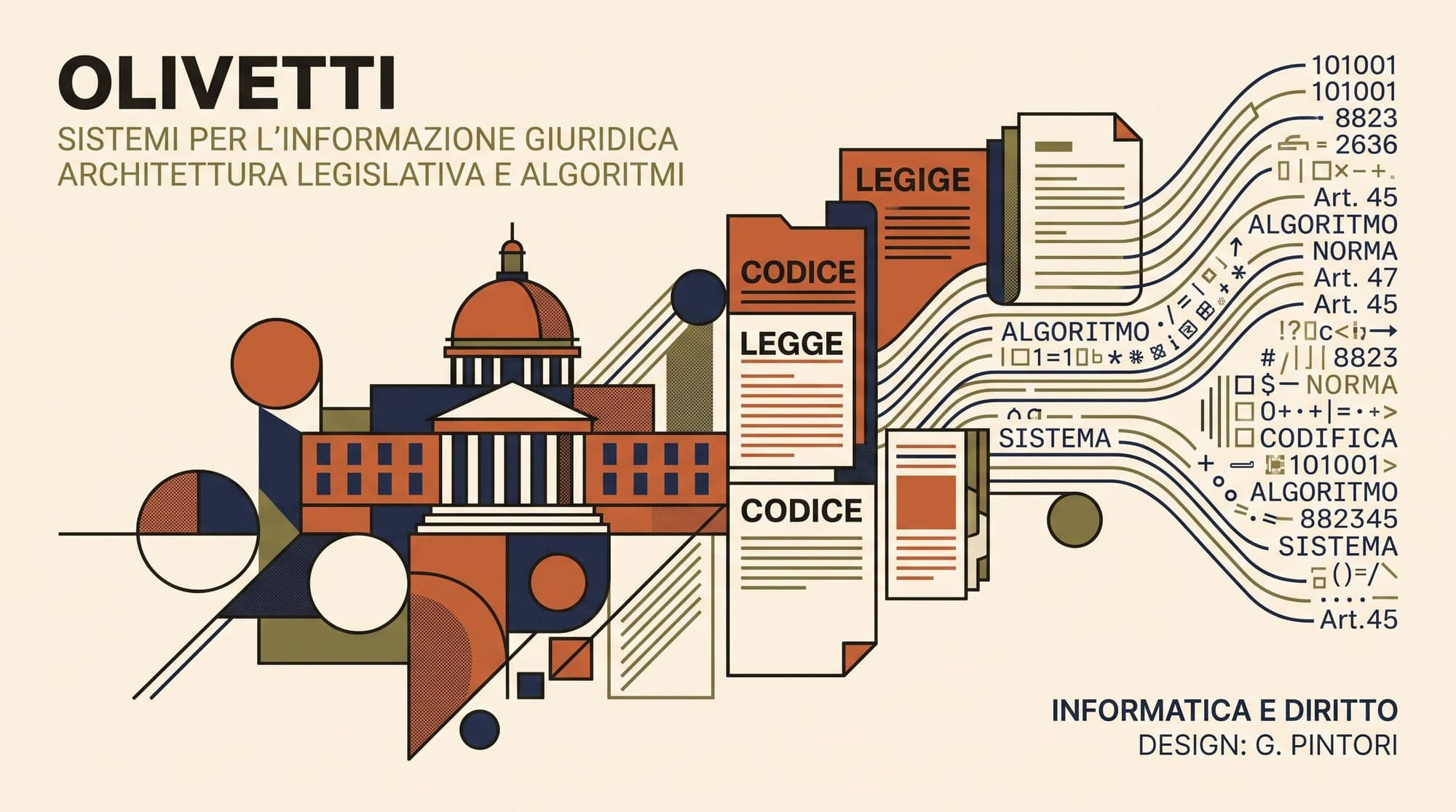
Congressional attorneys at the U.S. House Office of the Legislative Counsel (OLC) are confronting an influx of AI-generated legislative proposals, leading to review backlogs and technical errors in submitted statutory text.
According to a Politico investigation citing interviews with eight current and former officials, congressional offices and external advocacy groups are increasingly turning to large language models like ChatGPT and Claude to draft proposed statutory language. However, the resulting drafts frequently contain miscited legal codes, flawed statutory definitions, and verbose prose that requires more time to debug and rewrite than drafting bills from scratch.
The Nuance Problem in Machine-Generated Legislation
Legislative drafting requires precise statutory mechanics where subtle terminology shifts alter legal and financial mechanisms. Former Legislative Counsel Wade Ballou, who led the office from 2016 through 2024, pointed out that automated systems routinely miss critical statutory distinctions, such as whether funding should be structured as a tax credit, tax deduction, tax exclusion, or a direct grant.
Other recurring issues in AI-generated drafts include:
- Erroneous statutory citations: LLMs frequently hallucinate or misreference specific sections and titles of the United States Code.
- Jurisdictional omissions: Restrictive boilerplate definitions of "State" in AI drafts can inadvertently exclude the District of Columbia, territories, or tribal lands from federal programs.
- Textual inflation: Unchecked model outputs produce excessively wordy provisions, bloating legislative text without adding legal precision.
- Diluted policy intent: By relying on automated drafting rather than manual statutory construction, legislative staff often fail to engage with the structural trade-offs of their policies, leaving core statutory choices to model default behaviors.

Workload Pressures on Institutional Capacity
The Office of the Legislative Counsel serves as the nonpartisan legal drafting arm of the House, operating with 61 attorneys and 19 support personnel. In the 118th Congress, the office prepared more than 30,000 legislative documents, approximately three times the number of bills formally introduced on the floor.
That volume has continued to climb. In testimony before the House Subcommittee on Legislative Branch Appropriations, current Legislative Counsel Warren Burke reported that during the first 60 days of the 119th Congress in early 2025, the office received 5,623 requests for legislation, marking a 72 percent increase compared to the same timeframe two years prior.
Burke testified that text generated by external entities, whether human or automated, often requires significantly longer review cycles to ensure it accurately implements a sponsor's intended policy without unintended statutory side effects.
Specialized Verification vs. Generative Chatbots
While commercial generative models present accuracy risks, the House has invested in deterministic technology to assist drafting attorneys. The office utilizes the Comparative Print Suite, a tool developed with software provider Granicus and legal technologists like Ari Hershowitz.
Unlike generative chatbots that hallucinate plausible-sounding legal text when encountering ambiguity, the Comparative Print Suite uses deterministic natural language processing to map proposed amendments directly against the existing U.S. Code. If the software cannot verify a proposed change with full confidence, it surfaces explicit error flags rather than guessing.
Legislative leaders have emphasized that core statutory drafting responsibilities cannot be delegated to external models. While internal tools continue to streamline cross-referencing and impact analysis, the legal burden of drafting enforceable statute remains centered on human counsel.