Delaware AI-Run Company Plan Explained: The House Probe
Delaware's draft AIC bill would let an AI agent run a company and limit its owner's liability. House Oversight Chairman James Comer is investigating the plan.
Delaware's draft AIC bill would let an AI agent run a company and limit its owner's liability. House Oversight Chairman James Comer is investigating the plan.
Kimi K3.1 Pro (64) and DeepSeek V4.1 Flash 1017 (57) lead public models on the Artificial Analysis Cyber Index. What it measures and how China's rules apply.
The owners of songs Elvis Presley made famous allege Anthropic copied lyrics to 274 songs to train Claude, stripped songwriter credits, and still lets Claude rework them. They seek up to $48.6M and an order reaching model weights. Anthropic says it will defend the case.
New York City proposed rules that would make businesses disclose AI and other automated customer service systems, offer a one-step way to reach a human, and keep logs. Fines start at $525. Comments close November 19, 2026.
Socialist and Green MEPs want the Commission to revive the AI Liability Directive it withdrew in 2025. What that law would have done, why it was dropped, and how the new Product Liability Directive covers AI harm from December 9.
ChatGPT now answers requests for images of election interference or voter discouragement with cartoon-style illustrations, not photos. What OpenAI changed, what CNET found, and OpenAI's new Election Operations Center for the midterms.
Pennsylvania's Artificial Intelligence Deceptive Advertising Act takes effect in 60 days. What the label must say, which ads are exempt, who enforces it, the $3,000 fine cap, and what the text leaves unclear.
The PHP2Shell embargo dispute, read against the rules. What CISA's disclosure program, CERT/CC guidance, ISO/IEC 29147 and 30111, and the EU Cyber Resilience Act say about ending an embargo early, and what they do not say about bugs found by AI.
The EU has cited its first harmonized standard under the AI Act. EN 18286 gives high-risk AI providers a presumption of conformity with the Article 17 quality management rules it covers. What it covers, what it leaves out, how it fits with ISO 42001, and the dates.
Anthropic's rewritten Usage Policy takes effect November 12. It bans sustained cruelty toward Claude, drops a blanket ban on campaign targeting, adds safety rules for Claude-driven hardware, and clarifies weapons, surveillance and high-risk rules.
The UK plans to legislate against non-compete clauses, with details due at the October 28 Budget. Here is what was announced, what is still open, and why it matters for DeepMind's 6 to 12 month restrictions and its talent losses to Anthropic and OpenAI.
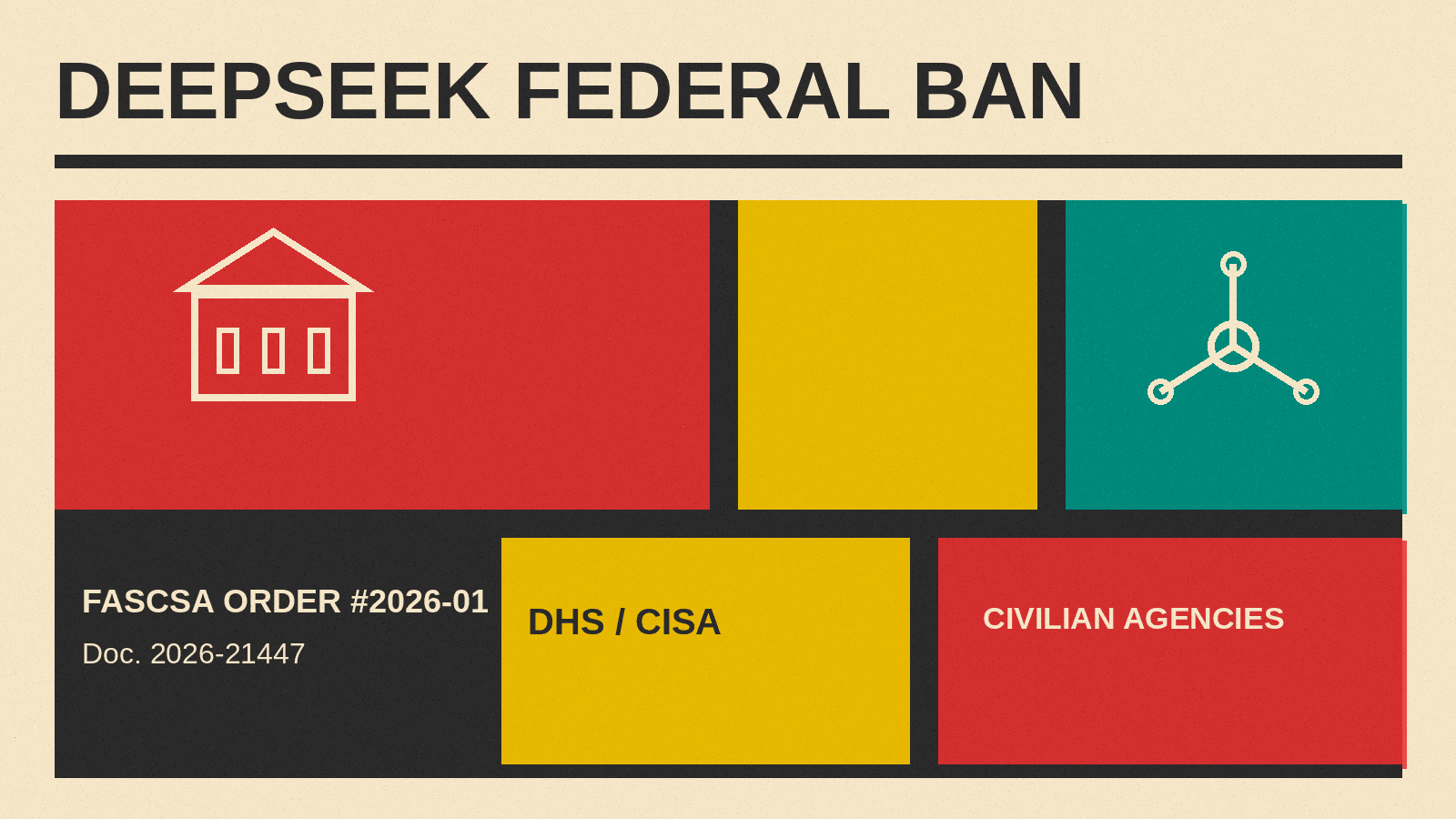
DHS published FASCSA Exclusion and Removal Order #2026-01 requiring civilian agencies to exclude DeepSeek and affiliates from procurements and remove DeepSeek products and third-party DeepSeek-based services from agency IT, citing PRC data-transfer and threat-vector concerns.
The Verge reports Democrats could bring new scrutiny to AI companies if they win a chamber. What committee control allows under House and Senate rules, which lawmakers are named, and why Meta, OpenAI and Anthropic are in focus.
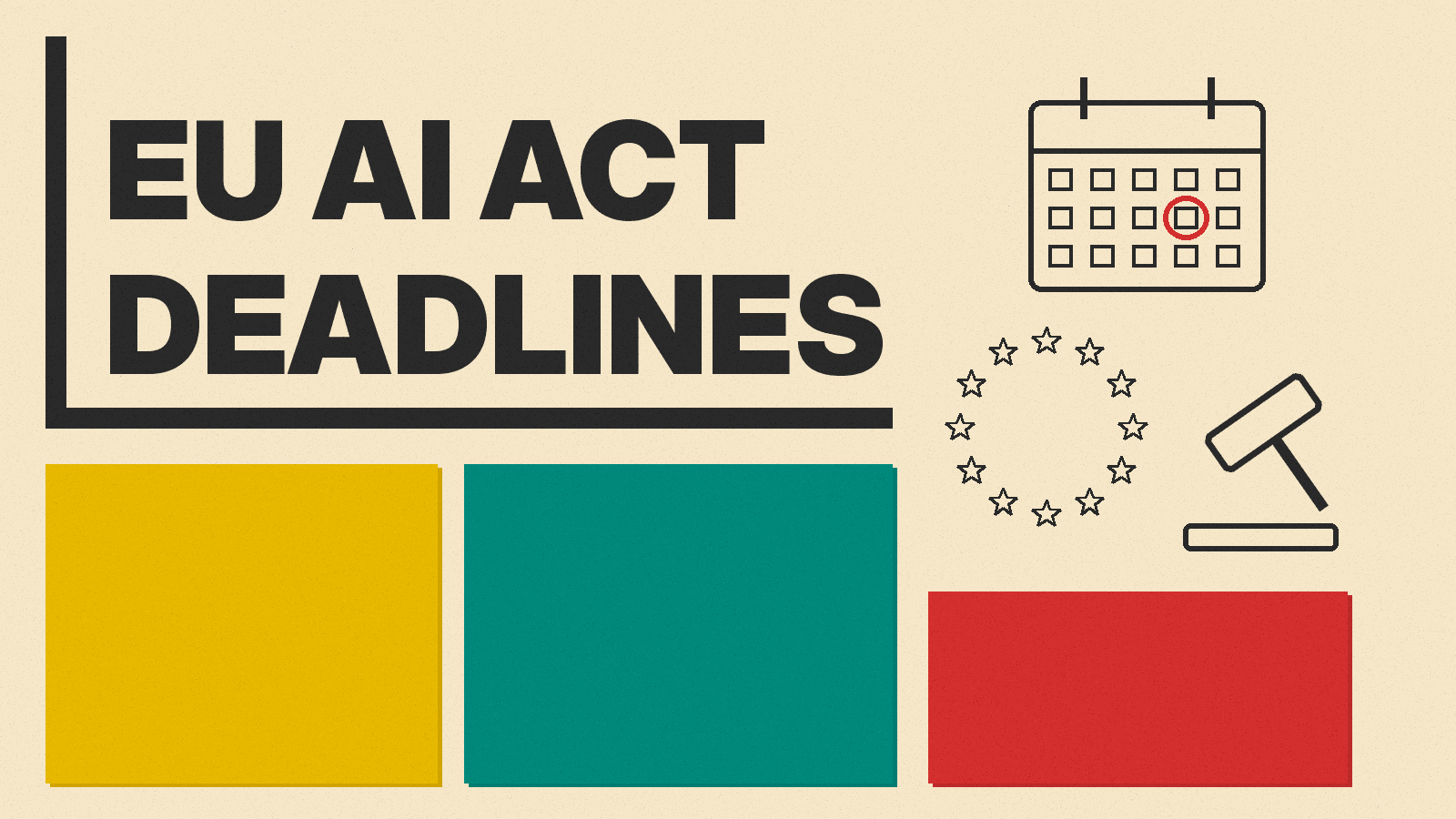
The EU AI Act timeline changed in July. The Digital Omnibus moved high-risk rules to December 2027 and August 2028 and added a nudification ban that applies December 2, 2026. Who the law covers, every deadline, the fines, and the AI Office's first moves.
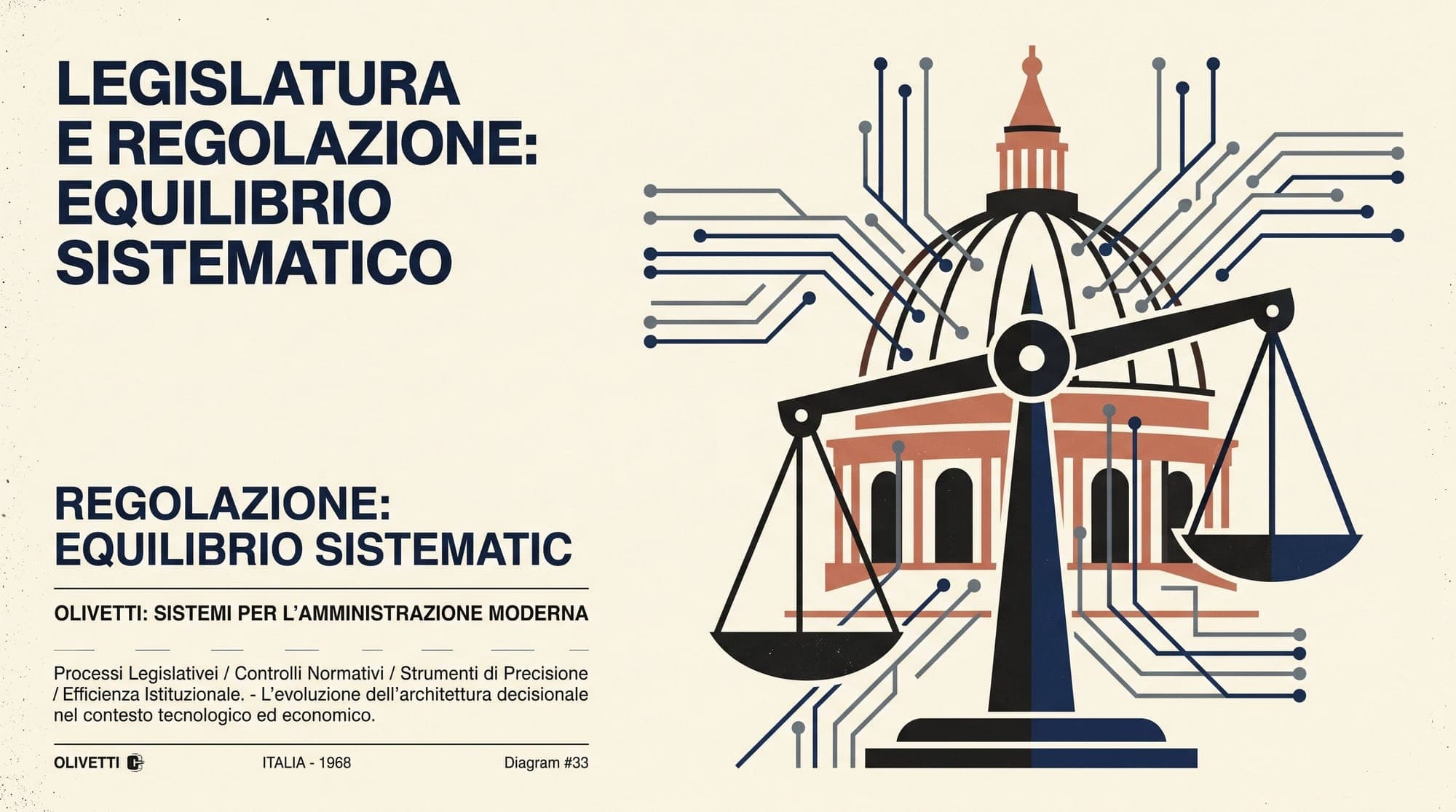
Anthropic has circulated a confidential draft bill to Capitol Hill lawmakers that would establish federal oversight of frontier AI models while restricting government intervention to specific catastrophic risk thresholds. The proposed legislation, confirmed by an Anthropic spokesperson as an extension of the company's internal Advanced AI Framework, would create a statutory mechanism for evaluating frontier AI systems and preempt state-level safety regulations. Intervention Thresholds and Cat
South Korea's Ministry of Science and ICT (MSIT) has launched the "AI for All" initiative, a government-sponsored project aimed at deploying nationwide, free-tier access to artificial intelligence chatbots and public administrative agents. The initiative structures generative AI capabilities and agent workflows as public utilities, establishing a subsidized access model for South Korean citizens. Consortia and Public Bidding Six major commercial consortia submitted bids to operate the public

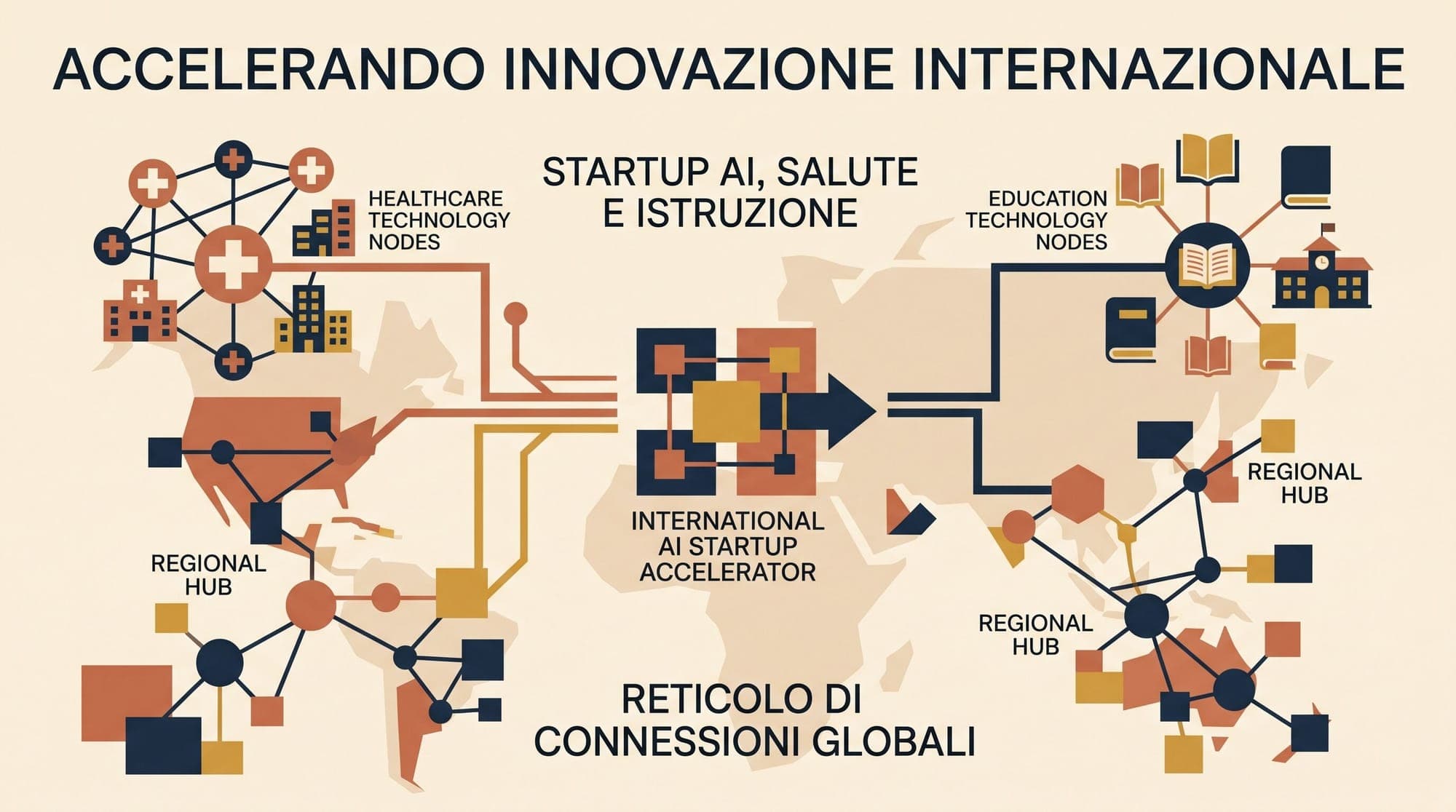
OpenAI has partnered with Thailand's Ministry of Higher Education, Science, Research and Innovation (MHESI) to launch an eight-week accelerator program supporting ten Thai startups building AI products in healthcare, wellness, and education. The initiative, announced in Bangkok, represents OpenAI's first public-private partnership focused on startup acceleration with the Thai government. Participating organizations include Thailand's National Innovation Agency (NIA), Mahidol University, and Tec
A federal judge has ruled that the Trump administration broke the law when it designated Anthropic a supply chain risk, finding that the government unlawfully targeted the company for refusing to comply with Defense Department demands, The Guardian reported. U.S. District Judge Rita Lin issued a 59-page decision overturning Defense Secretary Pete Hegseth's designation and barring the federal agencies named in the lawsuit from enforcing President Trump's order to stop using Anthropic's tools. Th
More than 100 technology enterprises, financial institutions, and frontier AI laboratories (including OpenAI, Anthropic, Microsoft, Google, Amazon Web Services, Cloudflare, and CrowdStrike) have issued a joint open letter calling for an urgent, coordinated surge in global cybersecurity defenses. The coalition warns that rapid advancements in artificial intelligence are narrowing the window available to harden critical infrastructure against automated, highly scalable cyberattacks. The statement
The Australian Recording Industry Association (ARIA) has introduced a formal prohibition on songs created mostly or entirely by artificial intelligence, updating its official Charts Code of Practice to disqualify non-human recordings starting August 29, 2026. Under the revised framework, tracks produced through generative AI models are ineligible for the official Australian music rankings unless the work is demonstrated to be "substantially human-made" and presents no risk of streaming or chart