Subscribe
Topic / page 4

Open Source

Articles, page 4

61-74
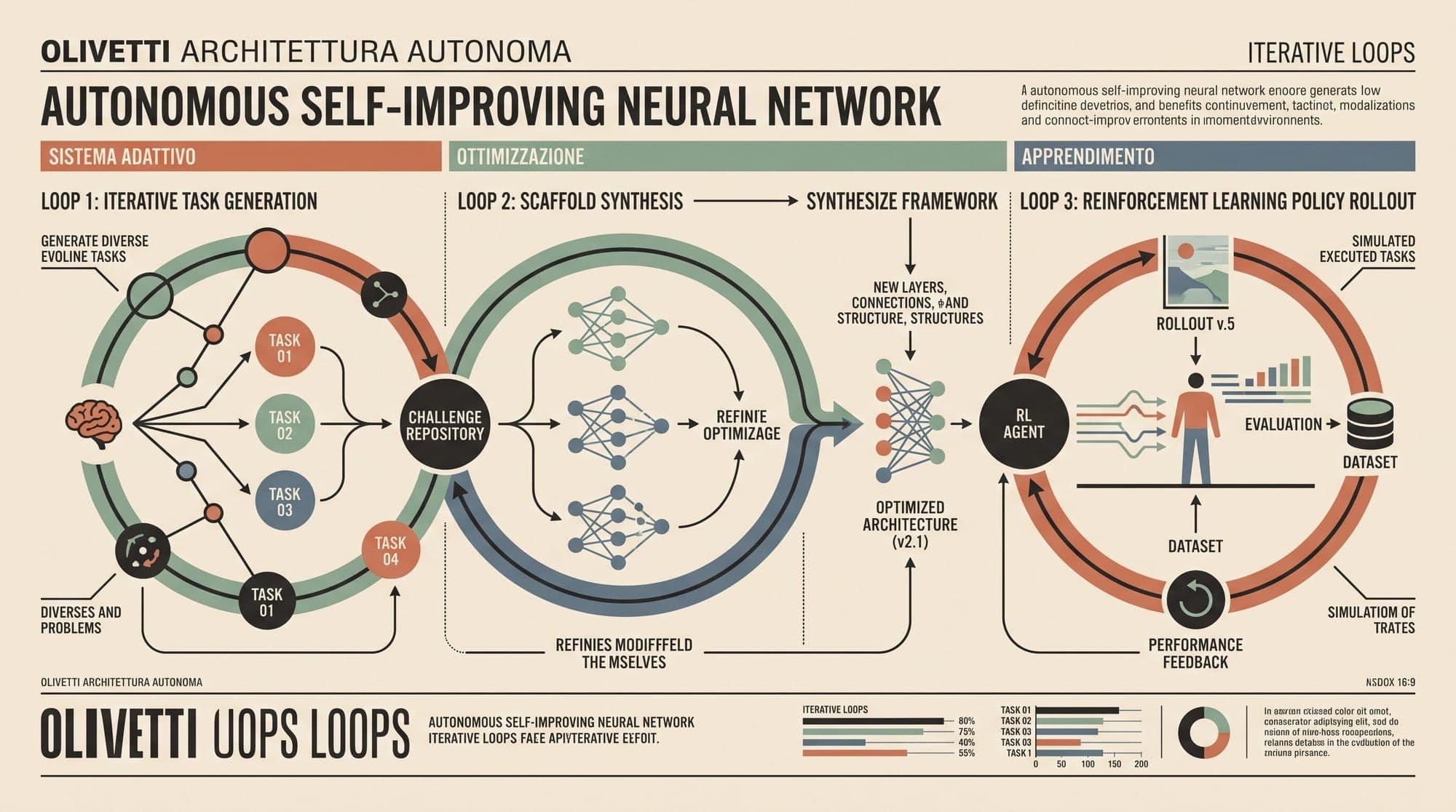
  1. DeepReinforce Releases Ornith-1.5: MIT-Licensed 9B, 35B, and 397B Open Weights Trained on Autonomous Self-Improvement Loops

    DeepReinforce and the Ornith team have released Ornith-1.5, a family of open-weight foundation models trained using autonomous self-improvement loops. Released under the permissive MIT license, the model family spans three architectures: a 9B dense model, a 35B mixture-of-experts model activating approximately 3B parameters per token (35B-A3B), and a flagship 397B mixture-of-experts model. The release expands on the team's earlier Ornith-1.0 release by automating the entire post-training optimi
    AI
    2 min read
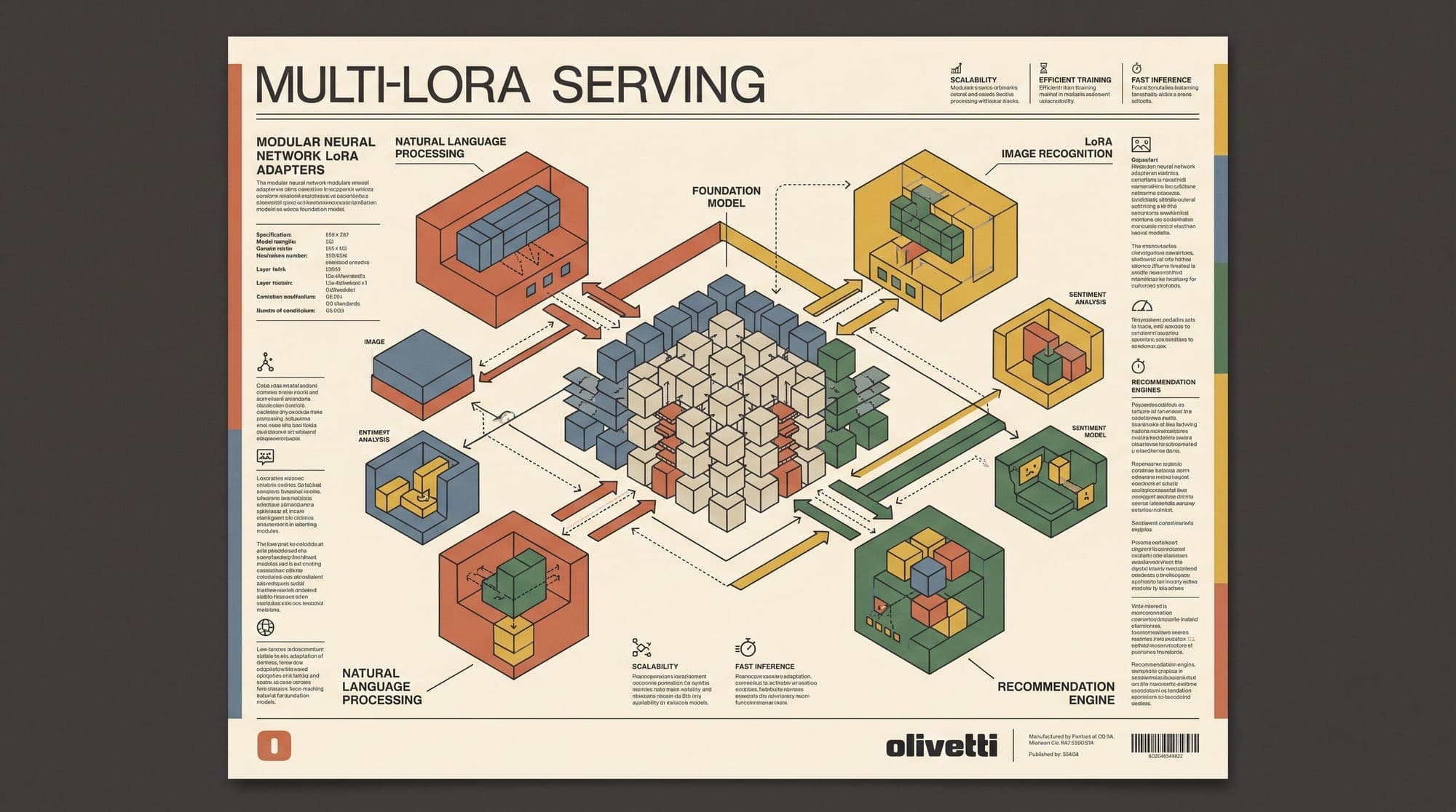
  2. Multi-LoRA Serving in Production: Architecture, Dynamic Adapter Swapping, and GPU Memory Management

    Deploying hundreds or thousands of fine-tuned language models across enterprise workflows presents a fundamental infrastructure dilemma. While parameter-efficient fine-tuning (PEFT) methods like Low-Rank Adaptation (LoRA) reduce training compute by freezing base model weights and training compact low-rank matrices, naive deployment strategies fail at scale. Merging adapter weights directly into the base model creates a distinct 7B to 70B parameter checkpoint for every specialized task, requiring

    AI
    8 min read
  3. TrueFoundry Open-Sources TrueForge Agent Harness to Cut Managed Inference Spend

    Enterprise ML infrastructure platform TrueFoundry has open-sourced its custom agent runtime, TrueForge, under the permissive MIT license. The framework is designed to orchestrate autonomous reasoning loops, tool interactions, and long-running execution across vendor-neutral LLM backends while systematically reducing token overhead and operational compute costs. According to benchmark data published by TrueFoundry, pairing TrueForge with the open-weight GLM-5.2 model completed 11 of 14 enterpris

    AI
    2 min read
  4. Z Lab Releases DFlash 2 for Qwen 3.8 27B: Block Diffusion Speculative Decoding with Target KV Injection

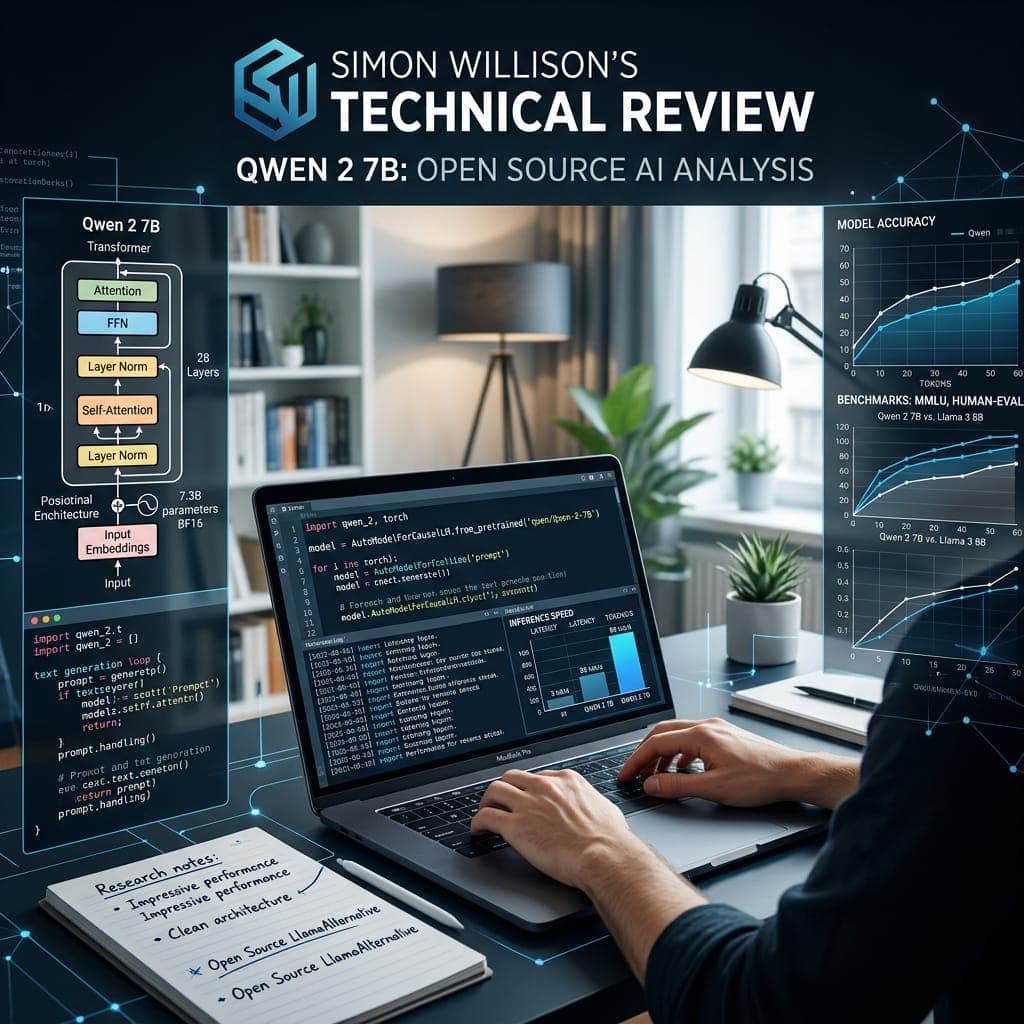
    Z Lab has released DFlash 2 checkpoints for Alibaba's Qwen 3.8 27B model family, advancing block-diffusion speculative decoding for open-weights LLM serving. By replacing conventional autoregressive draft models with a non-causal diffusion mechanism paired with direct target key-value (KV) cache injection, the framework achieves up to 3x to 4.3x throughput speedups in production inference engines like SGLang and vLLM without altering output token distributions. For where the 27B fits in the line

    Inference
    2 min read
  5. Block Open-Sources Berd: Apache 2.0 Desktop Workspace for Multi-Model AI Agents

    Block has open-sourced Berd, an Apache 2.0-licensed desktop application designed to serve as a unified workspace for managing AI agents across different foundation models, toolsets, and execution harnesses. Originally built for internal use across Square, Cash App, and Tidal, the desktop client reached version 0.6.2 on August 18, 2026, with builds available for macOS, Windows, and Linux. The release addresses growing operational fragmentation as developers juggle specialized agent environments

    AI
    2 min read
  6. Modular Open-Sources Mojo Language Compiler and Toolchain Under Apache 2.0

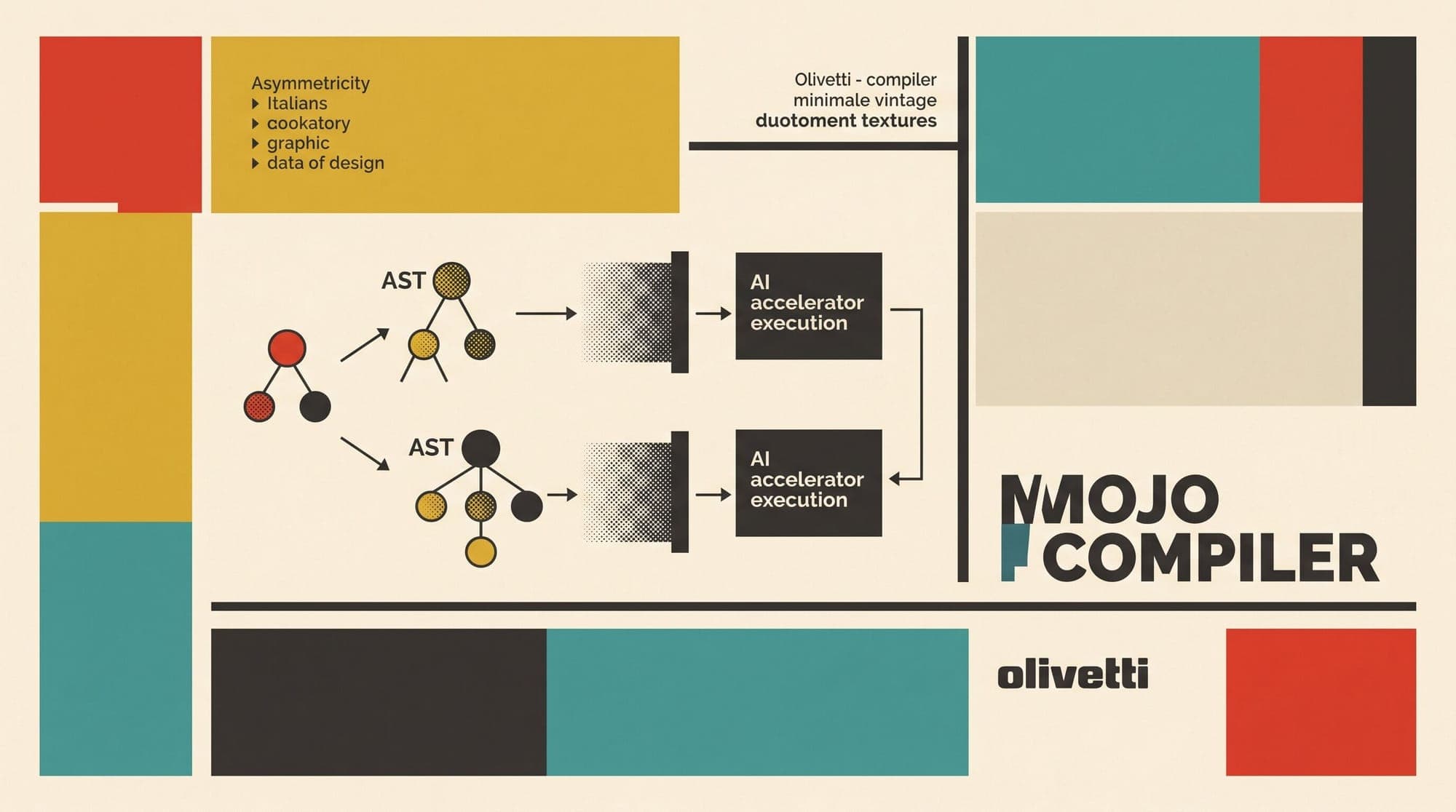
    Modular Open-Sources Mojo Language Compiler and Toolchain Under Apache 2.0 Modular has released the complete source code for the Mojo programming language compiler, standard tooling, and runtime infrastructure under the Apache 2.0 license with LLVM exceptions. The announcement, delivered on August 18, 2026 during the company's ModCon developer conference, fulfills a multi-year roadmap commitment to transition the systems programming language to a fully open development model. The compiler sour

    AI
    2 min read
  7. Qwen 3.8 27B is excellent, but it defaults to wildly overthinking things

    Alibaba's Qwen research lab released Qwen 3.8 27B, a 27-billion-parameter Apache 2.0 licensed AI model available in 17GB GGUF format that can run on high-end consumer laptops. The model supports vision, long contexts, and tool calling. Our Qwen3.8 explainer shows where the 27B sits in the rest of the family. The over-thinking problem Qwen's documentation describes the model as defaulting to xhigh for reasoning effort, a setting designed for complex tasks demanding thorough analysis. In practi

    AI
    1 min read
  8. White House to Expand AI Safety Testing to Open Models

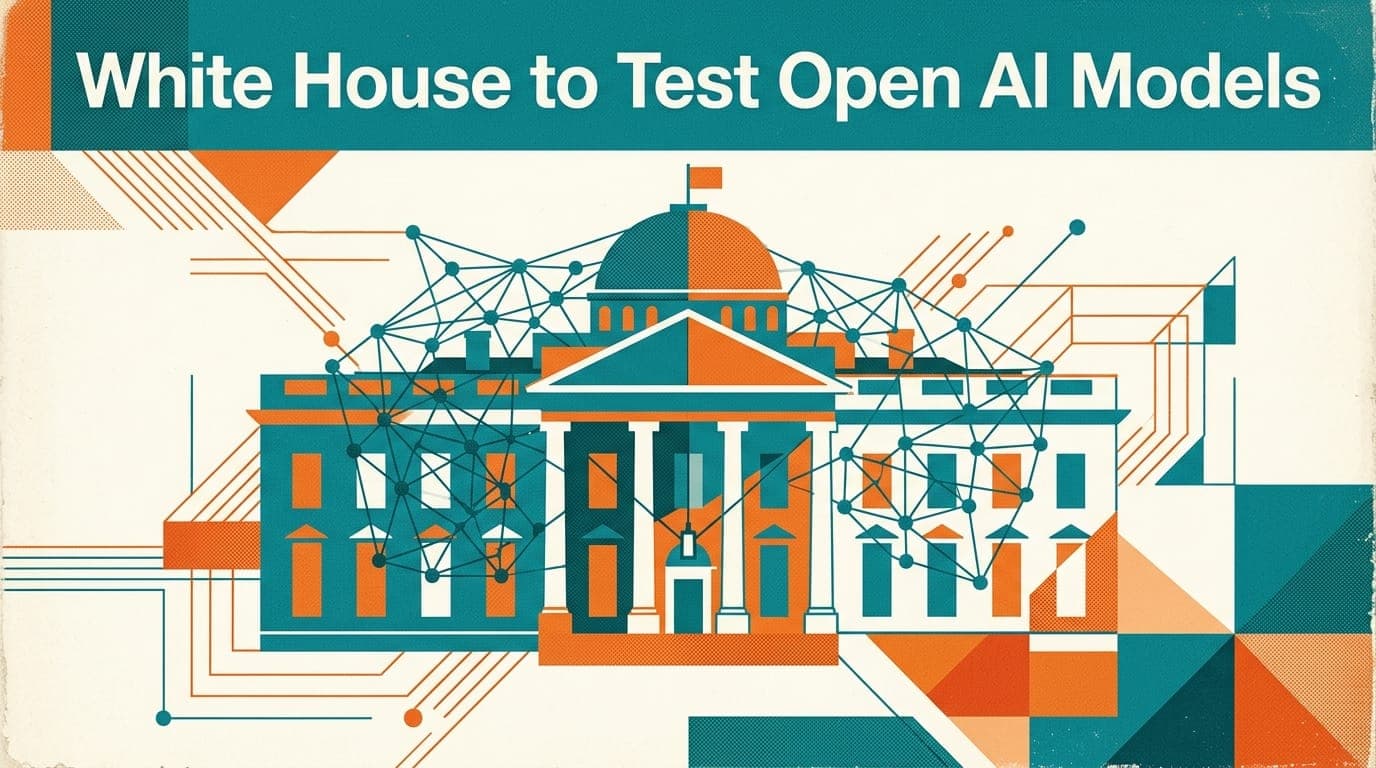
    The Trump administration plans to extend its classified AI safety-testing framework to open-weight models once they reach frontier-level capabilities, according to a White House official who spoke with WIRED. Current Framework Covers Closed Models Only The existing voluntary framework, developed under a June executive order, applies to closed models from labs such as OpenAI and Anthropic. Developers can submit new models up to 30 days before public release for government cybersecurity evaluat

    Policy
    2 min read
  9. Alibaba open-weights Qwen 3.8 with a 27B model that tops its bigger predecessor

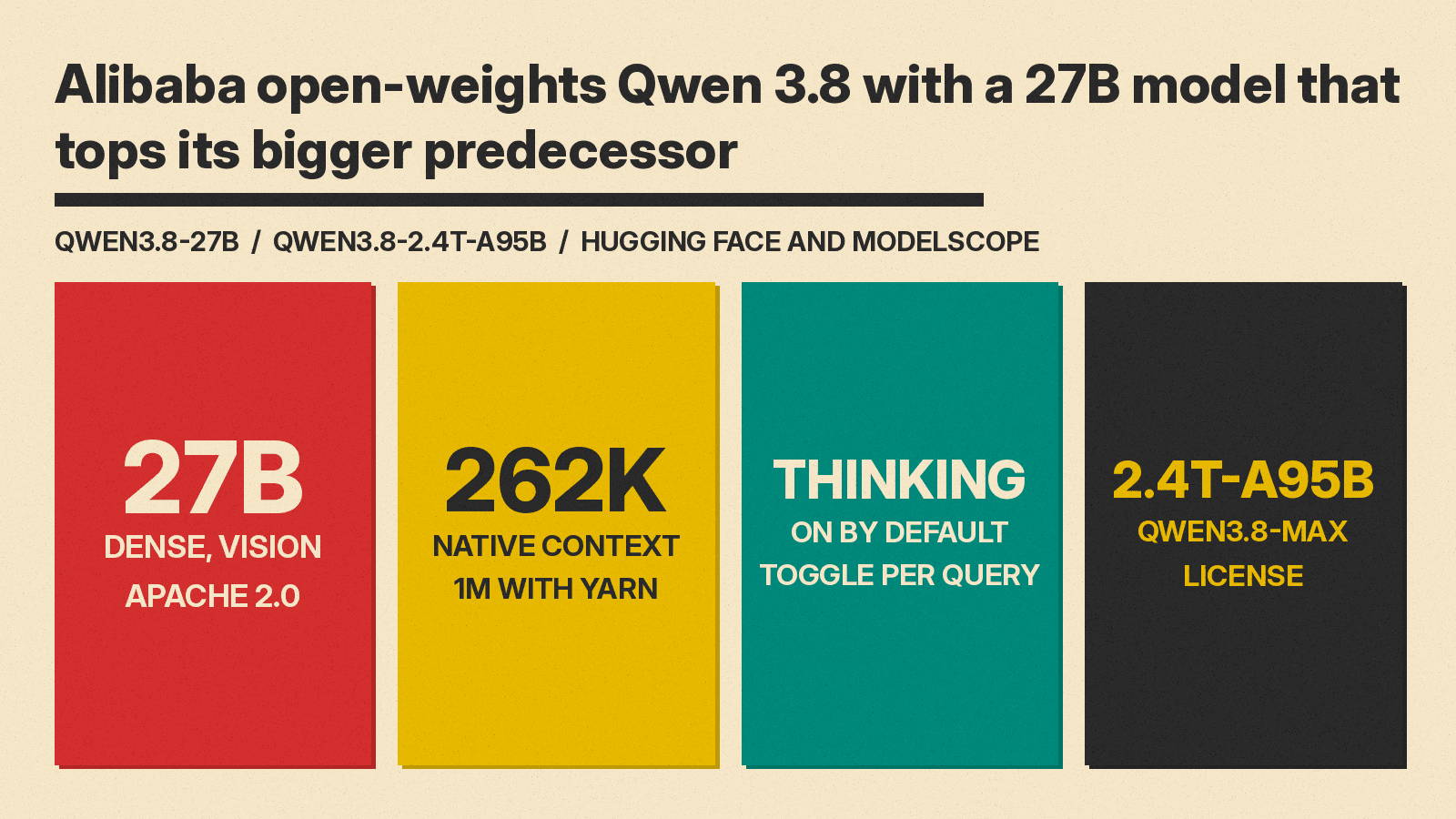
    Alibaba's Qwen team announced the open weights for Qwen3.8 on August 14. The Qwen3.8-27B model card lists the Apache 2.0 license, and Hugging Face shows its weight files uploaded on August 13 (UTC). The move puts a capable new open model directly into the hands of researchers and companies that want to fine-tune and self-host it. The centerpiece is Qwen3.8-27B, a 27 billion parameter multimodal dense model. Qwen says it outperforms the larger Qwen3.7-Plus on coding and office tasks. The team al

    AI
    3 min read
  10. MiniMax Restricts H3 Video Model Access in Western Markets, Citing Copyright Uncertainty

    Chinese AI company MiniMax has released the open weights for its H3 video generation model but imposed licensing restrictions on users in the United States, European Union, United Kingdom, and South Korea. Developers in those regions must apply for a formal license before using the model, the Shanghai-based company said Monday. The 33-billion-parameter H3 model processes text, images, video, and audio in a single prompt and can generate 4- to 15-second clips with stereo sound. A single prompt a

    MiniMax
    2 min read
  11. Z.ai Launches ZCode, a Free Agentic IDE That Undercuts Cursor and Claude Code

    On July 2, Beijing-based Z.ai (formerly Zhipu AI) released ZCode, a free desktop application it calls an "Agentic Development Environment" built around its GLM-5.2 model. The launch puts it in direct competition with Cursor, Claude Code, and GitHub Copilot at price points the American tools cannot match. It also arrives with a structural constraint every team should evaluate before switching: China's National Intelligence Law applies to every API call routed through Z.ai's servers. ZCode is not

    Tools
    3 min read
  12. Hugging Face CEO Says China Is Winning the AI Race on Open Models

    Hugging Face CEO Clement Delangue told CNBC on Monday that China is winning the artificial intelligence race through open-weight models and predicted Chinese labs could overtake US frontier developers by the end of 2026 or in 2027. "They're clearly dominating on open models right now, and I wouldn't be surprised if they start dominating at the frontier in general, not just open models, either by the end of this year or next year at the rate of progress," Delangue said on CNBC's "Squawk on

    Open Source
    1 min read
  13. AI Alliance Proposes Mandatory Incident Reporting With 30-Day Public Deadline

    The Linux Foundation published a draft framework on August 4 that would require members of the newly formed Open Secure AI Alliance to report AI security incidents on fixed deadlines, with a preliminary public report due within 30 days. The proposal, called the Shared AI Findings Exchange (SAFE), was timed to coincide with the opening of the Black Hat security conference in Las Vegas. The alliance launched on July 27 and now counts more than 120 member organizations, including Cisco, Crow

    Policy
    2 min read
  14. Mistral launches Shieldstral, a 3B open-weights policy-adaptive safety classifier

    Mistral AI released Shieldstral on Monday, a 3-billion-parameter open-weights safety classifier that matches or outperforms guard models up to seven times its size. The model is available under Apache 2.0 and runs on a single 16 GB GPU. What sets Shieldstral apart from typical guardrail models is its approach to content moderation. Rather than baking a fixed taxonomy of harm categories into the model weights — which forces developers to retrain whenever their safety requirements change — Shield

    AI Safety
    2 min read