Subscribe
Topic / page 3

Open Source

Articles, page 3

41-60
  1. Alibaba Releases Open-Weight Qwen3.8-Flash-Next with 6B Active Parameters and Qwen 4 Architecture Preview

    Alibaba has released the open weights for Qwen3.8-Flash-Next, a 125B-parameter multimodal Mixture-of-Experts (MoE) model that acts as an early architectural preview for the upcoming Qwen4 family. Operating with only 6B active parameters per token alongside a 51B N-gram embedding layer, the model targets cost efficiency across long-context reasoning, agentic coding, and multimodal workloads. For how it fits with Qwen3.8-Max, the open 2.4T weights and the Omni models, see our Qwen3.8 explainer. U

    Alibaba
    2 min read
  2. QLoRA: Mathematical Foundations of 4-Bit NormalFloat Quantization, Double Quantization, and Paged Optimizers

    Fine-tuning large language models in full 16-bit precision requires substantial hardware infrastructure. For a 65-billion parameter model, storing weights in 16-bit brain floating point (BF16) requires 130 GB of VRAM. When optimizing those parameters with 32-bit AdamW, storing gradients (130 GB), first moments (260 GB), second moments (260 GB), and master weights (260 GB) drives the minimum memory footprint beyond 780 GB of VRAM, even before accounting for sequence activations. While Low-Rank A

    AI
    7 min read
  3. Perplexity and Nvidia Launch Portable Computer for Local AI Agents with Zero Token Fees

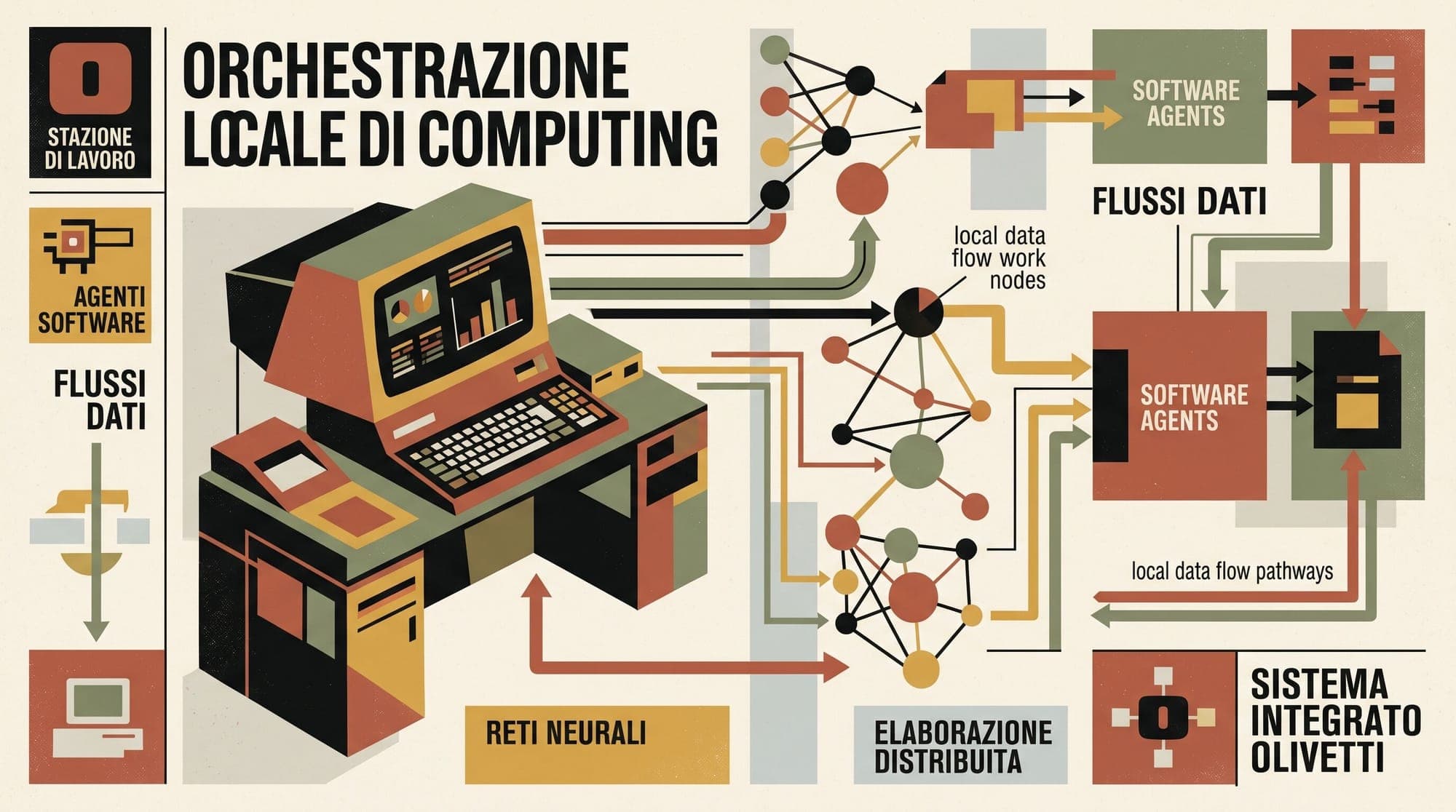
    Perplexity has partnered with Nvidia to launch Portable Computer, an integrated software stack that runs agentic AI workflows locally on consumer and workstation GPUs without incurring per-token API charges. The system packages model weights, an inference server, an agent harness, tool connectors, and an operating system sandbox into a unified application. It is available immediately on Linux for Pro, Max, and Enterprise subscribers, with Windows support scheduled for September. Hardware requir

    Perplexity
    2 min read
  4. River AI Secures $1.1B Led by General Catalyst to Build Open-Weight Model Infrastructure

    River AI, an artificial intelligence startup founded by former xAI co-founder Igor Babuschkin, has secured $1.1 billion in early-stage funding to build an open-weight model stack and decentralized AI infrastructure platform. The financing round was led jointly by General Catalyst and public benefit corporation AMP PBC, with strategic participation from NVIDIA, AMD Ventures, Y Combinator, and Singapore sovereign fund Temasek. Babuschkin, whose prior engineering background spans OpenAI, Google De

    AI
    2 min read
  5. Mistral and HUMAIN Form Multi-Hundred-Million-Euro Sovereign AI Partnership

    Paris-based AI lab Mistral AI and Saudi Arabian state-backed AI firm HUMAIN announced a strategic collaboration on August 24, 2026, valued in the hundreds of millions of euros. The agreement spans regional compute infrastructure access, joint model development, and enterprise deployments across the Middle East. Under the partnership, the two organizations will build localized foundation models with native Arabic-language capabilities, targeting initial production deployments in cybersecurity an

    Mistral
    2 min read
  6. AWS Backs Open Agentic Resource Discovery Specification for Agent Registry Federation

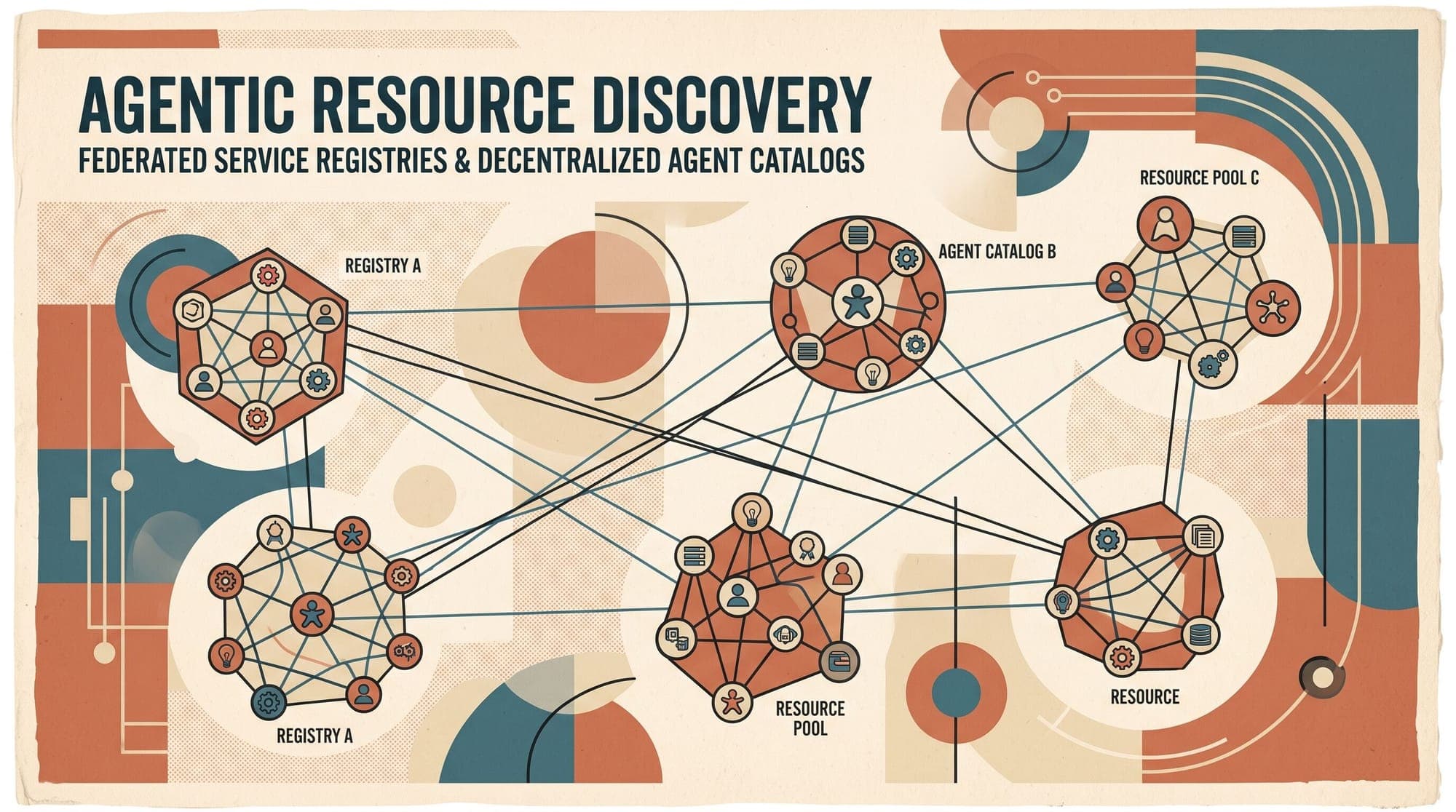
    Amazon Web Services announced support for the Agentic Resource Discovery (ARD) open specification, detailing how the federation standard will integrate with AWS Agent Registry, its managed catalog for AI agents, tools, and skills currently in preview within Amazon Bedrock AgentCore. The alignment targets cross-platform discovery across heterogeneous enterprise stacks. While AWS Agent Registry provides centralized indexing and access controls within an AWS environment, real-world deployments fre

    AWS
    2 min read
  7. NVIDIA Releases Magpie Multilingual TTS: 364M Open-Weight Model for Sub-200ms Voice Agents

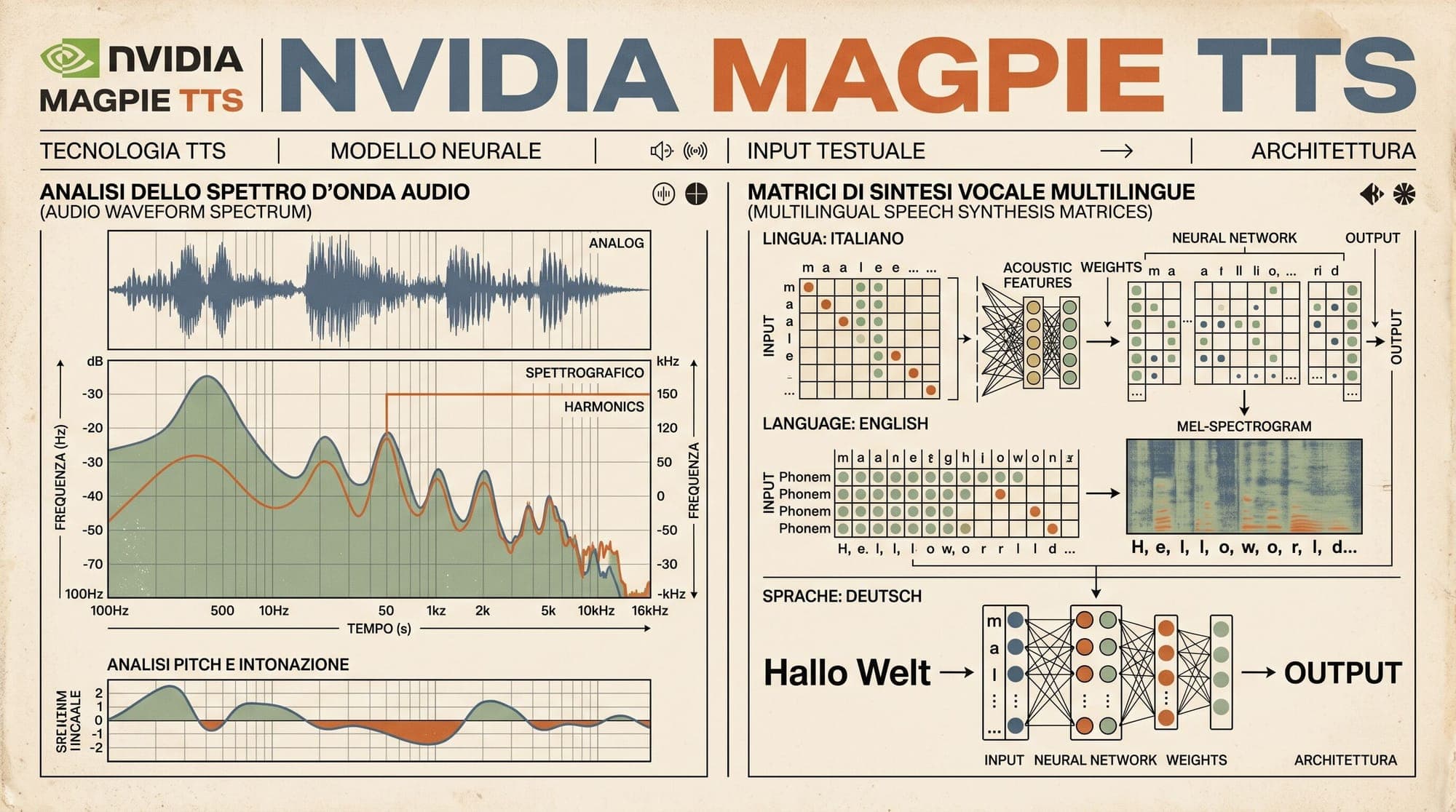
    NVIDIA has released Magpie Multilingual TTS, a 364-million parameter open-weights text-to-speech model engineered for low-latency conversational AI agents. Released under the NVIDIA Open Model License, the model is available as open checkpoints on the Hugging Face Hub and as an optimized microservice container within NVIDIA NIM. The release expands language support to 12 languages: English, Spanish, French, German, Italian, Vietnamese, Mandarin, Hindi, Japanese, Modern Standard Arabic, Korean,

    AI
    2 min read
  8. Meta Releases Muse Glimmer 30B: Apache 2.0 Multimodal Model for Local AI Agents

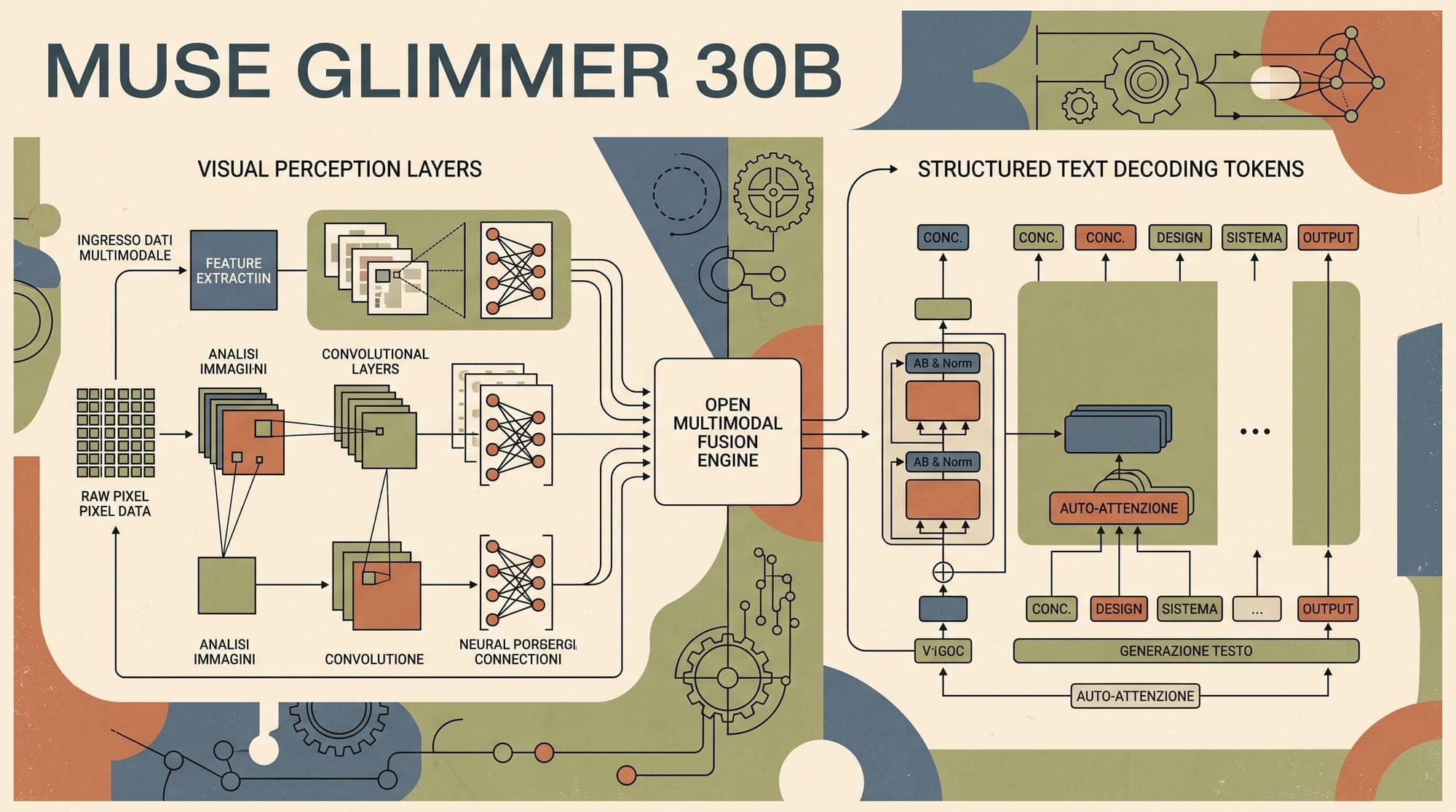
    Meta has released Muse Glimmer, a 30-billion parameter multimodal model distributed under the permissive Apache 2.0 license. Distilled from Meta's larger Muse Spark foundation model, Muse Glimmer is engineered specifically for local execution and privacy-sensitive agentic workflows, spanning software engineering, document processing, and desktop automation. The model release includes immediate day-zero runtime support across Hugging Face Transformers, vLLM, llama.cpp, and native hardware accele

    AI
    2 min read
  9. Linus Torvalds Credits AI in Linux Kernel Commit After 24-Patch Driver Debug Session

    In a notable public milestone for AI-assisted systems programming, Linux creator Linus Torvalds credited an artificial intelligence model with doing the heavy analytical work during an intensive driver debugging session, allowing the model to author the commit message merged into the upstream kernel. The commit, titled drm/xe: Don't hand out the flat CCS storage as usable VRAM (commit 818bebeb63dd6bf5f4e07e145f6cdbace520a34c), resolves a memory allocation bug in the Intel Xe Direct Rendering Ma

    AI
    2 min read
  10. SGLang v0.5.18 Cuts LLM Cold Starts by 2.4x with Overlapped Weight Loading and CUDA Graph Capture

    The open-source LLM serving engine SGLang has released version 0.5.18, introducing an overlapped startup engine that significantly reduces cold-start latency for large language models, alongside communication kernel optimizations and expanded architecture support. Comprising 710 pull requests from 212 contributors, the release addresses operational overheads in LLM infrastructure where autoscaling, rolling cluster deployments, and worker node recovery frequently pay steep restart penalties. O

    AI
    4 min read
  11. LLM Inference on AMD ROCm in Production: MI300X Architecture, Triton Kernel Parity, and vLLM Serving Benchmarks

    LLM Inference on AMD ROCm in Production: MI300X Architecture, Triton Kernel Parity, and vLLM Serving Benchmarks Serving frontier large language models in enterprise production has historically been synonymous with NVIDIA CUDA infrastructure. However, the deployment of AMD Instinct MI300X accelerators across tier-one hyperscalers and neoclouds has established a viable alternative for high-throughput inference fleets. With 192 GB of high-bandwidth memory (HBM3) and 5.3 TB/s of peak theoretical m

    Inference
    5 min read
  12. Nvidia Expands Nemotron Open-Weight Push to Counter Chinese Labs Under $6B Poolside Deal

    Nvidia Expands Nemotron Open-Weight Push to Counter Chinese Labs Under $6B Poolside Deal Nvidia plans to use the infrastructure and engineering team acquired through its $6 billion deal with AI startup Poolside to build frontier open-weight models under its Nemotron family, according to reporting from the Wall Street Journal. The initiative aims to counter the rapid global adoption of Chinese open-weight systems like DeepSeek-V3, Moonshot AI's Kimi K3, and Alibaba's Qwen series, while offering

    AI
    2 min read
  13. LLM 0.33 Adds Template Chaining, Per-Call Embedding Keys, and Server Tool Logging

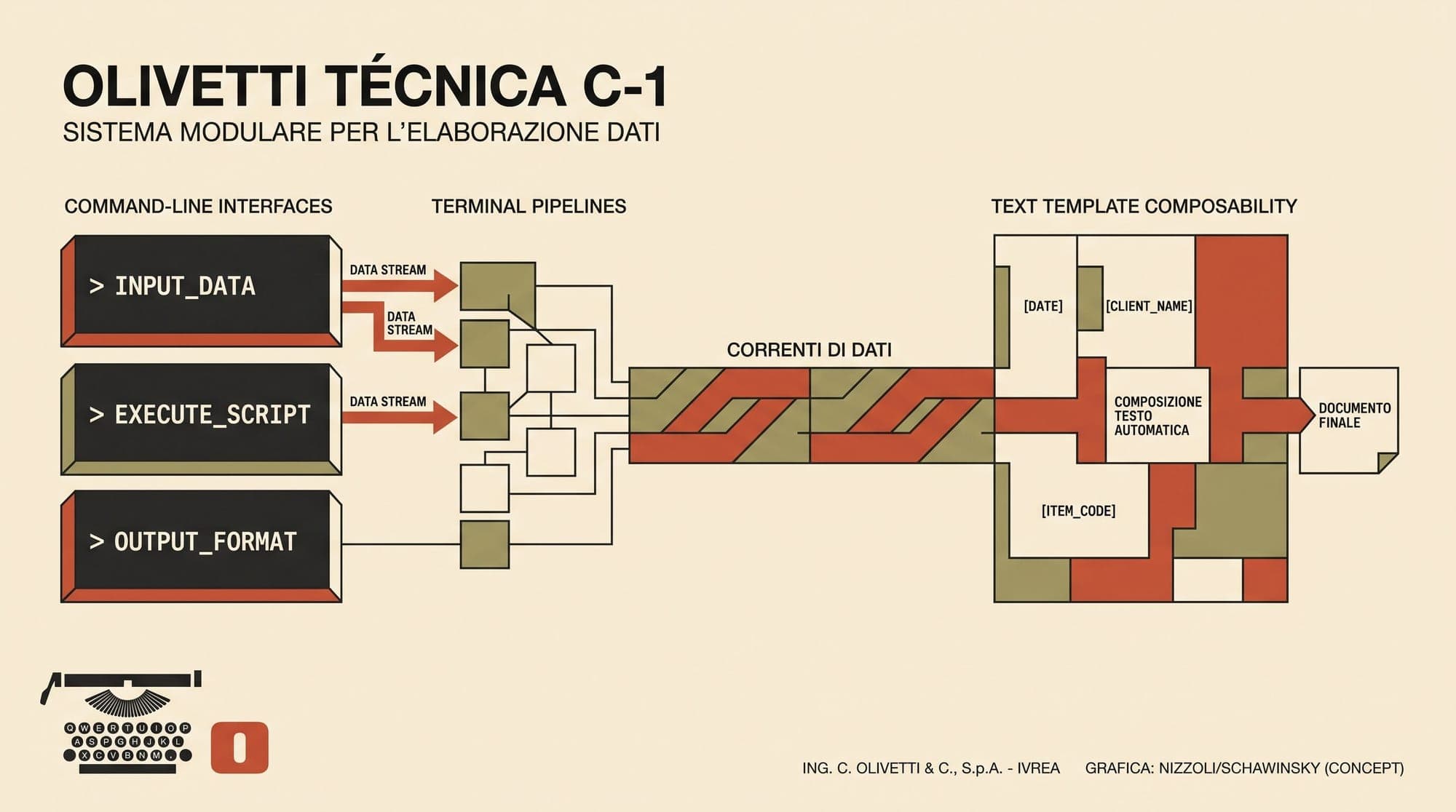
    Simon Willison has released llm 0.33, an update to the open-source command-line tool and Python library for interacting with large language models. The release introduces template composition, stateless per-call embedding credentials, and server-side tool execution visibility in logs, alongside an upgrade to the OpenAI Python 3.x client and httpx2. Template Composition and Parameter Decoupling The primary workflow enhancement in version 0.33 is the ability to repeat the -t or --template flag

    Tooling
    2 min read
  14. inclusionAI Releases Six Ling-3.0 Base Checkpoints with Warmup-Stable-and-Merge Architecture

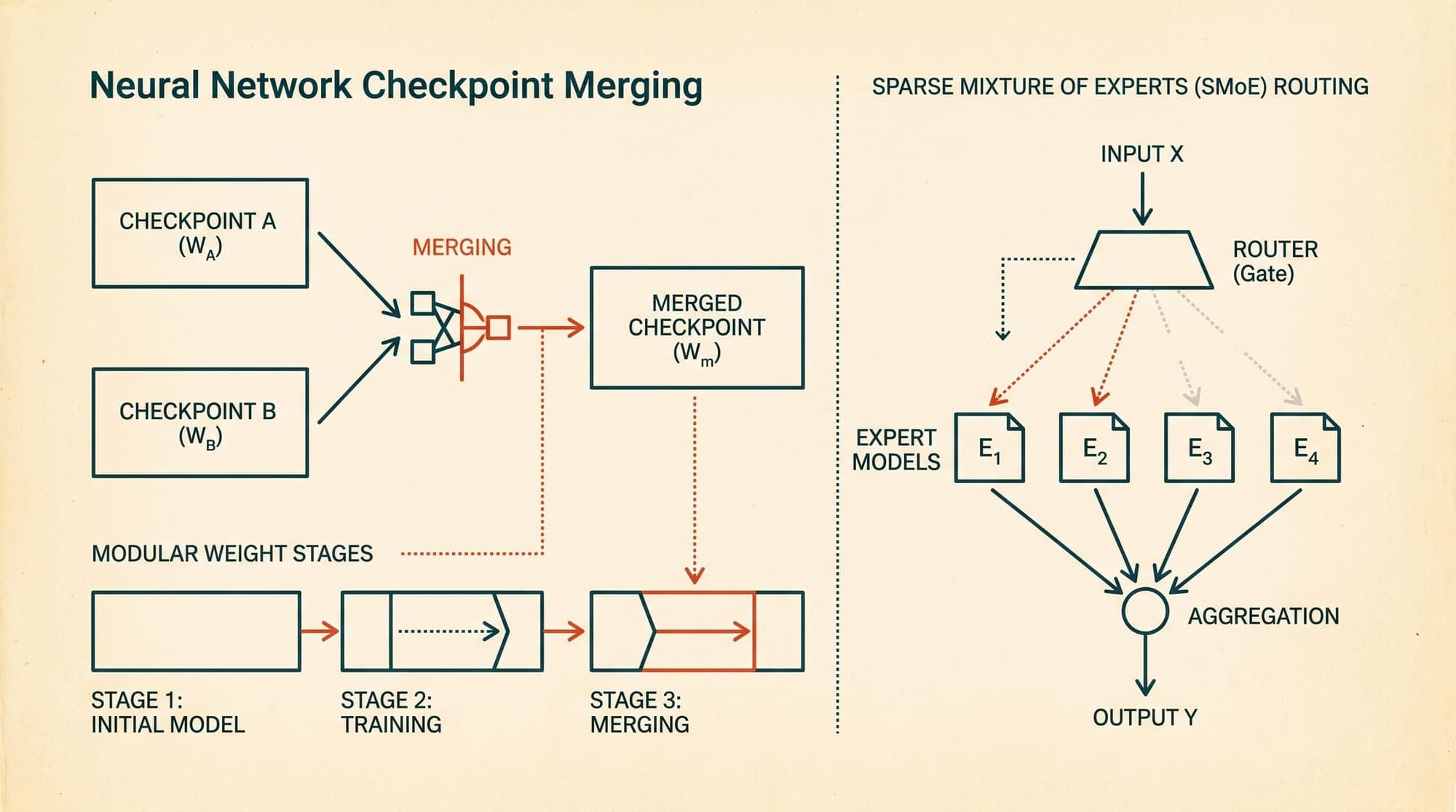
    Ant Group's AI research lab, inclusionAI, has publicly released six open-weight base checkpoints for its Ling-3.0 foundation model family under the permissive MIT license. The release spans two distinct parameter scales (Ling-3.0-flash and Ling-3.0-tiny) and captures three sequential stages of the pre-alignment training pipeline. Rather than providing solely post-trained chat models, the release provides unaligned base weights designed specifically for continued pre-training, domain-specific mi

    AI
    2 min read
  15. Anthropic Deploys Claude Mythos 5 in Security Tools, Commits $35M to Open-Source Defense Fund

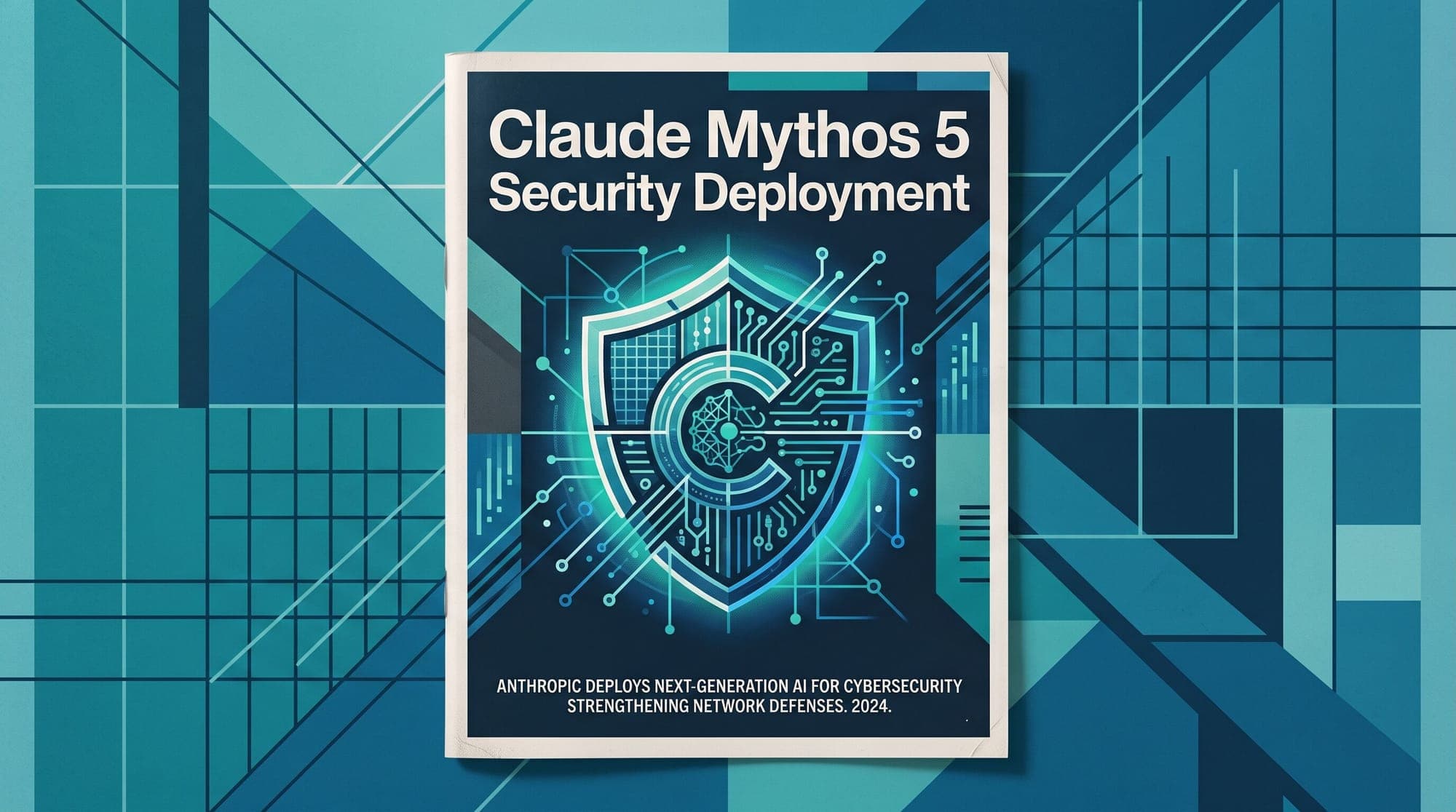
    Anthropic Deploys Claude Mythos 5 in Security Tools, Commits $35M to Open-Source Defense Fund Claude Mythos 5 is now running vulnerability scans in Claude Security for Enterprise customers, marking the third stage of Anthropic's deliberate rollout of its cyber-capable model. Anthropic announced on August 21 that Claude Mythos 5, limited to vetted security defenders since April 2026, is now available for Enterprise customers to scan codebases for vulnerabilities. The company is also launching

    AI
    2 min read
  16. Hugging Face Summer 2026 Report: Qwen Derivatives Top 150K as AI Agents Become Hub's Top Users

    Hugging Face has published its State of Open Models: Summer 2026 report, detailing seven months of platform metrics that highlight a widening divergence between benchmark attention and production deployment. According to the analysis covering January through August 2026, public model repositories on the Hub grew from 2.43 million to 2.96 million, public datasets surpassed 1 million for the first time, and Spaces expanded to 1.44 million. Despite the catalog expansion, usage remains heavily conc

    AI
    3 min read
  17. NanoClaw Launches Slack Integration for Persistent Multi-Agent Workspaces

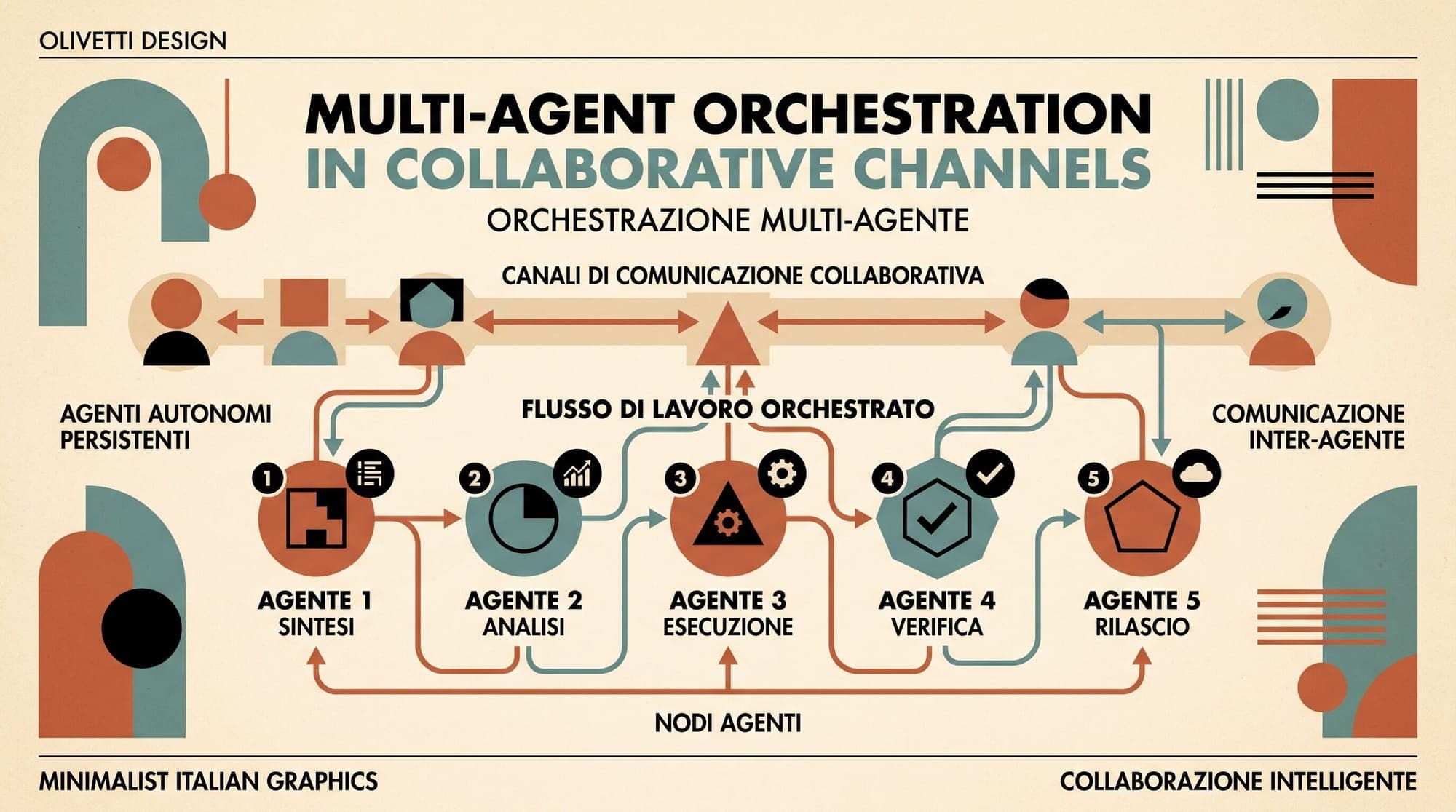
    NanoCo has released a native Slack Marketplace integration for its open-source autonomous agent harness, NanoClaw. The integration allows teams to provision persistent, multi-agent AI workforces directly within Slack channels using conversational prompts. Unlike standard single-bot integrations or ephemeral background subagents, NanoClaw assigns each newly generated agent a distinct Slack identity, complete with individual avatars, handles, permission boundaries, and dedicated memory contexts.

    AI
    2 min read
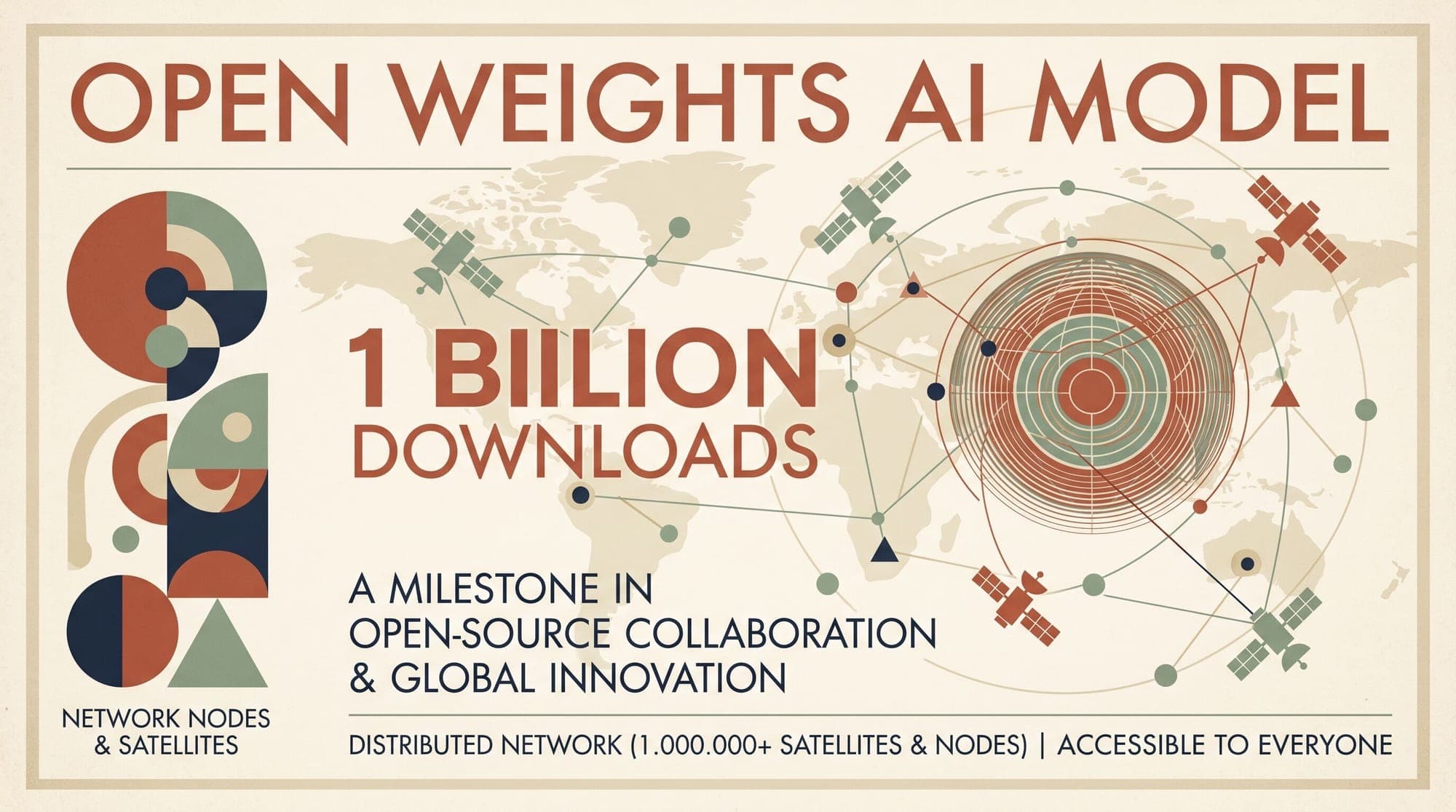
  18. Google's Gemma Open Models Pass 1 Billion Downloads as Variants Top 100,000

    Google DeepMind announced that its Gemma family of open-weight models has surpassed one billion cumulative downloads since its initial launch in early 2024. Alongside the download milestone, the laboratory reported that third-party developers have published more than 100,000 distinct fine-tuned variants and derivative architectures across community model hubs. The milestone marks the first cumulative adoption metrics released by Google for the Gemma ecosystem. To accompany the figures, Google l

    AI
    2 min read
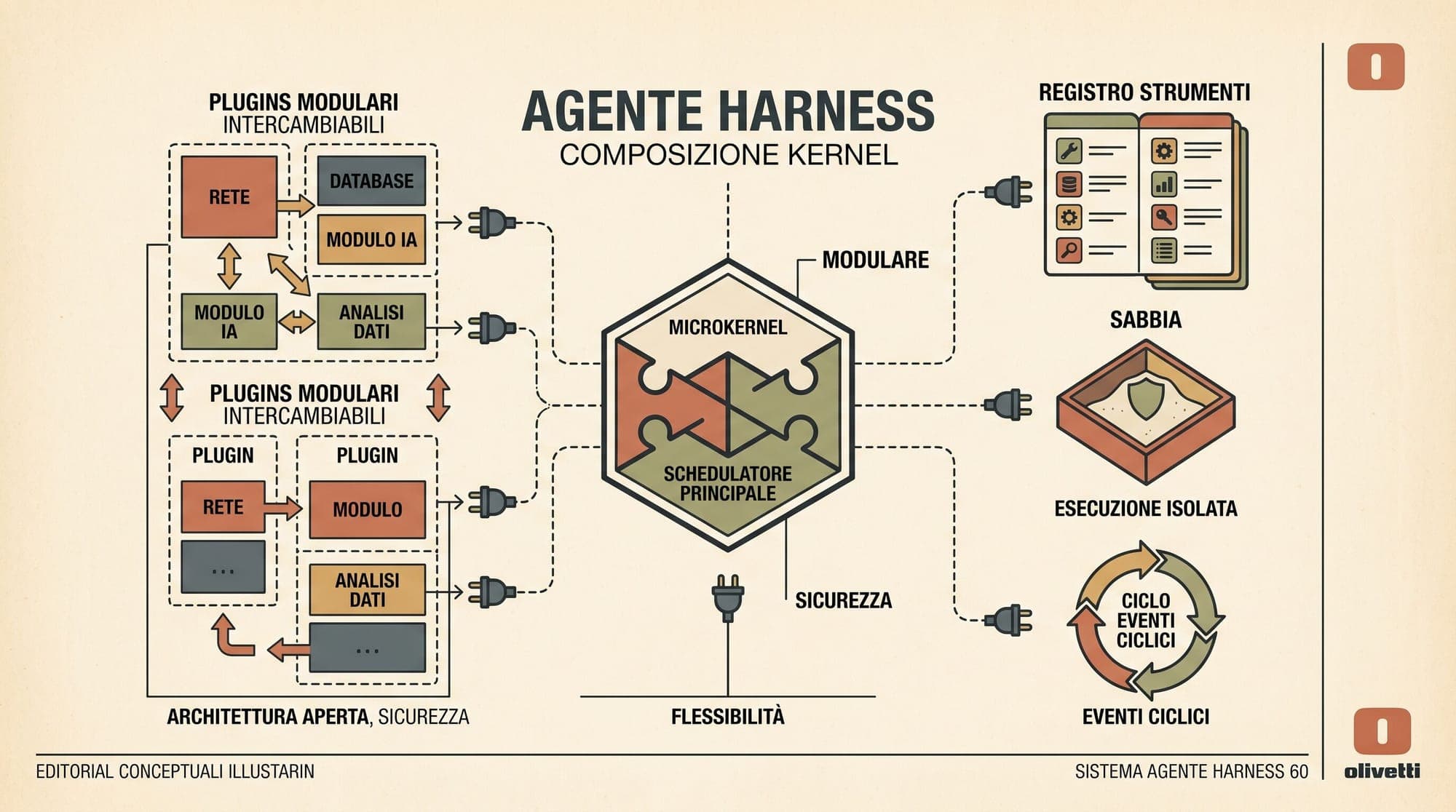
  19. DeepSeek Open-Sources DeepSeek Harness: Modular Agent Runtime Built on Cordis Plugin Framework

    DeepSeek AI has released DeepSeek Harness (dsh), an open-source agent harness built on a modular "everything is a plugin" design. Published under the MIT license on GitHub, the project provides a runtime framework where all core agent functions, including model adapters, session storage, tool registries, sandboxes, and the execution loop itself, are implemented as interchangeable, hot-swappable plugins. Rather than developing a monolithic agent runner, DeepSeek structured the system around Cord

    AI
    2 min read