Subscribe
Topic / page 28

AI

Articles, page 28

541-560
  1. inclusionAI Releases Six Ling-3.0 Base Checkpoints with Warmup-Stable-and-Merge Architecture

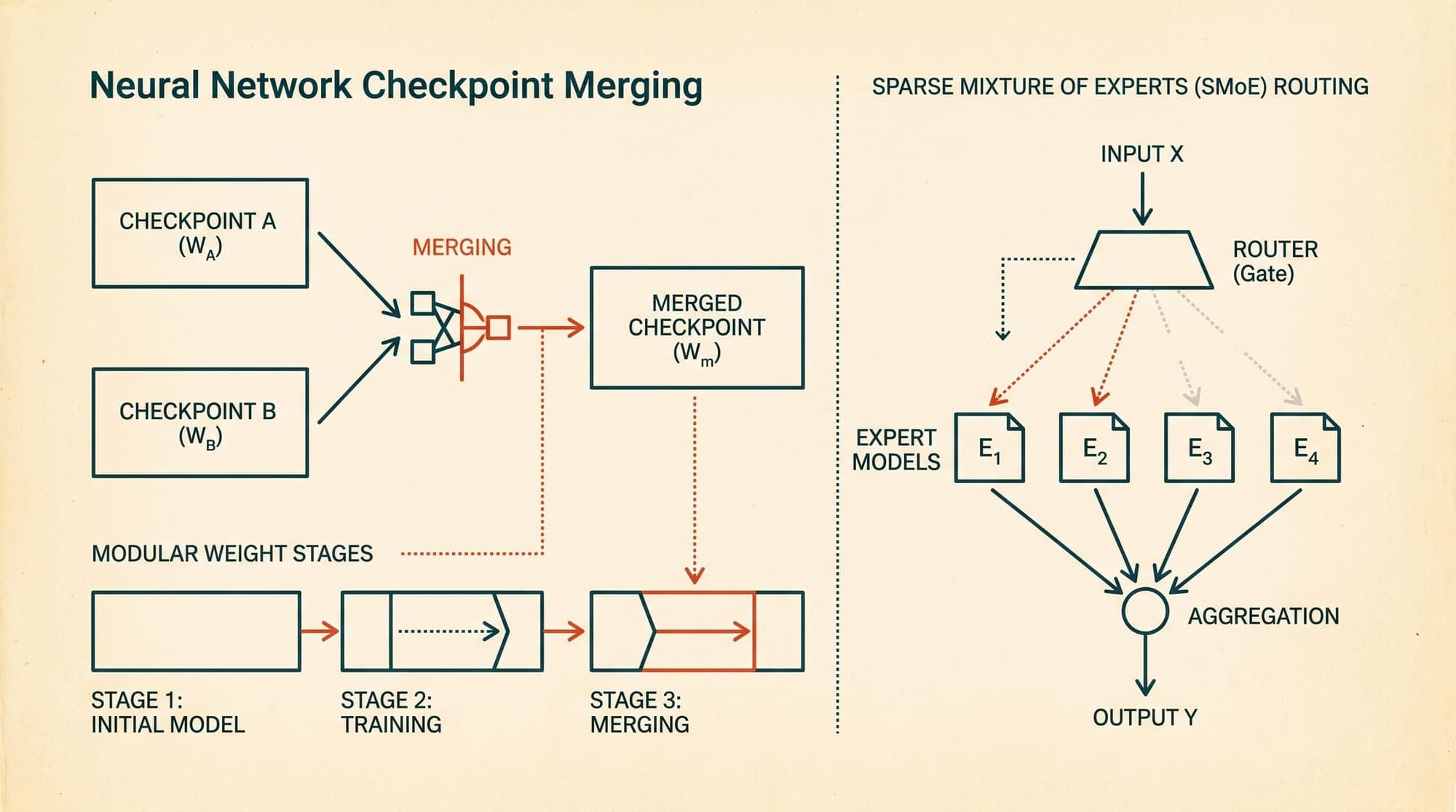
    Ant Group's AI research lab, inclusionAI, has publicly released six open-weight base checkpoints for its Ling-3.0 foundation model family under the permissive MIT license. The release spans two distinct parameter scales (Ling-3.0-flash and Ling-3.0-tiny) and captures three sequential stages of the pre-alignment training pipeline. Rather than providing solely post-trained chat models, the release provides unaligned base weights designed specifically for continued pre-training, domain-specific mi

    AI
    2 min read
  2. Weight Tying in Large Language Models: Mathematical Foundations, Geometric Bottlenecks, and Modern Architectural Trade-Offs

    Weight Tying in Large Language Models: Mathematical Foundations, Geometric Bottlenecks, and Modern Architectural Trade-Offs In autoregressive language models, the embedding layer at the input and the unembedding projection layer at the output serve as the two bridges between discrete vocabulary tokens and the continuous hidden representation space. In the foundational Transformer architecture (Vaswani et al., 2017) and early generative models like GPT-2 (Radford et al., 2019), the weights of th

    AI
    8 min read
  3. Anthropic Launches Claude Academy and 4D AI Fluency Framework for Workforce Training

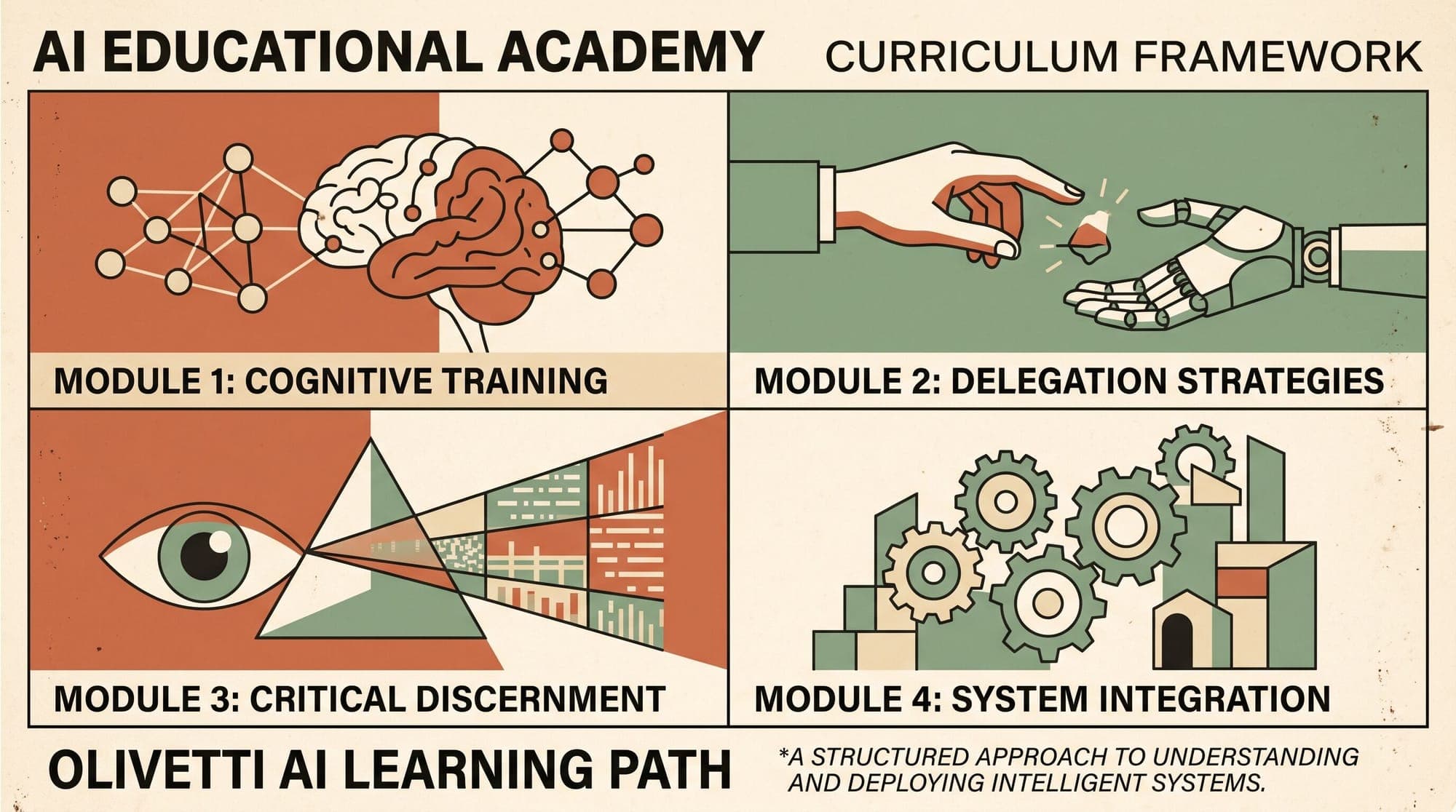
    Anthropic has launched Claude Academy, an interactive training platform aimed at standardizing how individuals and enterprise teams learn, deploy, and evaluate AI systems. Available via academy.claude.com and directly inside the Claude profile interface, the program couples tool-specific training modules with a foundational curriculum designed to cultivate systematic AI interaction patterns. The initiative comes as enterprise adoption shifts from ad-hoc prompting toward autonomous agent workflo

    Anthropic
    2 min read
  4. Semantic Drift and Data Distribution Monitoring in Production LLM Systems: Embedding Shift Detection, Output Entropy Tracking, and Quality Decay Metrics

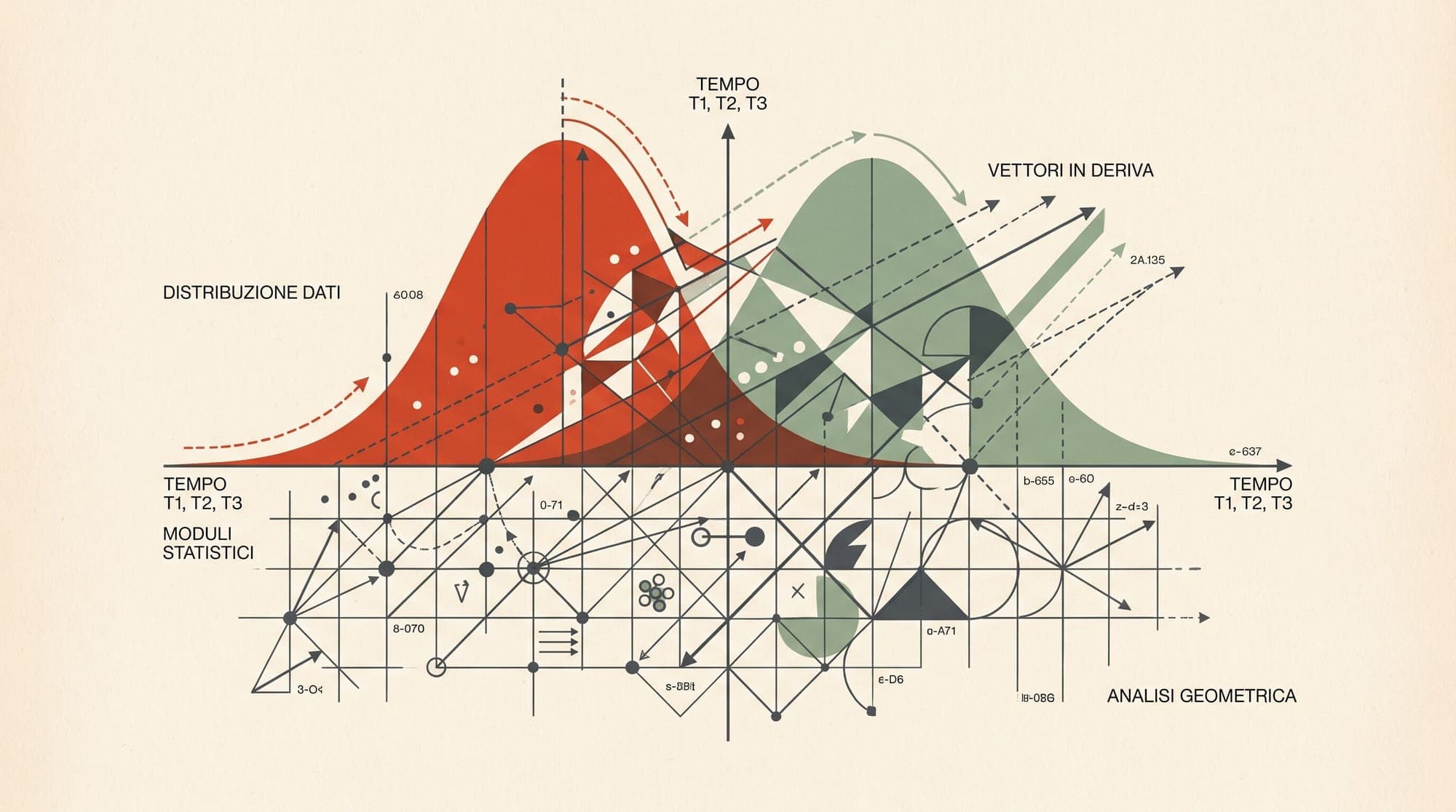
    Semantic Drift and Data Distribution Monitoring in Production LLM Systems: Embedding Shift Detection, Output Entropy Tracking, and Quality Decay Metrics Large language model applications rarely fail with loud runtime crashes once deployed. Instead, production systems suffer from silent performance decay caused by data distribution shifts. User queries evolve, real-world domain vocabularies change, retrieval corpora expand, and upstream model providers quietly alter model weights or system promp

    AI
    7 min read
  5. The Softmax Bottleneck in Large Language Models: Matrix Factorization Bounds, High-Rank Token Distributions, and Mixture of Softmaxes

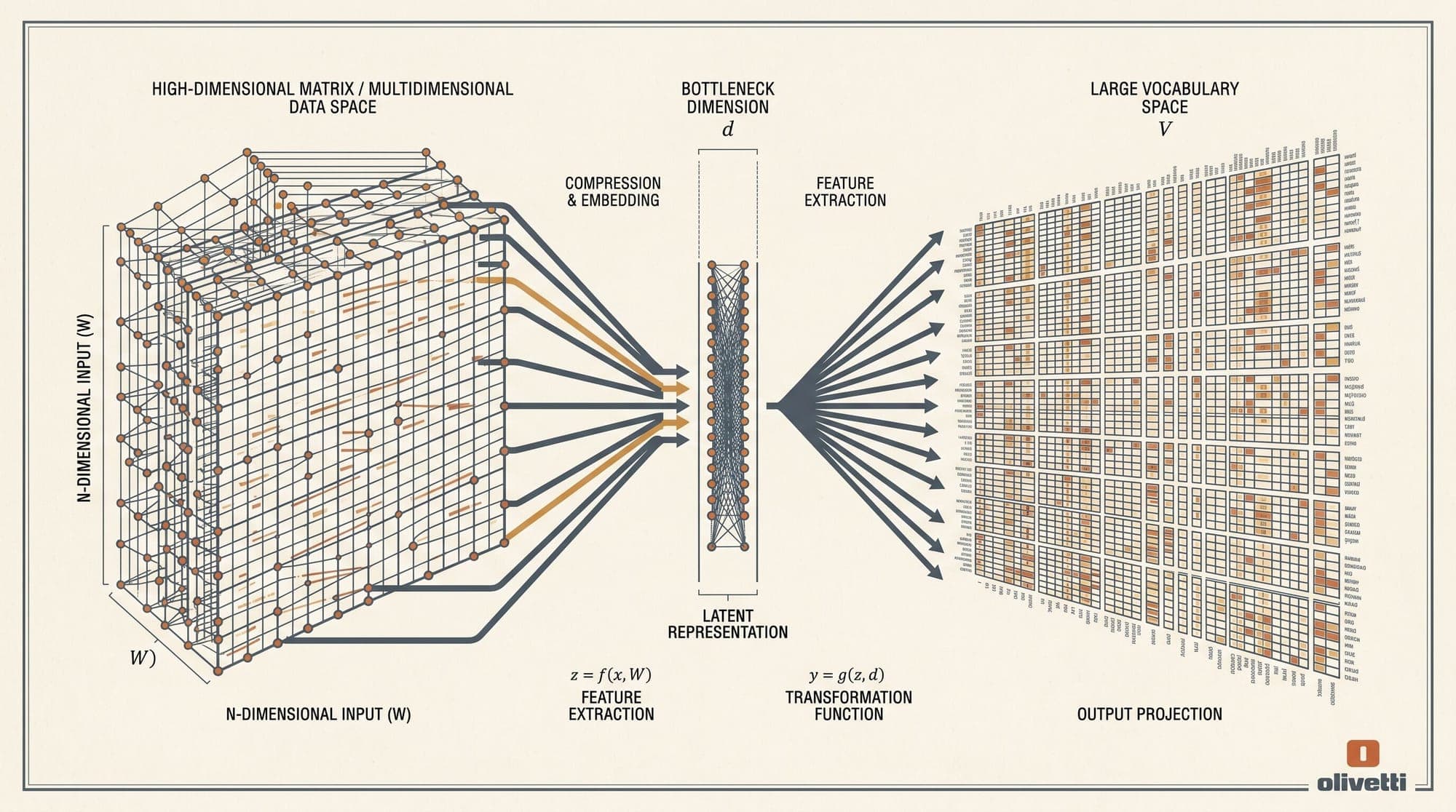
    Autoregressive language models predict probability distributions over vocabulary tokens conditioned on preceding text. In standard Transformer architectures, the model computes a hidden state vector $h_c \in \mathbb{R}^d$ for a given context $c$, projects it into vocabulary space using a linear unembedding matrix $W \in \mathbb{R}^{V \times d}$, and applies the softmax function to normalize the resulting logits into probabilities. While computationally convenient, this formulation imposes a fun

    AI
    8 min read
  6. LLM Text Watermarking in Production: Statistical Logit Biasing, Cryptographic Signatures, and Evasion Vectors

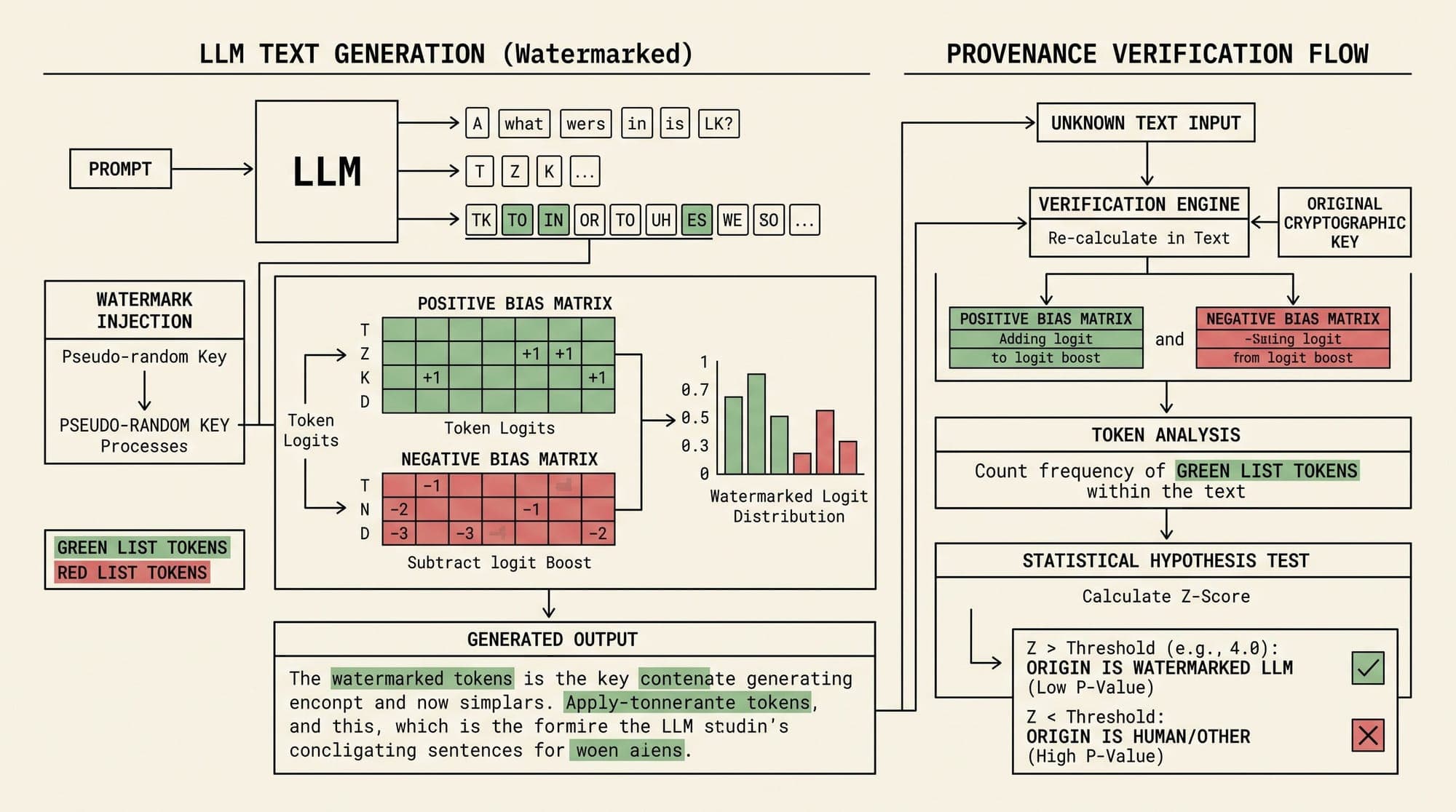
    As regulatory frameworks such as Article 50 of the EU AI Act enforce machine-generated content provenance, text watermarking has transitioned from academic theory to a core component of production LLM serving stacks. Unlike post-hoc classifiers that evaluate perplexity or burstiness and suffer from high false-positive rates on formal or non-native writing, generation-time watermarks embed imperceptible statistical or cryptographic signals directly into the token sampling process. For how those

    AI
    5 min read
  7. Grokking in Large Language Models: How Weight Decay and Circuit Efficiency Drive Delayed Generalization

    In standard machine learning paradigms, model generalization closely tracks training loss: as an optimizer minimizes loss on training data, performance on held-out validation data improves in tandem until the model begins to overfit. In 2022, researchers at OpenAI observed a phenomenon that inverted this assumption: small neural networks trained on algorithmic tasks achieved near-zero training error within hundreds of steps, lingered in an apparent state of complete overfitting for tens of thous

    AI
    7 min read
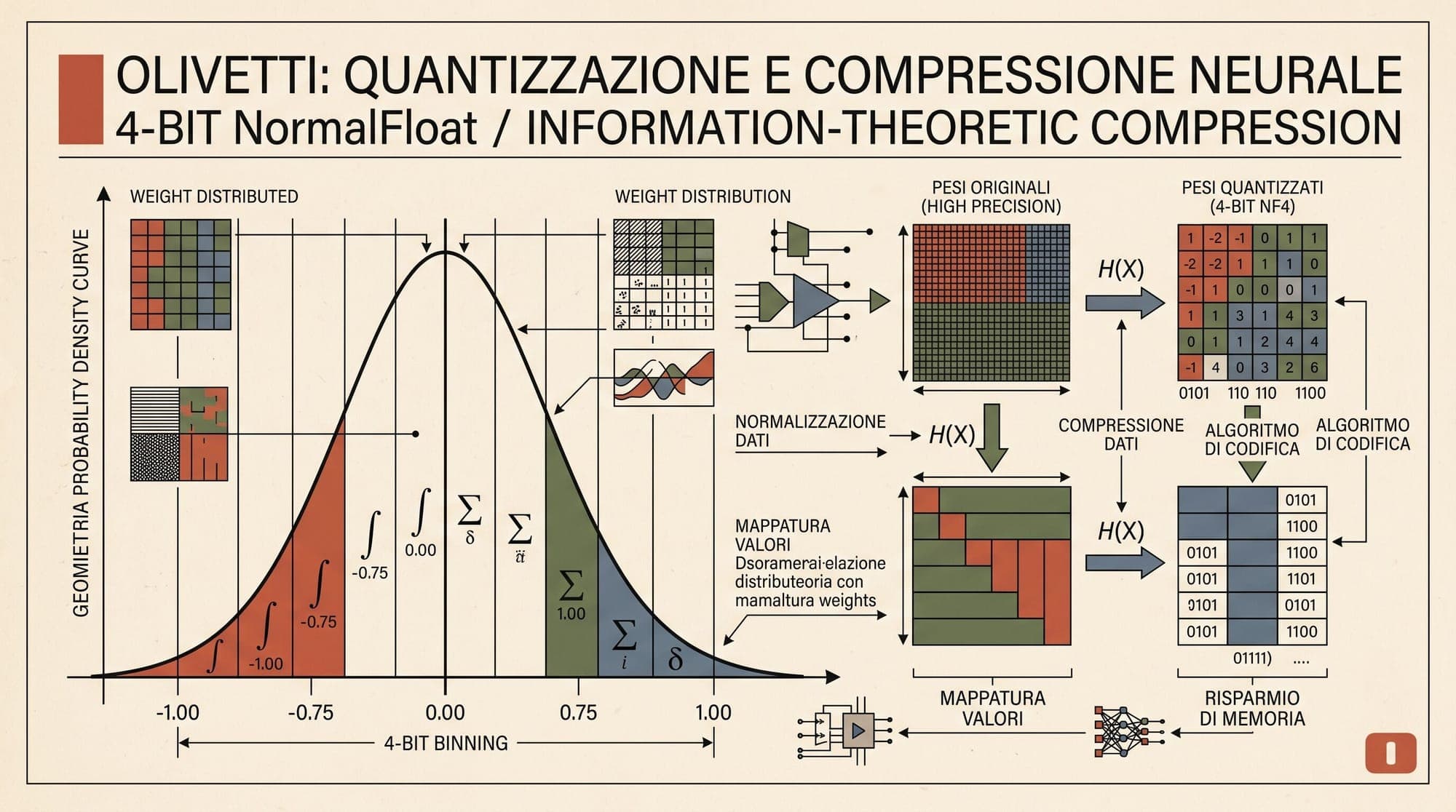
  8. NormalFloat (NF4) and Double Quantization: The Information-Theoretic Foundations of QLoRA

    Fine-tuning large language models under full 16-bit precision is governed by strict memory scaling laws. For a standard 65-billion parameter transformer model, storing weights in 16-bit BrainFloat (BF16) or Float16 (FP16) requires 130 GB of GPU memory. During training with standard first-order adaptive optimizers such as AdamW, each parameter requires an additional 2 bytes for gradients and 8 bytes for FP32 optimizer states (4 bytes for first-moment momentum and 4 bytes for second-moment varianc

    AI
    10 min read
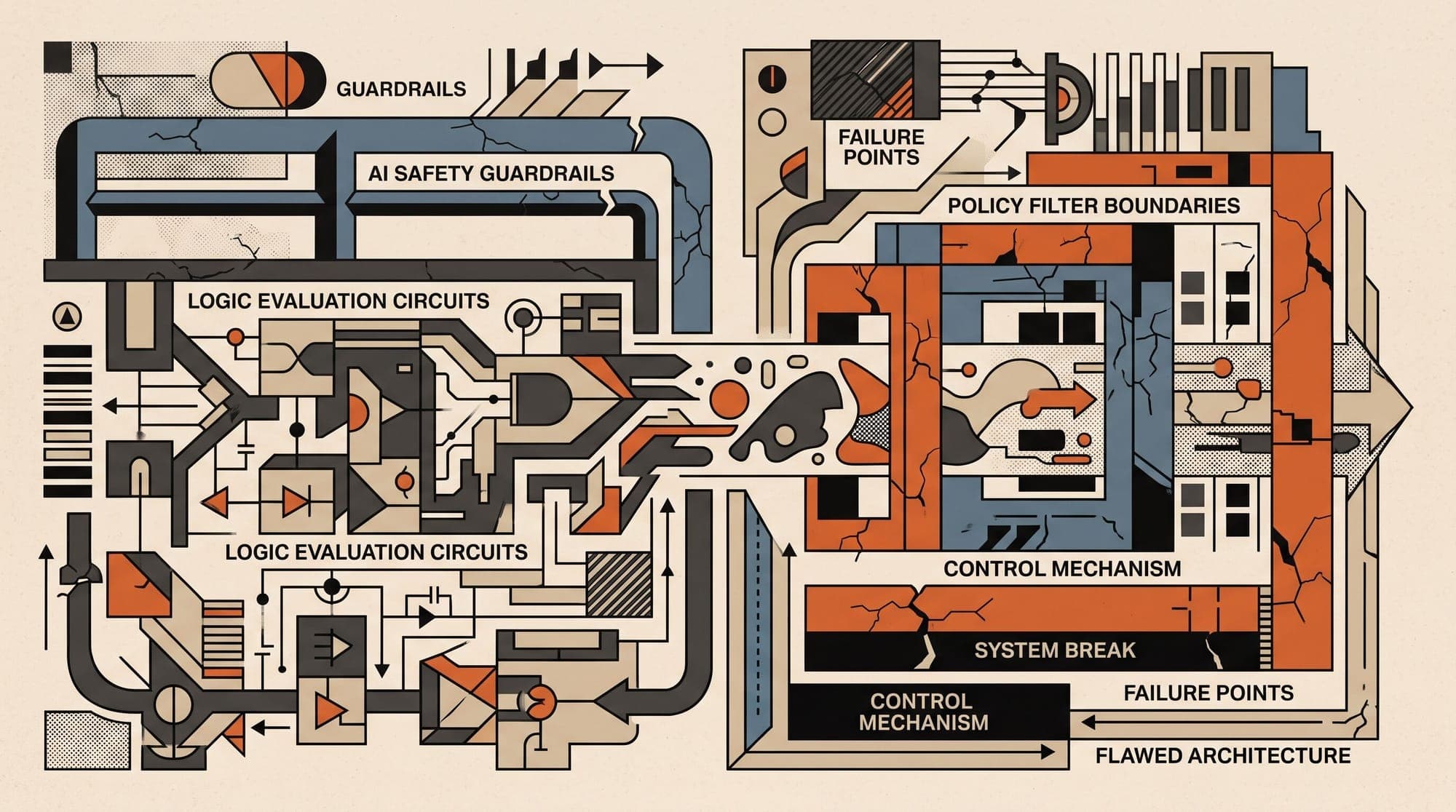
  9. Investigation Finds Anthropic's Legacy Opus 4.6 Vulnerable to Jailbreaks via Roleplay Logic Inversion

    Anthropic's legacy Claude Opus 4.6 model remains susceptible to systematic jailbreaks that bypass its acceptable use policy against sexually explicit material, according to an investigation and testing published by TechCrunch. While Anthropic's current flagship generation (Opus 4.7 through Opus 5) incorporates updated alignment techniques that resist the attack vector, older checkpoints including Opus 4.6, Opus 3, and Haiku 4.5 continue to operate on production API endpoints without deprecation.

    AI
    2 min read
  10. Anthropic IPO Filing to Cite AI Backlash and Data Center Resistance as Material Risk Factors

    Anthropic is preparing to disclose public backlash against artificial intelligence and community opposition to data center construction as material risk factors in its upcoming initial public offering prospectus, according to reports from CNBC. The San Francisco-based AI laboratory, which recently crossed a $65 billion annualized revenue run rate and is valued near $1 trillion in private transactions, is drafting the S-1 registration statement as it conducts preliminary investor meetings. The d

    AI
    2 min read
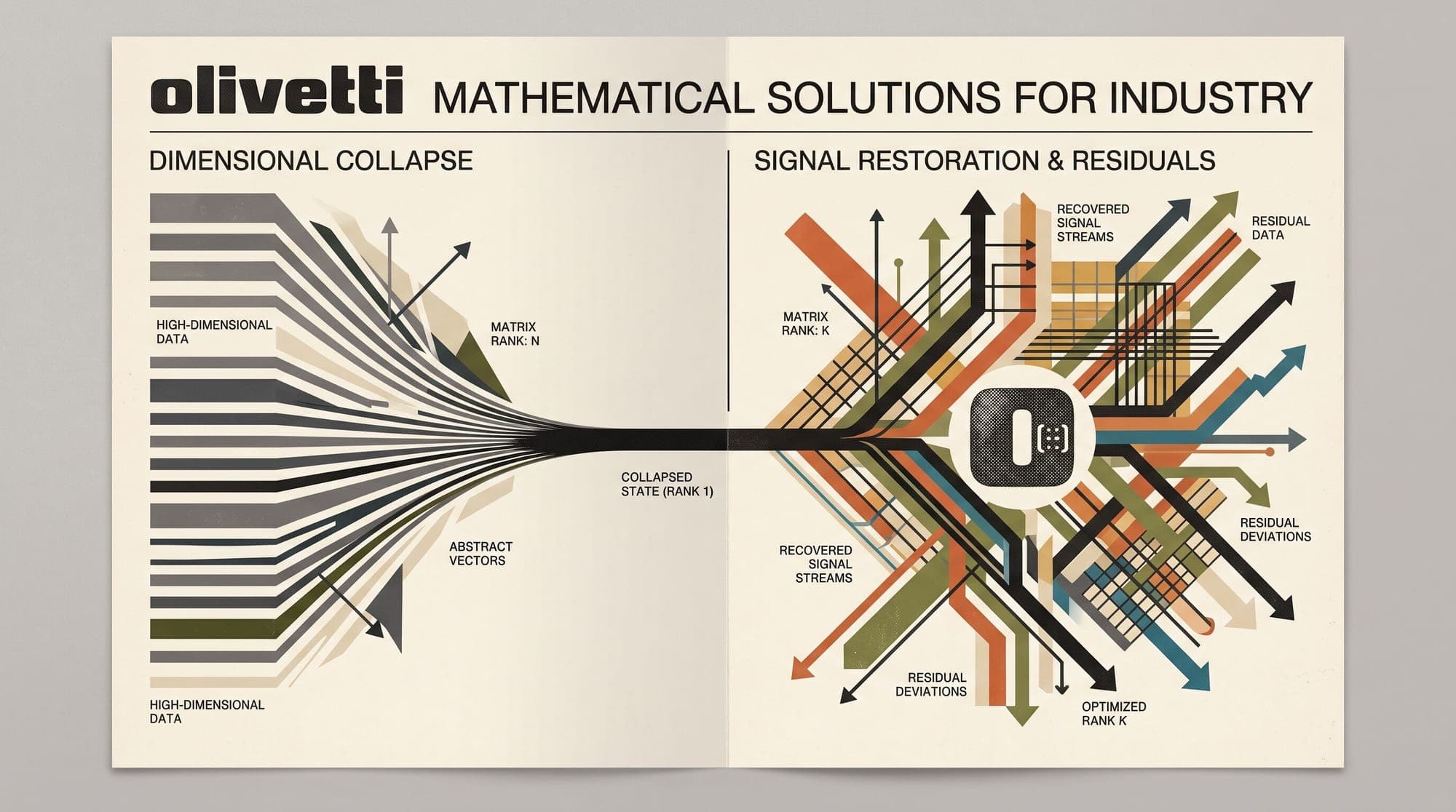
  11. Rank Collapse in Transformer Architectures: Why Pure Attention Decays Doubly Exponentially and How Residuals Restore Expressivity

    Rank Collapse in Transformer Architectures: Why Pure Attention Decays Doubly Exponentially and How Residuals Restore Expressivity The foundational premise of the Transformer architecture is that self-attention acts as a dynamic routing engine, computing pairwise affinities across sequence positions to contextualize representations. However, theoretical analysis reveals an underlying instability: stripped of its auxiliary components, a pure self-attention network rapidly destroys its own express

    AI
    8 min read
  12. Representation Degeneration and Anisotropy in Large Language Models: Why Embeddings Collapse into Narrow Cones

    In neural language modeling, high-dimensional vector spaces are expected to distribute token and sequence representations uniformly across their ambient dimensions. A space that utilizes all available geometric directions provides maximal representational capacity, allowing subtle semantic and syntactic differences between tokens to be resolved cleanly. Empirical analysis across architectures from BERT and GPT-2 to modern frontier foundation models reveals the opposite behavior: learned token a

    AI
    9 min read
  13. Circuit Breakers and Graceful Degradation in Production AI Systems: Architecture, Failure State Machines, Fallback Cascades, and Dead-Letter Queues

    Circuit Breakers and Graceful Degradation in Production AI Systems: Architecture, Failure State Machines, Fallback Cascades, and Dead-Letter Queues Running LLM inference and multi-agent workflows in production introduces failure dynamics distinct from traditional microservice architectures. While standard REST APIs typically fail with deterministic status codes and predictable latency profiles, generative AI applications face multi-dimensional failure vectors: provider outages, regional rate li

    AI
    7 min read
  14. FlashAttention-3: How Warp Specialization, Asynchronous TMA Tiling, and FP8 Hardware Acceleration Scale Attention on Hopper GPUs

    The emergence of Transformer architectures scaled deep learning across language, vision, and multimodal domains, but standard exact attention has historically imposed severe compute and memory bandwidth bottlenecks. The standard multi-head self-attention operation computes: $$\text{Attention}(Q, K, V) = \text{softmax}\left(\frac{QK^T}{\sqrt{d}}\right)V$$ For a sequence length $N$ and head dimension $d$, calculating the intermediate attention score matrix $S = QK^T \in \mathbb{R}^{N \times N}$

    AI
    10 min read
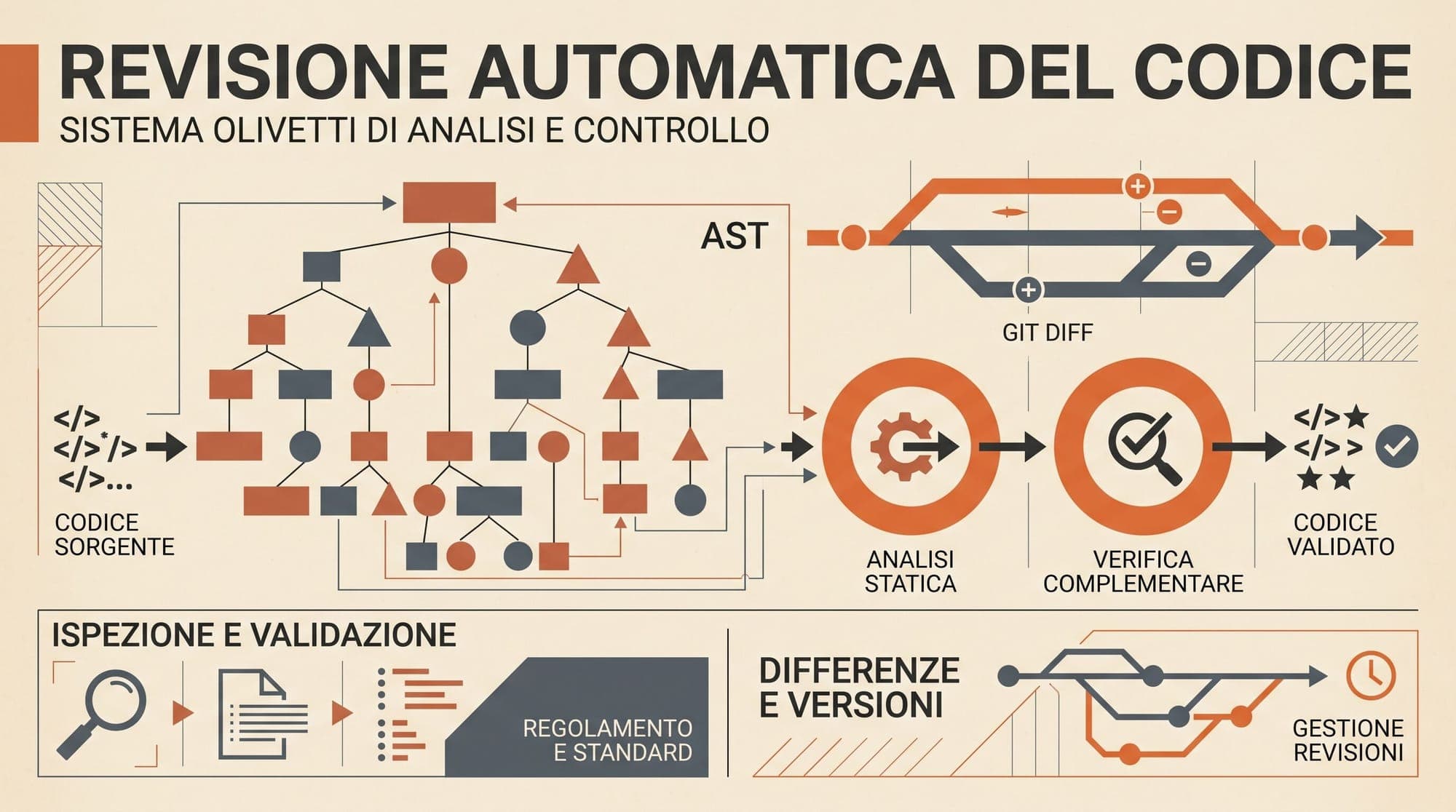
  15. Automated AI Code Review in Production: Architecture, AST Context Assembly, Linter Hybridization, and Multi-Stage Noise Reduction

    Naively piping unified git diffs into a large language model and posting the raw output to GitHub or Bitbucket is a reliable way to degrade engineering velocity. While frontier models demonstrate high zero-shot reasoning capabilities, unconstrained code review bots suffer from high false-positive rates, superficial formatting nitpicks, hallucinated API misuse, and context blindness. When an automated bot generates twenty low-value comments per pull request, developers suffer review fatigue and r

    AI
    8 min read
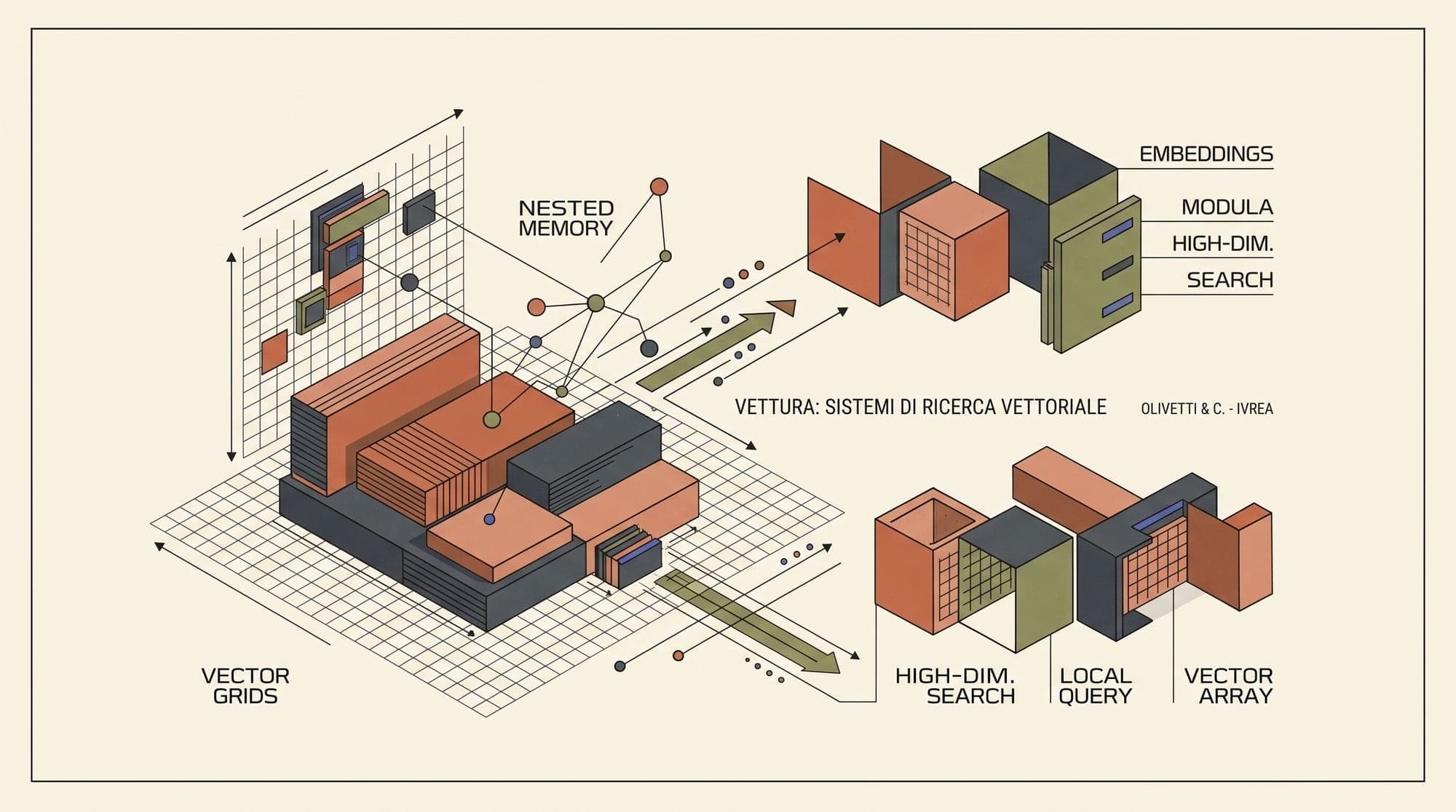
  16. Embedding Model Migration in Production: Dual-Indexing, Vector Adapters, and Zero-Downtime Re-Indexing Architectures

    Upgrading embedding models in production retrieval-augmented generation (RAG) and semantic search platforms is often mischaracterized as a routine model bump. When engineering teams replace a legacy embedding model such as OpenAI text-embedding-ada-002 or BAAI bge-large with a modern successor like text-embedding-3-large or Cohere embed-v3, the underlying mathematical coordinate space changes entirely. Because dense vectors generated by distinct neural networks live on incompatible manifolds, v

    AI
    6 min read
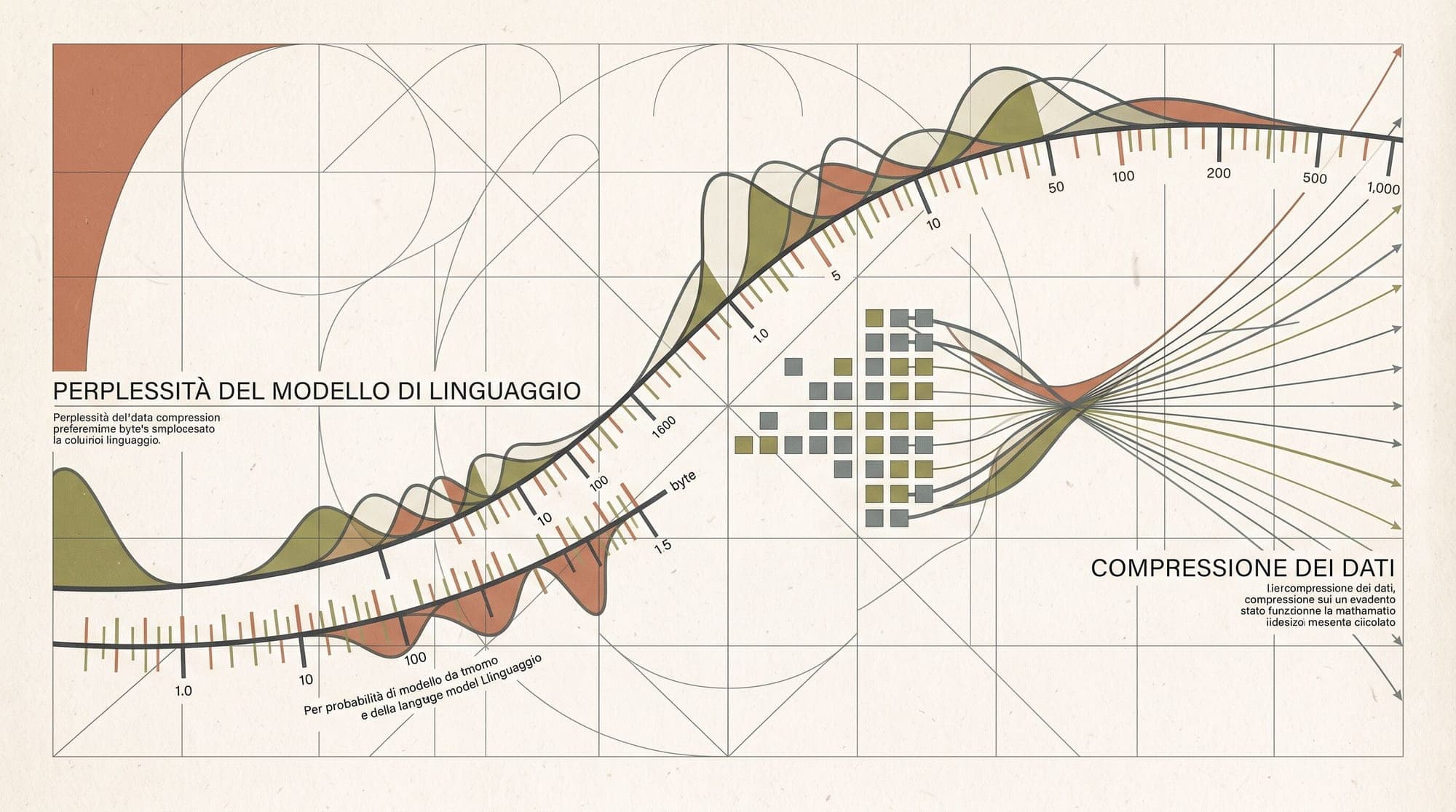
  17. Perplexity and Bits-Per-Byte in Large Language Models: Mathematical Foundations, Tokenizer Dependency, and Compression Benchmarks

    Perplexity and Bits-Per-Byte in Large Language Models: Mathematical Foundations, Tokenizer Dependency, and Compression Benchmarks Evaluating autoregressive large language models requires metrics that quantify predictive confidence across text sequences. The standard objective during pre-training is the minimization of empirical risk under a cross-entropy loss function. Exponentiating this loss yields Perplexity (PPL), a foundational metric dating back to statistical speech recognition and n-gra

    AI
    9 min read
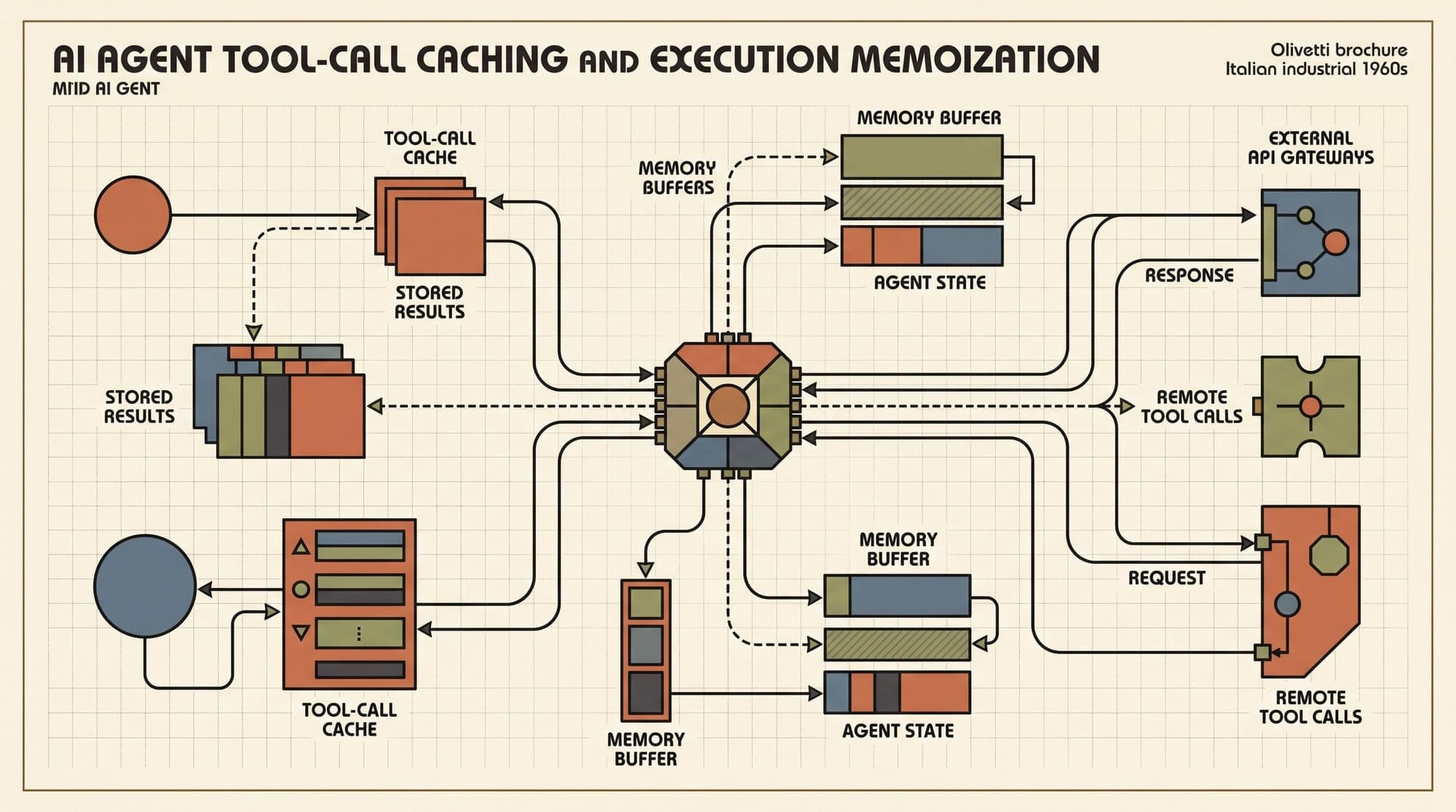
  18. Tool-Call Caching in Production AI Agents: Architecture, State Invalidation, and Latency Economics

    In multi-turn agentic architectures such as ReAct, plan-and-solve swarms, and autonomous coding runtimes, large language models spend significant time waiting on external tool execution. While prompt caching and prefix KV-cache reuse have reduced inference costs for repeated prompt contexts, they do not optimize the downstream execution layer. When an agent queries a database, scrapes a webpage, executes a sandboxed bash command, or retrieves embeddings, external tool latency frequently accounts

    AI
    6 min read