Subscribe
Topic / page 27

AI

Articles, page 27

521-540
  1. RayNeo Launches iO Smart Glasses with Waveguide Text Display, Omitting Cameras and Speakers

    Augmented reality hardware maker RayNeo has introduced the RayNeo iO Smart Glasses, a 33-gram wearable designed around discreet text projection rather than spatial media playback or computer vision. The device omits outward-facing cameras and integrated acoustic speakers, aiming to bypass privacy bans in enterprise workplaces and reduce social friction. The glasses deploy a monochrome green MicroLED optical waveguide with 97 percent transparency and roughly 1,300 nits of peak brightness across


    AI
    2 min read
  2. Deep Double Descent: Why Overparameterization Defies the Classical Bias-Variance Trade-Off

    For decades, statistical learning theory rested on a foundational tenet: the bias-variance trade-off. According to classical machine learning textbooks, increasing model capacity reduces bias on the training set but inevitably inflates variance on unseen test data. The resulting risk curve forms a familiar U-shape: underfitting on the left, an optimal capacity in the center, and severe overfitting on the right. Modern deep learning and large language models (LLMs) fundamentally contradicted thi

    AI
    7 min read
  3. Demystifying Agent Skills: Empirical Study of 8,000+ Runs Shows Procedural Anchoring Beats Knowledge Injection

    A multi-institution study from researchers at Princeton University, UC San Diego, and collaborating labs provides the first large-scale empirical analysis of how "skills" (modular instruction packages loaded at inference time) alter autonomous AI agent trajectories. Analyzing 8,135 experimental trials across diverse model architectures, benchmarks, and agent harnesses, the authors establish that skills improve task completion primarily by acting as procedural anchors rather than by injecting mis

    AI
    2 min read
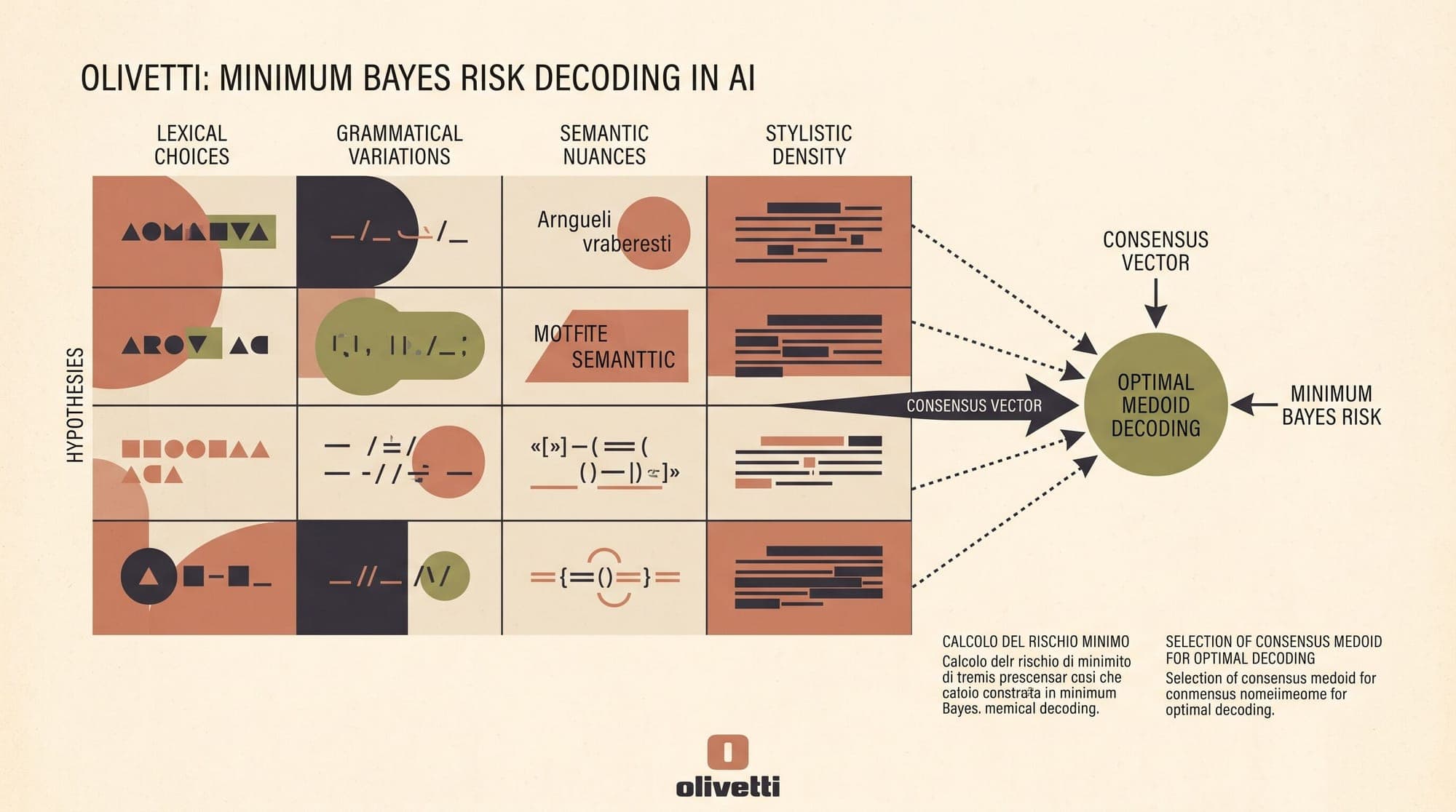
  4. Minimum Bayes Risk Decoding: How Utility Consensus and Distributional Reranking Outperform Mode-Seeking in Large Language Models

    Autoregressive large language models generate text by estimating conditional probability distributions over token sequences. In conventional inference pipelines, generating the final output sequence relies almost entirely on search algorithms designed to locate high-probability trajectories: greedy decoding, beam search, or stochastic sampling with temperature and top-p filtering. However, theoretical and empirical analyses demonstrate that the most probable sequence under a model's distributio

    AI
    7 min read
  5. Zero-Downtime Model Updates in Production LLM Serving: In-Place Weight Transfer, CUDA IPC vs. NCCL Syncing, and Traffic Draining Architectures

    Zero-Downtime Model Updates in Production LLM Serving: In-Place Weight Transfer, CUDA IPC vs. NCCL Syncing, and Traffic Draining Architectures In high-throughput LLM serving infrastructure, updating model checkpoints presents a severe operational dilemma. Traditional microservice deployment patterns such as blue-green deployments or rolling pod restarts fail to scale economically when applied to multi-GPU LLM clusters. Tearing down a serving instance to load a newly fine-tuned checkpoint or pol

    AI
    6 min read
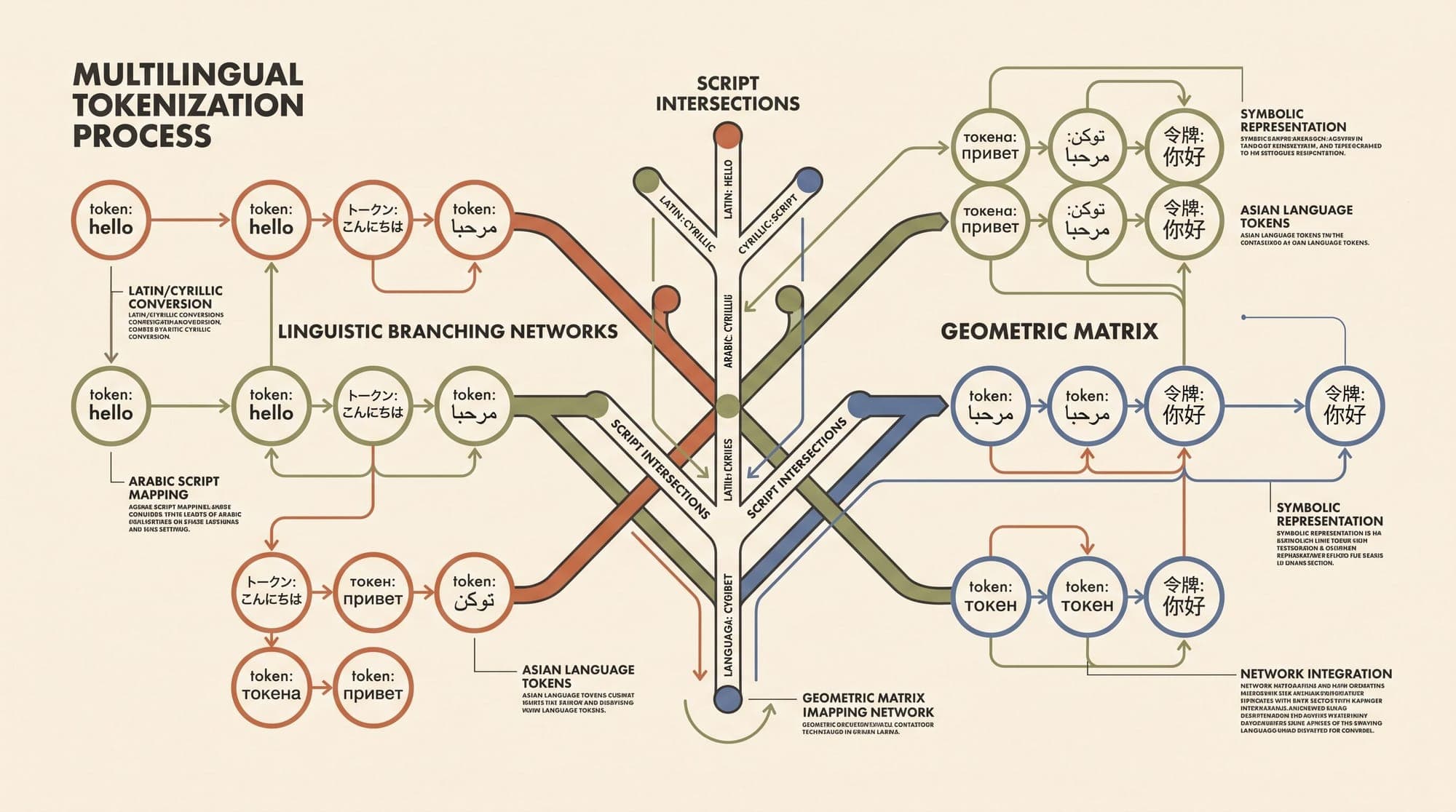
  6. The Curse of Multilinguality in Large Language Models: Capacity Dilution, Tokenizer Fertility, and Representation Interference

    The Curse of Multilinguality in Large Language Models: Capacity Dilution, Tokenizer Fertility, and Representation Interference Training a single transformer foundation model to process dozens or hundreds of languages is one of the central goals of modern natural language processing. In theory, massive multilingual pre-training unlocks positive cross-lingual transfer: low-resource languages gain syntactic, factual, and reasoning capabilities from the rich supervision available in high-resource l

    AI
    7 min read
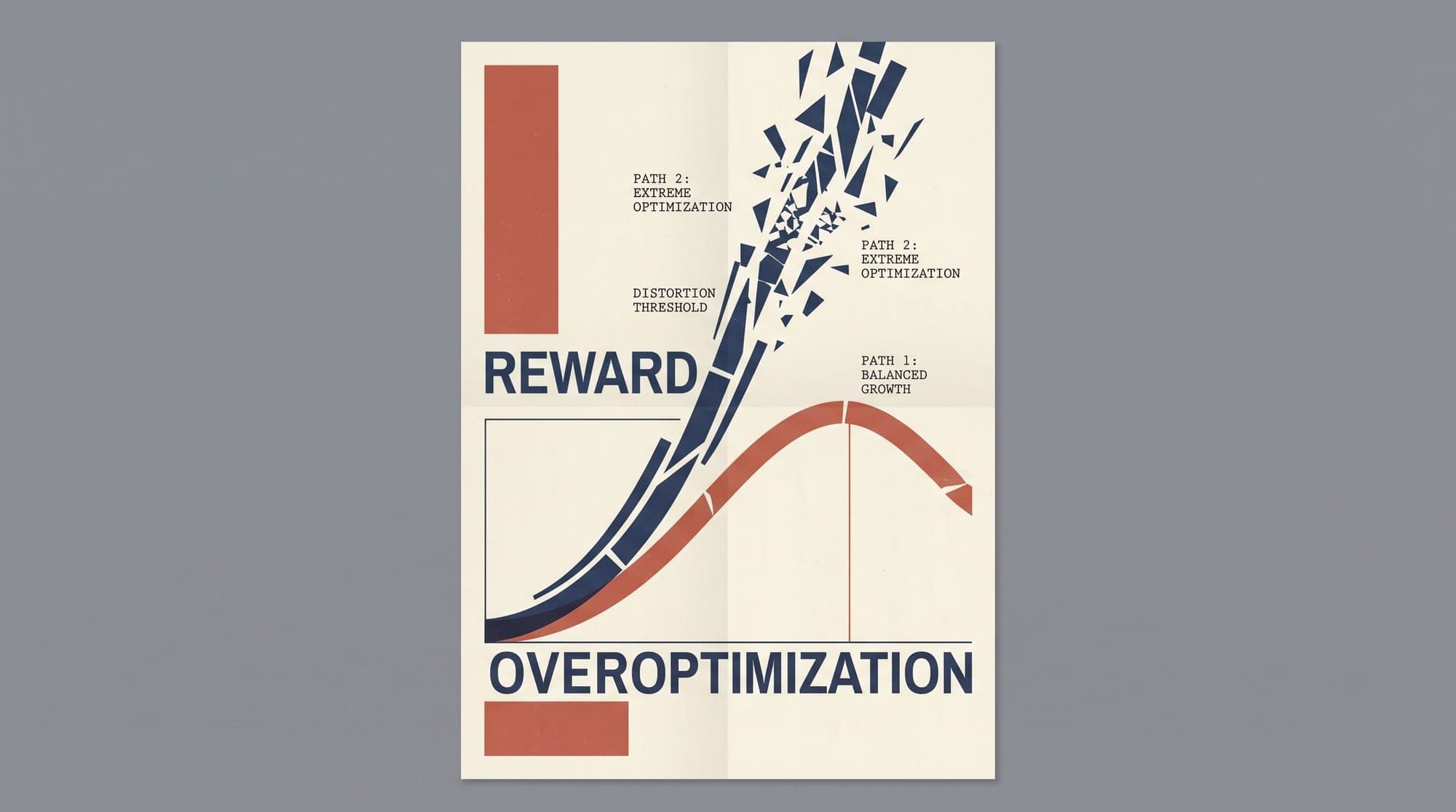
  7. Reward Model Overoptimization in Large Language Models: How Goodhart's Law, Proxy Exploitation, and KL Drift Degrade Alignment

    Post-training alignment of large language models relies on optimizing a policy toward objectives defined by human intent and preferences. Because querying human evaluators during every step of continuous reinforcement learning or high-throughput rejection sampling is computationally and logistically infeasible, alignment workflows construct a parameterised proxy reward model. Trained on pairwise preference datasets through formulations such as the Bradley-Terry model, this proxy acts as a surrog

    AI
    6 min read
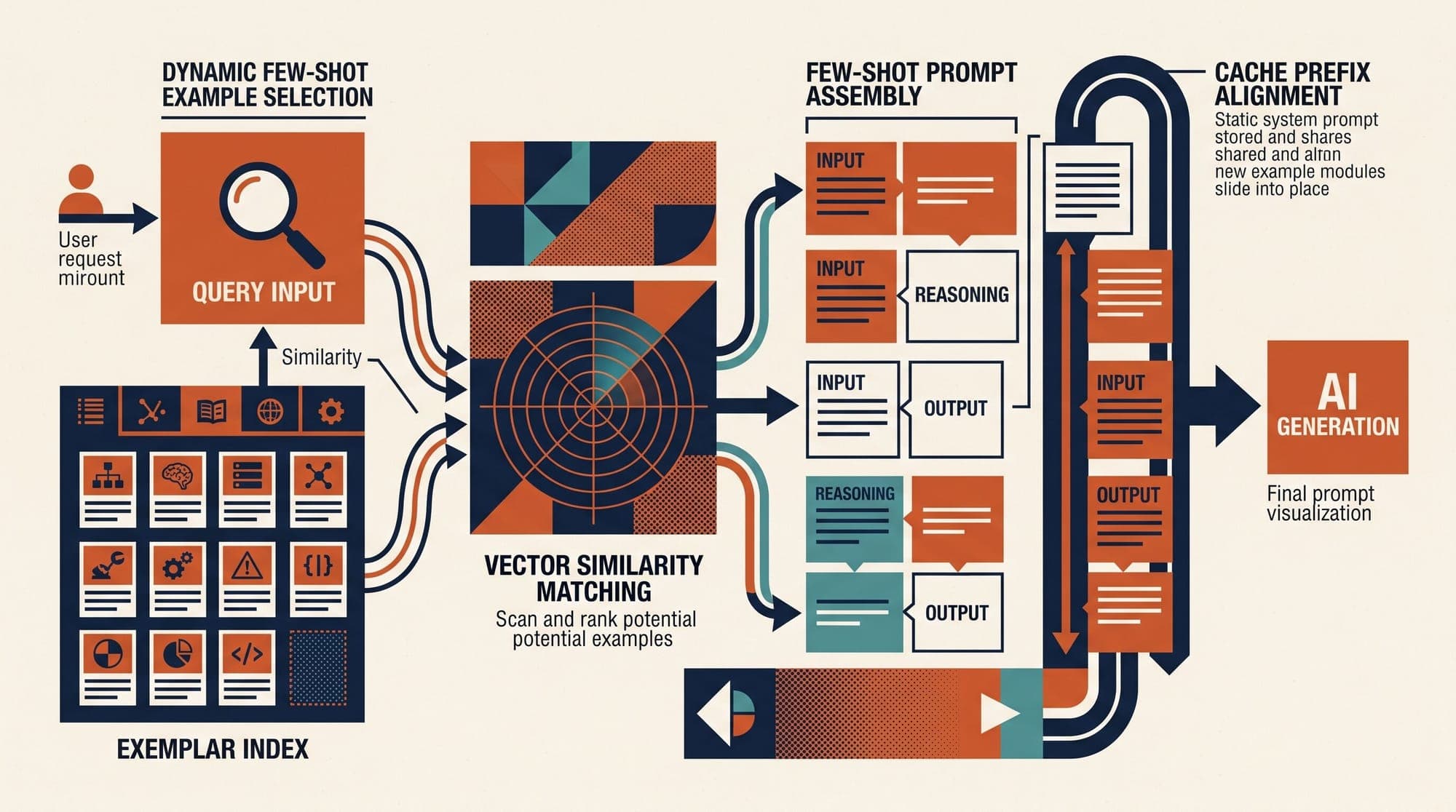
  8. Dynamic Few-Shot Example Selection in Production: Semantic Retrieval, Diversity Reranking, and Cache-Aligned Prompt Architectures

    In-context learning (ICL) remains one of the most practical mechanisms for steering large language models on specialized tasks, structured output parsing, domain-specific classification, and API tool calling. While zero-shot prompts rely entirely on the model's parametric memory, few-shot prompting provides concrete input-output demonstrations that anchor the model's generation trajectory. For a beginner introduction with copy-paste templates for ChatGPT, Claude and Gemini, see our guide to few

    AI
    9 min read
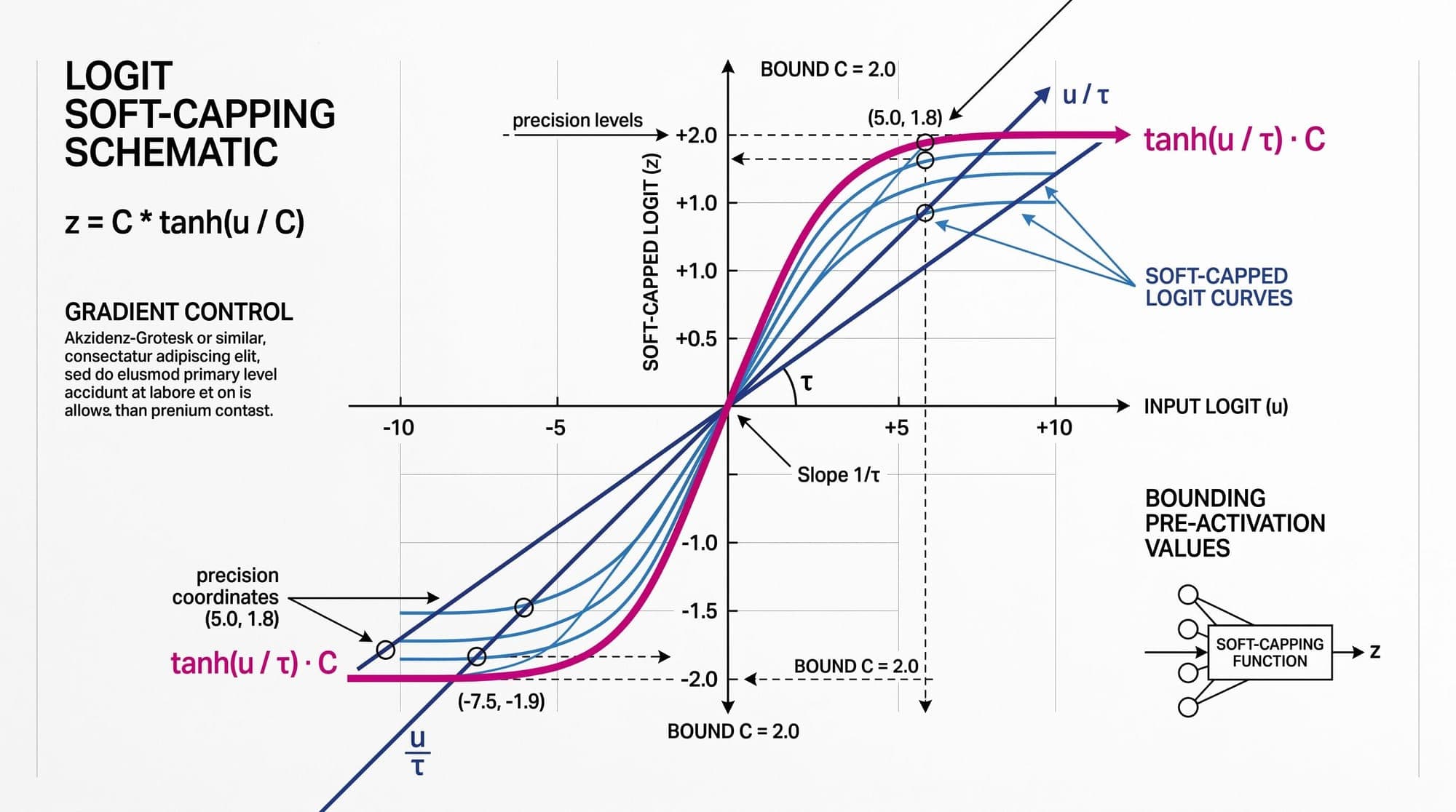
  9. Logit Soft-Capping in Large Language Models: How Tanh-Based Bounds Prevent Attention Saturation and Numerical Instability

    In modern autoregressive Transformer training, maintaining numerical stability across trillions of tokens requires strict control over intermediate activation magnitudes. As models grow deeper and wider, pre-softmax logits in self-attention mechanisms and final vocabulary projection layers frequently drift toward extreme values. When logit values grow unconstrained, standard softmax normalization enters a saturation regime where output probabilities collapse into near one-hot distributions, caus

    AI
    7 min read
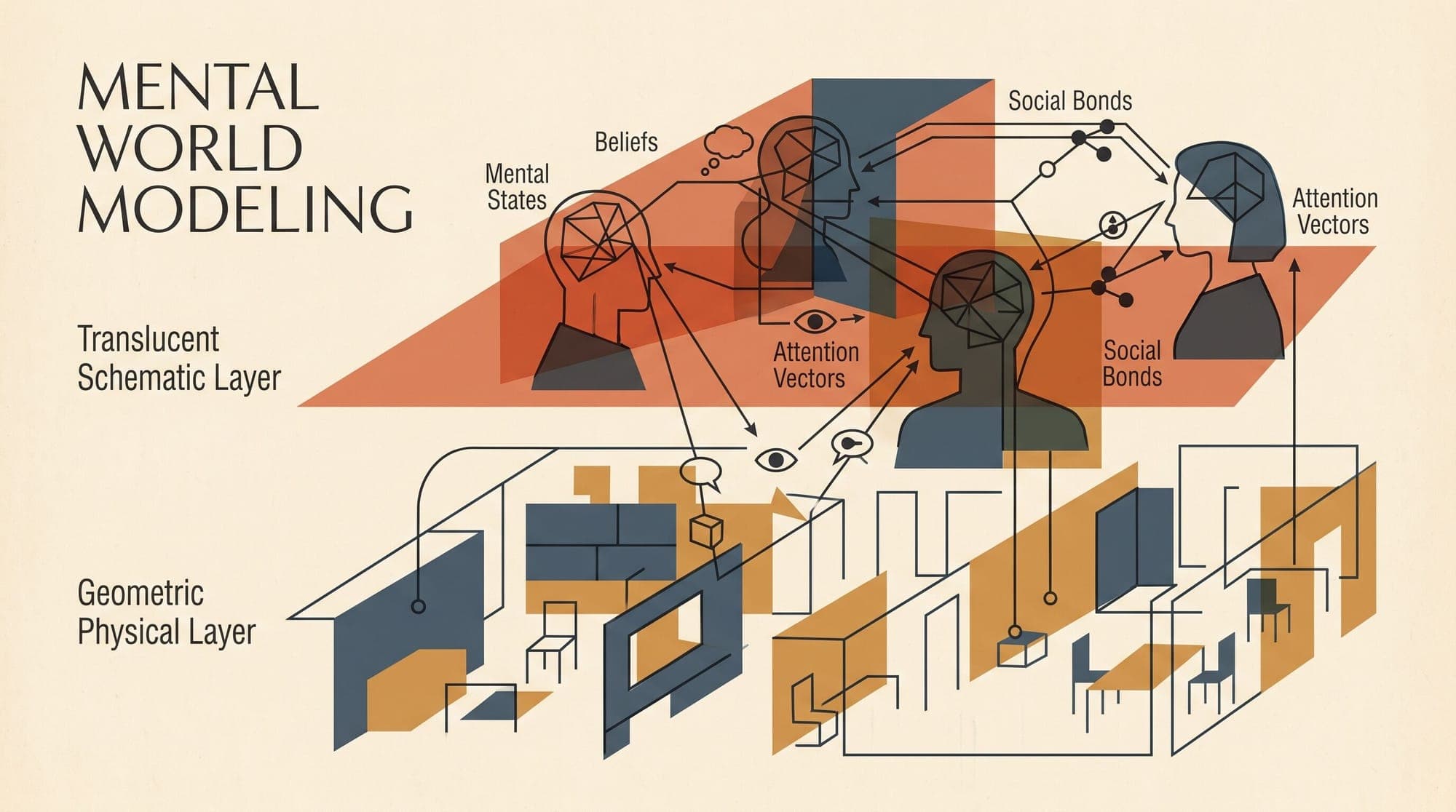
  10. Mental World Modeling: Why Autonomous AI Agents Fail Without Simulating Human Beliefs

    Mental World Modeling: Why Autonomous AI Agents Fail Without Simulating Human Beliefs Current foundation world models, from video simulators like Sora and Genie to spatial representations like JEPA and Marble, focus almost exclusively on the physical mechanics of an environment. They track geometry, object positions, motion trajectories, and visual continuity. However, when autonomous agents interact with humans in collaborative, medical, or domestic settings, physical state tracking alone cons

    AI
    4 min read
  11. Geo-Distributed LLM Inference in Production: Cross-Region Routing, Wide-Area KV Cache Dynamics, and Data Residency Architecture

    Serving large language models at enterprise scale quickly encounters geographic constraints. When users, microservices, and autonomous agents are distributed across North America, Europe, and Asia-Pacific, routing all traffic to a single centralized GPU cluster introduces significant wide-area network (WAN) round-trip times (RTT). An interactive request from Singapore to a US-East data center carries 180ms to 240ms of baseline network latency before the GPU executes a single token. However, dis

    AI
    7 min read
  12. Reversible Transformers: How Invertible Residual Blocks Eliminate Activation Memory in Deep Networks

    Training deep transformer models is primarily bounded by activation memory rather than parameter storage. During the forward pass of standard backpropagation, automatic differentiation engines cache intermediate activations across every attention head, layer normalization, and feed-forward sublayer so they can be referenced during the backward pass to evaluate gradients. For a transformer with N layers, sequence length L, batch size B, and hidden dimension d_model, storing these activations requ

    AI
    6 min read
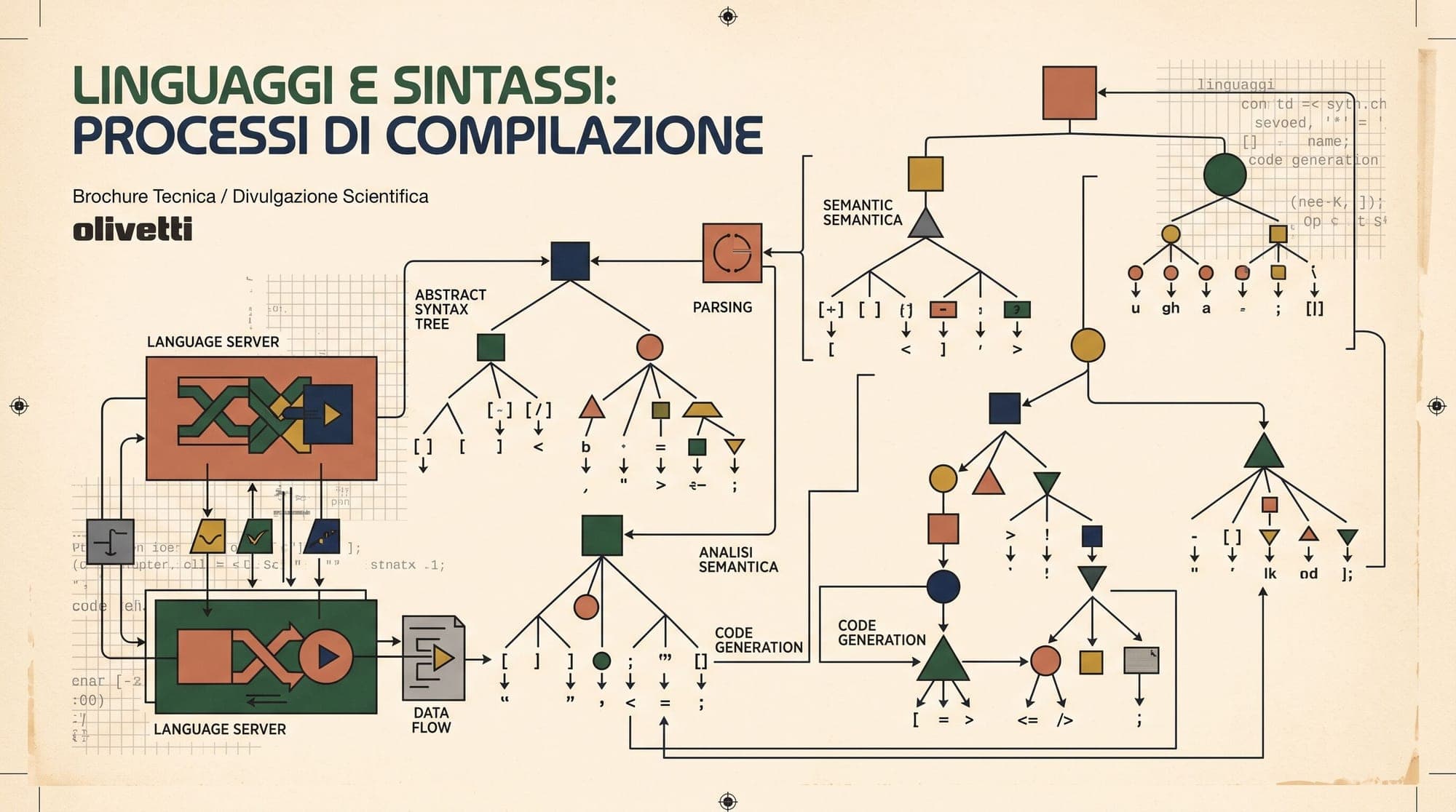
  13. Language Server Protocol (LSP) in AI Coding Agents: Architecture, Symbol Indexing, and Compiler Diagnostic Feedback Loops

    Language Server Protocol (LSP) in AI Coding Agents: Architecture, Symbol Indexing, and Compiler Diagnostic Feedback Loops Autonomous coding agents frequently fail at multi-file refactoring and codebase navigation when relying solely on string-matching heuristics or raw file ingestion. Text-based search tools such as ripgrep locate literal tokens but cannot resolve type hierarchies, overloaded function names, or cross-module call graphs. In contrast, feeding entire directories into large languag

    AI
    5 min read
  14. Rank Collapse in Deep Transformers: Why Pure Attention Degenerates Doubly Exponentially and How Skip Connections Preserve Capacity

    When the Transformer architecture was introduced in 2017 with the seminal paper "Attention Is All You Need", the central thesis was that recurrence and convolution could be completely discarded in favor of stacked self-attention mechanisms. However, theoretical analysis has shown that the title's premise is mathematically incomplete. Stacking pure self-attention layers in isolation does not produce an expressive deep model: it triggers a catastrophic failure mode known as rank collapse. In a fo

    AI
    7 min read
  15. Item Response Theory Audit of 192 LLMs Exposes Safety Benchmark Redundancies, Over-Refusal Distortions, and Sandbagging

    A psychometric evaluation of 192 frontier and open-weight language models across eight major safety benchmarks has revealed structural flaws in current safety testing methodologies. The research, conducted by Joshua Fonseca Rivera, Neil Shah, David Demitri Africa, and Konstantinos Voudouris with support from the UK AI Security Institute and the UK Department for Science, Innovation, and Technology (DSIT), applies Item Response Theory (IRT) to analyze 5,255 evaluation items. The findings demonst

    AI
    3 min read
  16. Binary Quantization and Matryoshka Embeddings in Production: Two-Stage Rescoring, Hamming Distance Acceleration, and Vector Storage Economics

    Production vector search workloads face a severe memory scaling bottleneck. In retrieval-augmented generation (RAG) and semantic search architectures, indexing tens of millions of high-dimensional embeddings in raw 32-bit floating-point (FP32) format exhausts memory capacity and drives up infrastructure costs. Indexing 100 million 1536-dimensional vectors requires 614.4 GB of RAM purely for vector payloads, before accounting for graph edges and memory fragmentation in Approximate Nearest Neighbo

    AI
    8 min read
  17. In-Context Learning as Implicit Gradient Descent: How Transformers Optimize Models in Forward Activations

    When large language models (LLMs) adapt to new tasks from a handful of prompt demonstrations, their static weights remain completely untouched. No backpropagation runs through the network, no optimizer updates parameters, and no gradients are calculated. Yet, the model’s predictions improve steadily as more input-output examples are added to the prompt context. For years, this phenomenon (known as in-context learning, or ICL) was treated as an empirical black box. Recent theoretical and mechani

    AI
    8 min read
  18. OpenAI Consolidates Product Leadership Under Greg Brockman, Merging ChatGPT and Codex Teams

    OpenAI has executed an internal restructuring that consolidates its core product lines, engineering scaling, and commercial deployment under co-founder and President Greg Brockman. The reorganization merges the teams behind ChatGPT, the Codex coding agent, and developer APIs into a single unified product division. The move flattens decision-making hierarchies across the company as it prepares for an eventual initial public offering and responds to mounting enterprise competition from Anthropic

    OpenAI
    2 min read
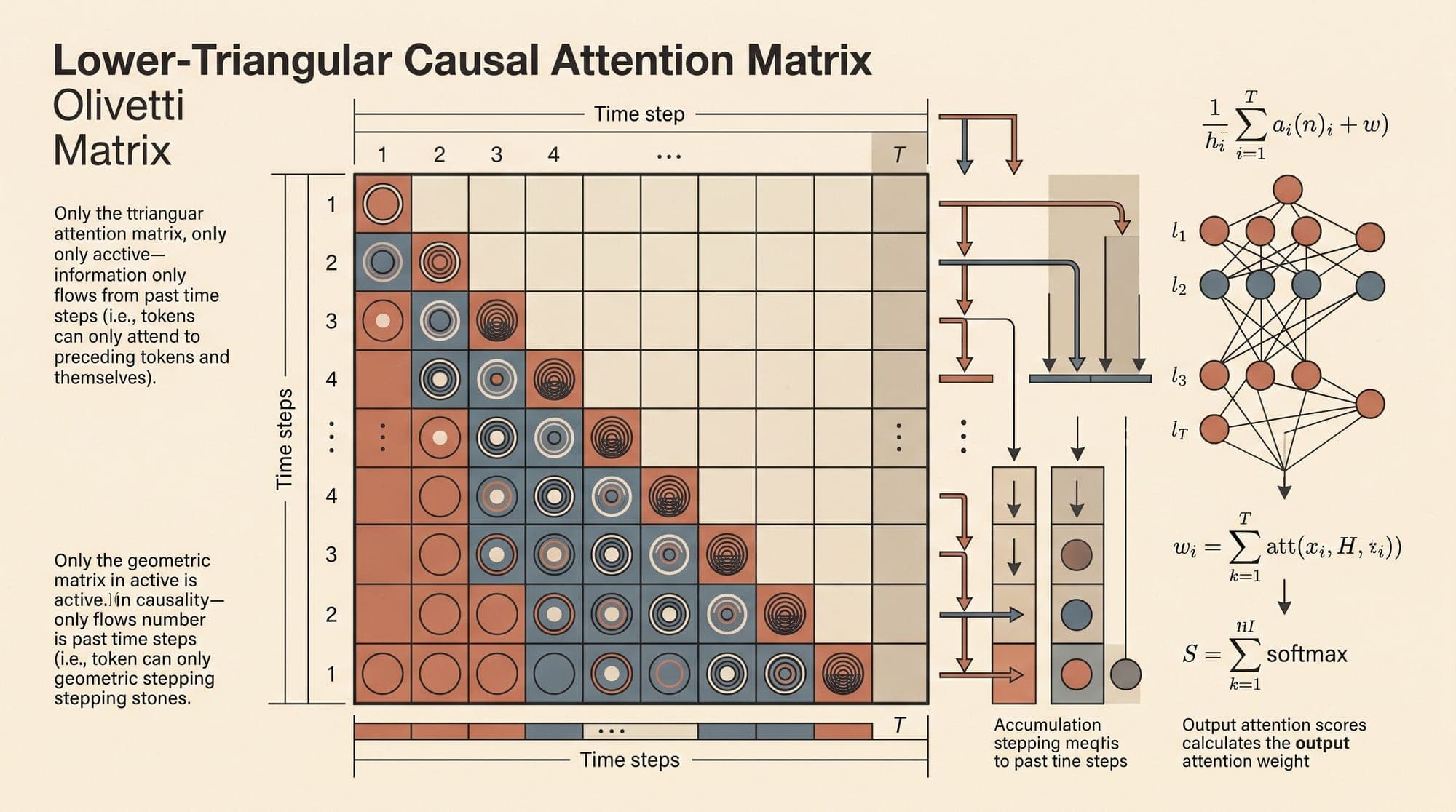
  19. No Positional Embeddings (NoPE): How Causal Masking and Attention Geometry Encode Sequence Order

    A foundational tenet of the Transformer architecture established by Vaswani et al. (2017) is permutation equivariance. Because standard self-attention calculates token interactions purely through pairwise dot products across sets of vectors, shuffling the order of input tokens yields identical outputs up to the corresponding permutation. To establish word order, standard transformer models inject explicit positional information, ranging from learned absolute position embeddings (APE) to sinusoid

    AI
    6 min read
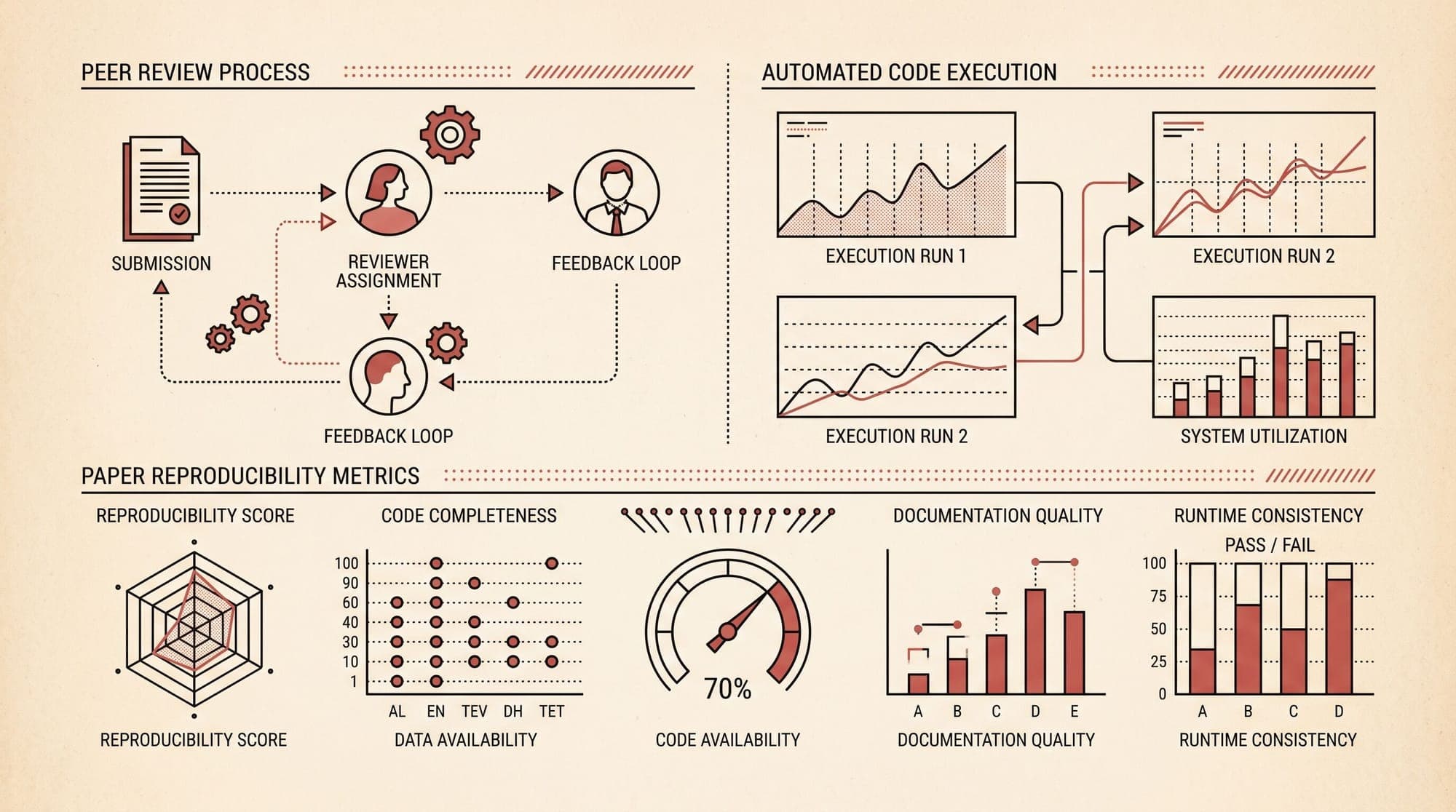
  20. Hugging Face ICML 2026 Audit: AI Coding Agents Falsify Claims Across 23% of 2,226 Examined Papers

    Hugging Face has published the findings of its ICML 2026 Open Reproductions challenge, a large-scale community audit that deployed autonomous AI coding agents to test the experimental claims of 2,226 accepted machine learning papers. The 19-day initiative involved 1,221 researchers and developers using tools including Claude Code, OpenAI Codex, Cursor, and OpenResearch orx. Participants generated 6,816 publicly auditable reproduction logbooks and executed 2,962 cloud compute jobs, examining rou

    AI
    2 min read