Latest / page 10

The latest stories

1230 articles

Articles, page 10

181-200 of 1230
  1. NVIDIA Publishes an Open Midtraining Recipe for Agentic Coding Models

    An NVIDIA preprint documents a full midtraining blend for coding agents on Nemotron 3.5. After identical SFT, it lifts SWE-bench Multilingual from 55.8 to 62.8 and DeepSWE from 11.7 to 15.7, with ablations on traces, tool-response masking, replay, and learning rate.

    LLM
    7 min read
  2. Replit Shifts Default AI Coding Provider to OpenAI, Citing Cost and Benchmark Metrics

    Replit has made OpenAI, not Anthropic, the default model provider for Replit Agent. TechCrunch describes Replit as an AI coding platform that "has become a favorite of startup founders and developers." Speaking at TechCrunch Disrupt, Replit co-founder and CEO Amjad Masad said the decision was "based on both cost, partnership, and performance," TechCrunch reported. He said Replit uses an internal benchmark to assess metrics like performance, and also publishes a public benchmark. Update, Oct 1

    AI
    3 min read
  3. Autonomous Deep Research Agent Architectures in Production: Comparing Stanford STORM, GPT Researcher, LangChain Open Deep Research, and Hugging Face smolagents

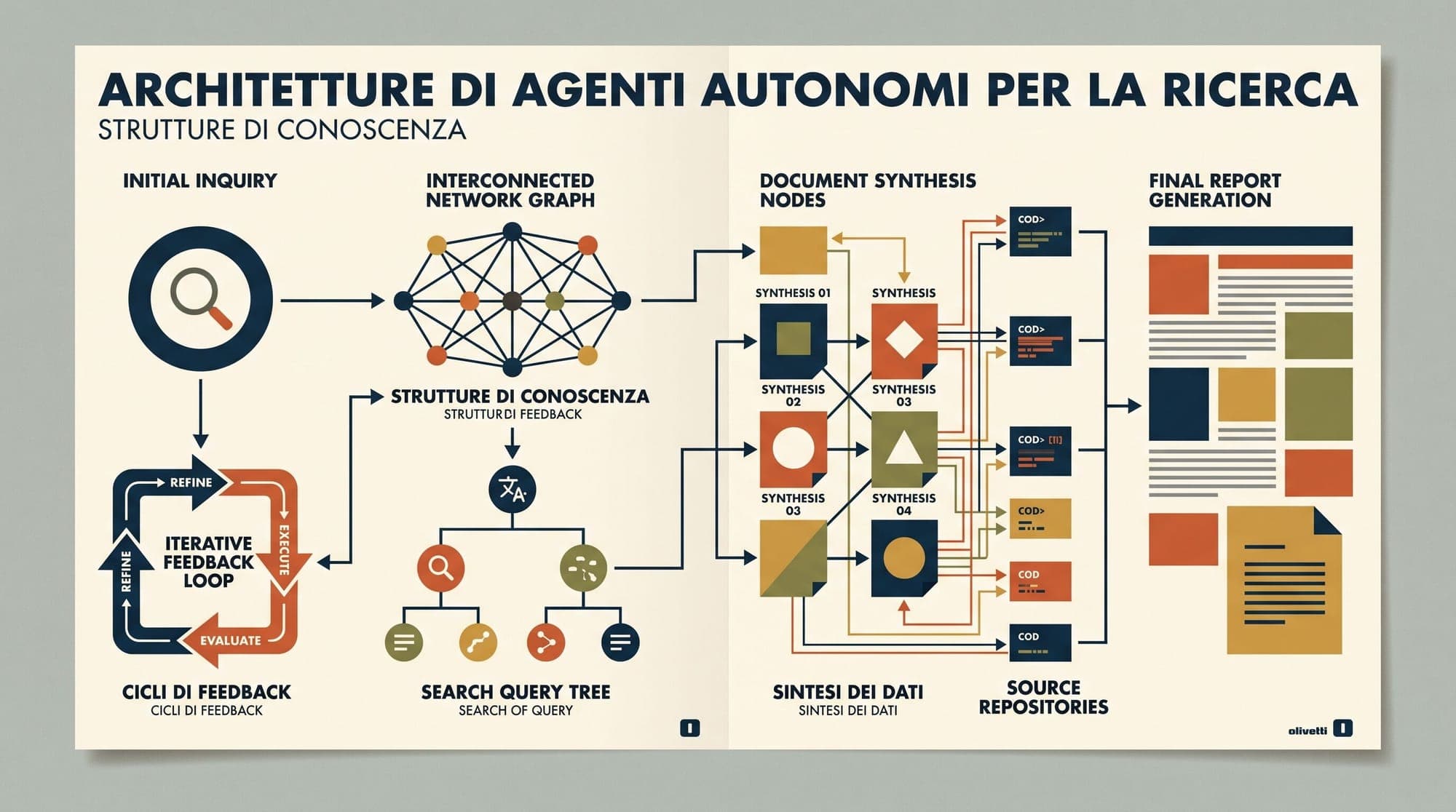
    Standard retrieval-augmented generation pipelines fail when tasked with multi-step analytical synthesis. Single-query vector lookups cannot plan iterative inquiry paths, resolve contradictory evidence across disparate web sources, or maintain coherent document structures over tens of thousands of tokens. To bridge this gap, autonomous deep research agents coordinate multi-turn planning, recursive web search, source triangulation, and section-by-section writing. These systems run asynchronous se

    AI
    5 min read
  4. Test-Time Training (TTT): Mathematical Foundations, Expressive Hidden States, and Linear Complexity in Sequence Models

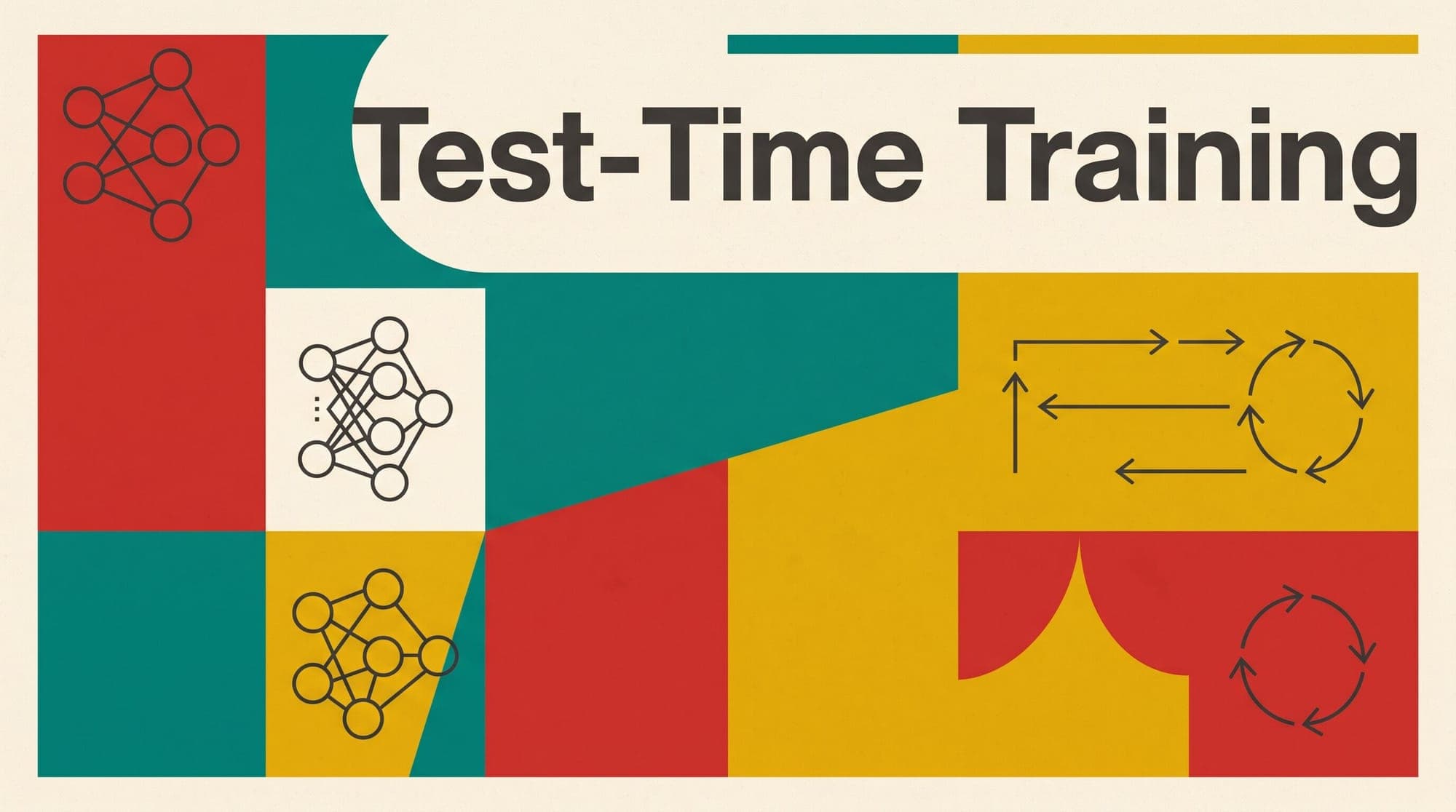
    Test-Time Training (TTT): Mathematical Foundations, Expressive Hidden States, and Linear Complexity in Sequence Models Sequence modeling has long been characterized by a sharp trade-off between computational efficiency and expressive memory. Transformers provide high expressive capacity by retaining all historical tokens in an uncompressed Key-Value (KV) cache. This structure enables them to scale to long contexts and continuously reduce perplexity as more tokens are conditioned on. However, th

    Education
    8 min read
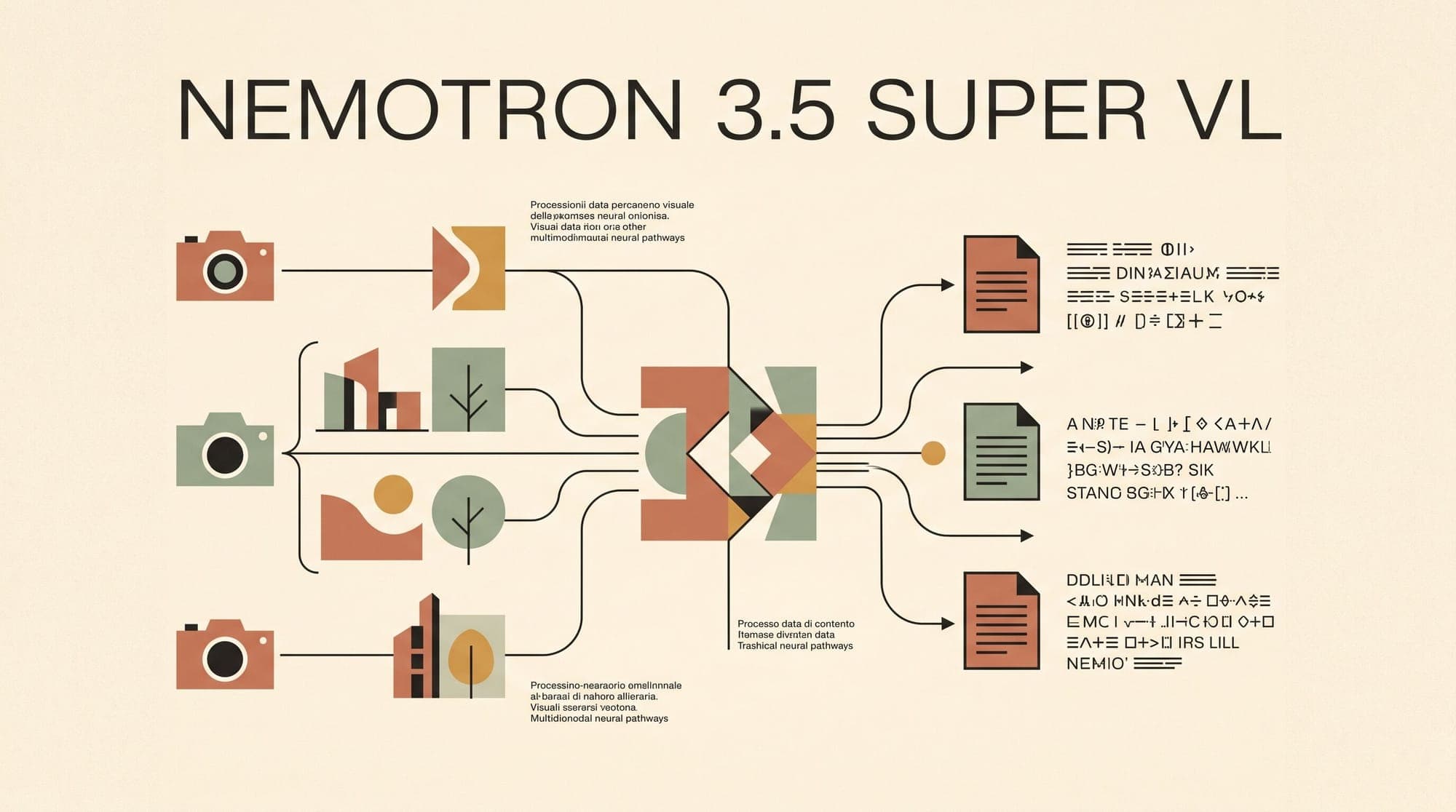
  5. NVIDIA Releases Nemotron 3.5 Super VL with 120B Parameters and 1M Context Window

    NVIDIA has released Nemotron 3.5 Super VL, an open-weights vision-language model designed for complex agentic workflows. The model features a 120-billion-parameter mixture-of-experts (MoE) architecture that activates 12 billion parameters per token, paired with a context window supporting up to 1 million tokens. NVIDIA announced it alongside Nemotron 3.5 Bolt, a 2-bit model for local agents on RTX Spark PCs. The release is available on Hugging Face in full-precision BF16 reference weights and q

    Nvidia
    2 min read
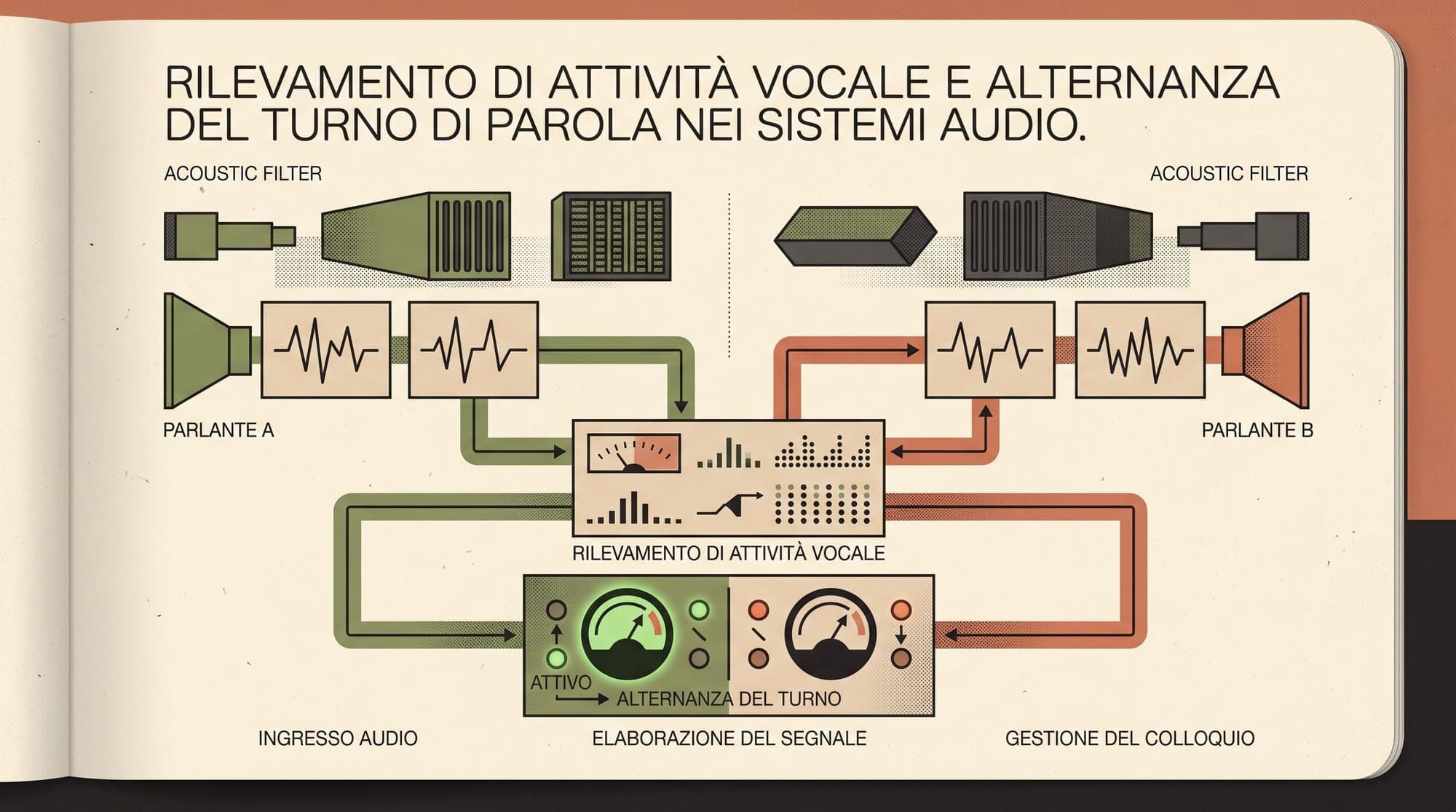
  6. Voice Activity Detection and Turn-Taking Architecture in Production Voice AI: Comparing Silero VAD, WebRTC VAD, PyAnnote Audio, and Semantic Endpointing

    Real-time voice AI agents depend on two sequential decisions: identifying when a user is speaking, and predicting when they have finished their conversational turn. Acoustic Voice Activity Detection (VAD) handles the first problem at the audio frame level, while turn-taking endpointing manages dialogue state transitions. Mistakes in either layer degrade conversational flow. Inaccurate VAD causes false interruptions from background noise or misses quiet speech onsets. Naive silence-based endpoin

    AI Voice
    5 min read
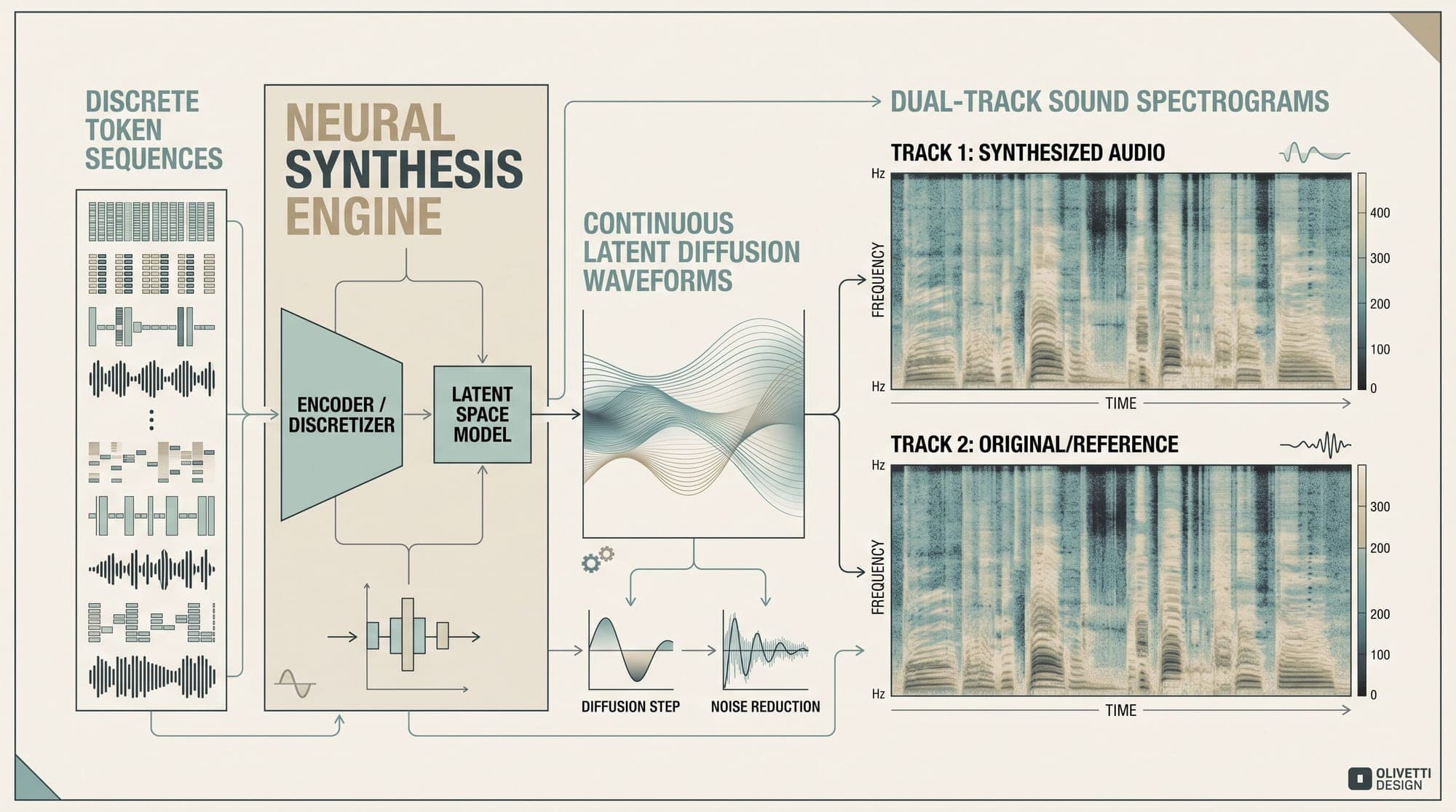
  7. Open-Source Music and Audio Generation Models in Production: Comparing MusicGen, Stable Audio Open, AudioLDM 2, and YuE

    Neural music and sound generation architectures in production have diverged into two competing paradigms: discrete autoregressive sequence modeling and continuous latent diffusion. While early research relied on cascaded pipelines with separate acoustic and semantic models, modern open-source systems unify generation into single-stage or dual-stage foundations capable of synthesizing high-fidelity instrumentals, sound effects, and full polyphonic songs with vocals. Deploying generative audio in

    AI Music
    7 min read
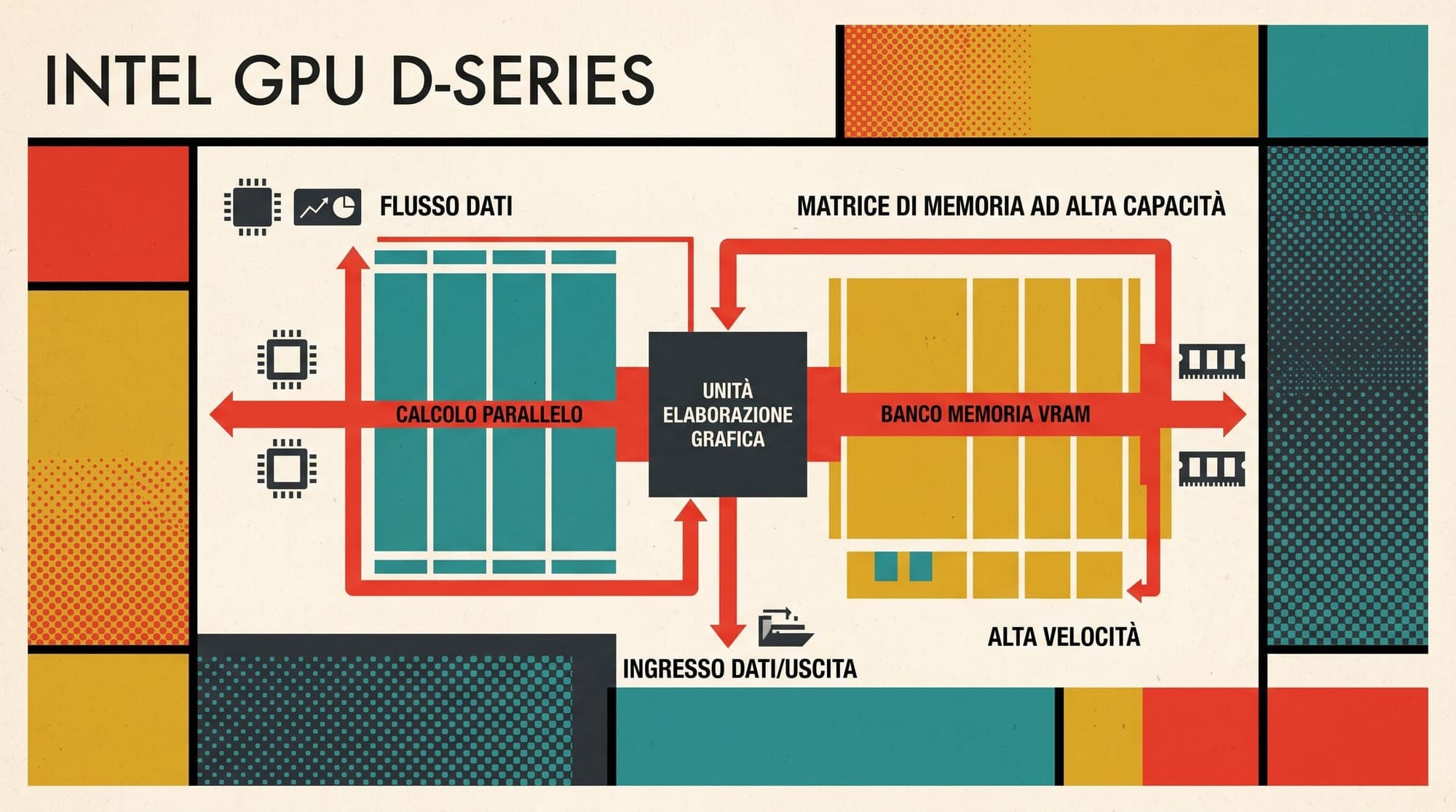
  8. Intel Unveils Data Center GPU D-Series with 480GB LPDDR5X Memory for AI Inference

    Intel has introduced the Intel GPU D-series, a data center accelerator engineered specifically for large language model inference workloads. Unveiled at the Open Compute Project (OCP) Global Summit, the accelerator (previously codenamed Crescent Island) integrates up to 480GB of LPDDR5X memory, prioritizing raw memory capacity and power efficiency over ultra-high-bandwidth memory tiers. By equipping a single PCIe accelerator with 480GB of memory, Intel surpasses the onboard capacity of Nvidia's

    Hardware
    2 min read
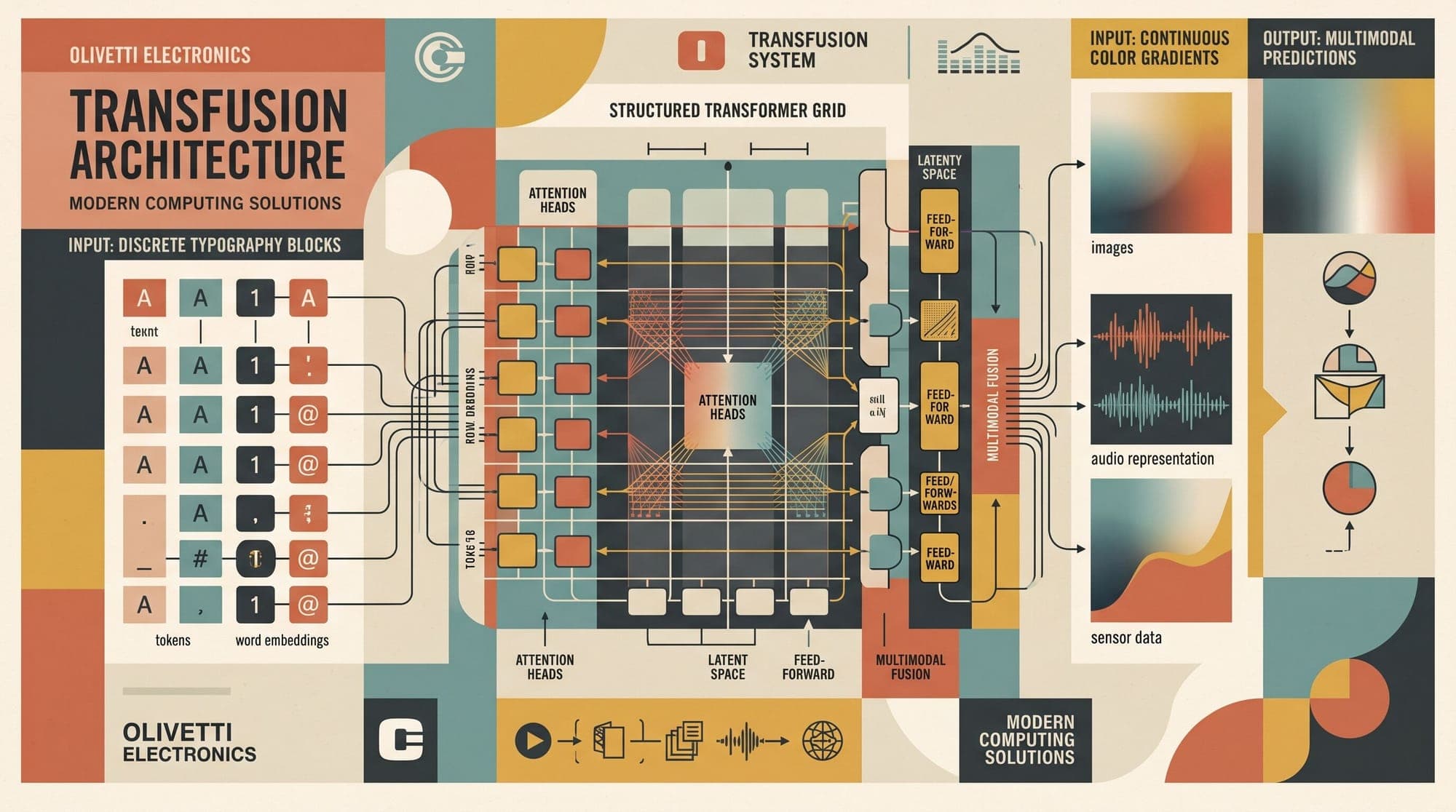
  9. Transfusion: Mathematical Foundations of Unified Discrete Next-Token Prediction and Continuous Latent Diffusion in Multimodal Transformers

    Generative foundation models have historically operated under two distinct mathematical paradigms: autoregressive sequence modeling over discrete vocabularies (used in text and code generation) and iterative denoising diffusion over continuous vector spaces (used in image and video synthesis). Early attempts to unify both modalities in a single end-to-end transformer forced continuous perceptual data into discrete codebooks using vector quantization (such as VQ-VAE or VQGAN). While discretizatio

    Education
    6 min read