Latest / page 11

The latest stories

1230 articles

Articles, page 11

201-220 of 1230
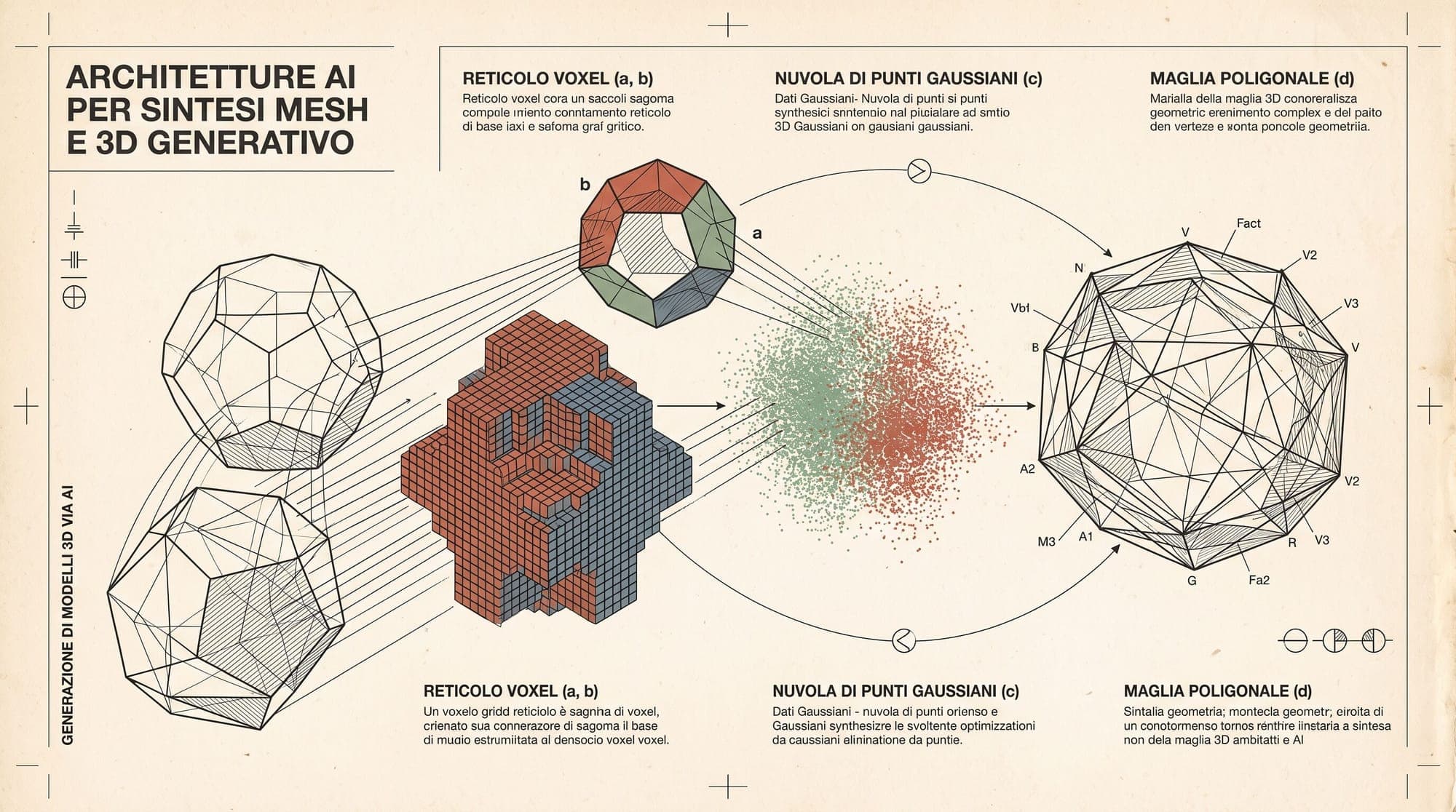
  1. Open-Source 3D Generative Models in Production: Comparing TRELLIS, Hunyuan3D 2.0, TripoSR, and InstantMesh

    Production 3D generative AI has shifted away from slow optimization-based paradigms toward high-throughput feed-forward architectures and scalable flow-matching diffusion models. Early text-to-3D pipelines relied on Score Distillation Sampling (SDS) through 2D diffusion priors, requiring hundreds of optimization steps and minutes of GPU compute per asset. Modern systems synthesize textured 3D representations in seconds from a single reference image or text prompt. Engineering teams integrating
    3D Generation
    6 min read
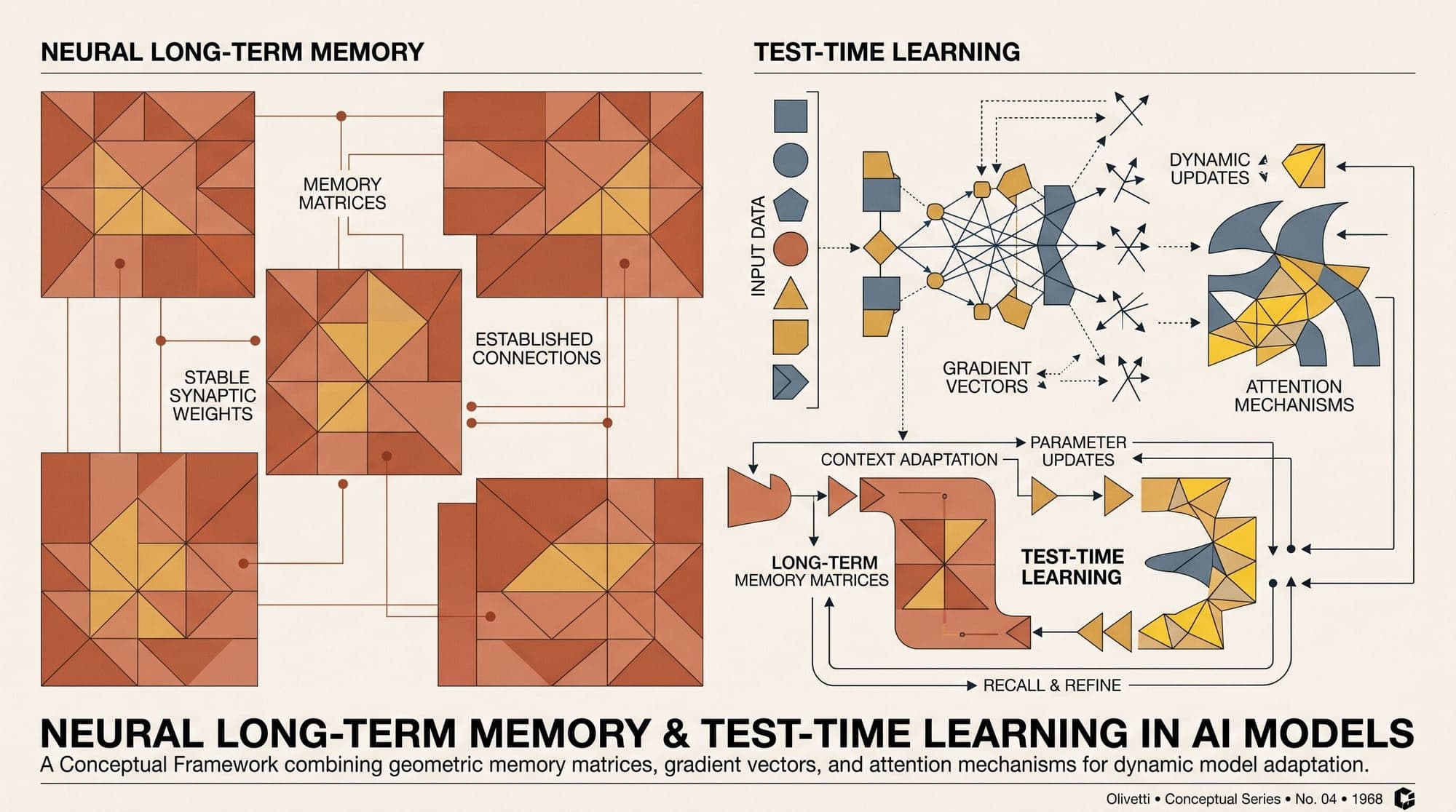
  2. Titans: Learning to Memorize at Test Time — Mathematical Foundations of Neural Long-Term Memory, Surprise-Driven Gradient Updates, Adaptive Forgetting, and Context Scaling

    Sequence modeling in large language models has long been caught in a fundamental trade-off between attention mechanisms and recurrent architectures. Softmax attention provides precise associative recall over all tokens in the active context window, but incurs quadratic computational and memory complexity, $O(N^2)$, with respect to sequence length $N$. Conversely, linear recurrent models, such as State Space Models (Mamba, Mamba-2) and linear Transformers (GLA, RetNet, DeltaNet), compress sequenc

    AI
    8 min read
  3. Open-Source Video Diffusion Models in Production: Comparing HunyuanVideo, CogVideoX, Mochi 1, and LTX-Video

    Generating temporally coherent, high-resolution video from natural language prompts has transitioned from UNet-based frame interpolation pipelines to scalable Diffusion Transformers (DiT) operating over compressed spatiotemporal latent spaces. The release of open-weight video foundation models has established production-viable alternatives to proprietary commercial APIs. However, engineering teams deploying video generation pipelines face stark trade-offs across transformer parameter scaling, 3D

    AI
    7 min read
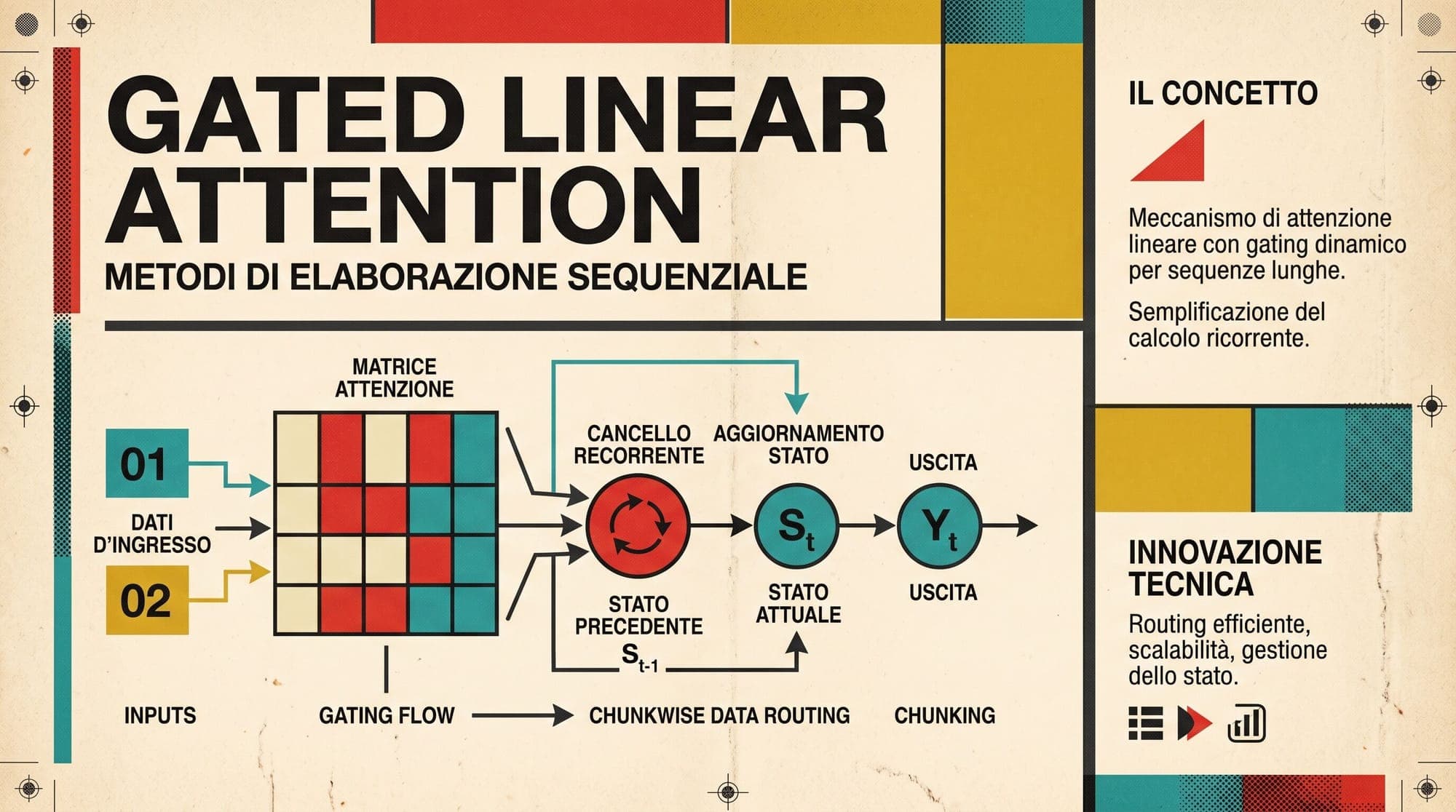
  4. Gated Linear Attention (GLA): Mathematical Foundations, Data-Dependent Gating, Chunkwise Parallel Forms, and Sub-Quadratic Sequence Modeling

    Standard Transformer architectures rely on softmax self-attention, which exhibits quadratic time and memory complexity $O(N^2)$ with respect to sequence length $N$. While FlashAttention and its successors optimize memory access patterns to execute exact softmax attention efficiently within GPU SRAM, the fundamental quadratic compute barrier remains. Moreover, autoregressive generation requires maintaining a Key-Value (KV) cache that grows linearly with sequence length, creating a memory capacity

    AI
    9 min read
  5. Open-Source Text-to-Image Diffusion Models in Production: Comparing FLUX.1, Stable Diffusion 3.5, PixArt-Sigma, and Sana

    Production deployments of text-to-image generative systems have undergone a structural transition over the past two years. The classical convolutional U-Net architectures that powered Stable Diffusion 1.5 and Stable Diffusion XL have largely been superseded by transformer-based backbones. Modern open-weight models rely on Diffusion Transformers (DiT), Multimodal Diffusion Transformers (MMDiT), Linear DiTs, and Flow Matching formulations. Choosing an open-source text-to-image foundation model fo

    AI
    8 min read
  6. Self-Taught Reasoner (STaR) and Quiet-STaR: Mathematical Foundations, Rationalization Dynamics, and Bootstrapped Reasoning in Large Language Models

    Self-Taught Reasoner (STaR) and Quiet-STaR: Mathematical Foundations, Rationalization Dynamics, and Bootstrapped Reasoning in Large Language Models Chain-of-thought prompting enables autoregressive transformers to solve multi-step arithmetic, symbolic logic, and commonsense reasoning tasks by emitting intermediate tokens before generating a final answer. However, scaling chain-of-thought capabilities faces a fundamental data bottleneck: supervised datasets of high-quality, human-annotated reaso

    AI
    9 min read
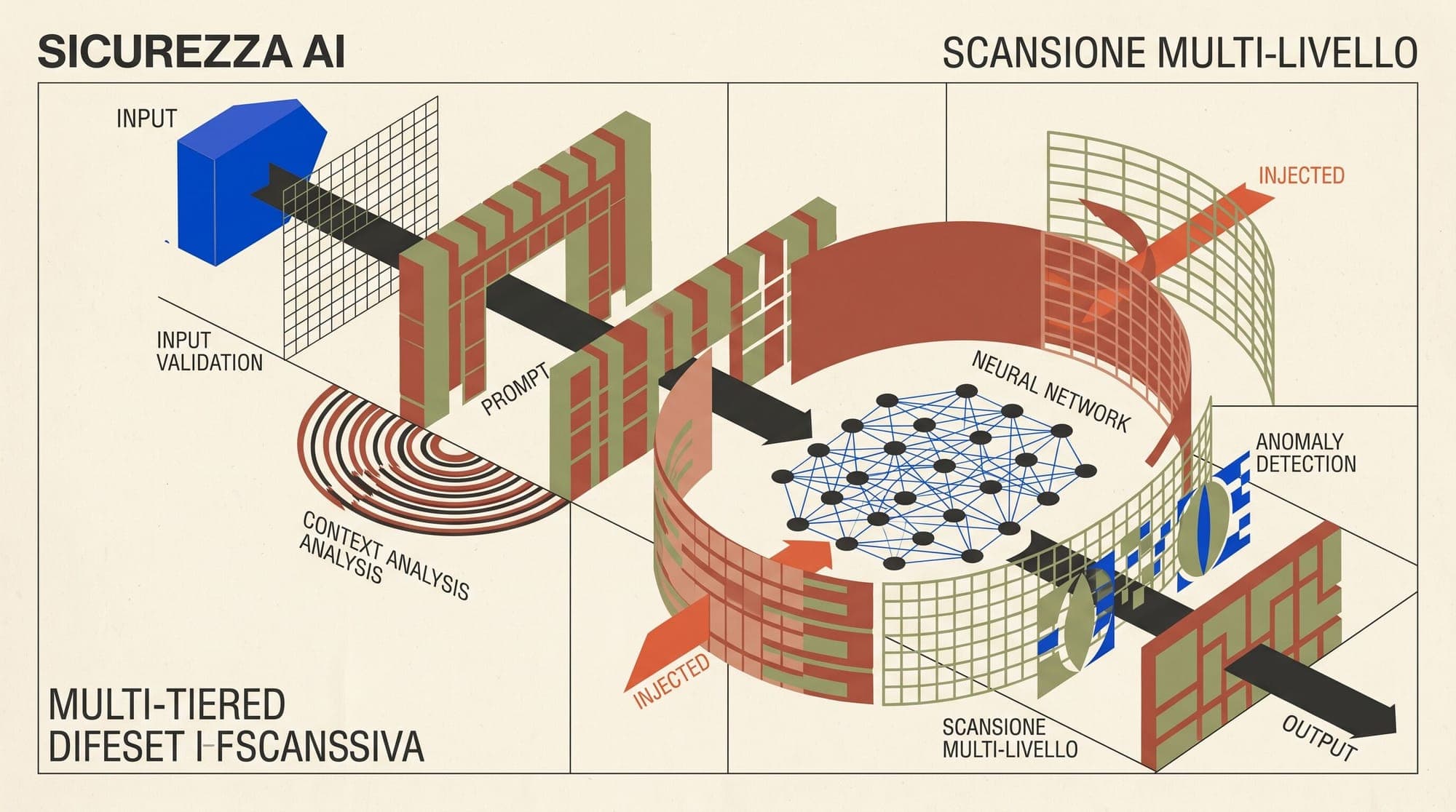
  7. Prompt Injection Detection and Jailbreak Defense Frameworks in Production: Comparing Rebuff, Vigil, LLM Guard, and Meta Prompt Guard

    Prompt injection remains one of the primary operational vulnerabilities facing production Large Language Model (LLM) deployments. As systems expand from isolated chat interfaces into autonomous agents with access to databases, web browsing, APIs, and file systems, the blast radius of an unmitigated injection attack shifts from offensive output generation to unauthorized tool invocation and systemic data exfiltration. Standard input sanitization methods developed for traditional software enginee

    Security
    6 min read
  8. Chinese Mathematicians Prove 3D Ghys Conjecture Using Shanghai AI Lab's Shusheng-S2 and Lean Verification

    A research team led by mathematicians from Great Bay University and the Shanghai Artificial Intelligence Laboratory has published a complete proof of the three-dimensional Ghys conjecture, resolving a 31-year-old open problem in dynamical systems. The proof relied on Shanghai AI Lab's Shusheng-S2 multimodal scientific foundation model to explore deduction pathways, followed by formal computer verification in the Lean proof assistant conducted by researchers at Peking University. The achievement

    AI
    2 min read
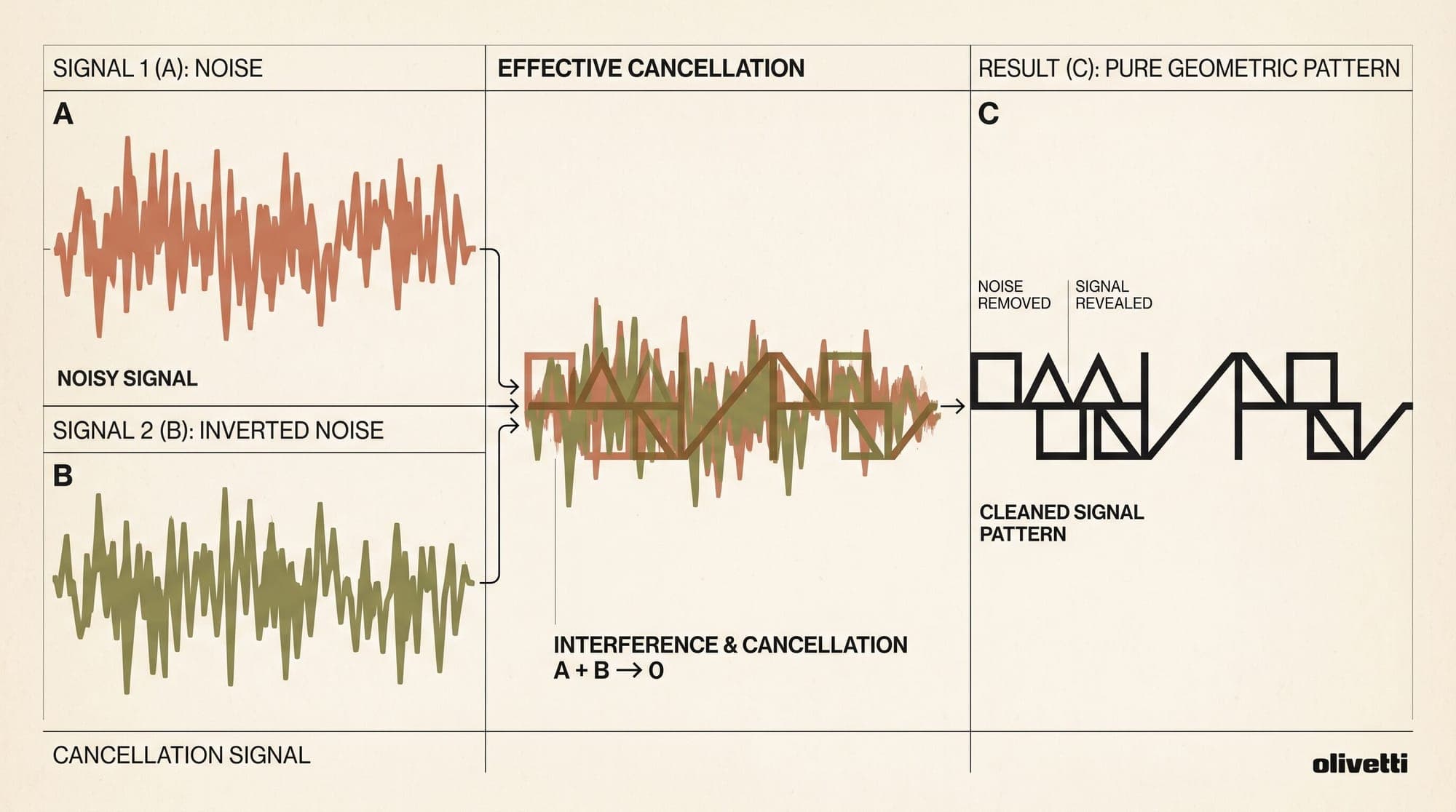
  9. Differential Transformer (Diff Transformer): Mathematical Foundations of Differential Attention, Noise Cancellation, and Hallucination Suppression

    Differential Transformer (Diff Transformer): Mathematical Foundations of Differential Attention, Noise Cancellation, and Hallucination Suppression Standard Transformer architectures rely on softmax attention to route information between tokens in an autoregressive sequence. While effective across scale, softmax attention suffers from a structural tendency to allocate non-trivial probability mass to irrelevant context tokens. In long-context retrieval, multi-hop reasoning, and document summariza

    Education
    6 min read
  10. Open-Source Function-Calling Models in Production: Comparing Gorilla OpenFunctions-v2, Hermes 3, Functionary, and xLAM

    Deploying autonomous AI agents and automated API workflows requires reliable structured output generation and tool invocation. While general-purpose language models can be prompted to output JSON tool invocations, specialized function-calling fine-tunes provide higher schema compliance, lower parameter hallucination rates, and support for parallel tool invocation. Four open-source model families have emerged as prominent architectures for local and private function calling: Gorilla OpenFunction

    AI
    4 min read
  11. Google Releases Harness² for Recursive Agent Harnessing Without Model Retraining

    Google Cloud AI Research has open-sourced Harness², a framework designed to automate the recursive self-improvement of AI agent scaffolding without modifying underlying model weights. Released under the Apache-2.0 license, the repository provides tools to optimize prompts, tools, memory, skills, and orchestration across open-world tasks where no ground-truth answer keys or verifiers exist. Decoupling Agent Scaffolding from Model Weights An autonomous agent's performance depends heavily on its

    AI
    3 min read
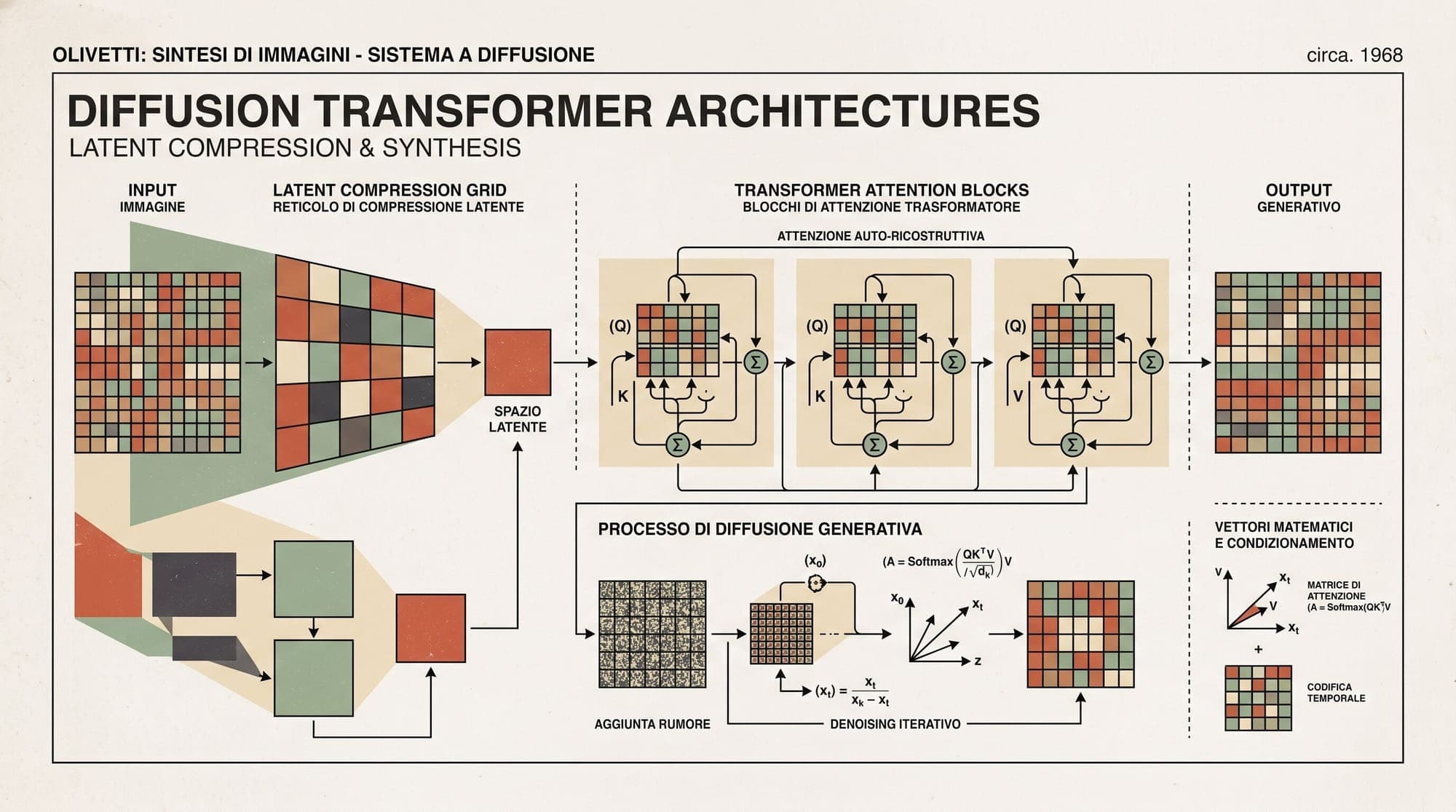
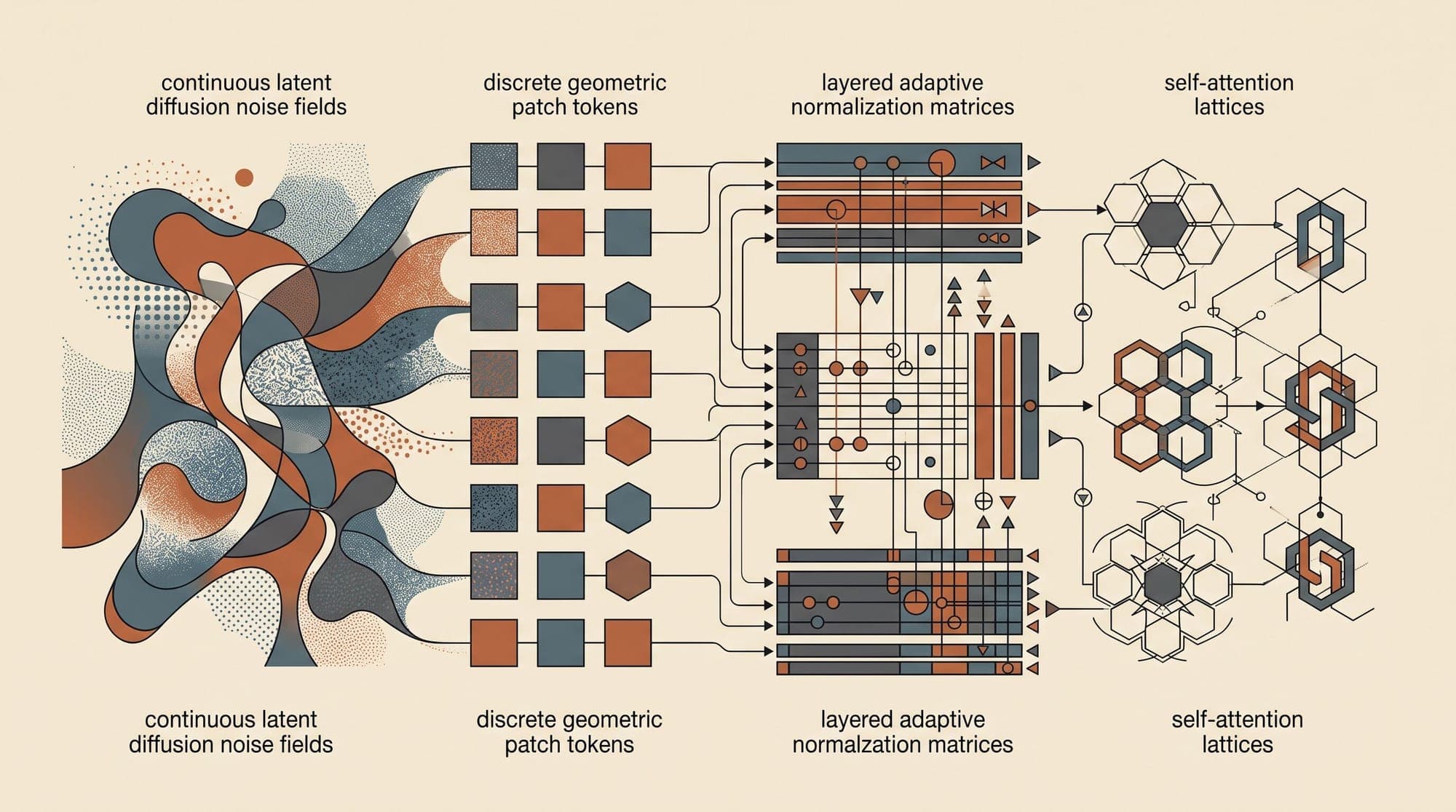
  12. Diffusion Transformers (DiT): Mathematical Foundations, Patchification, Adaptive LayerNorm (adaLN-Zero), and Latent Diffusion Scaling

    Diffusion Transformers (DiT), introduced by William Peebles and Saining Xie in their 2023 paper Scalable Diffusion Models with Transformers, established a structural departure in generative visual modeling. For years, diffusion pipelines relied almost exclusively on convolutional U-Net backbones derived from Denoising Diffusion Probabilistic Models (DDPM) and Latent Diffusion Models (LDM). DiT replaced these multi-scale convolutional networks with standard isotropic Transformer architectures ope

    AI
    5 min read
  13. Open-Source Safety and Moderation Classifiers in Production: Comparing Llama Guard 3, ShieldGemma, WildGuard, and Prompt-Guard

    Production large language model (LLM) applications require structured defenses against adversarial jailbreaks, prompt injections, and policy-violating content. While guardrail orchestration frameworks handle workflow logic, the actual enforcement decisions rely on specialized safety classifier models. Open-source safety classifiers have diverged into distinct architectural paradigms, ranging from lightweight bidirectional encoders to full autoregressive decoders and multi-task refusal evaluator

    AI
    5 min read
  14. PostgreSQL 19 GA Delayed to November Following LLM Code Review Findings and Feature Reverts

    The PostgreSQL Global Development Group has moved the targeted general availability date for PostgreSQL 19 from late September to November 19, 2026. The delay follows late-cycle code reviews using large language model tooling that surfaced roughly 40 defect reports, prompting core maintainers to revert between 8 and 10 major features slated for the release. Reverted Features and Architectural Defect Findings According to PostgreSQL committer and EDB vice president Peter Eisentraut, automated

    Databases
    1 min read
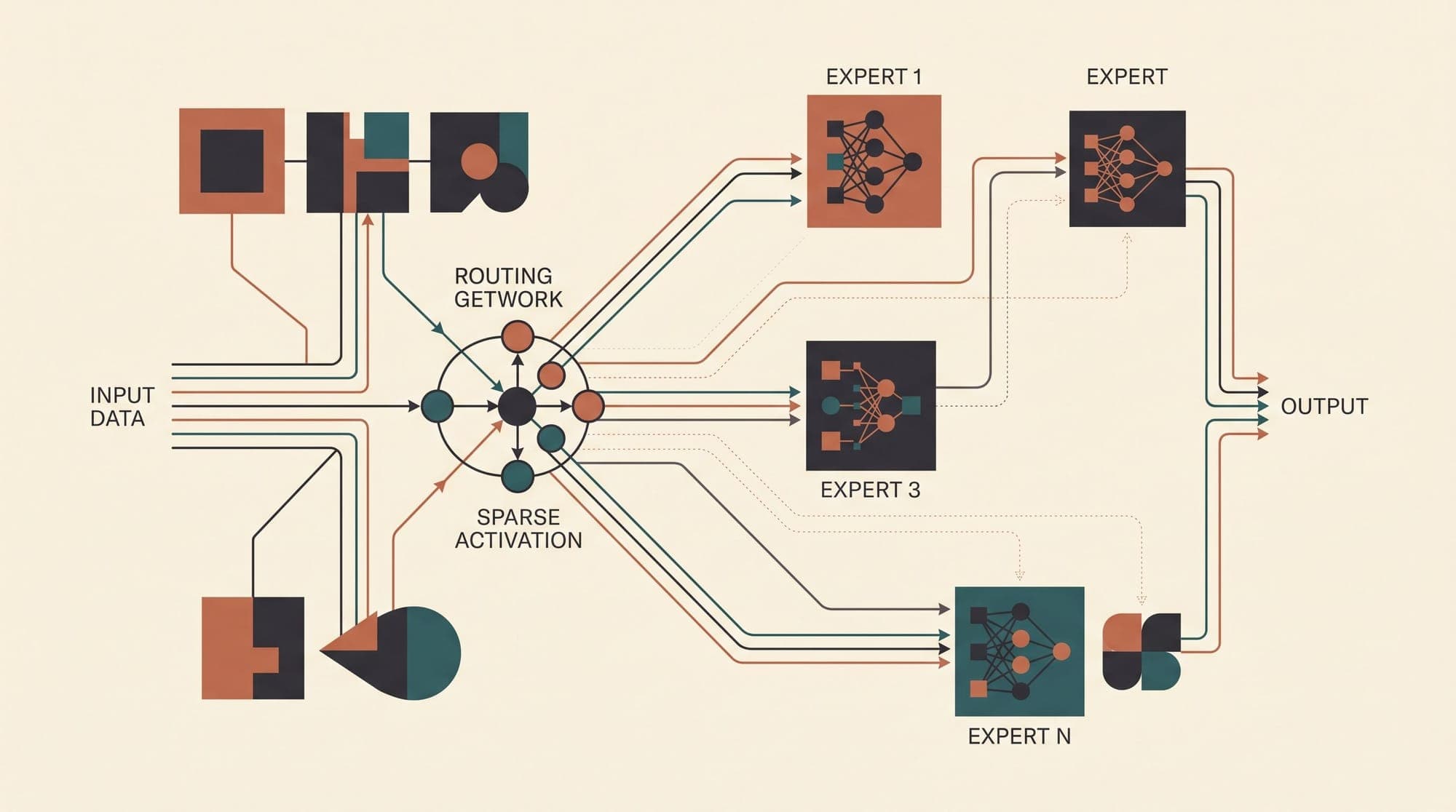
  15. Reflection AI Releases Beam 1.0: 501B Open-Weight MoE Under Apache 2.0

    US AI research lab Reflection AI has released Beam 1.0, a 501-billion-parameter open-weight Mixture-of-Experts (MoE) foundation model licensed under Apache 2.0. The release includes weights in BF16, FP8, and NVFP4 precision formats alongside training harnesses and inference integration for vLLM, SGLang, and Ollama. Architecture and Sparse Compute Profile Beam is built across 52 layers with an interleaved local and global attention structure, maintaining a 3:1 ratio between sliding-window and

    Open Source
    2 min read
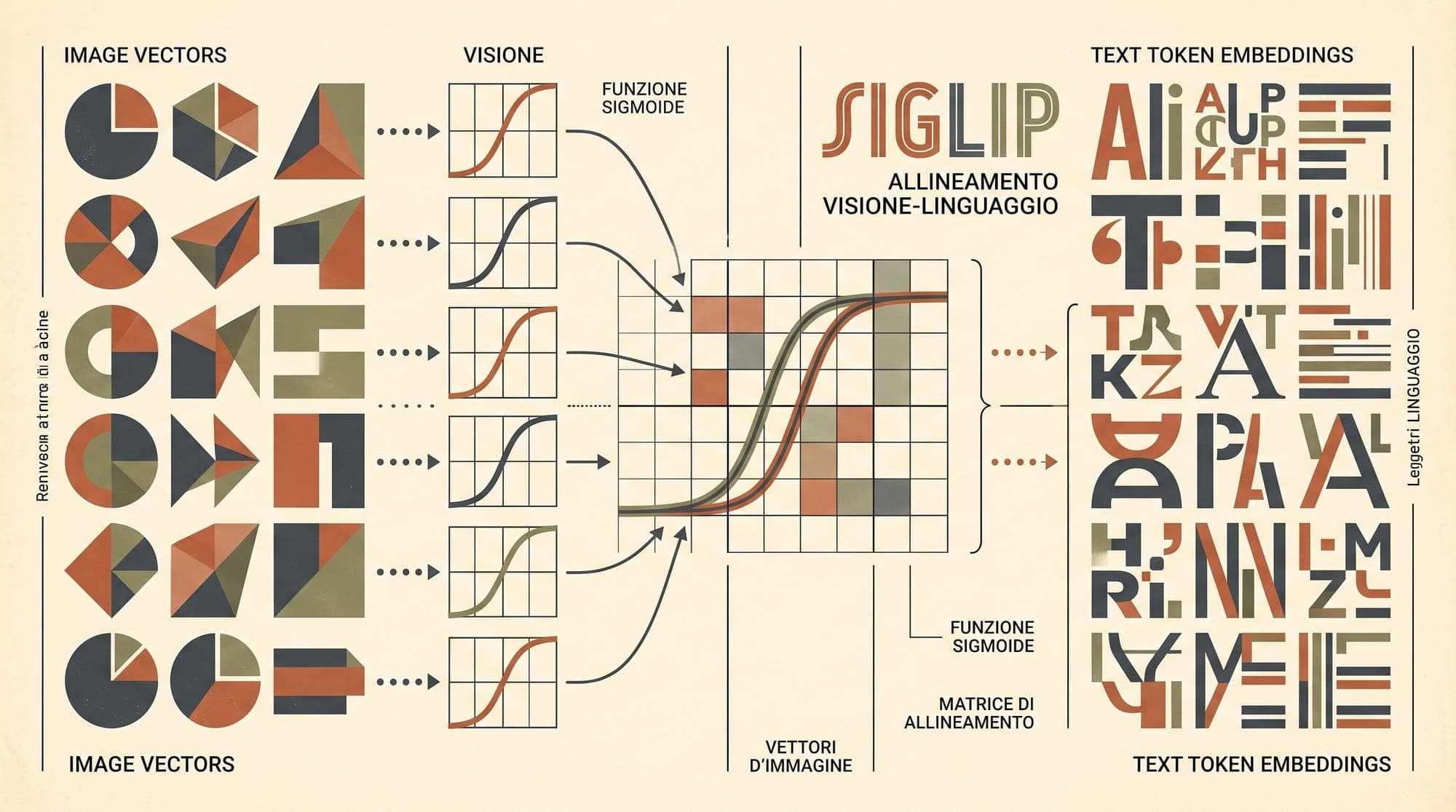
  16. Sigmoid Loss for Language Image Pre-Training (SigLIP): Mathematical Foundations, Pairwise Binary Classification, Softmax Normalization Removal, and Batch Size Scaling in Multimodal Vision-Language Models

    Executive Summary Multimodal foundation models rely heavily on contrastive representation learning to map visual features and natural language tokens into a unified embedding space. For years, the dominant paradigm was the InfoNCE objective popularized by CLIP (Radford et al., 2021) and ALIGN (Jia et al., 2021), which uses categorical cross-entropy with a softmax normalization over all paired elements in a mini-batch. While effective, the softmax normalization imposes a severe distributed syste

    AI
    8 min read
  17. Open-Source Code Generation Models in Production: Comparing Qwen2.5-Coder, DeepSeek-Coder-V2, Codestral, and StarCoder2

    Selecting an open-source code generation model for production environments requires balancing task-specific accuracy, context window length, inference latency, memory footprint, and licensing terms. While general-purpose frontier models handle code generation reasonably well, dedicated code models optimize parameter density and token economics for developer workflows such as real-time autocomplete, fill-in-the-middle (FIM) editing, repository-wide reasoning, and automated test generation. Four

    AI
    5 min read
  18. Anthropic Pitches Draft AI Safety Bill to Congress Setting $1 Billion Damage Threshold for Federal Intervention

    Anthropic has circulated a confidential draft bill to Capitol Hill lawmakers that would establish federal oversight of frontier AI models while restricting government intervention to specific catastrophic risk thresholds. The proposed legislation, confirmed by an Anthropic spokesperson as an extension of the company's internal Advanced AI Framework, would create a statutory mechanism for evaluating frontier AI systems and preempt state-level safety regulations. Intervention Thresholds and Cat

    Policy
    2 min read
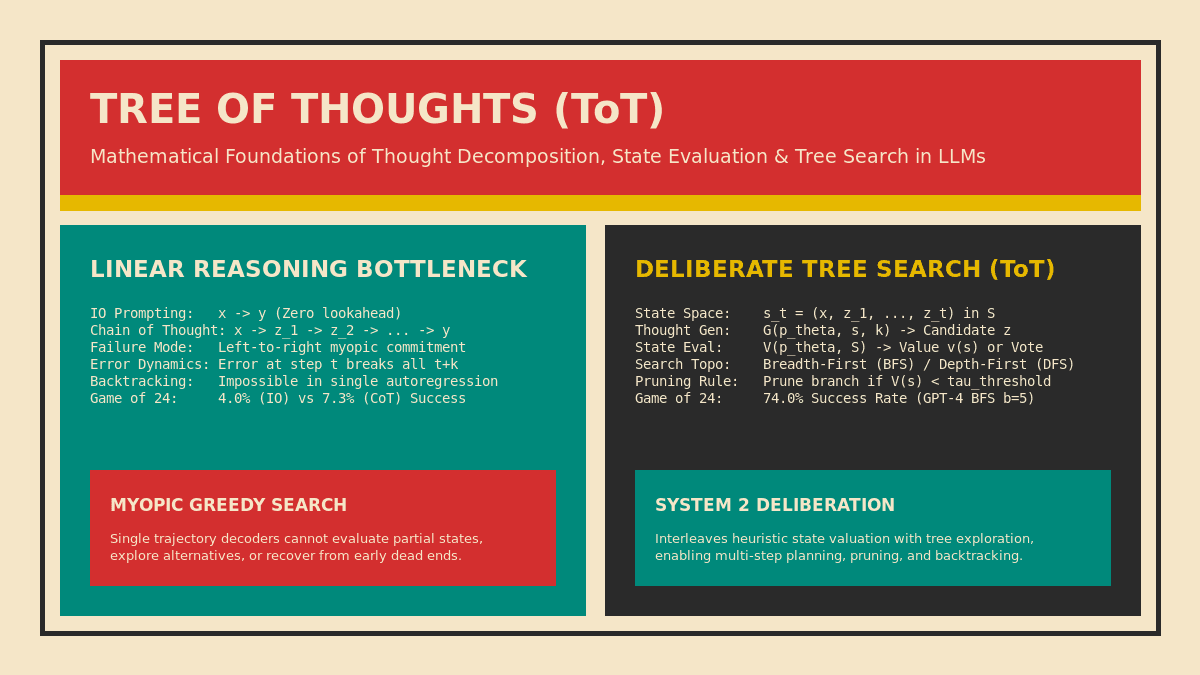
  19. Tree of Thoughts (ToT): Mathematical Foundations, Thought Decomposition, State Evaluation, and Tree Search Algorithms in Large Language Models

    Autoregressive large language models generate text left-to-right via token-level greedy or stochastic decoding. While Chain-of-Thought (CoT) prompting enables models to generate intermediate reasoning steps, standard inference remains constrained to a single linear trajectory. In complex problem-solving environments requiring combinatorial planning, heuristic evaluation, and lookahead, single-trajectory generation suffers from compounding errors and an inability to backtrack from early dead ends

    AI
    6 min read
  20. Open-Source LLM Benchmark Evaluation Harnesses in Production: Comparing LM Evaluation Harness, Lighteval, AlpacaEval 2, and Arena-Hard-Auto

    Standardized evaluation is the bedrock of LLM development, yet production evaluation pipelines face a split between two distinct paradigms: static, deterministic multi-task benchmarks evaluated via log-likelihood or exact string matching, and dynamic, open-ended instruction-following benchmarks evaluated via LLM-as-a-Judge pairwise win rates. Engineering teams building pre-training runs, fine-tuning recipes, and model alignment loops require distinct tooling for each paradigm. Four open-source

    AI
    5 min read