Subscribe
Topic

KV Cache

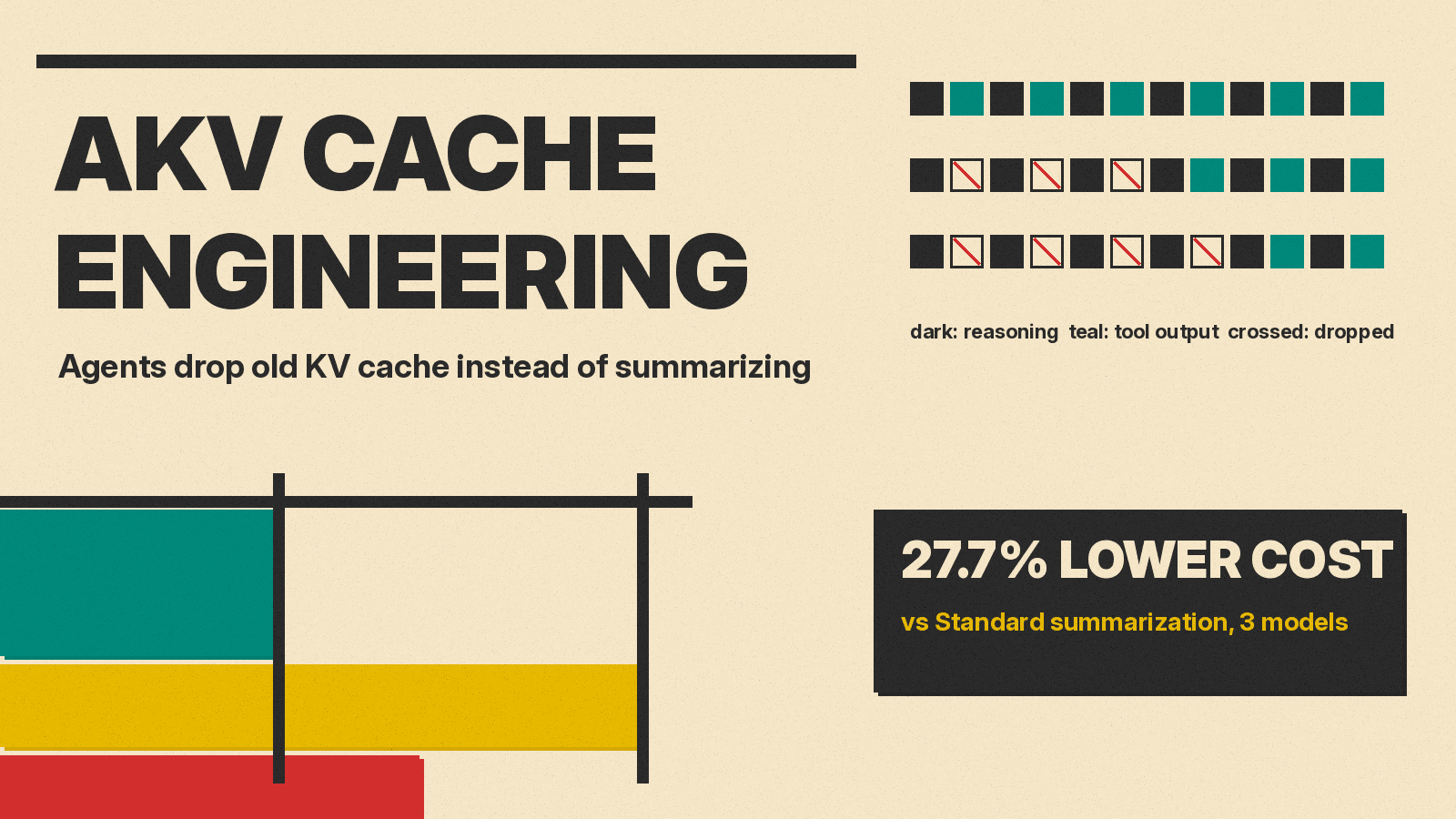
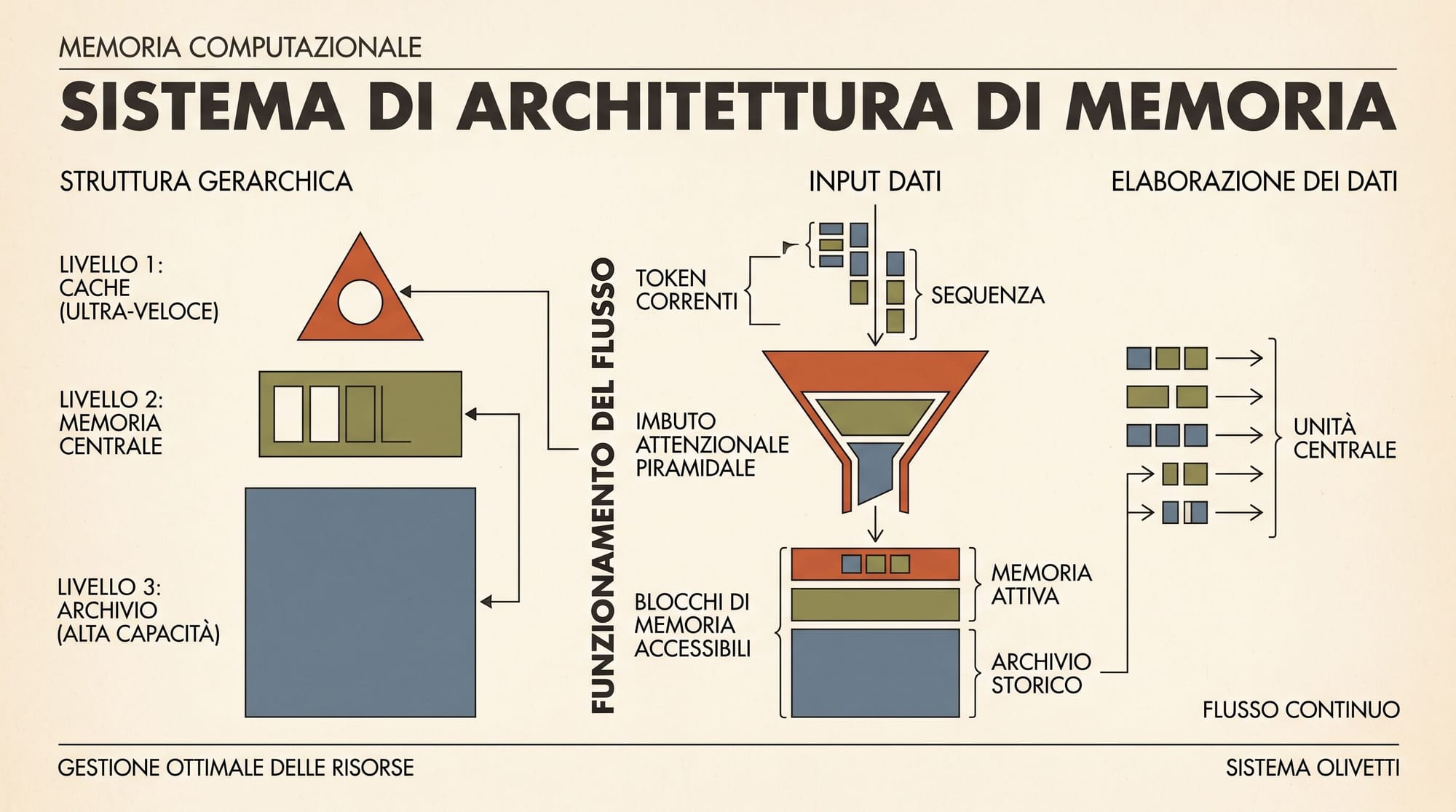
The KV cache stores attention keys and values so LLMs don't recompute them. Posts compare KV cache compression and pruning methods like StreamingLLM and H2O, explain RadixAttention prefix trees, and cover Nvidia research on sharing caches across models.

Articles

1-4
  1. KV Cache Compression and Dynamic Pruning in Production Serving: Comparing StreamingLLM, H2O, SnapKV, PyramidKV, and DuoAttention Architecture, Memory Bandwidth Reduction, and Needle Retrieval Retention

    As context windows in production large language models expand from 8K tokens to 128K tokens and beyond, the Key-Value (KV) cache replaces model weights as the primary consumer of GPU High Bandwidth Memory (HBM). In high-throughput serving systems, the KV cache grows linearly with sequence length and batch size, creating a dual bottleneck: capacity exhaustion that caps concurrent batch size, and memory bandwidth saturation during autoregressive decoding. While quantization techniques (such as FP

    AI
    11 min read
  2. Prefix-Tree KV Cache Management in Production: RadixAttention, Tree-Structured LRU Eviction, and Token-Level Sharing in SGLang and vLLM

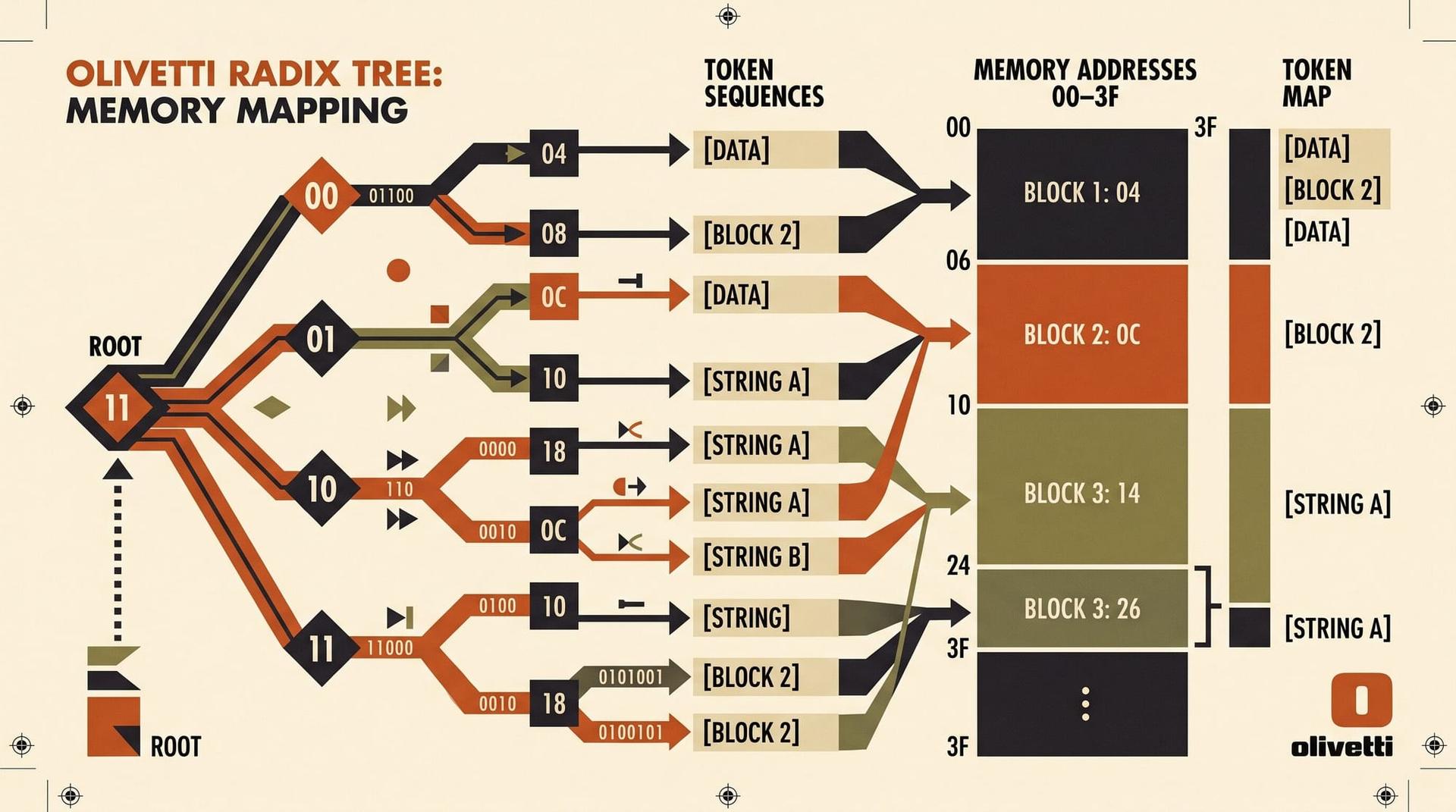
    Prefix-Tree KV Cache Management in Production: RadixAttention, Tree-Structured LRU Eviction, and Token-Level Sharing in SGLang and vLLM Autoregressive large language model inference is heavily constrained by memory bandwidth and the computational overhead of the prefill phase. For workloads such as multi-turn conversations, autonomous agent tool loops, few-shot prompt evaluations, and tree-search decoding, consecutive requests often share substantial token prefixes. In a standard multi-turn ses

    AI
    7 min read
  3. NVIDIA Researchers Map Cross-Model KV Caches via Linear Ridge Regression to Accelerate Model Cascading Up to 25x

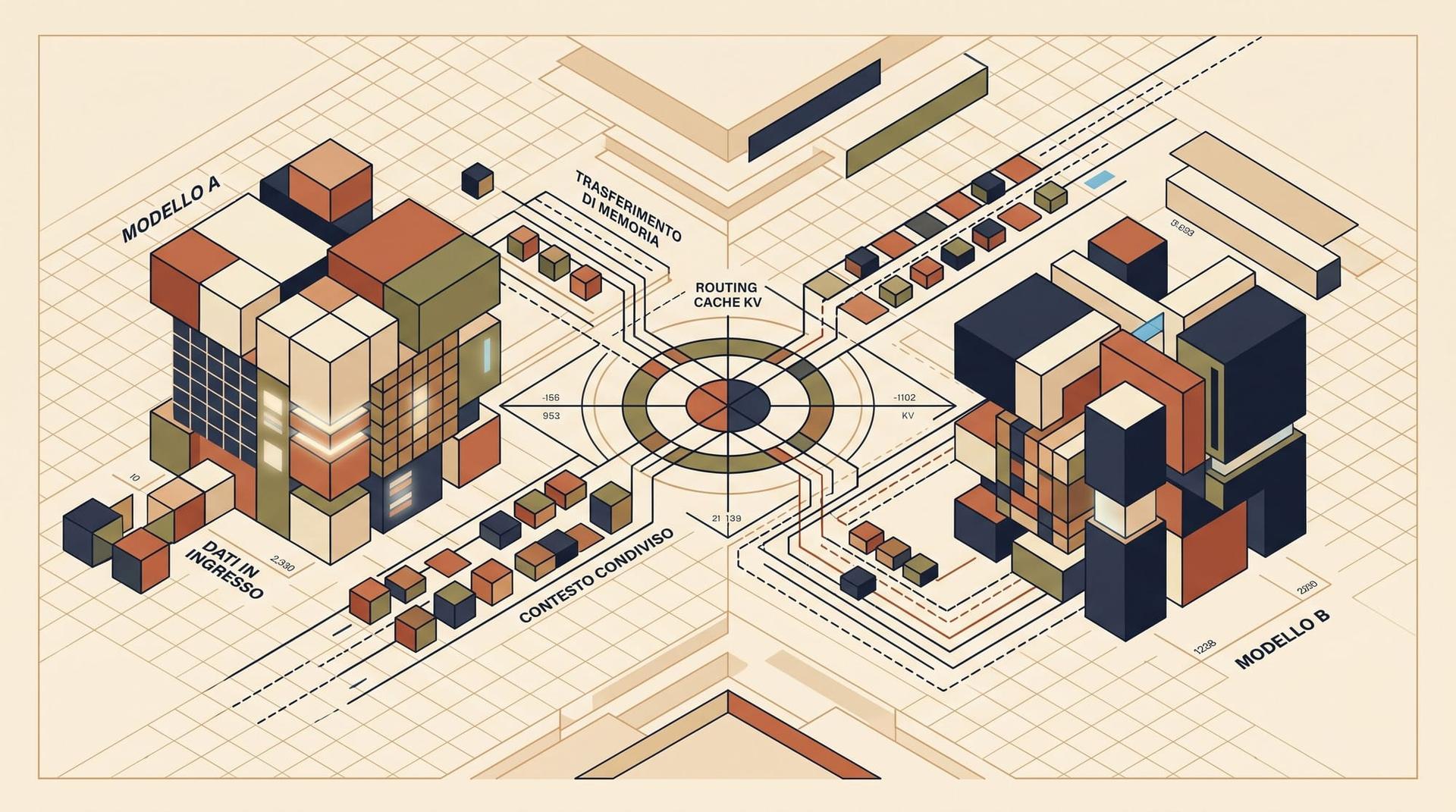
    In multi-agent systems and tiered model cascades, routing requests across different model sizes is a standard architecture for balancing inference cost and generation quality. However, switching models mid-session has historically imposed a severe compute tax: because each neural architecture maintains its own distinct internal representations, the receiving model cannot read the key-value (KV) states generated by the previous model. The target model must recompute the entire conversation histor

    AI
    4 min read