Category / page 2

Content Creation

66 articles

Articles, page 2

21-40 of 66
  1. Best AI Tools for Students (October 2026)

    Eleven real AI tools for students, grouped by job: tutoring, studying your own notes, research, math and science, writing, and lecture notes. What each does, who it suits, its main limit, and student pricing only where we verified it on the vendor's own page.

    Tools
    9 min read
  2. Best AI Music Generators (October 2026): 10 Tools Compared

    We compared 10 AI music generators, including Suno, Udio, Eleven Music, Google Lyria 3.5, Stable Audio and AIVA, on current model, free tier, cheapest paid plan, commercial rights and downloads. Prices from each tool's own pages as of October 2026.

    AI Music
    11 min read
  3. Suno vs Udio: Which AI Music Generator Wins? (October 2026)

    Suno and Udio cost about the same, but they now differ on what you can do with a song. Suno v6 keeps metered downloads with commercial rights on paid plans. Udio has disabled downloads while it builds a licensed fan app. Here are models, prices, rights and legal status as of October 2026.

    AI
    9 min read
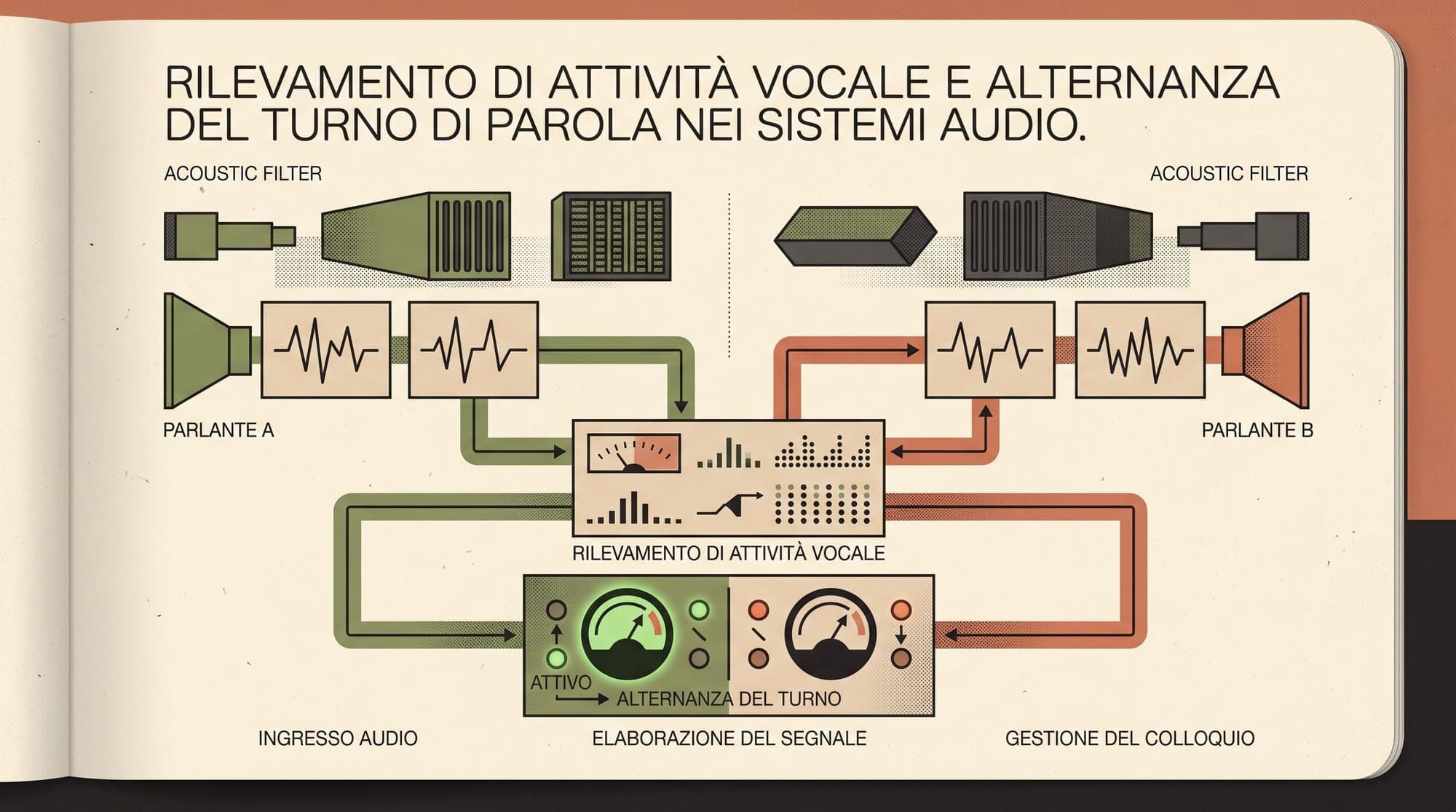
  4. Voice Activity Detection and Turn-Taking Architecture in Production Voice AI: Comparing Silero VAD, WebRTC VAD, PyAnnote Audio, and Semantic Endpointing

    Real-time voice AI agents depend on two sequential decisions: identifying when a user is speaking, and predicting when they have finished their conversational turn. Acoustic Voice Activity Detection (VAD) handles the first problem at the audio frame level, while turn-taking endpointing manages dialogue state transitions. Mistakes in either layer degrade conversational flow. Inaccurate VAD causes false interruptions from background noise or misses quiet speech onsets. Naive silence-based endpoin

    AI Voice
    5 min read
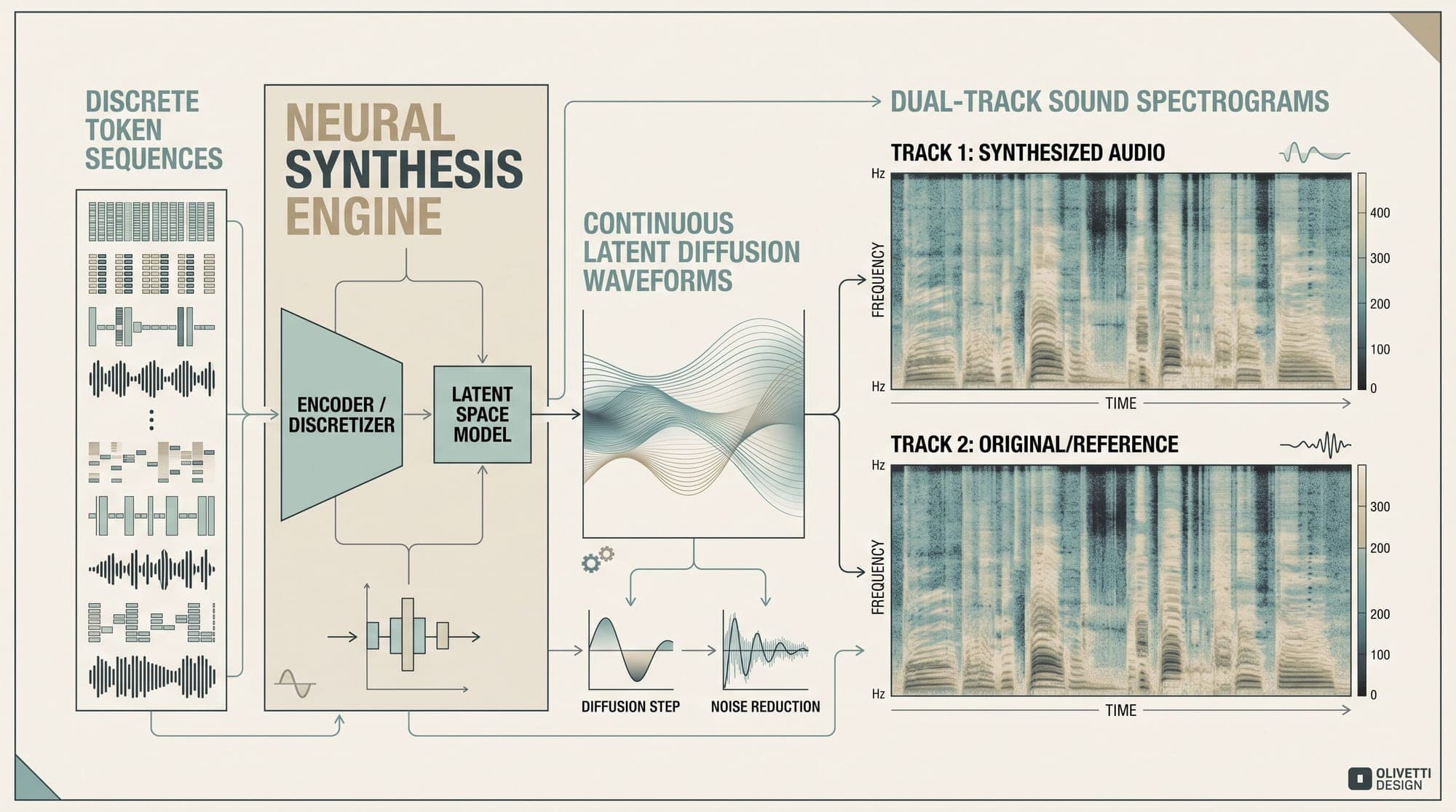
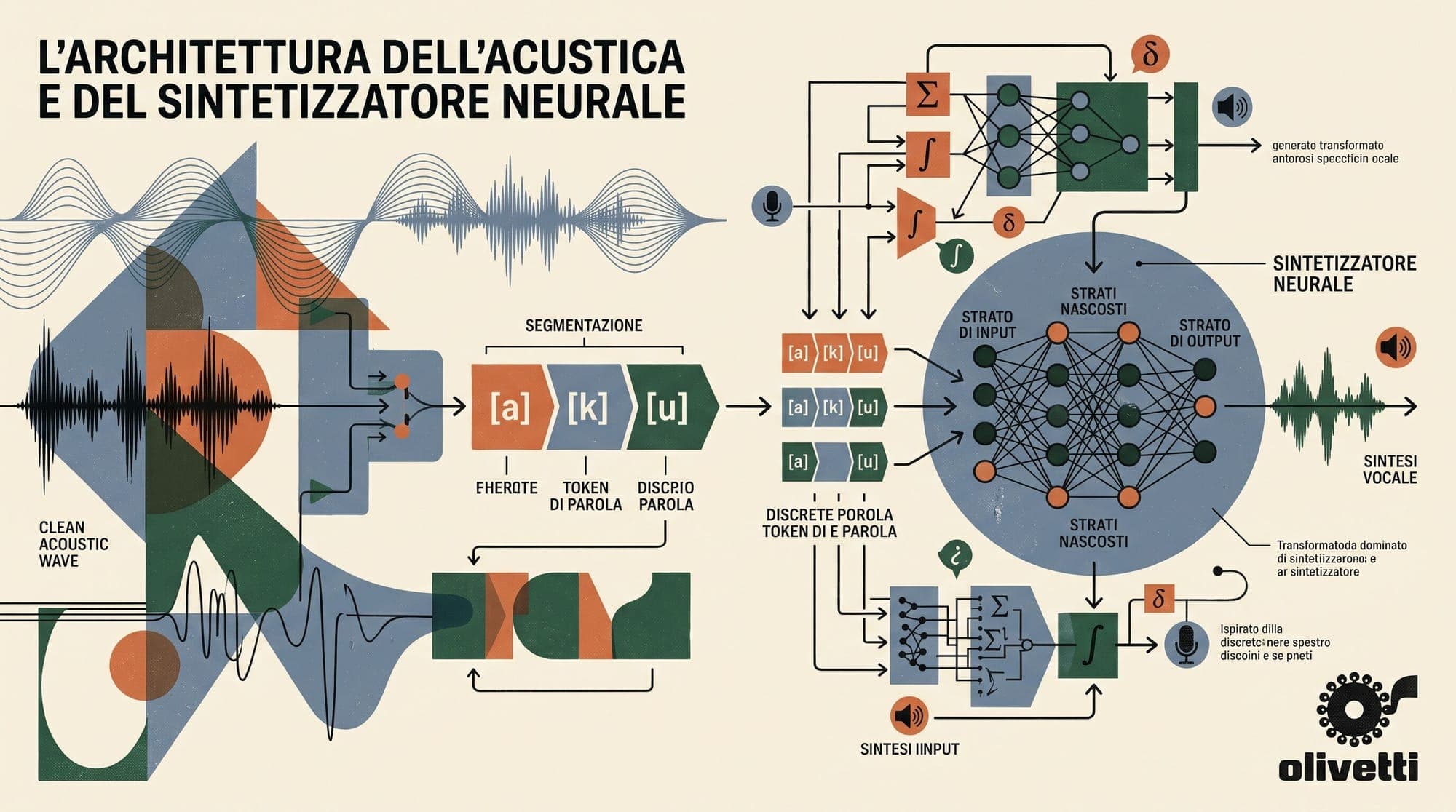
  5. Open-Source Music and Audio Generation Models in Production: Comparing MusicGen, Stable Audio Open, AudioLDM 2, and YuE

    Neural music and sound generation architectures in production have diverged into two competing paradigms: discrete autoregressive sequence modeling and continuous latent diffusion. While early research relied on cascaded pipelines with separate acoustic and semantic models, modern open-source systems unify generation into single-stage or dual-stage foundations capable of synthesizing high-fidelity instrumentals, sound effects, and full polyphonic songs with vocals. Deploying generative audio in

    AI Music
    7 min read
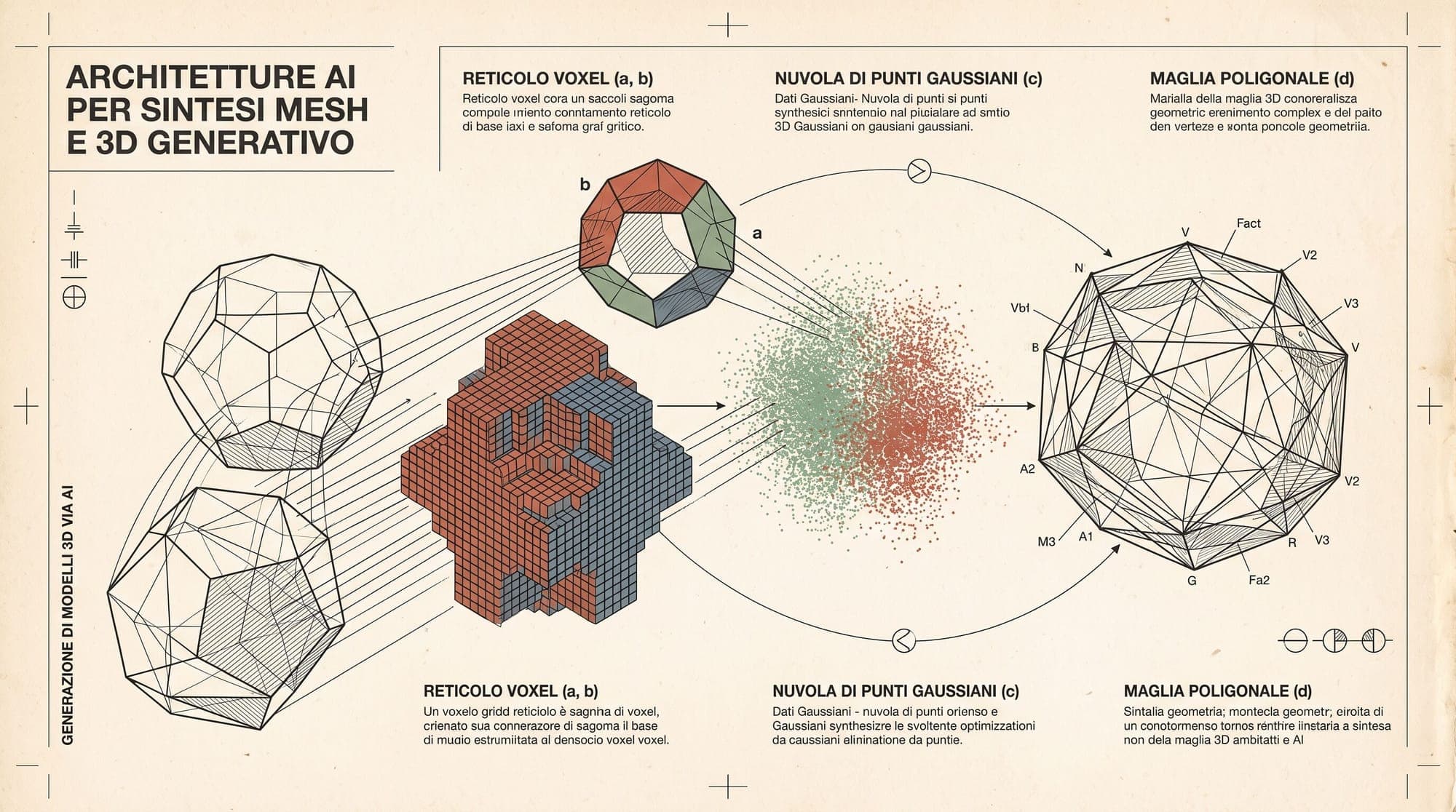
  6. Open-Source 3D Generative Models in Production: Comparing TRELLIS, Hunyuan3D 2.0, TripoSR, and InstantMesh

    Production 3D generative AI has shifted away from slow optimization-based paradigms toward high-throughput feed-forward architectures and scalable flow-matching diffusion models. Early text-to-3D pipelines relied on Score Distillation Sampling (SDS) through 2D diffusion priors, requiring hundreds of optimization steps and minutes of GPU compute per asset. Modern systems synthesize textured 3D representations in seconds from a single reference image or text prompt. Engineering teams integrating

    3D Generation
    6 min read
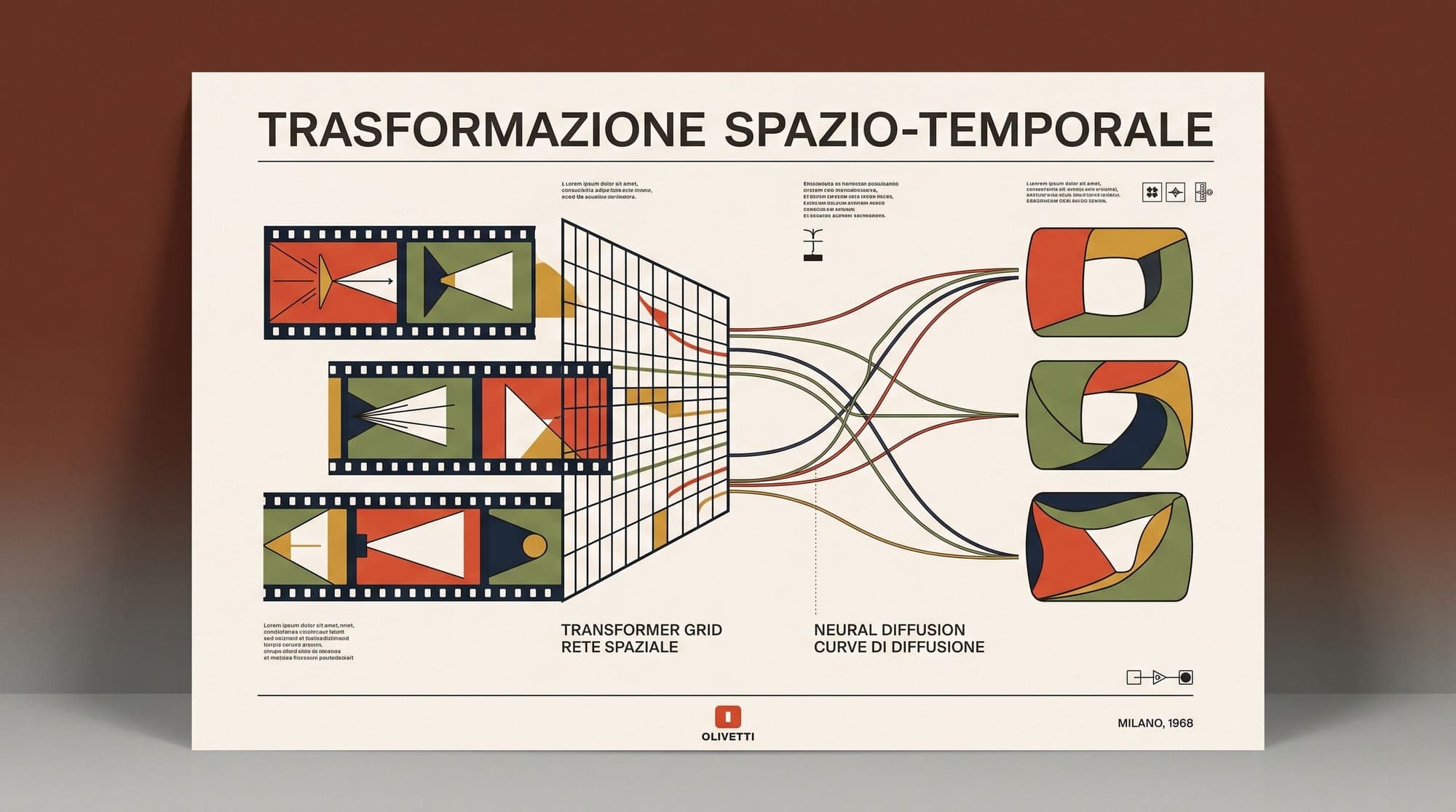
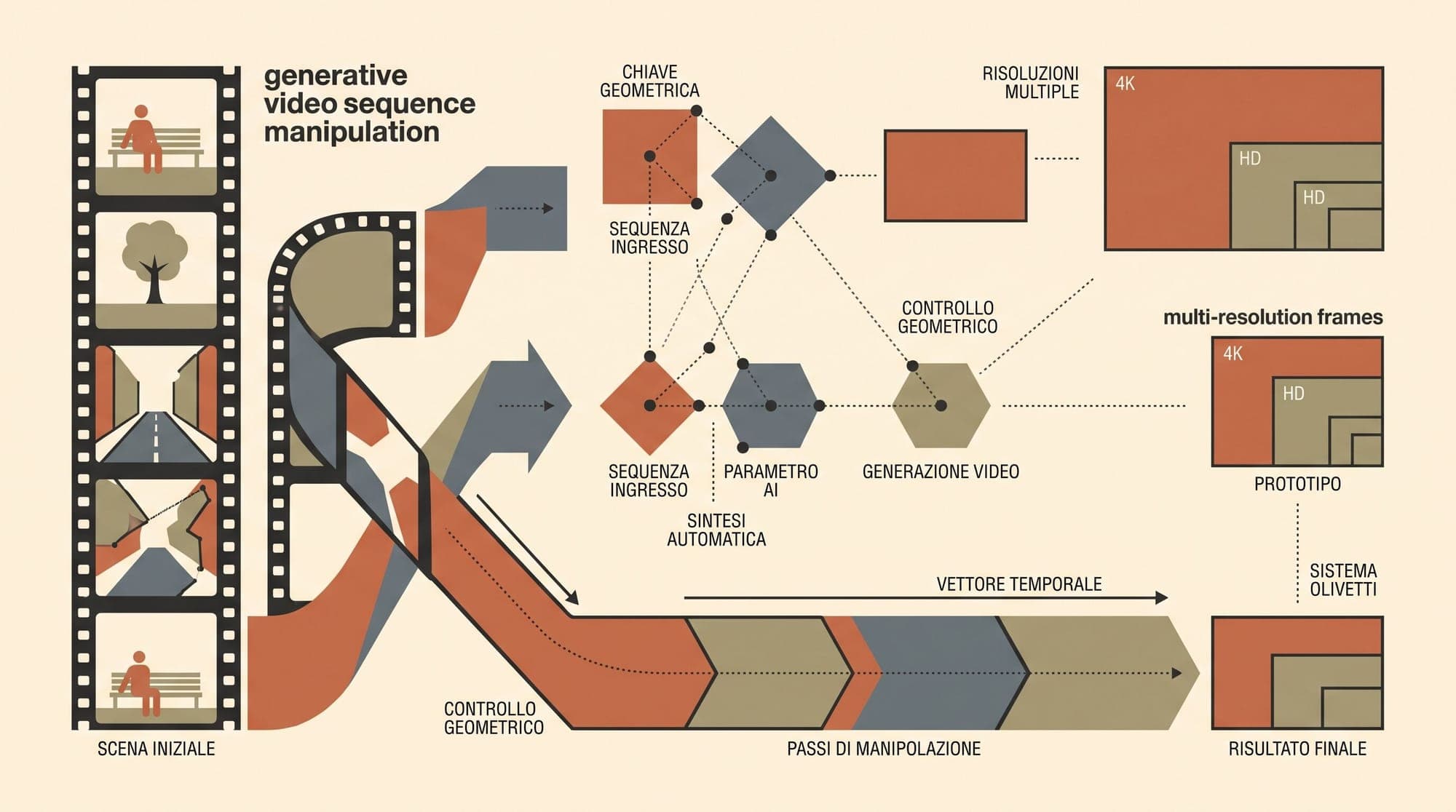
  7. Open-Source Video Diffusion Models in Production: Comparing HunyuanVideo, CogVideoX, Mochi 1, and LTX-Video

    Generating temporally coherent, high-resolution video from natural language prompts has transitioned from UNet-based frame interpolation pipelines to scalable Diffusion Transformers (DiT) operating over compressed spatiotemporal latent spaces. The release of open-weight video foundation models has established production-viable alternatives to proprietary commercial APIs. However, engineering teams deploying video generation pipelines face stark trade-offs across transformer parameter scaling, 3D

    AI
    7 min read
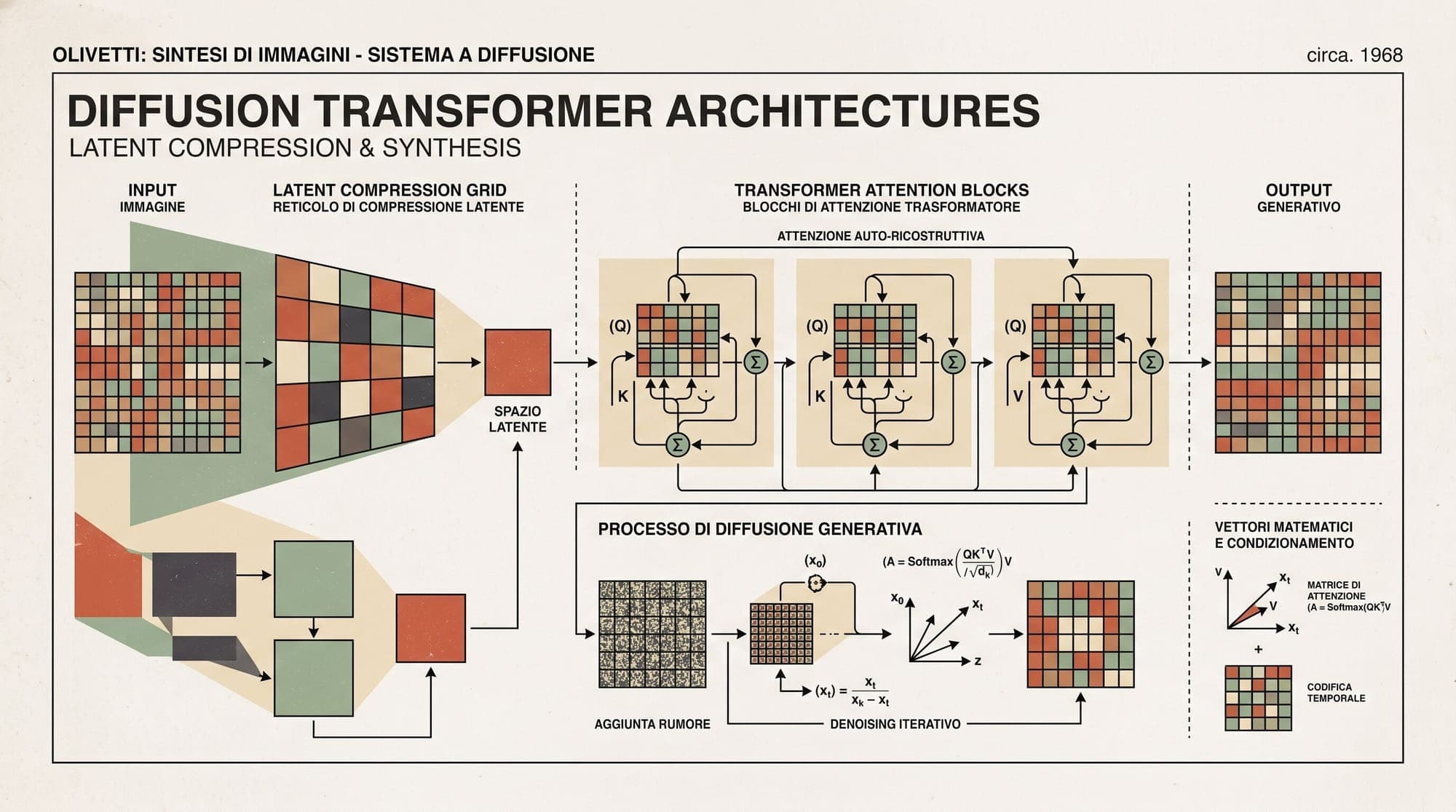
  8. Open-Source Text-to-Image Diffusion Models in Production: Comparing FLUX.1, Stable Diffusion 3.5, PixArt-Sigma, and Sana

    Production deployments of text-to-image generative systems have undergone a structural transition over the past two years. The classical convolutional U-Net architectures that powered Stable Diffusion 1.5 and Stable Diffusion XL have largely been superseded by transformer-based backbones. Modern open-weight models rely on Diffusion Transformers (DiT), Multimodal Diffusion Transformers (MMDiT), Linear DiTs, and Flow Matching formulations. Choosing an open-source text-to-image foundation model fo

    AI
    8 min read
  9. Open-Source Text-to-Speech (TTS) Serving in Production: Comparing Kokoro-82M, F5-TTS, StyleTTS 2, and Fish Speech

    Deploying open-source text-to-speech (TTS) in production has shifted rapidly over the past year. Where teams previously defaulted to managed cloud APIs like ElevenLabs or OpenAI Audio due to the complexity and computational weight of self-hosted acoustic models, modern open-weight architectures offer distinct trade-offs across latency, zero-shot cloning fidelity, and inference cost. Selecting a self-hosted TTS engine requires navigating four fundamentally different architectural paradigms: ligh

    AI Voice
    6 min read
  10. Real-Time Voice AI Agent Frameworks in Production: Comparing LiveKit Agents, Pipecat, OpenAI Realtime API, and Ultravox

    Deploying conversational voice agents in production requires solving a fundamental physics and networking problem: human conversational turn-taking occurs within an average gap of 200 to 300 milliseconds. When an artificial conversational agent exceeds 600 to 800 milliseconds of round-trip latency, users perceive the interaction as sluggish, talk over the assistant, or experience severe turn collisions. Historically, conversational voice systems relied on sequential request-response architectur

    AI
    10 min read
  11. Google Releases Gemini Omni 1.1 Flash with Scene Extension and Keyframe Control

    Google DeepMind has released Gemini Omni 1.1 Flash, updating its multimodal generative video model with programmatic editing controls, extended scene generation, and lower-cost drafting tiers. The model is accessible via the Gemini API in Google AI Studio and the Gemini Enterprise Agent Platform. The update addresses primary friction points in production AI video pipelines: temporal continuity across clips, deterministic camera transitions, iterative preview costs, and high-resolution export qu

    AI
    3 min read
  12. Google Releases Gemini 3.5 Transcribe with Disfluency Filtering and Task Delegation

    Google has launched Gemini 3.5 Transcribe, a dedicated speech-to-text model designed for real-time streaming, automated disfluency cleanup, and agentic task delegation. The release introduces two API interfaces alongside integration across Google developer tooling and consumer operating system surfaces. Dual API Architecture for Live and Batch Audio Gemini 3.5 Transcribe is split into two operational endpoints tailored for distinct latency profiles: * Real-time streaming (gemini-3.5-transcr

    AI
    2 min read
  13. Ringg Raises $10M from Peak XV to Scale Enterprise Voice AI Agents

    Indian voice AI startup Ringg has secured $10 million in fresh capital from Peak XV Partners as an extension to its Series A round. The funding brings the startup's total Series A capital to $15.5 million, following an initial $5.5 million tranche closed earlier in 2026. The capital injection comes as voice remains the dominant channel for commercial communication in India. According to survey data from Truecaller, over 76% of Indian consumers prefer phone interactions when contacting businesse

    AI Voice
    2 min read
  14. Gamma Acquires AI Design Startup Lica to Establish Multimodal Research Lab

    AI presentation platform Gamma has acquired design startup Lica to establish an internal research division focused on multimodal communication and automated layout models. The deal brings Lica co-founders Priyaa Kalyanaraman and Purvanshi Mehta to Gamma to head the new research laboratory. Gamma reached a $2.1 billion valuation in November 2025 following a $68 million funding round, scaling its user base to more than 100 million accounts. The platform allows users to generate presentations, doc

    AI
    1 min read
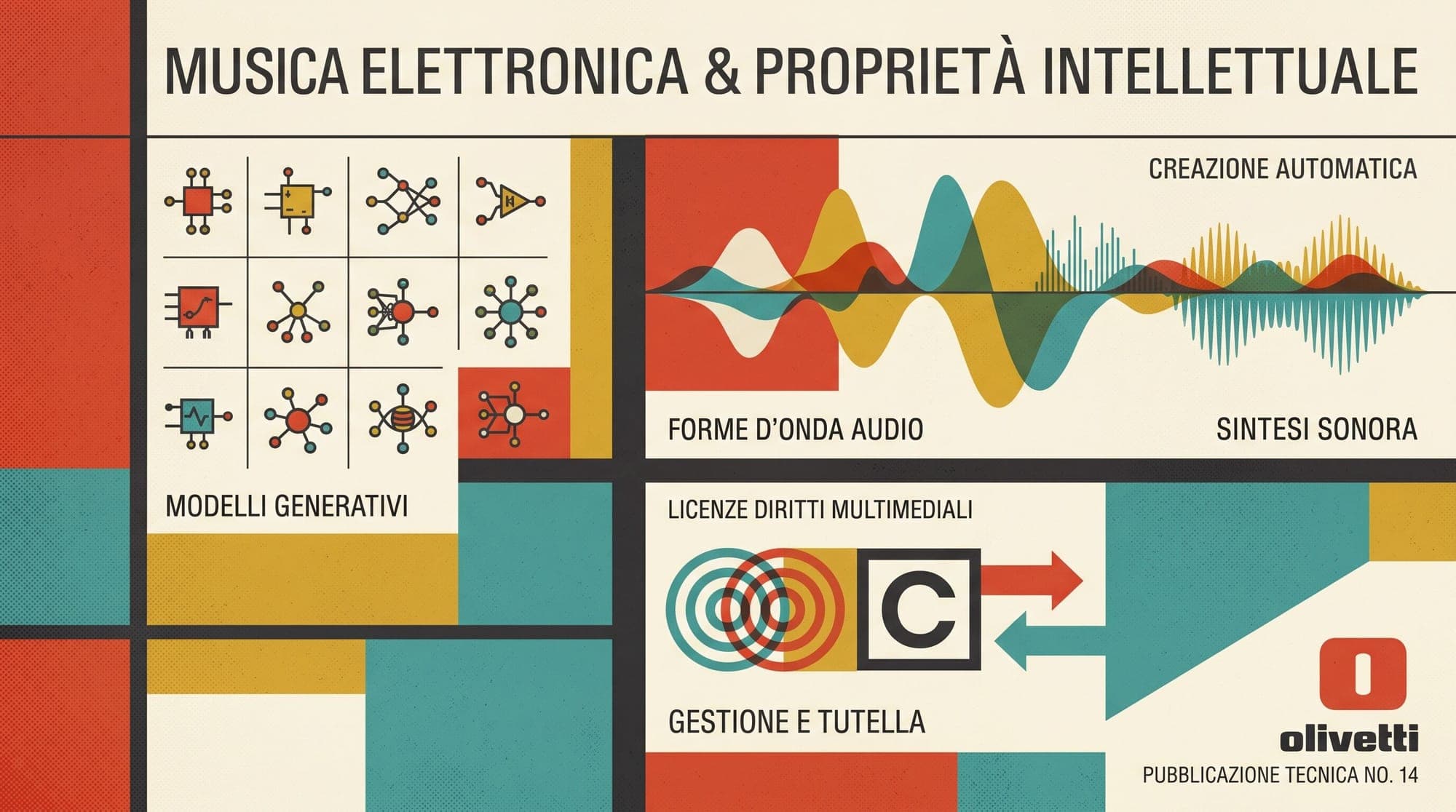
  15. Stability AI Secures $76M Series B Backed by Major Music Labels and Electronic Arts

    Stability AI has secured $76 million in a Series B financing round backed by a syndicate of major entertainment and gaming publishers. The investor roster includes the world's three largest record labels—Universal Music Group (UMG), Warner Music Group (WMG), and Sony Music Entertainment—alongside video game publisher Electronic Arts (EA), AMD Ventures, and Pacific Alliance Ventures. The transaction marks a structural evolution for the company behind Stable Diffusion, which has shifted toward bu

    AI
    2 min read