Category / page 4

Coding & Agents

352 articles

Articles, page 4

61-80 of 352
  1. Voice Activity Detection and Turn-Taking Architecture in Production Voice AI: Comparing Silero VAD, WebRTC VAD, PyAnnote Audio, and Semantic Endpointing

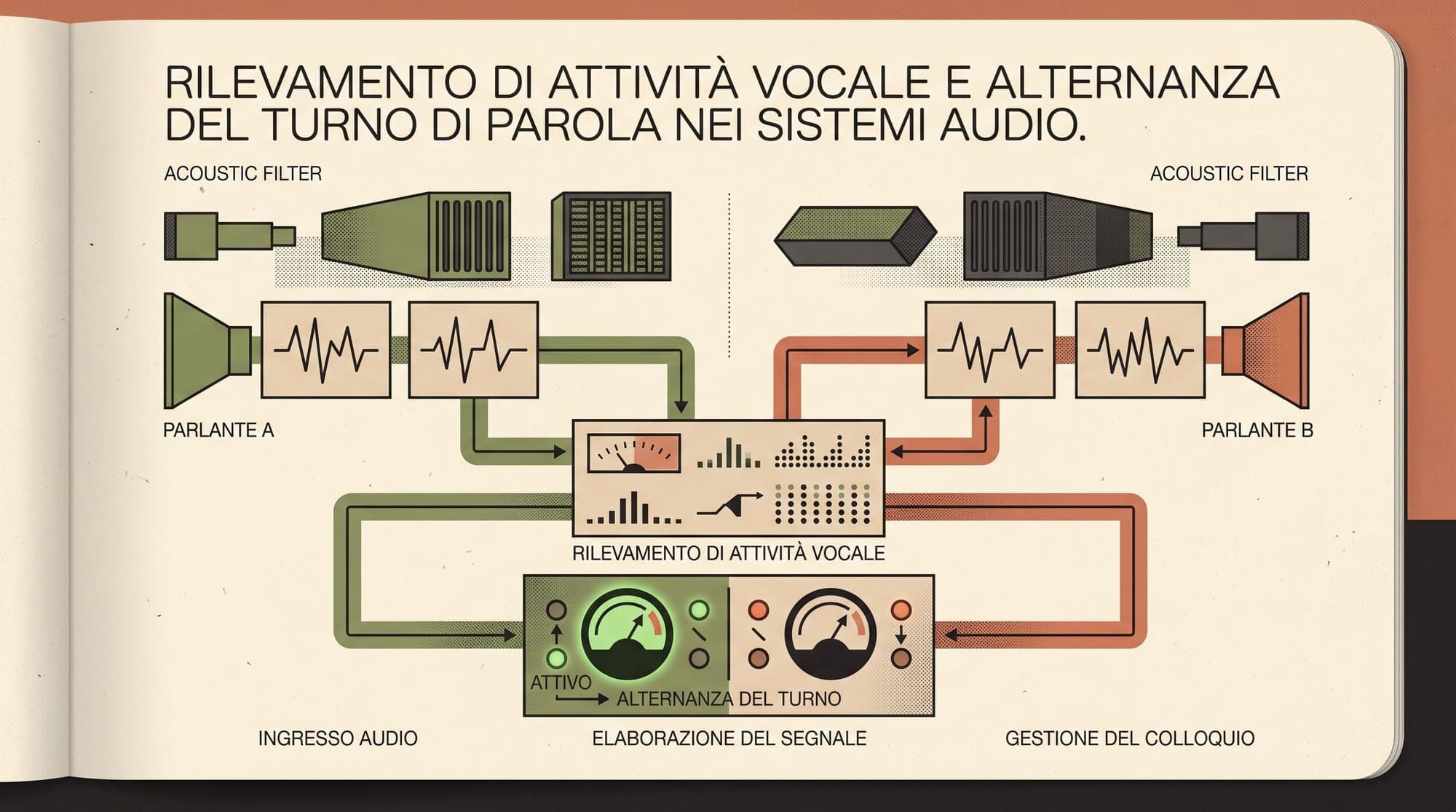
    Real-time voice AI agents depend on two sequential decisions: identifying when a user is speaking, and predicting when they have finished their conversational turn. Acoustic Voice Activity Detection (VAD) handles the first problem at the audio frame level, while turn-taking endpointing manages dialogue state transitions. Mistakes in either layer degrade conversational flow. Inaccurate VAD causes false interruptions from background noise or misses quiet speech onsets. Naive silence-based endpoin
    AI Voice
    5 min read
  2. Open-Source 3D Generative Models in Production: Comparing TRELLIS, Hunyuan3D 2.0, TripoSR, and InstantMesh

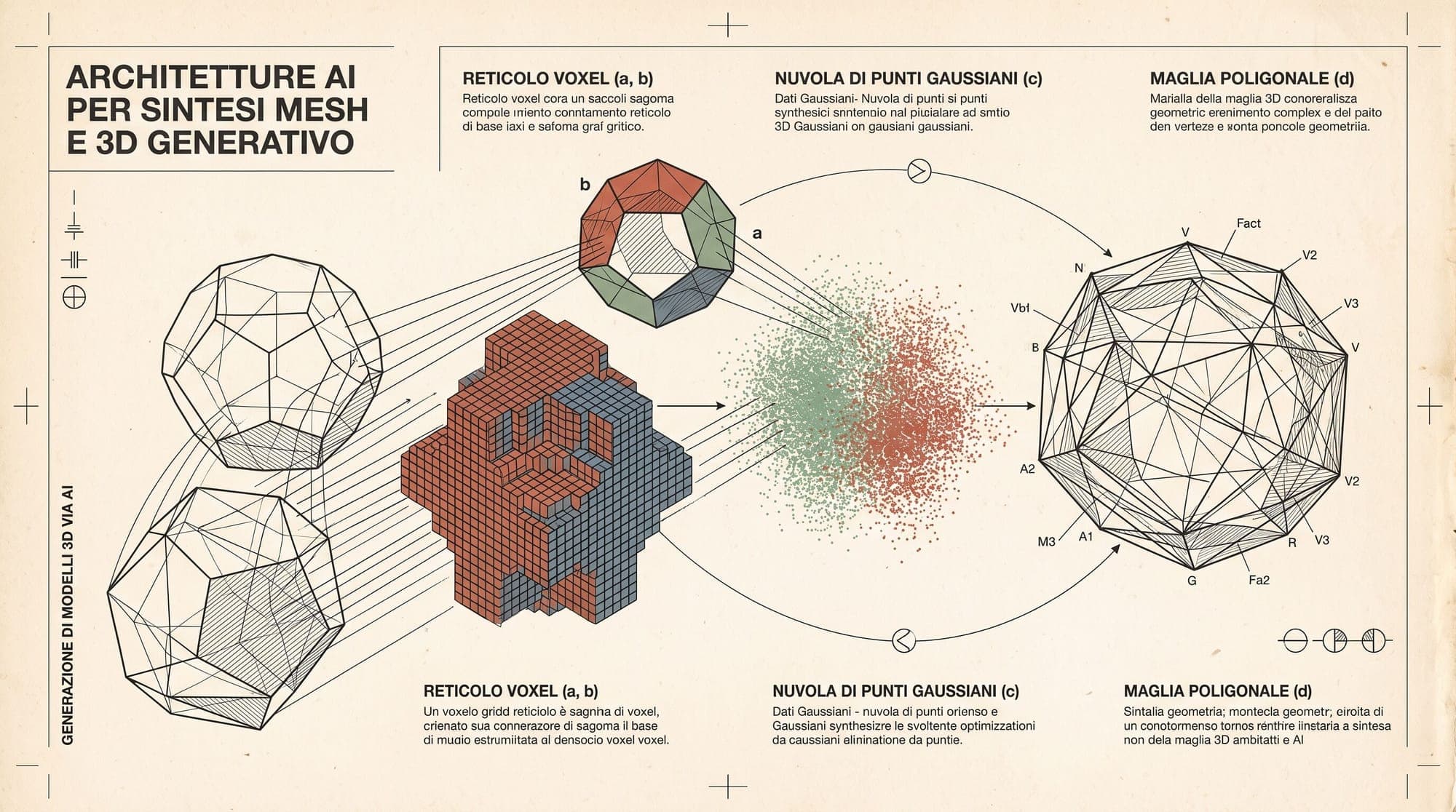
    Production 3D generative AI has shifted away from slow optimization-based paradigms toward high-throughput feed-forward architectures and scalable flow-matching diffusion models. Early text-to-3D pipelines relied on Score Distillation Sampling (SDS) through 2D diffusion priors, requiring hundreds of optimization steps and minutes of GPU compute per asset. Modern systems synthesize textured 3D representations in seconds from a single reference image or text prompt. Engineering teams integrating

    3D Generation
    6 min read
  3. Open-Source Function-Calling Models in Production: Comparing Gorilla OpenFunctions-v2, Hermes 3, Functionary, and xLAM

    Deploying autonomous AI agents and automated API workflows requires reliable structured output generation and tool invocation. While general-purpose language models can be prompted to output JSON tool invocations, specialized function-calling fine-tunes provide higher schema compliance, lower parameter hallucination rates, and support for parallel tool invocation. Four open-source model families have emerged as prominent architectures for local and private function calling: Gorilla OpenFunction

    AI
    4 min read
  4. Google Releases Harness² for Recursive Agent Harnessing Without Model Retraining

    Google Cloud AI Research has open-sourced Harness², a framework designed to automate the recursive self-improvement of AI agent scaffolding without modifying underlying model weights. Released under the Apache-2.0 license, the repository provides tools to optimize prompts, tools, memory, skills, and orchestration across open-world tasks where no ground-truth answer keys or verifiers exist. Decoupling Agent Scaffolding from Model Weights An autonomous agent's performance depends heavily on its

    AI
    3 min read
  5. PostgreSQL 19 GA Delayed to November Following LLM Code Review Findings and Feature Reverts

    The PostgreSQL Global Development Group has moved the targeted general availability date for PostgreSQL 19 from late September to November 19, 2026. The delay follows late-cycle code reviews using large language model tooling that surfaced roughly 40 defect reports, prompting core maintainers to revert between 8 and 10 major features slated for the release. Reverted Features and Architectural Defect Findings According to PostgreSQL committer and EDB vice president Peter Eisentraut, automated

    Databases
    1 min read
  6. Open-Source Code Generation Models in Production: Comparing Qwen2.5-Coder, DeepSeek-Coder-V2, Codestral, and StarCoder2

    Selecting an open-source code generation model for production environments requires balancing task-specific accuracy, context window length, inference latency, memory footprint, and licensing terms. While general-purpose frontier models handle code generation reasonably well, dedicated code models optimize parameter density and token economics for developer workflows such as real-time autocomplete, fill-in-the-middle (FIM) editing, repository-wide reasoning, and automated test generation. Four

    AI
    5 min read
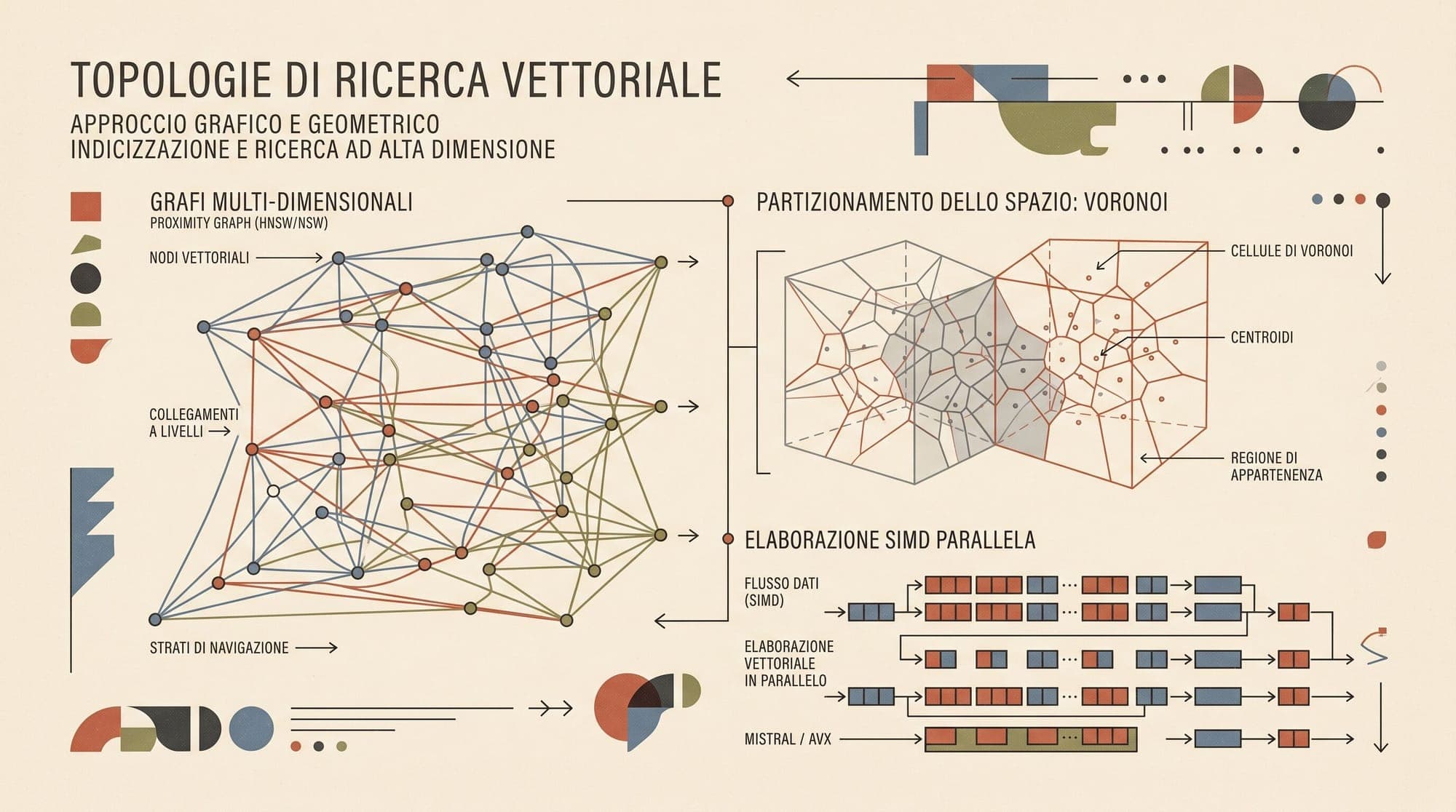
  7. Open-Source Vector Search Indexing Libraries in Production: Comparing Faiss, HNSWLib, ScaNN, and USearch Architecture, Quantization Schemes, SIMD Vectorization, and Memory Economics

    Vector retrieval systems across modern retrieval-augmented generation (RAG) pipelines, multimodal search engines, and recommendation systems depend on low-level Approximate Nearest Neighbor (ANN) search libraries. While production systems often wrap these engines inside managed vector databases such as Qdrant, Milvus, Weaviate, or ClickHouse, the fundamental compute bottlenecks, memory limits, and latency profiles are dictated by the underlying C++ vector indexing libraries. Four open-source li

    AI
    8 min read
  8. Self-Hosted AI Code Completion Engines in Production: Comparing Tabby, Continue, Refact.ai, and Twinny Architecture, Fill-in-the-Middle Pipelines, AST Context Retrieval, and Serving Latency

    Deploying AI-assisted code completion within air-gapped environments, regulated enterprises, and privacy-conscious engineering teams requires decoupling developer tooling from third-party cloud APIs. While agentic coding systems focus on multi-turn planning and repository-wide refactoring with relaxed latency budgets, inline code completion operates under strict real-time constraints. Developers expect ghost-text suggestions to appear within 100 to 200 milliseconds of pausing keystrokes. Delive

    AI
    7 min read
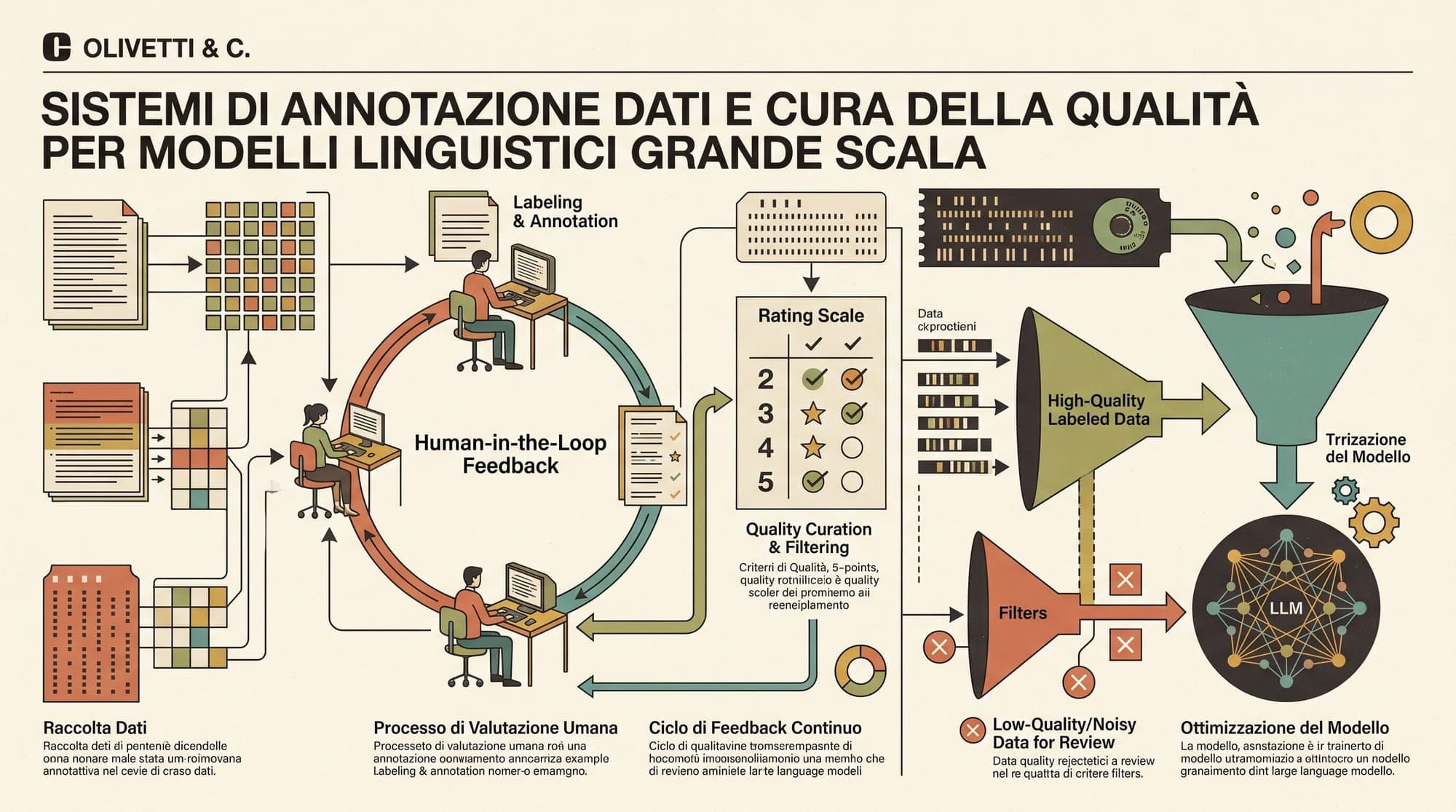
  9. Data Annotation and Preference Labeling Frameworks in Production: Comparing Argilla, Label Studio, Prodigy, and Cleanlab

    Modern frontier and open-weight large language models rely heavily on curated data pipelines across Supervised Fine-Tuning (SFT), Reinforcement Learning from Human Feedback (RLHF), and Direct Preference Optimization (DPO). While pre-training ingests trillions of uncurated tokens from the public web, post-training alignment requires high-precision preference rankings, instruction demonstrations, and safety boundary evaluations. Empirical research demonstrates that a few thousand meticulously cura

    AI
    6 min read
  10. OpenCode Breach Exposes Third-Party API Keys in Targeted Distillation Attack

    Anomaly Innovations, the developer behind the open-source AI coding tool OpenCode, confirmed that a security breach exposed third-party API credentials stored by approximately 1.4% of its Console users. The unauthorized access targeted an internal legacy system during decommissioning and was leveraged to execute automated model distillation attacks against frontier AI providers. Update, Oct 19 The exposed keys are the ones users saved in OpenCode Console, the company's optional hosted service

    Security
    3 min read
  11. Embedding and Reranker Serving Engines in Production: Comparing Hugging Face TEI, Infinity, FastEmbed, and vLLM

    Serving dense embedding and reranking models in production involves fundamentally different hardware and execution bottlenecks than autoregressive LLM text generation. While generative decoder models are memory-bandwidth-bound during single-token autoregressive decoding, embedding models (such as BGE-M3, ModernBERT, GTE-Qwen2, and Snowflake Arctic) and cross-encoder rerankers operate purely in encoder or forward-pass pooling mode. They are compute-bound and latency-critical. In retrieval-augmen

    AI
    6 min read
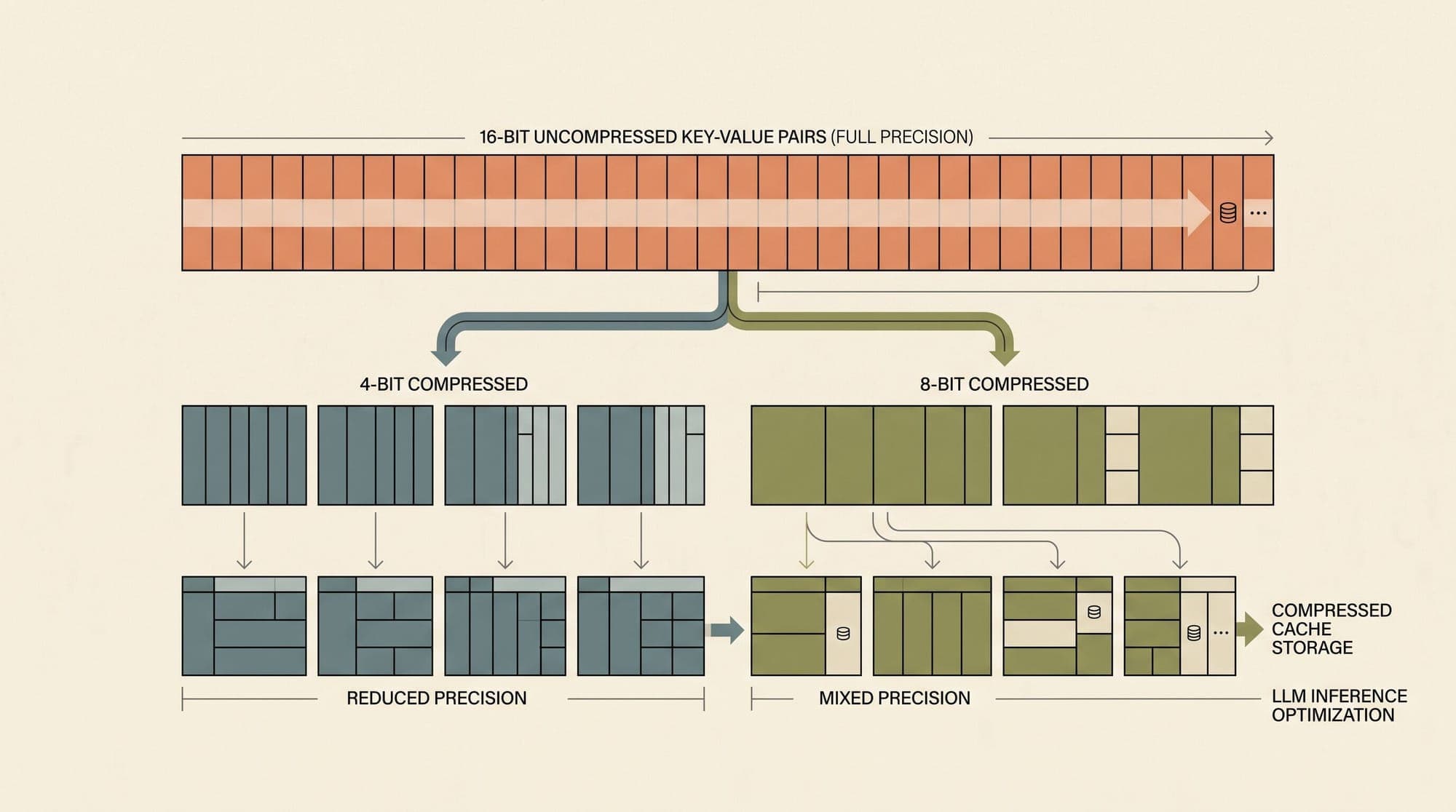
  12. KV Cache Quantization in Production LLM Serving: Comparing FP8, INT8, INT4, KIVI, and KVQuant

    In high-throughput large language model serving, the primary hardware bottleneck during autoregressive token generation is memory bandwidth and GPU High Bandwidth Memory (HBM) capacity rather than raw compute FLOPS. While model weights remain static and are loaded once per forward pass, the Key-Value (KV) cache grows dynamically with sequence length and batch size. For a standard model in FP16 or BF16 precision, storing the KV cache requires 4 bytes per token across all layers and heads: Memor

    Inference
    6 min read
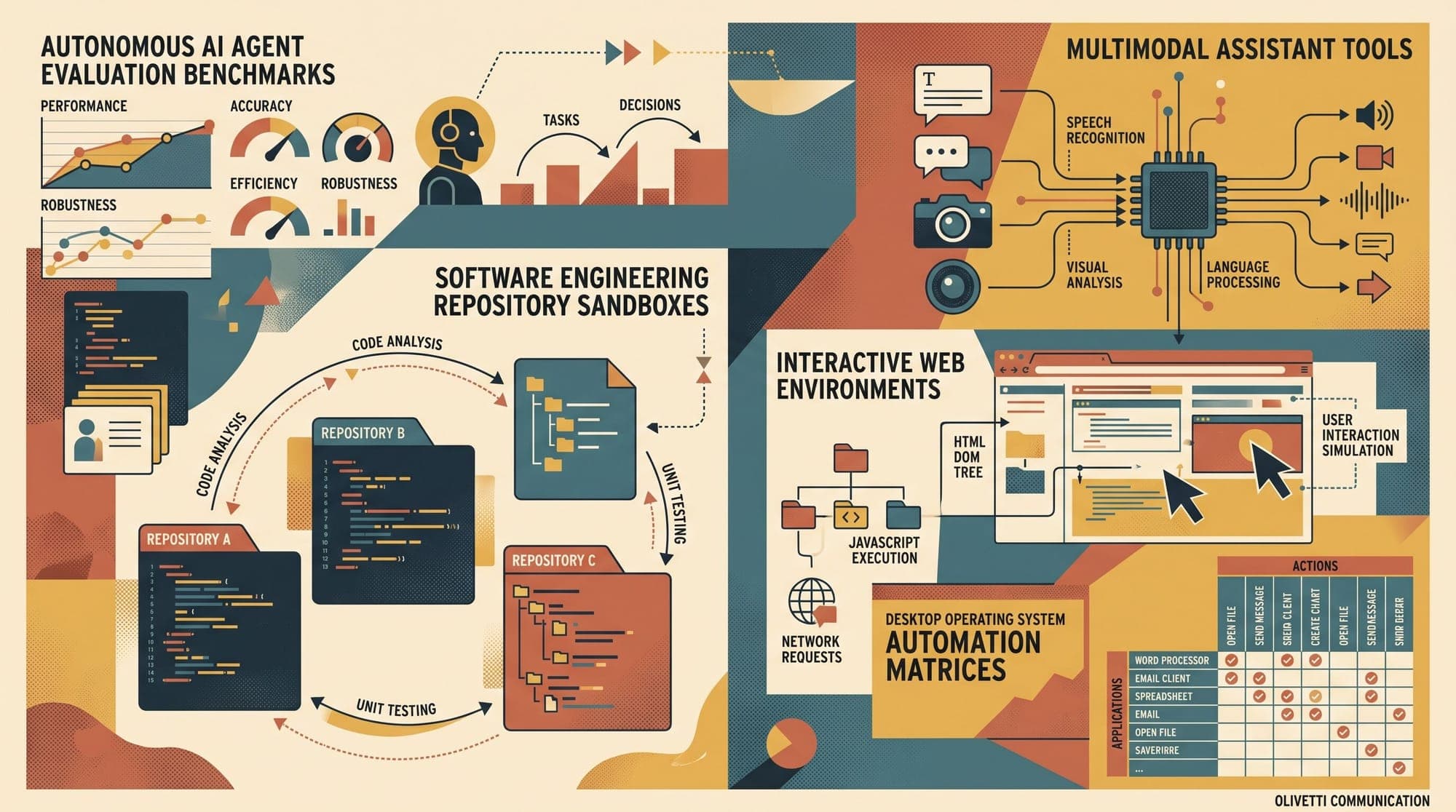
  13. Agent Evaluation Benchmarks in Production: Comparing SWE-bench, GAIA, WebArena, and OSWorld

    Evaluating autonomous AI agents requires a fundamental departure from static language model evaluation. While benchmarks like MMLU, GSM8K, and HumanEval measure single-turn next-token prediction on fixed prompts, they fail to evaluate the closed-loop failure modes of autonomous agents. Real-world agents must formulate multi-step plans, execute tool calls, ingest dynamic environment feedback, recover from syntax and runtime errors, and mutate external state across long interaction trajectories.

    AI
    7 min read
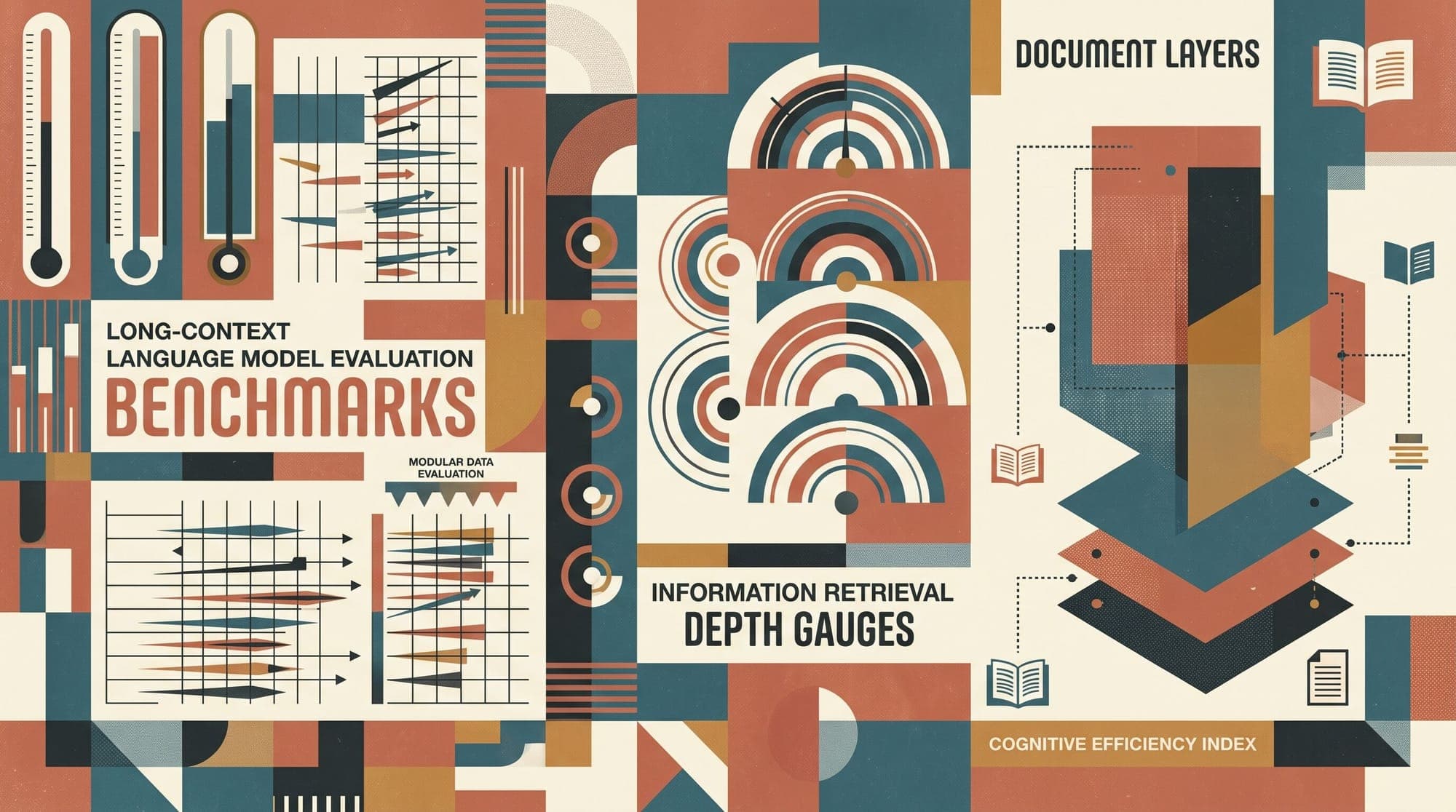
  14. Long-Context LLM Benchmarks in Production: Comparing Needle In A Haystack, BABILong, RULER, and LongBench

    Evaluating large language models across context windows exceeding 32,000, 128,000, or 1,000,000 tokens presents a fundamental engineering challenge. A model's theoretical context window, defined by its positional embedding configuration and memory allocation, rarely matches its effective context window. In production environments, models frequently suffer from attention degradation, retrieval failure, and reasoning collapse long before reaching their maximum hardware sequence capacity. Selectin

    AI
    5 min read
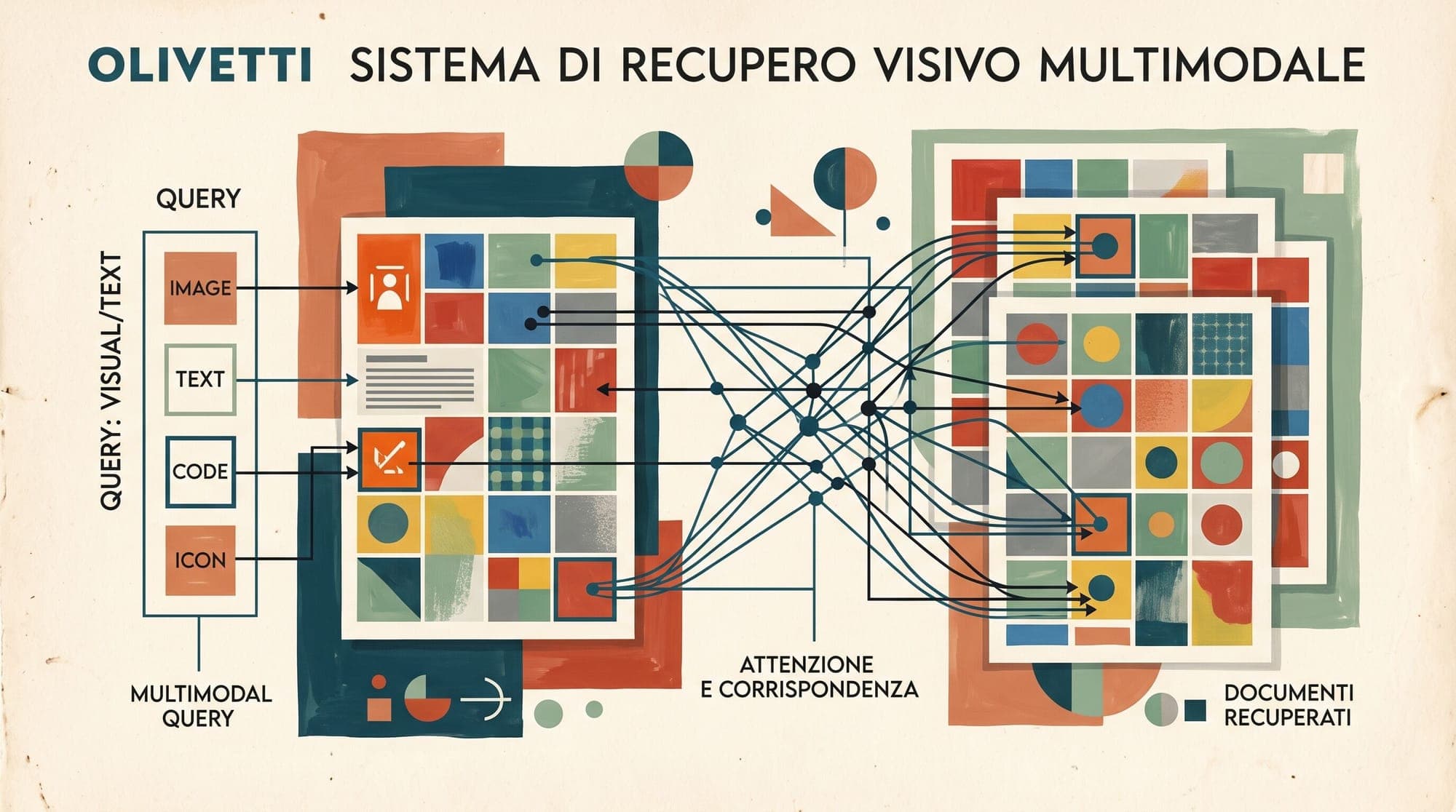
  15. Multimodal Document Retrieval in Production RAG: Comparing ColPali, ColQwen2, OCR Text Pipelines, and Vision-Language Embeddings

    Enterprise Retrieval-Augmented Generation (RAG) systems frequently fail when deployed against real-world document corpora such as financial statements, technical datasheets, medical records, and slide decks. The primary failure mode stems from the ingestion pipeline: traditional architectures rely on multi-stage optical character recognition (OCR) and layout parsing to convert 2D visual layouts into 1D text streams before chunking and embedding. This linearization process irreversibly discards

    RAG
    6 min read
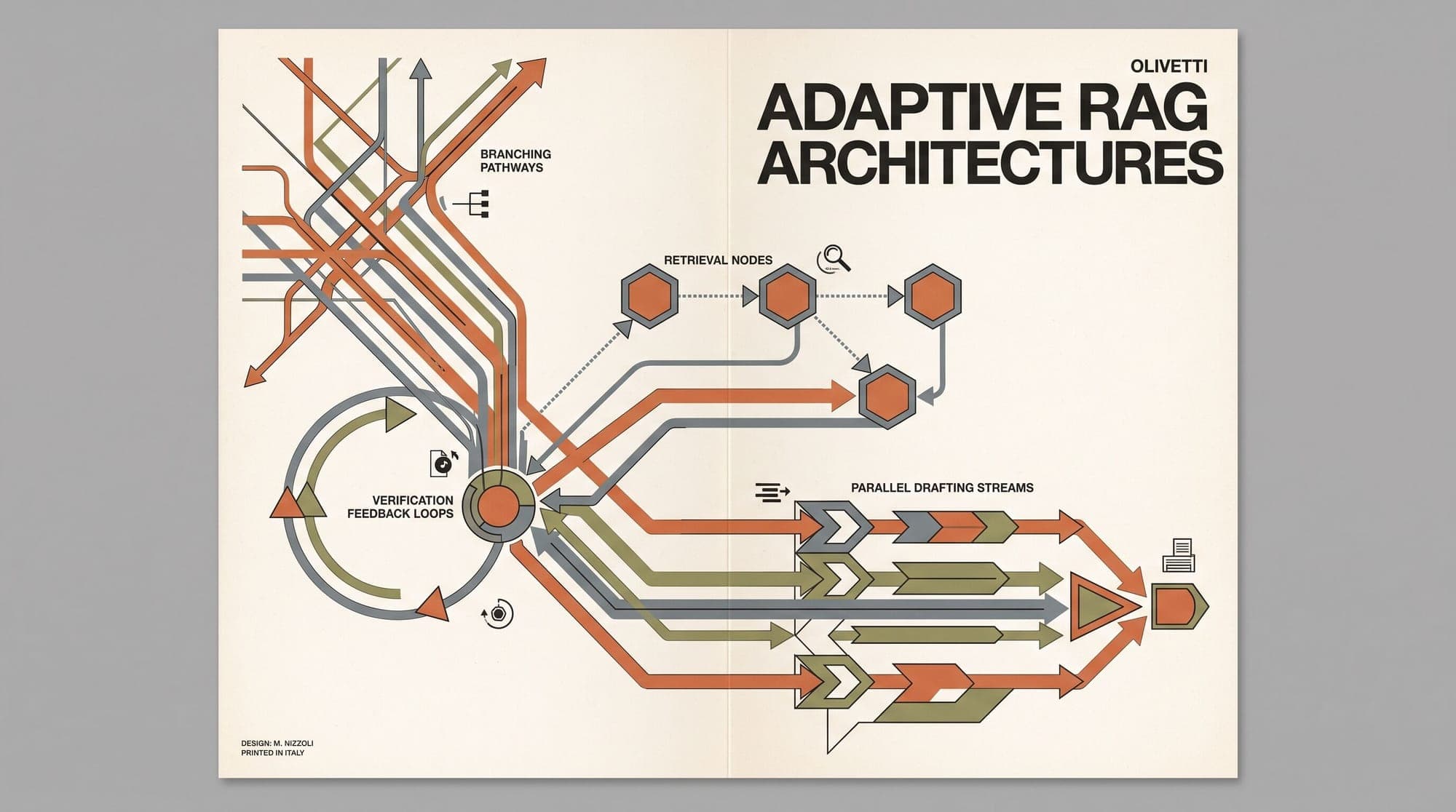
  16. Adaptive RAG, Self-RAG, Corrective RAG, and Speculative RAG in Production: Architecture, Reflection Loops, Verification Latency, and Retrieval Economics

    Standard retrieval-augmented generation follows a static, two-stage linear pipeline: embed the incoming user query, fetch top-k passages from a dense or hybrid index, insert the retrieved chunks into a prompt context window, and generate an answer. In production systems, this rigid workflow breaks down under three frequent operational failure modes: * Unnecessary retrieval overhead: Simple queries that the language model already knows accurately from parametric memory still incur vector search

    AI
    6 min read
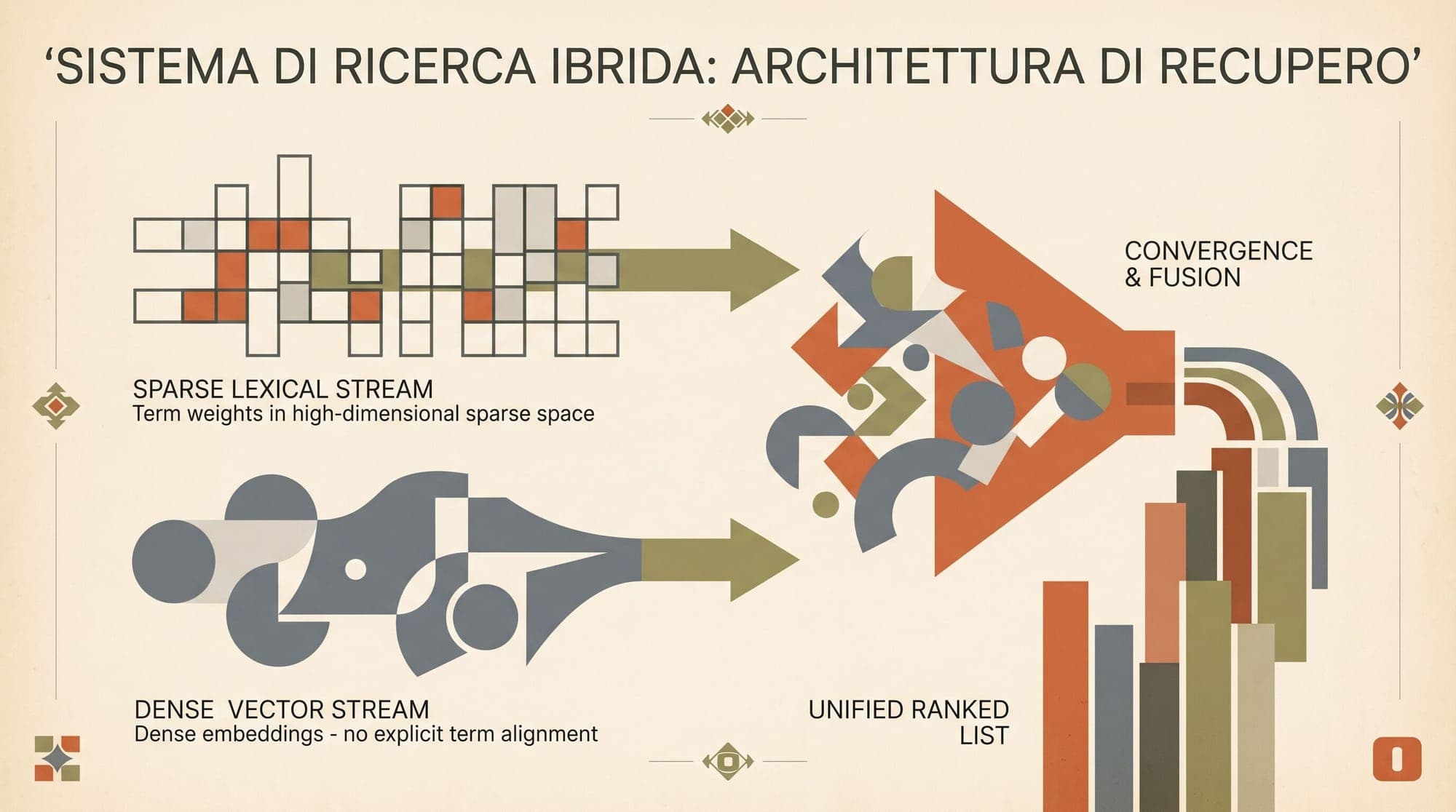
  17. Hybrid Search Architectures in Production RAG: Comparing BM25, SPLADE, Dense Bi-Encoders, Reciprocal Rank Fusion, and Cross-Encoder Reranking

    Production retrieval-augmented generation (RAG) systems frequently fail at the first retrieval boundary. When pipelines rely exclusively on dense bi-encoder embeddings, they struggle with exact keyword matching, out-of-vocabulary product codes, compliance identifiers, and rare acronyms. Conversely, when systems rely solely on lexical search like BM25, they fail on vocabulary mismatch, paraphrased queries, and semantic abstraction. Hybrid search architectures resolve this tension by executing du

    AI
    8 min read
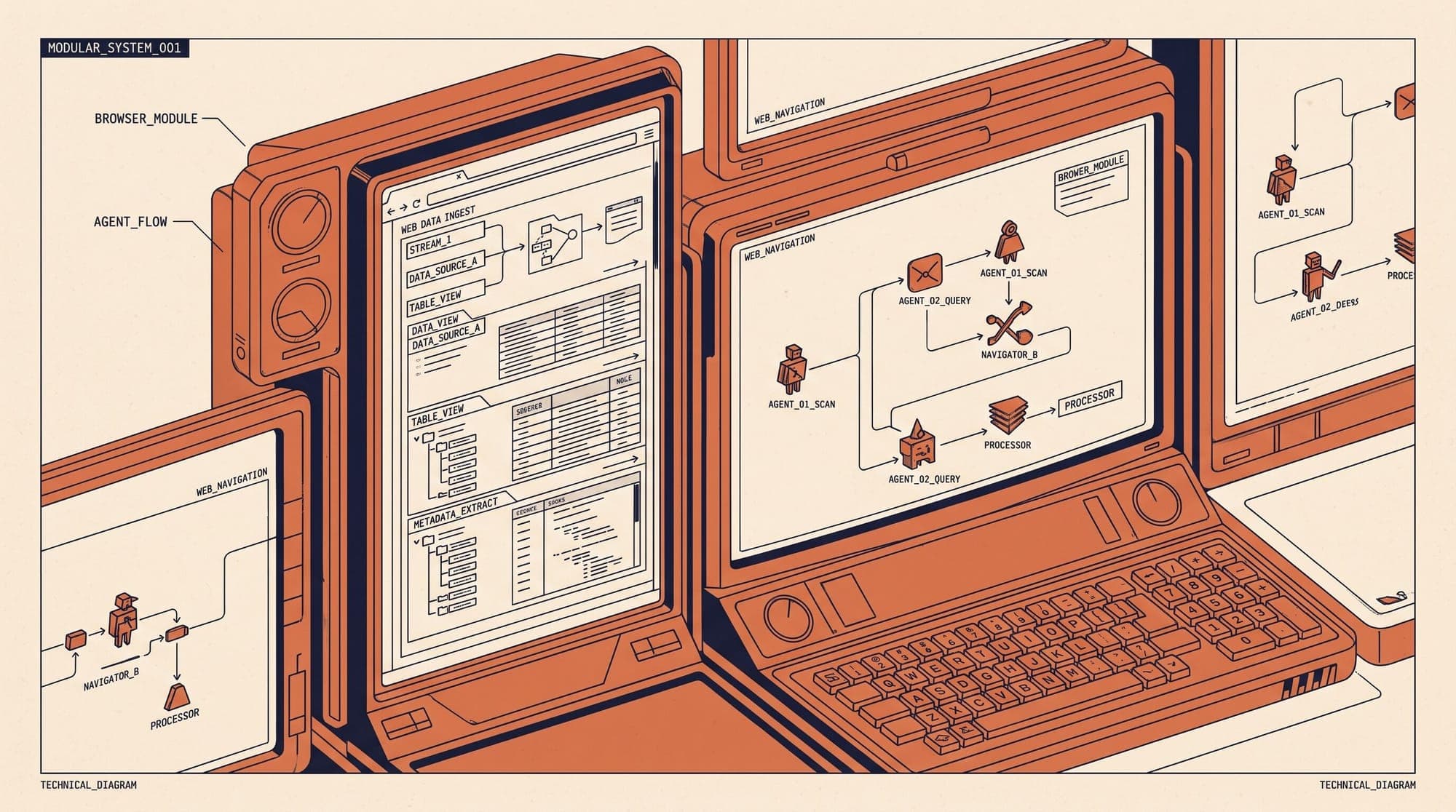
  18. Anthropic Adds Built-In Desktop Browser to Claude Cowork

    Anthropic has introduced a dedicated built-in browser within the Claude Desktop application for Claude Cowork, replacing the requirement for external browser extensions during automated web tasks. The integrated browser operates in a side panel directly adjacent to Cowork task transcripts on macOS, Windows, and Linux (beta). When an agentic workflow encounters a web target, Claude opens the site, reads rendered document object model (DOM) contents, triggers UI elements, and populates form field

    Anthropic
    2 min read
  19. Huawei Cloud Launches CodeArts Agent into General Availability Across Asia Pacific

    Huawei Cloud has officially moved its CodeArts Agent development platform from public beta to general availability across the Asia Pacific region. The commercial release makes both Basic and Professional editions accessible to international enterprise accounts, expanding the vendor's enterprise AI infrastructure stack beyond its domestic market. The rollout follows an initial open beta launched in Thailand in July 2026. CodeArts Agent is structured around multi-agent coordination across the sof

    Agents
    2 min read
  20. LLM Guardrails and Safety Firewalls in Production: Comparing NeMo Guardrails, Guardrails AI, Llama Guard 3, and Lakera Guard Architecture, Pipeline Latency, Rule Verification, and Defense-in-Depth Economics

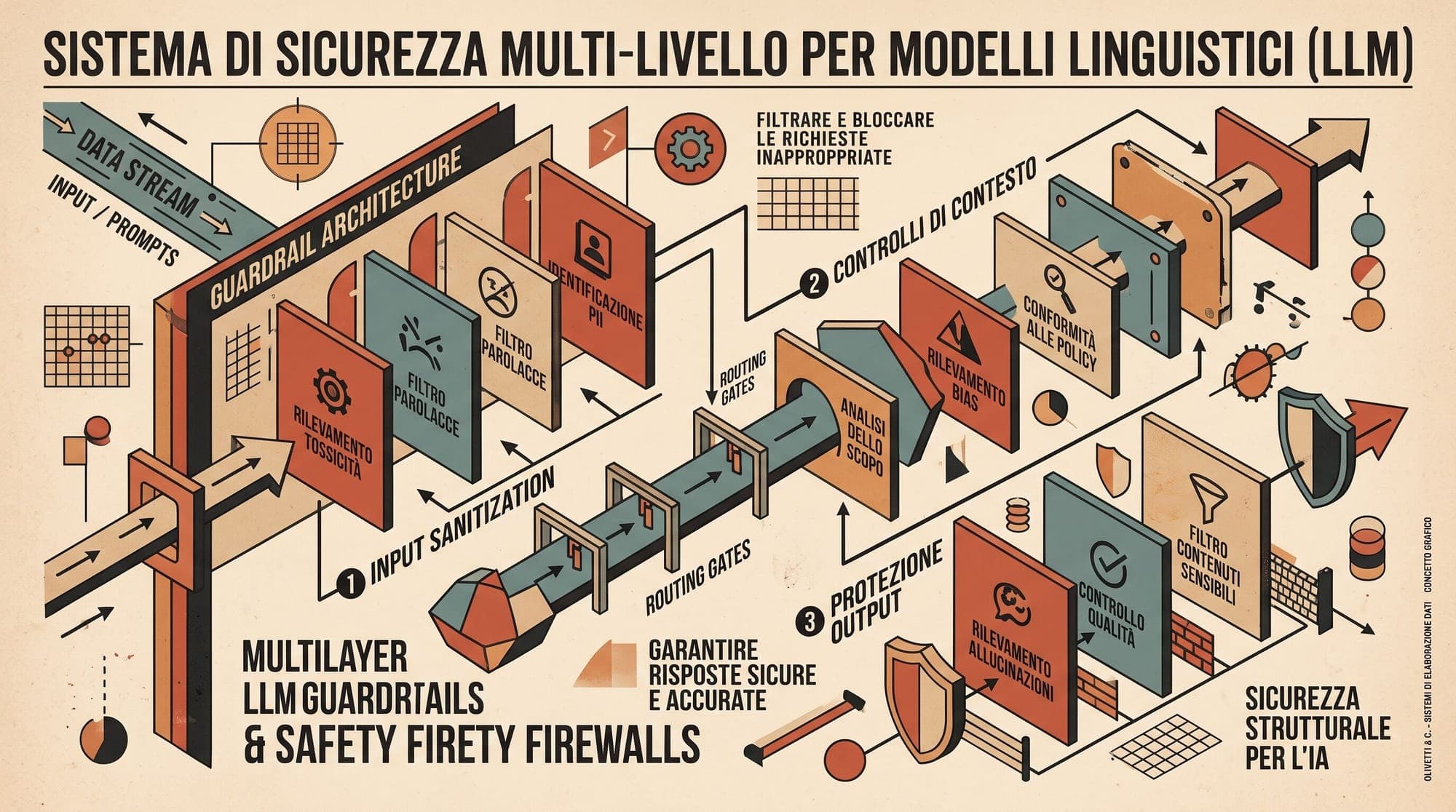
    LLM Guardrails and Safety Firewalls in Production: Comparing NeMo Guardrails, Guardrails AI, Llama Guard 3, and Lakera Guard Deploying large language models into enterprise production environments exposes applications to adversarial manipulation, prompt injection, data exfiltration, and non-deterministic schema violations. Early production deployments often relied on monolithic system prompts or basic keyword blocklists. However, modern production architectures treat guardrails as an independen

    AI
    9 min read