Ramp Inspect: Cloud Coding Agent Opens Early Access
Ramp opened early access to Inspect, its multiplayer cloud coding agent that turns Slack, GitHub, Linear or web requests into reviewed pull requests.
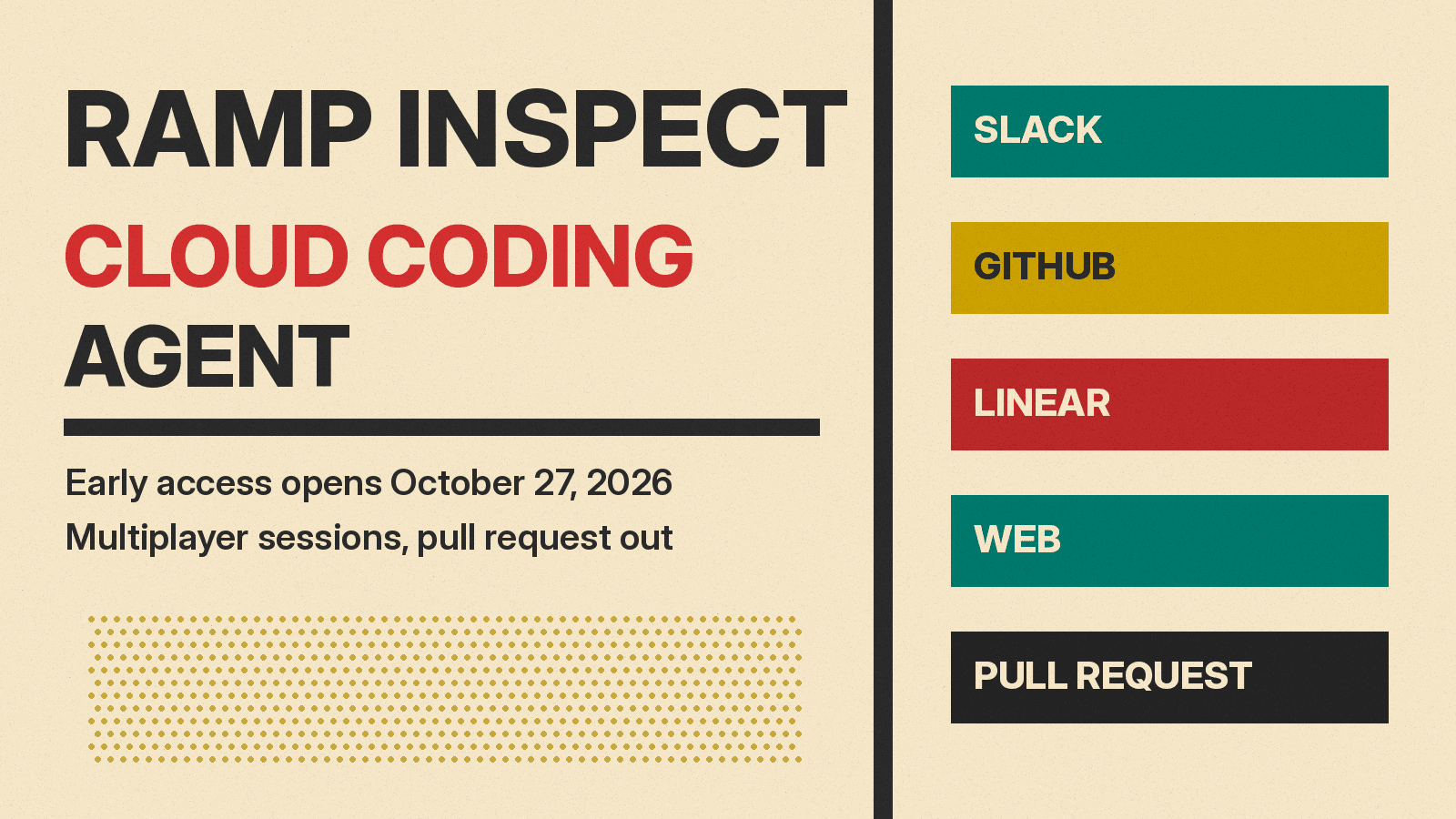
Ramp opened early access to Inspect, its multiplayer cloud coding agent that turns Slack, GitHub, Linear or web requests into reviewed pull requests.
Superset, the app for running many coding agents in parallel, is now Paradev and raised an $11.5M seed led by Union Square Ventures. How it works and what it costs.
Oracle and OpenAI announced ChatGPT plugins for Oracle apps, a security service on OpenAI cyber models, a Codex app builder and an SMB bundle.
A Google paper finds AI agents drop correct work under wrong pushback. Writing claims and confidence first cut patch-review false reversals from 12.2% to 0.02%.
Orestis Ioannou says coding agents pushed his GitHub activity back to his busiest years. Hacker News readers argued over who ever promised less work.
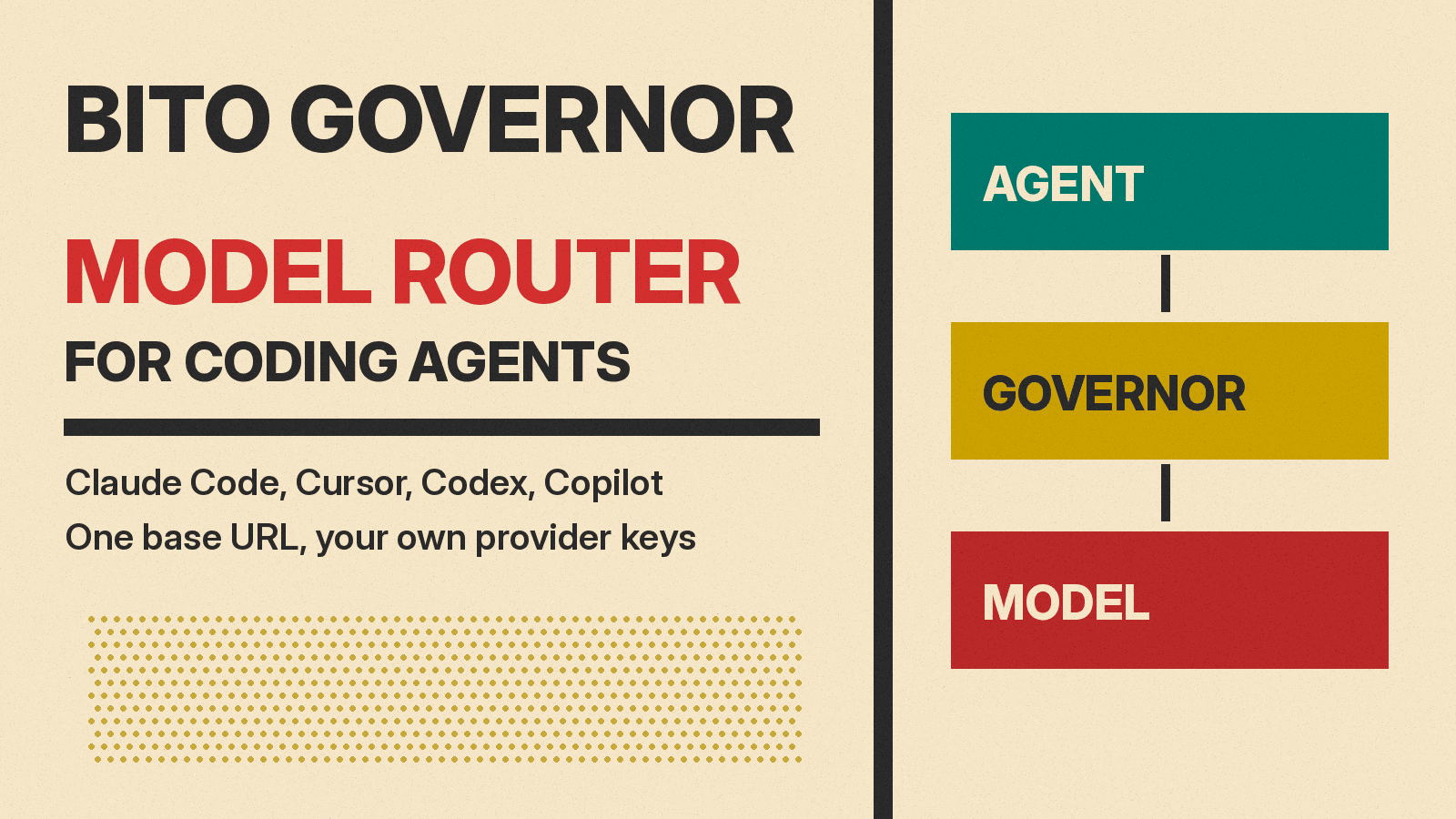
Bito's Governor picks a model for each Claude Code, Cursor, Codex or Copilot request and answers code searches itself. Bito reports a 48% cost cut in one A/B test.
Replit has made OpenAI, not Anthropic, the default model provider for Replit Agent. TechCrunch describes Replit as an AI coding platform that "has become a favorite of startup founders and developers." Speaking at TechCrunch Disrupt, Replit co-founder and CEO Amjad Masad said the decision was "based on both cost, partnership, and performance," TechCrunch reported. He said Replit uses an internal benchmark to assess metrics like performance, and also publishes a public benchmark. Update, Oct 1
OpenAI has made its flagship GPT-5.6 model family available within Kiro, the spec-driven software development environment developed by Amazon Web Services. The release brings OpenAI's frontier reasoning and coding tiers, including Sol, Terra, and Luna, directly into AWS's agentic engineering platform. According to joint evaluations conducted by AWS and OpenAI on Terminal-Bench 2.1, executing complex software engineering tasks with GPT-5.6 Terra inside Kiro reduced total token expenditures by ro
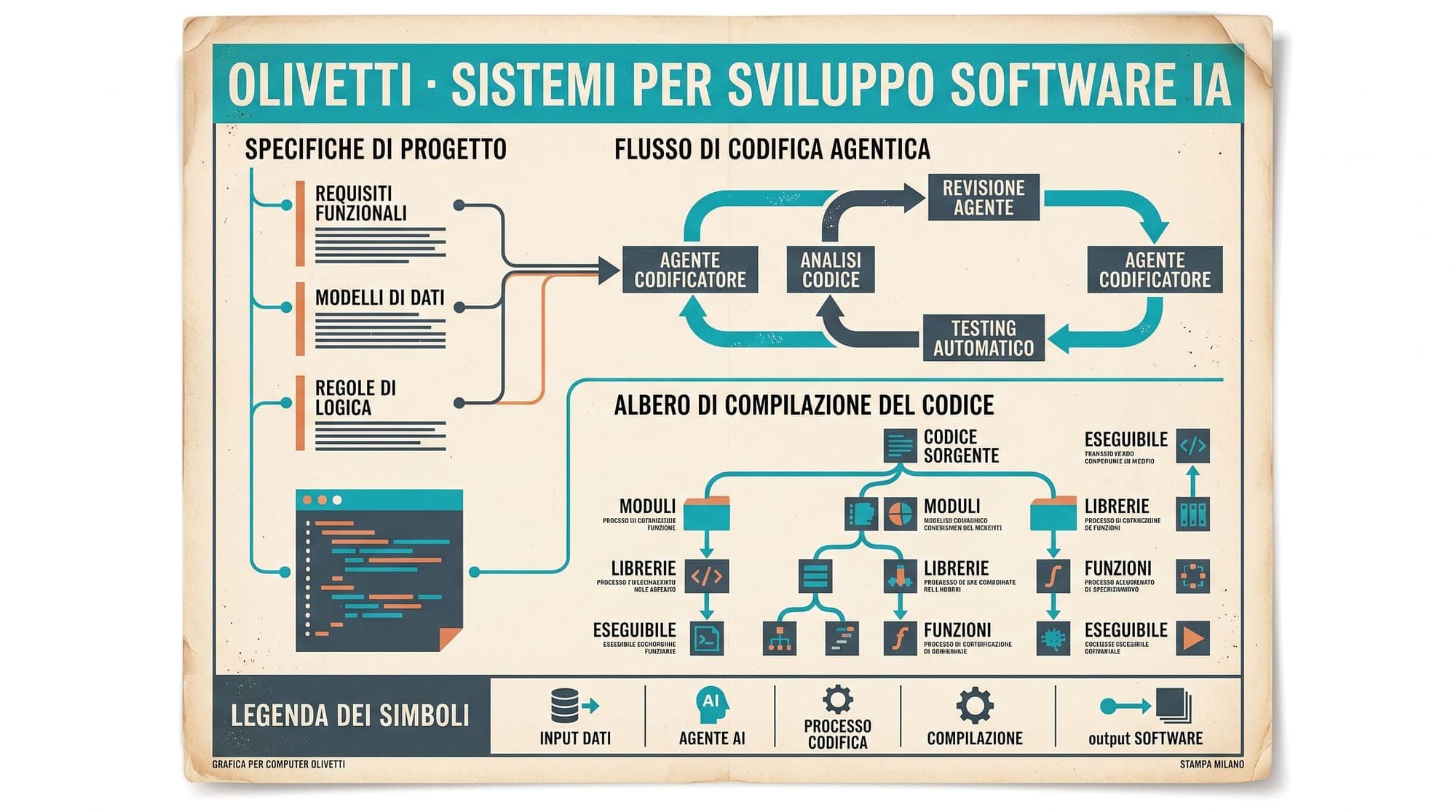
In a notable public milestone for AI-assisted systems programming, Linux creator Linus Torvalds credited an artificial intelligence model with doing the heavy analytical work during an intensive driver debugging session, allowing the model to author the commit message merged into the upstream kernel. The commit, titled drm/xe: Don't hand out the flat CCS storage as usable VRAM (commit 818bebeb63dd6bf5f4e07e145f6cdbace520a34c), resolves a memory allocation bug in the Intel Xe Direct Rendering Ma
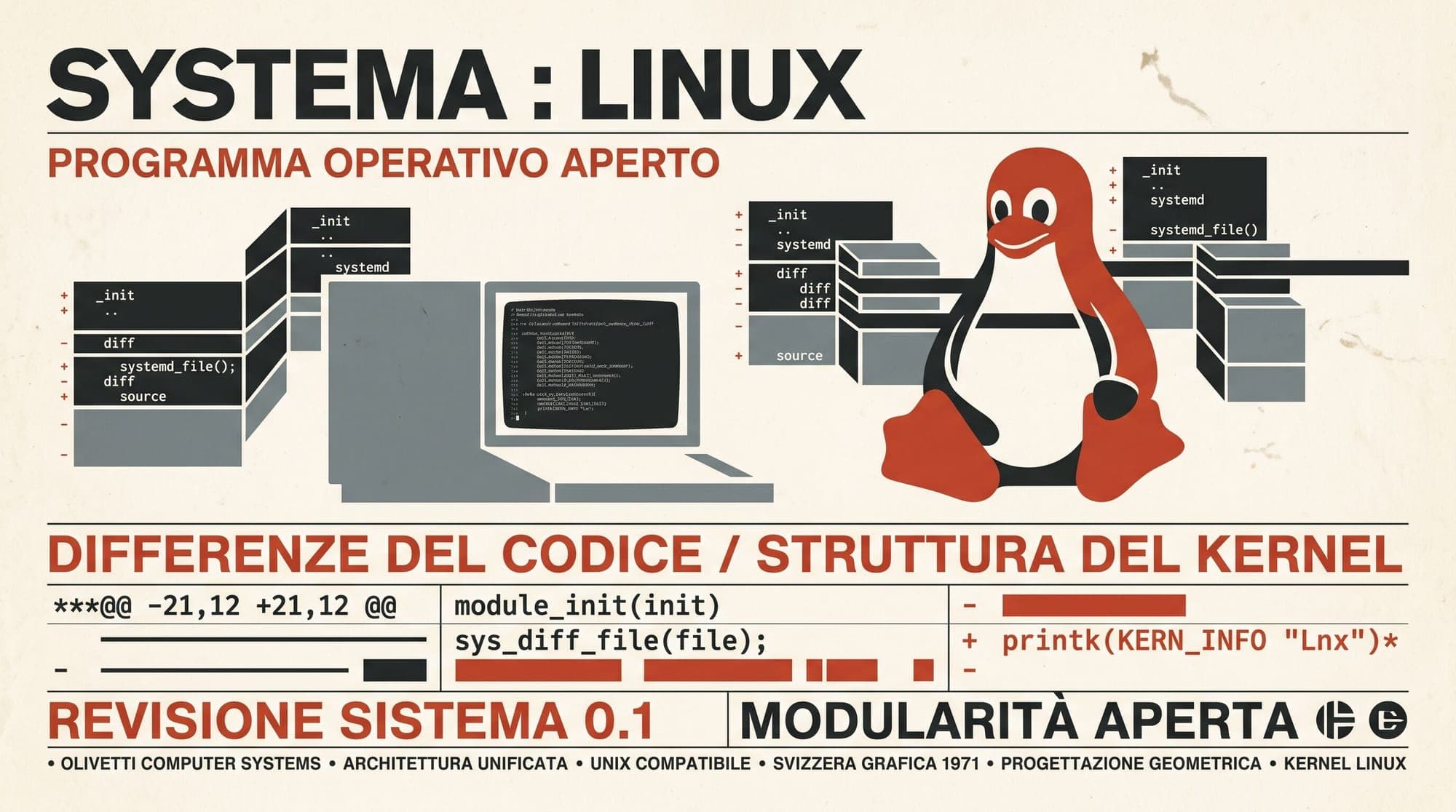
Hugging Face has published the findings of its ICML 2026 Open Reproductions challenge, a large-scale community audit that deployed autonomous AI coding agents to test the experimental claims of 2,226 accepted machine learning papers. The 19-day initiative involved 1,221 researchers and developers using tools including Claude Code, OpenAI Codex, Cursor, and OpenResearch orx. Participants generated 6,816 publicly auditable reproduction logbooks and executed 2,962 cloud compute jobs, examining rou
SpaceX recently approached artificial intelligence coding startup Cognition AI regarding a potential acquisition, according to a report from Bloomberg citing people familiar with the matter. The exploratory outreach would have marked a major consolidation in the autonomous software engineering sector. Cognition co-founder and Chief Executive Officer Scott Wu responded publicly that the company is not for sale and that formal acquisition negotiations are not underway. However, sources indicated
Cursor has launched Origin, a proprietary code hosting service currently in early beta across all paid subscription tiers. The platform introduces native Git repository hosting directly inside the Cursor ecosystem, competing with GitHub and GitLab while embedding AI agents directly into version control and code review workflows. Origin allows developers to create and manage repositories, review pull requests, browse code, and automate continuous integration workflows without leaving the Cursor
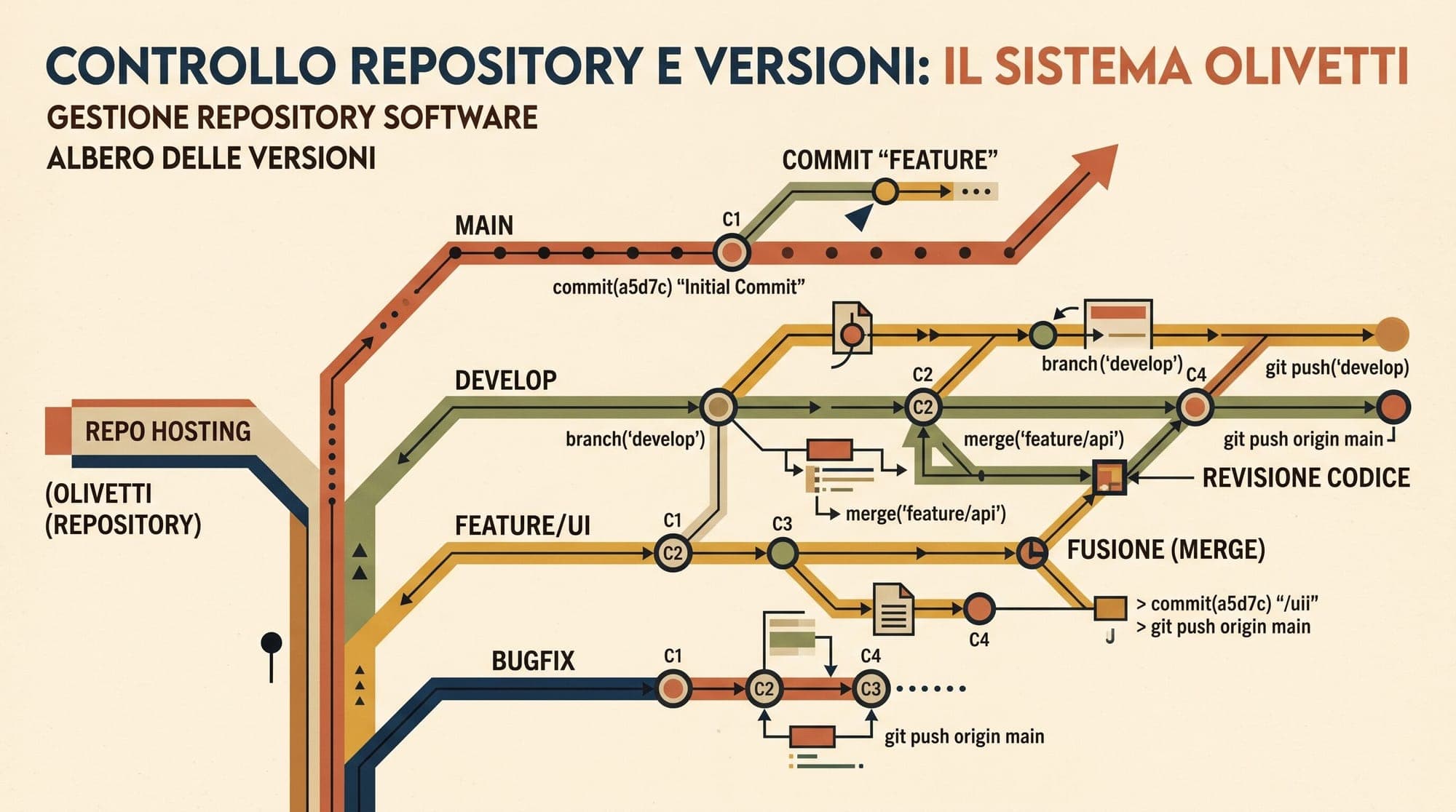
Anthropic is running an experiment in which Claude Code performs daily maintenance on the company's own software, and the results are already measurable. Across the first few weeks, the system opened 388 pull requests and had 180 merged after review, a roughly 46 percent acceptance rate. Boris Cherny, the Anthropic engineer who created Claude Code, described the setup in a LinkedIn post. Through Anthropic's internal Tag integration, Claude runs a set of scheduled routines every day inside a de

Starting August 14, 2026, new Claude Code sessions on Pro, Max and Team plans will run in auto mode by default, Anthropic announced on its blog. Users who have pinned a different default keep it, and users who set a different default may get a one-time prompt asking whether to switch. What Auto Mode Does Auto Mode routes every tool call through a classifier that screens for irreversible, destructive, or externally-aimed actions. When the classifier blocks something, Claude attempts a safer al

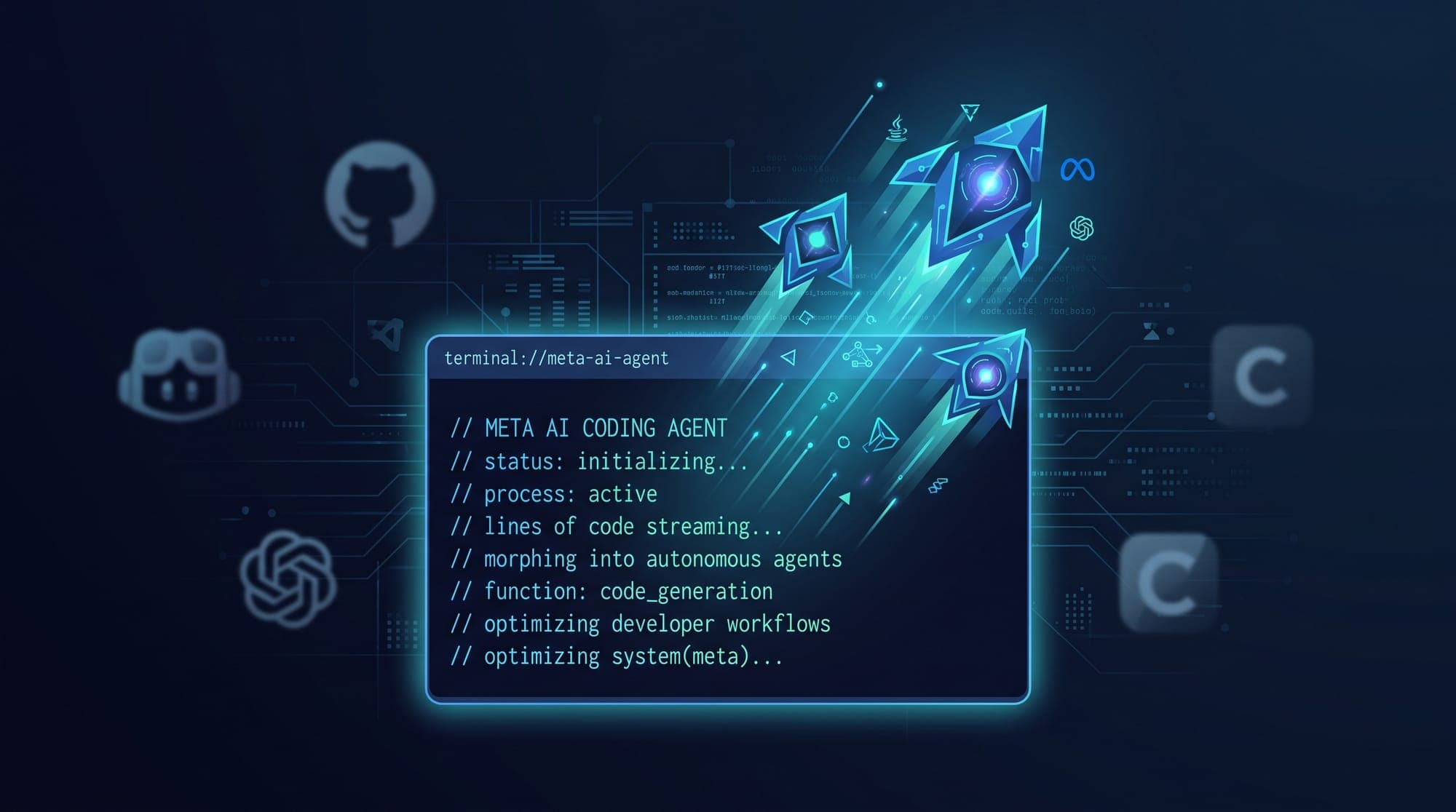
Meta has launched Muse Code, a terminal-based AI coding agent now in beta, alongside Muse Spark 1.2, a coding-focused update to its proprietary frontier model family. The two releases put Meta in direct competition with Anthropic's Claude Code, OpenAI's Codex, and the growing field of agentic coding tools that have become the default way many developers ship software. Muse Code is installable on macOS or Linux with a single curl command, though it requires a Meta account and billing details. Un
At Kilo Code, engineers write code themselves 1% of the time. VB Transform 2026 panel shows agentic coding is the default -- and the token bills are piling up.
OpenAI has published a field report documenting eight scientific computing projects where coding agents reduced software runtimes and modernized legacy codebases. The report covers projects in genomics, immunology, statistics, and RNA sequencing. Five of the projects used OpenAI's Codex autonomously, while three used a combination of Codex and Anthropic's Claude Code. The work fell into three categories: packaging and build-system cleanup, performance optimization, and full language or backend