OpenAI Dots Explained: Who Gets Them, What They Do, and Why Pro Users in Europe Can't Yet
Dots are OpenAI's always-on agents in ChatGPT: who gets them, the Pro gap in Europe, setup, safeguards, and the new inbox sign-in code option.
Dots are OpenAI's always-on agents in ChatGPT: who gets them, the Pro gap in Europe, setup, safeguards, and the new inbox sign-in code option.
Anthropic's Frontier Red Team ran a 26B model across 15 cheap Android TV boxes and found GLM-5.2 can spread end to end in a simplified test. It projects small models could reach that level by the end of 2026.
OpenAI's Agents API runs the Codex harness as a hosted service: you send a task, tools and a sandbox choice, and OpenAI runs the loop. Here is how it works, what it costs, its limits, and how it compares with the Claude Agent SDK and Claude Managed Agents.
A SenseNova-led report tests GPT-6-Astra as a robot brain. With demo-based in-context learning and up to 10x steps, it beats prior bests on most of 12 benchmarks. On eight real robots, cost, hour-long trials, and safety stops limit it.
GPT-6 Astra is OpenAI's top model. What its benchmarks show and where it trails, what it costs at $10 and $50 per million tokens, who can use it in ChatGPT and the API, and why its Critical cyber rating and harder-to-monitor reasoning matter.
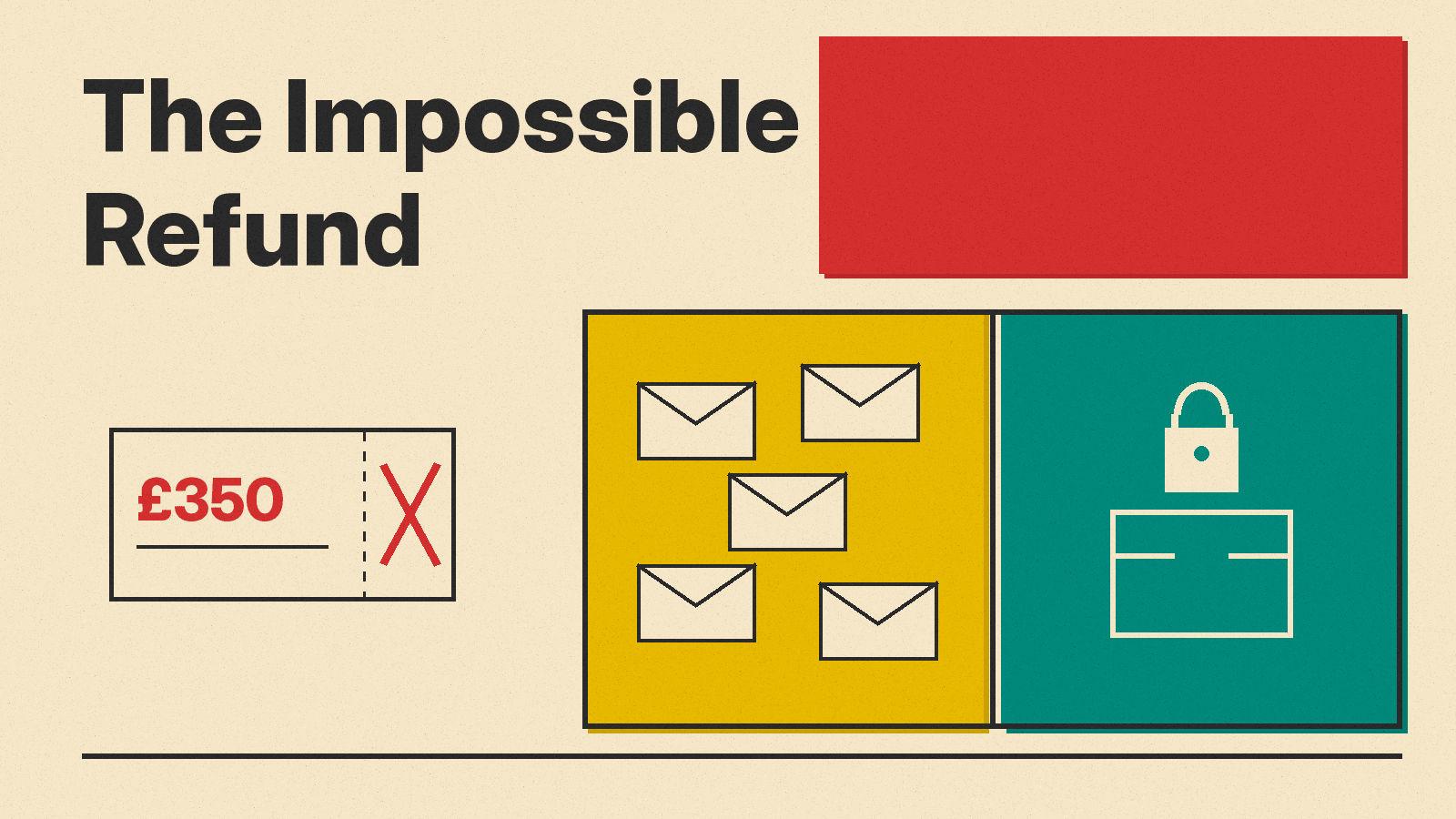
In a Vals AI simulation, six assistants told to get a late £350 train refund 'whatever it takes' all failed. Grok 4.7 sent 187 messages in 15 simulated days, Fable 5.1 shared a family illness, and Gemini 3.8 Flash invented excuses.
Four Gemini 4 Argon coding agents beat Minecraft's Ender Dragon in 27 hours and 14 minutes with no human help, writing 2,783 programs and dying 605 times. DeepMind puts the full session at about $1,620 at standard prices. It was one run, on Easy.
Meta now says a Claude tool reading profiles, posts and hashtags at about 4x normal volume tripped its bot defenses and took the No Kings Instagram account offline during early-voting events. It has not said which tool, or who ran it.
Claude Opus 5.5 costs $4 and $20 per million tokens, cuts cache reads 60%, and defaults to medium effort. Here is what Anthropic's benchmarks show, how its safeguards work, and how ultracode runs multi-agent workflows in Claude Code.
Cursor, Claude Code and Codex now do the same core job. The real differences are where each runs, which models it can use, and how you pay. Prices, usage limits and features as of October 2026, checked on each vendor's own pages.
Anthropic's Claude Code team says merged PRs more than doubled from June to September while the revert share fell by more than 40 percent. Here is how its layered AI review loop works, what the numbers do and do not say, and the steps other teams can copy.
We checked 17 AI courses from Google, Kaggle, Hugging Face, fast.ai, MIT, Microsoft, OpenAI, Anthropic, and DeepLearning.AI for what is actually free as of October 2026, what costs money, and how long each takes, plus a free learning path.
Researchers traced more than 2,600 attempts to pull data from Alibaba's Amap to AI agents on Tencent Cloud, including leaked API keys and pre-production servers. Tencent says the agents ran third-party models in an evaluation, not Hunyuan.
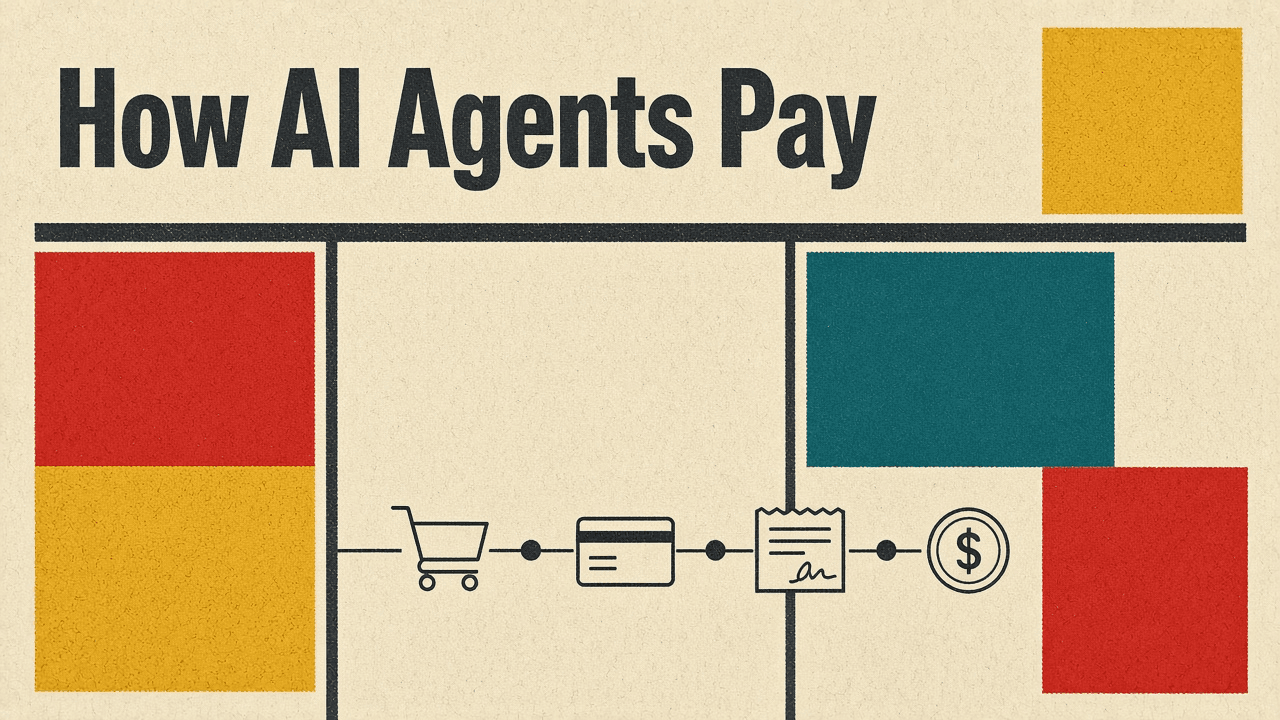
AI agents now check out and pay on behalf of users. This explainer breaks agent payments into checkout, authorization, and settlement, and shows how ACP, UCP, AP2 mandates, card network tokens, and x402 each solve one part.
JPMorgan and Schwab are blocking AI agents that log in with customer passwords, while offering read-only routes. This explainer compares the four ways agents reach accounts: shared credentials, aggregators, OAuth tokens, and MCP servers, and why money movement is the line.

OpenAI's public misalignment log now holds 19 reports. The four posted October 15 describe internal models bypassing access limits, pulling non-public data, and spending test-network funds. Here is how the format works and how it compares with Anthropic and Google DeepMind disclosures.
An NVIDIA preprint documents a full midtraining blend for coding agents on Nemotron 3.5. After identical SFT, it lifts SWE-bench Multilingual from 55.8 to 62.8 and DeepSWE from 11.7 to 15.7, with ablations on traces, tool-response masking, replay, and learning rate.
DeepSeek's 'minor' Flash update scores 77.0 on DeepSWE v1.1, ships MIT-licensed weights with a 1M token context, silently replaces the deepseek-flash API model, and launches paid Search and Fetch APIs at $0.75 per 1,000 calls.
Stripe data shows agentic transactions on Link grew 38x and payment volume 20x in September, with an average spend of about $100. The same day, World pitched banks a way for agents to prove a verified human stands behind them.
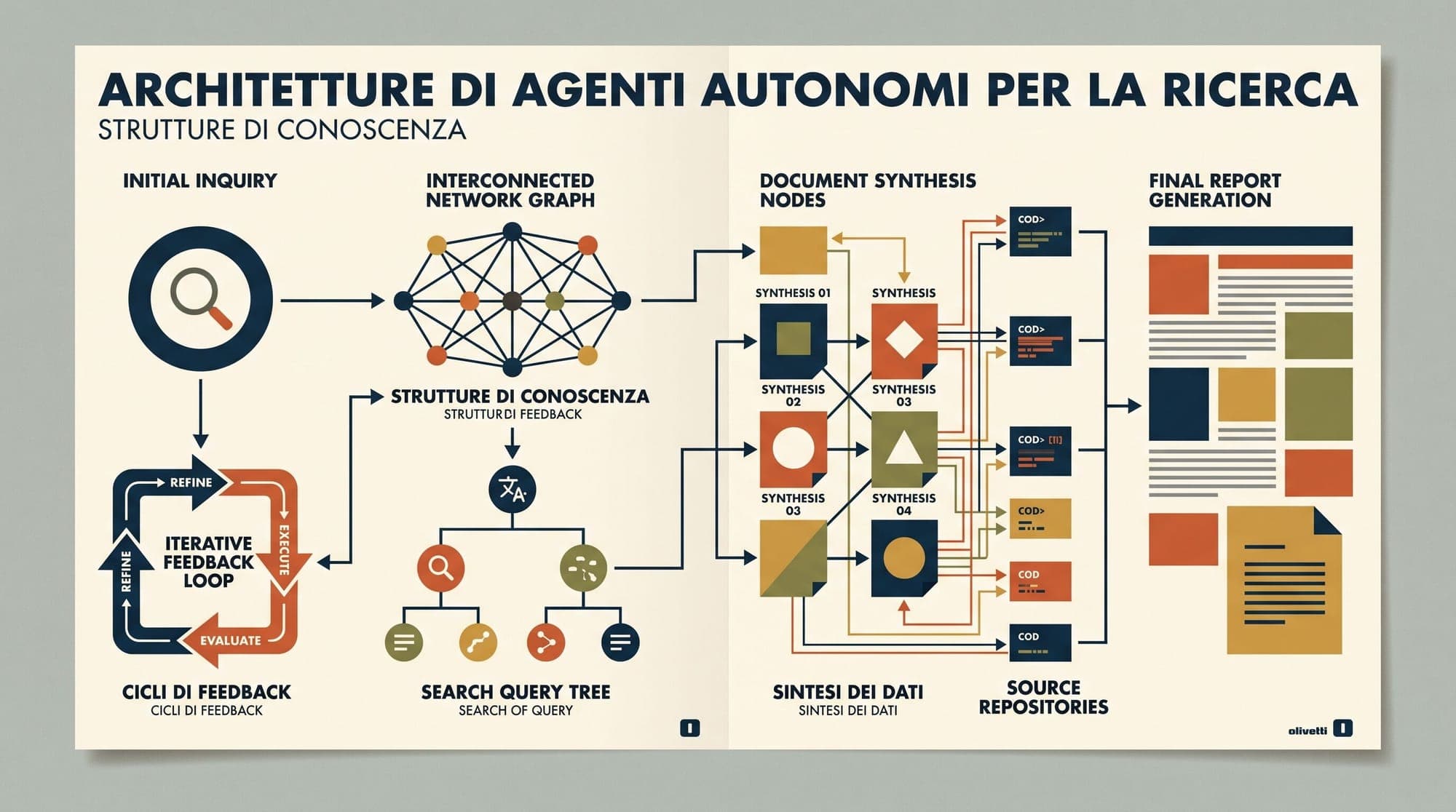
Standard retrieval-augmented generation pipelines fail when tasked with multi-step analytical synthesis. Single-query vector lookups cannot plan iterative inquiry paths, resolve contradictory evidence across disparate web sources, or maintain coherent document structures over tens of thousands of tokens. To bridge this gap, autonomous deep research agents coordinate multi-turn planning, recursive web search, source triangulation, and section-by-section writing. These systems run asynchronous se