Subscribe
Topic / page 16

LLM

Articles, page 16

301-320
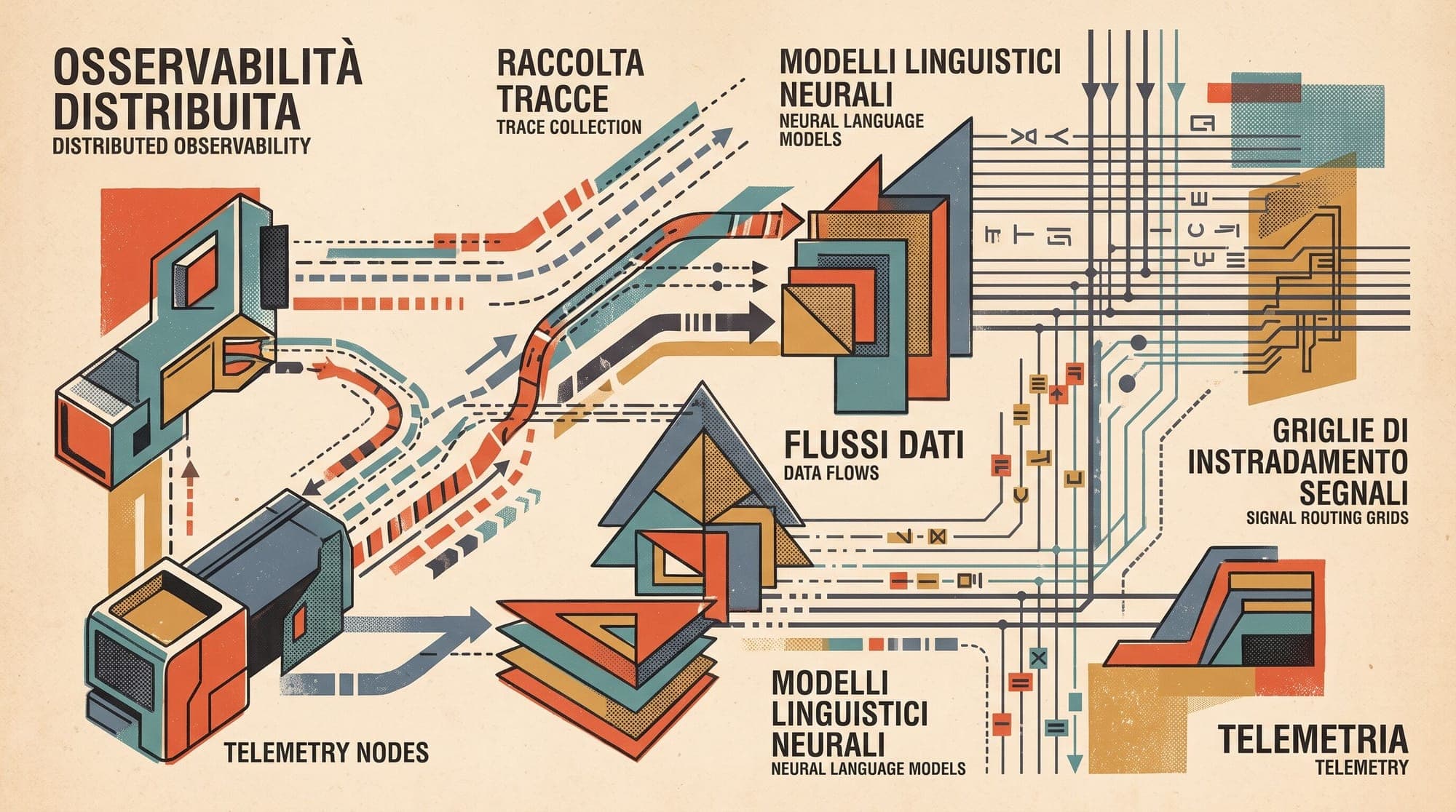
  1. LLM Observability in Production: OpenTelemetry GenAI Semantic Conventions vs. OpenInference, Distributed Trace Propagation Across Multi-Agent Graphs, and High-Throughput Sampling Economics

    Production large language model (LLM) architectures have transitioned from isolated completion endpoints to complex, distributed directed acyclic graphs (DAGs). Modern AI systems incorporate multi-agent orchestration, iterative tool execution, vector retrieval pipelines, and speculative decoding loops. Operating these workloads at enterprise scale exposes critical observability gaps that traditional application performance monitoring (APM) tools cannot address. Standard request-response APM metr

    AI
    7 min read
  2. Process Reward Models (PRMs): Mathematical Foundations, Step-Level Credit Assignment, and Inference-Time Search in Large Language Models

    In complex multi-step reasoning tasks such as mathematics, formal logic, and software verification, standard autoregressive language models frequently exhibit compounding logical drift. While a model may produce fluent chain-of-thought derivations, an error introduced early in the chain typically invalidates all downstream deductions. Evaluating these reasoning trajectories has traditionally relied on Outcome-Supervised Reward Models (ORMs), which assign a scalar reward solely based on the final

    AI
    8 min read
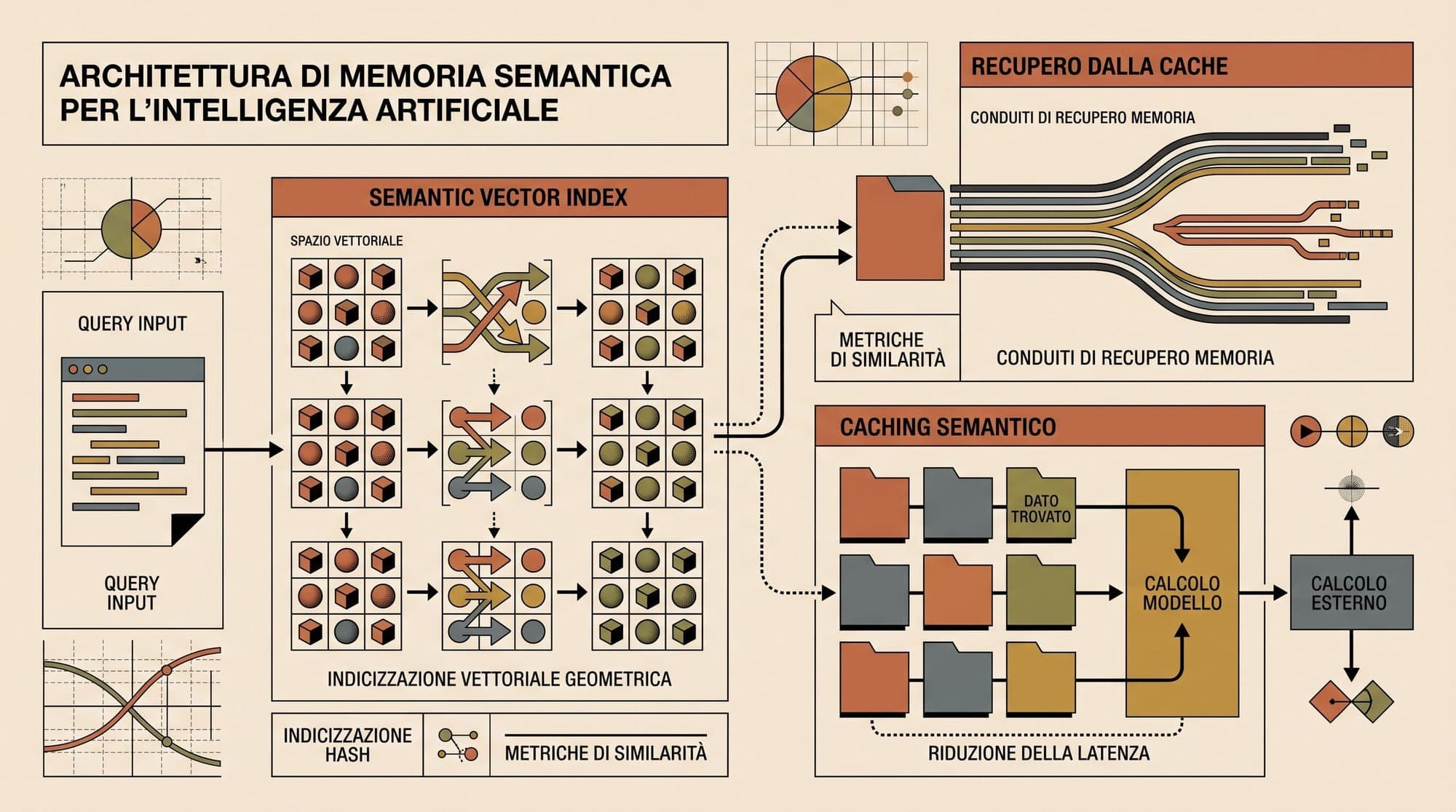
  3. Semantic Caching in Production LLM Systems: Architecture, Approximate Nearest Neighbor Matching, Cross-Encoder Verification, Invalidation Dynamics, and Serving Economics

    Semantic Caching in Production LLM Systems: Architecture, Approximate Nearest Neighbor Matching, Cross-Encoder Verification, Invalidation Dynamics, and Serving Economics Serving large language models at enterprise scale presents severe latency and cost bottlenecks. While frontier reasoning models and deep autoregressive decoders cost between $2.50 and $60.00 per million tokens and incur time-to-first-token (TTFT) delays ranging from 800 milliseconds to several seconds, a substantial fraction of

    AI
    9 min read
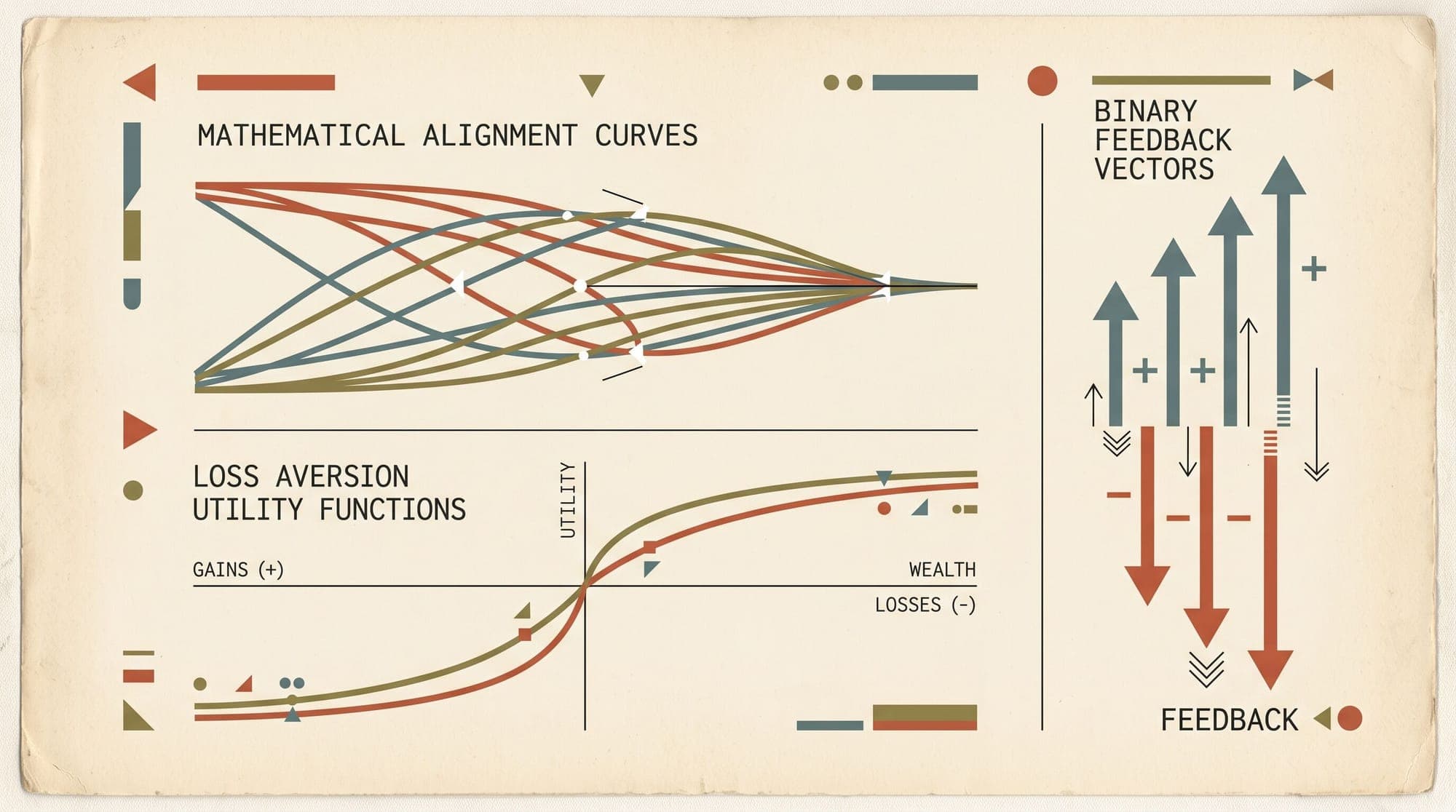
  4. Kahneman-Tversky Optimization (KTO): Mathematical Foundations, Prospect Theory, and Binary Signal Alignment in Large Language Models

    Post-training alignment of large language models has long relied on pairwise comparison datasets. Methods such as Reinforcement Learning from Human Feedback (RLHF) and Direct Preference Optimization (DPO) assume access to curated pairs $(x, y_w, y_l)$, where a human or automated judge explicitly marks completion $y_w$ as superior to $y_l$ for a given prompt $x$. In production environments, however, collecting paired preferences is logistically complex, expensive, and artificial. Real-world telem

    Explainers
    10 min read
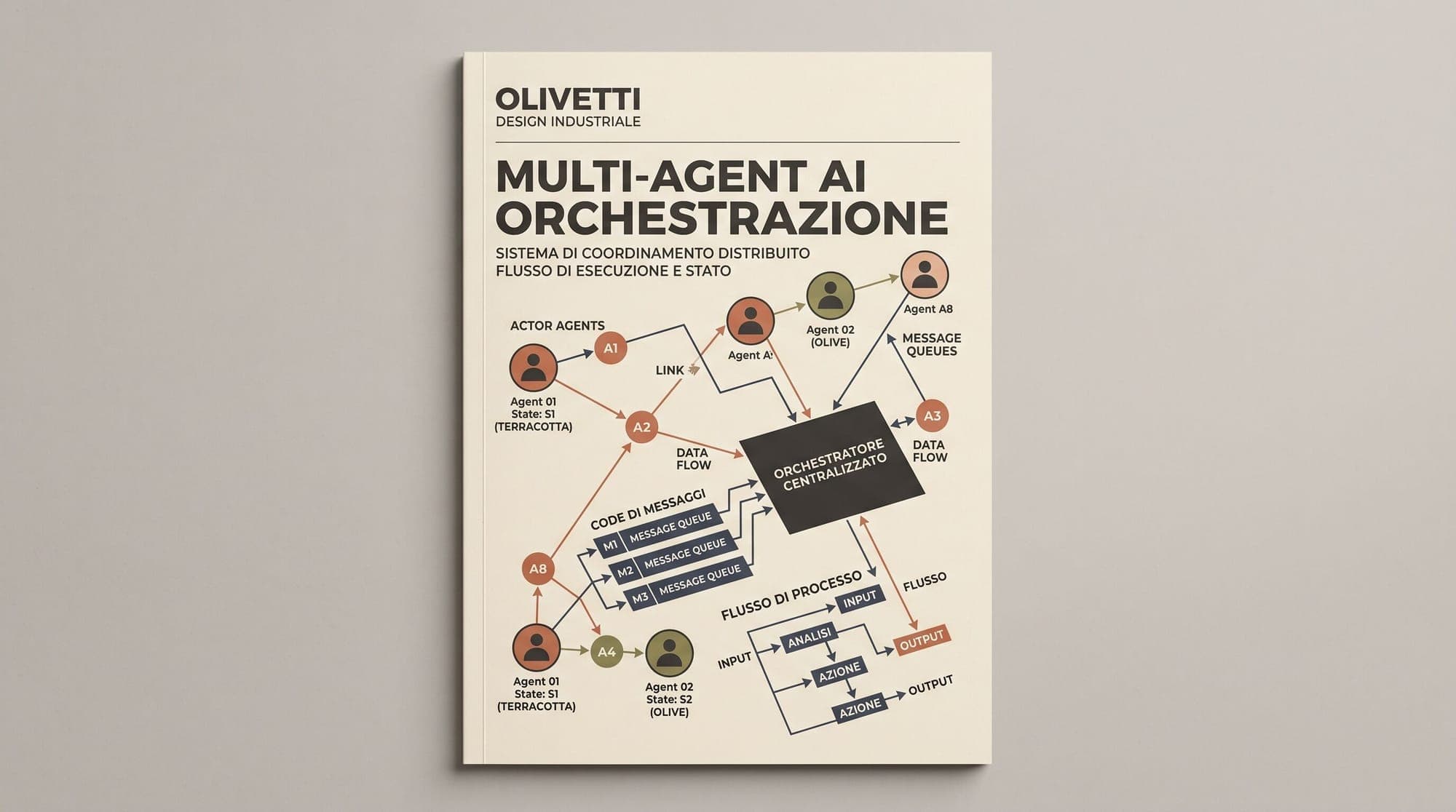
  5. Multi-Agent Orchestration Frameworks in Production: Comparing LangGraph, AutoGen v0.4, CrewAI, and LlamaIndex Workflows Architecture, State Persistence, Execution Topologies, and Fault Tolerance

    Deploying autonomous multi-agent systems in production requires shifting from simple input-output prompt chains to structured orchestration runtimes capable of handling non-deterministic language model outputs, cyclic reasoning loops, tool-call failures, and long-running state persistence. As enterprise workloads scale, four distinct architectural paradigms have emerged to coordinate agent interactions: the Bulk Synchronous Parallel state graph (LangGraph), the asynchronous Actor Model (Microso

    AI
    8 min read
  6. The Muon Optimizer: Mathematical Foundations, Newton-Schulz Polar Iterations, and Spectral Steepest Descent in LLM Pre-Training

    Transformer pre-training has long relied on AdamW as the default first-order optimizer. While AdamW provides coordinate-wise scale invariance through running estimates of first and second gradient moments, it treats every weight parameter as an isolated scalar. For modern neural networks composed primarily of two-dimensional linear projections, attention transformations, and feed-forward weight matrices, this coordinate-wise factorization neglects the structural transformation properties of matr

    AI
    6 min read
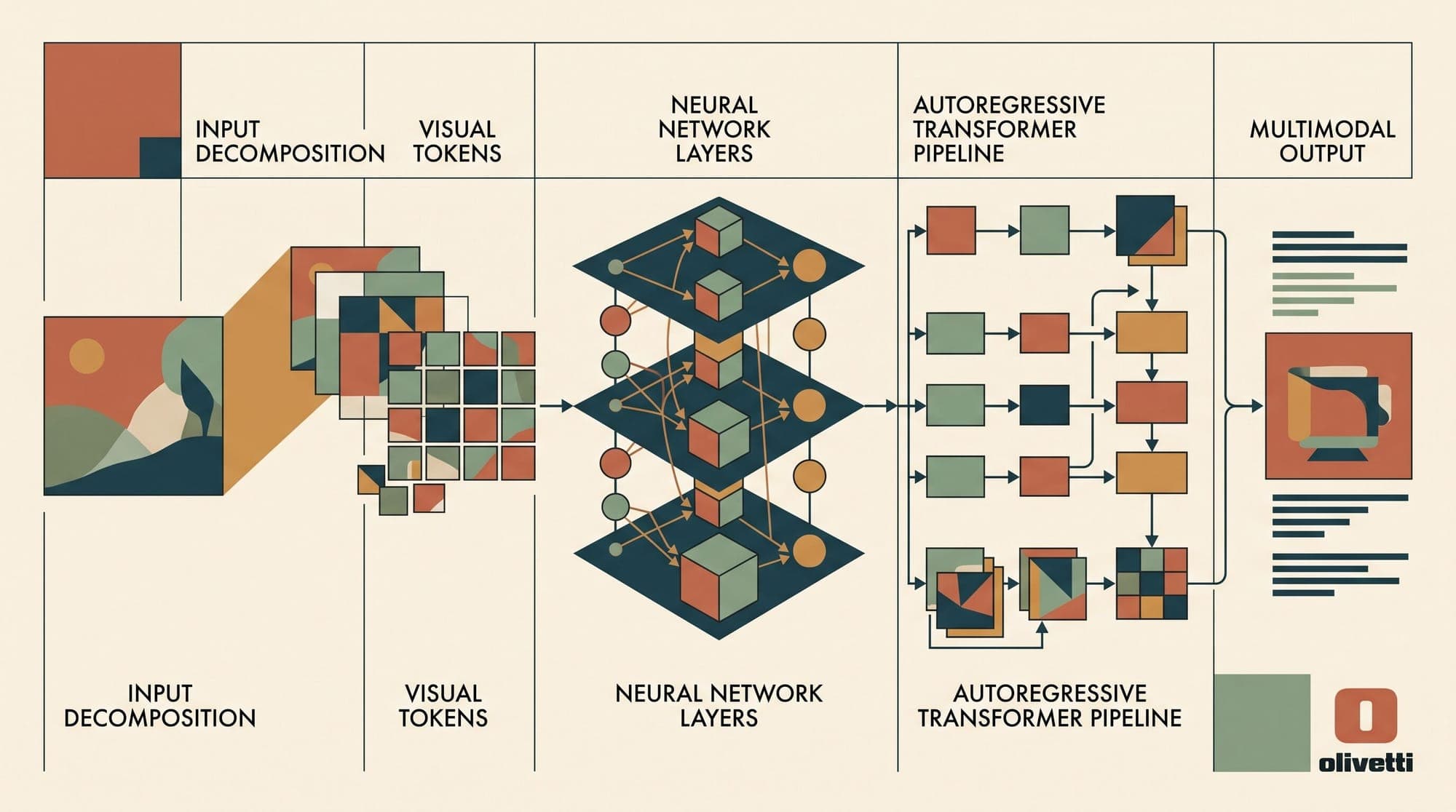
  7. Vision-Language Model Serving in Production: Comparing LLaVA-NeXT, Qwen2-VL, InternVL2, and Pixtral Architecture, Dynamic Resolution Patching, Visual Token Pruning, and Serving Latency Economics

    Deploying Vision-Language Models (VLMs) in production introduces systems challenges distinct from text-only Large Language Models. In standard text serving, input length scales linearly with character and token count. In multimodal systems, a single high-resolution image or short video clip can expand into thousands of visual tokens before textual generation begins. This expansion places immense strain on GPU memory bandwidth, inflates Key-Value (KV) cache allocation, and degrades Time-to-First-

    AI
    8 min read
  8. Multiverse Computing Releases Quantization-Aware Healing to Boost 4-Bit Model Accuracy Above Full-Precision Baselines

    AI infrastructure firm Multiverse Computing has introduced Quantization-Aware Healing (QAH), a post-compression optimization technique designed to restore model accuracy after structural pruning and extreme quantization. Detailed in research paper 2608.20953, the method allows 4-bit compressed large language models to exceed the benchmark performance of their intermediate 16-bit unquantized counterparts. In standard model optimization workflows, teams apply structural pruning (removing layers,

    AI
    3 min read
  9. Agent Sandbox Architecture in Production: Comparing Firecracker MicroVMs, gVisor, WebAssembly, and Docker Isolation for Untrusted AI Code Execution

    Deploying autonomous AI agents that generate and execute code introduces a critical infrastructure challenge: executing untrusted, model-generated shell commands, Python scripts, and system binaries without compromising the host infrastructure or leaking multi-tenant data. As agentic systems move from single-turn code generation to multi-turn iterative problem solving (such as SWE-bench workflows, automated debugging, and repository refactoring), sandbox requirements have evolved. Sandboxes mus

    AI
    8 min read
  10. KV Cache Compression and Dynamic Pruning in Production Serving: Comparing StreamingLLM, H2O, SnapKV, PyramidKV, and DuoAttention Architecture, Memory Bandwidth Reduction, and Needle Retrieval Retention

    As context windows in production large language models expand from 8K tokens to 128K tokens and beyond, the Key-Value (KV) cache replaces model weights as the primary consumer of GPU High Bandwidth Memory (HBM). In high-throughput serving systems, the KV cache grows linearly with sequence length and batch size, creating a dual bottleneck: capacity exhaustion that caps concurrent batch size, and memory bandwidth saturation during autoregressive decoding. While quantization techniques (such as FP

    AI
    11 min read
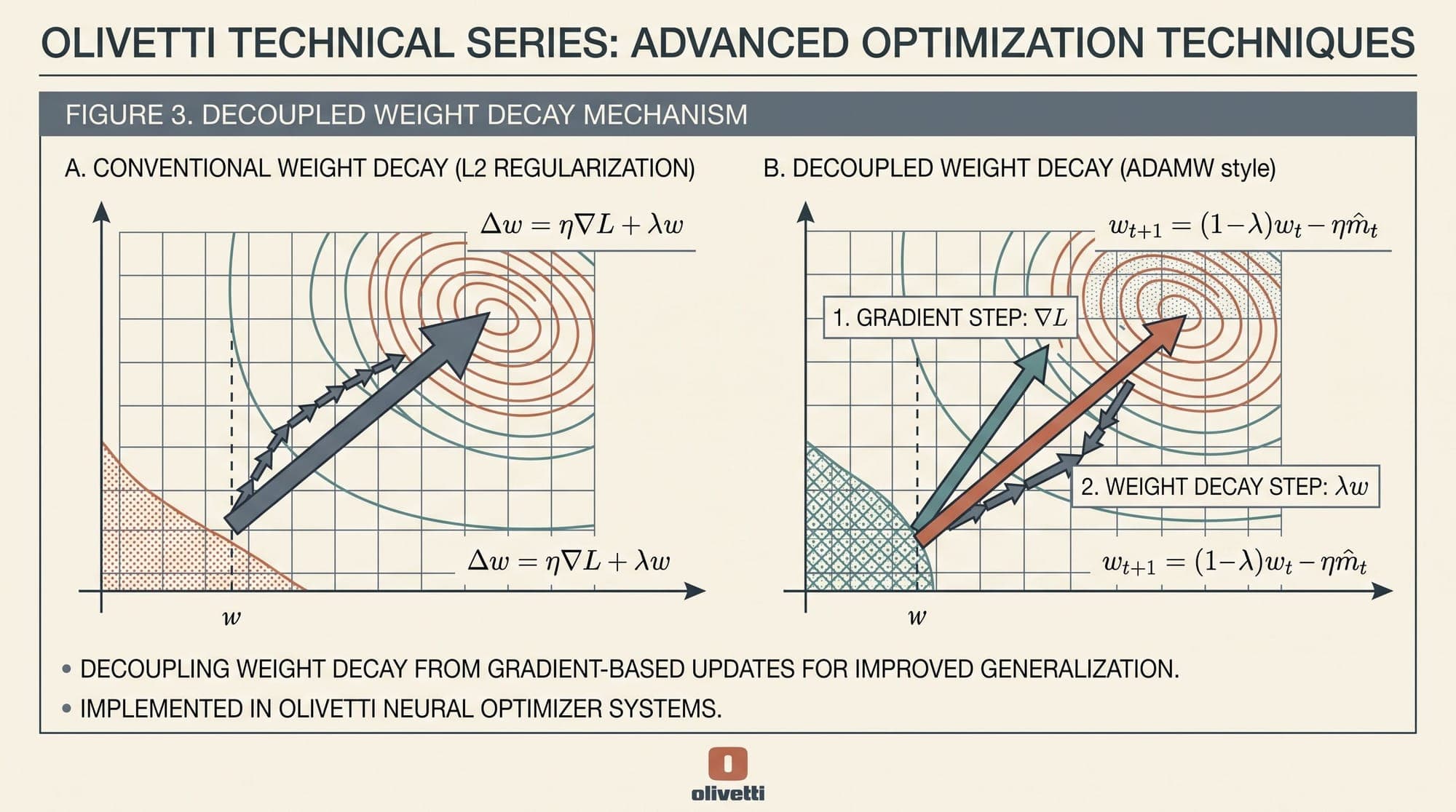
  11. Decoupled Weight Decay Regularization (AdamW): Mathematical Foundations, L2 Regularization Failure in Adaptive Gradient Methods, and Hyperparameter Dynamics

    Decoupled weight decay regularization, formalized by Ilya Loshchilov and Frank Hutter in 2017 and published at ICLR 2019, resolved a fundamental flaw in how adaptive gradient algorithms like Adam implemented weight regularization. Prior to AdamW, deep learning frameworks implemented weight decay as L2 regularization by adding the gradient of the squared L2 norm directly to the loss gradient. While mathematically identical for standard stochastic gradient descent (SGD), this formulation breaks do

    AI
    5 min read
  12. Graph RAG in Production: Comparing Microsoft GraphRAG, LightRAG, Fast GraphRAG, and HippoRAG Architecture, Indexing Overhead, and Multi-Hop Retrieval Economics

    Standard vector retrieval-augmented generation (RAG) relies on dense semantic embeddings to map text chunks into a shared vector space. While effective for localized semantic lookups, dense retrieval degrades on two distinct query classes: corpus-wide global summarization (such as identifying overarching themes across an entire document store) and complex multi-hop associative queries (connecting entity A to entity D through multiple intermediary relationships across disparate documents). Graph

    AI
    10 min read
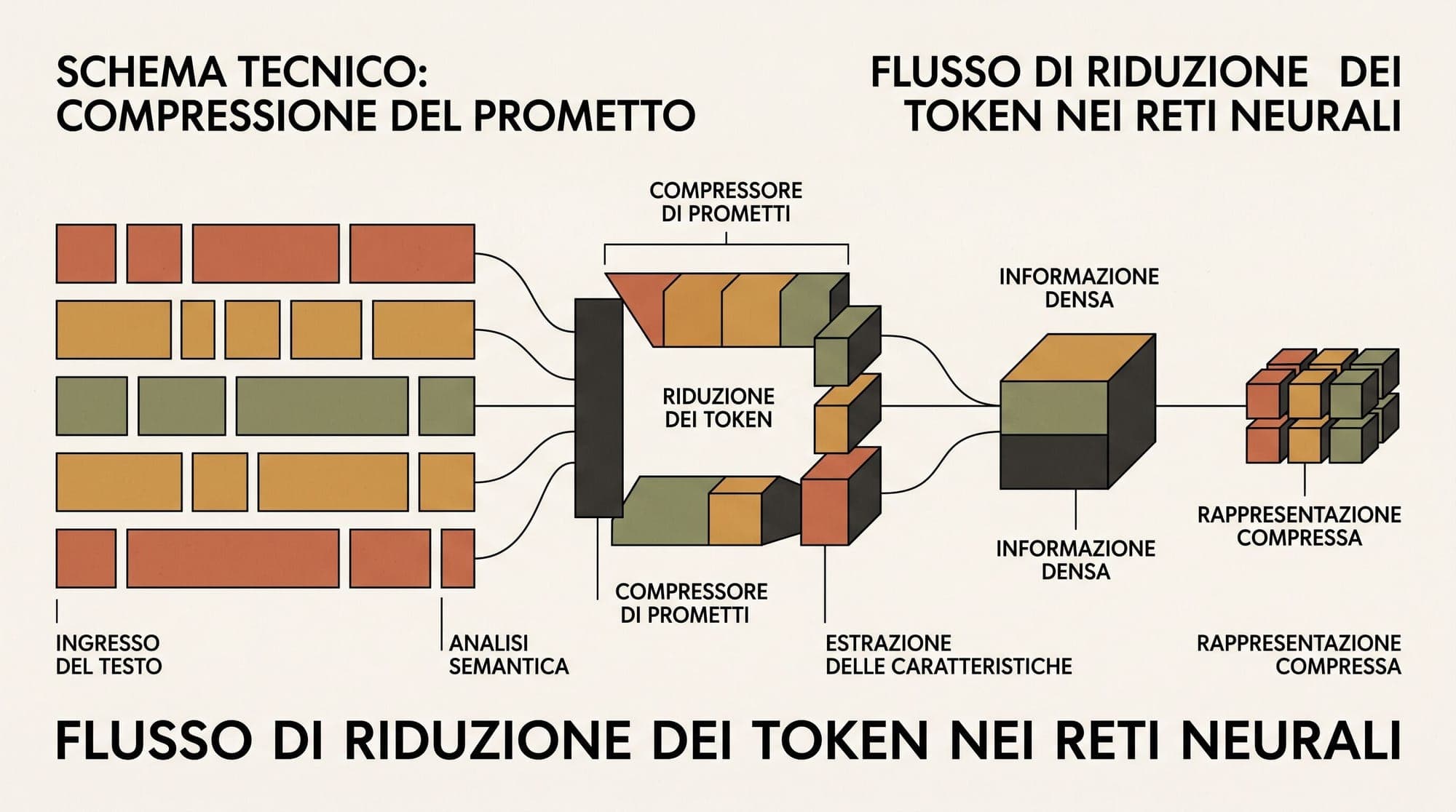
  13. Prompt Compression in Production: Comparing Selective Context, LLMLingua, LongLLMLingua, and LLMLingua-2 Architecture, Token-Level Information Density, and Serving Economics

    In high-throughput production LLM deployments, prompt length dominates both serving latency and inference costs. For multi-turn conversational agents, long-document retrieval-augmented generation (RAG), and multi-step agentic workflows, input contexts routinely scale from 8,000 to over 64,000 tokens. Because the prefill phase scales quadratically in raw attention FLOPs and linearly in key-value (KV) cache allocation, long prompts drive up Time To First Token (TTFT) and consume disproportionate G

    AI
    9 min read
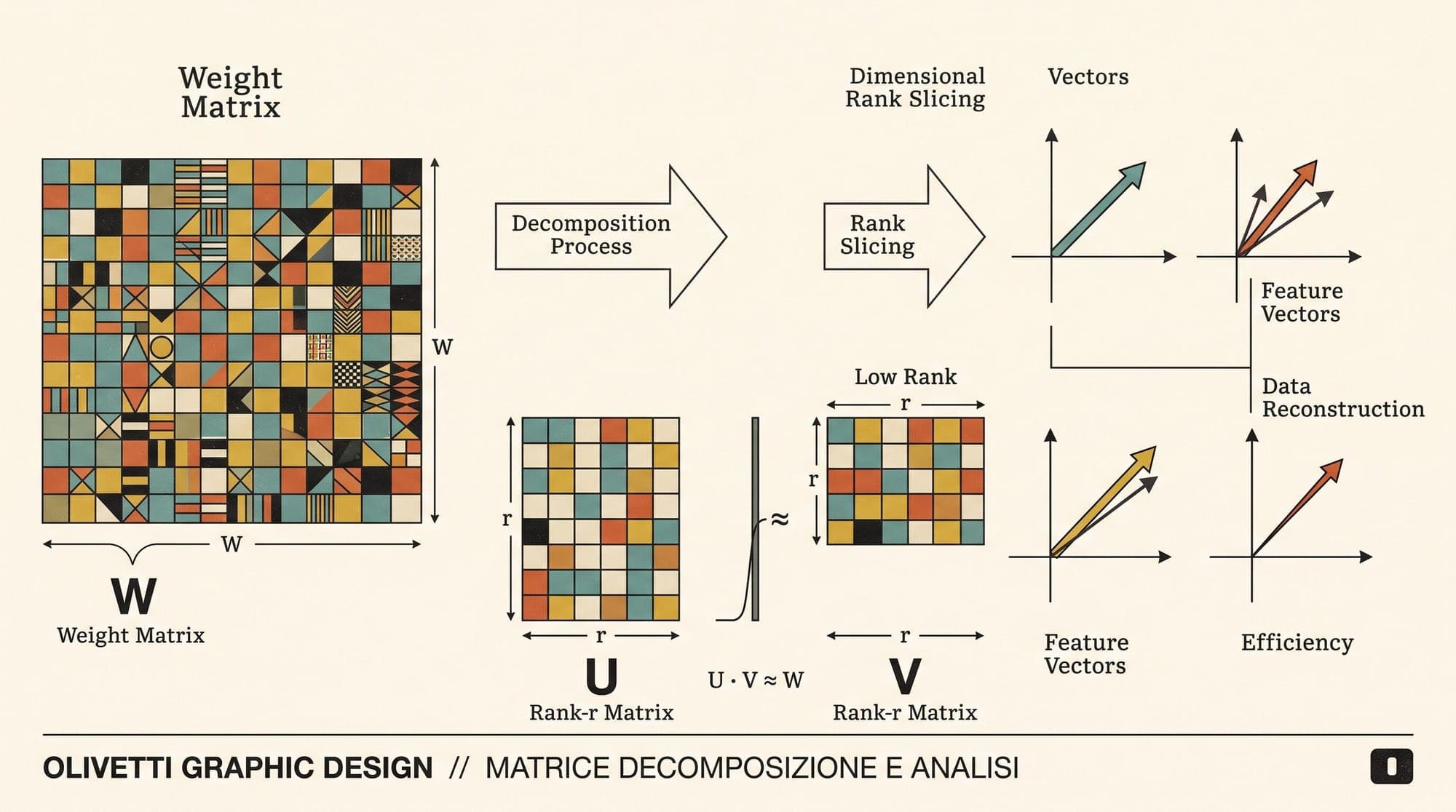
  14. Low-Rank Adaptation (LoRA) and DoRA: Mathematical Foundations, Intrinsic Dimensionality, and Directional Weight Decomposition

    Low-Rank Adaptation (LoRA) and DoRA: Mathematical Foundations, Intrinsic Dimensionality, and Directional Weight Decomposition Full-parameter fine-tuning of large language models presents prohibitive memory requirements during training. Standard full fine-tuning requires updating every weight matrix in a model, demanding storage not only for the model parameters themselves, but also for activation tensors, backward gradients, and first- and second-moment optimizer states. For a 70-billion-parame

    AI
    15 min read
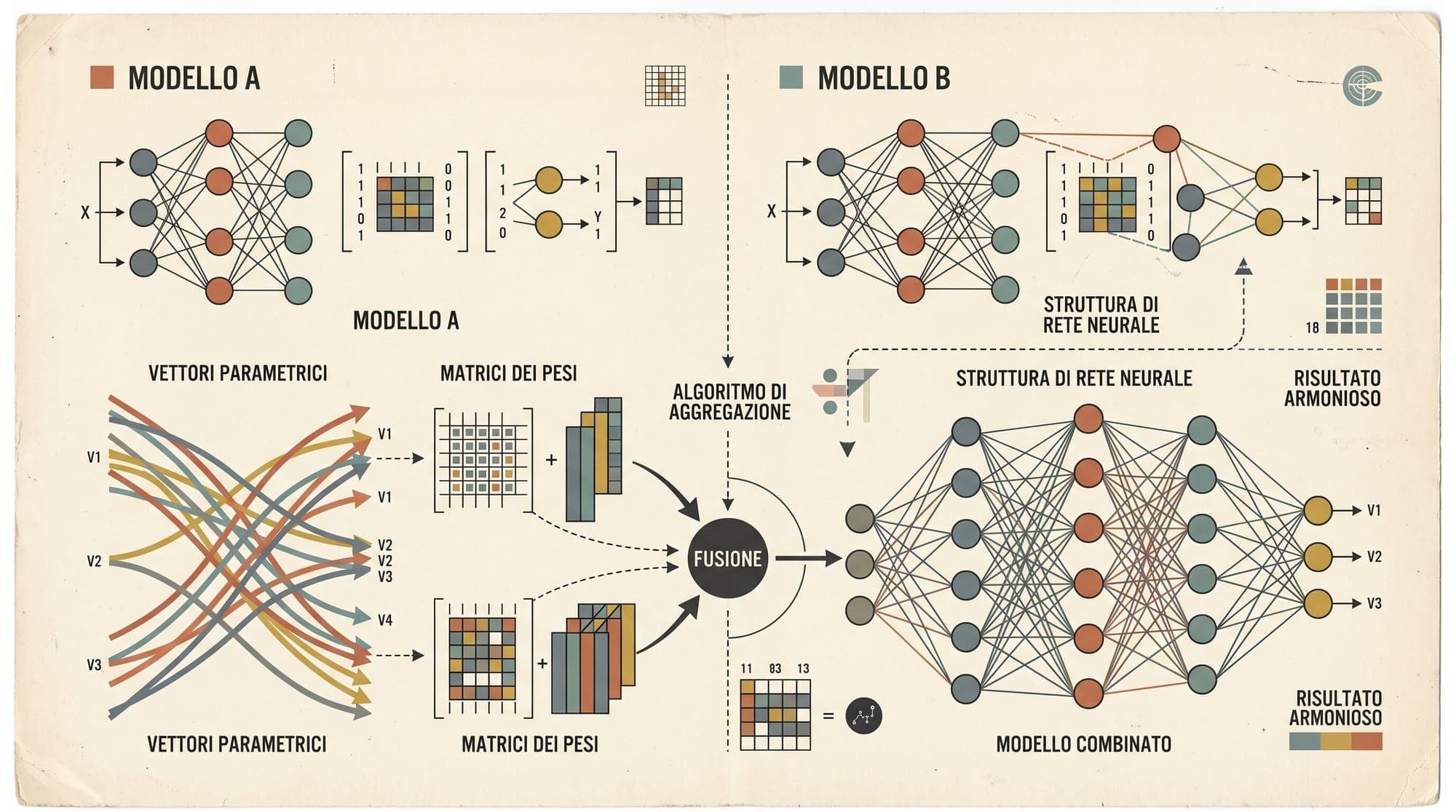
  15. Model Merging in Production: Comparing Task Arithmetic, TIES-Merging, DARE, and SLERP Architecture, Weight Interference Mitigation, and Serving Economics

    Model Merging in Production: Comparing Task Arithmetic, TIES-Merging, DARE, and SLERP Architecture, Weight Interference Mitigation, and Serving Economics In production language model deployment, teams frequently encounter a fundamental operational tension: specialized task performance versus serving cost. Fine-tuning distinct base model instances on specific internal domains (such as code generation, legal document analysis, mathematical reasoning, and safety alignment) produces high task accur

    AI
    9 min read
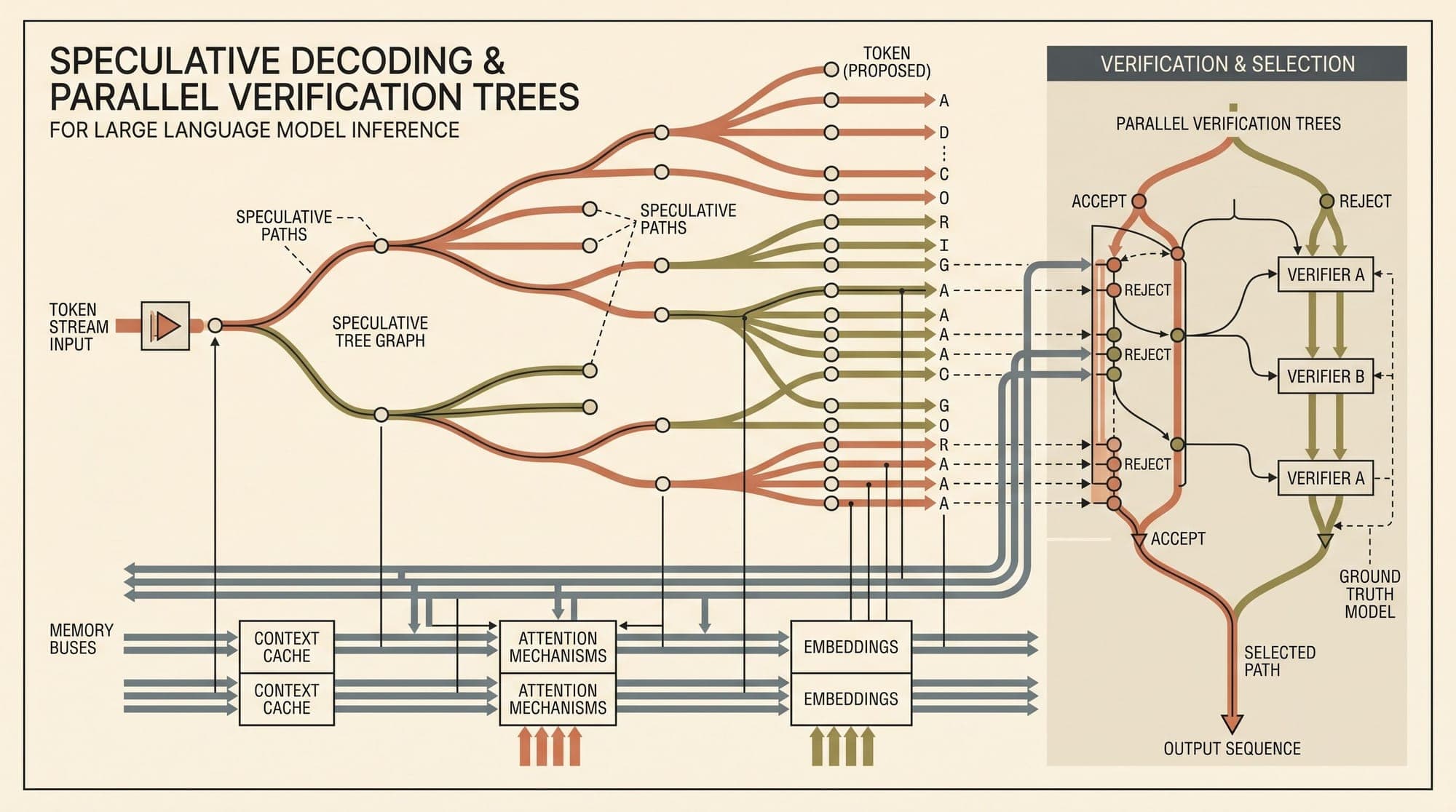
  16. Speculative Decoding in Production Serving: Comparing Small Draft Models, Medusa, EAGLE-2, and Lookahead Decoding Architecture, Verification Tree Overhead, and Throughput Economics

    Large language model inference during autoregressive decoding is structurally memory-bandwidth bound. During generation, each forward pass loads the model weight matrices (tens to hundreds of gigabytes) from High-Bandwidth Memory (HBM) into on-chip SRAM to produce a single token. Because the arithmetic intensity is close to zero, modern accelerators like the NVIDIA H100 and B200 spend the vast majority of their compute cycles stalled on memory bus transfers rather than executing matrix multiplic

    AI
    7 min read