Subscribe
Topic / page 7

Google

Articles, page 7

121-140
  1. Google Releases Harness² for Recursive Agent Harnessing Without Model Retraining

    Google Cloud AI Research has open-sourced Harness², a framework designed to automate the recursive self-improvement of AI agent scaffolding without modifying underlying model weights. Released under the Apache-2.0 license, the repository provides tools to optimize prompts, tools, memory, skills, and orchestration across open-world tasks where no ground-truth answer keys or verifiers exist. Decoupling Agent Scaffolding from Model Weights An autonomous agent's performance depends heavily on its

    AI
    3 min read
  2. Google DeepMind Pilots Cryptographic Double-Blind AI Evaluations to Prevent Benchmark Contamination

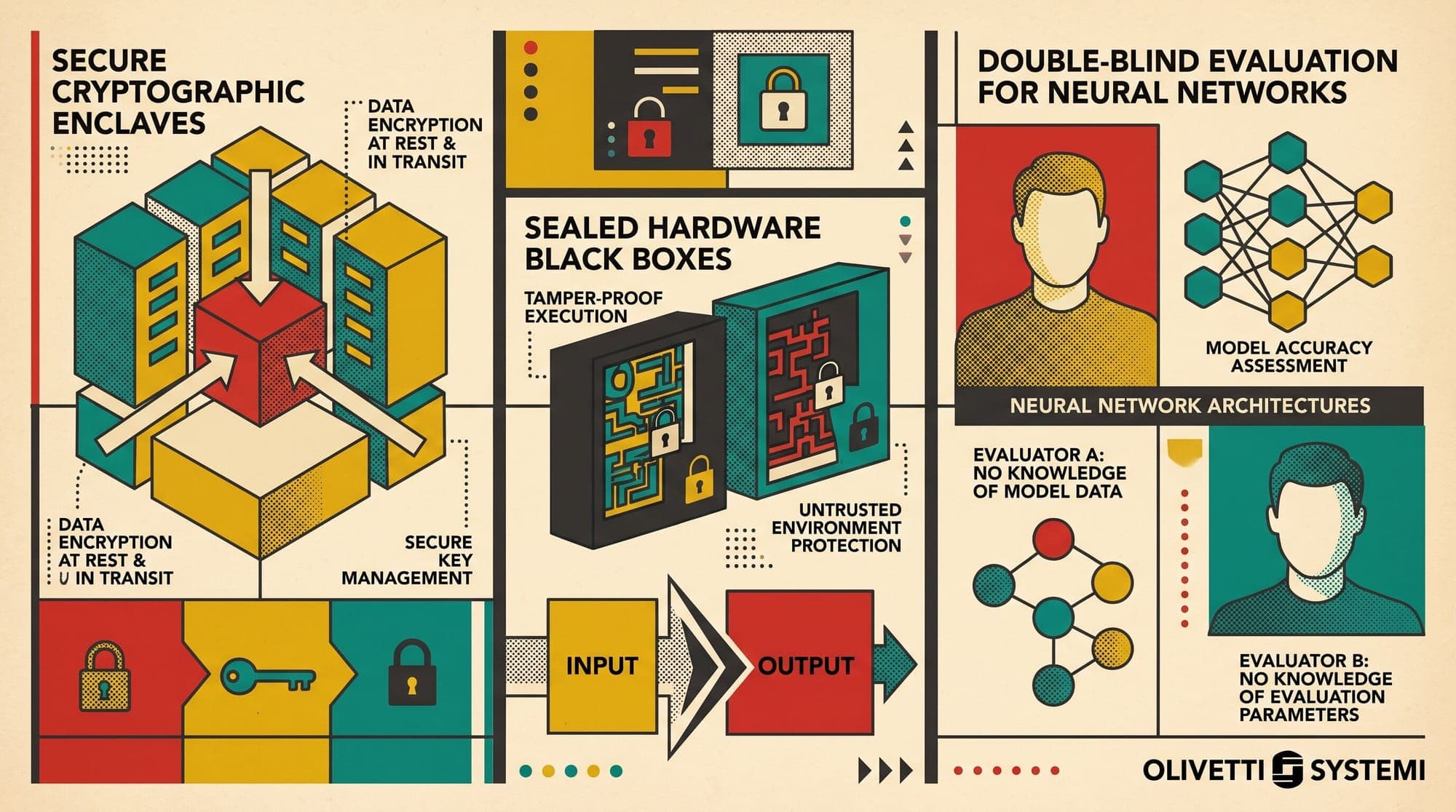
    Google DeepMind, in collaboration with the Singapore AI Safety Institute, OpenMined, AVERI, and MLCommons, has piloted a cryptographic framework for double-blind evaluations of proprietary frontier language models. The pilot, conducted on Gemini 2.5 Flash Lite, uses hardware-isolated confidential computing to ensure that model developers cannot see evaluation prompts while evaluators cannot inspect proprietary weights or inference code. The project addresses benchmark contamination and intellec

    AI
    3 min read
  3. Barret Zoph Joins Google as VP of Research to Lead Gemini Post-Training and Reinforcement Learning

    Barret Zoph, former post-training lead at OpenAI and co-founder of Thinking Machines Lab, has joined Google as Vice President of Research. Google confirmed the appointment, stating that Zoph will direct reinforcement learning (RL) and post-training initiatives across the Gemini model family. Background and Industry Trajectory Zoph previously spent several years at Google Brain, where he co-authored foundational papers on Neural Architecture Search (NAS) and scaling mixture-of-experts (MoE) ar

    Google
    1 min read
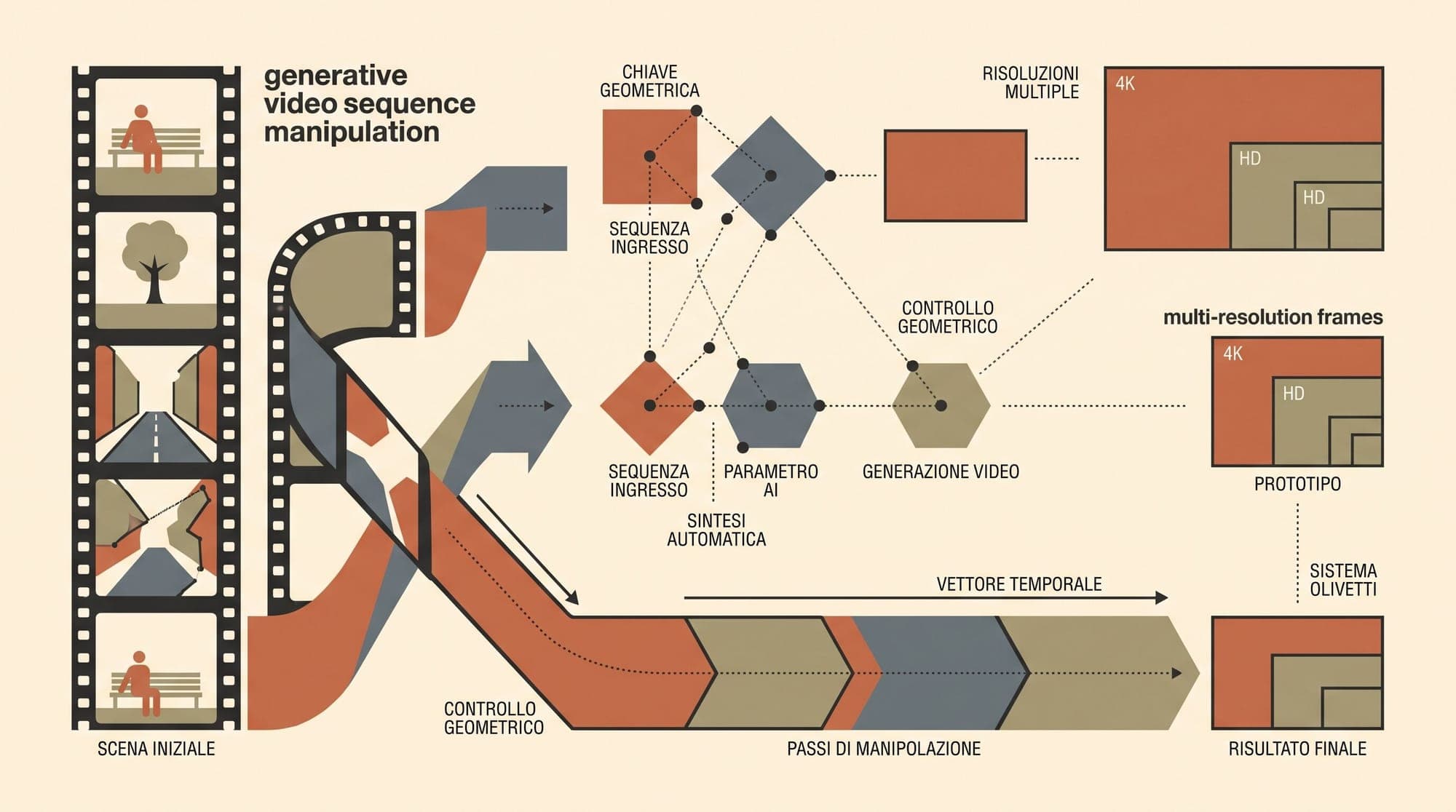
  4. Google Releases Gemini Omni 1.1 Flash with Scene Extension and Keyframe Control

    Google DeepMind has released Gemini Omni 1.1 Flash, updating its multimodal generative video model with programmatic editing controls, extended scene generation, and lower-cost drafting tiers. The model is accessible via the Gemini API in Google AI Studio and the Gemini Enterprise Agent Platform. Update, November 9, 2026: Google has since released Gemini Omni 1.2 Flash, with 15-second clips and lower prices. See our post on Gemini Omni 1.2 Flash. The update addresses primary friction points in

    AI
    3 min read
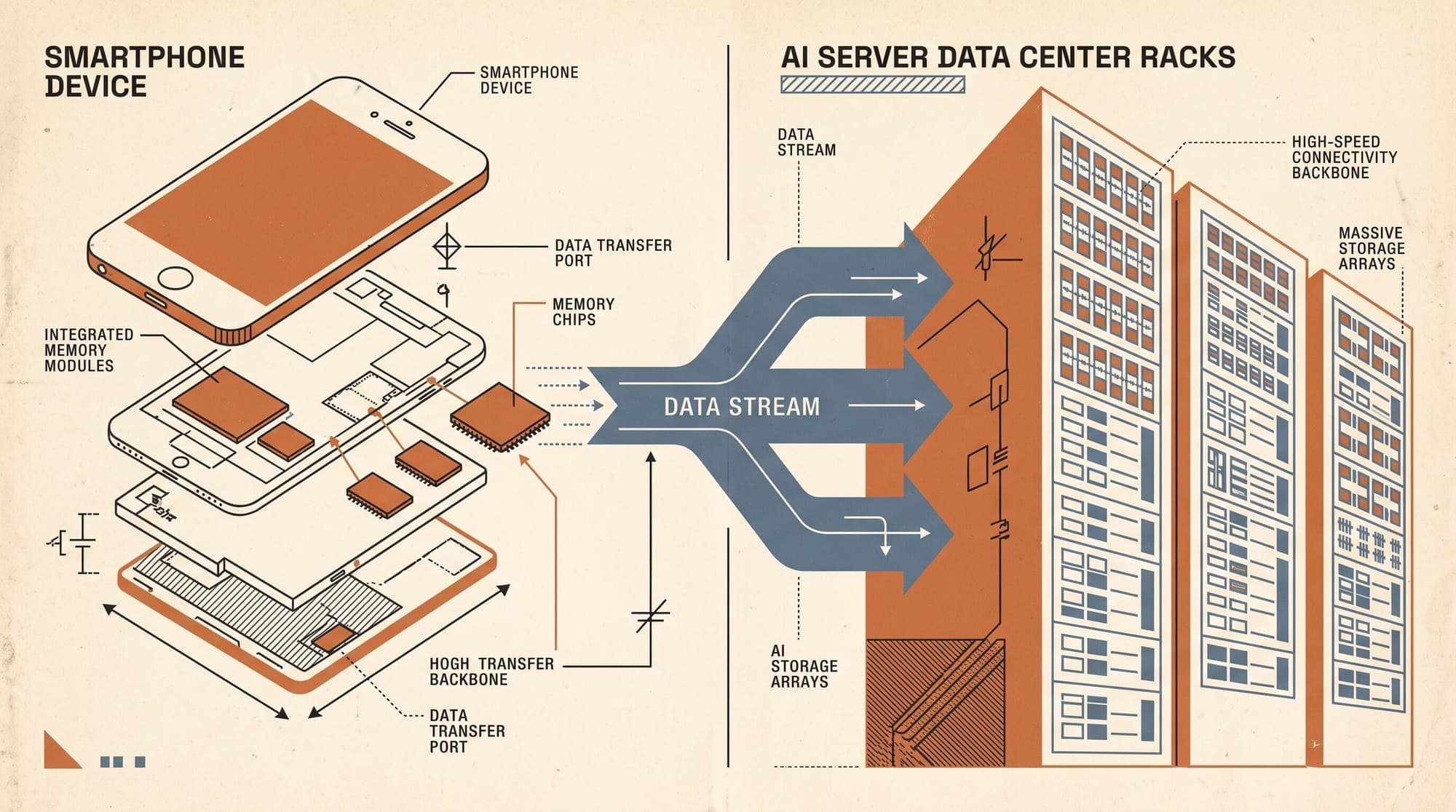
  5. Google Sets Android Memory Limits as AI Data Centers Strain Chip Supply

    Google is implementing strict new memory performance thresholds for Android applications on the Google Play Store, directly citing component shortages driven by the artificial intelligence data center buildout. In an update on the Android Developers Blog, Google detailed new app quality requirements targeting dynamic memory allocation, bitmap memory usage, and execution efficiency. The policy changes reflect supply chain shifts in semiconductor manufacturing, where massive demand for high-bandw

    AI
    2 min read
  6. Google Releases Gemini 3.5 Transcribe with Disfluency Filtering and Task Delegation

    Google has launched Gemini 3.5 Transcribe, a dedicated speech-to-text model designed for real-time streaming, automated disfluency cleanup, and agentic task delegation. The release introduces two API interfaces alongside integration across Google developer tooling and consumer operating system surfaces. Dual API Architecture for Live and Batch Audio Gemini 3.5 Transcribe is split into two operational endpoints tailored for distinct latency profiles: * Real-time streaming (gemini-3.5-transcr

    AI
    2 min read
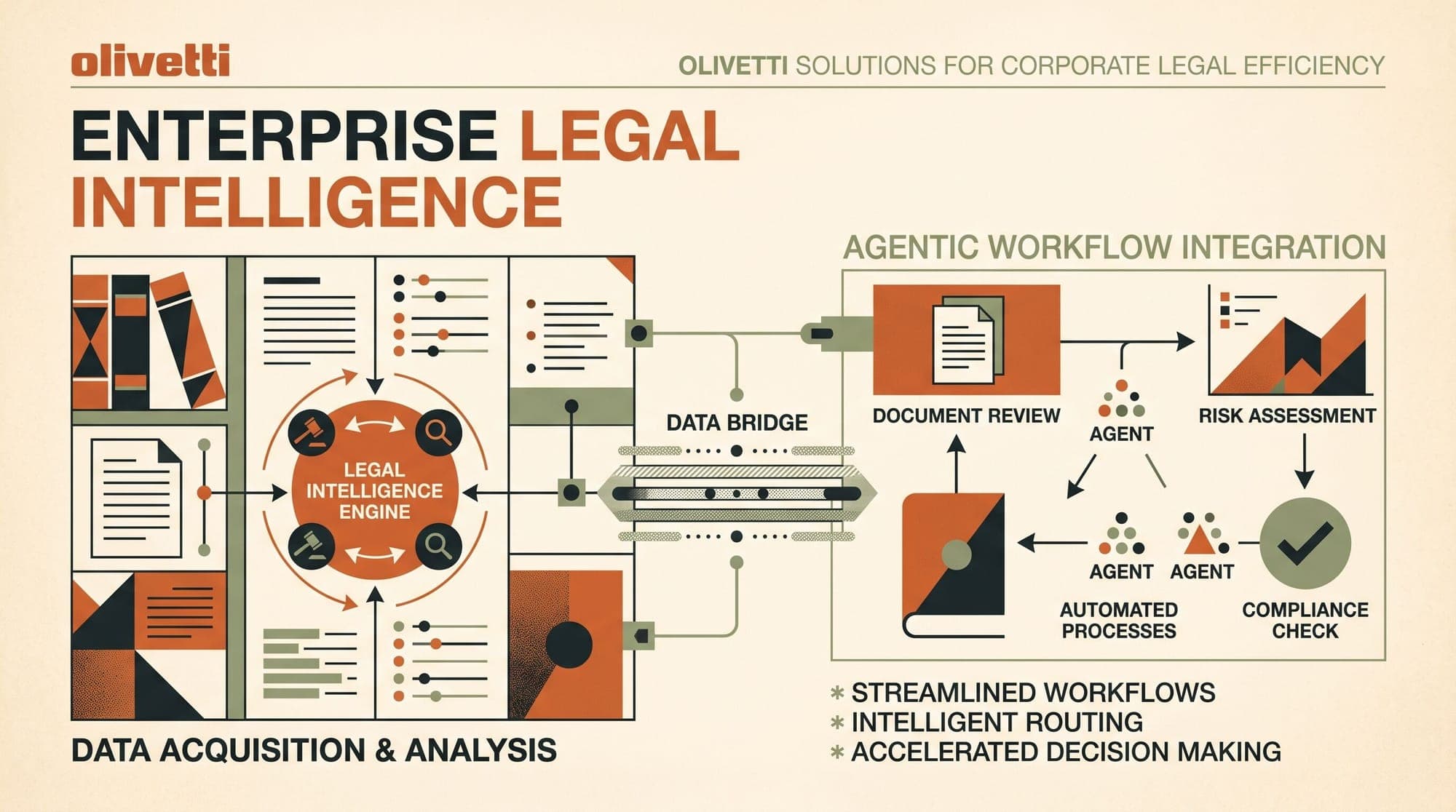
  7. Google Cloud Launches Gemini Enterprise for Legal with Domain Agents and MCP Connectors

    Google Cloud has launched Gemini Enterprise for Legal, a specialized vertical edition of its enterprise AI platform configured specifically for corporate legal departments and law firms. The product debuted in preview on August 25, 2026, alongside a parallel financial services edition, marking Google's initial push into industry-tailored enterprise AI packages. Launch law firms participating in early access include Cleary Gottlieb, Freshfields, Weil, and Williams & Connolly. Architectural Arc

    Google
    2 min read
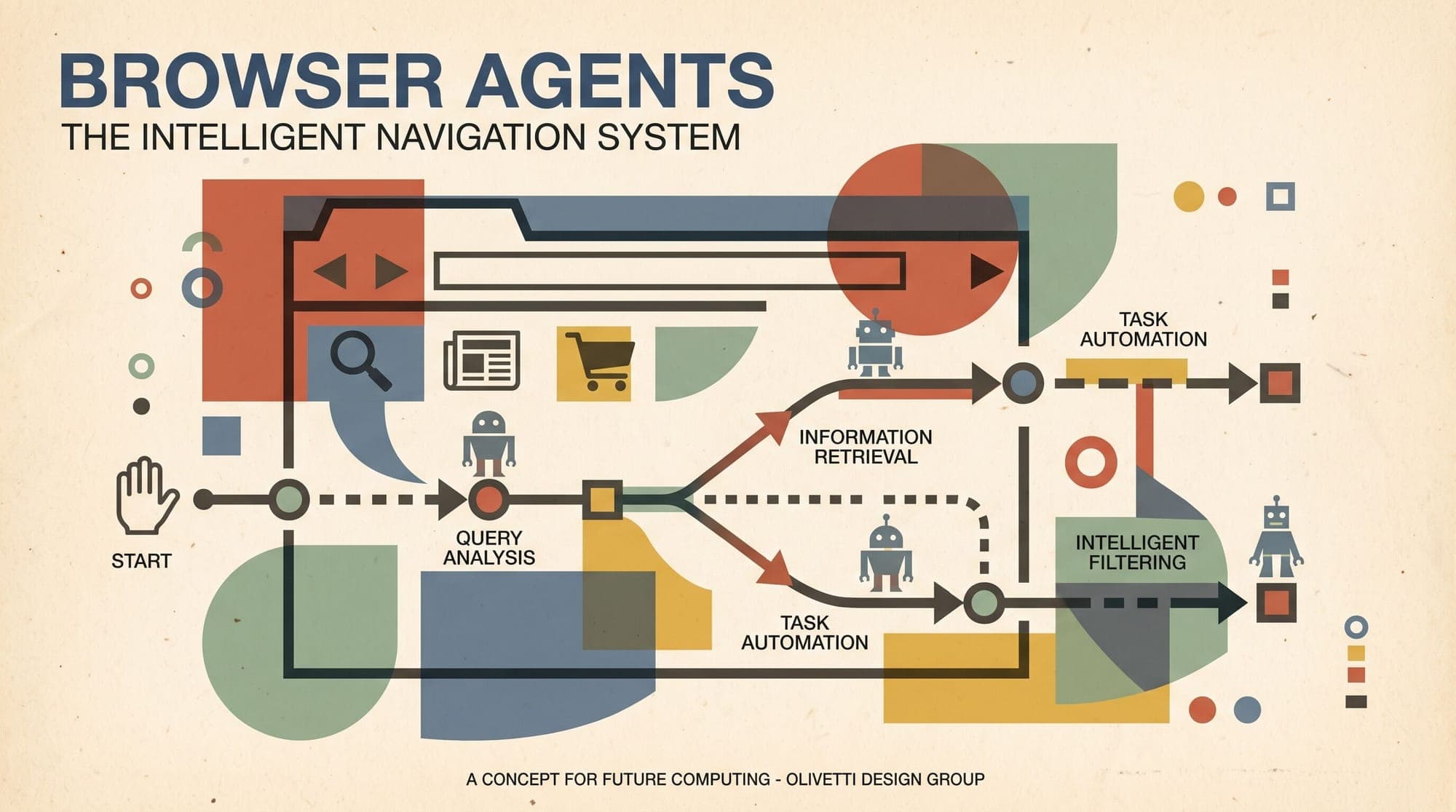
  8. AI Workflow Startup Relay Shuts Down as Team Joins Google Chrome to Build Browser Agents

    AI-driven workflow automation startup Relay is shutting down its independent product operations, with founder and chief executive officer Jacob Bank and key engineering staff joining Google's Chrome division to develop browser-native AI agent capabilities. Relay, founded in July 2021 to compete with legacy workflow platforms like Zapier through generative AI integrations, raised $8.1 million across two venture funding rounds. The company phased out free tier access on August 15, 2026, and will

    AI
    2 min read
  9. Google Previews CodeMender: DeepMind-Engineered AI Agent for Automated Vulnerability Remediation

    Google Cloud has made CodeMender, an autonomous AI code security agent developed with Google DeepMind, available in public preview on the Gemini Enterprise Agent Platform. The tool is designed to scan software codebases, verify discovered security flaws through simulated exploits in isolated sandboxes, and automatically generate tested code patches. CodeMender represents an operational shift from passive static analysis to autonomous remediation. Rather than delivering raw alerts to developers,

    AI
    2 min read
  10. Federal Judge Partially Overturns Conviction of Ex-Google Engineer Linwei Ding in AI Trade Secrets Case

    A federal judge in San Francisco has overturned the economic espionage convictions of former Google software engineer Linwei Ding, while upholding his conviction on seven counts of stealing proprietary artificial intelligence trade secrets. U.S. District Judge Vince Chhabria ruled on Thursday that federal prosecutors failed to present sufficient evidence demonstrating that Ding intended or knew his actions would benefit the government of China. Under federal statutes, establishing direct or ind

    AI
    4 min read
  11. Adobe Firefly Expands Generative Audio Tools and Integrates Gemini Omni Flash

    Adobe has broadened its generative production suite with the general availability of three dedicated AI audio generation modules in Adobe Firefly, alongside the integration of Google's multimodal Gemini Omni Flash model. The audio capabilities expand Firefly from static imagery and video synthesis into integrated soundtrack design, voice synthesis, and scene audio generation, fully cleared for commercial workflows. Generative Audio Modules and Commercial Licensing The expanded audio suite in

    AI
    2 min read
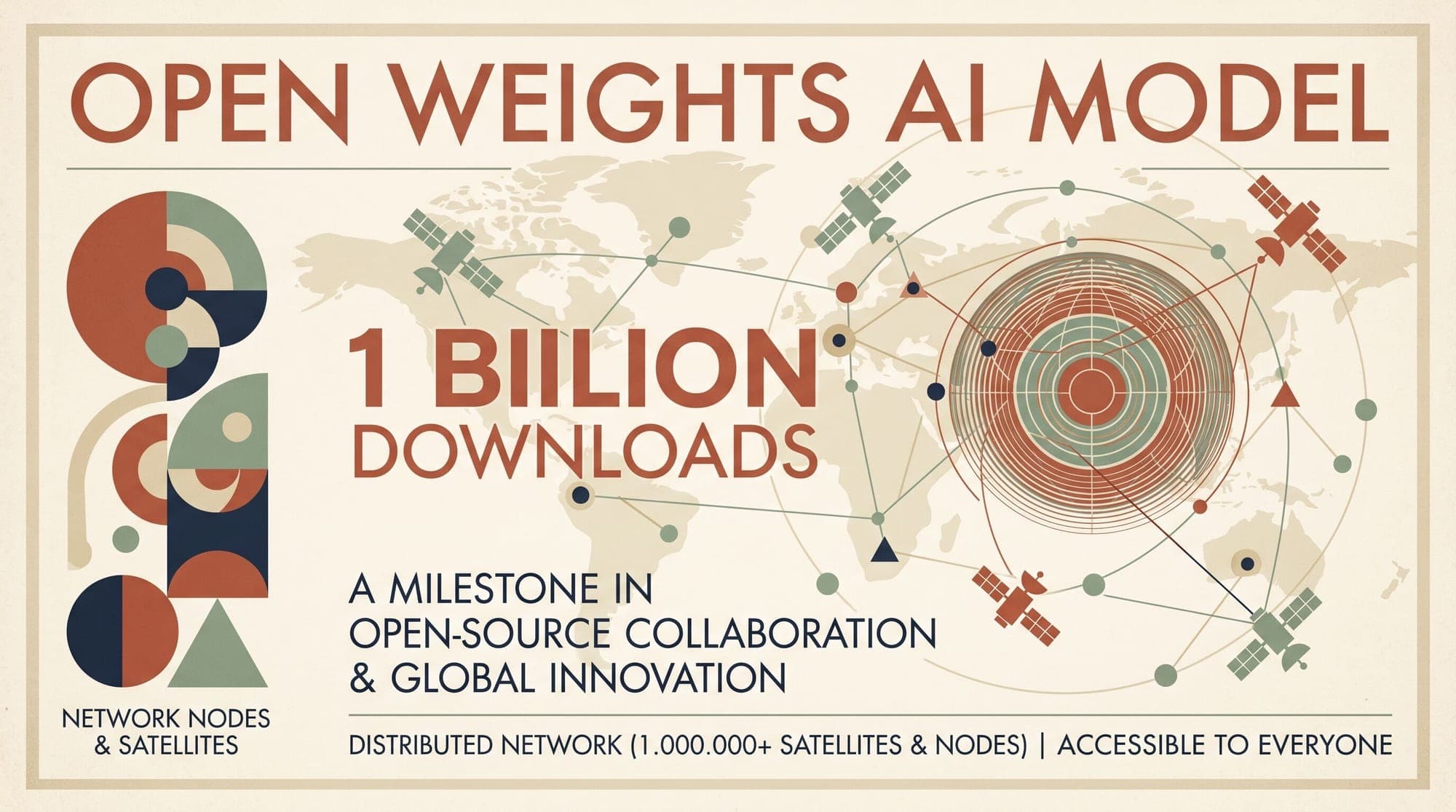
  12. Google's Gemma Open Models Pass 1 Billion Downloads as Variants Top 100,000

    Google DeepMind announced that its Gemma family of open-weight models has surpassed one billion cumulative downloads since its initial launch in early 2024. Alongside the download milestone, the laboratory reported that third-party developers have published more than 100,000 distinct fine-tuned variants and derivative architectures across community model hubs. The milestone marks the first cumulative adoption metrics released by Google for the Gemma ecosystem. To accompany the figures, Google l

    AI
    2 min read
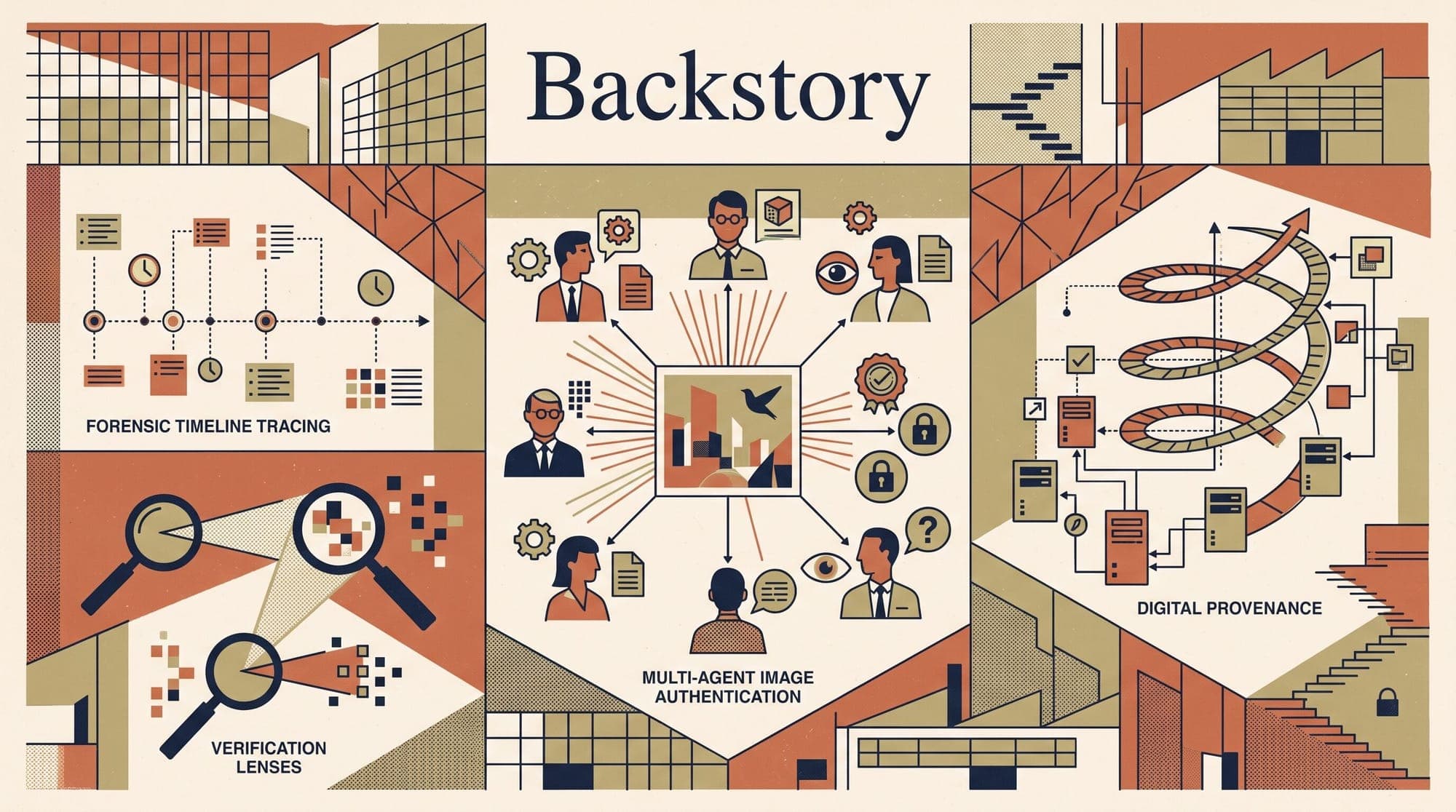
  13. Google DeepMind Deploys Backstory to Fact-Checkers for Multi-Agent AI Image Verification

    Google DeepMind has expanded live testing of Backstory, an experimental verification platform designed to investigate the origin, manipulation, and dissemination history of digital images. The system, built on the Gemini model family, is currently deployed across newsrooms, open-source intelligence (OSINT) groups, academic researchers, and fact-checking teams participating in Google's Trusted Testers program. Beyond Binary Synthetic Detection Traditional automated image forensic tools typical

    AI
    2 min read
  14. Google Launches Gemini Student Hub with Interactive 3D Simulations and Background Research

    Google has launched a dedicated suite of education tools across Google Search and the Gemini assistant, introducing an integrated student hub, interactive 3D simulations, multi-document synthesis, and asynchronous background research. The rollout is designed to centralize study workflows within Google's ecosystem while expanding the modal capabilities of Gemini for scientific and conceptual analysis. Integrated Student Hub and Study Notebooks The core of the update is a specialized hub withi

    Google
    2 min read
  15. Marvell Issues Google $12.2B Stock Warrant in Custom AI Silicon Deal

    Marvell Technology has granted Alphabet's Google a warrant to purchase up to 58.9 million shares of common stock at an exercise price of $206.58 per share, establishing an equity arrangement valued at up to $12.18 billion. The agreement expands the companies' partnership to co-develop custom artificial intelligence silicon, specialized networking, and next-generation datacenter infrastructure. Following the announcement, Marvell shares rose more than 11% in premarket trading, while primary cust

    AI
    2 min read
  16. Google Opens Gemini in Chrome to All U.S. Android Users and Extends Auto Browse to Mobile

    Google expanded Gemini in Chrome to all Android users across the United States on August 18, 2026. The update introduces the browser's built-in AI assistant to mobile handsets and extends "auto browse," Google's agentic web automation feature, to smartphones for Google AI Pro and AI Ultra subscribers. The Android rollout follows the initial launch of Gemini in Chrome for desktop environments in September 2025. On mobile devices, the assistant provides on-page article summaries, contextual answe

    AI
    2 min read
  17. Google now lets users strip the visible watermark from its AI images, video, and audio

    Google said Friday it will let users remove the visible watermark from its AI-generated images, video, and audio. The company said turning off the visible mark does not affect the invisible SynthID watermark or the C2PA metadata used to identify an AI-generated file. Josh Woodward, Google's vice president for Gemini, announced the change in a post on X. The invisible SynthID signal and the C2PA provenance data stay in place, so machines can still tell a file was generated even after the visible

    AI
    1 min read