Subscribe
Topic / page 33

AI

Articles, page 33

641-660
  1. Contrastive Language-Image Pre-Training (CLIP): How Joint Multi-Modal Embeddings Bridge Vision and Language

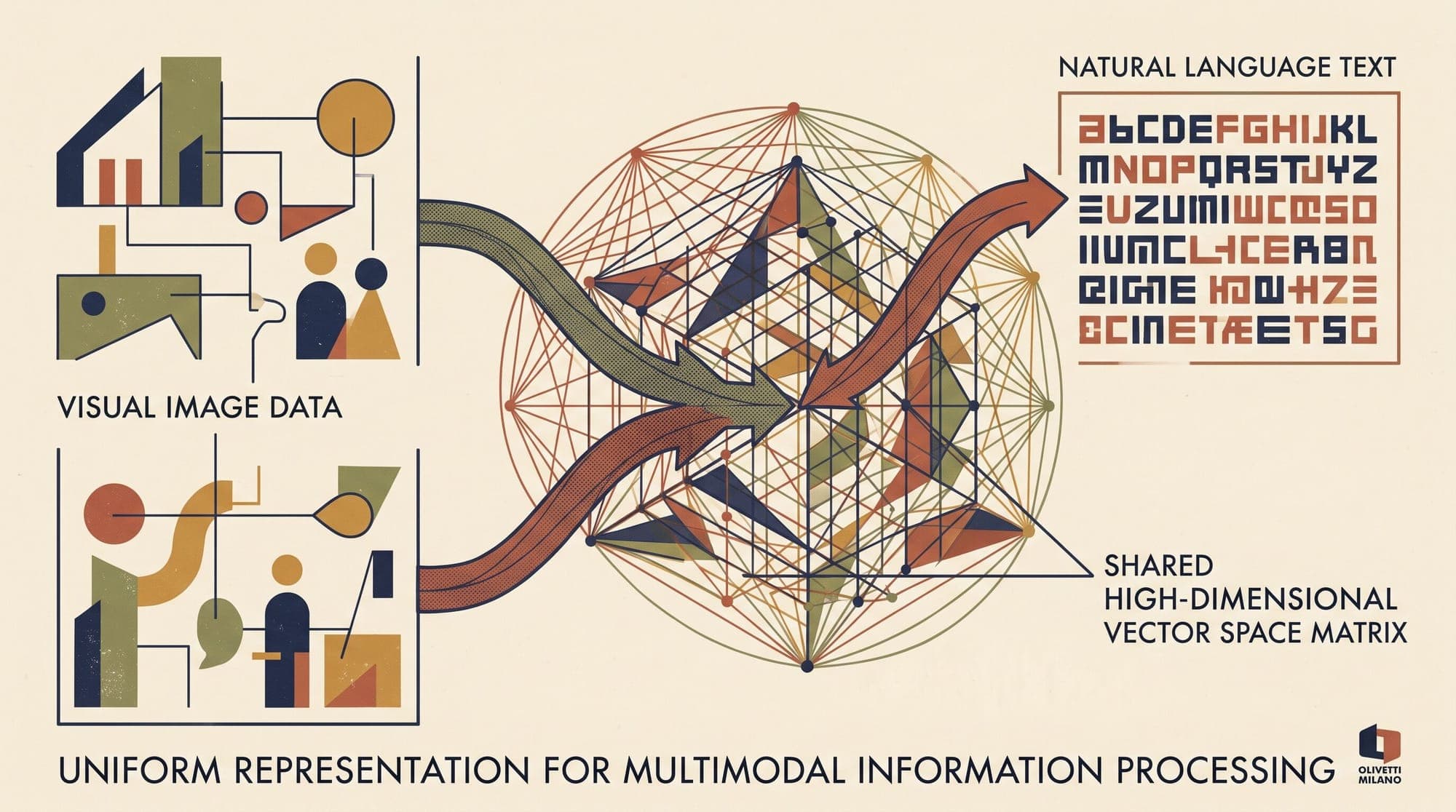
    Before 2021, computer vision models were largely constrained by closed-set supervised classification. Deep convolutional networks like ResNet were trained to predict one of exactly 1,000 discrete categories on ImageNet via a final linear layer and a softmax cross-entropy objective. This setup created rigid models: classifying an unencountered category or adapting to downstream domain shifts required throwing away the classification head, collecting thousands of labeled samples, and retraining or

    AI
    8 min read
  2. Generalist AI Releases GEN-1.5: One-Shot In-Context Learning for Robotic Manipulation

    Robotics research startup Generalist AI announced GEN-1.5, an embodied foundation model capable of learning closed-loop physical manipulation tasks from a single demonstration without gradient updates or fine-tuning. The model adapts through in-context physical prompting, mirroring the few-shot learning dynamics originally identified in autoregressive language models. GEN-1.5 processes multimodal inputs including multi-view video, proprioceptive signals, sensor feeds, and natural language instr

    Robotics
    2 min read
  3. Micron Launches Micron Research Labs with $10B Commitment for AI Memory Architecture

    Micron Technology announced on August 20, 2026, the creation of Micron Research Labs, a domestic long-horizon research institution headquartered in Boise, Idaho. Backed by a planned $10 billion investment across the next decade, the entity is designed to conduct precompetitive semiconductor and architecture research positioned upstream of commercial fabrication roadmaps. The funding operates independently from the more than $250 billion in domestic manufacturing and commercial development that

    Hardware
    2 min read
  4. Rich Sutton: Relying on Synthetic Data to Scale Foundation Models Is a 'Big Mistake'

    Reinforcement learning pioneer Richard Sutton has challenged the artificial intelligence industry's accelerating pivot toward synthetic data, characterizing the strategy as a fundamental misstep that cannot resolve the scaling bottlenecks confronting foundation models. Speaking alongside Oak Lab co-founder Khurram Javeed, the author of the foundational 2019 essay "The Bitter Lesson" argued that synthetic data generation inherently runs counter to the principles that govern general intelligence.

    AI
    2 min read
  5. Slack Launches Slack Code to Host AI Coding Agents in Dedicated Project Channels

    Slack has introduced Slack Code, a native environment that shifts AI-assisted software development out of private chat windows and into dedicated, collaborative workspace channels. Available immediately across all Slack subscription tiers, including free accounts, the feature enables engineering and product teams to summon autonomous coding agents directly into project-scoped spaces where teammates can monitor implementation progress, inspect code diffs, review live web previews, and control pro

    AI
    2 min read
  6. ReAct in Large Language Models: How Interleaving Reasoning and Action Traces Built the Foundation of AI Agents

    ReAct in Large Language Models: How Interleaving Reasoning and Action Traces Built the Foundation of AI Agents Before autonomous agents could interact reliably with APIs, search engines, and bash environments, large language models (LLMs) operated in one of two disconnected paradigms: internal reasoning without external interaction, or external action generation without internal deliberation. In pure reasoning paradigms such as Chain-of-Thought (CoT) prompting, models generate intermediate natu

    AI
    10 min read
  7. Contextual Retrieval in Production RAG: Architecture, Prompt Caching Economics, Hybrid Fusion, and Reranking Pipelines

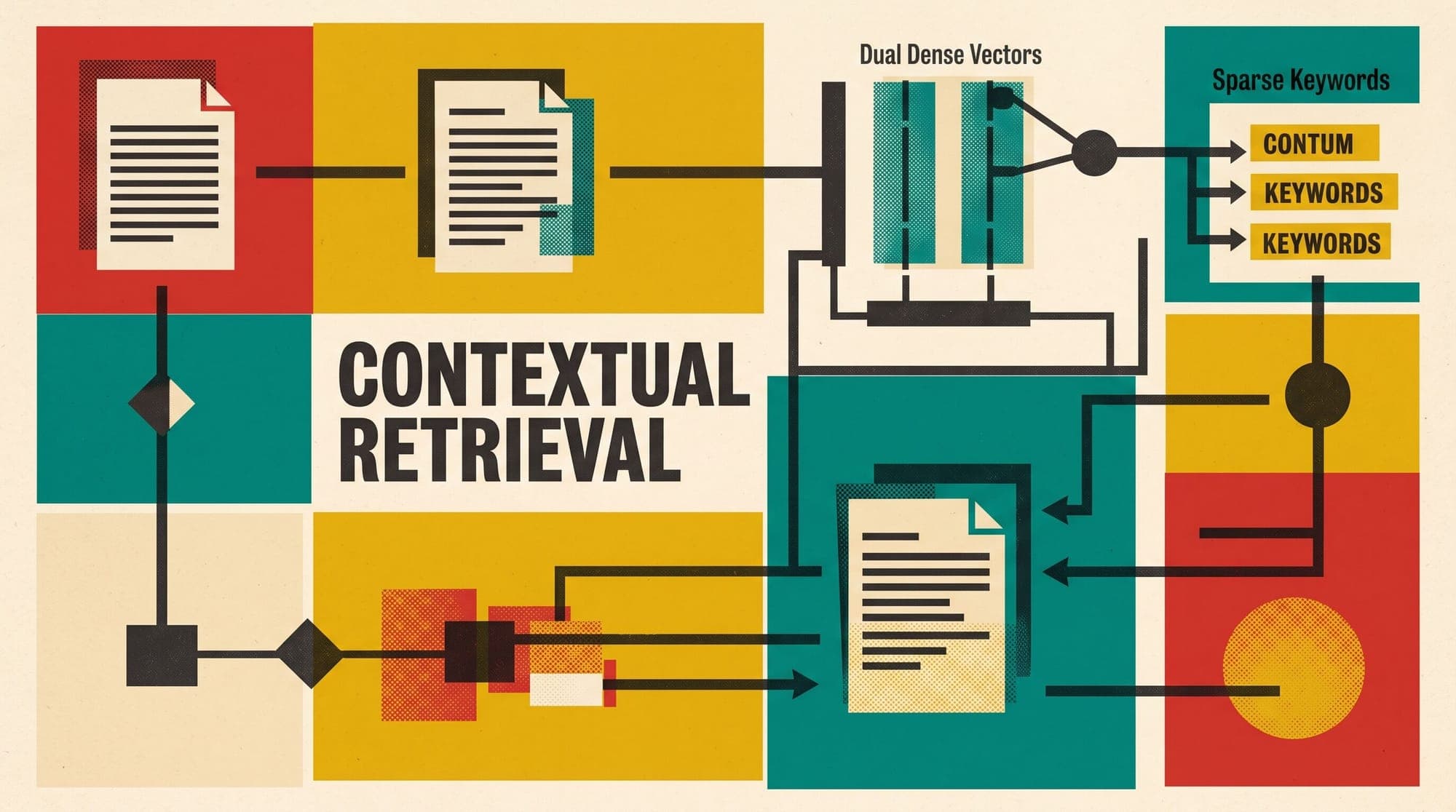
    Contextual Retrieval in Production RAG: Architecture, Prompt Caching Economics, Hybrid Fusion, and Reranking Pipelines Standard Retrieval-Augmented Generation (RAG) architectures suffer from an inherent design flaw at the preprocessing stage: chunking destroys document hierarchy. When a system divides a large document corpus into fixed-size passages (such as 300 to 800 tokens) or applies semantic boundaries, the resulting chunks lose their surrounding narrative, parent headings, entity definiti

    AI
    7 min read
  8. Self-Consistency Decoding: How Sampling Diverse Reasoning Paths Eliminates Single-Trajectory Fragility in LLMs

    Self-Consistency Decoding: How Sampling Diverse Reasoning Paths Eliminates Single-Trajectory Fragility in LLMs Standard inference pipelines in large language models rely on greedy decoding or low-temperature sampling to generate answers. For tasks requiring direct factual recall or basic classification, greedy token selection generates fluent and accurate outputs. However, when large models are tasked with complex multi-step reasoning, greedy generation exhibits severe structural fragility. In

    AI
    6 min read
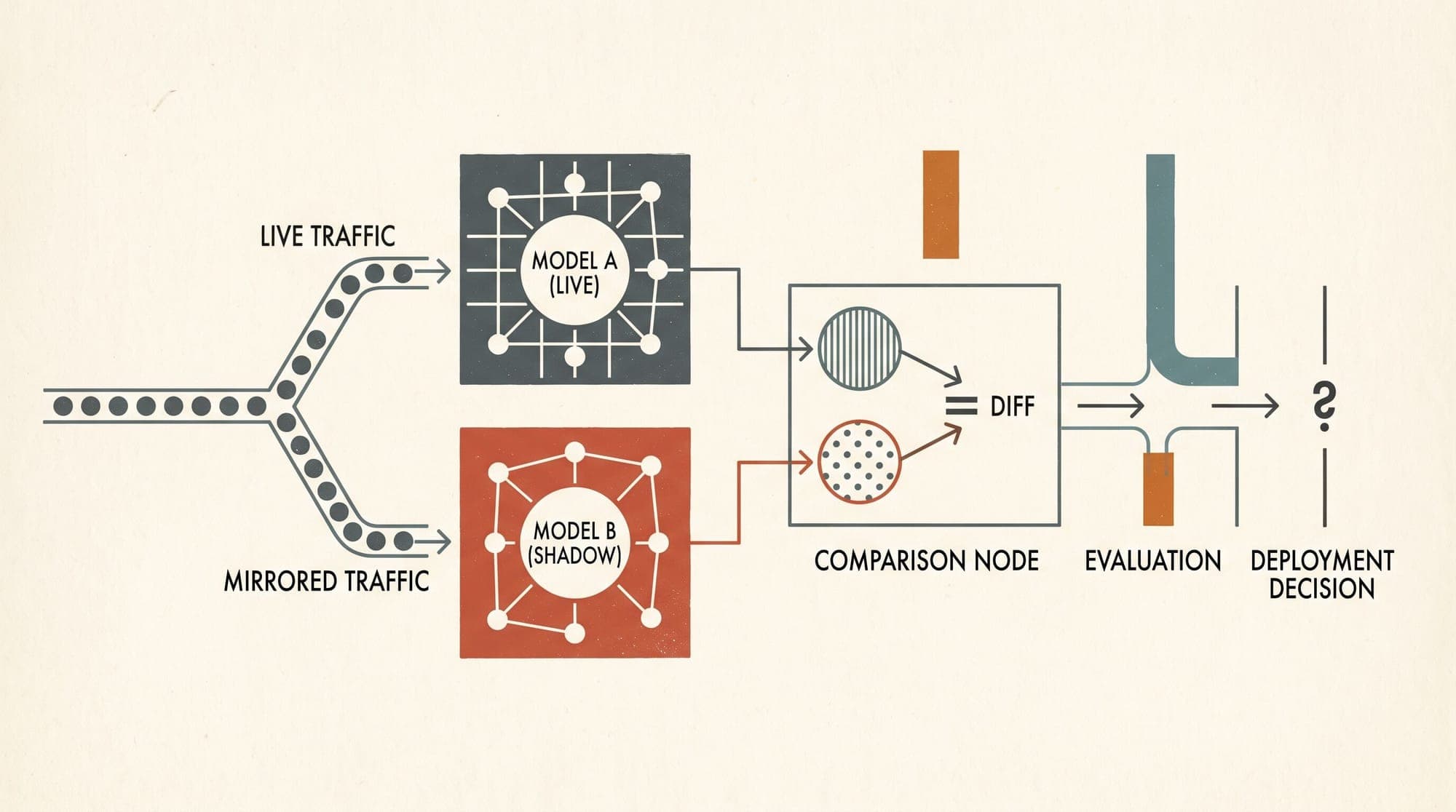
  9. Traffic Shadowing and Canary Deployments in Production: Architecture, Semantic Divergence, and Automated Rollbacks for LLM Upgrades

    Upgrading large language model pipelines in production presents an operational challenge distinct from traditional software deployments. In microservice architectures, canary deployments rely on deterministic signals: HTTP 5xx error rates, unhandled runtime exceptions, CPU saturation, and latency percentiles. When updating an LLM system (whether swapping a base model checkpoint, updating a system prompt, tweaking sampling hyperparameters, or attaching a newly fine-tuned LoRA adapter), the servic

    AI
    6 min read
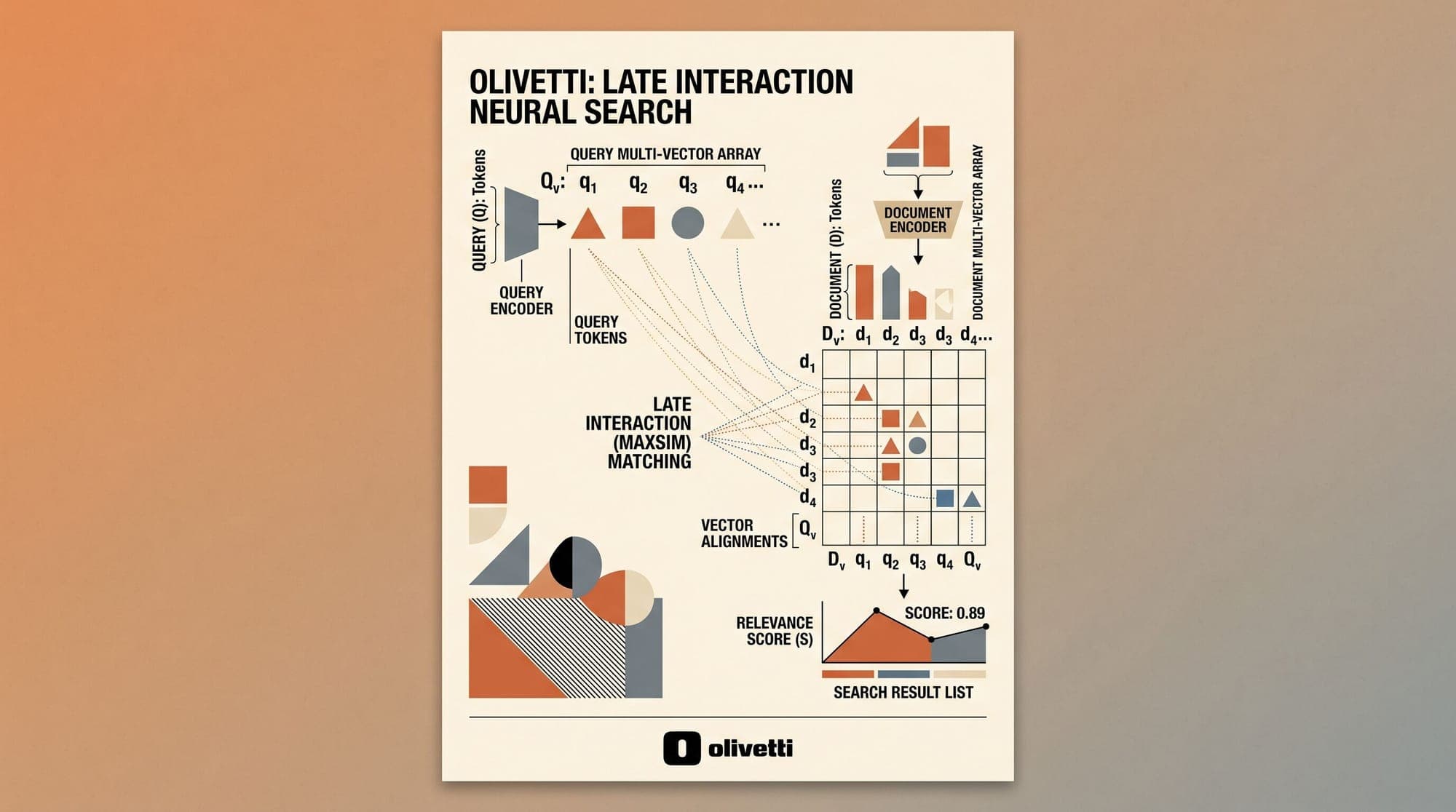
  10. Late Interaction and ColBERT: How Multi-Vector Embeddings and the MaxSim Operator Transform Neural Retrieval

    Information retrieval systems have long wrestled with a fundamental tension between computational efficiency and semantic expressiveness. Traditional dense bi-encoders like DPR compress an entire passage into a single dense vector, allowing sub-linear approximate nearest neighbor (ANN) search over millions of documents. However, forcing multi-sentence passages into a single vector representation creates an information bottleneck that discards fine-grained token-level nuances, entities, and keywo

    AI
    6 min read
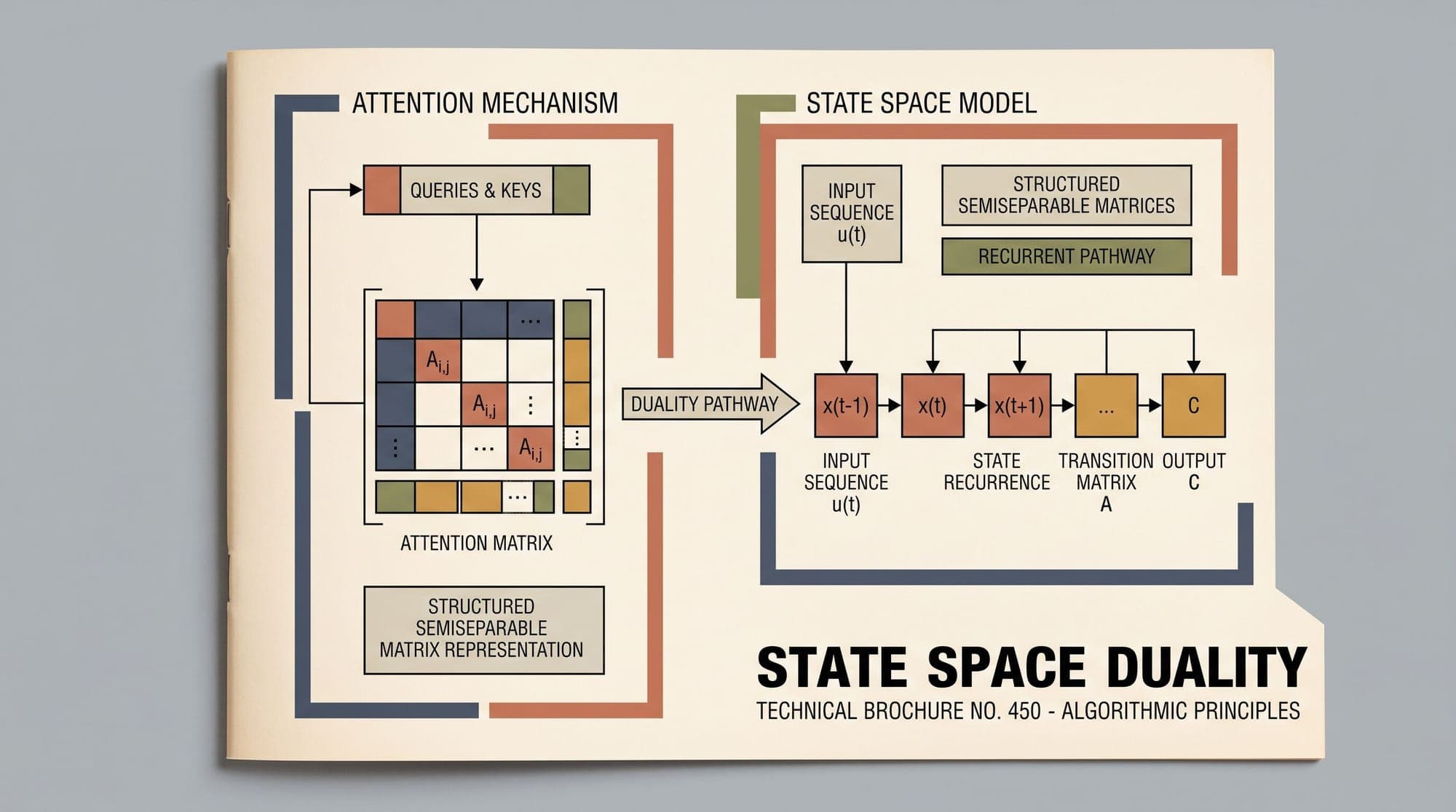
  11. State Space Duality and Mamba-2: How Semiseparable Matrices Unify Attention and SSMs

    For years, deep sequence modeling operated under a structural divide. On one side stood the Transformer architecture, anchored by softmax attention. Softmax attention scales quadratically in compute and memory with sequence length (O(T^2)), but its operations map cleanly to dense General Matrix Multiplications (GEMMs), maximizing utilization of GPU Tensor Cores. On the other side stood Structured State Space Models (SSMs), such as S4 and Mamba-1. Structured SSMs scale linearly in time (O(T · N))

    AI
    6 min read
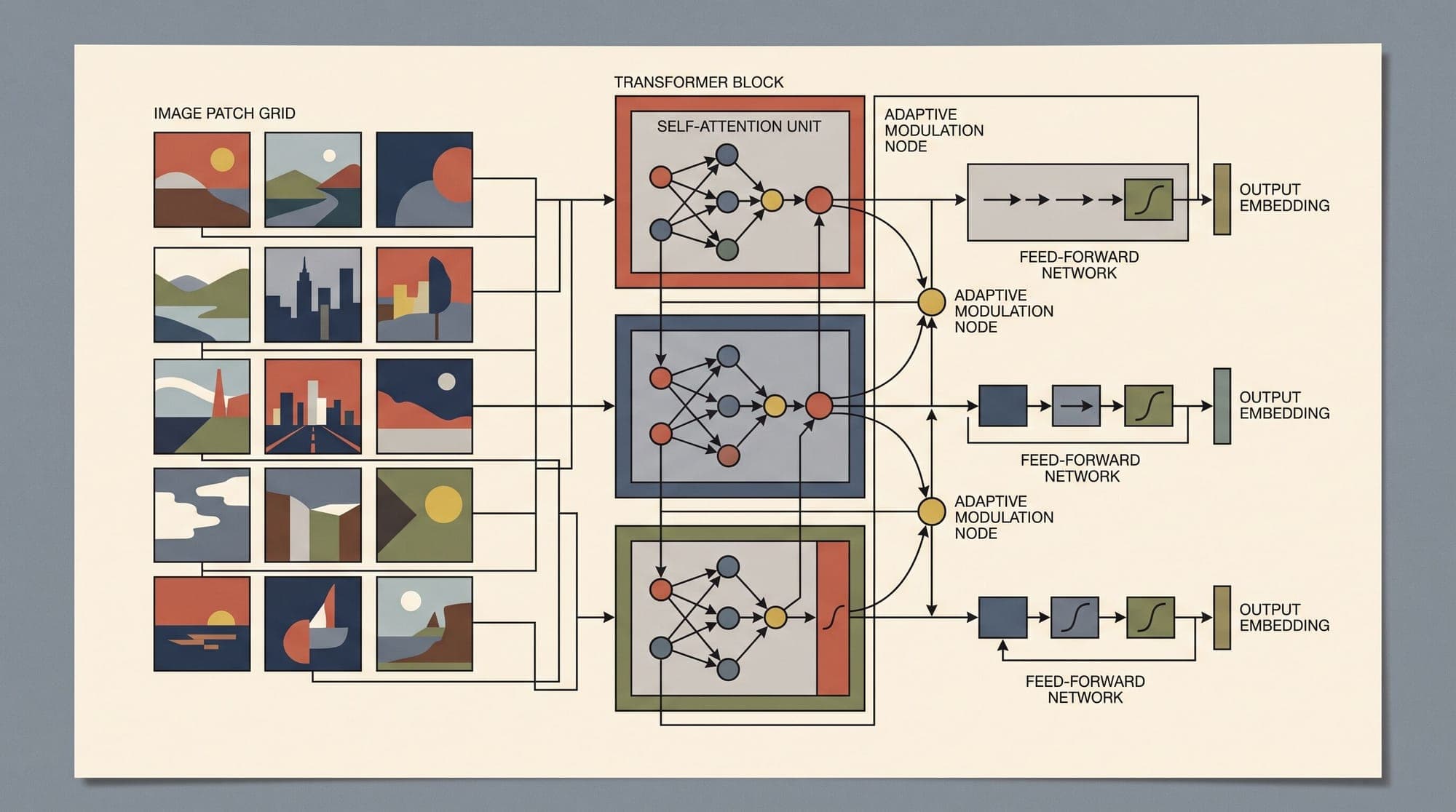
  12. Diffusion Transformers (DiT): How Patchification and adaLN-Zero Replaced U-Nets in Generative AI

    Generative visual models relied for years on convolutional U-Net architectures to execute iterative denoising. From Denoising Diffusion Probabilistic Models (DDPM) and Ablated Diffusion Models (ADM) to Latent Diffusion Models (LDMs) behind Stable Diffusion, convolutional backbones served as the default engine for image synthesis. While convolutional inductive biases provided translation equivariance and local spatial hierarchies, they imposed architectural rigidities that resisted compute scalin

    AI
    8 min read
  13. Agent Egress Security in Production: Network Sandboxing, Secretless Token Rewriting, and DNS Exfiltration Defenses

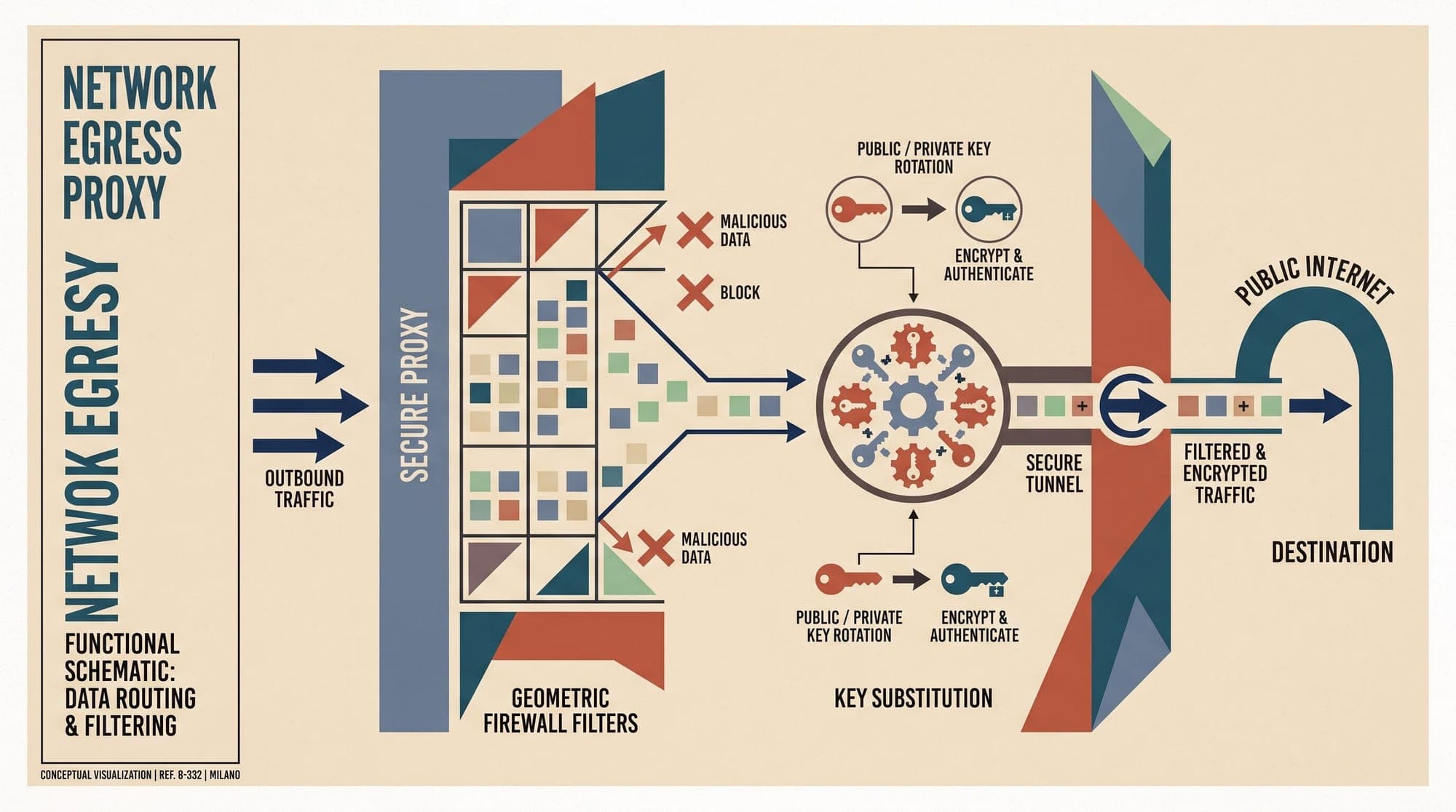
    Agent Egress Security in Production: Network Sandboxing, Secretless Token Rewriting, and DNS Exfiltration Defenses Autonomous AI agents with tool execution, code execution environments, and Model Context Protocol (MCP) servers present a fundamental shift in network security architecture. Traditional web application security treats outbound traffic from backend services as trusted or semi-trusted, focusing defense mechanisms on inbound traffic via Web Application Firewalls (WAFs) and API gateway

    AI
    7 min read
  14. Skanska Signs $1.2B Contract to Build Four AI Data Centers in Southeast USA

    Swedish construction and development group Skanska has signed a $1.2 billion (SEK 11.2 billion) contract with an existing client to construct four new data center facilities in the southeastern United States. The full contract value will be included in Skanska's US order bookings for the third quarter of 2026, representing the largest single data center award in the contractor's history. Scope of Work and Campus Specifications The multi-facility project spans four standalone structures total

    AI
    2 min read
  15. UK Heterogeneous Compute Startup Callosum Raises $100M Seed Backed by Atomico and Sovereign AI Fund

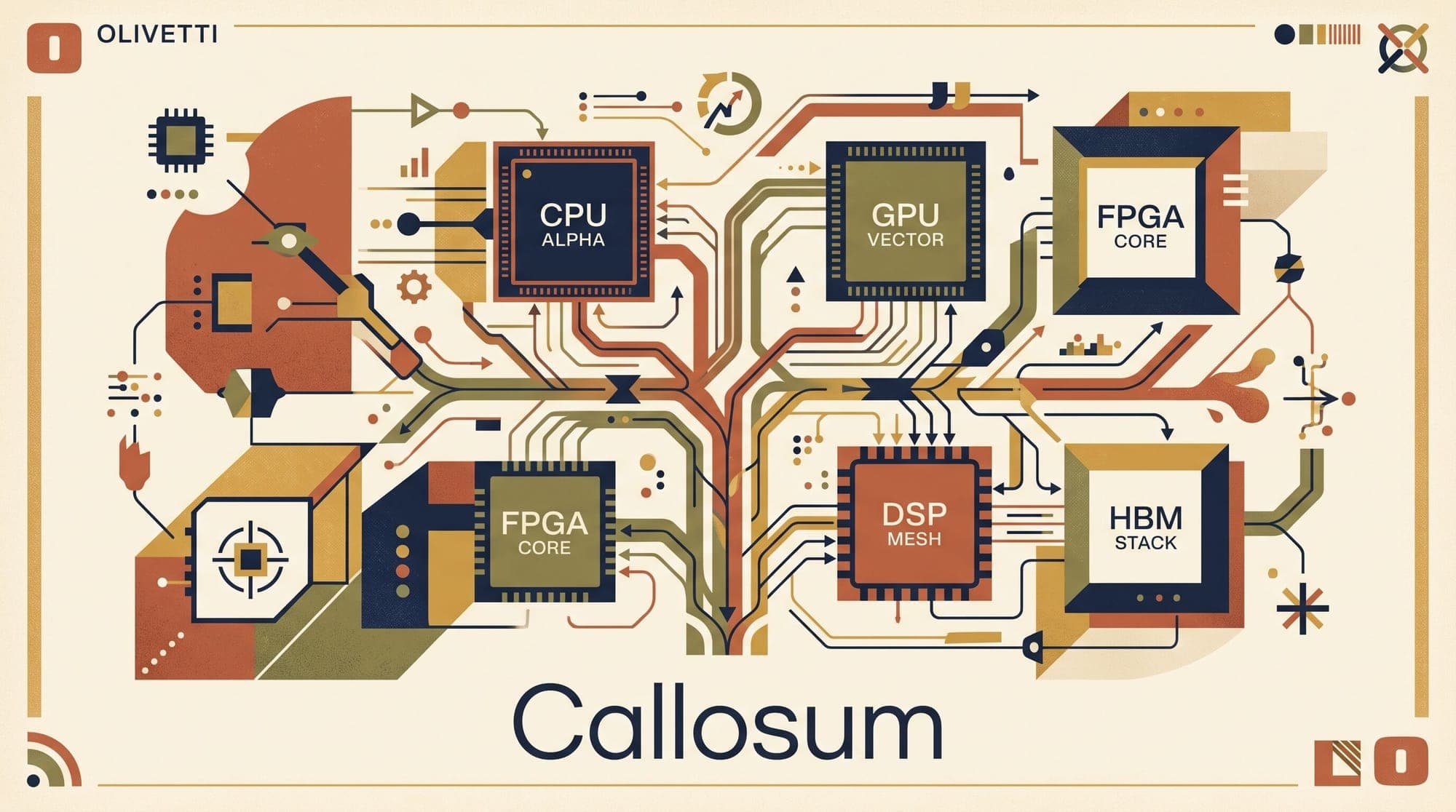
    London-based AI infrastructure startup Callosum has raised $100 million in seed financing to develop systems software that orchestrates machine learning workloads across heterogeneous processor environments. The funding round was led by European venture capital firm Atomico, with participation from Plural and DCVC, alongside a major investment from the UK government's £500 million ($677 million) Sovereign AI Fund. Callosum did not disclose its post-money valuation. Breaking Homogeneous Comput

    AI
    2 min read
  16. Google DeepMind Deploys Backstory to Fact-Checkers for Multi-Agent AI Image Verification

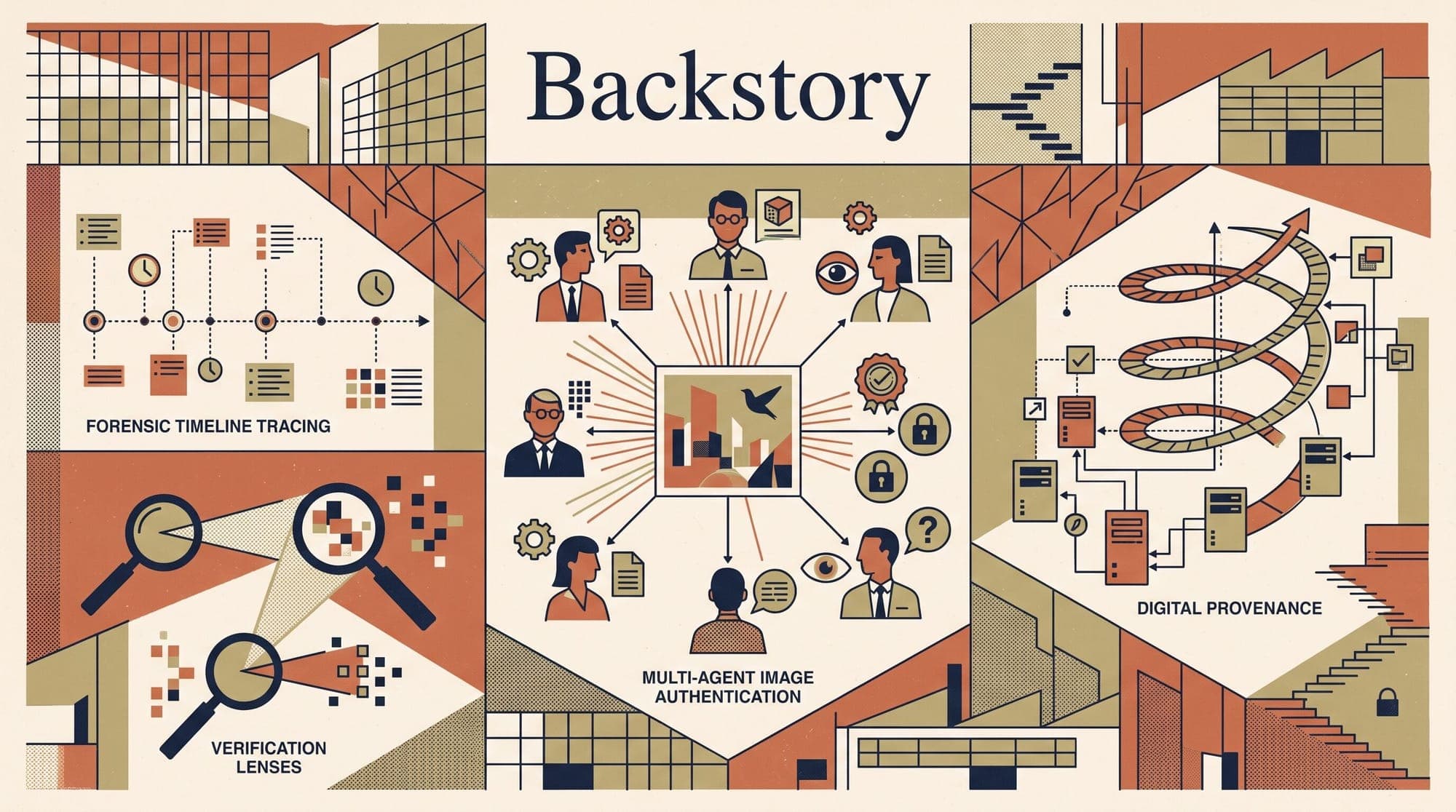
    Google DeepMind has expanded live testing of Backstory, an experimental verification platform designed to investigate the origin, manipulation, and dissemination history of digital images. The system, built on the Gemini model family, is currently deployed across newsrooms, open-source intelligence (OSINT) groups, academic researchers, and fact-checking teams participating in Google's Trusted Testers program. Beyond Binary Synthetic Detection Traditional automated image forensic tools typical

    AI
    2 min read
  17. Sliding Window Attention in Large Language Models: How Bounded Receptive Fields, Interleaved Layers, and Rolling KV Buffers Scale Contexts

    Standard causal multi-head attention imposes two severe computational constraints as sequence lengths expand into tens or hundreds of thousands of tokens. First, calculating pairwise query-key dot products scales quadratically with sequence length, requiring $O(N^2)$ floating-point operations. Second, autoregressive generation requires caching key and value projections for all preceding tokens, causing the key-value (KV) cache to grow linearly with sequence length $O(N)$ across all layers and at

    AI
    8 min read
  18. Custom LLM Kernel Optimization in Production: Triton vs. CUDA C++ vs. torch.compile vs. CUTLASS

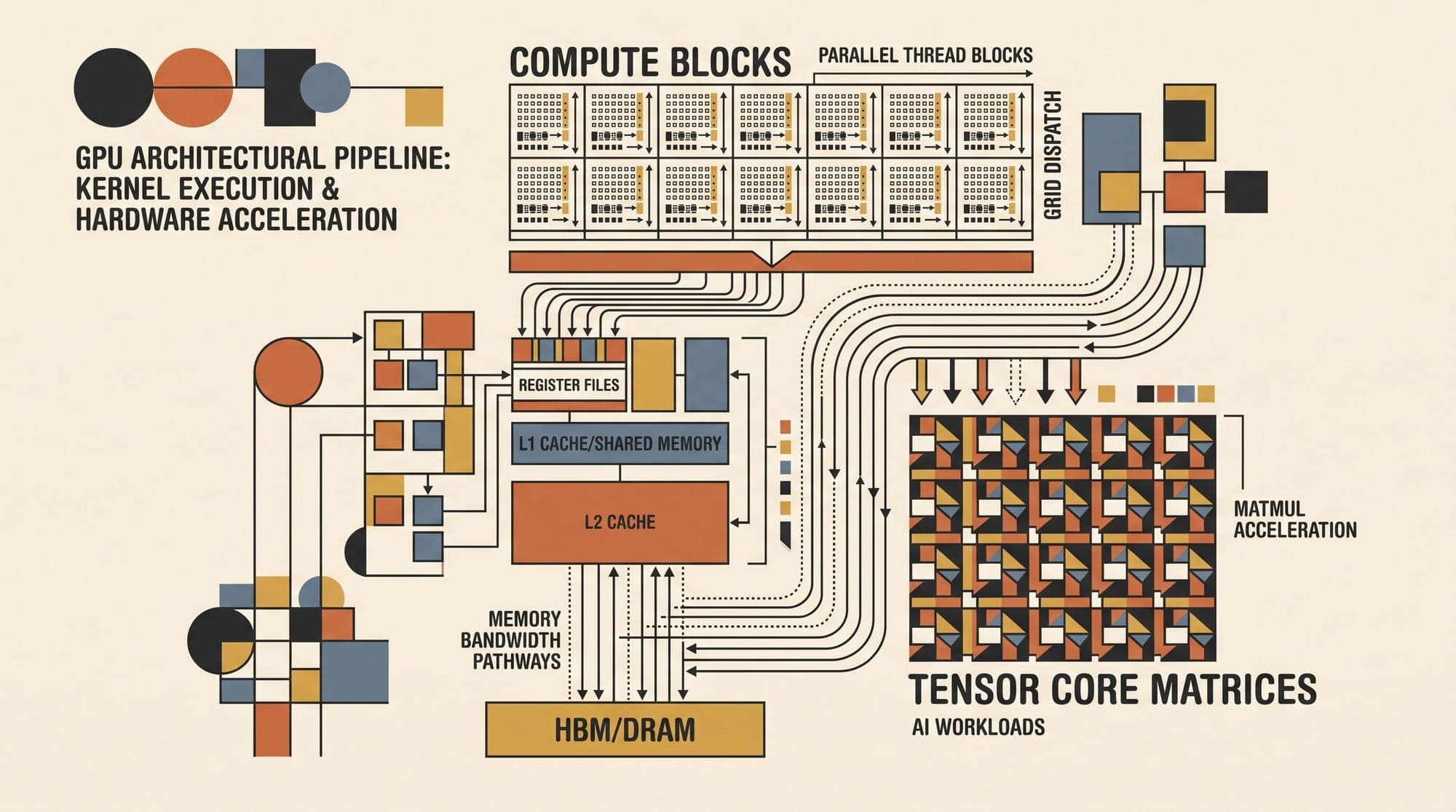
    Serving large language models at scale requires extracting maximum performance from modern GPU architectures like NVIDIA Ampere, Hopper, and Blackwell. While early production deployments relied on standard PyTorch eager execution and standard cuBLAS calls, high-throughput serving systems such as vLLM, SGLang, and TensorRT-LLM depend on specialized fused GPU kernels to eliminate memory bandwidth bottlenecks and saturate Tensor Cores. Engineering teams face four primary paradigms for kernel devel

    AI
    7 min read
  19. DeepSeek Open-Sources DeepSeek Harness: Modular Agent Runtime Built on Cordis Plugin Framework

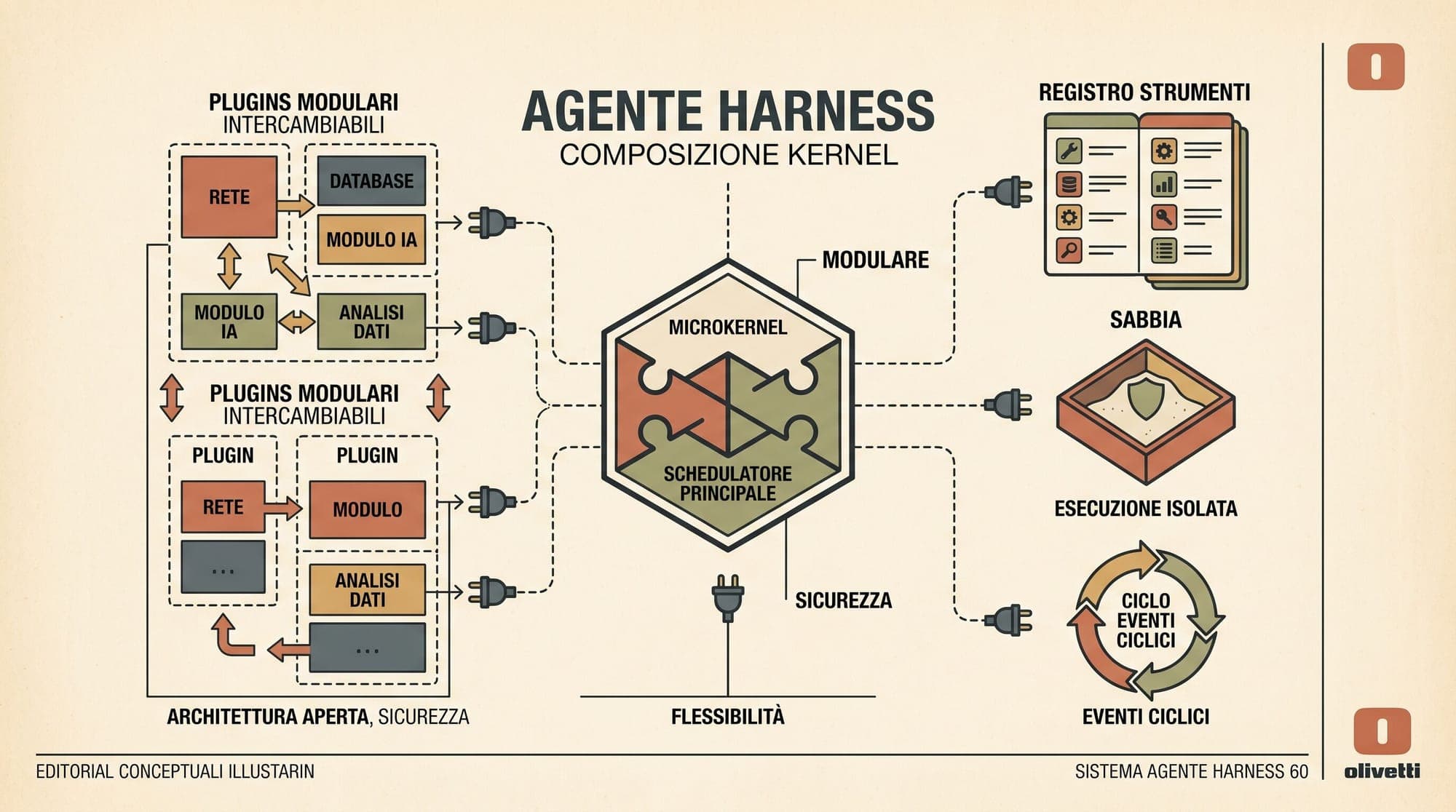
    DeepSeek AI has released DeepSeek Harness (dsh), an open-source agent harness built on a modular "everything is a plugin" design. Published under the MIT license on GitHub, the project provides a runtime framework where all core agent functions, including model adapters, session storage, tool registries, sandboxes, and the execution loop itself, are implemented as interchangeable, hot-swappable plugins. Rather than developing a monolithic agent runner, DeepSeek structured the system around Cord

    AI
    2 min read