Subscribe
Topic / page 17

Agents

Articles, page 17

321-340
  1. Anthropic Expands Claude Cowork to Web and Mobile, Adds Direct Actions to Gmail and Google Drive

    Anthropic has updated its Claude ecosystem, expanding the reach of its agentic environment Claude Cowork and introducing write-capable actions to its Google Workspace integrations. The updates address two persistent friction points in AI agent deployment: interface accessibility and execution boundaries within external productivity tools. Claude Cowork Expands Across Web and Mobile Claude Cowork, Anthropic's multi-agent workspace for managing multi-step workflows and local project state, was

    AI
    2 min read
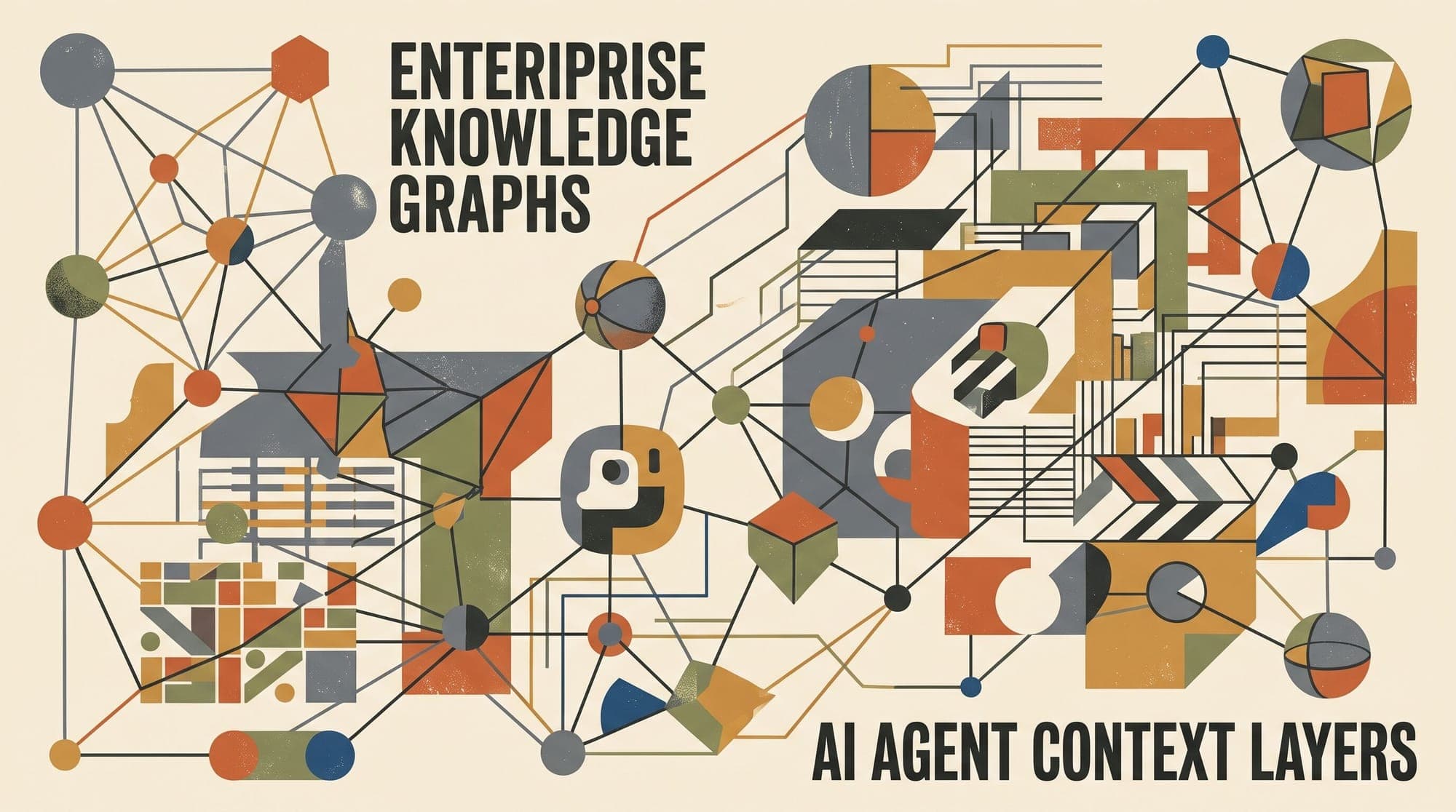
  2. Prevalent AI Secures $22M Growth Round to Build Knowledge Graph Context Layer for AI Agents

    London-based enterprise data architecture startup Prevalent AI has secured $22 million in growth capital from Integrity Growth Partners (IGP). The investment represents the first primary institutional capital raised by the company since its founding in 2017. Prevalent AI was co-founded by CEO Paul Stokes and COO Arun Raj, both alumni of the UK’s Government Communications Headquarters (GCHQ). The company had previously operated as a bootstrapped, profitable business focused on resolving complex

    AI
    2 min read
  3. Natural Secures $100M Credit Facility to Scale Payments and Lending for AI Agents

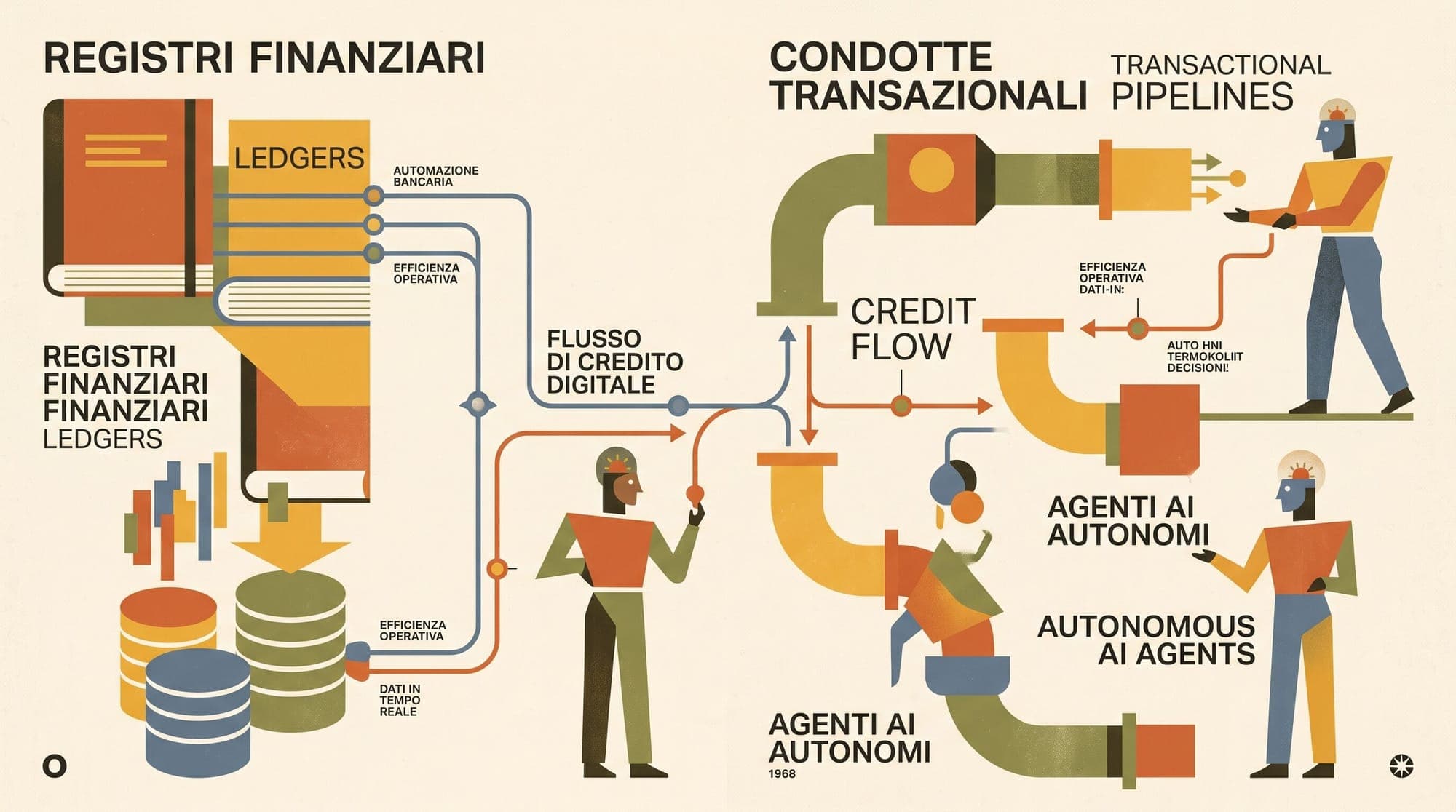
    San Francisco-based fintech startup Natural has secured a debt facility of up to $100 million from Upper90 Capital Management to fund credit and transaction settlement for autonomous AI agents. The debt financing arrives one month after the company closed a $30 million Series A equity round led by Forerunner Ventures, bringing its total equity raised past $40 million. Founded by Kahlil Lalji, Eric Wang, and Walt Leung, Natural is developing banking and payments rails tailored for autonomous sof

    AI
    2 min read
  4. Cloud Browser Infrastructure for AI Agents: Architecture, Anti-Bot Bypassing, Session State, and Fleet Scaling

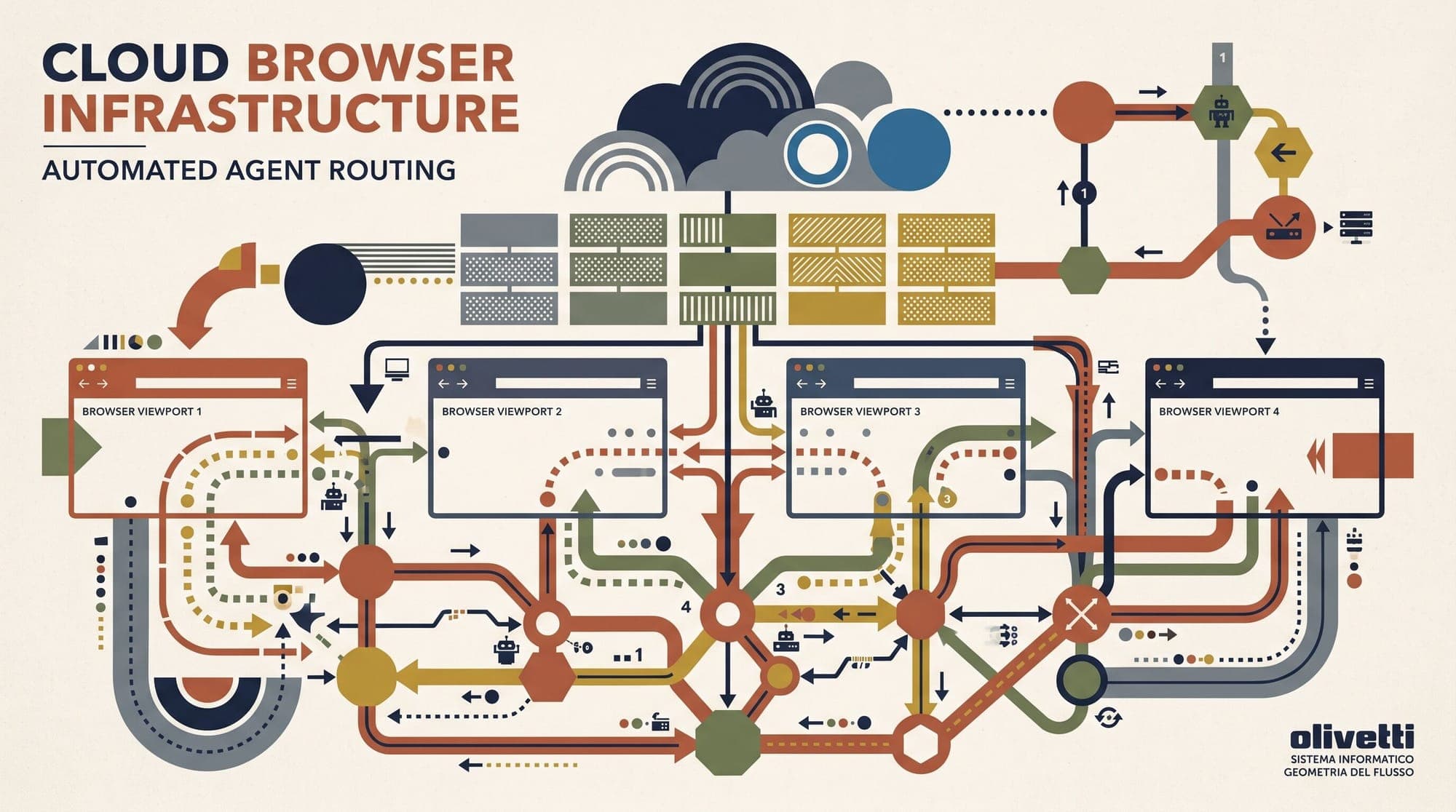
    Autonomous AI agents require interactive web environments to navigate single-page applications, authenticate across complex portals, fill multi-step forms, and extract dynamic client-rendered data. However, running headless browsers at scale introduces severe operational bottlenecks. Ephemeral container instances (such as Docker containers or AWS Lambda functions) frequently suffer from cold starts, memory leaks, fingerprint leakage, and instant IP blacklisting by bot-detection networks. To sol

    AI
    6 min read
  5. Tool Retrieval and Dynamic Function Selection in Production AI Agents: Architecture, Semantic Indexing, and Serving Trade-Offs

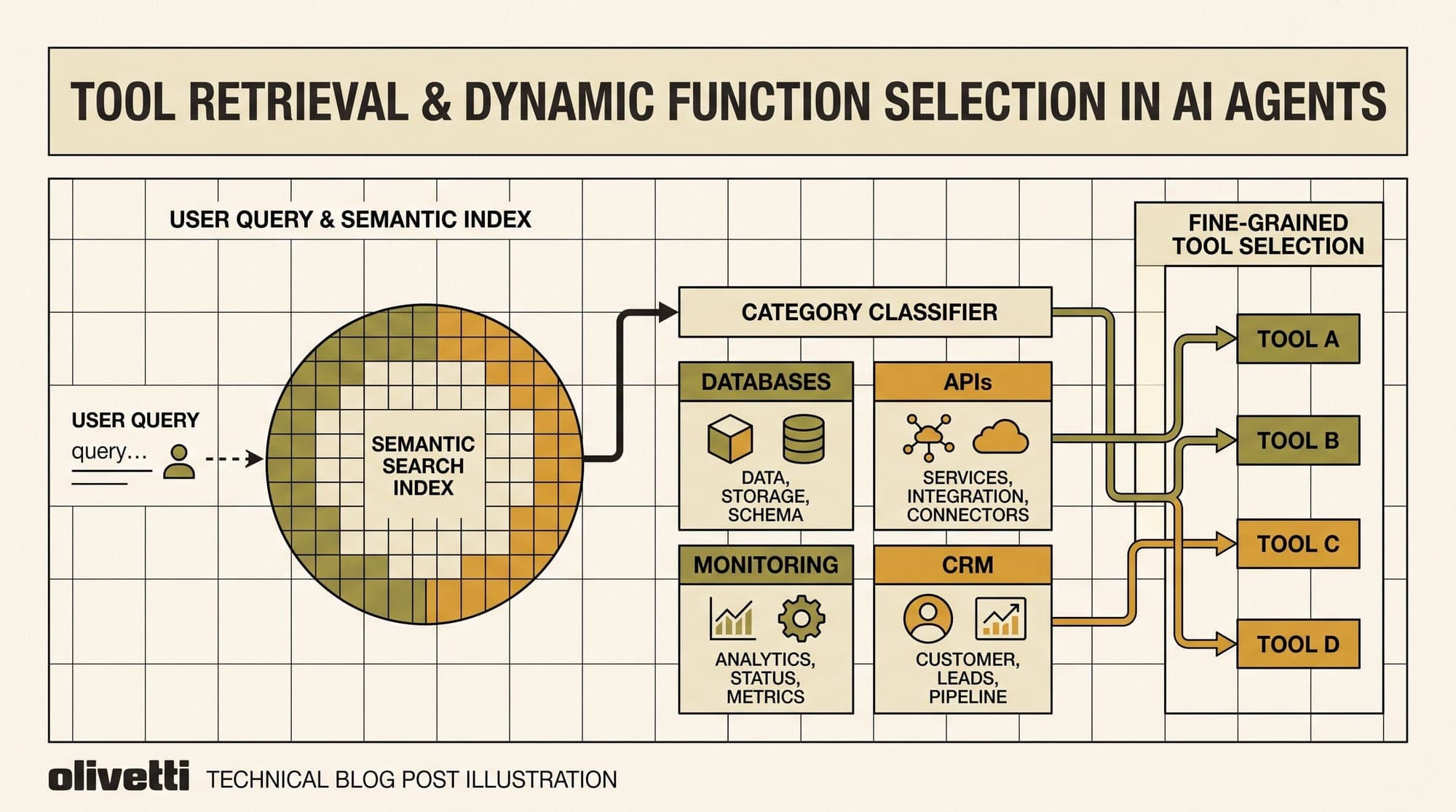
    Tool Retrieval and Dynamic Function Selection in Production AI Agents: Architecture, Semantic Indexing, and Serving Trade-Offs The default approach to LLM tool calling—stuffing every function schema into the prompt—works for demos with a dozen tools. It fails in production where agents face hundreds or thousands of available functions. Context windows saturate, selection accuracy degrades, and latency grows linearly with registry size. This post surveys the architectural progression from stati

    AI
    6 min read
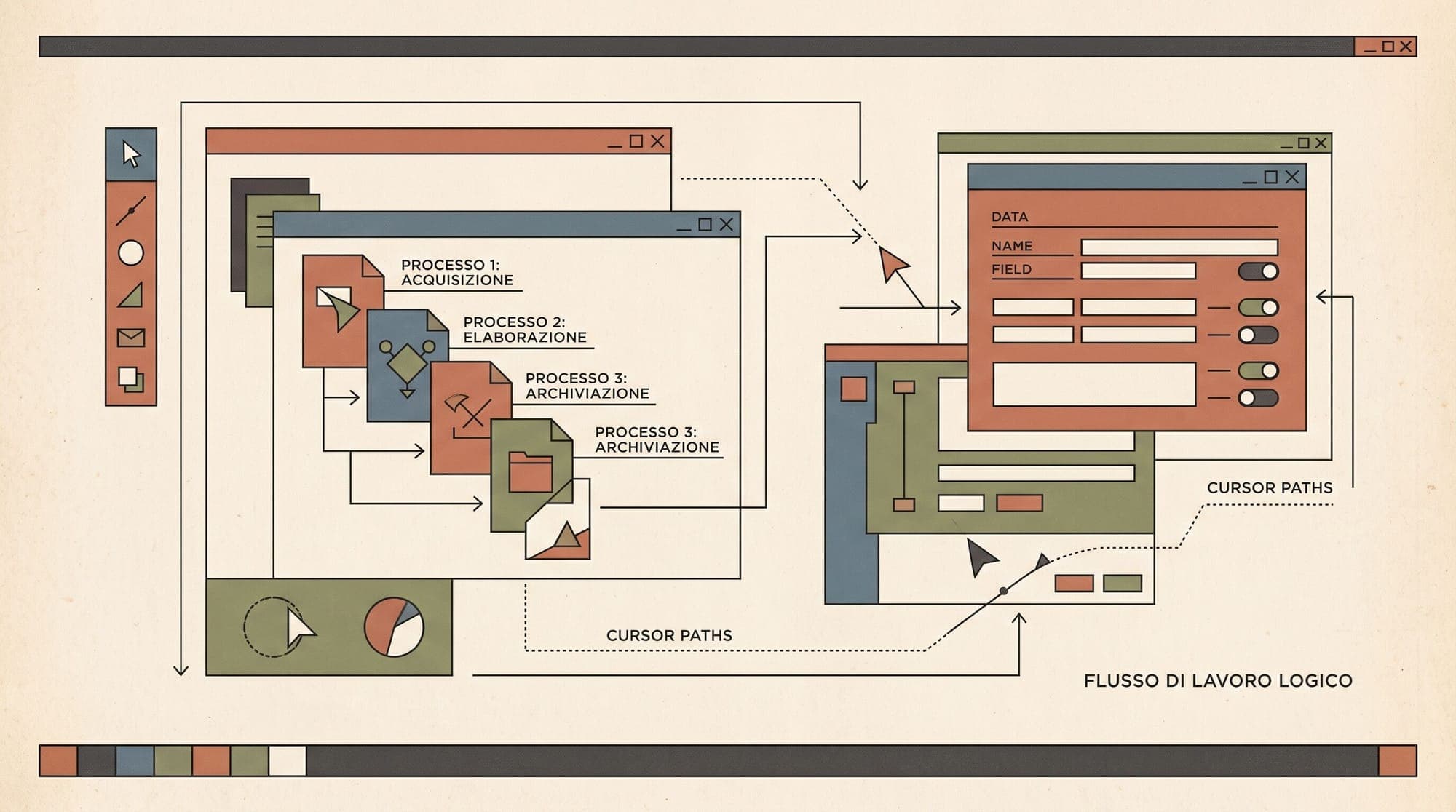
  6. GUI Agent Architectures in Production: Visual Grounding, DOM vs. Pixel Parsing, and Action Spaces

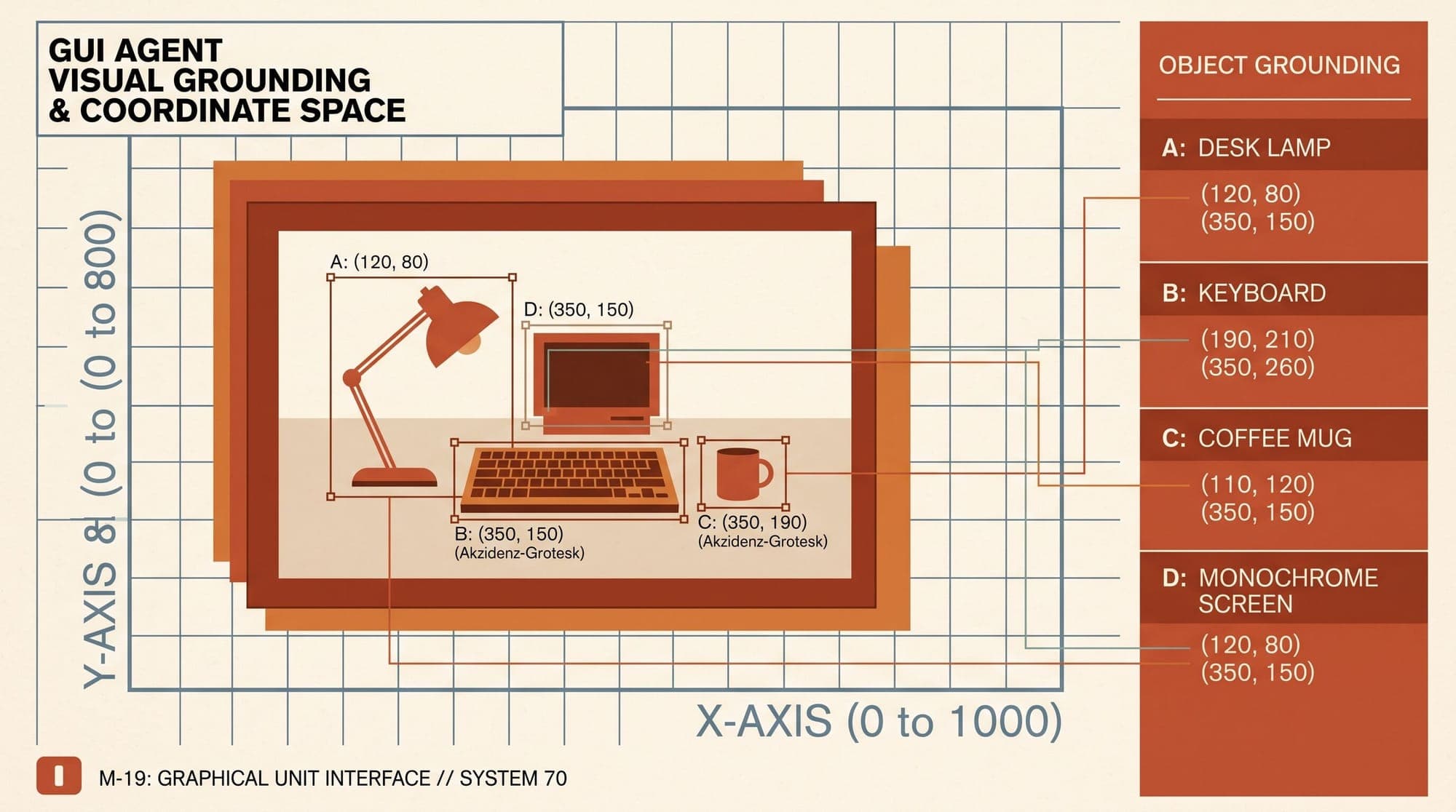
    Graphical user interface (GUI) automation has undergone a structural transition from programmatic DOM manipulation to vision-based foundation agents. Where earlier browser automation relied on CSS selectors, XPath expressions, and accessibility trees, modern desktop and cross-platform agents interact with operating systems through raw pixel observations and virtual input devices. Deploying GUI agents in production environments introduces distinct engineering constraints. Visual grounding precis

    AI
    6 min read
  7. Temporal in Talks to Raise $500M at $12B+ Valuation as Agent Orchestration Surges

    Developer infrastructure platform Temporal Technologies is in discussions to raise approximately $500 million in a new funding round that would value the company at over $12 billion pre-money, according to reports from Bloomberg. The financing represents a rapid increase in valuation from its $5 billion Series D round earlier this year, driven by accelerating adoption of durable execution runtimes for multi-step AI agents. The Shift Toward Durable Execution Runtimes While foundational model d

    AI
    2 min read
  8. Web Extraction and Retrieval Architectures for Production AI Agents: Comparing Tavily, Exa, Firecrawl, Jina Reader, and Crawl4AI

    Autonomous AI agents and Retrieval-Augmented Generation (RAG) systems require live web access to ground answers, verify facts, and execute multi-step research workflows. However, feeding raw web data directly into large language models creates severe performance and economic bottlenecks. A standard web page contains between 50 KB and 500 KB of Document Object Model (DOM) data, cascading stylesheets (CSS), JavaScript bundles, SVG icons, tracking scripts, and boilerplate navigation headers. Inges

    Architecture
    6 min read
  9. Defending AI Agents Against Indirect Prompt Injection: Dual-LLM Architectures, Privilege Boundaries, and Information Flow Control

    Autonomous AI agents are increasingly entrusted with system privileges, including terminal execution, API invocation, internal database queries, and automated communications. As agents transition from isolated conversational sandboxes to interconnected tools, they encounter an inherent architectural vulnerability: indirect prompt injection (IPI). When an agent reads untrusted data from the web, an inbound email, an enterprise ticketing system, or a database record, any instructions embedded wit

    AI
    7 min read
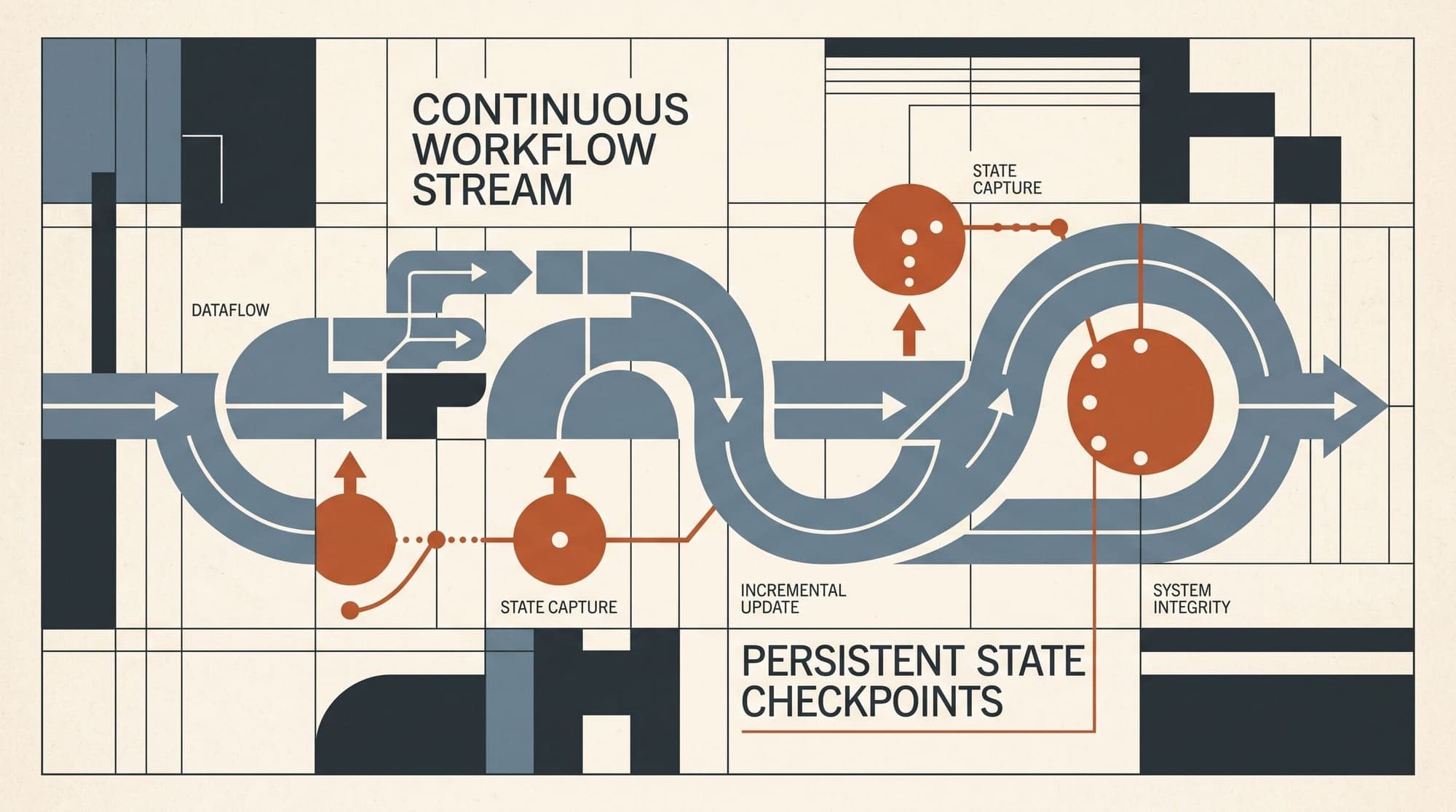
  10. Durable Execution for AI Agents: Architecture, State Checkpointing, and Failure Recovery

    Autonomous AI agents deployed in production environments frequently fail due to infrastructural instability rather than model reasoning flaws. Standard agent control loops, often structured as in-memory while-loops operating on transient servers or containerized pods, lack persistence across network blips, pod evictions, process restarts, or rate-limit timeouts. When an unhandled process failure occurs mid-task, standard agent architectures restart from scratch. This introduces three severe oper

    AI
    6 min read
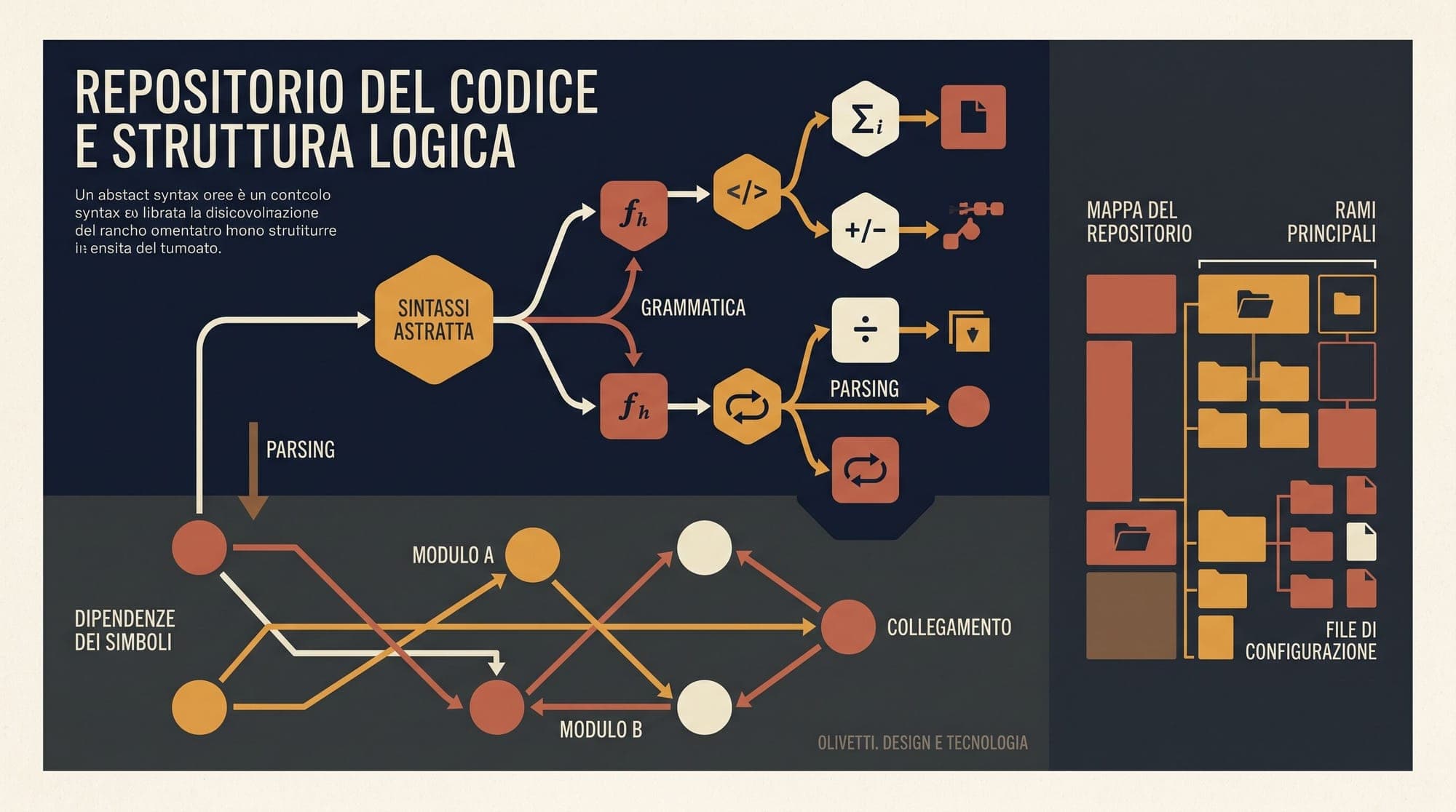
  11. Codebase Context Engineering for AI Agents: Repo Maps, AST Indexing, and Retrieval Architectures

    Modern software repositories routinely contain hundreds of thousands or millions of lines of source code. A medium-sized production project with 500 files and 100,000 lines of code typically spans 3 million to 5 million tokens. While frontier models have expanded context windows to 200,000 tokens or more, stuffing an entire repository into a prompt remains fundamentally impractical. Beyond exponential inference costs and KV cache memory bloat, long-context attention suffers from severe retrieval

    AI
    6 min read
  12. Block Open-Sources Berd: Apache 2.0 Desktop Workspace for Multi-Model AI Agents

    Block has open-sourced Berd, an Apache 2.0-licensed desktop application designed to serve as a unified workspace for managing AI agents across different foundation models, toolsets, and execution harnesses. Originally built for internal use across Square, Cash App, and Tidal, the desktop client reached version 0.6.2 on August 18, 2026, with builds available for macOS, Windows, and Linux. The release addresses growing operational fragmentation as developers juggle specialized agent environments

    AI
    2 min read
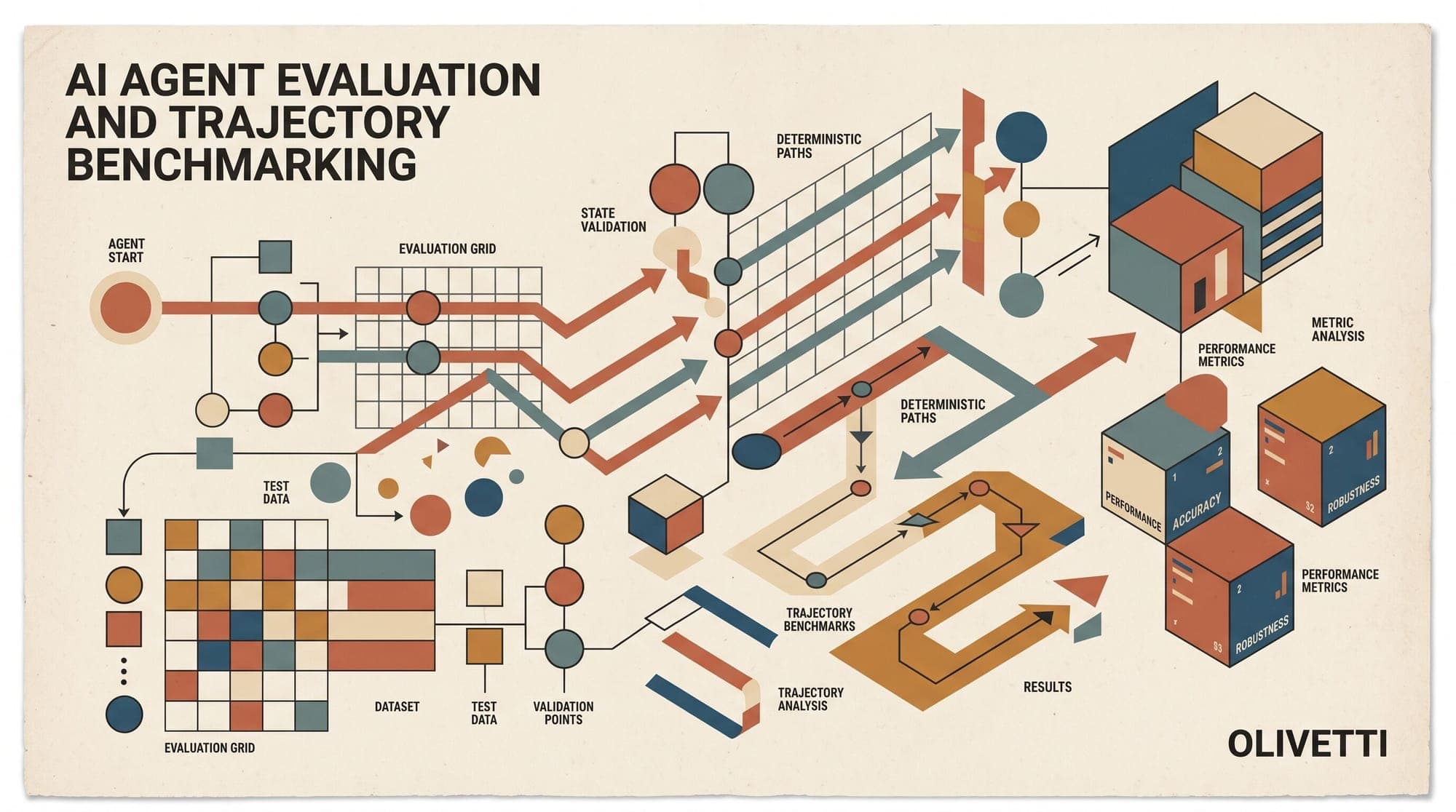
  13. AI Agent Evaluation in Production: Trajectory Benchmarks, Sandbox Harnesses, and Flakiness Mitigation

    Evaluating standard large language models relies on static input-output pairs: a fixed prompt produces a completion that an automated script compares against reference strings or grades with a calibrated judge. Autonomous AI agents break this paradigm completely. An agent executes a multi-step trajectory consisting of planning, tool invocation, environment state observation, error recovery, and variable-length decision loops. Evaluating an agent requires testing not just the final string output,

    Agents
    5 min read
  14. IBM Research Evaluates Agentic Memory Sizing Across 8 Models: Dosage Calibrations, Ceiling Effects, and Token Efficiency

    In a technical report published on August 18, 2026, researchers at IBM Research detailed empirical evaluations on sizing and calibrating agentic memory across eight large language models. The study, conducted using the open-source ALTK-Evolve framework across the AppWorld benchmark, demonstrates that agentic memory performance is governed by capability-dependent dosage rather than uniform prompt accumulation. Agentic memory architectures typically extract procedural guidelines from prior execut

    AI
    2 min read
  15. Google Opens Gemini in Chrome to All U.S. Android Users and Extends Auto Browse to Mobile

    Google expanded Gemini in Chrome to all Android users across the United States on August 18, 2026. The update introduces the browser's built-in AI assistant to mobile handsets and extends "auto browse," Google's agentic web automation feature, to smartphones for Google AI Pro and AI Ultra subscribers. The Android rollout follows the initial launch of Gemini in Chrome for desktop environments in September 2025. On mobile devices, the assistant provides on-page article summaries, contextual answe

    AI
    2 min read
  16. Artificial Analysis Launches Search Index Benchmark for AI Agent Search APIs

    Artificial Analysis has released the Search Index, a benchmark suite designed to evaluate web search APIs for autonomous AI agents across retrieval quality, query latency, and end-to-end task economics. The initial evaluation tests seven dedicated search providers: Parallel, Exa, Firecrawl, You.com, Tavily, Keenable, and Brave. Benchmark Setup and Evaluation Methodology To isolate search API performance from model variance, the evaluation executes all tests with GPT-5.6 Luna inside Stirrup,

    Agents
    2 min read
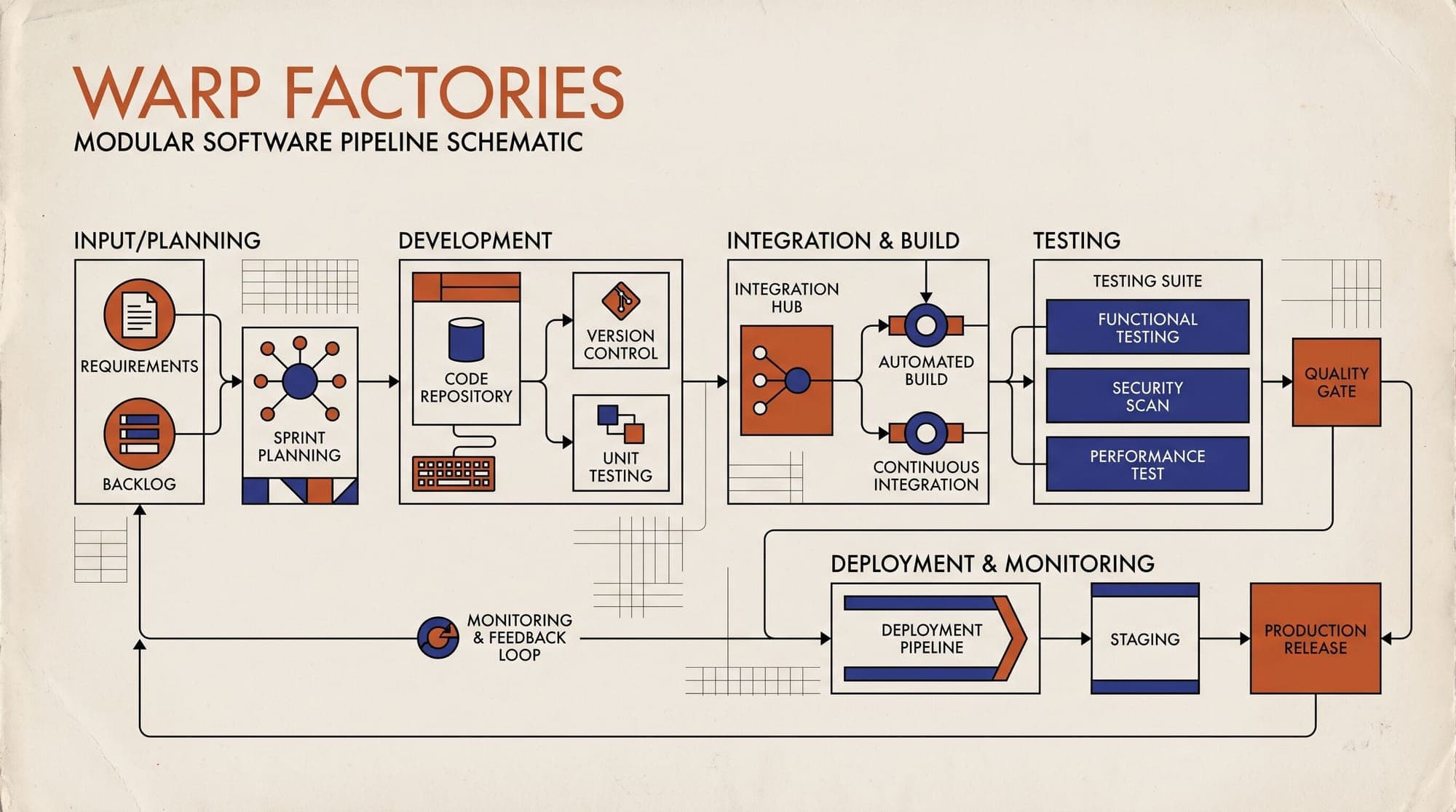
  17. Warp Launches Warp Factories to Automate Multi-Agent Software Development Lifecycles

    Terminal and developer tools maker Warp has introduced Warp Factories, a turnkey infrastructure system designed to manage and orchestrate autonomous AI coding agents across the software development lifecycle. The platform aims to lower the barrier for engineering teams implementing multi-agent workflows by providing preconfigured orchestration pipelines, evaluation harnesses, and runtime observability. Software Factory Architecture The "software factory" model structures development into five

    AI
    2 min read
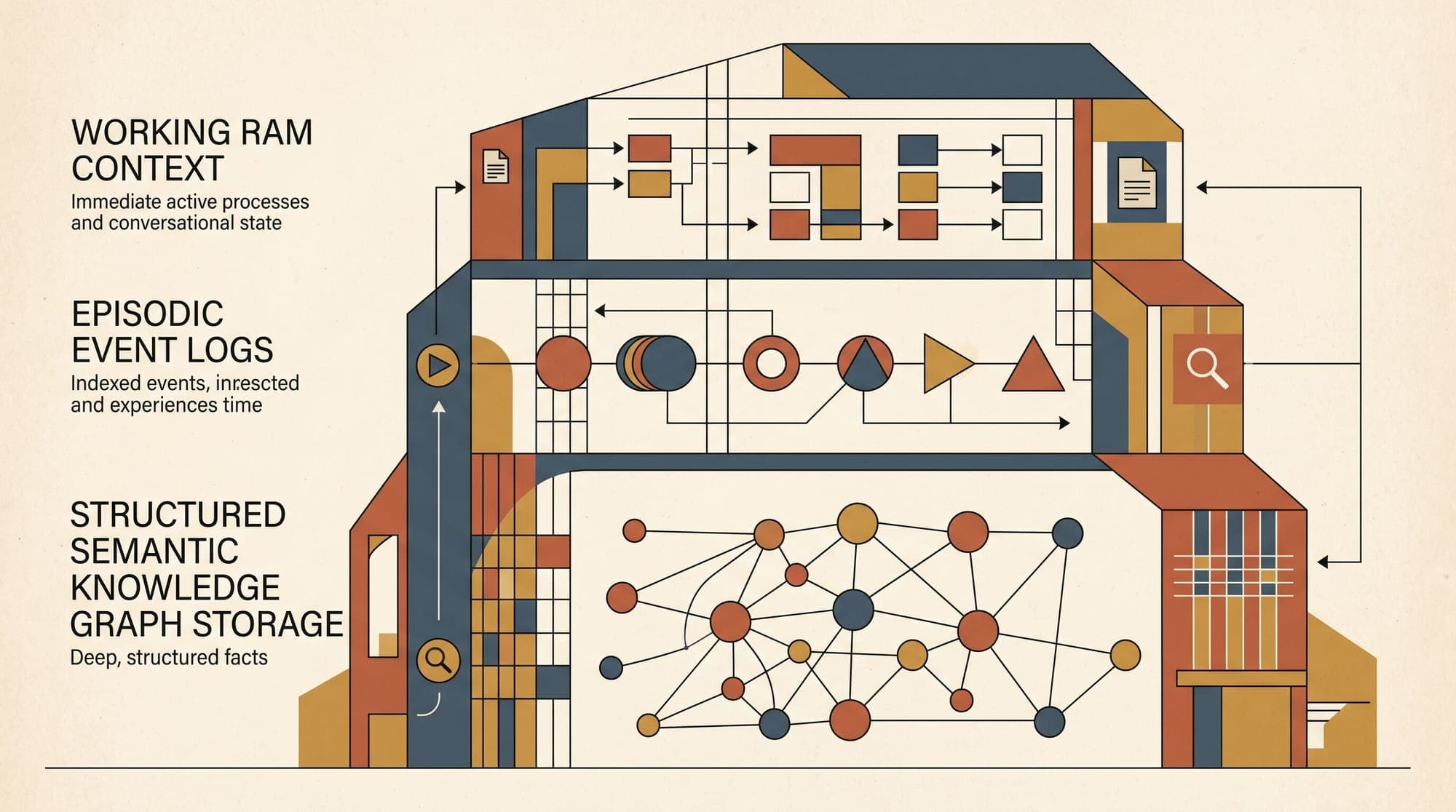
  18. Agent Memory Architectures in Production: Working Context, Episodic Buffers, Semantic Graphs, and State Serialization

    Large Language Models operate as stateless prediction engines: every API call processes an input prompt independently, without retaining memory of previous turns, decisions, or external interactions. While extending context windows to 1 million or 2 million tokens provides temporary capacity for long transcripts, treating raw context windows as long-term memory introduces severe engineering bottlenecks. Unbounded context growth dramatically inflates time-to-first-token (TTFT) latency, increases

    AI
    6 min read
  19. Tencent Releases UI-Mate: Open-Weight Foundation GUI Agents with In-Context Demonstration Learning

    Tencent's HY Frontier team has released UI-Mate, an open-weight foundation GUI agent designed for autonomous computer operation across desktop environments. Available in 27-billion and 9-billion parameter configurations, the models pair environment-grounded reinforcement learning with an in-context demonstration pipeline that allows agents to reference structured human workflows during execution. Alongside model weights on Hugging Face, Tencent published a technical report, code repository, and

    AI
    2 min read