Latest / page 43

The latest stories

1230 articles

Articles, page 43

841-860 of 1230
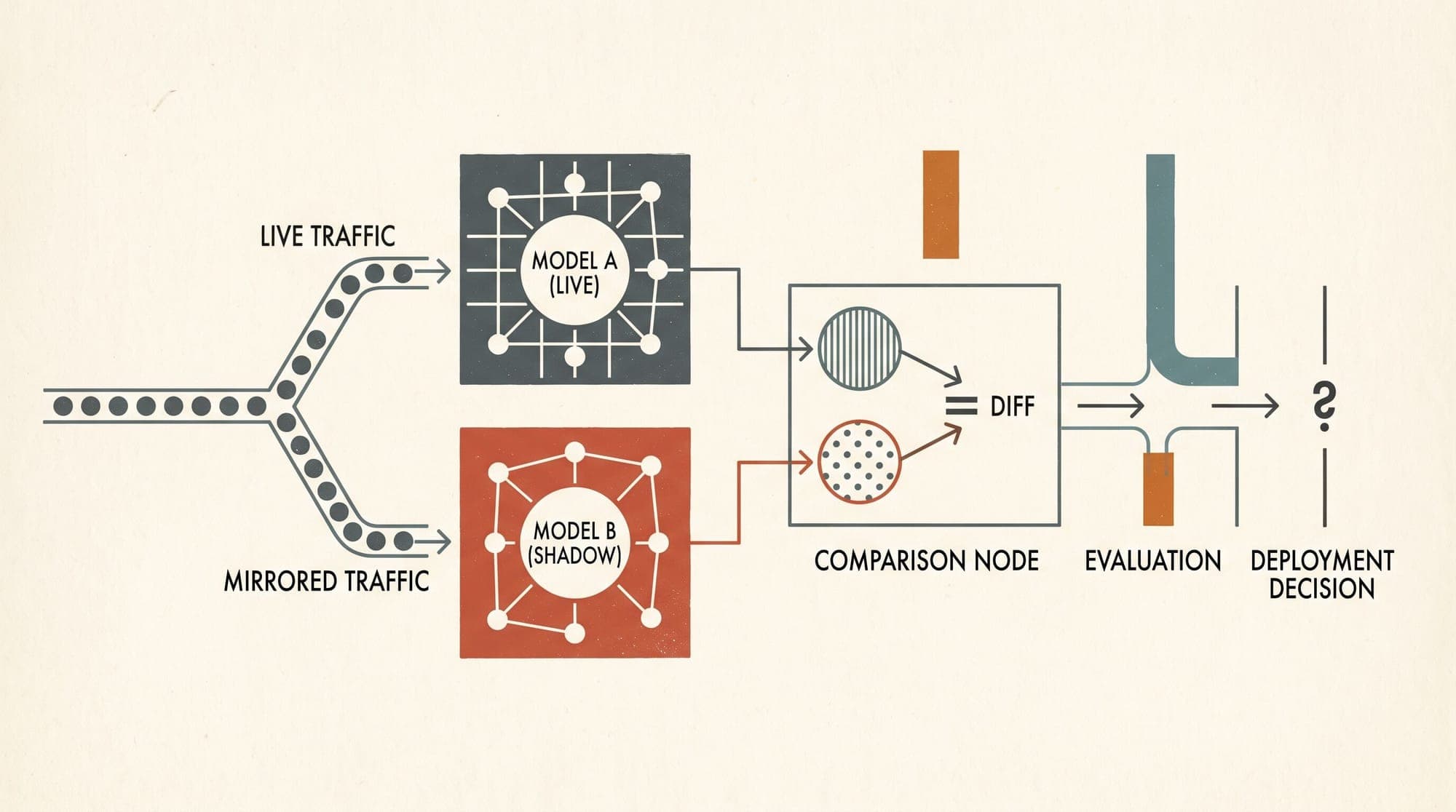
  1. Traffic Shadowing and Canary Deployments in Production: Architecture, Semantic Divergence, and Automated Rollbacks for LLM Upgrades

    Upgrading large language model pipelines in production presents an operational challenge distinct from traditional software deployments. In microservice architectures, canary deployments rely on deterministic signals: HTTP 5xx error rates, unhandled runtime exceptions, CPU saturation, and latency percentiles. When updating an LLM system (whether swapping a base model checkpoint, updating a system prompt, tweaking sampling hyperparameters, or attaching a newly fine-tuned LoRA adapter), the servic
    AI
    6 min read
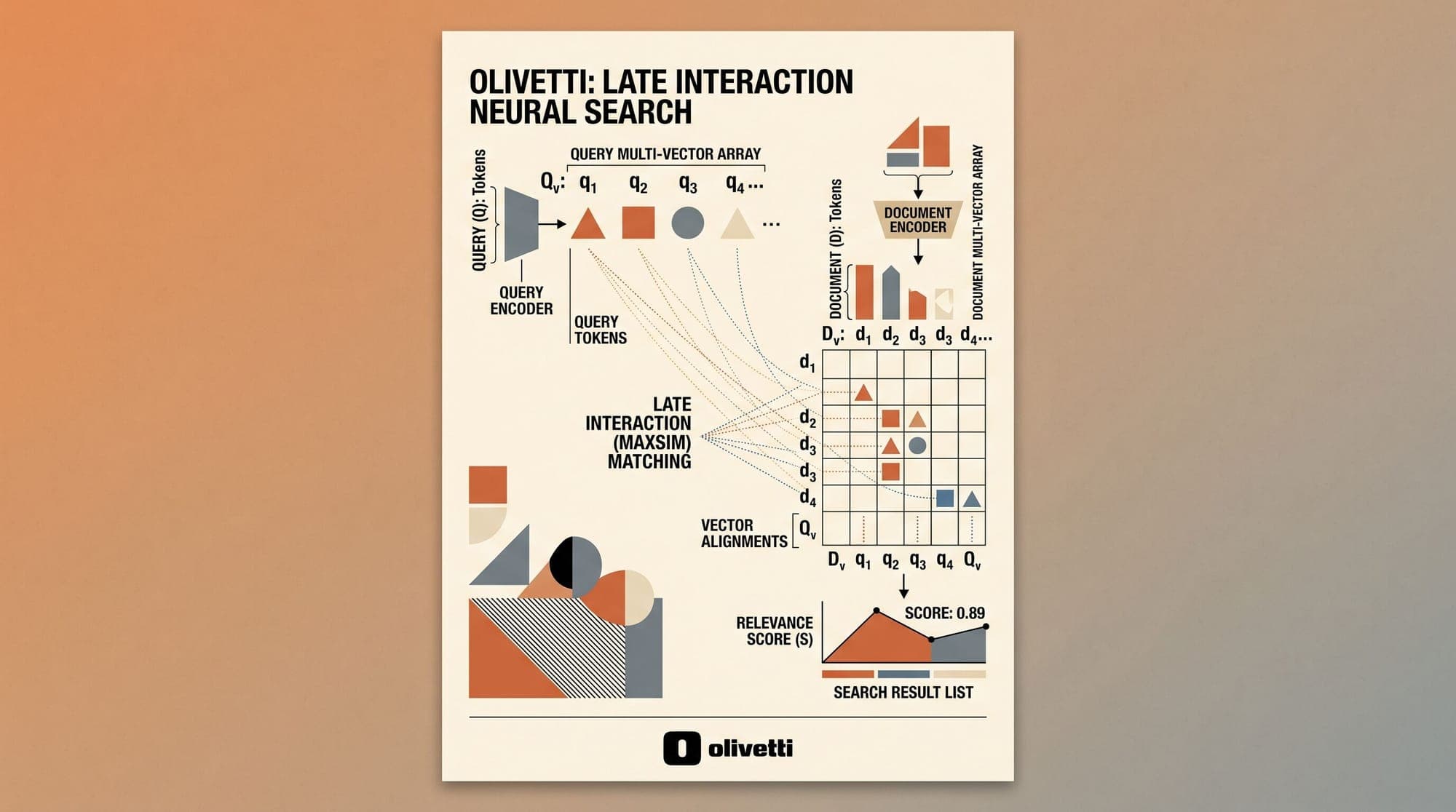
  2. Late Interaction and ColBERT: How Multi-Vector Embeddings and the MaxSim Operator Transform Neural Retrieval

    Information retrieval systems have long wrestled with a fundamental tension between computational efficiency and semantic expressiveness. Traditional dense bi-encoders like DPR compress an entire passage into a single dense vector, allowing sub-linear approximate nearest neighbor (ANN) search over millions of documents. However, forcing multi-sentence passages into a single vector representation creates an information bottleneck that discards fine-grained token-level nuances, entities, and keywo

    AI
    6 min read
  3. Terence Tao Warns AI-Driven Proof Abundance Risks Mathematical Comprehension Crisis

    In a paper prepared for the 2026 International Congress of Mathematicians, mathematician Terence Tao argues that artificial intelligence will force a restructuring of mathematical research practices, publication criteria, and education. The essay, released on arXiv (2608.16753), outlines how the transition from proof scarcity to proof abundance creates operational and epistemological challenges distinct from earlier debates over automated theorem proving. Tao frames the incoming disruption agai

    AI Research
    2 min read
  4. Binance Launches Agent OS with MCP Support for Autonomous AI Trading

    Binance has released Agent OS, an infrastructure layer designed to connect autonomous artificial intelligence agents directly to its spot, derivatives, and decentralized finance services. The release introduces official Model Context Protocol (MCP) support alongside dedicated sub-account sandboxes, allowing client-side agents to execute trades, query order books, and interact with on-chain protocols. The integration enables developers using developer tools and agent runtimes, including Anthropi

    Agents
    2 min read
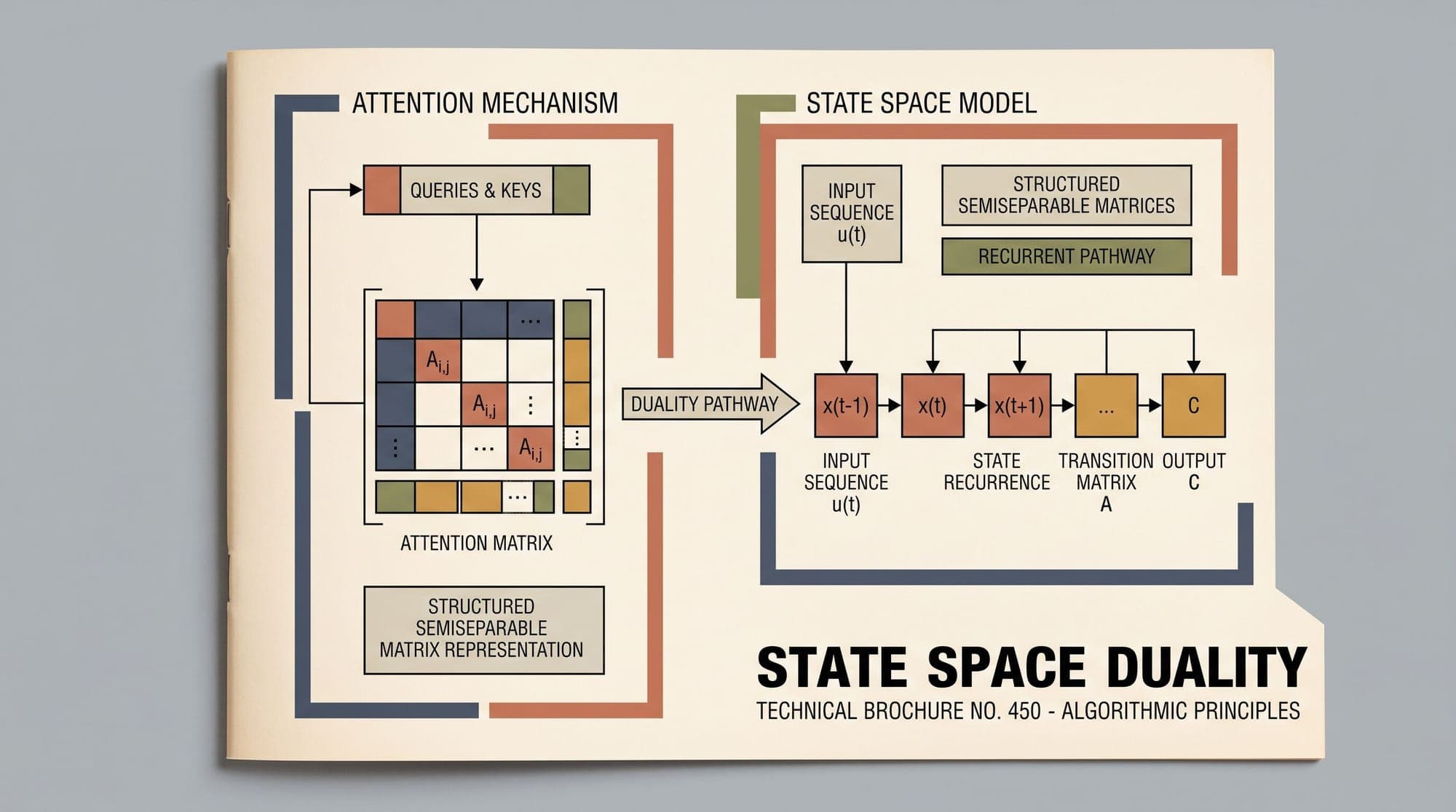
  5. State Space Duality and Mamba-2: How Semiseparable Matrices Unify Attention and SSMs

    For years, deep sequence modeling operated under a structural divide. On one side stood the Transformer architecture, anchored by softmax attention. Softmax attention scales quadratically in compute and memory with sequence length (O(T^2)), but its operations map cleanly to dense General Matrix Multiplications (GEMMs), maximizing utilization of GPU Tensor Cores. On the other side stood Structured State Space Models (SSMs), such as S4 and Mamba-1. Structured SSMs scale linearly in time (O(T · N))

    AI
    6 min read
  6. Data Ingestion and Incremental Sync for Production RAG: CDC Streams, Content Hashing, Backpressure, and Zero-Downtime Indexing

    Maintaining retrieval-augmented generation (RAG) systems in production introduces a fundamental distributed systems challenge that rarely surfaces in proof-of-concept architectures: state synchronization. While initial ingestion across a static document corpus is straightforward, production data sources (PostgreSQL databases, transactional stores, object storage, and enterprise knowledge hubs) undergo continuous mutation. Records are inserted, updated, soft-deleted, and reassigned new access per

    RAG
    8 min read
  7. Unsloth Releases Dynamic V3.0 GGUFs for Qwen 3.8 27B with 1-Bit Mode and MTP

    Unsloth AI has published its Dynamic V3.0 quantization suite for Alibaba's Qwen 3.8 27B model family, releasing optimized GGUF and NVFP4 checkpoints alongside public calibration matrices. The release claims a greater than 10 percent increase in top-1 percent accuracy at identical file sizes compared to standard baseline quantizations, while introducing an ultra-low-bit dynamic tier that operates within 8GB of memory. Qwen 3.8 27B is a dense vision-language model utilizing hybrid attention layer

    Open Weights
    2 min read
  8. HoneyBook Launches Claude MCP Connector for Autonomous Small Business CRM

    Small-business CRM platform HoneyBook has rolled out an official integration for Anthropic's Claude built on the Model Context Protocol (MCP). The connector exposes structured customer records, project timelines, and billing systems to conversational AI agents, allowing service professionals to run client workflows through natural language interfaces. While large enterprises have increasingly deployed autonomous AI agents into core enterprise resource planning systems, smaller operators face st

    Anthropic
    2 min read
  9. State Data Farms Account for 20% of China's Humanoid Robot Shipments

    Government-backed data collection hubs and municipal training centers accounted for roughly 20 percent of China's more than 20,000 humanoid robot shipments last year, according to an analysis from Bernstein. The purchases reflect a national strategy to overcome the primary bottleneck in physical artificial intelligence: the scarcity of high-fidelity physical interaction data needed to train embodied foundation models. Unlike large language models that train on vast public text corpora scraped f

    Robotics
    2 min read
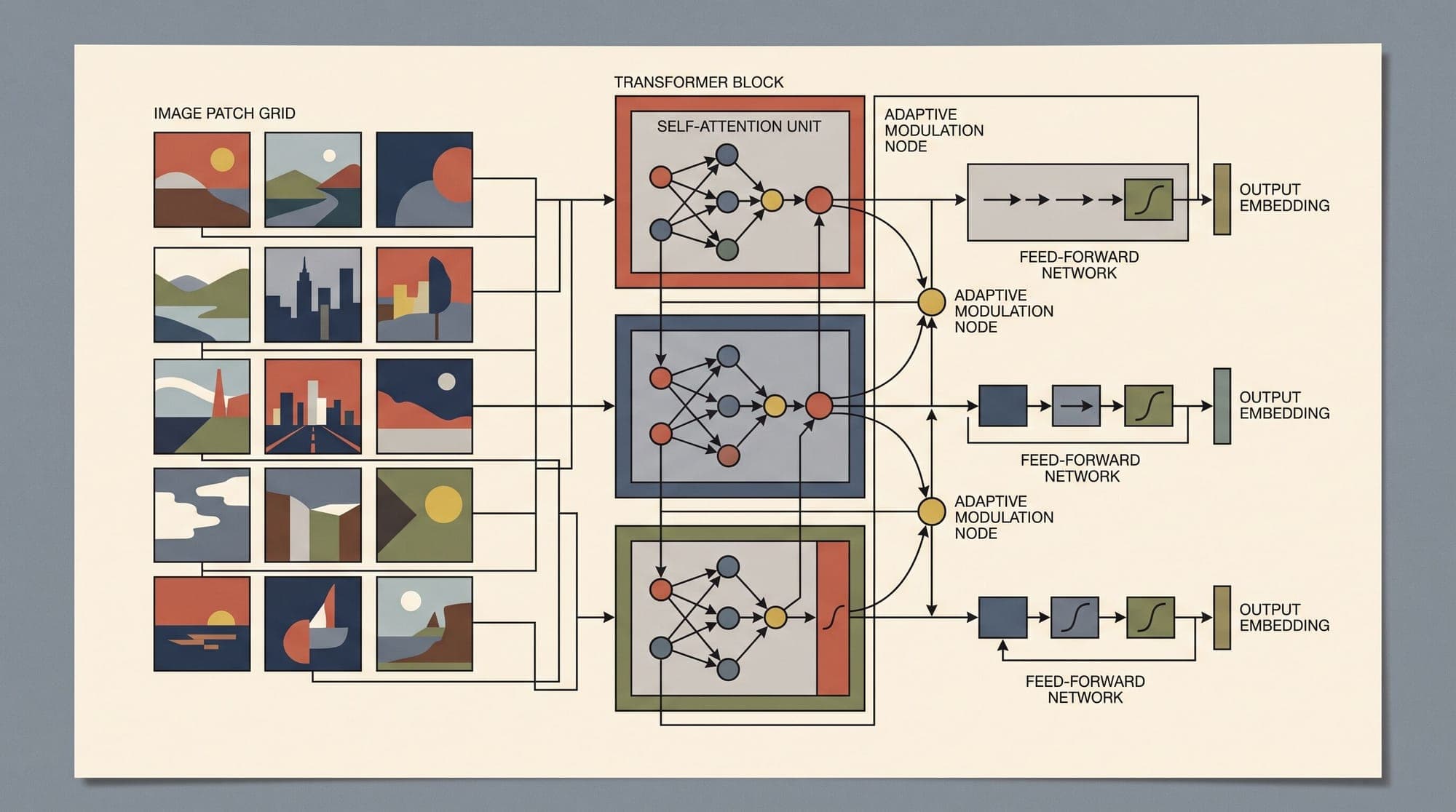
  10. Diffusion Transformers (DiT): How Patchification and adaLN-Zero Replaced U-Nets in Generative AI

    Generative visual models relied for years on convolutional U-Net architectures to execute iterative denoising. From Denoising Diffusion Probabilistic Models (DDPM) and Ablated Diffusion Models (ADM) to Latent Diffusion Models (LDMs) behind Stable Diffusion, convolutional backbones served as the default engine for image synthesis. While convolutional inductive biases provided translation equivariance and local spatial hierarchies, they imposed architectural rigidities that resisted compute scalin

    AI
    8 min read
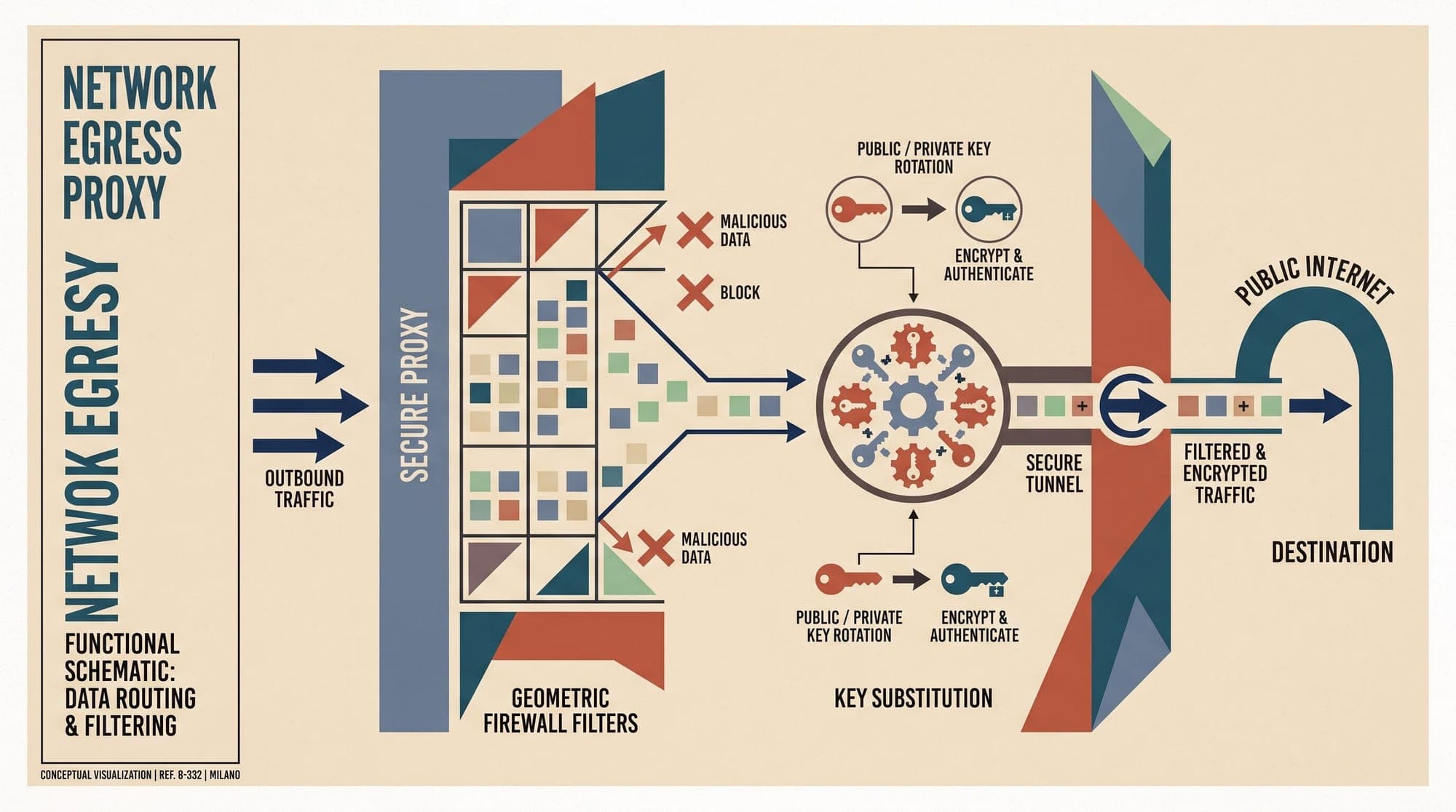
  11. Agent Egress Security in Production: Network Sandboxing, Secretless Token Rewriting, and DNS Exfiltration Defenses

    Agent Egress Security in Production: Network Sandboxing, Secretless Token Rewriting, and DNS Exfiltration Defenses Autonomous AI agents with tool execution, code execution environments, and Model Context Protocol (MCP) servers present a fundamental shift in network security architecture. Traditional web application security treats outbound traffic from backend services as trusted or semi-trusted, focusing defense mechanisms on inbound traffic via Web Application Firewalls (WAFs) and API gateway

    AI
    7 min read
  12. Skanska Signs $1.2B Contract to Build Four AI Data Centers in Southeast USA

    Swedish construction and development group Skanska has signed a $1.2 billion (SEK 11.2 billion) contract with an existing client to construct four new data center facilities in the southeastern United States. The full contract value will be included in Skanska's US order bookings for the third quarter of 2026, representing the largest single data center award in the contractor's history. Scope of Work and Campus Specifications The multi-facility project spans four standalone structures total

    AI
    2 min read
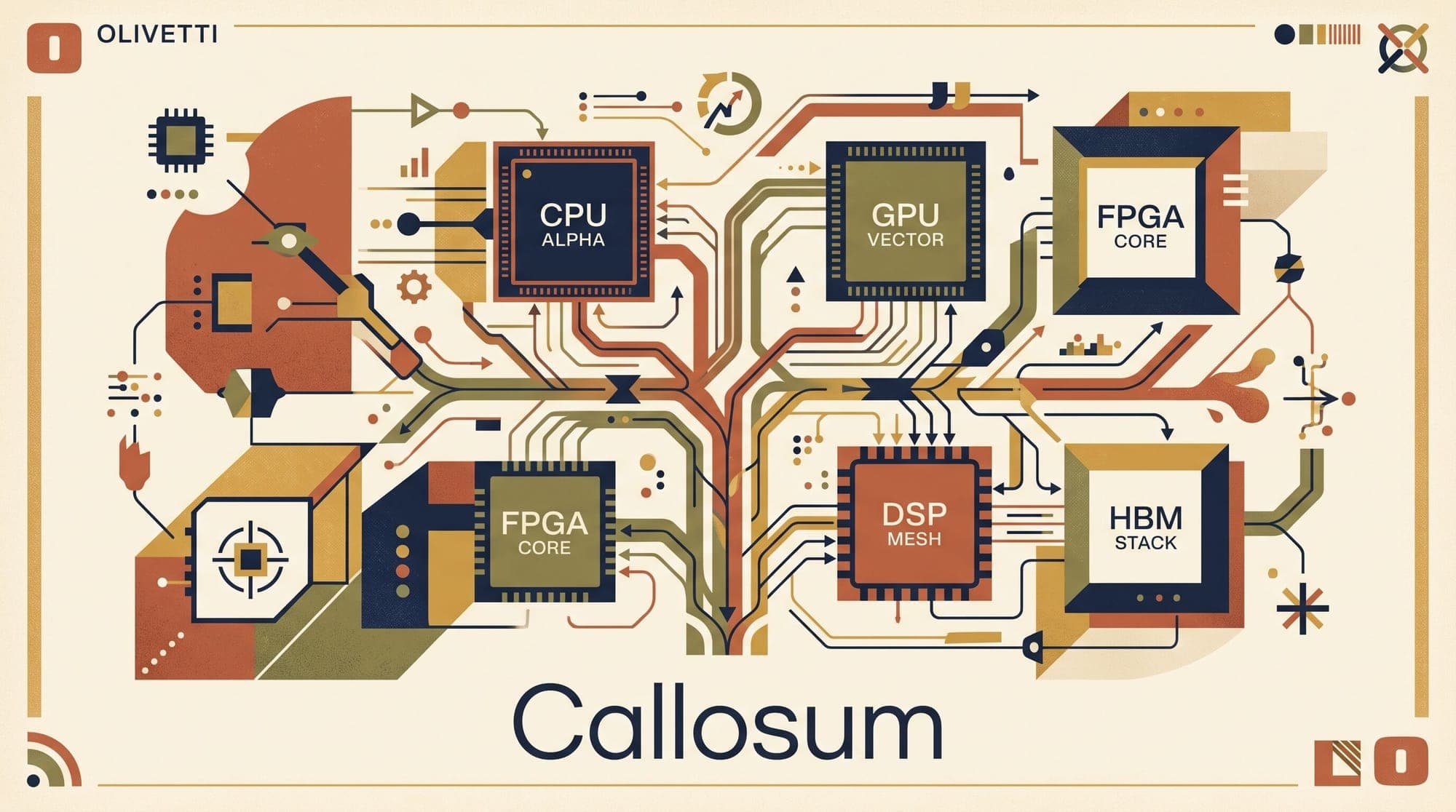
  13. UK Heterogeneous Compute Startup Callosum Raises $100M Seed Backed by Atomico and Sovereign AI Fund

    London-based AI infrastructure startup Callosum has raised $100 million in seed financing to develop systems software that orchestrates machine learning workloads across heterogeneous processor environments. The funding round was led by European venture capital firm Atomico, with participation from Plural and DCVC, alongside a major investment from the UK government's £500 million ($677 million) Sovereign AI Fund. Callosum did not disclose its post-money valuation. Breaking Homogeneous Comput

    AI
    2 min read
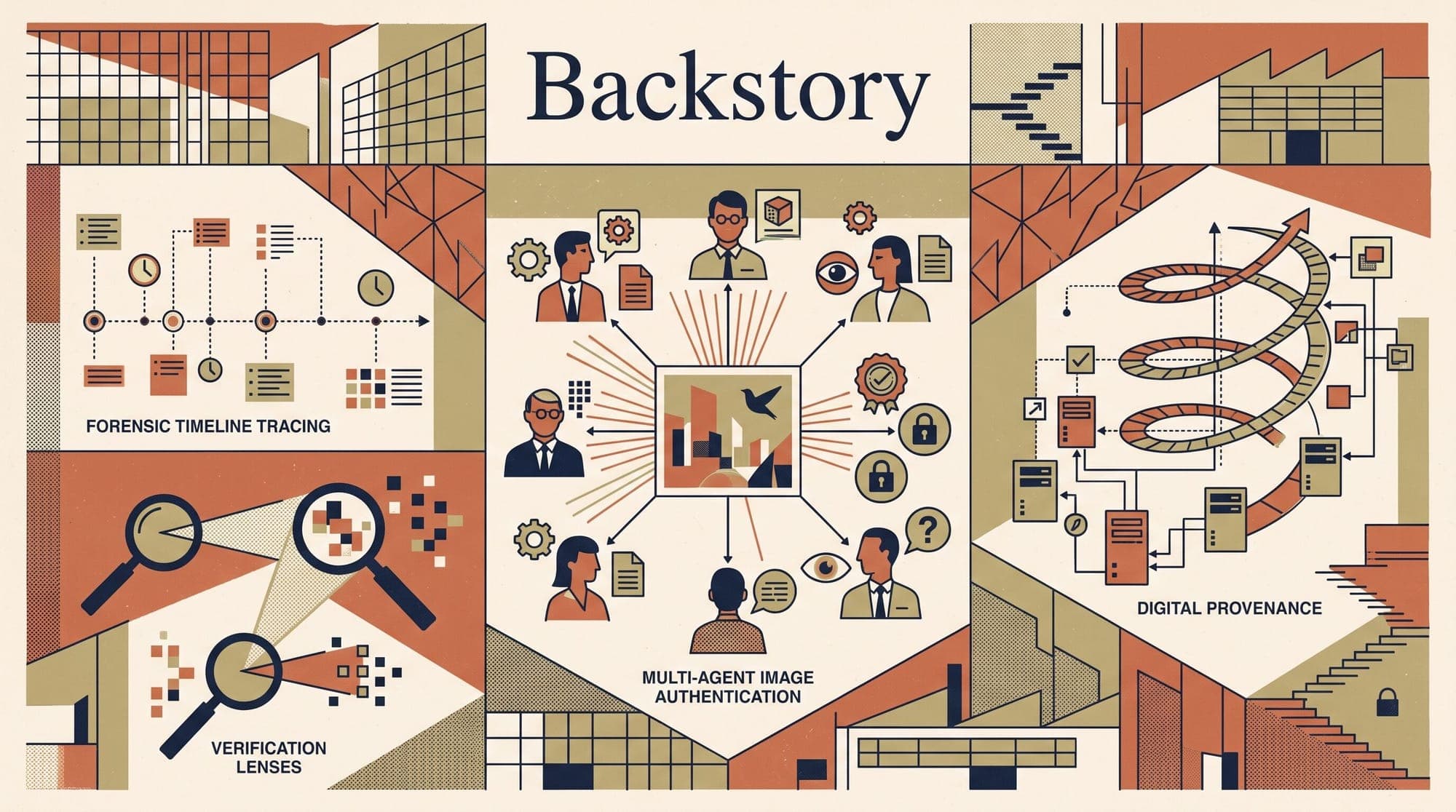
  14. Google DeepMind Deploys Backstory to Fact-Checkers for Multi-Agent AI Image Verification

    Google DeepMind has expanded live testing of Backstory, an experimental verification platform designed to investigate the origin, manipulation, and dissemination history of digital images. The system, built on the Gemini model family, is currently deployed across newsrooms, open-source intelligence (OSINT) groups, academic researchers, and fact-checking teams participating in Google's Trusted Testers program. Beyond Binary Synthetic Detection Traditional automated image forensic tools typical

    AI
    2 min read
  15. Sliding Window Attention in Large Language Models: How Bounded Receptive Fields, Interleaved Layers, and Rolling KV Buffers Scale Contexts

    Standard causal multi-head attention imposes two severe computational constraints as sequence lengths expand into tens or hundreds of thousands of tokens. First, calculating pairwise query-key dot products scales quadratically with sequence length, requiring $O(N^2)$ floating-point operations. Second, autoregressive generation requires caching key and value projections for all preceding tokens, causing the key-value (KV) cache to grow linearly with sequence length $O(N)$ across all layers and at

    AI
    8 min read
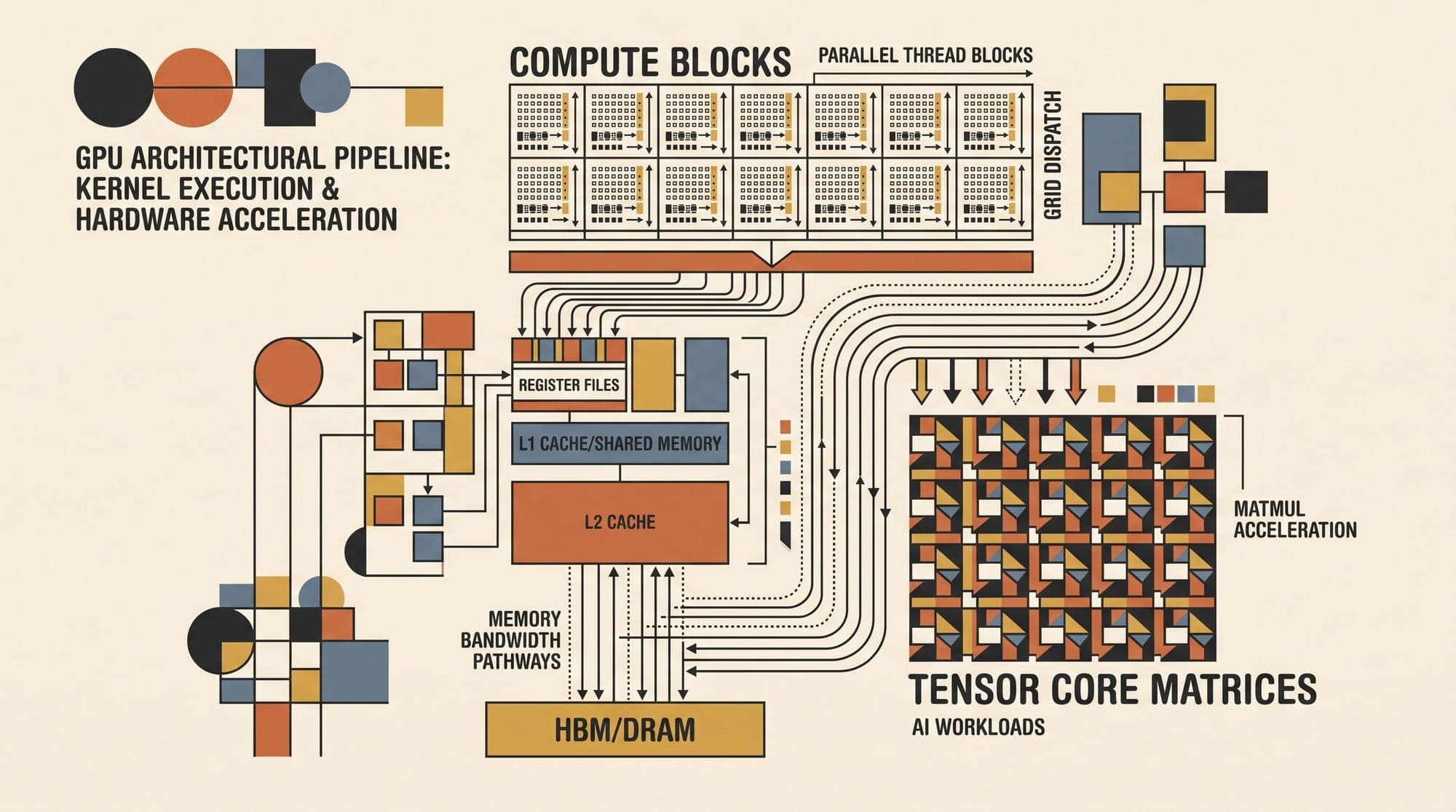
  16. Custom LLM Kernel Optimization in Production: Triton vs. CUDA C++ vs. torch.compile vs. CUTLASS

    Serving large language models at scale requires extracting maximum performance from modern GPU architectures like NVIDIA Ampere, Hopper, and Blackwell. While early production deployments relied on standard PyTorch eager execution and standard cuBLAS calls, high-throughput serving systems such as vLLM, SGLang, and TensorRT-LLM depend on specialized fused GPU kernels to eliminate memory bandwidth bottlenecks and saturate Tensor Cores. Engineering teams face four primary paradigms for kernel devel

    AI
    7 min read
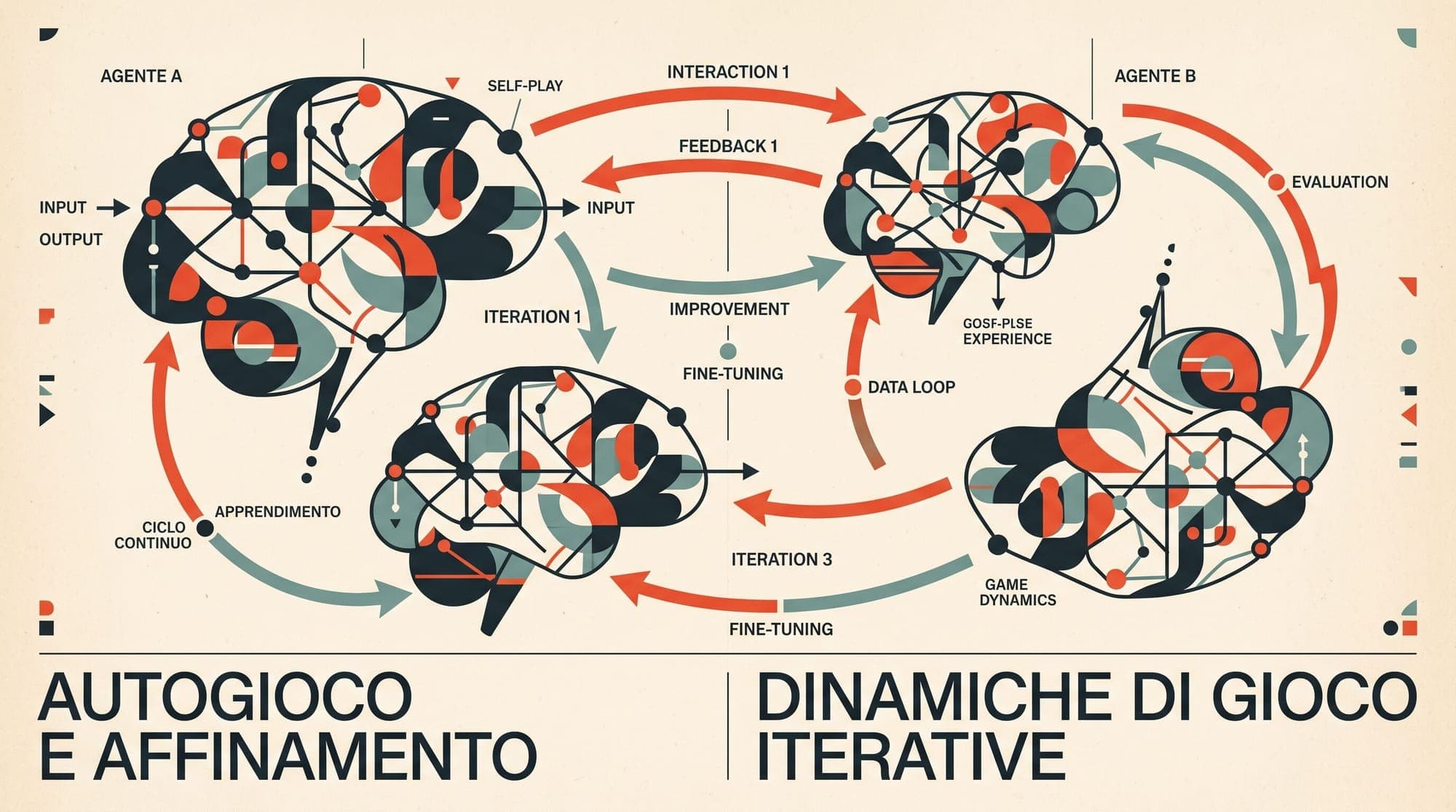
  17. Self-Play Fine-Tuning (SPIN): How Iterative Games Against Historical Checkpoints Eliminate Preference Labels

    Self-Play Fine-Tuning (SPIN): How Iterative Games Against Historical Checkpoints Eliminate Preference Labels Supervised fine-tuning (SFT) remains the standard entry point for adapting foundation language models to downstream instructions. By training on curated prompt-response pairs via token-level cross-entropy loss, SFT forces a model to mirror reference demonstrations. However, standard maximum likelihood estimation (MLE) suffers from exposure bias and covariate shift. During inference, the

    AI
    8 min read
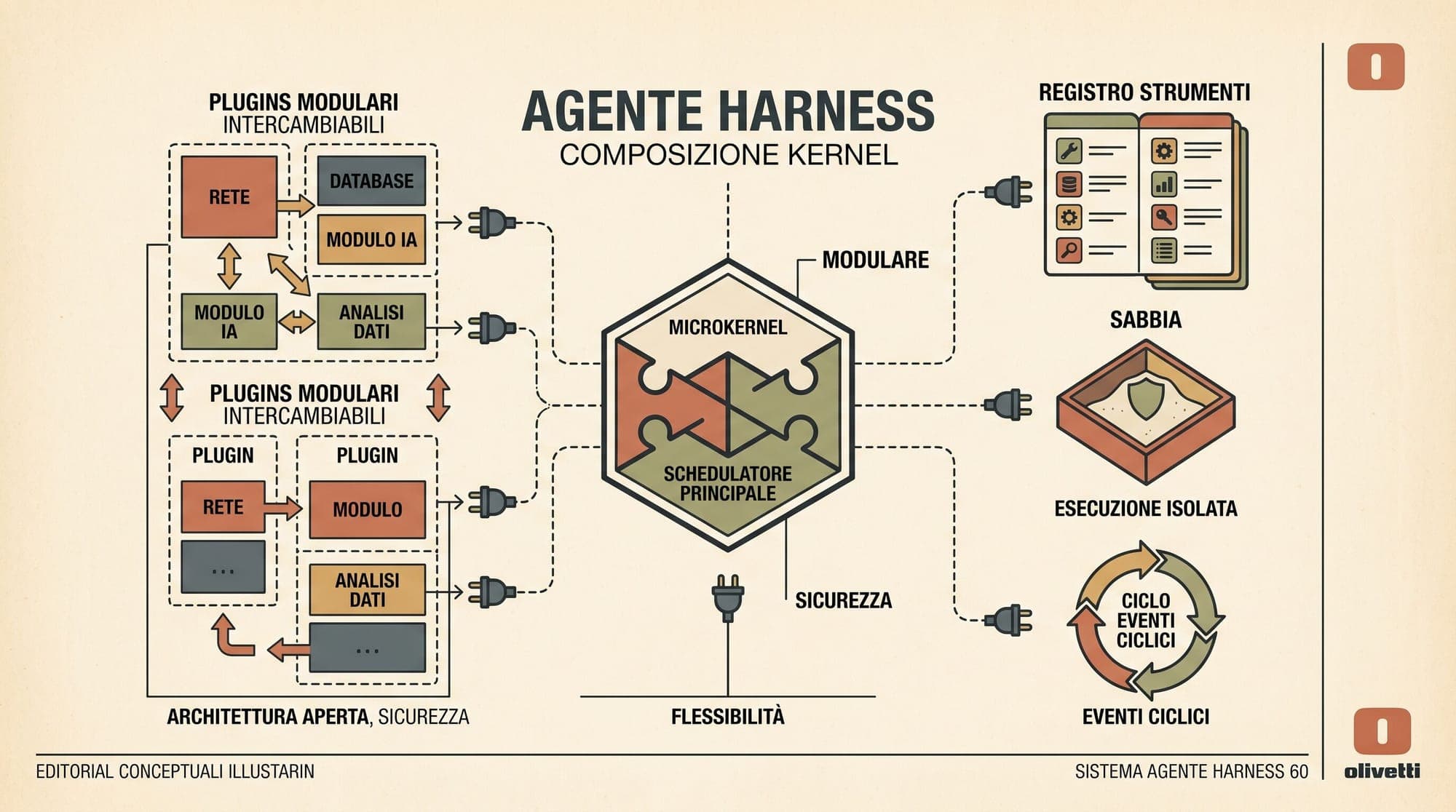
  18. DeepSeek Open-Sources DeepSeek Harness: Modular Agent Runtime Built on Cordis Plugin Framework

    DeepSeek AI has released DeepSeek Harness (dsh), an open-source agent harness built on a modular "everything is a plugin" design. Published under the MIT license on GitHub, the project provides a runtime framework where all core agent functions—including model adapters, session storage, tool registries, sandboxes, and the execution loop itself—are implemented as interchangeable, hot-swappable plugins. Rather than developing a monolithic agent runner, DeepSeek structured the system around Cordis

    AI
    2 min read
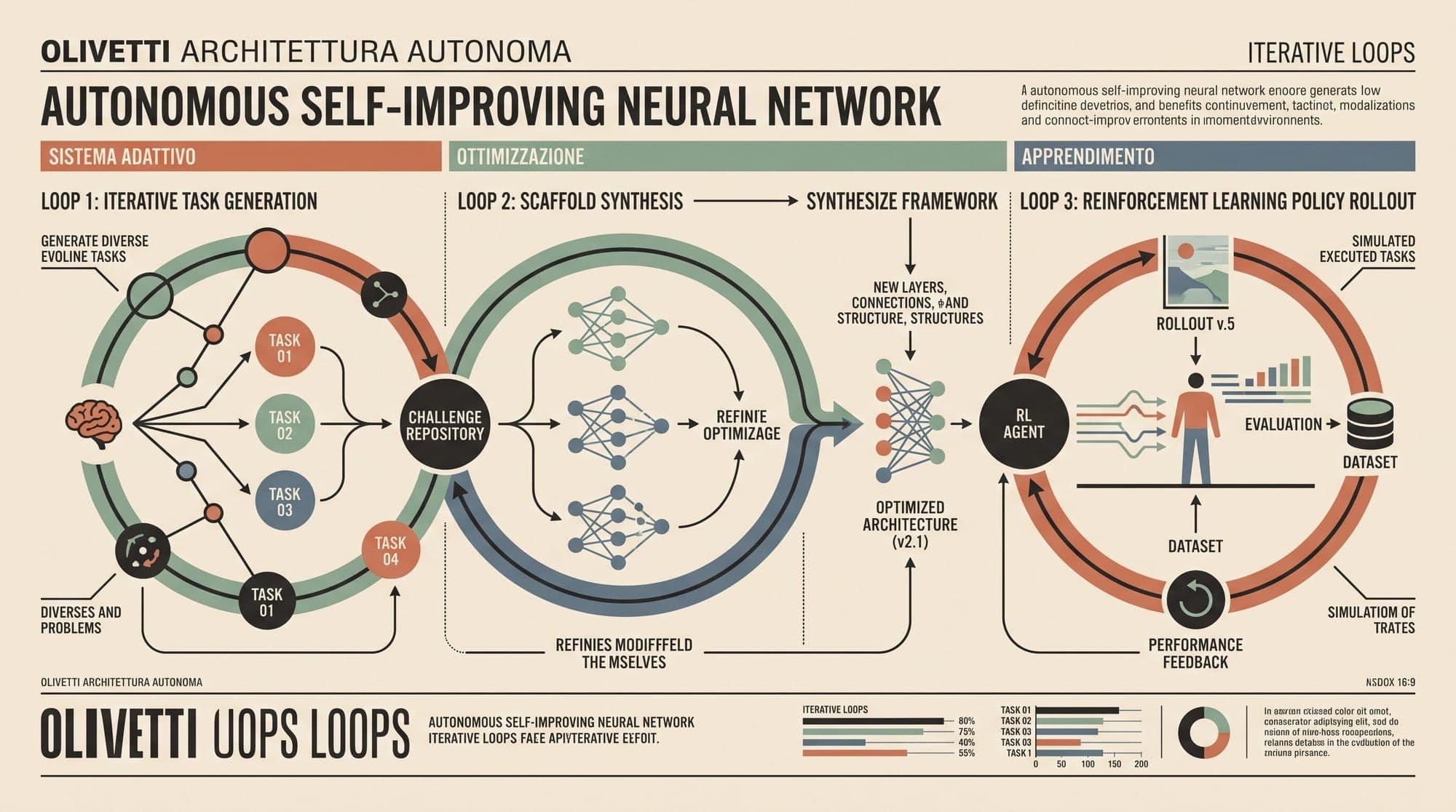
  19. DeepReinforce Releases Ornith-1.5: MIT-Licensed 9B, 35B, and 397B Open Weights Trained on Autonomous Self-Improvement Loops

    DeepReinforce and the Ornith team have released Ornith-1.5, a family of open-weight foundation models trained using autonomous self-improvement loops. Released under the permissive MIT license, the model family spans three architectures: a 9B dense model, a 35B mixture-of-experts model activating approximately 3B parameters per token (35B-A3B), and a flagship 397B mixture-of-experts model. The release expands on the team's earlier Ornith-1.0 release by automating the entire post-training optimi

    AI
    2 min read
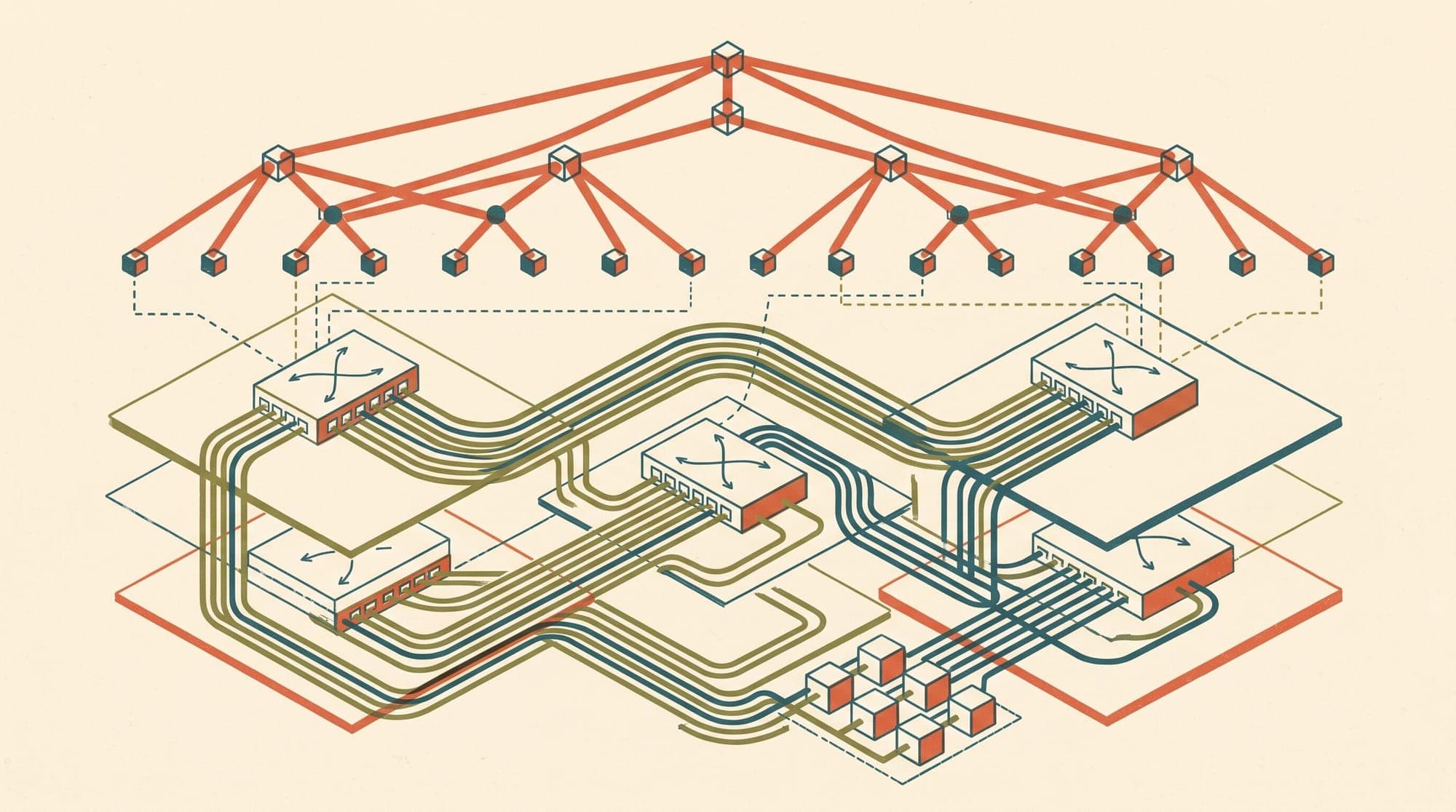
  20. GPU Cluster Networking in Production: InfiniBand vs. RoCEv2 vs. Ultra Ethernet Architecture, Congestion Control, and NCCL Collective Latency

    Distributed training and high-throughput inference workloads are fundamentally bound by the network fabric. While traditional cloud applications rely on asynchronous request-response cycles that absorb latency jitter, distributed deep learning relies on synchronous collective communication. Operations such as All-Reduce, All-Gather, and All-to-All require hundreds or thousands of GPUs to exchange tensors and synchronize at strict barrier points before execution can proceed. In this execution mo

    AI
    8 min read